Ultimate Guide to Excessive Heat in Attic
Last updated: Feb 28, 2026
Introduction: Excessive Heat in the Attic
Excessive heat in the attic is a real, solvable problem that many homeowners notice during hot summer days. When the attic gets scorching, it can ripple through your whole house—from blistering attic temps to higher cooling costs and potential damage to roof components. This guide offers a clear, practical look at why attic heat happens, how urgent it is, and the high-level steps you can take to improve the situation.
Why attics get excessively hot
- Solar radiation and roof color: The sun heats the roof and transfers heat to the attic air, especially on dark shingles.
- Insulation gaps: Poor or uneven insulation lets warm air seep into the attic and trap heat.
- Poor ventilation: Limited airflow causes hot air to linger, making the attic hotter than outside.
- Penetrations and light fixtures: Electrical boxes, plumbing stacks, and recessed lighting can create heat leaks if not properly sealed.
- Ventilation imbalance: Too much exhaust and not enough intake can pull hot air out but not replace it with cooler air.
Is this urgent or common?
- It's a common issue in hotter climates and older homes, but not every hot attic is an emergency.
- Urgent signs to watch for: persistent moisture or mold in the attic, warped roof decking, obvious electrical overheating, or sagging insulation.
- If you're seeing dramatically high attic temperatures plus unexplained energy bills, plan a quick check-in to prevent longer-term damage.
What heat can do to your home
- Higher cooling costs: Heat buildup makes your air conditioner work harder.
- Insulation degradation: Excess heat can shorten insulation life and reduce performance.
- Roof deck and sheathing stress: Repeated heat cycles can warp or weaken plywood or OSB.
- Ventilation strain: Fans and vent systems may run longer or harder, shortening their life.
- Potential moisture problems: Warm, stagnant attic air can create condensation and mold risk when cooled by night air or indoor humidity.
High-level next steps
1. Assess the basics: check insulation depth, gaps around the attic hatch, and visible air leaks.
2. Improve ventilation: ensure a balanced intake and exhaust system with soffit vents and ridge or gable vents; consider a powered attic fan if appropriate.
3. Manage radiant heat: inspect for radiant barriers or reflective coatings where applicable.
4. Seal and insulate: seal penetrations and gaps around wires, pipes, and light fixtures; add or upgrade insulation to the recommended R-value for your climate.
5. Schedule a professional check: an attic and roof inspection can verify insulation levels, ventilation health, and any roof or decking concerns.
Quick checks homeowners can do today
- Inspect the attic hatch or scuttle for a tight seal; replace weatherstripping if worn.
- Look for obvious gaps around wires, plumbing vents, and recessed lights; seal where safe.
- Verify vent openings aren't blocked by insulation or debris; clear any blockage.
- Check for signs of moisture, mold, or mildew on rafters, sheathing, or insulation.
- If you have an attic fan or vent fan, confirm it's wired correctly and operating, with outdoor venting.
When to call a pro
- Signs of moisture intrusion, mold growth, or warped roofing deck.
- Recurrent high attic temperatures despite basic sealing and venting improvements.
- Electrical components showing heat damage or discoloration.
- You're unsure about insulation adequacy or venting balance for the climate.
Is Excessive Heat in the Attic an Emergency?
Excessive attic heat isn't always a blaze, but it can signal serious issues that affect your roof, insulation, and overall home safety. Knowing when heat in the attic demands urgent action helps you protect structural integrity and avoid costly damage.
- You see active fire, smoke, or a strong burning smell in the attic.
- You notice melted or scorched insulation, wiring insulation, or scorching marks on rafters, sheathing, or vent components.
- There is visible damage to the roof deck or attic framing that looks warped, cracked, or compromised from heat exposure.
- Electrical components in the attic (recessed lights, wiring, junctions) show overheating signs, sparks, buzzing, or a burning odor.
- The attic remains dangerously hot even after you've opened outside vents or otherwise attempted ventilation, suggesting ventilation or deck integrity may be failing.
Monitor if
- There is no smoke or fire, but the attic feels unusually hot and the temperature stays high during peak heat hours.
- You notice unusual odors (chemical, sulfur, or a faint burning scent) that aren't smoke but could indicate electrical heat or insulation degradation.
- Ventilation paths (soffit, ridge, or powered attic fans) appear blocked or nonfunctional, and you can't determine why heat isn't dissipating.
- You've had recent weather events (extreme heat, heavy sun exposure) that could have stressed attic components or reduced insulation effectiveness.
Can wait if
- The attic is hot but shows no signs of damage, smoke, or electrical trouble, and external temperatures are extreme yet ventilation seems to be working.
- You recently had a professional inspection and the roofing system, insulation, and ventilation balanced well, with no signs of heat-related distress.
- You can schedule a routine roof and attic check during regular business hours without delaying urgent home repairs, and there are no immediate safety concerns.
Quick safety and action steps (numbered)
1. Do not enter the attic if you smell smoke, see flames, or hear crackling—exit the area and call emergency services.
2. From a safe location, check exterior roof vents and soffits for obvious blockages or debris that could impede airflow; do not climb onto the roof unless it is safe to do so.
3. If it is safe and you can do so without entering the attic, ensure attic ventilation is not obstructed by stored items and that vents are accessible to airflow.
4. Document what you observe with notes or photos (temperatures, smells, any discoloration, signs of moisture) to share with your roofer.
5. Keep children and pets away from the attic access and any areas showing heat or damage until a professional has evaluated the situation.
What your roofer will check (brief overview)
- Ventilation balance: intake vents, exhaust vents, and any powered attic fans for proper operation.
- Roof decking and framing for heat-related warping or damage.
- Insulation condition and potential gaps allowing heat transfer.
- Electrical wiring and fixtures in the attic for overheating signs and safe clearance distances.
Practical reminders
- Attic heat can worsen existing problems like moisture intrusion, ice damming in cold seasons, and insulation inefficiency.
- Early assessment by a qualified roofer can prevent more extensive damage and longer repair timelines.
- If your attic is hard to access or you're unsure about safety, prioritize professional help rather than DIY inspection.
Common Causes of Excessive Heat in Attics
Insulation problems: gaps, compression, age
Insulation is your first line of defense against heat transfer. When it's not doing its job, the attic acts like a sunlit oven.
- Gaps around attic access hatches, wiring penetrations, and vent pipes create direct heat paths.
- Insulation that's been crushed, compressed, or settled over time loses its effectiveness.
- Old or moisture-damaged insulation reduces R-value and can trap warm air.
- Inadequate overall attic R-value for your climate means more heat moves in from outdoors.
What to look for:
- Visible gaps between insulation pieces or along joists.
- Areas where insulation sits against ductwork or wood framing rather than filling the cavity.
- Moisture staining or mold growth in insulation.
Quick checks (steps you can take):
1) Compare your attic insulation to local climate recommendations and upgrade if needed.
2) Refill gaps with unfaced insulation, ensuring full, even coverage.
3) Seal penetrations around framing, ducts, and wires with fire-rated sealant or foam, then cover with an appropriate layer of insulation.
Inadequate or blocked ventilation
Vents are the attic's exhaust system. Without proper airflow, hot air gets trapped and reabsorbed into the living space.
- Soffit vents blocked by insulation prevent fresh, cool air from entering.
- Ridge, gable, or turbine vents may be undersized or obstructed by debris.
- Attic fans that don't run or are mis-specified can push heat back into the attic.
- Roof vents installed too high or too close together can create short-circuit airflow.
Key components to check:
- Clear soffit intake paths free of insulation obstruction.
- Unobstructed ridge or exhaust vents with no caps blocking airflow.
- Properly functioning attic fan or whole-house fan (if present).
Steps to improve ventilation:
1) Inspect for blocked soffit vents and re-establish a clear air intake path.
2) Ensure ridge or exhaust vents are open and free of debris.
3) If the attic lacks adequate ventilation, add or upgrade vents or install baffles to maintain airflow above insulation.
4) Run a simple airflow test on a warm day to confirm air is moving from soffits to ridge vents.
Radiant heat on roof surface
The roof directly soaks up sun and radiates heat into the attic, especially with dark colors and metal.
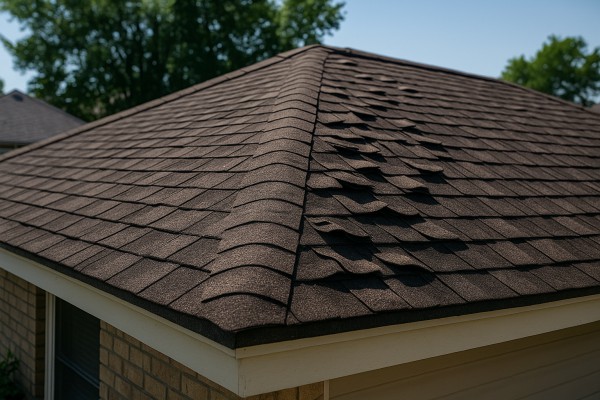
- Dark asphalt shingles absorb more solar energy than light-colored or reflective varieties.
- Metal roofs can transfer heat quickly if underlayment and attic insulation aren't up to par.
- Skylights and large windows in the uppermost ceiling contribute to radiant heat gain.
What to do:
- Consider light-colored or cool-roof coatings and reflective shingles if you're replacing the roof.
- Seal and insulate under the roof deck to reduce radiant heat transfer to the attic air.
- Use reflective window films or shades for skylights to cut solar gain.
Attic envelope leaks and air leakage
Cracks and penetrations allow warm, outside air to leak into the attic space.
- Gaps around the attic hatch or scuttle door.
- Loose or missing weatherstripping on doors.
- Penetrations from electrical cables, plumbing vents, and ductwork.
Diagnosis and fixes:
- Inspect door seals, weatherstripping, and hatch closures; replace as needed.
- Seal around every penetration with appropriate sealant or foam, then insulate over the area.
- Treat ductwork that runs through the attic for leaks; seal joints with mastic or foil tape (avoid standard duct tape).
Heat sources inside the attic
Some homes store heat-generating equipment in the attic, which can elevate attic temperatures.
- Furnaces, water heaters, or space heaters venting into or through the attic.
- Electrical panels or transformers generating heat.
- Clothes dryers venting into the attic (instead of outside) or poorly vented bathroom fans.
What to check:
- Confirm appliances vent outdoors with properly sized vents and dampers.
- Ensure electrical equipment has adequate clearance and is not overheating due to poor circuits or insulation contact.
- If you notice warm spots near appliances, have a licensed pro inspect for overwork or venting issues.
Solar gain from skylights and windows
Direct sun through skylights can be a hidden heat source in the attic.
- Unshaded skylights let in intense sunlight.
- Glazing with low efficiency and insufficient shading increases heat transfer.
Mitigation ideas:
- Use energy-efficient, double- or triple-pane skylights with low-emissivity coatings.
- Install exterior shade devices or reflective coverings on skylights.
- Consider adding blinds or shades that can be closed during peak sun hours.
Uneven roof construction or ventilation design flaws
Some homes have intentional or unintentional design quirks that trap heat.
- Inadequate attic-to-living space crossover, limiting cross-ventilation.
- Poorly planned vent placement that creates hot pockets.
Addressing design issues:
- Have a pro evaluate attic ventilation layout and confirm balanced intake and exhaust.
- Add or relocate vents to establish even, continuous airflow across the attic.
How Roof Material Affects Excessive Heat in the Attic
How heat travels through roof materials
Heat moves from the sun into your roof, then into the attic. The rate at which this happens depends on the material's properties, color, and how well the roof is vented and insulated. Lighter colors reflect more sun, while dark colors soak up heat. Some materials conduct heat quickly, others act as a barrier. Ventilation and insulation are your best defenses, but the roof material itself sets the baseline for how hot your attic will get.
Common roofing materials and heat impact
- Asphalt shingles
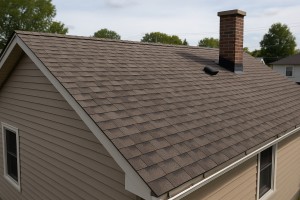
- Absorb a lot of radiant heat, especially in dark colors. This accelerates aging, can soften adhesives, and increases attic temperatures. Granule loss over time exposes newer, more heat-absorbent surface.
- Practical note: If you're in a hot climate, light-colored asphalt shingles can help reduce heat gain.
- Metal roofing
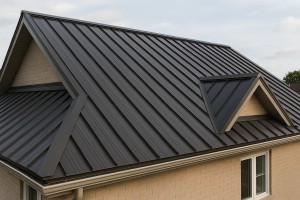
- Metal conducts heat efficiently, so heat can transfer into the attic quickly unless the attic is well-ventilated. A reflective or cool-coating helps, but fasteners and edge details should be protected from thermal expansion.
- Practical note: Standing-seam or light-colored, reflective coatings perform better in hot attics than darker, uncoated panels.
- Clay and concrete tiles
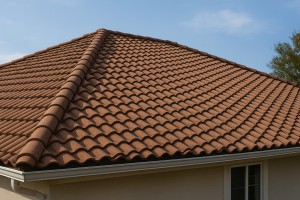
- High thermal mass means they can store heat, slowing release to the attic at night but still transferring heat during hot days. Color and tile type (solid vs. hollow) affect how much heat gets into the attic.
- Practical note: Light-colored tiles and proper attic ventilation help keep attic temps down.
- Slate
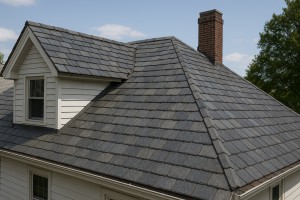
- Dense and durable; slate itself transfers heat more slowly than asphalt but can still raise attic temperatures if the roof is dark and the attic is poorly vented. Color and exposure matter.
- Practical note: Slate roofs paired with good ventilation keep attic temps more consistent.
- Wood shingles/shakes (including cedar)
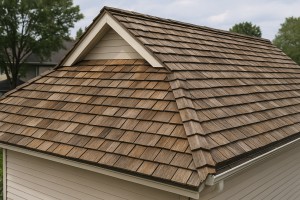
- Wood heats up, expands, and contracts with temperature swings. Heat can accelerate aging, curl, split, or dry out shakes more quickly if ventilation is weak.
- Practical note: Proper spacing and ventilation minimize heat-driven distortion and moisture issues.
- Synthetic/composite shingles
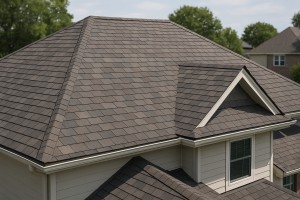
- Designed to resist UV and may offer better reflectivity than some organic shingles. They vary, but many composites respond well to heat if installed with proper ventilation and a breathable underlayment.
- Practical note: When selecting a synthetic option, look for high reflectivity and performance in hot weather.
Quick mitigation steps by material (practical fixes you can discuss with a roofer)
1) Improve attic ventilation
- Ensure a balanced system of soffit intake and ridge or turbine exhaust.
- Add baffles where needed to keep airflow clear above the insulation.
2) Boost insulation and seal air leaks
- Upgrade to a higher R-value and seal around penetrations, ducts, and attic access.
3) Consider radiant barriers or reflective coatings
- Install a radiant barrier under roof sheathing or choose reflective roof colors/coatings when reroofing.
4) Choose material options with better heat performance when replacing
- Light colors, reflective coatings, or materials known for lower heat absorption can reduce attic heat load.
5) Regular maintenance and inspection
- Check for gaps, damaged underlayment, or degraded seals that can amplify heat gain and moisture issues.
Quick reference tips
- If your attic gets unbearably hot, check insulation levels first; the material choice matters, but poor insulation and venting often drive the problem.
- For hot climates, favor reflective, lighter-colored options and ensure a well-vented attic to maximize the heat-reducing benefit of the material you choose.
- When in doubt, consult a local roofing professional who can assess your roof color, material, attic ventilation, and insulation as a system.
The Risks of Ignoring Excessive Heat in the Attic
Structural damage to roof deck and framing
- Prolonged heat combined with humidity can cause wood to expand and contract, loosening nails and fasteners over time.
- Repeated cycles of warmth and cooling raise the risk of rafters, trusses, or roof decking cupping, warping, or delaminating.
- In extreme cases, softened or stressed decking can lead to sagging or uneven roof surfaces, inviting leaks.
Insulation and energy loss
- High attic heat can collapse or compress insulation, reducing its R-value and letting more cool air escape into the attic or living spaces.
- The result is higher cooling costs, uneven indoor temperatures, and more strain on your HVAC system.
- Poor attic ventilation allows hot air to linger, making insulation work harder and increasing the risk of condensation issues.
Roofing material degradation
- Asphalt shingles soften in heat and may curl, crack, or lift prematurely, shortening the roof's life.
- Excessive heat accelerates granule loss, reducing solar protection and increasing sun damage to the shingles.
- Underlayment and flashing seals can degrade with sustained heat, raising the chance of leaks around vent stacks, skylights, and valleys.
Moisture, mold, and rot
- Hot, humid attic air promotes condensation on cooler surfaces, creating a hospitable environment for mold and mildew.
- Mold can grow on sheathing, insulation, and framing, compromising indoor air quality and potentially triggering health issues.
- Unaddressed moisture can lead to wood rot, weakening structural components and inviting pests.
Fire and electrical hazards
- Electrical wiring, insulation around outlets, and junction boxes in a overheated attic can deteriorate and pose a fire risk, especially if wiring is old or damaged.
- Stored combustible items (paint, solvents, or other flammables) in a hot attic become more dangerous during heat spikes.
Ventilation and condensation problems
- Inadequate intake or exhaust vents trap hot air, amplifying heat buildup and reducing the attic's ability to dry out moisture.
- Poor ventilation creates stale air, musty smells, and higher humidity levels that threaten both the roof and interior spaces.
- Warmer attic surfaces can melt snow on the upper roof; the melted water then refreezes at the eaves, forming ice dams.
- Ice dams force water to back up under shingles, increasing the risk of leaks and interior staining or damage.
HVAC system and appliance wear
- Attics housing furnaces or water heaters exposed to frequent high heat shorten appliance life and reduce efficiency.
- Elevated attic temperatures can cause components to overwork, increasing the likelihood of failures when you need them most.
What to watch for:
1) Visible shingle wear or curling on the roof crest, especially after hot days.
2) Warm, air-worn attic surfaces and humped insulation that's moved or compressed.
3) Musty odors or damp or stained wood in the attic.
4) High cooling bills or hot living spaces during peak sun hours.
Keep an eye on ventilation:
- Uneven attic temperatures between corners and the ridge.
- Blocked soffit vents, clogged attic fans, or inadequate exhaust pathways.
- Signs of moisture on attic surfaces after humidity spikes.
Keep electrical components clear:
- Wires and fixtures tucked away from insulation, not crushed or pinched.
- No signs of melting plastic or scorch marks near junction boxes or light fixtures.
Storage in the attic:
- If you store flammable items up there, relocate them to a cooler, ventilated space.
How Excessive Heat in the Attic Is Diagnosed
Recognizing the heat pattern
Attics can get very hot, especially on sunny afternoons. A good rule of thumb is to compare attic temperatures to the living space and to the outdoor air. If the attic feels noticeably hotter than the rest of the house, or you notice heat moving through the ceiling into living areas, that's a primary clue something isn't right.
Visual signs homeowners can spot
- Discolored or compressed insulation on the attic floor
- Melted or softened roofing underlayment near vents or heat sources
- Warped or sun-baked plywood and rafters
- Condensation on surfaces, damp insulation, or signs of mold
- Blocked or clogged vent openings, or vents that are disconnected
- Ducts that run through the attic with obvious leaks or excessive heat on contact
- Infrared thermometer for quick spot checks
- Infrared camera (or a smartphone with an IR attachment) for heat-mapping
- Digital hygrometer to gauge humidity levels in the attic
- Flashlight or headlamp to inspect tight corners and around penetrations
A practical diagnostic checklist (step-by-step)
1) Safety and setup
- Wear appropriate PPE (gloves, eye protection, sturdy footwear)
- Ensure the attic is dry, stable, and well-lit; shut off power to any equipment if needed
- Have a companion if you'll be moving around in tight spaces
2) Establish a baseline
- Record the outdoor temperature, attic air temperature at a standard location, and the living-space temperature
- Note time of day and recent weather (sun exposure, wind, rain)
3) Take multiple readings
- Measure near the attic access, along the edge of insulation, near soffit vents, and near ridge or roof vents
- Map readings to identify hot spots rather than relying on a single number
4) Compare attic vs. outdoor vs. living space
- Look for a large delta between attic and living space on hot days
- If the attic is hotter than outdoor air by a wide margin, airflow or insulation issues are likely
5) Inspect ventilation and airflow
- Check soffit intakes for blockage by insulation or debris
- Inspect ridge or roof vents to confirm they're clear and open
- Assess overall vent area relative to attic floor space (typical guidance is around 1 sq ft of vent opening per 150 sq ft of attic floor, with regional adjustments)
6) Inspect insulation and bypasses
- Look for insulation gaps, compressed zones, or misdistributed batts
- Check for bypass routes where warm air leaks into the attic (around attic hatch, light fixtures, plumbing stacks, or duct penetrations)
7) Check for heat sources and moisture
- Identify any ducts carrying hot air or electrical equipment generating heat in the attic
- Look for condensation, damp insulation, or mold—these can signal heat-related moisture issues
8) Document findings
- Take clear photos of hot spots, vent blockages, insulation problems, and duct leaks
- Create a simple diagram showing vent layout, hatch location, and insulation depth for reference
Interpreting results
- A consistent attic temperature well above living-space temperatures on hot days, with blocked or undersized ventilation, usually points to ventilation or insulation issues.
- Hot spots aligned with ducts or electrical equipment suggest targeted fixes like sealing duct leaks or addressing electrical heat sources.
When to escalate to a professional
- You identify electrical components overheating or signs of wiring insulation distress
- There is visible mold growth or structural damage
- The attic still feels excessively hot after addressing obvious ventilation and insulation gaps, or you're unsure about vent sizing and air sealing specifics
Repair Options for Excessive Heat in the Attic
Temporary fixes
- Boost attic ventilation immediately: ensure soffit vents, ridge vents, and gable vents are clear of debris and functioning. Temporarily adding a portable exhaust fan can help move hot air out more quickly.
- Seal obvious air leaks from living spaces into the attic: seal gaps around the attic hatch with weatherstripping, tighten and seal any loose pull-down stairs, and caulk penetrations where warm indoor air leaks into the attic.
- Add a lightweight reflective layer temporarily: install a radiant barrier or reflective foil on the underside of the roof deck or over the attic floor to reflect infrared heat. Use caution to avoid compromising ventilation—keep vents open and avoid blocking airflow.
- Orient cooling efforts to peak heat hours: run attic fans during the hottest part of the day to evacuate hot air and minimize heat buildup in the living spaces below.
- Check insulation depth and distribution: while not a full fix, topping up loose attic insulation with additional batts or blown-in insulation in the hottest areas can slow heat transfer and buy time for longer-term repairs.
Minor repairs
- Repair or reseal penetrations and flashings: re-seat and seal around vent pipes, attic fans, plumbing stacks, and chimney flashing with the appropriate sealant or roof cement. Ensure the flashing is fully integrated with the shingle line.
- Replace damaged or curling shingles in small areas: lift the surrounding shingles carefully, remove the damaged piece, apply a fresh layer of roofing cement, and re-nail with proper fasteners. Install a matching shingle to restore the surface.
- Clear and optimize attic ventilation: remove insulation or debris that blocks intake vents and ensure the exhaust path is open. Add baffles if corridors are pinched to improve airflow.
- Repair deck and underlayment spots: if you find blistering or exposed nails in localized spots, replace damaged sections of underlayment and secure with corrosion-resistant nails. Patch small areas of decking if there are signs of moisture damage.
- Upgrade insulation where feasible: add unfaced batt or blown-in insulation to areas with gaps or thin coverage to reduce heat transfer into living spaces.
- Address moisture-heat interactions: if you notice condensation or mold due to heat-driven moisture, address the moisture source and consider a small upgrade to the vapor barrier in the attic.
Partial replacement
- When to consider: localized area shows significant heat-related damage, including warped decking, widespread curling shingles, or concentrated moisture intrusion that can't be isolated easily.
- Process outline:
1) Inspect and map the trouble zone with a professional to confirm scope.
2) Remove damaged shingles, felt, and any compromised underlayment in the affected area.
3) Inspect the roof deck for rot; replace any compromised plywood or OSB with matching thickness.
4) Install ice-and-water shield at the eaves and along edges where heat damage is common.
5) Reinstall underlayment and flashings, then install new shingles that match the surrounding roof.
6) Blend and seal transitions to reduce moisture and heat entry near the replacement work.
7) Refinish surrounding areas to maintain a consistent appearance and performance.
- Efficiency notes: partial replacement can reduce upfront costs and limit disruption, but improper blending or mismatched components can lead to leaks or uneven heat performance. Ensure the replacement follows modern ventilation and insulation standards.
Full roof replacement
- When it's the right move: extensive heat damage across the entire roof line, widespread shingle failure, deteriorated decking, or persistent energy losses despite repairs. If the roof is nearing the end of its expected life or major warping and curling occur beyond repair, replacement is often the most cost-effective long-term option.
- What to expect in a full replacement:
1) Professional assessment of decking, flashing, and ventilation needs.
2) Safe removal of all existing shingles and underlayment.
3) Inspection and replacement of damaged decking across the entire roof, if needed.
4) Installation of a high-quality underlayment and ice-and-water shield at critical points.
5) Upgraded ventilation plan (more intake and exhaust capacity) to combat attic heat in the future.
6) New shingles or roofing material with attention to color, slope, and curb appeal.
7) Re-flashing around chimneys, vents, and roof-to-wall transitions.
8) Comprehensive cleanup and final inspection to verify ventilation, seals, and drainage.
- Long-term benefits: improved attic temperature control, better insulation compatibility, and a roof that can withstand higher heat loads with updated materials and ventilation strategies.
Typical Costs to Fix Excessive Heat in Attics
Minor repair: Quick fixes to reduce heat
- Description: Small, inexpensive actions that cut heat gain or keep it from escaping. Examples include sealing obvious air leaks around the attic hatch and along shared wall penetrations, sealing gaps in insulation, and ensuring vents aren't blocked. Weatherstripping the hatch and tidying up loose insulation blankets can make a noticeable difference without a full overhaul.
- Typical cost: roughly $100–$350 installed, depending on how many gaps you seal and whether any small materials are needed.
- Steps you can take:
1) Inspect for obvious air leaks around the attic hatch, pipe/chimney penetrations, and seams in the attic floor.
2) Seal leaks with caulk or low-expansion spray foam and tidy exposed gaps.
3) Install weatherstripping on the attic access door or hatch.
4) Check that soffit and exhaust vents are clear of obstructions and not crushed by insulation.
Moderate repair: Insulation, radiant barrier, and venting improvements
- Description: A mid-range upgrade that targets heat retention and transfer. This often includes adding or upgrading insulation to reach recommended levels, installing a radiant barrier on the attic side of the roof or decking, and improving attic ventilation (more vent openings, baffles, or a powered exhaust with thermostat). These steps reduce heat buildup and improve overall comfort year-round.
- Typical cost: roughly $1,000–$4,000 installed, with the exact amount driven by attic size, chosen materials, and whether existing insulation can be upgraded or must be removed.
- What this might involve:
- Insulation upgrade: blown-in insulation to reach recommended R-value, or upgrading existing batts.
- Radiant barrier: foil-faced insulation or reflective panels installed on the attic roof plane.
- Ventilation improvements: adding vent baffles, clearing soffit vents, and installing or upgrading an attic exhaust fan or passive vents.
- Steps you can take:
1) Have a pro assess current insulation R-value and attic air leaks.
2) Decide on insulation type (blown-in vs. batt) and whether radiant barriers are appropriate for your climate and roof.
3) Schedule installation and ensure proper ventilation is planned to work with the new insulation.
4) After completion, recheck attic temperature patterns and vent performance.
Major repair: Comprehensive attic overhaul
- Description: A full-scale solution for long-term heat control. This can include a complete insulation replacement, extensive radiant barrier coverage, major updates to attic venting (including high-velocity or mechanically assisted ventilation), and, in some cases, roof or decking adjustments to optimize reflectivity and airflow. This is usually pursued when existing systems are significantly inadequate or damaged by heat over time.
- Typical cost: approximately $5,000–$15,000+ depending on attic size, scope, and materials chosen.
- Steps you can expect:
1) Comprehensive assessment by a licensed roofer or insulation contractor.
2) Develop a detailed plan (materials, layout, ventilation strategy, and phased work).
3) Execute the overhaul with inspections at key milestones.
4) Final checks on insulation coverage, radiant barrier effectiveness, and vent performance.
What factors affect cost
- Roof size
- Access
- Material type
- Extent of damage
- Local labor rates
How Long Can You Wait for the Attic to Cool?
- Attic heat can spike quickly, especially during a heat wave. In unvented spaces, roof decking and insulation can rise well into the reds—surfaces can feel scorchingly hot and temps can exceed outside air by a wide margin.
- What happens if you wait a few hours? Parts of your attic system may begin to suffer tangible stress:
- Insulation fibers may compress or settle where heat is highest, reducing R-value locally.
- Adhesives and fasteners used in roofing and insulation can soften or degrade faster with repeated heat cycling.
- Electrical components and wiring in contact with overheated surfaces can overheat or emit odors.
- What to do now (safe, practical steps):
- If you're in the attic and feel dizzy, lightheaded, or the air is very thin, step out immediately and cool down.
- Keep a safe distance from any noticed smoke, sparking, or burning smells; do not touch electrical wiring or components.
- Ensure the attic ventilation is functioning: open soffit vents and ridge vents if it's safe to do so, or switch on any operable attic exhaust fans.
- Hydrate, take breaks, and plan to inspect later when temperatures are lower or with professional help.
Short-term: within 24 hours
- If you haven't cooled the attic promptly, heat-related stress compounds:
- Moisture can begin to accumulate in and around insulation, especially if humid outside air is drawn in by a venting system, creating damp spots.
- Wood components (rafters, rafter tails, roof sheathing) may expand and contract more, increasing the potential for tiny gaps or cracking.
- Signs of heat-related wear (warping, slight surface delamination, or faint odor) may appear.
- What to do in this window:
1) Do a quick, noninvasive inspection from the attic ladder or hatch. Look for soaking or damp insulation, mold, or visible damage. Do not crawl through extremely hot spaces.
2) If you notice moisture, water intrusion, or mold, call a roofer or insulation pro—delays grow moisture damage and health risks.
3) Check attic ventilation again: confirm intake and exhaust vents are clear of obstructions (lint, insulation blockage). Improve airflow if safe to do so.
4) Schedule a professional assessment if problems persist or you're unsure about conditions.
Medium-term: within 3-7 days
- What can happen if heat stress isn't addressed in this window:
- Warping or cupping of plywood roof decking and exposed framing can worsen, compromising structure and air sealing.
- Insulation may settle unevenly, creating cold spots for condensation and potential mold growth.
- Shingle adhesion or roof underlayment in extreme heat areas may degrade, reducing long-term roof life.
- Practical steps you can take:
- Upgrade or optimize attic ventilation: add or repair soffit, ridge, or gable vents; consider an energy-efficient attic fan if a professional approves.
- Seal obvious air leaks between attic and living spaces to reduce heat transfer and moisture migration.
- If insulation is damp or degraded, have it replaced or dried by a qualified contractor.
- Have a roof or attic specialist evaluate any signs of heat-related damage to decking, fasteners, or vent seals.
Long-term: beyond 1 week
- Delayed action can lead to cumulative damage:
- Chronic moisture and heat cycles may foster mold growth, wood rot, and compromised attic air quality.
- Prolonged heat exposure can accelerate wear on roofing components, adhesives, and vent seals, shortening roof life and increasing energy costs.
- In severe cases, structural elements could require more extensive repair or replacement.
- Long-term plan:
- Implement a comprehensive attic cooling strategy: enhanced ventilation, radiant barrier or reflective attic coatings where appropriate, and proper insulation levels to stabilize attic temperatures.
- Schedule a full attic assessment with a roofer to quantify any heat-related damage and outline necessary repair or upgrade work.
How Excessive Attic Heat Varies by Location and Climate
How This Problem Varies by Region & Climate within the United States
Regional climate shapes how hot an attic gets and how quickly heat impacts insulation, decking, and roofing components. You'll notice distinct patterns by area, driven by sun, humidity, and venting needs.
- Southwest (hot, dry): extreme solar gain and long sunny days push attic temperatures high. The priority is minimizing radiant heat transfer and keeping ducts and insulation intact. A radiant barrier, light-colored roofing, and well‑ventilated soffits help a lot here.
- Southeast (hot, humid): humidity compounds heat stress. Moisture management matters as attic air rises can carry humidity into the attic. Focus on airtight sealing, adequate insulation, and moisture‑tolerant ventilation strategies.
- Northeast (cold winters, warm summers): seasonal swings mean you need a balanced approach. Heat waves can push attic temps up quickly, so air sealing and sufficient insulation are key to reducing cooling loads while keeping warm-season moisture in check.
- Midwest (wide temperature swings): big day‑to‑night and seasonal shifts require robust insulation and reliable ventilation. Combustion gases, if any, and duct leakage can worsen attic heat effects in extreme weather.
- Pacific Northwest (cool summers, high humidity): attic heat is less extreme, but persistent humidity and rain can cause moisture buildup. Proper vapor control and moisture-aware ventilation help prevent mold and rot.
Climate Variables That Drive Attic Heat
- Sun exposure and roof orientation: more direct sun equals higher attic temps, especially on dark roofs.
- Roof color and material: dark shingles absorb more heat than light ones; reflective or metal options can reduce heat gain.
- Insulation depth and condition: gaps, compression, or old insulation raise attic temperatures and cooling costs.
- Ventilation effectiveness: intake soffit and ridge or gable venting, plus any powered attic fans, determine how quickly heat is removed.
- Humidity and dew point: high outdoor humidity can drive moisture into the attic, slowing heat dissipation and creating condensation risks.
Practical Regional Guidance (What to Do Where You Live)
1. Southwest: Start with the big win
- Install a radiant barrier on the underside of the roof deck.
- Use reflective, light-colored shingles or a cool roof option.
- Ensure continuous insulation and seal gaps around penetrations (pipes, wires).
- Keep attic vent paths clear and add balanced intake/exhaust ventilation.
2. Southeast: Prioritize moisture control
- Increase insulation depth and check for air leaks around attic hatches.
- Install a dehumidifying strategy or a humidity-sensing exhaust fan when practical.
- Use vapor-permeable underlayment and ensure vented soffits are unobstructed.
3. Northeast: Prep for heat waves and moisture
- Seal attic air leaks with weatherstripping or caulk; add insulation if needed.
- Verify ductwork in the attic is sealed and insulated to limit heat loss/gain.
- Maintain a balanced vent system (soffit and ridge) and consider a programmable attic fan.
4. Midwest: Balance, seal, and vent
- Inspect insulation for compression and add more where needed.
- Seal gaps around chimneys, electrical boxes, and wiring penetrations.
- Use a combination of soffit vents and ridge or turbine vents; consider a smart attic fan for peak heat days.
5. Pacific Northwest: Manage humidity as well as heat
- Prioritize vapor barrier placement and attic moisture control.
- Check for insulation gaps and add where missing; ensure vents don't introduce moisture pockets.
- If attic temperatures rise, a modest powered vent can be helpful but ensure it doesn't pull in humid air from outside.
Quick Checkpoints for Any Climate
- Inspect attic ventilation paths for obstructions.
- Look for signs of moisture, condensation, or mold near vents, ducts, and insulation.
- Confirm insulation thickness and uniformity; fix compressed or damaged areas.
- Keep penetrations sealed and organized to minimize heat escape or gain.