Ultimate Guide to Granule Loss on Shingles
Last updated: Feb 28, 2026
Introduction to Granule Loss on Shingles
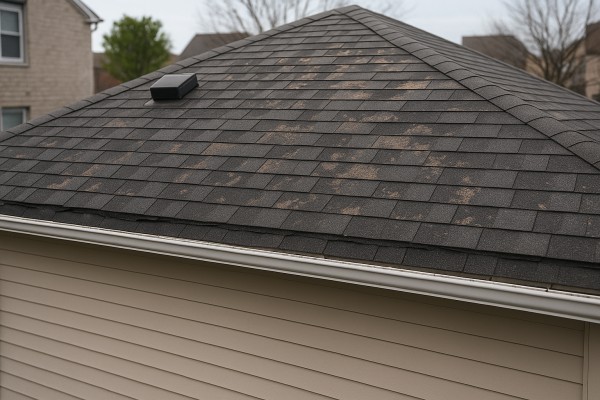
Granule loss is a common, visible sign that asphalt shingles are aging or have taken a hit from weather. If you've noticed a dusty film on your roof, granules in gutters, or rough, sandpaper-like patches, you're not alone. While it's uncomfortable to see wear on a roof you depend on, granule loss is not automatically a catastrophe. It's more often a heads-up that your shingles are reaching the point where a closer look is warranted.
What granule loss means
- Granules are tiny ceramic-coated particles embedded in the asphalt coating of shingles. They shield the shingles from UV light, help with color stability, and contribute to fire resistance.
- Loss occurs over time—storm events, heat cycling, and general weathering loosen some granules. A small amount over years is normal; larger losses can become noticeable much faster.
- When granules wash away, the asphalt layer underneath is exposed. That can accelerate aging and make the roof more vulnerable to leaks, especially after heavy rain or hail.
Why it happens
- Aging and wear from sun exposure, temperature swings, and wind.
- Weather events: hail impact or driving rain can knock granules loose.
- Installation or flashing issues can accelerate wear in localized spots.
- Maintenance gaps: clogged gutters, poor attic ventilation, or inadequate roof cleaning can contribute to accelerated granule shedding in some cases.
Is it urgent or common?
- Common but not always urgent. Most homes will see some granule loss over the life of an asphalt roof.
- It becomes urgent if you notice large bare patches, exposed asphalt, curling or lifting shingles, or persistent leaks. In those cases, a professional inspection is wise to assess structural health and plan next steps.
- If your roof is approaching the end of its expected life (typically 20–30 years for many asphalt shingles) and you're seeing significant granule loss, replacement often becomes a more economical long-term choice than extensive repairs.
Signs you're dealing with granule loss
- Granules collected in gutters, downspouts, or at the soffits after a rainstorm.
- Shingle surfaces that feel rough or sandy to the touch, or that show shiny black spots where granules have worn away.
- Visible patches of exposed asphalt, especially along edges, ridges, or under flashing.
- Dark streaks on the roof or noticeable uniform thinning across a section of shingles.
- A higher roof temperature feel in sun-exposed areas, sometimes indicating reduced protective granule coverage.
High-level next steps
1) Do a low-risk visual check from the ground (use binoculars if needed) to locate obvious bare patches or curling shingles.
2) Clear gutters and downspouts to gauge how much material has shed and to prevent backing up from debris.
3) Document the extent with photos and notes, focusing on location, size of bare areas, and any leaks you've already noticed.
4) Have a licensed roofer perform a professional assessment to determine if you're facing maintenance, repair, or replacement needs.
5) Plan: if the roof is aging and granule loss is widespread, budgeting for replacement often makes sense; if it's localized, targeted repairs or resealing might be sufficient.
6) When you're ready for a repair or replacement discussion, bring the photos, the age of the roof, and a list of observed problem areas to help the contractor give a clear, practical recommendation.
Assessing Urgency: Is Granule Loss on Shingles an Emergency?
Quick reality check
Granule loss is common as asphalt shingles age. A little bit of granule shedding over time isn't an automatic emergency. Granules shield the asphalt from UV and weather, so when they wear away, shingles can look rough and wear may accelerate. If you notice granules in gutters or downspouts after a rainstorm, that can be normal wear. The important question: is there active water intrusion or visible structural damage? If yes, urgency rises.
- You have active leaks or dripping inside the house (stains on ceilings or walls, damp insulation in the attic, or daylight visible from the attic).
- There is extensive damage after a storm: many shingles missing granules or entire shingles, exposed roof deck, or large bare patches.
- Shingles in the affected area are curling, cupping, or buckling, with exposed asphalt or paper underlayment.
- The roof is older and granule loss is accelerating alongside signs of aging like soft spots, sagging, or sudden changes in slope feel.
- You observe hail impact marks combined with new granule loss in multiple areas.
Monitor if
- No active leaks are present, but you see localized granule loss or dark, worn patches on several shingles.
- It rained recently and you've not noticed water inside yet; keep an eye on ceilings and attic for any moisture.
- The damage is on regions of the roof that are hard to access safely; plan to inspect from ground level with binoculars and reassess after weather calms.
Can wait if
- The shingles are aging but the roof is currently dry, with only minor, localized granule loss and no curling or buckling.
- You have a clear plan for repair in the coming months (off-season work, contractor quotes) and the home is not experiencing leaks.
- The affected area is small, isolated, and not near critical areas like vents, chimneys, or skylights, and no moisture is present.
What to do now: a quick, safe checklist
1) Protect interior if leaks exist: place containers to catch water, move valuables away from damp areas, and turn off electrical power to affected circuits if water exposure is imminent (call an electrician if needed).
2) Avoid stepping on or walking across a damaged roof. Loose shingles can bend or crack, creating more problems.
3) Clear gutters and downspouts of debris to prevent backup and water pooling near the damaged area.
4) Photograph from ground level and with a drone or ladder (if safe) to document the extent of granule loss and damaged shingles. Include wide shots and close-ups of affected spots.
5) Note weather history: recent storms, hail, wind speeds, and dates of any visible changes to the roof.
6) If you must inspect up close, keep a buddy with you and wear proper fall protection. Do not crawl on a wet or unstable roof.
- Exact address and best contact method, plus a summary of what prompted concern (recent storm, aging shingles, visible wear).
- Roof age, material type (asphalt, architectural, etc.), and any previous repairs.
- Locations of active leaks, if any, and a timeline of when first noticed.
- Photos or videos showing the granule loss pattern, as well as close-ups of damaged shingles and any exposed underlayment.
- Recent weather events and surrounding tree conditions (overhanging branches, etc.).
What Causes Granule Loss on Shingles?
Aging and Weathering
Shingles are designed to protect your home for many years, but age and the elements take their toll on granules. Over time, the mineral granules slowly loosen and shed, especially where the sun and weather take the heaviest toll. This gradual process weakens the surface and makes the roof more vulnerable to additional damage.
- UV exposure breaks down the asphalt binder, reducing the granules' grip.
- Freeze-thaw cycles and temperature swings create micro-cracks that loosen granules.
- Hail impacts and wind-driven debris can knock granules loose in spots.
- Signs to look for: bald patches, a dull or rough surface, or granules accumulating in gutters after rain.
Wind Damage
Strong winds are a common culprit, particularly on exposed roof faces and along eaves.
- Winds can lift and curl shingles at edges, shedding granules as the tabs lift.
- Debris blown across the roof can gouge the surface and remove granules.
- Look for: lifted edges, cupping, or concentrated granule loss near the roofline.
Mechanical Damage (Foot Traffic, Maintenance, and Access)
Anything that involves stepping on or working near the roof can cause granule loss.
- Foot traffic concentrates wear on mid- to upper sections, especially on steep pitches.
- Ladders, tools, and HVAC equipment can scratch or puncture shingles, knocking loose granules.
- Improper nail placement or overdriving nails during installation can loosen granules around fasteners.
- What you might see: foot- or boot-shaped worn spots, crushed granules around access points, or uneven surface textures.
Poor Installation or Manufacturer Defects
A portion of granule loss happens soon after installation or with imperfect products.
- Incorrect nailing patterns, nails too close to edges, or nails driven too deeply can loosen granules.
- Inadequate underlayment or improper roof prep can let moisture and heat stress granules.
- Defective batches or poor quality coatings may shed granules faster than expected.
- Indicators: misaligned tabs, loose granules around nail lines, or unusually rapid wear in the first few years.
Sun Exposure and UV Degradation
Direct sun accelerates aging of the asphalt beneath the granules.
- Prolonged sun exposure weakens the asphalt binder, reducing adhesion of granules.
- West- and south-facing slopes that soak up afternoon sun often show more granule loss.
- After hot summers and repeated heating/cooling cycles, you'll notice more exposed asphalt and exposed granules.
- Signs to watch: shiny patches where granules have already fallen away and a lighter overall roof tone in sun-exposed areas.
Environmental Conditions and Maintenance Factors
Some environments and routine maintenance choices can hasten granule shed.
- Coastal air with salt spray can accelerate deterioration of some shingle products.
- Roof cleanliness matters: accumulated leaves, pine needles, or other debris can trap moisture and lead to localized wear.
- Regular debris removal helps, but heavy scrapes from pruning or cleaning activities can also loosen granules if done carelessly.
- Observations: uneven wear around valleys, flashing, or near gutters where debris tends to collect.
How Roof Materials Affect Granule Loss on Shingles
Asphalt-based shingles (fiberglass and organic-mat)
Asphalt shingles rely on mineral granules embedded in the asphalt to shield the surface from sun and weather. When those granules shed, the exposed asphalt ages faster and the shingle's color and UV protection diminish.
- What granule loss looks like: bald, sandy patches on the surface; scattered grit in gutters; a dull or patchy appearance.
- Common causes: long-term sun exposure, wind-driven debris, hail impact, improper ventilation, manufacturing defects.
- Practical effects: accelerated aging, quicker color fade, potential for deeper wear at the exposed areas, and occasional moisture intrusion if the mat is exposed.
- Quick checks you can rely on: look for bald spots, check for increased granule grit in gutters, and inspect for early curling or cracking near areas with heavy exposure.
Architectural (laminated) asphalt shingles
These thicker, layered shingles carry more granules overall, which can slightly delay wear—but they still shed granules over time.
- How loss differs from 3-tab or basic asphalt: you may notice larger, more irregular bald patches because more granules are involved in the surface design.
- Effects you'll notice: uneven color, visible texture changes, and a quicker path to aging if granules are shedding at a higher rate.
- Maintenance implications: they can tolerate more wear before leaks appear, but once granules are gone in spots, protection declines faster in those areas.
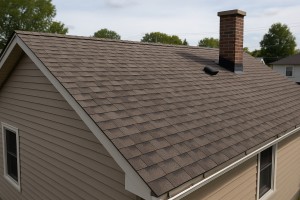
3-tab shingles have fewer granules than architectural styles, so granule loss can be more visible sooner.
- Visual cues: small bald spots that expand over time, potential uniform fading where granules are missing.
- Durability impact: faster aging in affected areas, with a higher likelihood of UV exposure and moisture reaching the underlying mat.
- Practical note for homeowners: if you see concentrated granule loss on a section, monitor that area for signs of aging and consider professional inspection.
Other roof materials and granule-loss relevance
- Metal roofing: Not designed with granules, so direct granule loss on metal surfaces isn't a factor. If you notice grit coming from nearby shingles, it may indicate wear on asphalt shingles adjacent to the metal or overhang issues, not the metal itself.
- Clay or concrete tiles: Do not rely on mineral granules for UV protection, so granule loss isn't a typical concern. Wear shows up as cracking, spalling, or glaze wear rather than grit shedding.
- Wood shingles/shakes: Do not use mineral granules; granule loss is not a primary issue. Weathering appears as splitting, curling, and color change rather than grit shedding.
- Slate: Natural stone sheets; no granules involved. Granule loss isn't a factor, though wear and delamination of individual slates can occur.
- Composite shingles with mineral coatings: If they include ceramic or mineral granules, they behave similarly to asphalt-based products. Granule loss still reduces surface protection and aesthetics.
Quick homeowner references: spotting and responding (step-by-step)
1) Inspect a small, accessible section on a sunny day and look for bald spots or patches where the surface looks smoother or darker.
2) Check gutters and downspouts for an increased load of grit or sand coming from the roof.
3) Examine eaves and the edges of shingles for accelerated wear or curling where granules are missing.
4) Compare several sections of the roof to see if granule loss is localized (e.g., near a vent pipe) or widespread, which can guide whether it's time for an assessment.
5) If you notice extensive granule loss or exposed asphalt, plan a professional inspection to assess the underlying mat and potential leakage risk.
Risks of Ignoring Granule Loss on Shingles
What granules do for your shingles
Granules are the tiny mineral beads embedded in asphalt shingles. They shield the asphalt core from UV rays, help reflect heat, provide color, and add a layer of protection against abrasion from wind-blown debris. When granules are intact, the roof ages more slowly and remains more watertight.
- UV protection extends the life of the asphalt by slowing premature aging.
- Heat-reflective granules help keep attic temperatures down and reduce cooling load.
- Abrasion resistance lowers wear from wind, hail, and weathering.
- Mineral content contributes to fire resistance; loss of granules reduces that protection.
Why ignoring granule loss matters
If granules shed, the bare asphalt is exposed to sun and weather, speeding up deterioration and increasing the chance of leaks.
- Accelerated UV damage leads to brittleness, cracking, and curling.
- Fading and color loss quickly reduce curb appeal and may mask underlying problems.
- Increased susceptibility to wind-driven moisture raises the risk of leaks between shingles.
Risks to your roof over time
Missing granules create durable gaps that compound with time.
- Shortened shingle lifespan and higher replacement frequency.
- Greater vulnerability to wind, hail, and freeze-thaw cycles.
- Uneven wear and edge lifting can allow water entry and ice dam formation in colder climates.
- Inconsistent protection may void or complicate manufacturer warranties.
How neglect accelerates damage
A simple loss of granules can set off a chain reaction.
1) Sun exposure intensifies on exposed asphalt, speeding material breakdown.
2) Hairline cracks widen and shingles start to curl, exposing more core material.
3) Water and moisture find easier entry points through gaps and lifted edges.
4) Debris and algae accumulate on exposed areas, further weakening the surface.
Signs you shouldn't ignore
Early detection saves you money and risk later leaks.
- Bald patches where granules have come off.
- Shingle curling, cupping, or edge lifting.
- Granules accumulating in gutters, siding waterways, or around the soffit.
- Dark streaks or staining that don't scrub away (algae or moisture indicators on exposed core).
- Increased wear after storms or hail events.
What happens on the inside and around the home
Granule loss doesn't just stay on the roof; it can affect your home's comfort and structure.
- Attic moisture and potential mold growth if leaks develop.
- Higher energy bills due to greater heat transfer into living spaces.
- Water stains or damage on ceilings and walls if leaks become more frequent.
Quick reference: how granule loss compounds itself
- Immediate exposure leads to faster aging of shingles.
- Faster aging increases likelihood of leaks and interior damage.
- Repairs become more extensive and costly as the roof's protective layer diminishes.
How Granule Loss in Shingles Is Diagnosed
What granule loss looks like
Granules are the tiny, sandy particles that give asphalt shingles their color and UV protection. When they wear away, the shingles look dull, and you may see shiny asphalt mat beneath. You'll often notice:
- Bare or sparse granule coverage on patches of shingles
- Shingles curling, cupping, or becoming brittle
- Dark streaks or “peppered” patches along the roof slope
- More granules in gutters, downspouts, and at the drip edge
Symptoms you can spot, even from the ground
From ground level with binoculars, you can spot early issues. Look for:
- Distinct light-colored or bare spots on the roof surface
- Areas that look ragged or worn compared to surrounding shingles
- A higher-than-normal amount of shingle grit in gutters after a rainstorm
From the attic and inside the home
Granule loss can show up inside as well.
- In attic spaces, inspect near the roof line for gritty dust in insulation or on joists
- Excess granules in vent openings or around attic exhausts can indicate rapid wear
- If you notice moisture stains along the ceiling below the attic, it may be related to compromised shingles, but note it during diagnosis
- Safety first: avoid walking on a damaged or steep roof. Use binoculars, a stable ladder kept by a pro, or hire a pro for an up-close check.
- Ground-level inspection:
- Visually scan the roof for bare patches, curling, or missing granules.
- Compare suspected areas to nearby shingles for uniform wear.
- Gutter check:
- Scoop out debris after a rain and feel for a gritty texture that resembles sand. A large amount indicates granule loss.
- Attic check:
- Look for fine grit on insulation or between joists near the eaves.
What a roofing professional will do during a diagnostic visit
- Visual roof inspection from ground and ladder, noting granule loss patterns (isolated spots versus widespread wear)
- Close-up examination of several shingles to assess the extent of granule loss and underlying mat exposure
- Inspect ventilation, attic space, and insulation for granule dust accumulation
- Evaluate roof age, shingle type, climate exposure, and previous repair history
- Provide an assessment of remaining useful life, underlying causes (e.g., aging, hail, UV exposure, poor installation), and a plan for next steps
Quick diagnostic checklist
1) Are there bare or nearly bare shingles anywhere on the slope?
2) Do you see more granules in gutters or downspouts than normal?
3) Is there excessive curling or buckling on shingles in the affected area?
4) Is there gritty dust on attic insulation near the roof line?
5) Has your roof reached or surpassed its expected life span for its material?
Repair Options for Granule Loss on Shingles
Temporary fixes
- Clean the area around the damaged spot with a soft brush to remove loose granules and debris. This helps you see what you're dealing with and reduces moisture trapping.
- Apply a thin bead of asphalt roofing cement to exposed shingle edges and press loose granules back into place. Smooth with a putty knife and let the cement cure per product instructions.
- If you have a granule-patch kit or repair tape, follow the kit's instructions to secure the patch over the bare area. Use a patch that's slightly larger than the damaged spot and press firmly.
- Use heavy-duty, UV-resistant roofing tape to cover small patches of bare area or edges. Cut a piece long enough to extend beyond the damaged zone by a few inches in all directions; press down firmly to seal.
- If rain is imminent and you can do so safely, place a temporary tarp over the area or cover the roof with a waterproof sheet to reduce water intrusion. Only do this if you can access the roof safely and avoid creating a bigger hazard.
- Avoid pressure washing or aggressive scrubbing, which can loosen more granules and worsen the damage. Regular maintenance and prompt attention are key.
Minor repairs
- For small, localized issues where the shingle remains firmly attached but shows some surface wear, use asphalt roofing cement to seal minor gaps and exposed edges.
- Gently lift a loose corner of the shingle and reseat it. If needed, dab a small amount of cement on the underside and press the shingle back flat.
- If a shingle tab is curling or lifting slightly, re-secure it with a couple of corrosion-resistant nails placed high on the shingle, then seal the nail heads with cement to prevent water entry.
- For small cracks or exposed underlayment near the granule loss, apply cement over the crack and smooth the transition to the surrounding surface. Keep an eye on the area after a rain to ensure no new leaks develop.
- After any minor repair, visually inspect the surrounding shingles for signs of further wear or loose tabs. If you notice an expanding pattern, it's time to consider a more extensive fix.
Partial replacement
- When granule loss affects a small cluster of shingles or a localized strip, partial replacement is a practical option to restore protection without re-roofing the entire area.
- Safety first: use a sturdy ladder, fall protection, and a partner to help. Wear gloves and eye protection.
- Identify the damaged shingles and the row above them to access the area. Remove the nails holding the damaged shingles with a flat pry bar or block of wood, taking care not to damage neighboring shingles.
- Cut and prepare replacement shingles that match the existing roof profile and color. Slide the new shingles into place, fitting them under the shingle above and over the shingle below.
- Nail the replacement shingles in the same pattern as the surrounding shingles (typically 4 nails per shingle, through the nailing area). Do not nail through the exposed granules; keep nails in the proper nailing strip.
- Seal the nail heads and any exposed edges with roofing cement. Check alignment with neighboring shingles and ensure a tight, flush fit.
- Inspect the surrounding area for any signs of moisture intrusion or further damage. If the deck shows warping or soft spots, address those issues before completing the patch.
- After replacement, monitor for leaks during the next few rain events and consider re-sealing nearby edges to maintain a uniform barrier.
Full roof replacement
- When granule loss is widespread, the shingles are aged, curling, or flashing shows extensive wear, a full roof replacement may be the most cost-effective and durable option.
- Planning
- Obtain multiple bids from licensed contractors. Verify licenses, warranties, and references.
- Consider underlayment, attic ventilation, and proper attic insulation in the scope of work.
- Confirm material choices (shingle type, color, granule composition) and acceptable warranty terms.
- Process
- Roof removal: old shingles and underlayment are removed; damaged sheathing is inspected and replaced as needed.
- Underlayment and flashing: new underlayment is installed; step flashing, valley flashing, and rake/gable edges are carefully sealed.
- Roofing installation: new shingles are laid according to manufacturer guidelines, with proper nailing patterns and alignment to ensure wind resistance and a clean look.
- Cleanup and inspection: everything is cleaned up, nails and debris removed, and the roof is inspected for gaps or missed spots.
- When to choose this option
- Widespread granule loss across most or all shingles
- Persistent leaks despite localized repairs
- Shingles that are warped, curled, or near or beyond their expected lifespan (often 20–30+ years, depending on material)
- Structural concerns or compromised decking identified during inspection
Typical Cost to Fix Granule Loss on Shingles
Minor repair
A small, cosmetic patch job for a few shingles with minor granule loss. This is most common when a shallow area shows exposed asphalt and a few granules have come loose, but the shingles themselves aren't cracked or curling.
1) Inspect the affected area to confirm there's no underlying moisture intrusion.
2) Clean loose granules from the surface.
3) Tuck back or re-bed loose granules and press them into place with a gentle nudge using a blunt tool.
4) Apply a thin bead of asphalt roof cement around the edge to hold granules in place.
5) Recheck for any uplift or looseness after it cures.
- Typical cost: $100–$300. Factors include shingle type, accessibility, and whether sealant is needed to prevent future granule loss.
Moderate repair
A moderate repair covers a larger area—about 2–6 shingles or roughly 100–200 sq ft of roof surface—where granule loss is more noticeable and may begin to affect water shedding. Usually involves replacing or resealing a small cluster of shingles.
1) Remove damaged shingles in the affected patch.
2) Install new shingles with matching color and profile.
3) Seal the edges with roofing cement and, if needed, use a brief granule patch to blend the new shingles with the old.
4) Clean the area and ensure proper alignment and flashing contact.
- Typical cost: $400–$900. Costs vary with shingle material (organic, fiberglass, or premium asphalt), number of shingles replaced, and accessibility.
Major repair
Major repair is needed when granule loss is widespread, or the asphalt mat is exposed over a large area, creating a risk of leaks. This often means replacing a substantial portion of shingles or an entire roof section.
1) Assess the scope to determine if a patch is feasible or a partial/total roof replacement is warranted.
2) Remove and replace the affected shingles, flashing, and underlayment as needed.
3) Install new shingles with proper nailing and alignment, reseal edges, and address any warranty considerations.
4) Clean up and inspect for potential future weak spots or moisture intrusion.
- Typical cost: $2,000–$6,000 for a small to mid-size repair area; $8,000–$15,000+ for larger sections or whole-roof replacements, especially with premium or architectural shingles. Costs rise with higher labor rates and the need for additional underlayment or flashing work.
What affects cost
- Roof size: More square footage means more materials, more shingles to remove and replace, and longer labor time.
- Access: Roof pitches that are steep or hard to reach add safety measures and time, increasing costs.
- Material type: Standard fiberglass asphalt shingles cost less to replace than premium asphalt, composite, or slate/metal options.
- Extent of damage: Isolated spots are cheaper to patch; widespread granule loss often requires replacement of multiple shingles or sections.
- Local labor rates: Areas with higher wages or skilled labor shortages tend to have higher overall costs.
How Long Should You Wait for Granule Loss on Shingles?
Quick reality check
Granule loss is usually a sign of aging or wear, not an instant roof failure. Every roof is different, and climate, sun exposure, and shingle quality all play a role. A little grit in the gutters or a few bare spots on the roof isn't automatically catastrophic, but it is a heads-up that the shingles are past their peak life. The bigger the loss, the sooner you should act.
What counts as minor, moderate, or severe granule loss
- Minor loss: a small amount of granules in gutters or on the ground after a wind or rain shower; shingles still look mostly intact.
- Moderate loss: noticeable granules on the roof surface, more granules in gutters, some curling or matting of edges; you should schedule an inspection soon.
- Severe loss: bald patches on shingles, exposed asphalt, curling or buckling shingles, and active leaks or water intrusion in the attic; this calls for immediate attention.
Timeframe guidelines at a glance
- Minor loss: you can monitor and plan an inspection within a few months.
- Moderate loss: schedule a professional inspection within 1-2 months.
- Severe loss: act immediately; contact a roofer now for urgent assessment.
What happens if you wait: within a few weeks
- UV exposure and weathering accelerate. Exposed asphalt ages faster, which can reduce the remaining life of the roof.
- Small leaks or damp spots can start in attic spaces during rain events, especially if flashing or underlayment has already softened.
- Gutters and downspouts may fill with granules more quickly, making later clearance tougher and signaling ongoing wear.
- If you have insulation or ventilation issues, waiting can compound moisture problems and mold risk.
What happens if you wait: within a few months
- Rainy seasons or heavy winds can drive water further under the shingles, increasing the chance of leaks.
- More shingles may shed granules, exposing larger roof areas and accelerating deck aging.
- Temperature swings can cause shingles to become brittle and crack, leading to more widespread damage.
- If attic evidence (stains, musty odor, or visible moisture) appears, the cost of repairs or patchwork rises as damage spreads.
What happens if you wait: within a year or two
- Prolonged exposure can lead to significant deck damage, wood rot, or compromised attic insulation.
- You may face more extensive roof replacement costs rather than targeted repairs, since multiple shingles may fail and flashing may deteriorate.
- Energy efficiency can drop as insulation and attic ventilation degrade, increasing heating and cooling bills.
- Prolonged delays heighten the risk of wind-driven shingle uplift during storms, which can cause leaks and interior damage.
Step-by-step plan for homeowners (to act decisively when you're ready)
1. 1) Do a safe roof check from ground level and, if needed, with a sturdy ladder or binoculars to note obvious areas of granule loss, curling, or bald spots.
2. 2) Photograph affected areas from multiple angles and times (after rain and after sun) to document progression.
3. 3) Note any attic signs of moisture: dampness, staining, or mold.
4. 4) Schedule a professional roof inspection or an in-person assessment if you're unsure about safety or severity.
5. 5) Get a written assessment that outlines whether repairs, partial replacement, or full replacement is recommended, plus a cost estimate and expected lifespan.
How Granule Loss Varies by Location and Climate
How This Problem Varies by Region & Climate within the United States
Granule loss isn't the same in every zip code. Local weather patterns, sun exposure, wind, and even coastal salt can change how quickly asphalt shingles shed their protective granules. Here's how to think about it region by region, so you can spot problems early and plan maintenance accordingly.
- UV exposure and heat accelerate granule shedding. The hotter and sunnier your area, the faster sun rays break down the protective coating on shingles.
- Freeze–thaw cycles crack and loosen granules. Regions with cold winters see more micro-cracking as water expands in cracks when it freezes, then refreeses cycles repeat.
- Precipitation and hail wash away granules. Heavy rains, hail storms, and blowing rain can physically knock granules loose and expose bare asphalt.
- Wind and debris abrade the roof. Deserts, coastal zones, and storm-prone plains expose shingles to windborne sand, salt spray, and grit that scrub the surface.
- Coastal salt exposure speeds wear. Proximity to saltwater raises corrosion and granule loss, especially on windward slopes.
- Roof age and shingle type matter. Older roofs and certain shingle profiles (like 3-tab vs. architectural) wear differently under the same climate.
Northeast & Midwest
- Freeze–thaw cycles drive micro-cracking and granule loss. Expect more bare patches after winter thaws.
- Road salt and winter grit accelerate wear near edges and valleys. Inspect after heavy snows or de-icing seasons.
- Spring storms and summer sun combine to strip granules, especially on southern exposures.
- Practical note: document granule loss progress with a yearly photo check and plan an early replacement window before severe weather.
Southeast & Gulf Coast
- High heat and humidity speed UV deterioration. Roofs may shed granules faster in summer, even if winters are milder.
- Frequent tropical storms and hurricanes bring heavy rain and hail risk, accelerating wear in bursts.
- Salt spray along coastlines compounds abrasion. Wind-driven spray can erode granules on exposed faces.
- Practical note: consider shingles with stronger UV resistance and good sealant performance; check for accelerated granule loss after storm events.
Southwest
- Extreme heat and intense sunlight magnify granule loss. Expect faster fading and rougher shingle surface in mid-summer.
- Arid conditions with occasional dust and wind can scour the surface between rain events.
- Monsoon downpours bring powerful, brief rain effects and occasional hail that can chip granules.
- Practical note: prioritize heat-reflective shingles and ensure attic venting reduces roof surface heat buildup.
West Coast & Pacific Northwest
- Coastal areas experience salt exposure and heavy winter rain. Salt on coastal roofs wears granules and can lead to surface staining.
- Mild but wet climates promote moss, algae, or lichen growth, which can trap moisture and contribute to wear patterns.
- Wind along the coast can lift granules over time, especially on exposed slopes.
- Practical note: keep roof clean of organic growth, ensure proper flashing and sealant, and schedule inspections after major winter storms.
How to assess granule loss by region (quick steps)
1) Do a regional seasonal check: look for bald spots, dark areas, or visible asphalt showing through.
2) Inspect gutters and downspouts for an uptick in granules after storms or heavy wind.
3) Compare this year's wear to last year's photos to gauge rate of loss.
4) Schedule a pro inspection if you notice widespread granule loss, curling shingles, or exposed felt, especially after severe weather.
Regional maintenance priorities (grouped)
- After major weather events (storms, hail, heavy wind): inspect thoroughly and document findings.
- Biannual touchpoints: check valleys, vent areas, and flashing where granules tend to wear first.
- Ventilation and insulation: ensure attic air flow keeps roof temperatures reasonable to slow degradation.
- Shingle choice guidance: in harsher regions, opt for UV-resistant, impact-rated, or higher-quality architectural shingles.
