Ultimate Guide to Ice Dams on Roof
Last updated: Feb 28, 2026
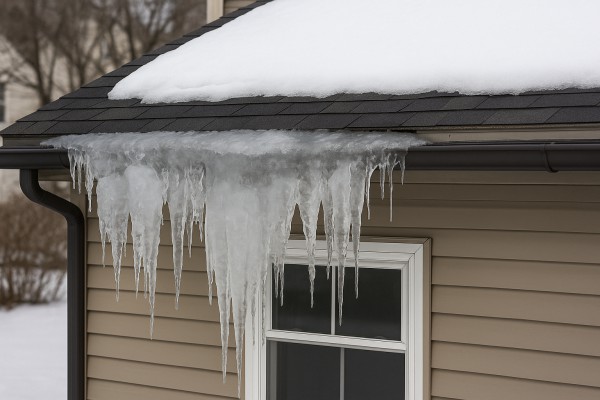
Introduction to Ice Dams on Roofs
Ice dams form a steady winter challenge for many homes. When warm indoor air escapes into the attic, it can melt snow on the roof. The melted water runs toward the colder edges, refreezes, and creates a dam. As the dam grows, additional meltwater backs up behind it, potentially seeping under shingles and into the attic, walls, or ceilings. This page introduces practical, homeowner-friendly guidance to help you recognize, assess, and begin addressing ice dams safely and effectively.
- A dam at the roof edge blocks proper drainage, causing water to back up under roofing materials.
- Causes include heat escaping from living spaces, missing or compressed insulation, and inadequate attic ventilation.
- Even roofs without obvious heat sources can develop dams if cold edges meet rising interior warmth during sunny days or rapid thaw cycles.
Is this urgent or common?
- Common in regions with cold winters, heavy snowfall, and periods of thaw.
- Not every dam requires emergency action, but active leaks and dripping water indicate a need for prompt attention.
- The sooner you address a dam, the less interior damage and costly repairs you're likely to face.
Signs you may have an ice dam
- Icicles forming along the gutter line that look unusually thick or long.
- Water stains, peeling paint, or damp spots on ceilings and walls below the roofline.
- Visible ice buildup at the eaves or along roof edges.
- Snow on the upper roof but wet, dark patches near the edges.
Quick homeowner checks (safe and at a distance)
- From the ground, inspect the gutter line for ice buildup and ensure gutters are clear of debris.
- Look for warm spots in the attic insulation or air leaks around penetrations (pipes, chimneys, wiring).
- Avoid climbing on the roof; do not try to chisel or knock ice off from ladders or the roof itself.
- If there is active leakage, place containers under drips and protect valuables from water damage.
Safety first
- Do not attempt to climb on a wet, icy roof.
- If you must access the attic, use proper fall protection and have a helper nearby.
- Consider professional help for any heavy ice buildup or interior water intrusion beyond simple containment.
High-level next steps
1) Contain and protect
- If you notice leaks, place towels or containers to catch water and minimize interior damage.
- Keep the affected area as dry as possible and reduce further heat loss where feasible.
2) Assess the heat source and insulation
- Identify obvious gaps in attic insulation and seal air leaks to reduce warm attic air reaching the roof.
- Improve ventilation at the eaves and soffits to encourage cold roof surfaces.
3) Plan for safe ice removal and monitoring
- Use a roof rake from the ground to remove loose snow near the eaves if safe to do so.
- Do not strike ice with force or use metal tools near gutters and shingles.
- Monitor the situation for signs of worsening leaks or expanding dam buildup.
4) Long-term fixes to prevent recurrence
- Increase attic insulation to meet or exceed recommended levels for your climate.
- Upgrade or repair attic ventilation to balance warm and cold roof surfaces.
- Consider professional assessment of roof systems, gutters, and drainage to ensure proper water shedding during freeze-thaw cycles.
Are Ice Dams on the Roof an Emergency?
Quick assessment of urgency
Ice dams can go from a nuisance to a serious problem quickly. If you notice any interior moisture, dripping ceilings, or visible damp insulation, treat it as urgent. Even if you don't see leaks inside yet, persistent ice buildup at the eaves can lead to fascia damage, gutter failure, or hidden water damage behind walls. Safety first: don't put yourself at risk on a slick or loaded roof.
- You have active water intrusion: dripping water through ceilings or walls, or damp insulation in the attic.
- Ceilings or walls are sagging, or you smell a musty odor behind drywall and insulation.
- A large ice dam is blocking gutters or threatening to pull gutters, fascia, or soffit away from the roof edge.
- Electrical components nearby are wetted or exposed to water (outlets, switches, or panels) or you notice scorching smells.
- Roofing materials at the eave are cracking, shifting, or showing signs of immediate damage from ice pressure.
- There's a rapid thaw followed by refreezing that seems to be expanding the dam or pushing ice toward vulnerable roof edges.
Monitor if
- There is no active leak yet, but a dam is forming and the attic feels warm or drafts are evident.
- The interior remains dry, but you can see ice extending along the eave and underside of the roof overhang.
- Weather shows cycles of freezing and thawing that could enlarge the dam or trigger sudden leaks, even if nothing is leaking now.
- You have a history of ventilation or insulation problems that could be contributing to ice dam formation.
Can wait if
- The interior is dry and there is only a small, non-active dam with no signs of water intrusion.
- You're able to schedule professional service for the next safe window, and current conditions (ice, snow, wind) make temporary mitigation unsafe or impractical.
- The roof is relatively new or well-maintained, and the dam is limited to minor accumulation without leakage.
1. Keep people and pets away from the affected area and avoid walking on icy patches or near the dam.
2. Do not strike ice dams or hammer at the ice; hitting ice can damage shingles and create new leaks.
3. From the ground, use a long-handled roof rake to carefully pull loose snow away from the eaves and damming. Do not climb onto the roof.
4. In the attic, improve ventilation around the ridge and soffits if safe to do so and if temperature control is feasible. Temporarily reduce heat loss in the attic by balancing insulation and venting to slow new ice formation.
5. If you can do so safely, clear gutters of small ice chunks and snow to help drainage, but avoid exposing yourself to a fall or electrical hazards.
What to document and share with your roofer
- Take photos of the ice dam, any visible leaks, and the attic area showing insulation and ventilation.
- Note dates of when the dam first appeared, weather patterns (freeze-thaw cycles), and any recent roofing work or repairs.
- Collect warranty details or prior repair records, so your contractor can tailor fixes (insulation, ventilation, or roof-edge replacements) to your roof's needs.
Common Causes of Ice Dams on Roofs
Heat escaping from living spaces into the attic
Snow on the upper roof melts when warm attic air heats the roof deck. As meltwater runs toward the eaves, it refreezes where the air is cooler, forming an ice dam. Key contributors include:
- Insulation gaps along the ceiling line and around piping, electrical, and vent penetrations.
- Air leaks from the living spaces through ceiling fixtures, recessed lights, ceiling fans, or attic access.
- Inadequate overall insulation in the attic that doesn't slow heat transfer year-round.
Inadequate attic ventilation
Even with good insulation, poor ventilation traps heat and moisture. A hot, moisture-laden attic accelerates uneven melt and dam formation.
- Blocked or undersized soffit vents prevent fresh air from entering the attic.
- Insulation resting against the underside of the roof deck blocks airflow toward ridge vents.
- Limited or blocked ridge/gable vents reduce exhaust paths for warm air.
Roof design and solar heat gain
Solar heat can selectively melt snow on sun-exposed roof areas, creating a melt-front that migrates toward cooler eaves.
- Dark-colored shingles absorb more heat, speeding up melt on the upper roof.
- Roof orientation and shading patterns influence which sections thaw first.
Gutter, downspout, and drainage problems
If water cannot leave the roof freely, it backs up and refreezes at the eaves.
- Clogged gutters and downspouts trap water and increase dam risk.
- Leaf buildup or ice in gutters slows drainage and broadens dam formation areas.
Heat sources near the roof
Heat from inside the home or from exterior equipment can intensify melting near the eaves.
- Proximity of vents, flues, or chimneys that heat the roof locally.
- Poor flashing or missing sealant around chimneys, vents, or roof penetrations that allow warm air to leak into the cold roof edge.
Weather patterns and snow conditions
Certain winter patterns make ice dams more likely.
- A warm spell followed by rapid cooling can freeze melted water at the eave.
- Heavy snowfall adds more melt-water that has to drain off the roof, increasing dam potential.
Quick diagnosis checklist
1. Inspect attic for insulation gaps at the eaves and around penetrations.
2. Check ventilation paths: are soffit vents open and clear? Is the ridge vent unobstructed?
3. Look at gutters and downspouts for debris or ice buildup.
4. Observe which roof sections melt first and how rapidly they refreeze.
5. Inspect flashing around chimneys and roof penetrations for gaps or leaks.
How Roof Materials Affect Ice Dams on Roofs
The basics of how material choices affect ice dams
Snow on a roof can melt and refreeze into an ice dam if heat from the house sneaks up into the attic and warm areas of the roof. The material itself plays a big role in how quickly that meltwater moves and where it can back up.
- Thermal bridging and sun exposure: Materials that conduct heat or absorb sun (think dark metal or dark asphalt) can warm up faster and melt more snow at the upper portions, increasing the chance of a dam forming at the eave.
- Water shedding and porosity: Smooth, water-shedding surfaces resist water retention, while porous or damaged surfaces can hold meltwater longer and give ice dams more time to form.
- Underlayment reliance: Most roofs rely on a waterproof or water-resistant underlayment at the eaves. If the underlayment is damaged or inadequate for the climate, ice can back up and leak through sooner, regardless of the top material.
- Seams, flashings, and installation: Roofs with frequent seams (like some metals and tiles) need solid flashing. Ice can press into seams and cause leaks if flashings aren't well-sealed or properly installed.
Quick material guide: how common roof types stand up to ice dams
- Asphalt shingles (fiberglass or organic)
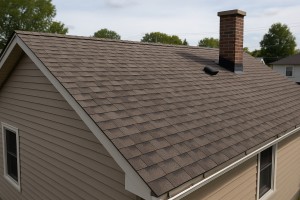
- Effect: Durable and affordable, but effectiveness depends on a solid underlayment and proper attic insulation/ventilation. Ice dams can back up behind the eave if insulation is weak or the underlayment is compromised, leading to leaks at the wall-crest line or into attic spaces.
- Practical tip: Use an ice-and-water shield at eaves and ensure vents are clear to reduce heat buildup.
- Metal roofing (standing seam and other metal panels)
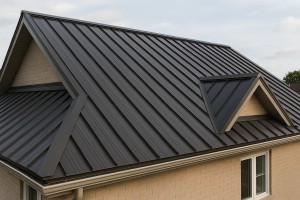
- Effect: Excellent at shedding water and resisting surface infiltration, which lowers dam risk. However, if heat from the attic travels up and melts snow, water can back up behind seams if flashings aren't continuous or if there's improper slope drainage.
- Practical tip: Have proper seams and flashing, plus continuous underlayment at the eaves; keep attic temperatures balanced.
- Clay and concrete tiles
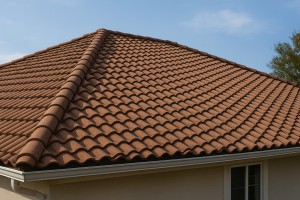
- Effect: Very durable and water-shedding when intact, but heavy and prone to cracking under ice dam weight or freeze-thaw stress. Dam formation behind tiles can occur where tiles span over vents or at eaves if underlayment is weak, allowing water entry through damaged areas.
- Practical tip: Ensure solid underlayment beneath tiles and address any cracked or loose tiles promptly.
- Wood shakes and shingles
- Effect: Porous and more susceptible to water intrusion when ice dams form. If shakes are damaged or cupped, meltwater can seep behind the surface and into the roof deck.
- Practical tip: Maintain tight, intact shingles and consider extra underlayment and ventilation to reduce heat buildup.
- Slate
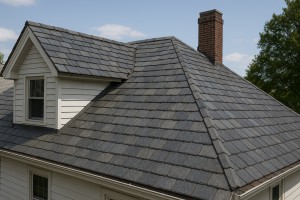
- Effect: Very durable and highly water-resistant when installed correctly. Ice dams are less likely to cause leaks, but heavy dam buildup can still trap water at the eave if installation isn't balanced with proper flashing and underlayment.
- Practical tip: Use high-quality underlayment and ensure accurate slope and flashing for long-term dam resistance.
- Composite or synthetic shingles
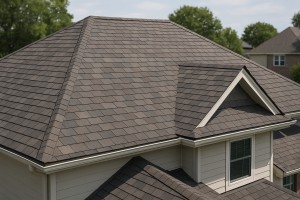
- Effect: Typically designed to mimic asphalt with similar dam dynamics. Performance depends on underlayment quality and attic conditions; failures still occur if heat transfer is high and the deck is poorly insulated.
- Practical tip: Pair with a robust ice barrier at the eaves and verify ventilation.
- Flat roofs (EPDM, TPO)
- Effect: Flat surfaces can accumulate standing meltwater, increasing dam risk at parapets. The membrane itself is water-resistant, but seams and edge details matter a lot; ice can pry at flashing and cause leaks if details aren't watertight.
- Practical tip: Prioritize edge detailing, drainage slope, and insulated, ventilated overhangs to minimize dam formation.
How to compare quickly
- If you live in a cold climate with frequent freeze-thaw cycles: prioritize water barriers at eaves, good attic insulation, and ventilation, regardless of material.
- If you want the lowest dam risk: metal roofing with proper flashing and seamless edge detailing tends to shed snow faster, but require quality installation.
- If you already have an ice dam history: focus first on insulation/ventilation improvements and repair of underlayment, then evaluate material-specific upgrades.
The Risks of Ignoring Ice Dams on Your Roof
Hidden attic and roof deck damage
When an ice dam forms, meltwater can back up behind the dam and seep under shingles. The damage often starts in the attic where you can't see it, and leaks may go unnoticed for weeks. Over time, that water soaking into the roof deck and insulation can lead to swelling, warping, and soft spots.
- Warped or softened roof decking and rafters
- Damp insulation reducing thermal performance
- Hidden leaks that eventually show up as ceiling stains or warped drywall
Water intrusion and mold risk
Persistent moisture creates ideal conditions for mold and mildew to grow in hard-to-reach places. Even small leaks can trigger larger indoor air quality problems and expensive remediation if left unchecked.
- Musty odors in the attic or upper rooms
- Visible mold growth on sheathing, insulation, or framing
- Compromised insulation dampness reducing energy efficiency
Gutter, fascia, and roof surface wear
Ice dams add extra weight and can push on gutters and fascia boards. As the dam grows, melted water can overflow the edge and run behind gutters, accelerating wear and loosening fasteners.
- Loose, bent, or separated gutters
- Damaged fascia boards and soffits
- Shingle damage, granule loss, and accelerated wear along the eaves
Structural integrity and long-term costs
Prolonged moisture exposure degrades structural components. Small, affordable fixes today become larger, costlier repairs tomorrow, potentially affecting the overall lifespan of the roof system.
- Wood rot in rafters and roof deck
- Drywall replacements and ceiling work in living spaces
- Mold remediation and related cleanup costs
- Higher energy bills due to compromised insulation
Safety hazards and emergencies
Ice dams don't just threaten the roof; they pose real safety risks below and around the home. We often see injuries from falling icicles or damaged walkways when homeowners or passersby attempt DIY clearance.
- Falling ice chunks that injure people or pets
- Slippery surfaces near entryways and walkways
- Electrical and HVAC components exposed to water, creating shock or fire hazards
Quick indicators to monitor without climbing on the roof
You don't have to risk a fall to assess danger. Look for these signs from the ground and inside the attic.
1. Exterior cues: icicles hanging from eaves, heavy ice buildup along the roof edge after storms.
2. Attic cues: damp or discolored insulation, water stains on roof sheathing, warmth around the eaves during cold snaps.
3. Interior cues: fresh ceiling or wall stains, peeling paint near the ceiling, musty attic odors spreading into living spaces.
4. Gutters and fascia: gutters that pull away, sag, or show visible cracking at joints.
Practical implications for homeowners
Ignoring ice dams compounds problems quickly. Each thaw-and-freeze cycle can push more water under the shingles and deeper into the structure, making repairs more invasive and expensive. Being aware of the risks helps you prioritize timely inspections, proper attic insulation, and effective roof ventilation to minimize the damage if ice dams return.
How Ice Dams on a Roof Are Diagnosed
Visual signs you may notice
- Outside: icicles along the eaves, thick ice buildup at the roof edge, and snow that has melted or slumped near the gutters while higher up the roof remains white.
- Inside: damp spots or staining on ceilings near exterior walls, bubbling or peeling paint, and occasionally a musty smell where water has leaked through. You might also see damp insulation or frost on attic surfaces on a cold day. These clues point to melt-refreeze action and possible heat leakage from the living space into the attic.
Exterior roof indicators
- Ice dam along the eaves: a wall of ice at the roof edge can press against gutters and shingles, slowing drainage and forcing water back up under roofing materials.
- Uneven snow melt: if snow melts faster at the bottom edge and remains thicker toward the center, that pattern often signals heat escaping from the attic.
- Gutter ice build-up: ice stuck in gutters or downspouts can create additional backpressure and mask underlying roof problems.
Attic and interior clues
- Warm attic conditions: when the attic feels warm or you notice frost on the underside of the roof deck, that's a red flag that warm indoor air is leaking into the attic and warming the roof from below.
- Moist insulation: damp or compressed insulation near the roof deck reduces the attic's ability to keep heat in check, making ice dams more likely.
- Air leaks: look for gaps around attic hatches, plumbing vents, electrical penetrations, or light fixtures that pass warm air into the attic. Even small leaks add up over time.
Check insulation and ventilation
- Insulation depth and coverage: assess whether the attic has adequate insulation across all bays, with no bare spots or compressed areas near the eaves.
- Soffit and vent balance: ensure soffit intake vents and ridge or roof vents work as a system. Blocked or missing baffles near the eaves can stop air from circulating properly, allowing warm air to collect at the roof edge.
- Seal obvious leaks: weather-strip or caulk penetrations where warm air can migrate into the attic, then recheck after a stretch of cold weather.
Helpful diagnostic techniques
- Quick DIY heat map: on a sunny winter day, compare melt patterns along the eaves to higher roof sections. If the eaves are consistently warmer, heat loss from the attic is driving the problem.
- Thermal imaging (IR) if you have access: a handheld infrared camera or a professional service can pinpoint warm spots and moisture-affected areas behind the roof deck and insulation.
- Smoke or incense test: with caution, hold a smoke stick or incense near suspected attic leaks (around the hatch, vents, or light fixtures). If the smoke is drawn into the attic, you've identified an air-leak pathway contributing to ice dam formation.
- Moisture checks: a moisture meter in attic insulation can reveal elevated moisture levels that betray leaks or poor ventilation.
- Gutter and roof edge check: ensure gutters are clear and water can shed freely during thaws. Clogged gutters can worsen dam formation and obscure the root cause.
When to call a pro
- There is active water intrusion into living spaces, visible ceiling or wall damage, or signs of structural concern.
- You're uncomfortable with safe-ladder access, or the diagnosis involves complex roofing systems, roof deck damage, or multifactor ventilation issues.
- If you're unsure whether the heat-loss pattern is from insulation, ventilation, or a combination of both, a pro can perform targeted tests (blower door, duct leakage, and professional thermal imaging) to confirm the diagnosis and outline a repair plan.
Repair Options for Ice Dams on Roofs
Temporary fixes
- Safety first: if you're not comfortable on a ladder or roof, skip climbing and call a pro. Use a sturdy ladder, fall protection, non-slip footwear, and have a helper nearby.
- Clear the snow from the edge: from the ground, use a long-handled roof rake to remove loose snow along the eave. Do not strike the ice dam with force; you want to expose the edge without gouging shingles.
- Melt the dam gradually: place a calcium chloride ice-melt product in a mesh bag or sock and lay it along the edge of the ice dam. Do not pour liquid salt directly on shingles or into gutters; follow label directions.
- Create a slow drainage channel: with a plastic or wooden margin tool, gently work a small channel in the dam from its edge inward. Avoid hammering or prying; the goal is to loosen the dam with minimal damage.
- Improve attic conditions temporarily: close off attic vents or cracks to reduce warm air reaching the roof deck, but only if you are sure you won't trap moisture inside. Keep interior humidity low (use exhaust fans in kitchens/baths) to help prevent new dams while you arrange permanent fixes.
Minor repairs
- Inspect for obvious damage: look for loose or damaged shingles, lifted flashing, or gaps around vents, chimneys, and attic penetrations.
- Seal small leaks from above: apply asphalt roofing cement or a compatible sealant along minor cracks around flashing and along the dam line. Re-secure loose shingles with roofing nails and sealant as needed.
- Flashing touch-ups: reseal or reflash around chimneys and vents with compatible metal flashing or sealant. Ensure a watertight bend at joints and proper overlap with surrounding shingles.
- Restore protective layers: if underlayment or decking shows light wear, patch with appropriate material, then re-shingle. Replace a few damaged shingles rather than a full repair every year.
- Boost insulation and venting: seal gaps around attic penetrations with foam or sealant, and add or repair insulation in the attic floor (aim for a continuous, well-sealed barrier). Improve soffit and ridge ventilation to limit warm-air buildup on the roof deck.
Partial replacement
- Assess the scope: if the ice dam has caused sustained damage to shingles, underlayment, or decking in a localized area, partial replacement may be enough.
- Steps:
1) Remove damaged shingles in the affected area with a flat pry bar.
2) Inspect underlayment and roof decking for water intrusion or rot; replace any compromised sections.
3) Install new underlayment and patch or replace shingles in the affected run; ensure proper alignment and nailing pattern.
4) Reflash adjacent areas if flashing was disturbed; seal all joints.
5) Check gutters and downspouts for ice buildup, and reroute or clear as needed to prevent re-freezing at the edge.
- Prevent recurrence: after partial replacement, address insulation and ventilation in that area to reduce warm air reaching the roof deck.
Full roof replacement
- When to consider a full roof: widespread shingle damage, extensive decking rot, or persistent ice dam cycles that won't respond to localized fixes. Also: signs of aging, such as curling shingles or multiple failed sections, point to replacement rather than piecemeal repairs.
- Plan the project:
1) Choose materials appropriate for your climate and house style.
2) Confirm ventilation strategy (soffit and ridge vents, or other systems) and ensure attic insulation meets current standards.
3) Prepare a replacement timeline with weather windows and budget in mind.
1) Remove old shingles and underlayment down to the roof deck.
2) Inspect and repair decking; replace any rotten boards.
3) Install new underlayment, followed by the chosen shingles or roofing product.
4) Reinstall and seal flashing, gutters, and any penetrations; ensure a continuous water barrier.
5) Verify ventilation and insulation, and perform a thorough leak test before finishing touches.
Typical Costs for Fixing Ice Dams on Roofs
Minor repair: description and cost
A minor repair covers a localized ice dam situation and small fixes to flashing or shingles. It's often enough when there's minimal damage and a quick fix can stop a leak from spreading.
- Typical cost range: $200-$600
- What it covers:
- Light ice dam removal in a small area
- Re-sealing gaps around flashing and reattaching loosely fastened shingles
- Minor edge repairs and small gutter adjustments
- Timeframe and effort:
- Usually a few hours to a half-day of labor
- Minimal materials (sealant, patching compounds, nails)
Moderate repair: description and cost
Moderate repairs address a larger area of damage and more involved fixes, including replacement of some shingles and refinements to flashing or ventilation.
- Typical cost range: $600-$2,000
- What it covers:
- Ice dam removal over a larger section or multiple spots
- Replacement of several damaged shingles and underlayment in the affected zone
- Repaired or adjusted flashing and gutter sections
- Moderate attic venting improvements or insulation tweaks to reduce future damming
- Timeframe and effort:
- 1-3 days depending on deck access and roof pitch
- Moderate material usage and labor
Major repair: description and cost
Major repairs occur when ice dams have caused significant damage, potentially affecting large roof areas, deck, or gutters, and may require more extensive structural work.
- Typical cost range: $2,000-$10,000+ (often $3,000-$8,000 for common homes)
- What it covers:
- Extensive ice dam damage over a wide roof area
- Roof deck repair or replacement, plus substantial shingle and underlayment work
- Major flashing, venting, and gutter system upgrades or replacements
- Insulation improvements to address heat loss that feeds dam formation
- Timeframe and effort:
- Several days to a week or more for larger roofs
- Higher material and labor costs; may involve coordination with temporary patches and long-term fixes
What factors affect cost
- Roof size
- Access
- Material type
- Extent of damage
- Local labor rates
How Long Can You Wait to Address Ice Dams on Your Roof?
Immediate actions (0–24 hours)
Ice dams can escalate fast, especially in fluctuating temps. Quick, safe mitigation can keep interior damage to a minimum.
1) Prioritize safety. If the dam is large or you're hearing active leaks, don't climb onto a slick, icy roof. Keep kids and pets away from affected areas.
2) Clear the snow from the eaves from the ground. Use a telescoping roof rake to reduce the dam's load and improve drainage. Do not strike at the ice dam with sharp tools or metal objects.
3) Protect interiors. Move valuables from the worst-affected area and place towels or buckets under dripping spots. If you're seeing ceiling staining or active leaks, place a temporary container and shrink-wrap plastic to catch drips where feasible.
4) Ventilate and monitor. If you can access the attic safely, improve ventilation and reduce warm air buildup that's thawing the roof from inside. Check for any new signs of leakage every few hours.
- What not to do right away:
- Don't pour hot water onto the ice dam or use open flames or torches.
- Don't chisel or hammer at shingles or flashing.
- Don't rely on DIY electrical heat systems near water or ice.
24–48 hours: early signs and growing risk
If the dam isn't addressed, melting water can begin seeping under shingles, migrating into the attic. This is when damage can become invisible from the ground.
- Signs to watch for:
- Small ceiling stains or damp spots in the attic or living spaces.
- Fresh icicle formation from gutters or the roof edge.
- Warmer attic temperatures or increased condensation.
- What can happen if you wait:
- Water intrusion worsens, soaking insulation and weakening the roof deck.
- Gaps widen around flashing, making leaks more persistent.
- Mold growth becomes more likely in damp conditions.
- Practical steps:
- Maintain a dry interior by keeping a bucket under a leak and using fans to dry any damp areas.
- If you're comfortable, clear additional snow near the eaves from the ground, but avoid aggressive ice removal.
3–7 days: accelerating damage
With ongoing melting and refreezing cycles, leaks tend to become more frequent and more damaging.
- Consequences:
- Saturated insulation loses its R-value and can set up for mold and rot.
- Drywall, ceilings, and trim may warp, crack, or sag.
- Ice dams can force water under shingles, compromising the roof structure.
- Actions to take:
- Schedule a professional inspection to assess flashing, underlayment, and attic ventilation.
- Consider temporary protective measures such as improving attic venting and sealing obvious air leaks to reduce warm-air transfer to the roof.
8–14 days: noticeable interior and structural impact
Prolonged leaks typically mean more obvious interior damage and higher repair costs.
- What to expect:
- Widespread staining, ceiling bulges, and possible drywall replacement.
- Insulation damage that reduces energy efficiency and comfort.
- Potential gutter and fascia damage from ice buildup.
- What to do:
- Get a contractor to evaluate the full extent of roof and attic damage.
- Begin planning for repairs to flashing, ice dam barriers, insulation, and possibly roof replacement if the deck is compromised.
15+ days: long-term consequences
Ice dam leakage this long often signals significant system failure and rising remediation costs.
- Risks:
- Structural wood deterioration and mounting mold risk in the attic.
- Extensive interior repairs and higher insurance implications.
- Persistent drainage problems that could recur each winter.
- Takeaway:
- Extended leaks require professional assessment to determine whether roof, insulation, and attic ventilation systems need comprehensive repair or replacement.
How Ice Dams Vary by Location and Climate
How This Problem Varies by Region & Climate within the United States
Ice dam risk isn't the same everywhere. Local weather patterns, roof design, and home construction all shape when and how ice dams form. Understanding regional differences helps you prioritize fixes that actually work where you live.
Northern Tier and Great Lakes
- Frequent and heavy snowfall paired with cold snaps creates long melt-freeze cycles. Water that melts on the roof can refreeze at the eaves, forming ice dams.
- Attic heat loss is common due to insulation gaps and air leaks, which drives the melting at the upslope of the roof.
- Common fixes: seal air leaks, add or upgrade attic insulation (aim for an effective R-value suitable for your climate), and ensure proper soffit-to-ridge ventilation with baffles to keep the roof deck cold.
Northeast Corridor
- Nor'easters and sharp winter temperature swings produce repeated melt and freeze events at the eaves, even if overall snowfall isn't record-breaking.
- Steep, clay or asphalt shingle roofs in urban areas can trap heat if attic sealing is poor or insulation is insufficient.
- Common fixes: continuous insulation and air sealing, vented roof assemblies, and consider heated cables only where permitted and installed by a pro to avoid safety hazards.
Mountain States
- High altitude plus strong sun means big diurnal temperature ranges. Snow can melt quickly on upper roof areas but refreezes at colder eaves.
- Radiant heat from darker roofing and attic heat leakage contribute to dam formation despite lower annual snowfall than the Northeast.
- Common fixes: upgrade insulation, install proper roof ventilation, and consider radiant barriers or lighter-colored roofing to reduce heat absorption on upper roof planes.
Pacific Northwest
- Wet winters with periodic cold snaps can lead to water-saturated roof decks. Ice dams are sometimes less common than in very cold regions, but when they form, they're driven by pockets of heat in the attic and clogged gutters.
- Roofs shared between homes (duplexes) and shaded valleys are prone to persistent ice and moisture problems.
- Common fixes: ensure gutters are clear, improve attic ventilation, and keep attic temperatures as uniform as possible with air sealing and insulation upgrades.
Southeast and Gulf Coast
- Warmer winters mean bulk snow events are rare, but when a cold front hits, rapid melt and refreeze at the eaves can still create dams. Humid, mild days followed by freezing nights amplify the risk.
- Homes with minimal attic insulation or frequent HVAC leaks can push heat into the roof space, triggering dam formation during occasional freezes.
- Common fixes: robust attic sealing and insulation, balanced ventilation, and consider shading and roofing materials that minimize heat gain.
Practical regional takeaways
- If you're in a snow-heavy region: prioritize attic air sealing and insulation first, then focus on ventilation paths from soffits to ridge.
- In areas with big temperature swings: target consistent attic temperatures with a well-sealed, well-insulated roof deck.
- In wet climates: keep gutters clear and address moisture transfers from the interior to the attic to reduce ice buildup.
- Always tailor de-icing strategies to your climate and local codes; improper use of heat cables can cause more problems than they solve.
General steps you can take (region-agnostic)
1. Inspect attic insulation and air leaks; seal penetrations around ducts, pipes, and electrical fittings.
2. Ensure proper roof ventilation with unobstructed soffits and ridge vents or baffles.
3. Clear gutters and downspouts before winter sets in to prevent dammed water from backing up.
4. Use a roof rake to remove snow from the eaves safely; avoid climbing on the roof unless you're trained and equipped.
