Ultimate Guide to Roof Inspection Services
Last updated: Feb 28, 2026

Introduction to Roof Inspection Services
What a roof inspection covers
- The overall condition of all visible roof surfaces, including shingles, tiles, or metal panels.
- Flashings around chimneys, vents, skylights, and wall penetrations.
- Valleys, hips, and other roof features where water can pool or leak.
- Attic space: decking, insulation, ventilation, signs of moisture, mold, or rot.
- Gutters, downspouts, fascia, and soffits for proper drainage and obstruction.
- Safety concerns such as loose nails, damaged ladder anchors, or structural weaknesses.
- Evidence of past repairs and the quality of flashing and seals.
Why roof inspections matter
- Catch small problems before they become costly leaks.
- Protect your home's structure, insulation, and interior finishes.
- Help with maintenance planning and budgeting for repairs or replacements.
- Preserve property value, especially for buyers and lenders.
- Provide a clear, professional assessment that isn't biased by weather or cosmetic appearance.
When to schedule an inspection
- After major weather events: hail, high winds, or heavy snow.
- When buying or selling a home, as part of due diligence.
- Before or after roof replacements or major repairs.
- For aging roofs: annual or biannual checks as the roof nears end of life.
- If you notice signs of trouble: unexplained stains, spikes in cooling/heating bills, or a sudden roof noise.
1) Assess readiness: note any recent work or visible damage you've observed.
2) Prioritize timing: align inspections with weather conditions to avoid false alarms.
3) Plan for a detailed report: expect photos, findings, and recommendations.
4) Budget for next steps: determine whether repairs, maintenance, or replacement are advised.
5) Schedule follow-ups: set reminders for recommended maintenance or re-inspection.
- The inspector walks the exterior roof and visually examines shingles, seams, and flashings.
- They check attic access for signs of moisture, insulation level, and ventilation adequacy.
- They test drainage paths, gutter condition, and evidence of water penetration.
- They document any observed damage with photos and measurements.
- They note safety concerns and estimate a repair or replacement timeline.
- They draft a written report with findings, severity, and prioritized actions.
DIY checks you can do between inspections
- Look for loose or missing shingles after storms and reseal or replace as needed.
- Clear clogged gutters and downspouts to prevent water backup.
- Inspect vents and flashings from ground level; avoid climbing on the roof unless safe.
- Check for attic condensation, staining, or mold after rain or snow melts.
- Monitor for ice dam formation in cold months and improve insulation or ventilation as needed.
- Trim overhanging branches that could rub or fall onto the roof.
Understanding the report and next steps
- Prioritized items: urgent leaks or structural issues get immediate attention.
- Cost ranges: estimates typically separate maintenance from major repairs or replacement.
- Timeline: some items may be scheduled with seasonal constraints.
- Maintenance plan: a staged approach helps spread out costs and extend roof life.
- Follow-up: a re-inspection can confirm that recommended repairs were completed properly.
What Roof Inspection Services Include
Comprehensive definition
Roof inspection services are a professional assessment of a roof's condition, safety, and remaining lifespan. A qualified inspector examines exterior surfaces, flashing, vents, skylights, drainage, and attic or crawlspace areas to identify current damage, hidden issues, and potential failures. The goal is to deliver a clear, practical understanding of condition, urgency, and cost implications for maintenance, repairs, or replacement. Inspections can support insurance claims, real estate transactions, and long-term maintenance planning.
When it's typically needed
- After severe weather events (storms, hail, high winds) to assess hidden damage
- Annually or as part of routine home maintenance
- Before buying or selling a home to inform negotiations
- For aging roofs approaching or exceeding their expected life
- Before major renovations, new roof penetrations, or large equipment installations
- When leaks or water stains appear inside the house
What the inspection covers
- Exterior roof surface: shingles, tiles, metal panels, wear, curling, cracking, blistering
- Flashings and penetrations: valleys, chimneys, skylights, vents, roof-to-wall connections
- Roof penetrations and vent pipes: seals, rust, and loose components
- Gutters and drainage: alignment, clogs, downspouts, and proper slope
- Attic and decking: insulation, ventilation, signs of moisture, mold, or attic condensation
- Underlayment and decking condition: rot, soft spots, or prior water intrusion
- Structural components visible from the attic: rafters, trusses, and potential sagging
- Signs of prior repairs or improper workmanship
- Safety hazards: loose shingles, damaged steps, ladder anchors, or weak access areas
- Evidence of weather-related damage: hail dents, wind uplift marks, lifted seams
- Overall life expectancy estimates for materials and recommendations for next steps
The inspection process (steps)
1) Scheduling and safety briefing: agree on scope, access, and safety precautions.
2) Exterior roof survey: walk the roof surface (or use non-intrusive methods if access is limited) to note material condition and flashing integrity.
3) Interior check: inspect attic space and ceiling for signs of leaks, insulation issues, and ventilation adequacy.
4) Documentation: take photos, measurements, and notes of all findings; assess remaining roof life and urgency.
5) Report and recommendations: deliver a clear written report with priority actions, estimated costs, and repair vs. replacement guidance; discuss options for follow-up inspections if needed.
What you receive
- A written report detailing findings, severity levels, and practical recommendations
- Photographs illustrating problem areas and locations
- An estimated remaining lifespan for key roof components and overall roof
- prioritized repair or replacement steps and rough cost ranges
- Maintenance tips to extend roof life and prevent future issues
Frequency and timing
- Schedule annually as part of preventive home maintenance
- After significant weather events or suspected damage
- Before purchasing or listing a home
- When the roof is nearing the end of its expected life, to plan a replacement timeline
When You Need Roof Inspection Services
Signs this service is needed
- Visible damage to shingles or roofing material: missing, curling, buckling, blistering, or dented metal.
- Water intrusion indicators: ceiling stains, attic dampness, or musty odors after rain or melting snow.
- Granule loss: a noticeable grit in gutters, downspouts, or on the ground near the foundation.
- Daylight or thin sheets of light visible in the attic through roof boards or under flashing.
- Sagging, soft spots, or unusual roof deck movement you can feel or see from the attic.
- Ice damming or repeated ice buildup along eaves in winter.
- Moss, algae, or excessive staining across large roof areas.
- Recent severe weather: hail, high winds, or fallen branches causing impact damage.
- Roof age relative to the material: asphalt shingles approaching their typical 20–25 year window; metal, tile, or clay roofs have longer typical lifespans but still benefit from periodic checks.
Ways you can confirm yourself as a homeowner
- 1) Ground-level check from a safe distance: look for missing shingles, curling edges, dark patches, loose flashing, or raised seams.
- 2) Attic inspection (with caution): note daylight shining through on rafters, dark water stains, damp insulation, or moldy smells.
- 3) Gutter and exterior checks: review gutters for an unusual amount of granules or shingle debris, and inspect vent openings for gaps.
- 4) Penetrations and flashing: visually assess around chimneys, vents, skylights, and transitions to walls for movement or gaps.
- 5) Documentation: compare current photos to older pictures or warranty documents to spot new or progressive damage.
- 6) Safety-first note: avoid walking on steep or damaged roofs; use binoculars or a spotter, and call a professional if anything looks risky.
When to get a professional assessment
- After major weather events: hail strikes, strong winds, or significant snow load that could bend, crack, or puncture the roof.
- When you notice multiple warning signs at once: several missing shingles, leaks, attic staining, or daylight intrusion.
- If you're buying or selling a home: lenders or inspectors may require an official roof condition report.
- If you're planning repairs or a replacement: a pro can determine underlying issues (deck integrity, flashing, ventilation) and provide an accurate scope and costs.
- If roof access is unsafe or signs are inconclusive: a licensed roofer can access, evaluate, and document conditions without risking your safety.
- What to expect from the inspection: exterior roof surface, visible flashing and penetrations, attic space, ventilation and insulation, chimneys and skylights, gutters and drainage. The contractor may use tools like infrared cameras or drones for a thorough assessment.
What's Included with Roof Inspection Services
What is typically included
- Exterior roof surface assessment: A thorough look at shingles, tiles, or metal panels for curling, cracking, missing granules, or rust. We inspect flashing around chimneys, vents, skylights, and other penetrations for sealant wear and potential leaks.
- Attic and interior inspection: From the attic, we assess roof decking, rafters, and insulation. We check for signs of leaks, moisture staining, mold risk, and ventilation efficiency. Poor ventilation and insufficient insulation are flagged as they influence long-term durability.
- Gutters, drainage, and penetrations: We review gutter condition, alignment, downspouts, and drainage paths. We note any sagging or blockages that could lead to water backing up onto the roof.
- Structural indicators and safety: We look for sagging areas, bowing decks, and daylight gaps through the roof. We evaluate how the roof is performing under normal loads and identify potential safety concerns.
- Flashings, penetrations, and caps: We examine all flashing around chimneys, vents, dormers, and skylights. Worn sealant or damaged flashings are documented as priority issues or future concerns.
- Documentation and imagery: Expect high-quality photos, annotated diagrams, and measured notes that clearly show problem areas and approximate roof dimensions.
- Report and action plan: A digital report delivers a clear condition summary, severity ratings (good, fair, poor), urgency guidance, and prioritized repair or maintenance recommendations. It may include rough cost ranges for common fixes when available.
- Optional tech tools (where available): Some inspections include drone footage for hard-to-reach areas and infrared or moisture readings to identify hidden moisture or heat anomalies. These tools can add detail without invasive procedures.
- Homeowner guidance: Practical maintenance tips, seasonal considerations, and a simple checklist of things to watch for until your next inspection.
How the inspection unfolds (what to expect)
1) Arrival and setup: The inspector confirms access, safety gear, and any safety concerns before climbing.
2) Exterior survey: A close examination of the roof surface, flashing, and penetrations from ground level and, where safe, from the roof edge.
3) Attic and decking check: Inside the attic, the inspector inspects decking conditions, insulation depth, and ventilation pathways for air flow and moisture issues.
4) Documentation: Photos are taken, measurements are recorded, and notes are added to the report to illustrate findings clearly.
5) Report delivery: You receive a digital report with a concise summary, detailed observations, and actionable recommendations, plus any optional imaging results if performed.
What is not typically included
- Repairs, replacements, or installation work: An inspection is diagnostic only; actual repair or replacement is typically billed separately.
- Interior remediation or mold treatment: Cleanup, mold remediation, insulation replacement, or structural repairs aren't performed as part of a standard roof inspection.
- Permits or code compliance work: Securing permits or ensuring code-compliant repairs are generally outside the inspector's scope.
- Roof cleaning or preventive maintenance: Cleaning moss or algae treatment and routine roof maintenance tasks are not included in a standard inspection.
- Re-inspection for repairs: A follow-up inspection after repairs is usually a separate service and fee, unless bundled with a package.
- Comprehensive project management or bidding: While the report may outline rough cost ranges for recommended work, formal bids or project management aren't included.
Common Roofing Materials Used in Roof Inspection Services
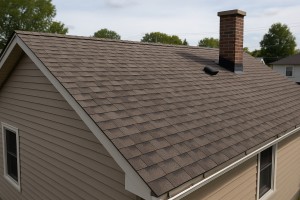
- What the service looks for: Granule loss, curling or cupping edges, missing fasteners, and bare patches where the asphalt coating is exposed. Inspectors also check flashing around chimneys, vents, and skylights for gaps or deterioration.
- Material-specific notes: Most common residential roof covering. Life span varies with quality, climate, and maintenance. Look for organic (asphalt-soaked felt) vs fiberglass cores, as fiberglass tends to be lighter and more fire-resistant.
- Why it matters for inspections: Shingle wear and granule loss can indicate aging, hail damage, or poor attic ventilation. Damaged shingles can lead to leaks and higher energy bills.
- Maintenance tips: Clean gutters to prevent water backup, replace missing or cracked shingles promptly, and keep trees trimmed to reduce abrasion and impact damage.
- Service nuance: In an inspection, expect a detailed shingles-by-sh shingles assessment and recommendations for resealing flashing and re-nailing any loose sections.
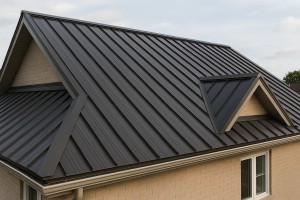
- What the service looks for: Corrosion, rust pitting, loose or failed fasteners, and sealant wear at seams and penetrations. Inspectors also assess the integrity of protective coatings and flashing at edges.
- Material-specific notes: Panels can be aluminum, steel, or copper with coatings. Lightweight but durable; expansion and contraction with temperature swings can create seam gaps if fasteners loosen.
- Why it matters for inspections: Corrosion or loose seams can cause leaks and attic moisture. Fastener pull-out or missing sealant is a common failure point.
- Maintenance tips: Check for exposed fasteners and reseal as needed; keep the roof clear of debris that traps moisture; ensure proper attic ventilation to minimize condensation.
- Service nuance: Expect an emphasis on fastener tightness, sealant condition, and the condition of edge details and flashing around chimneys and vents.
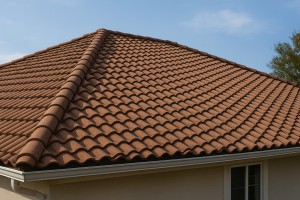
- What the service looks for: Cracked, chipped, or broken tiles, slipped or misaligned rows, and degraded underlayment beneath the tile. Inspect penetrations and flashing for water intrusion paths.
- Material-specific notes: Heavier than shingles; requires a strong deck. Clay is more brittle than concrete and can crack from impact or foot traffic.
- Why it matters for inspections: Broken tiles can hide leaks and cause water damage to the roof deck or attic if not addressed.
- Maintenance tips: Replace cracked tiles promptly, maintain ridge lines, and clear debris to prevent moisture retention.
- Service nuance: Inspections often involve checking tile support and deck condition, plus careful stepping to avoid causing further tile breakage.
Wood Shingles and Shakes
- What the service looks for: Signs of rot, insect damage, cupping or splitting, and moisture staining on the underside of the roof deck. Look for cedar-specific issues like sap leakage and mildew.
- Material-specific notes: Provides a warm appearance but is susceptible to moisture, moss, and fungal growth. Cedar and redwood are common choices.
- Why it matters for inspections: Damaged wood can lead to leaks and structural concerns if not addressed, and infestations can spread.
- Maintenance tips: Trim nearby branches, keep gutters clear, treat for pests as needed, and replace severely damaged sections.
- Service nuance: Attenders may recommend more frequent moisture readings and sometimes deck reinforcement in high-moisture areas.
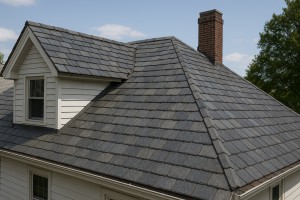
- What the service looks for: Cracked, loose, or delaminating slate tiles; exposed nails and potential flashing gaps; and overall weight-related deck support observations.
- Material-specific notes: Extremely durable but brittle; replacement tiles can be hard to source and match.
- Why it matters for inspections: Brittle or loose slate can cause sudden leaks and pose safety risks if tiles shift.
- Maintenance tips: Inspect and replace cracked tiles promptly; ensure proper ventilation and underlayment supports to prevent deck rot.
- Service nuance: Expect careful handling and documentation of tile condition, with recommendations for professional slate repair or replacement.
Composite and Synthetic Shingles
- What the service looks for: Wear patterns similar to asphalt but with potentially different UV resistance. Check for color fading, blistering, or edge peeling and seam integrity.
- Material-specific notes: Made from reclaimed or engineered materials; often designed to mimic wood or slate.
- Why it matters for inspections: Degradation can affect waterproofing performance and long-term durability.
- Maintenance tips: Monitor for seam gaps and edge curling; clean debris to prevent moisture buildup.
- Service nuance: Inspections focus on seam integrity, attachment after wind or hail events, and overall material stability.
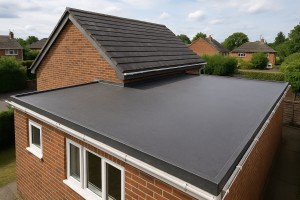
- What the service looks for: Seams and flashings for signs of separation, blisters, punctures, and any ponding water that indicates drainage issues.
- Material-specific notes: EPDM is a rubber membrane; TPO and PVC are thermoplastic. Each has different fastener and seam methods and different aging profiles.
- Why it matters for inspections: Leaks can develop at seams or penetrations even when the surface looks intact.
- Maintenance tips: Keep drainage paths clear, repair blisters and punctures promptly, and ensure proper flashing detail at edges and penetrations.
- Service nuance: Expect a focus on seam integrity, roof deck condition beneath the membrane, and edge detailing around parapets and curbs.
Other Considerations (Specialty Roofing)
- What the service looks for: Solar-integrated shingles, green roof components, or unusual coverings. Check compatibility for flashing and substrate conditions.
- Material-specific notes: May require specialists for certain repairs or replacements.
- Why it matters for inspections: Specialty roofs may have unique warranty requirements and care standards.
- Maintenance tips: Follow manufacturer guidelines for any add-ons or overlays; schedule expert evaluations after severe weather.
- Service nuance: Documentation often includes compatibility notes and recommended service intervals specific to the material.
Understanding the Cost of Roof Inspection Services
Costs for roof inspections vary by region, roof size, pitch, and access. The goal is to give you a clear sense of typical prices and the factors that push costs up or down, so you can budget confidently and get an solid, itemized quote.
Typical average costs for Roof Inspection Services
- Basic roof inspection (visual check from ground or ladder, often no attic entry): $100–$250
- Full inspection with written report, photos, and notes: $250–$450
- Roof certification/inspection for real estate transactions: $150–$350
- Drone-assisted inspection: $75–$150 extra, or included in some comprehensive packages
- Large, complex roofs or commercial properties: $400–$1,200+
Prices can differ by region and by the inspector's scope, but the ranges above cover common scenarios homeowners encounter during buying, selling, or maintenance planning.
What can make the price less expensive
- Scope reduction: exterior-only visual inspection with no attic walk-through or interior assessment
- Bundling: inspections bundled with a home inspection or ongoing maintenance plan
- Use of prior documentation: if a recent, similar inspection exists within a year and an update is enough
- Off-peak scheduling: booking during slower seasons with lower labor demand
- Travel/time savings: local inspectors with short travel distances and straightforward access
What can make the price more expensive
- Steep, high, or hard-to-access roofs: multi-story homes, very steep pitches, or roofs with challenging geometry
- Complex roof systems: tile, shake, metal, numerous intersecting slopes, skylights, chimneys, or dormers
- Safety and equipment needs: scaffolding, fall protection, or additional crew for safe access
- Advanced imaging: infrared/thermal imaging or drone-assisted services in addition to standard inspection
- After-hours or expedited service: urgent scheduling or weekend/evening appointments
- Travel distance or remote locations: higher travel fees for inspectors serving distant neighborhoods
- Real estate documentation demands: expedited formal reports, longer write-ups, or certified statements
Quick steps to get an accurate quote
1) Define the scope: roof-only inspection vs. full home inspection with attic and interior notes.
2) Share roof specifics: approximate roof area, pitch, access points, and any known concerns.
3) Ask for an itemized quote: ensure the estimate lists base inspection, report type (photos, notes, and certification), and any add-ons (drone, infrared).
4) Confirm inclusions: whether a written report, photos, and certification are included, and if any travel or permit fees apply.
5) Set expectations: discuss turnaround time for the report and any follow-up inspections if issues are found.
Practical tips for budgeting and planning
- Get quotes from 2–3 local roofers to compare scope and price, not just the bottom line.
- Clarify what's included in the price (report length, photo coverage, and any required follow-ups).
- If you're buying or selling, check whether the real estate transaction requires a specific type of certificate or a quicker turnaround.
- Consider whether you want additional services (drone or infrared) now or hold them for a later evaluation if needed.
- Ask about safety practices and licensing to ensure you're paying for a qualified, responsible inspection.
How the Roof Inspection Process Works
Step 1: Scheduling and Prep
- We confirm the appointment window, collect the address, and note any access restrictions or known concerns.
- Homeowner prep: clear access to the roof and attic entry, secure pets and children, and note any hazards (loose shingles, overhanging limbs, etc.).
- On-site time: typically 60–90 minutes, depending on roof size and complexity.
- What you'll receive: a clear plan for the inspection day and the items we'll inspect.
Step 2: Exterior Roof Survey
- We assess from ground level and, when safe, ascend the roof with ladders or use a drone to reach hard-to-access areas.
- Key components checked: shingles/tiles, flashing around chimneys and vents, chimney crown, skylights, gutters and downspouts, fascia and soffits.
- Common findings include: missing or damaged shingles, curling or blistering, granule loss, moss or algae growth, damaged flashing, vent boot cracks, and gutter issues.
- Documentation: detailed notes and photos organized by location to map severity and area.
Step 3: Attic and Interior Inspection
- Inside the attic, we evaluate insulation depth and quality, ventilation, and signs of moisture intrusion like staining or mold.
- Check attic access seal and duct work for air leaks; assess for heat loss or condensation risks.
- Examine the roof deck condition where accessible and look for signs of previous leaks or water intrusion that may not be visible from outside.
Step 4: Diagnostics and Measurements
- Tools and techniques: moisture meter, infrared imaging when appropriate, and sometimes a controlled moisture probe in decking.
- Assess remaining roof life by evaluating material wear, age, and exposure; check roof slope and the overall structural condition of the decking.
- Identify concealed problems (hidden leaks, poor ventilation, or insulation gaps) that could cause future damage if left unaddressed.
Step 5: Documentation and Recommendations
- You'll receive a written report with findings, photos, and a severity rating (Good/Fair/Poor) for each area.
- Recommendations are prioritized into:
- Immediate repairs
- Short-term maintenance
- Long-term replacement or major upgrades
- Cost guidance: rough ranges for repairs versus replacement, with factors that influence pricing (material type, accessibility, and labor).
Step 6: Follow-Up and Maintenance Plan
- We offer a follow-up review after repairs or seasonal events to confirm conditions and effectiveness.
- Maintenance plan: practical, homeowner-friendly tasks such as seasonal gutter cleaning, debris removal, pruning overhanging branches, and confirming attic ventilation compatibility.
- Warranty and product considerations: we outline any applicable warranties, and how they interact with recommended work or future inspections.
What to Expect During the On-Site Visit
- Safety-first approach: we use proper PPE, secure ladders, and protect landscaping and property.
- Transparent communication: we explain observations in plain language and show you photos from the key areas.
- No-pressure recommendations: we tier actions by urgency and durability, so you can plan within your budget and goals.
Typical Deliverables
- A concise, photo-supported inspection report.
- A prioritized scope of work with recommended timing.
- An itemized estimate or range for each major intervention (repair vs. replacement) and a maintenance checklist for the coming year.
Residential and Commercial Considerations for Roof Inspections
Core Differences in Scope
In residential inspections, the focus is on leaks, shingle condition, attic condensation, and visible wear that affects a typical home life. In commercial inspections, the scope broadens to flat or low-slope membranes, flashing at parapets, drainage systems, penetrations, and material performance over larger, multi-zone roof areas.
- Residential vs Commercial Considerations of Roof Inspection Services
- Roof geometry and access: pitched residential roofs versus expansive flat or low-slope commercial decks
- Primary goals: protecting a home's occupants and interior, vs ensuring long-term performance, energy efficiency, and code compliance for a building
- Documentation needs: homeowner-friendly summaries with clear photos vs detailed drawings, membrane test notes, and repair schematics
Access, Safety, and Coordination
Access and safety logistics differ markedly between home roofs and commercial roofs. Homeowners typically benefit from clear, single-property scheduling, while commercial projects may involve tenants, multiple tenants, or property managers and stricter safety protocols.
- Safety first: fall protection, ladder setup, and personal protective equipment are chosen to fit the site
- Coordination: align with tenants, facility managers, or construction crews to minimize disruption
- Access points: residential roofs often have straightforward entry, while commercial roofs may require roof hatches, scaffolding, or lifts
Common Roof Types and Materials
Knowing what to look for often hinges on the type of roof.
- Residential materials: asphalt shingles (most common), clay or concrete tiles, wood shingles/shakes, slate
- Commercial materials: flat or low-slope membranes (TPO, EPDM, PVC), built-up roofing, metal panels, or spray polyurethanes
Each material has distinct failure modes—shingle granule loss and curling for homes; membrane seam splits, flashing failures, and drain clogs on commercial roofs.
Step-by-Step Inspection Approach
A practical, homeowner-friendly overview of how inspectors typically proceed, with attention to what changes between properties.
1) Exterior roof survey: look for curling, missing, or damaged fasteners on shingles; membrane edges, blisters, or exposed flashing on flat roofs
2) Flashings and penetrations: check around chimneys, vents, skylights, HVAC curbs, and skylight integrity
3) Drainage and edges: ensure gutters, scuppers, downspouts, and parapets are clear and properly angled
4) Attic and interior checks: assess insulation, moisture markers, mold signs, and ventilation adequacy to prevent hidden damage
5) Documentation and recommendations: capture photos, provide condition notes, and outline a prioritized repair plan with approximate costs and timelines
Practical Tips for Homeowners
Use these simple guidelines to get more value from a roof inspection.
- Request a written report with clear photos and a prioritized repair list
- Ask about warranty coverage, material limits, and what constitutes a failure vs wear
- Consider the timing: spring and fall inspections help catch moisture issues before extreme weather
- Plan for maintenance: a small proactive fix now can prevent bigger, costlier problems later
- Understand any permits or local codes that might affect recommended repairs or replacements
Quick Reference: Choosing the Right Focus
- If you own a single-family home with pitched shingles, focus on leaks, flashing, and attic moisture
- If you manage a small commercial building, emphasize membrane integrity, drainage, and edge detailing
- For multi-tenant properties or larger sites, expect tighter safety protocols, phased inspections, and more detailed reporting
This balanced approach helps homeowners feel confident that inspections address immediate concerns while also planning for long-term roof health.
How Roof Inspection Services Vary by Location
Climate and Weather Differences
Different climates create distinct wear patterns and failure risks. Expect inspectors to tailor their focus to your region's typical weather.
- Cold, freezing climates: ice damming, frost buildup, and rapid freeze–thaw cycles can crack shingles and loosen seals around flashing. Attic ventilation and insulation are scrutinized to prevent condensation and heat loss.
- Hot, sunny climates: sun exposure accelerates granule loss, shingle drying, and edge curling. Inspectors look for UV damage, heat cracks, and degraded underlayment.
- Coastal and humid areas: salt air and high humidity increase corrosion, metal flashings, and fasteners; look for rust, corrosion, and mold-prone decking near sea spray zones.
- Wet, temperate regions: moss, algae, and organic debris can trap moisture, leading to rot and membrane deterioration. Filtration of gutters and downspouts is also checked.
- Areas with heavy snowfall: snow load, ice dams, and compromised attic ventilation are critical. Assess roof slope durability, drainage, and insulation to minimize meltwater backing up under shingles.
Steps inspectors commonly follow to address climate needs:
1) Assess attic insulation and ventilation relevant to preventing condensation and ice dams.
2) Examine surface for climate-specific damage (cracking, curling, granule loss, corrosion).
3) Inspect flashing at vents, chimneys, and ridges for weather-driven failures.
4) Check drainage paths, gutters, and downspouts to handle local precipitation patterns.
Local Building Codes and Standards
Codes and standards shift by jurisdiction, so inspectors align their work with what your area requires.
- State and local adoption: different versions of the International Codes (IBC/IRC), energy codes, and supplemental amendments are in force depending on county or city.
- Wind, seismic, and flood requirements: some regions mandate enhanced wind-resistance features or seismic retrofits; others focus on floodplain considerations and damper-assisted venting.
- Reporting expectations: certain areas require specific disclosure formats, mitigation disclosures for insurance, or wind mitigation evaluations for premium reductions.
- Certification expectations: some neighborhoods rely on building department inspectors, while others rely on third-party inspectors who meet local licensing rules.
Licensing, Certification, and Availability
Location affects who can inspect and how easily you can book a visit.
- Licensing: many states require roof inspectors to hold a contractor license, professional engineer stamp, or specific home inspection license. Some counties require additional roofing endorsements.
- Certifications: nationally recognized programs (e.g., ASHI, InterNACHI) guide inspectors, but local acceptance varies.
- Availability: rural or high-demand urban areas may have longer wait times; in tight labor markets, cross-region specialists might travel or offer video assessments with upgrades.
Regional Roofing Materials and Maintenance Practices
Regional material norms shape what gets checked most closely.
- Northeast and Mid-Atlantic: asphalt shingles remain common; occasional slate or metal roofs. Expect checks on flashing around chimneys, dormers, and skylights; slate requires careful assessment of loose or cracked tiles.
- Southeast and Gulf Coast: asphalt and metal roofs are common; clay tiles appear in some historic buildings. Inspect for wind damage, fastener security, and algae/moss growth in humid zones.
- Southwest: clay or concrete tiles and metal roofs are prevalent. Focus on tile breakage, underlayment integrity under intense sun, and heat-related deck drying.
- West Coast: a mix of shingles, clay, metal, and occasional wood shakes; seismic considerations and fire-resistant materials matter. Look for earthquake-related gaps, rot, and moisture intrusion.
- Midwest: asphalt shingles and metal are typical; hail risk is higher in many states, so hail impact resistance and fastener security receive emphasis.
Insurance, Warranty, and Disclosure Practices
Regional norms influence how warranties and insurance claims are documented.
- Wind/hail zones: some insurers require specific roof certifications or wind mitigation documentation to qualify for premiums.
- Warranties: manufacturers may specify installation and material requirements that vary by climate (underlayment choices, venting, and flashing materials). Inspectors verify these elements align with warranty conditions.
- disclosures: in hurricane-prone or quake-prone areas, inspectors may provide more detailed disclosures on structural underlayment, retrofit efficiency, and mitigation recommendations.
How this service varies in different regions in the United States
- Northeast (New England, Mid-Atlantic): emphasis on ice dam prevention, snow load implications, attic ventilation, and durable flashing at masonry chimneys; frequent dampness checks in crawl spaces.
- Southeast and Gulf Coast: focus on wind resistance, wind-borne debris protection, corrosion-sensitive hardware, and moisture control in humid climates; algae and mold considerations are common.
- Midwest: hail resistance, rapid temperature shifts, and snow-related drainage concerns; thorough evaluation of shingle integrity and gutters for heavy precipitation.
- West Coast: earthquake-aware assessments, moisture intrusion in rainy areas, and fire-rated roof components in dry regions; mixed materials require careful scrutiny of flashings and underlayment.
- Southwest: heat and sun exposure drive granule loss and fastener wear; clay tile and metal roofs demand attention to tile integrity and expansion joints.
- Mountain and Interior West: snow and wind loads with occasional wildfire risk; attention to roof valley seals, snow guards, and venting efficiency.
