Ultimate Guide to Condensation in Attic
Last updated: Feb 28, 2026
Introduction to Condensation in the Attic
What condensation in the attic is
Condensation happens when warm, moist indoor air escapes into the attic and meets cold roof surfaces. The moisture cools and turns into tiny droplets on rafters, sheathing, and insulation. It's not a roof leak or mold in itself, but it can lead to damp insulation, wood damage, and mold if left unchecked.
Is this urgent or common?
- Common in many homes, especially during colder months when heating drives moisture upward.
- Not every case is an emergency, but it can become urgent if you see active dripping, frost on the underside of the roof deck, or standing water.
- If you notice persistent damp spots, a musty smell, or mold growth, treat it as a signal to assess ventilation and moisture sources more carefully.
How condensation happens (high-level)
- Moisture sources inside the house (cooking, showers, laundry, drying clothes, plants) add humidity.
- Gaps and penetrations (around ducts, wires, attic hatch) let warm air leak into the attic.
- The attic surfaces are often cold, so the moist air cools and releases water droplets on the roof deck and insulation.
- Poor attic ventilation magnifies the problem by trapping humid air rather than exchanging it with outdoors.
Signs you might notice
- Frost or moisture on the underside of the roof deck in winter.
- Damp or stained attic insulation and sheathing.
- Musty odor or visible mold growth in attic corners.
- Peeling paint or staining on the ceiling below the attic.
- Higher-than-usual humidity levels in living spaces, especially after showering or cooking.
Quick checks you can do today
1) Look for obvious moisture on attic surfaces when it's cold outside and the house is heating up inside.
2) Check insulation levels and inspect for gaps around penetrating pipes, wires, and the attic hatch.
3) Inspect attic ventilation: are there intake vents (soffits) and exhaust vents (ridge or gable vents) that are clear and connected?
4) Note any visible air leaks from living spaces into the attic and seal them if you can reach them safely.
- Run bathroom and kitchen exhaust fans during and after moisture-generating activities.
- Use a dehumidifier in areas that feel damp, especially during damp or rainy periods.
- Aim to keep indoor humidity roughly in the 30–50% range; use a hygrometer to monitor.
- Seal obvious air leaks from living spaces into the attic (hatch door, recessed lighting, duct penetrations) with weatherstripping or caulk as appropriate.
- Avoid drying clothes indoors if you can, or use a vented dryer to vent outside.
Long-term fixes and prevention
- Improve attic ventilation: ensure a balanced system with adequate intake and exhaust paths to move moist air out of the attic.
- Air-seal the attic: seal gaps around the attic hatch, ductwork, wiring, and plumbing penetrations to minimize warm air leaks.
- Upgrade or add insulation: fill gaps in the attic floor and extend insulation where needed to maintain warmer attic surfaces.
- Vapor management: use proper vapor barriers at the ceiling plane and ensure moisture from living spaces is controlled at the source.
- Manage moisture sources: vent bathrooms and laundry properly; consider upgrading attic venting in newer or remodeled homes.
When to call a pro
- You still see dampness or active leaks after improving ventilation and sealing leaks.
- You suspect ice dams, ongoing mold growth, or widespread dampness behind insulation.
- You're unsure where moisture is coming from or you want a professional assessment of insulation, ventilation, and air sealing.
Is Condensation in the Attic an Emergency?
Condensation in the attic can signal moisture problems that, if left unchecked, lead to wood rot, mold, and higher energy bills. Not every case is an emergency, but some signs require immediate attention. Use this triage to decide urgency and plan your next steps.
- You see active water dripping from roof sheathing, rafters, or through the attic ceiling.
- There's pooled water or damp insulation with rapid spread or movement, especially after rain or thaw cycles.
- Mold growth appears on wooden members, insulation, or roof sheathing, or you detect a strong musty odor.
- Electrical components in the attic are damp, or you notice buzzing, arcing, or a tripped breaker; any damp electrical issue in the attic is a safety hazard.
- Ice damming has caused water intrusion into the attic, or you notice leaks that occur during freezing/thawing events.
Monitor if
- Condensation appears on cold surfaces like rafters during morning dew, but there's no active leak at the moment.
- Humidity readings in the attic stay high over multiple days (for example, consistently above 60% during cold weather) without visible standing water.
- The attic feels damp, but you don't see water stains on the ceiling below and insulation still looks dry.
- Ventilation seems limited but stable (vents and soffits aren't visibly blocked) and there aren't any new mold smells or growth.
- You can schedule a professional inspection soon, but you don't see immediate signs of a major leak or mold growth.
Can wait if
- The attic remains dry with only mild condensation on surfaces that clear up as temperatures rise; no water on insulation or roof sheathing.
- There are no mold or mildew signs, no musty odors, and no damp electrical components.
- Indoor humidity is well-controlled, attic vents are clear, and condensation occurs only intermittently during temperature swings.
- You can arrange a professional assessment within a few days to a couple of weeks and you will continue to monitor condition in the meantime.
Quick safety steps you can take now
1. Do not disturb damp insulation or moldy areas; wear a mask if you're near moldy material.
2. If you suspect electrical issues, avoid the attic and do not touch damp wiring or outlets; switch off power to the attic area if safe to do so.
3. Improve ventilation where safe: open intake and exhaust vents, or use any attic fan if it's known to be safe and there are no electrical issues.
4. Document the condition: take photos of condensation patterns, any leaks, and mold growth; note dates and weather conditions.
5. Plan a professional assessment: list findings, dates of condensation events, and any changes you've observed in humidity or leaks to share with your roofer.
Common Causes of Condensation in Attics
Warm, Moist Indoor Air Escaping into the Attic
Warm, humid air from your living spaces can rise and leak through the attic floor if the air barrier isn't solid. When that moist air hits the cold roof deck, it condenses into water droplets. Typical escape routes include:
- Gaps around attic hatches, pull-down stairs, and access doors
- Leaks around plumbing and electrical penetrations
- Unsealed or damaged gaps in knee walls and around ductwork
- Poorly sealed recessed lighting and ceiling fixtures
Quick steps to reduce this type of condensation:
1) Seal penetrations and gaps with caulk, foam, or weatherstripping, especially around the attic hatch and around plumbing, wiring, and vent connections.
2) Install or repair an air barrier on the attic floor to keep warm air from rising into the attic space.
3) Improve insulation coverage under the attic ceiling and around fixtures; avoid compressing insulation at penetrations.
4) Keep bathroom, kitchen, and other exhaust fans vented to the outdoors, not into the attic.
Inadequate Insulation and Air Sealing
If the attic floor is inadequately insulated or has gaps, warm indoor air easily migrates upward and meets the cold attic surfaces, creating condensation on the underside of the roof or on insulation surfaces.
Key causes to look for:
- Insulation that's missing, thin, or flattened in spots
- Gaps around joists, plumbing stacks, and duct penetrations
- Deteriorated or missing air barriers on the attic floor
What to fix:
- Add or boost insulation to bring the attic up to the recommended R-value for your climate
- Seal all penetrations and seams with appropriate sealant or spray foam
- Ensure a continuous air barrier on the attic floor and around access openings
Insufficient Attic Ventilation
Poor ventilation traps moist air in the attic, especially in cold weather. Without enough intake and exhaust, the humidity has nowhere to go, so it condenses on roof sheathing and other cold surfaces.
Signs you may have ventilation issues:
- Frost or ice on attic surfaces in winter
- Musty odors or damp insulation
- Visible sagging or dampness on roof sheathing
How to improve ventilation:
- Create a proper balance of soffit (intake) and ridge or gable (exhaust) vents
- Clear any insulation blocking soffit vents and ensure unobstructed airflow
- Consider adding baffles to maintain airflow from soffit to roof deck
Moisture from Venting Appliances and Fixtures
Exhaust fans and vents that are not vented to the outdoors or that terminate in the attic release humid air directly into attic space. Clothes dryers venting into the attic are a common culprit.
Common offenders:
- Bathroom and kitchen fans vented into the attic instead of outside
- Clothes dryer vent ducts that terminate in the attic or crawl space
- Gas appliances producing extra moisture without proper venting
What to do:
- Re-run vent ducts to exhaust outdoors with proper duct material and dampers
- Use vent caps with backdraft dampers and ensure ducts are free of kinks and leaks
- If possible, vent gas appliances directly to exterior with appropriate clearances
Ductwork and Mechanicals in the Attic
HVAC supply and return ducts in the attic can become moisture sources if they're leaky or poorly insulated. Warm, humid air leaking from ducts into the attic can condense on cold duct surfaces and surrounding framing.
Remedies:
- Seal all duct joints with mastic or foil tape (avoid standard duct tape)
- Insulate exposed ducts in the attic to minimize surface condensation
- Test for leaks and repair any damaged ductwork; consider upgrading to rigid ducts where feasible
Roof Leaks, Ice Dams, and Exterior Moisture Infiltration
Water entering the attic from outside can condense as it mixes with warm indoor air. Roof leaks, damaged flashing, and ice dams allow meltwater to seep into the attic, creating persistent moisture.
What to inspect:
- Shingles, flashing, and valley integrity
- Ice dams along eaves and gutter systems
- Gutters and downspouts free of obstruction; ensure proper drainage away from the home
Actions to take:
- Repair roof leaks and fix flashing as needed
- Improve attic ventilation to reduce moisture buildup during temperature swings
- Keep gutters clear and ensure water drains away from the roof edge
Seasonal Temperature Swings and Dew Point
In winter, the dew point can cause condensation when warm indoor air meets a very cold attic surface, even if you don't notice a lot of moisture elsewhere.
Practical checks:
- Monitor indoor humidity levels; aim for 30–50% in living areas
- Use a dehumidifier or ventilation adjustments if humidity spikes during cold periods
- Regularly inspect attic surfaces for damp spots, mold, or mildew and address sources promptly
How Roof Materials Affect Condensation in Attics
How roof material characteristics drive condensation outcomes
Condensation in the attic happens when warm, moist indoor air meets a cold roof surface. The roof material you choose influences surface temperatures, how moisture moves, and how quickly the space can dry out. Understanding these interactions helps you minimize condensation risk and keep your attic dry.
- Surface temperature and thermal conductivity: materials that stay cold in winter (like metal or dense tile) can encourage dew to form on the underside of the roof deck if the attic is poorly insulated or vented.
- Vapor movement and breathability: some roof assemblies breathe more than others. A material or underlayment that isn't a good moisture barrier lets more interior moisture reach the attic, increasing condensation risk.
- Thermal mass and moisture storage: heavier roof assemblies can dampen temperature swings, but they can also store moisture in wood or concrete components if conditions stay humid.
- Ventilation compatibility: roof materials perform best with properly designed attic ventilation (soffit and ridge or gable vents) to keep surface temperatures closer to attic air and move moisture out.
List of common roofing materials and how they are specifically effected by Condensation in Attic
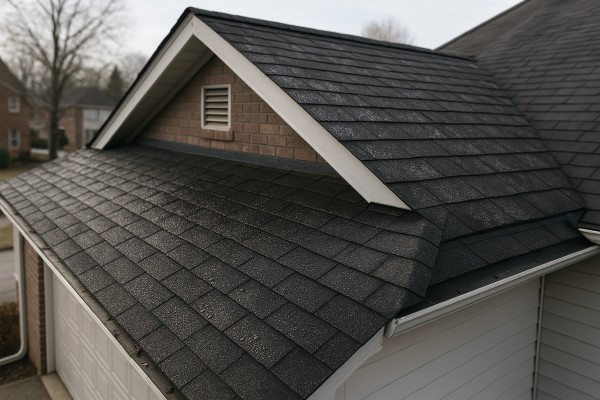
- Asphalt shingles (fiberglass or organic): Underlayment and deck are the main barriers; asphalt shingles themselves are not vapor barriers. In cold, humid attics, warm interior air can condense on the cold underside of the deck or back of the shingles. Ensure good attic ventilation and a continuous air barrier to reduce drafts.
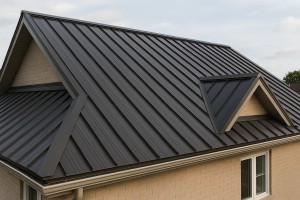
- Metal roofing (steel, aluminum): Metal conducts heat and cold more than most materials. In winter, the metal can stay cold and become a prime condensation surface, especially if insulation or air sealing is weak. Use proper insulation up to the deck, add a radiant barrier, and maintain balanced attic ventilation.
- Clay or concrete tiles: Heavy, non-porous tiles can stay cool in winter, transferring cold to the roof deck. Condensation can form on the deck if the attic is humid and poorly ventilated. Ensure ventilation, a well-sealed attic space, and a dry underlayment.
- Wood shingles or shakes: Wood breathes and can absorb moisture. If interior humidity is high, condensation can form on the back of wood shingles or on the attic side of the deck. Maintain a tight air barrier and allow wood to dry between seasons; avoid prolonged high humidity.
- Slate: Dense and non-porous, slate resists moisture absorption, but dew can still form on a cold deck if the attic is humid. Provide good air movement and sufficient insulation to minimize temperature differences.
- Synthetic/composite shingles: Performance varies by product. Some breathe more than asphalt; others act like non-porous underlayers. Check manufacturer guidance and ensure your attic environment aligns with the material's vapor and insulation needs.
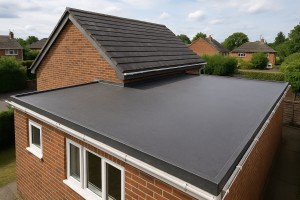
- Flat roof membranes (EPDM, TPO) in low-slope homes: Condensation forms on the deck if interior humidity is high and the roof is not well insulated. Use continuous insulation, an appropriate vapor retarder, and ensure adequate attic or roof space ventilation.
Practical steps to manage condensation by roof material
1. Improve attic ventilation: ensure balanced intake and exhaust (soffit and ridge vents, or gable vents) and address any vent blockages.
2. Control interior humidity: use a dehumidifier when needed, run exhaust fans in bathrooms and kitchens, and keep indoor humidity around 30–50%.
3. Tighten the air barrier: seal gaps around vents, chimneys, and wiring penetrations; consider a vapor retarder on the warm side in humid spaces.
4. Upgrade insulation: ensure the attic is well insulated and that insulation reaches the edges of the attic plane to reduce cold spots.
5. Add radiant barriers or reflective foil on the underside of the roof deck where appropriate to help moderate temperatures and reduce dew formation in winter.
6. Monitor and adjust: if you notice persistent condensation, have a local roofer or insulation contractor evaluate ventilation balance, insulation levels, and any material-specific needs.
The Risks of Ignoring Condensation in the Attic
Structural Damage
- Wet wood and sheathing are weaker than dry materials. Over time, continued moisture can cause framing to warp, sag, or rot.
- Roof decking may delaminate or develop soft spots, increasing the risk of leaks or sudden failures when snow or wind load hits.
- Metal components (nails, staples, flashing) corrode faster in damp conditions, compromising the roof's integrity.
- Hidden damage can spread: what starts as a small damp patch today can become a larger structural problem in a few seasons.
Mold and Mildew Growth
- Condensation creates a steady source of moisture that mold loves. Mold can take hold on insulation, wooden components, and roof sheathing.
- Mold spores can travel into living spaces via attic air leaks, vents, or fans, triggering allergies or respiratory issues.
- Once established, mold is stubborn to remove and often requires replacement of affected materials.
Insulation Degradation
- Wet insulation loses most of its insulating value. Fiberglass and cellulose layers compress when damp, reducing their ability to slow heat transfer.
- Damp insulation can stay damp for a long time, hindering drying and leading to a perpetual energy penalty.
Energy Loss and Higher Bills
- When insulation and air sealing are compromised by moisture, your attic becomes a path for heat to slip in winter or seep out in summer.
- Your heating and cooling systems work harder to maintain comfort, driving up energy costs year after year.
Ice Dams and Roof Leaks
- In colder climates, condensed moisture on the underside of the roof can contribute to ice dam formation along eaves, backing up water under shingles and into the attic.
- Ice dams place additional stress on roofing edges and can lead to leaks inside ceilings and walls during thaws.
- Repeated freeze-thaw cycles accelerate deck and flashing wear, creating more potential leak points.
Odors and Indoor Air Quality
- Damp attic spaces often develop musty odors as mold and mildew grow.
- These odors can seep into living areas, and persistent moisture can worsen allergies or asthma for household members.
Safety Risks
- Moisture around electrical components and wiring in the attic raises fire risk and potential short circuits.
- Slippery or softened attic surfaces from moisture increase the chance of falls during inspections or repairs.
- Persistent dampness can attract pests (ants, termites, rodents), which bring their own problems and additional damage.
Costly Repairs Down the Line
- Small damp spots today can require major repairs later—replacing damaged framing, insulation, or roof decking.
- Delayed diagnosis often means higher labor and material costs when problems compound.
Practical Signs to Watch For
- Water stains on roof decking or attic rafter tails.
- Condensation on insulation surfaces or frost on the underside of the roof in cold weather.
- Dark, damp spots or visible mold growth around vents, penetrations, or along eaves.
- Peeling paint or warped ceiling drywall in rooms beneath the attic.
What to Do If You Notice Condensation
1. Document signs with photos and notes to track changes over time.
2. Inspect attic ventilation and insulation:
- Check that soffit vents (intake) and ridge or roof vents (exhaust) are clear and functioning.
- Ensure insulation isn't blocking vents and that baffles are in place to maintain airflow.
3. Reduce humidity sources and seal transfer paths:
- Use bathroom and kitchen exhaust fans that vent outside.
- Seal gaps around attic access, plumbing, and wiring penetrations to limit warm, humid air entering the attic.
- Address any leaks from roofs, plumbing, or HVAC condensate lines.
4. Monitor conditions and reassess:
- If dampness recurs after improvements, plan a professional assessment to pinpoint moisture sources and verify ventilation, insulation, and attic sealing are correct.
How Condensation in the Attic Is Diagnosed
Visual clues in the attic
- Frost or ice crystals on the underside of the roof deck during cold spells
- Wet spots or damp insulation, especially near vents, ducts, or penetrations
- Mold growth, staining, or a persistent musty smell
- Visible water droplets on rafter tails or on insulation faces in certain spots
Quick home-based checks you can do safely
- Inspect all attic openings: ensure the hatch/door seals well and any attic access is not a major source of warm air leakage
- Check all vent connections: look at bathroom fans, kitchen exhausts, and clothes dryers to see if ducts vent properly to the exterior rather than into the attic
- Examine soffit and ridge vents: confirm vents aren't blocked by insulation or debris and that air can move freely from soffits to the ridge
- Look for insulation gaps or compression: note areas where insulation is thin or compressed around wires, pipes, or joists
- Test for air leaks with a harmless smoke source (smoke pen, incense) around penetrations, ductwork, and the attic hatch to see if warm air is escaping into the attic
Step-by-step diagnostic flow
1. Document symptoms: where condensation appears, when it happens (time of day, season), and whether it's paired with humidity in the living space. Write down patterns you notice after showering, cooking, or running humidifiers.
2. Do a broad attic scan: note damp areas, cold surfaces, and any airflow obstructions. Compare spots near the vent system, ductwork, and attic hatch.
3. Check humidity balance: if the attic moisture is consistently high (relative humidity above 60%), that's a red flag that warm indoor air is reaching the attic and condensing on cold surfaces. If you have a hygrometer, place it in the attic for a 24-hour read. Compare with typical indoor humidity levels to gauge the gradient.
4. Inspect insulation quality and placement: look for gaps around vent areas, around chimneys or flues, and at eaves. Ensure insulation thickness is even and not pushed aside by wiring or ductwork. Warm air intrudes most where insulation is thin or interrupted.
5. Assess ventilation effectiveness: with cold outdoor conditions, turn on attic ventilation (if present) and observe whether air movement increases. infrared or temperature checks can show whether warm, moist air is being drawn through the attic or if stagnant pockets exist.
6. Use a moisture-focused check: a moisture meter can help determine wood and insulation moisture levels. Elevated moisture in rafters or sheathing often points to vapor intrusion rather than purely a ventilation flaw.
7. Distinguish sources: categorize whether condensation is driven by vapor diffusion (humid air seeping through gaps), duct leaks (warm air from HVAC or bath/kitchen fans), or poor attic ventilation (inadequate air exchange leading to humid, stagnant air).
8. Look for secondary signs: recurring condensation that doesn't respond to simple fixes could indicate a more complex issue—insulation misrolls, roof deck leaks, or structural gaps that warrant professional evaluation.
- Moisture meter for wood framing and insulation
- Hygrometer to measure attic humidity over time
- Infrared thermometer or thermal imaging camera to spot cold spots and moisture-laden areas
- Smoke pencil or incense for leak testing around penetrations, ductwork, and hatches
- Flashlight and a notepad or phone to photograph and document conditions
Interpreting findings
- Condensation concentrated on cold surfaces with high attic humidity suggests insufficient ventilation or vapor intrusion into the attic space.
- Wet insulation or damp spots near ducts and vents often point to duct leaks or improper venting rather than a purely ventilation issue.
- Widespread moisture with mold signs indicates a more systemic problem that may involve insulation gaps, air leaks, and possible attic air exchange imbalance.
Reading the results and planning next steps
- If you identify isolated damp spots near a vent or penetrations, improving sealing and directing moisture-laden air out of the attic can resolve the issue.
- If the moisture is widespread and tied to humidity in the living spaces, focus on increasing attic ventilation, sealing air leaks, and enhancing insulation continuity.
- If you notice persistent high moisture or structural staining, stabilize the situation with a more thorough assessment to prevent long-term damage, and consider a professional to verify roof integrity and ventilation performance.
Repair Options for Condensation in the Attic
Temporary fixes
- Increase airflow for immediate relief. On a dry day, open accessible attic vents and run small box fans at the openings to push moist air out. Avoid creating negative pressure that pulls moist air from the living space.
- Use a dehumidifier or desiccants. Place a portable dehumidifier in the attic for 24–72 hours, or set out silica gel or other desiccants to absorb moisture while you plan longer-term fixes.
- Seal obvious air leaks temporarily. Apply low-expansion spray foam or caulk around attic penetrations (pipes, wiring, chimney flu) and around the attic hatch or door to reduce warm, moist air reaching cold surfaces.
- Limit moisture sources in the attic. Don't store damp items up there. If bathroom or kitchen vents vent into the attic, redirect them to exterior vents with proper ducting.
- Check for standing condensation episodes. If you see frost or frost-like condensation on rafters, wipe it down and plan more permanent ventilation improvements.
Minor repairs
- Improve ventilation paths. Ensure soffit and ridge vents (or gable vents, if that's your setup) are clear and functioning. Install or re-seat roof ventilation baffles (baffles prevent insulation from blocking airflow from soffits to ridge vents).
- Seal and insulate access points. Add weatherstripping to the attic hatch and seal any gaps around ductwork or wiring penetrations where warm air can infiltrate the attic space.
- Repair or replace damaged roof components. Replace cracked, curled, or missing shingles and reseal flashing around chimneys, vent pipes, and skylights. Re-nail loose shingles and flashing as needed to restore a continuous barrier.
- Fix moisture offenders. Make sure bathroom, laundry, and kitchen exhaust fans vent directly to the outside; correct any improper duct routing that sends moist air into the attic.
- Treat minor mold and surface staining. If you see small, non-structural mold growth, clean with an appropriate solution and address the humidity source to prevent regrouping.
Partial replacement
- Scope the damaged area. Identify localized roof deck or shingle damage caused by chronic condensation or moisture intrusion.
- Remove and replace compromised materials. Remove visibly damaged shingles and underlayment in the affected section. Inspect the roof deck for rot; if the decking is soft or warped, replace those boards.
- Re-create the roof build in that section. Install new underlayment, flashings, and shingles in the damaged area. Seal around penetrations and ensure proper flashing at all edges to prevent future leaks.
- Restore ventilation and insulation. Verify that baffles and ventilation paths remain clear after replacement. Add or adjust insulation as needed to reduce cold spots that foster condensation.
- Inspect for hidden damage. Look for adjacent areas that may have absorbed moisture; address them proactively to prevent a quick reoccurrence.
Full roof replacement
- When condensation has caused widespread damage. If moisture exposure or mold extends across large portions of the roof or has compromised structural decking, a full replacement is usually advised.
- Plan the replacement. Have a professional assess structural framing for any rot or weakness. Obtain any required permits and confirm warranty coverage for ventilation and underlayment choices.
- Remove the entire roof assembly. Safely strip off shingles, underlayment, flashing, and vent components down to the roof deck. Dispose of damaged materials properly.
- Restore structure and weatherproofing. Inspect and repair any compromised roof decking or framing. Install new roof decking as needed, then lay a high-quality underlayment.
- Install a new roof system with proper ventilation. Choose roofing materials and venting strategy that promote continuous airflow (balanced soffit and ridge ventilation, or roof-specific alternatives). Reinstall flashing, vents, and drainage components.
- Final check and moisture control. After installation, verify there are no moisture pockets, ensure attic insulation is properly installed to avoid cold spots, and confirm that all penetrations are sealed and vented correctly.
Typical Costs to Fix Condensation in the Attic
Minor repair
Small, localized fixes that stop moisture from escaping into living spaces or seeping into insulation.
- Typical tasks: seal obvious air leaks around penetrations (fixtures, ductwork, piping), reseal or adjust attic baffles, tighten duct joints, re-seat loose soffit or ridge vents, tidy up basic insulation gaps near vents.
- Estimated cost: $150–$600.
- What you'll likely get: a quicker, DIY-friendly tune-up or a small pro visit to plug obvious leaks and optimize airflow.
Moderate repair
More thorough fixes when condensation recurs or humidity loads are higher, but no major damage has occurred yet.
- Typical tasks: upgrade or add attic ventilation (install or enlarge intake vents, improve ridge or turbine venting), address larger air leaks, seal attic-to-house gaps, improve insulation coverage, ensure moisture sources (bathroom fans, kitchen vents) exhaust properly to outside and not into the attic, inspect for damp insulation and replace if needed.
- Estimated cost: $1,000–$4,000.
- What you'll likely get: better airflow balance, reduced moisture buildup, and improved insulation performance with a focused hardware and labor package.
Major repair
Extensive moisture damage, mold issues, or structural concerns require comprehensive fixes.
- Typical tasks: mold remediation if present, replacement of severely damp or damaged insulation, repair or replacement of roof decking or vapor barriers, full rework of the attic ventilation strategy (baffles, vents, and possibly powered ventilation with controls), possible roof deck or sheathing repairs, and remediation of any water intrusion path. May also involve professional assessment for drywall or living-space moisture migration.
- Estimated cost: $5,000–$15,000 (and higher for extensive structural or mold remediation).
- What you'll likely get: a fully corrected moisture control system, rebuilt or upgraded insulation and ventilation, and a long-term fix for persistent condensation.
What factors affect cost
- Roof size: larger attic space requires more materials and labor, driving up cost.
- Access: tight or hard-to-reach areas slow work and raise labor time.
- Material type: higher-end vents, vapor barriers, or insulation with special ratings add to price.
- Extent of damage: mold, mold remediation, or deck/structure replacement can dramatically increase costs.
- Local labor rates: trades vary by region; urban or high-demand markets cost more.
Quick planning steps (ordered)
1. Get a professional attic inspection to identify root causes (ventilation, insulation gaps, moisture sources).
2. Obtain 2–3 written quotes outlining scope, materials, and timelines.
3. Decide on a ventilation and insulation plan that minimizes future condensation (balanced venting, proper exhaust routing, and adequate insulation depth).
4. Schedule follow-up inspections or maintenance as needed to prevent recurrence.
How Long Can You Wait Before Addressing Attic Condensation?
Condensation in the attic isn't an instant disaster, but it is a warning signal. The longer moisture sits up there, the more it can affect insulation effectiveness, wood components, and indoor air quality. Here's a practical, homeowner-friendly look at how long you can wait, what happens as time passes, and a simple plan to stay safe while you decide on next steps.
Timeframe snapshot: what happens if you wait
- Within 24 hours
- Surface dampness may appear on rafters or insulation, especially after cold nights. A faint musty smell can show up if humidity is consistently high. Symptoms are often subtle at first.
- 3–7 days
- Insulation starts losing some of its performance. Fiberglass or cellulose fibers may look damp or compressed in spots. Wood surfaces can begin to swell, and you may notice small, hidden patches of mold in corners or behind stored items. Metal fasteners can show early signs of rust in very humid conditions.
- 2–4 weeks
- Mold growth becomes more likely on wood, in attic corners, or along joists. A stronger musty odor is common. Energy efficiency may dip as insulation moisture hampers its ability to resist heat flow. You might also see staining on attic access panels or ceiling seams from moisture migrating downward.
- 1–3 months
- Mold may cover larger areas, and dampness persists even with ventilation. Insulation's R-value can deteriorate, which translates to higher utility bills. Wood can continue to warp, and small areas of roof sheathing may start to show signs of moisture damage.
- 6+ months
- The risk of structural and health-related issues grows. Widespread mold and wood rot, degraded insulation, and persistent damp conditions can lead to costly repairs or replacement of decking, framing, or roofing components. Indoor air quality concerns become more pronounced if moisture breaches living spaces.
What happens if you wait by timeframe (quick references)
- Short wait (days)
- Minor damp patches, slight musty odor, and reduced insulation performance begin to show. Quick action can still prevent escalation.
- Medium wait (weeks)
- More visible mold and greater energy loss. Damage starts to extend into more materials; proactive monitoring helps.
- Long wait (months)
- Structural wood damage, extensive mold, and large insulation losses. Repairs become considerably more invasive and expensive.
Signs you might be past the safe waiting window
- Persistent musty odor even after attic ventilation
- Visible mold or staining on wood, drywall edges, or attic sheathing
- Warped or softened wood and ceiling joists
- Noticeable drop in home comfort and higher heating or cooling bills
Quick steps if you're choosing to monitor and manage in the meantime
1) Document and observe
- Take date-stamped photos of dampness, mold spots, and any staining. Keep a simple moisture log to track changes over a few weeks.
2) Improve attic ventilation
- Ensure soffit vents, ridge vents, and attic fans (if present) are clear and functioning to promote air movement. Avoid sealing off vents, which can trap moisture.
3) Control interior humidity
- Use a dehumidifier or air conditioning to keep living spaces dry, especially in humid months. Try to maintain indoor moisture levels around 30–50%.
4) Check for and seal obvious leaks
- Inspect roof penetrations (vents, chimneys, plumbing stacks) and attic access points for leaks. Seal small gaps with appropriate sealants or flashing as needed.
5) Plan a repair path
- Schedule a professional assessment to identify the root cause (poor ventilation, insulation issues, or roof leaks) and develop a targeted repair plan. Set a budget and timeline based on severity and season, so you're ready to act when needed.
How This Problem Varies by Location & Climate
The basics you'll see across climates
Condensation in an attic happens where warm, moist indoor air meets cold attic surfaces. The amount of moisture, how quickly it moves, and how easy it is for the attic to dry out depend on climate, insulation levels, ventilation, and air sealing. In dry winter climates, the issue often comes from cold surfaces pulling water vapor from living spaces; in hot, humid regions, moisture tends to accumulate from inside the home and struggle to escape.
How to think about regional climate
- Humidity level: Higher outdoor humidity means more moisture trying to escape into the attic; lower humidity reduces that load but can make cold surfaces condensate if insulation is poor.
- Temperature swings: Wide day-night swings create more dew-point pressure on attic surfaces.
- Heating vs cooling extremes: Homes that heat heavily in winter and vent poorly in summer can cycle moisture through ceilings and attic spaces.
- Building practices: Regional construction codes, common ventilation strategies, and typical attic designs (vented vs unvented) shape condensation risk.
How This Plays Out in Different US Regions
How This Problem Varies by Region & Climate within the United States
- Northeast & Midwest (cold winters, possible wet summers)
- Condensation risk spikes when warm indoor air leaks into a cold attic during winter.
- Ice dam risk from melted snow run-off can complicate insulation and ventilation needs.
- What helps: tight air sealing around penetrations, adequate attic insulation, and balanced venting (soffit intake plus ridge or wall-vent exhaust).
- Southeast & Gulf Coast (hot, humid summers; mild to warm winters)
- Persistent attic humidity makes it easier for condensation to form on warm surfaces during cooler parts of the day.
- Vapor movement from living spaces is steady; moisture control relies on exterior venting and moisture management.
- What helps: reduce vapor generation near the attic, vent bathroom/kitchen exhaust directly outdoors, ensure attic is well ventilated and air-sealed.
- Pacific Northwest (cool, very humid; frequent rain)
- High outdoor humidity means more moisture trying to escape into the attic; condensation can occur if insulation or air sealing lags.
- Roof assemblies that don't drain moisture efficiently can trap humidity.
- What helps: robust air sealing, proper vapor control on the warm side, and continuous attic ventilation that isn't blocked by insulation or soffit obstructions.
- Southwest (dry during many seasons, but rapid cooling at night)
- Dry climate reduces general moisture load, but temperature drops can still cause condensation on cold attic surfaces if insulation is lacking.
- Occasional moisture from cooking or bathrooms still needs a clear path to exit the attic.
- What helps: consistent insulation and air sealing, plus vents that aren't clogged by dust or insulation.
- Mountain West (high altitude, cold snaps; variable humidity)
- Cold nights paired with sun exposure can create strong dew-point shifts, especially in vaulted or poorly ventilated attics.
- What helps: ensure attic has a balanced ventilation plan and a continuous air barrier; consider higher R-values for insulation.
- General fast-checks for all regions
- Look for visible cold spots along rafter bays or near penetrations where warm air leaks.
- Check for moisture staining, mildew, or musty smells in attic spaces.
- Inspect attic vents, baffles, and soffits to confirm unobstructed air flow.
Practical regional tips (quick-action steps)
1. Verify a balanced attic ventilation system (adequate intake and exhaust; avoid dead zones).
2. Seal air leaks around penetrations (pipes, wires, chimneys) with careful caulking and foam.
3. Upgrade insulation if the attic is under-insulated for your climate zone (target R-values appropriate to your region).
4. Move moisture sources away from the attic or vent them properly outdoors (bath fans, kitchen range hoods with exterior ducts).
5. Use vapor controls correctly: place a vapor barrier on the warm side of insulation in climate zones where moisture movement is a concern.
Quick regional checklist
- Northeast/Midwest: prioritize air sealing + insulation; consider ridge vents or continuous exhaust; monitor for ice dam risks.
- Southeast/Gulf: emphasize exterior venting, reduce interior moisture load near the attic, ensure outdoor-exhaust ducts are intact.
- Pacific Northwest: focus on preventing humidity buildup with strong air tightness and proper vapor control.
- Southwest/Mountain West: maintain insulation against cold surfaces; ensure airflow paths stay clear of insulation blocking.
Short diagnostic steps you can take
1. Inspect for warm-air leaks around attic hatches and ceiling penetrations.
2. Check insulation depth and uniformity across the attic floor.
3. Confirm attic vents aren't blocked by insulation or debris.
4. Test humidity in the attic with a simple hygrometer during different seasons.
