Ultimate Guide to Water Stains on Ceiling
Last updated: Feb 28, 2026
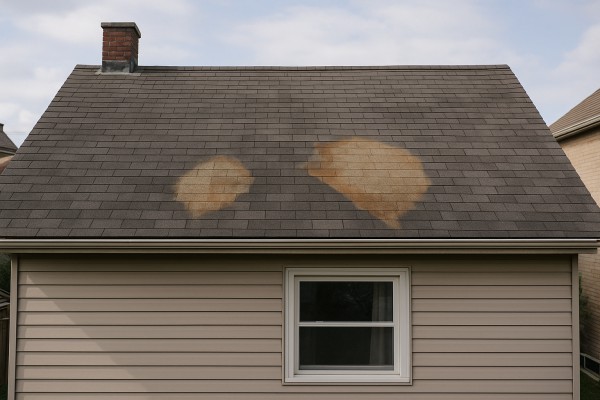
Introduction: Water Stains on the Ceiling
Water stains on the ceiling can be alarming, but they're a common warning sign in many homes. They show that moisture has found a path through the ceiling material, often from above or from a nearby fixture. Left untreated, moisture can lead to warped drywall, insulation damage, and mold growth. This page helps homeowners understand what those stains mean, how urgent the issue is, and the high-level plan to address it safely and effectively.
Is it urgent or common?
- Common: Stains often develop from slow leaks, humidity buildup, or condensation, especially in places with aging roofs, bathrooms, or plumbing runs.
- Urgent signs: If you notice active dripping, a stain that's growing, a soft or sagging ceiling, or a strong musty odor, treat it as urgent and take immediate precautions to protect people and belongings.
- Mold risk: Moisture can produce mold in as little as 24–48 hours in some conditions. If you smell mold or see dark spots expanding, plan a prompt assessment and remediation.
What this page covers
- How to tell whether the likely source is roof-related, plumbing-related, or related to humidity.
- Safe, at-home steps to contain moisture and protect your living space.
- High-level options for permanent repair and guidance on when a professional is advised.
High-level next steps
1) Ensure safety first
- If the ceiling is bulging, cracking, or you hear a drip, move people and valuables away from the area.
- Use a flashlight to inspect from a safe distance; avoid leaning on the affected area.
2) Stop or control the water source (if safe)
- For a plumbing leak near fixtures, shut off the water to that fixture or to the home's main valve.
- For a potential roof leak, avoid risky climbing; do not attempt exterior fixes from a ladder unless you can do so safely.
3) Contain and inspect
- Place a bucket under any dripping water and lay towels to catch moisture.
- Inspect the attic if accessible: look for damp insulation or damp rafters above the stained ceiling.
4) Dry and dehumidify
- Improve airflow with fans and a dehumidifier to dry the area as the source is addressed.
- Remove any wet insulation or drywall as needed to prevent ongoing moisture issues (only if you're comfortable and it's safe).
5) Plan for permanent repair
- Roof leaks usually require roof repair or replacement; plumbing leaks require pipe or fixture fixes.
- If mold or extensive damage is present, plan for remediation and ceiling/insulation replacement.
6) When to call a professional
- You have an active leak, a bulging or collapsing ceiling, or you're unsure where the moisture is coming from.
- The area is large, multiple rooms are affected, or there's mold requiring specialized remediation.
7) What to expect next (high-level)
- A site assessment to identify the moisture source and the extent of damage.
- Repair work focused on stopping the leak (roof, plumbing, or HVAC) followed by restoration of the ceiling and any affected insulation.
Are Water Stains on the Ceiling an Emergency?
- Active dripping or pooling from the ceiling, especially after rain, snowmelt, or a known roof leak.
- Ceiling bulge, sag, or a soft spot that seems to be giving way.
- Water on the floor beneath the stain or damp insulation visible in the attic.
- Electrical hazards in the area: flickering lights, outlets, or fixtures showing moisture.
- Stains that are growing or spreading rapidly during wet weather.
Quick safety actions
1) If it's safe, shut off power to the affected room at the breaker panel to reduce shock risk.
2) Place a sturdy container under drips to catch water; use towels or old rags to absorb moisture on the floor.
3) Move furniture, electronics, and valuables away from the area; protect floors and belongings with plastic sheeting or towels.
4) Do not press on a swollen ceiling or try to peel or poke at the stain. If the ceiling starts to feel soft or looks like it may collapse, evacuate the space and call emergency services.
- You see active dripping or water continues to pour through the ceiling despite precautions.
- The ceiling is visibly sagging, bulging, or the wet spot is rapidly expanding.
- There is moisture in the attic or insulation, or you notice mold growth around the stain.
- Electrical hazards are present in the area (live outlets, switches, or fixtures in contact with water).
- The stain appeared after a recent heavy storm and remains wet or enlarges after 24 hours of dry conditions.
Monitor if
- The stain is dry and there is no active drip at the moment.
- The attic shows only minor dampness rather than pooling water, and there is no ceiling bulge.
- The roof has had a recent, temporary repair and you want to confirm it stays dry during dry periods.
- You can observe the area during forecasted rain and are prepared to call a roofer if moisture returns.
Can wait if
- The stain is small, dry, and there are no signs of ongoing moisture or leakage.
- The ceiling is not bulging, there's no pooling water, and the attic insulation remains dry.
- You've identified a past leak that has since dried, and you're planning a routine roof inspection within the next few weeks.
- There is no electrical risk, and you can schedule a professional inspection for a future date without immediate danger.
Common Causes of Water Stains on Ceilings
Roof leaks
- Damaged, missing, or curling shingles allow rain to seep through and travel along the roof deck before dripping onto the ceiling below.
- Flashing around chimneys, vents, skylights, or transitions between roof planes can fail, letting water behind flashing and onto the attic floor or ceiling.
- Ice damming in winter is a common culprit in colder climates. Melted snow refreezes at the eaves, forcing water to back up under shingles and leak inward.
- Damaged underlayment, rook rot, or loose nail fasteners in the attic can create channels for moisture that eventually shows up as stains on the ceiling.
Plumbing leaks
- Pipes, fittings, or fixtures in the pipe chase or attic space (upstairs bathroom, laundry room, or kitchen) can leak and show up as ceiling stains below.
- Leaky supply lines, valve stems, or drain lines behind walls often migrate moisture to the ceiling through porous plaster or drywall.
- A slow drip from a failed vent stack seal or corroded overflow pan can produce brownish, spreading stains over time.
Condensation and high humidity
- Excess moisture in the home, especially in kitchens, bathrooms, or laundry areas, can condense on cold ceiling or attic surfaces and cause staining.
- Insufficient insulation in the attic allows warm, moist indoor air to reach a cold roof deck, condensing into droplets that stain the ceiling over time.
- Persistent humidity without adequate ventilation (think frequent showers, cooking steam, or indoor plants) makes existing leaks harder to detect but still creates visible marks.
HVAC condensation and ductwork
- A condensate drain line backing up from an air handler or furnace can drip onto the ceiling if it runs through the attic or an unsealed space.
- Leaky or poorly insulated ducts in the attic can sweat in hot weather, depositing moisture that migrates to the ceiling below.
- If an evaporator coil leaks refrigerant or coolant condensate, it can leave damp stains along the path of travel.
Attic ventilation and insulation problems
- Poor attic ventilation traps humidity and heat, encouraging roof deck sweating and moisture migration to ceilings.
- Inadequate insulation around attic corners, kneewalls, or around ductwork lets warm, moist air bypass the enclosure and condense on cold surfaces.
- Gaps around attic access doors, hatch seals, or soffits can create air leaks that bring moisture into living spaces or above-ceiling areas.
Exterior openings and flashing issues
- Gaps around window wells, soffits, or vented louvers can allow rain or melting snow to seep into the attic space and onto the ceiling.
- Damaged or missing flashing at dormers, chimneys, or roof-to-wall transitions can create hidden leaks that show up as stains after rainfall.
Quick signs to distinguish active leaks from past stains
- Active leaks: fresh damp spots, ongoing dripping, or water on the ceiling during rain.
- Past stains: brown, yellow, or copper-colored marks that remained after the area dried; the stain may be flat or have slight texture if the drywall has warped.
How to approach identifying the source
1) Check the attic during or after rain for active drips or wet conditions.
2) Inspect roof shingles and flashing from above and in the attic for signs of moisture intrusion.
3) Trace the stain to its origin by looking for stained insulation, damp drywall, or wet piping.
4) Inspect plumbing lines, valves, and fixtures in the area above the stain.
5) Review attic insulation and ventilation for signs of heat buildup or condensation.
Common fixes (non-emergency overview)
- Repair or replace damaged shingles, flashing, or underlayment on the roof.
- Seal leaks around vents, chimneys, and skylights; address ice dam issues with proper insulation and heat tracing if needed.
- Repair leaking plumbing lines or replace faulty fixtures; improve attic plumbing chase seals.
- Improve attic ventilation and insulation to reduce condensation and moisture buildup.
- Clear condensate drains and fix leaky HVAC components; seal ducts to prevent sweating.
How Roof Materials Affect Water Stains on Ceilings
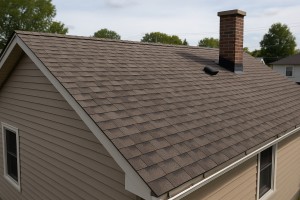
- How staining shows up: Leaks around penetrations and along roof edges often translate into irregular, blotchy patches on the ceiling. Water may follow the path of least resistance through underlayment, nail heads, or small gaps in flashing, leaving brown or gray stains beneath.
- Why it happens: Asphalt shingles rely on underlayment and flashing for a watertight seal. Damaged or aged shingles, blown-off granules, or defective flashing create entry points that channel moisture into the attic.
- What to look for:
1) Curling, cracked, or missing shingles.
2) Worn or damaged flashing around vents, chimneys, and skylights.
3) Granule loss in gutters or on the attic floor.
4) Damp insulation or visible staining along rafters.
- Quick fixes (homeowner level): Tighten loose shingles, reseal flashing with appropriate sealant, and replace severely damaged shingles. If stains persist after rain, it's a sign the underlayment or deck may be compromised.
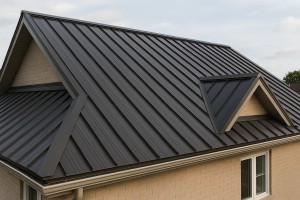
- How staining shows up: Metal roofs are highly water-tight when installed correctly, but leaks typically occur at seams, fasteners, or around penetrations. Ceiling stains often appear as narrow, linear streaks or pinpoint patches that follow the line of a seam or flashing.
- Why it happens: Corrosion, worn sealant, or loose or missing fasteners can allow moisture to seep in between panels or around penetrations.
- What to look for:
1) Loose or missing screws/fasteners with visible backing washers.
2) Seams that are separated or corroded.
3) Damaged sealant around flashing and vents.
4) Condensation buildup in attics during temperature swings.
- Quick fixes: Tighten or replace fasteners, re-seal seams and penetrations, repair damaged flashing. For persistent leaks, a professional assessment may be needed to check panel integrity and underlayment.

- How staining shows up: Leaks tend to appear under ceramic, clay, or concrete tiles where tiles are cracked or broken, or where there is poor support beneath. Ceiling stains can be long, diffuse patches or narrow lines under valleys and along eave lines.
- Why it happens: Tiles can crack from impact or freeze-thaw cycles. If underlayment or battens aren't properly installed or have deteriorated, water easily penetrates.
- What to look for:
1) Cracked, chipped, or slipped tiles.
2) Damaged or missing underlayment along roof lines.
3) Shifting tiles where a valley or hip meets the deck.
4) Signs of moss or algae that can trap moisture.
- Quick fixes: Replace cracked tiles, improve underlayment, and ensure proper tile alignment and support. Seal flashing and valleys to prevent slow seepage.
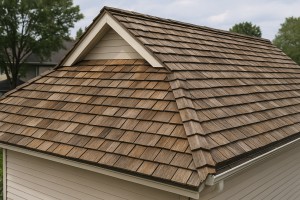
- How staining shows up: Wood is naturally porous; leaks often produce more localized, blotchy stains near nails or along seams in the roof. Inattentive maintenance can cause staining to drift across larger ceiling areas as moisture travels through degraded wood and attic materials.
- Why it happens: Warped, warped, or decayed wood allows moisture to bypass protective layers. Insects or rot can worsen leaks.
- What to look for:
1) Split, cupped, or curling shingles.
2) Wood decay or soft spots near fasteners.
3) Exposed nails or poorly sealed penetrations.
4) Visible moisture on attic surfaces after rain.
- Quick fixes: Replace damaged shingles, treat or replace rotted boards, reseal around penetrations, and consider upgrading to a more water-resistant option if leaks persist.
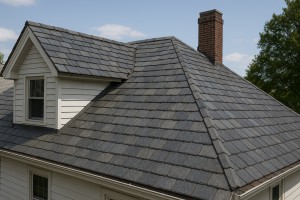
- How staining shows up: Slate is durable, but when failures occur at flashing, chimneys, or around roof penetrations, stains often appear as long, straight lines or patches that align with the leak path rather than random blotches.
- Why it happens: Cracked, broken, or delaminated slate tiles create entry points. Since slate is heavy, installation quality and correct underlayment matter a lot.
- What to look for:
1) Cracked or loose slate tiles.
2) Worn or missing mortar and flashing around penetrations.
3) Signs of movement or uneven slate surfaces.
4) Damp insulation under slate areas.
- Quick fixes: Replace broken slate, secure loose tiles, and reflash penetrations. A professional often handles slate repairs due to weight and skill required.
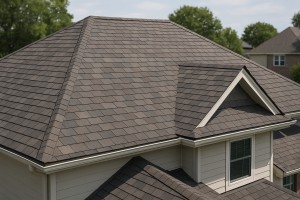
- How staining shows up: Simulated shingles and other synthetic materials vary in resilience. Leaks commonly occur at seams, connectors, or around penetrations. Ceiling stains can be rectangular or diffuse based on panel width and seam location.
- Why it happens: Poor seam sealing, degraded sealants, or failure at flashings can let moisture migrate inward.
- What to look for:
1) Loose or damaged seam tape and flashings.
2) Cracked or warped panels.
3) Deteriorated or missing edge seals.
4) Condensation or damp attic insulation near transitions.
- Quick fixes: Re-seal seams, replace damaged panels, and ensure proper flashing at all penetrations.
List of common roofing materials and how they are specifically affected by Water Stains on Ceiling
- Asphalt Shingles: Prone to staining around penetrations and edges; underlayment and flashing failure often drives leaks.
- Metal Roofing: Leaks at seams and fasteners; linear ceiling stains follow panel lines.
- Clay/Concrete Tiles: Cracks or misalignment allow water entry; stains align with valleys and penetrations.
- Wood Shingles/Shakes: Decay and rot create gaps; stains can be blotchy near fasteners.
- Slate: Very durable but vulnerable at flashing and cracked tiles; stains often linear along leak paths.
- Synthetic/Composite: Seams and flashings are common failure points; stains reflect panel joins.
The Risks of Ignoring Water Stains on the Ceiling
Structural damage to the ceiling and framing
Water that soaks drywall, plaster, or wood can weaken the structural components of your ceiling. Over time, this moisture-friendly environment invites rot, warping, and weakened fasteners. Indicators include sagging, paint or plaster that crackles or flakes, and soft spots that yield under light pressure. Left unchecked, small leaks can compromise the ceiling system and adjacent framing.
- Sagging or bowing ceilings
- Soft, spongy areas when touched
- Visible cracks around joints and fasteners
Hidden mold and mildew growth
Stains often hide ongoing moisture behind the surface. Mold and mildew thrive in damp, dark spaces and don't always announce themselves with obvious symptoms on the surface.
- Health risks: nasal congestion, coughing, eye irritation, or asthma flare-ups for sensitive individuals
- Mold that spreads behind paint or drywall, making early detection difficult
- Persistent musty odor even after surface dries
Electrical hazards
If water reaches electrical fixtures, outlets, or wiring, the risk shifts from just a stain to a serious safety concern.
- Potential for shorts, corrosion, or arcing
- Increased risk of electrical fires in attic spaces or ceiling boxes
- Tripped breakers or outlets that feel warm to the touch
Insulation and energy efficiency loss
Wet insulation loses its effectiveness, and damp drywall can act like a sponge, keeping heat in or out where you don't want it.
- Reduced R-value and higher heating/cooling costs
- Damp insulation can lead to more condensation elsewhere in the home
- Faster deterioration of attic ventilation materials
Escalating repair costs
Ignoring a stain often leads to bigger, more invasive repairs down the road.
- Small patch fixes can become drywall or plaster replacement
- Roofing repairs may be required if the source isn't remediated
- Hidden mold, framing damage, or insulation replacement can drive up expenses
Safety and moisture management concerns
Moisture is a symptom with multiple causes, and addressing only the surface stain can miss the bigger picture.
- Recurrent leaks that reappear after rain or snowmelt
- Inadequate attic ventilation allowing moisture to stagnate
- Potential for secondary damage: peeling paint, warped trim, or stained wallpapers
Step-by-step: understanding the risk in your home
1. Note the location and size of the stain, and check for multiple stains or spreading discoloration.
2. Look for signs of active leakage: dampness after rain, dripping, or puddles on the attic floor.
3. Inspect the attic whenever safe to do so; check joists, rafters, and insulation for moisture or mold.
4. Check nearby electrical fixtures and outlets for corrosion, buzzing, or warm surfaces.
5. Photograph the stain and surrounding area to track changes over time.
6. If moisture persists or you notice mold growth, plan a professional assessment to identify the source and determine repairs.
When moisture is present in the ceiling, don't ignore it
- A stain is a signal, not a cosmetic issue. Treat it as an indicator of underlying moisture.
- The longer you wait, the more likely rot, mold, or electrical hazards will complicate repairs.
- Early investigation and targeted remediation save headaches and money later.
Key clues that warrant professional help
- Active leaks during rain or snow melt
- Stains that keep spreading or darkening over days
- Moldy odors not related to ordinary humidity
- Electrical components near the stain show any irregularity
Quick home-safe checks you can do now
- Keep the area beneath the stain dry and unobstructed.
- Do not impulsively remove drywall or pull down ceiling material without a plan.
- If you must be in the attic, wear a mask and avoid stepping on wet insulation or compromised joists.
How Water Stains on a Ceiling Are Diagnosed
Visual clues from below
- Color and edges: Fresh leaks often show dark brown or reddish-brown patches with damp, irregular edges. Older stains may be pale, sun-faded, or have a ring around the edge.
- Texture and surface: Peeling paint, bubbling plaster, or a soft, spongy ceiling point to water damage that has weakened the material.
- Size and shape: A single, well-defined spot can indicate a localized leak, while a spreading stain or multiple spots suggest ongoing moisture.
- Sagging or dripping: Any noticeable sagging ceiling or active dripping means the issue needs urgent attention.
Step 1: Inspect the attic safely
- Access carefully: Only go into the attic if it's safe—watch for fragile insulation, loose boards, and low clearance; wear a dust mask and head protection as needed.
- Look for moisture: Search for damp insulation, dark stains on the underside of the roof decking, or visible water marks on sheathing.
- Trace toward the source: Note any damp areas near roof penetrations (vents, chimneys, plumbing stacks) and try to align them with the stained ceiling below.
- Weather connection: If the attic shows moisture after rain, that strongly points to a roof-origin leak rather than an interior plumbing issue.
Step 2: Inspect the exterior roof elements
- Shingles and decking: Look for missing, cracked, curling, or buckled shingles that could allow water entry.
- Flashing and penetrations: Check around chimneys, vents, skylights, and where roof planes meet walls. Damaged or missing flashing is a common leak path.
- Seals and joints: Inspect seals around vents, dormers, and skylights; worn or cracked sealant can let water seep in.
- Gutters and drainage: Ensure gutters are clear and downspouts discharge away from the foundation; clogged gutters can cause water to back up and seep under shingles.
Step 3: Follow the water's path
- Water doesn't always drip directly above the stain: The leak can travel along roof decking, joists, or drywall before appearing as a stain.
- Create a simple map: Photograph or sketch the stain location relative to lights, vents, and walls to help pinpoint potential leak sources later.
- Check for patterns: A stain that grows after rain or snow indicates an active leak; a static stain may be older and non-leaking at the moment.
- Moisture meter: Test the ceiling near the stain to gauge current moisture content; elevated readings suggest ongoing dampness.
- In the attic: Check insulation and roof sheathing moisture; high readings near the suspected area support a leak diagnosis.
- Infrared or thermal imaging: If available, infrared can reveal cooler, damp areas behind the ceiling or insulation, helping to locate hidden leaks.
Step 5: Determine whether the stain is active or historical
- Active: If moisture is evident after rain, or you see ongoing dampness or dripping, treat as an active leak that needs prompt repair.
- Historical: If the area remains dry for several days after rain and there are no new color changes, it's often a past stain that may bleed through paint until sealed.
Step 6: Plan the next steps
- Documentation: Take clear photos from multiple angles in both attic and living space to track the issue over time.
- Immediate protection: If safe, place a temporary catch or tarp to minimize further damage from rain until a repair can be made.
- Professional input: For unclear sources, active leaks, or extensive damage, scheduling a roofing professional's assessment is wise to confirm the source and scope of repair.
Repair Options for Water Stains on Ceilings
Temporary fixes
- Contain the water: place a bucket under the drip, lay a tarp or plastic sheeting over furniture, and protect flooring with drop cloths.
- Stop quick entry if possible: tighten or reseal loose flashing or vent collars in the attic to reduce active leaks until a proper repair can be done.
- Dry the ceiling area: use a fan or dehumidifier in the room and plenty of ventilation. Open windows if weather allows.
- Minimize further staining: clear peeling paint or loose material from around the stain to prevent accidental peeling during cleanup.
- Prevent mold risk: if there's any mold or musty odor, wear a mask and clean with a mild solution (water and detergent) and let the surface dry completely.
- Prime for stain-blocking: once fully dry, apply a stain-blocking primer to the ceiling to reduce future bleed-through before a permanent repair.
Minor repairs
- Verify the leak source: inspect the attic to locate active leaks (shingle failure, flashing gaps, vent pipes, or chimney joints).
- Patch small ceiling damage: for drywall, cut out 湿 damaged area, insert a new piece of drywall, tape seams, and skim with joint compound. Sand smooth when dry.
- Restore surface finish: after patching, sand lightly, then apply stain-blocking primer followed by ceiling paint.
- Address the roof area in parallel: reseal small gaps around flashing, replace a few damaged shingles, or tighten fasteners as needed to stop the drip.
- Re-check after rainfall: wait for a dry spell, then re-inspect the ceiling and roof to confirm the leak is resolved.
Partial replacement
- When to choose partial: the damage is localized to a specific roof section (a small area around a vent, flashing, or a patch of shingles) and decking isn't compromised.
- Roof work steps:
1. Access the affected area from the attic or roof to confirm the extent of damage.
2. Remove damaged shingles, underlayment, and inspect decking for rot or softness.
3. Replace any rotten decking boards; install fresh underlayment and flashing as needed.
4. Install new shingles to match the surrounding roof and ensure proper alignment and nail patterns.
5. Re-seal penetrations (vents, chimneys) and valleys to prevent future leaks.
1. Dry out the ceiling thoroughly if not already done.
2. Patch or replace the water-damaged drywall or plaster.
3. Apply primer and ceiling paint; use a stain-blocking primer to prevent water bleed-through.
- Pros/cons: partial replacement can save time and money if the problem is isolated, but it's only viable if the rest of the roof is healthy and the damage hasn't spread to decking elsewhere.
Full roof replacement
- When to choose full replacement: widespread staining, multiple leaks in different areas, extensive shingle or decking damage, or an aged roof (often beyond 20–30 years) where repeated repairs aren't cost-effective.
- Planning and protection:
1. Have a licensed roofer assess the entire roof structure and attic ventilation.
2. Prepare interiors: cover valuables, protect furniture, and ensure attic access is clear.
- Roof removal and deck inspection:
1. Remove all roofing materials down to the decking.
2. Inspect for and replace any rotten or warped decking; repair or install proper underlayment and ventilation.
1. Install new underlayment, drip edge, and flashing details.
2. Install new shingles or chosen roofing material with correct nailing patterns and sealant.
3. Reinstall gutters and ensure proper drainage.
1. Dry and patch ceilings affected by leaking across the entire roof.
2. Use stain-blocking primer and a fresh coat of ceiling paint to restore a uniform look.
- Final checks: perform a thorough leak test after installation and verify that attic ventilation remains adequate to prevent future moisture buildup.
Typical Cost to Fix Water Stains on a Ceiling
Minor repair: description and cost
- Description: Small, localized stain with no active leak. Usually cosmetic and can involve patching a tiny crack or nail pops, then sealing with stain-blocking primer and matching paint.
- What's included: cleaning the area, a light skim if needed, primer, and paint touch-up.
- Materials and labor: stain-blocking primer, lightweight joint compound, a small repair patch if there's a minor hollow spot, and paint.
- Cost: typically $150–$450 for професsional service.
- Steps:
1) Confirm there's no active leak and the area is dry.
2) Patch tiny cracks or nail pops with joint compound; let dry.
3) Sand smooth and apply stain-blocking primer.
4) Paint to blend with the surrounding ceiling.
Moderate repair: description and cost
- Description: A larger stain or more noticeable damage that may involve a larger patch of drywall or a skim coat. Texture may need to be matched, and a larger paint area is often required.
- What's included: removing damaged material if present, patching with a drywall piece or thicker compound, texturing to match, priming, and repainting.
- Materials and labor: drywall tape/patch, joint compound, possible texture material, primer, and paint.
- Cost: typically $400–$1,000.
- Steps:
1) Dry out and inspect for structural damage or hidden moisture.
2) Cut away visibly damaged drywall and install a patch or replacement piece.
3) Tape and mud the seam; allow to dry.
4) Apply texture to match the existing ceiling, then prime.
5) Paint the repaired area to blend with the rest of the ceiling.
Major repair: description and cost
- Description: Extensive water intrusion with significant drywall loss, sagging sections, or mold growth. Could require removing large ceiling areas, replacing framing or insulation, or addressing roof issues from above.
- What's included: major drywall replacement, potential framing work, mold remediation if detected, possible insulation replacement, texture match, priming, and repainting.
- Materials and labor: new drywall, framing as needed, mold remediation materials (if applicable), texture compound, primer, and paint.
- Cost: typically $2,000–$8,000+ (depending on scope and access; higher in severe cases or with mold/structural work).
- Steps:
1) Stop the leak and ensure area is dry; isolate work area.
2) Remove all severely damaged materials, including drywall and any affected insulation or framing.
3) Treat or remediate mold if found; replace insulation as needed.
4) Install new drywall, tape, mud, and texture to match.
5) Prime and repaint the entire repaired ceiling for a seamless finish.
What factors affect cost
- Roof size
- Access
- Material type
- Extent of damage
- Local labor rates
- Roof size: Larger areas above the stain mean more material, labor, and time.
- Access: Erecting ladders, attic clearance, or crawl-space constraints can drive labor costs up.
- Material type: Plaster ceilings or textured finishes cost more to repair than basic drywall.
- Extent of damage: Holes, sagging, or hidden moisture increase both patching and potential structural work.
- Local labor rates: Pricing varies by region and contractor demand.
How Long Can You Wait to Address Water Stains on the Ceiling?
What happens: The stain is a sign of ongoing water intrusion. The ceiling may still be dry to the touch in spots, but moisture is seeping through and could travel to hidden areas. Mold spores can begin to settle within 24–48 hours in damp conditions.
What to do:
- Step 1: Prioritize safety. If you notice dripping or buzzing electrical fixtures near the stain, shut off power to that area at the breaker panel.
- Step 2: Protect contents. Move furniture and valuables away from the area and lay down towels or a basin under the drip.
- Step 3: Minimize spread of moisture. Increase ventilation by opening windows or running a fan aimed at the ceiling (if safe to do so).
- Step 4: Document the problem. Take clear photos from multiple angles and note the date and any visible changes.
- Step 5: Schedule a professional evaluation. Contact a licensed roofer or water-damage contractor to locate the source and scope of the leak.
What happens if you wait: Even at this early stage, waiting can allow more moisture to soak into drywall and insulation, setting the stage for higher repair costs later.
2-3 days: moisture is spreading and mold can start
What happens: The stain darkens or grows larger as more moisture moves through the ceiling. Insulation nearby can become damp, reducing its effectiveness and creating a breeding ground for mold.
What to do:
- Step 1: Keep the area dry. Use towels, a dehumidifier, or a fan to keep air moving—aim away from electrical outlets.
- Step 2: Recheck the source. If you can safely access the attic, try to pinpoint whether the leak is from a roof penetrations, flashing, or a plumbing line above the ceiling.
- Step 3: Prevent further damage. If you can do so safely, place a temporary catch basin to reduce dripping onto floors or furniture.
- Step 4: Photograph changes. Update your records with new photos to show gradual progression for your contractor.
- Step 5: Book a temporary repair assessment. Ask for a preliminary inspection to determine if a quick fix (like a small roofing patch or plumbing shutdown) is feasible.
What happens if you wait: Delays here can lead to more pervasive mold growth, damp insulation, and higher potential for ceiling sagging or hidden water damage in joists and framing.
4-7 days: visible effects and rising risk
What happens: Mold growth may become visible, and the ceiling may feel softer to touch in the affected area. Paint or wallpaper may blister or peel as moisture persists.
What to do:
- Step 1: Prioritize safety again. If you notice a loud creak, cracking, or sudden increases in dripping, evacuate or avoid the area until a pro evaluates the risk of collapse.
- Step 2: Hold off on cosmetic fixes. Do not paint over or seal a moldy area—this traps moisture and hides damage.
- Step 3: Get professional input quickly. A roofer or water-damage specialist can determine whether the leak is roof-related, plumbing-related, or due to ventilation issues.
- Step 4: Contain the issue. If possible, isolate the room to limit mold spores from spreading to living spaces.
What happens if you wait: The longer moisture sits, the more acoustic ceilings, drywall, and framing may deteriorate. Structural components can weaken, increasing the likelihood of larger repairs.
1-2 weeks: growing costs and deeper damage
What happens: Structural wood members in the ceiling or attic can begin to rot, and insulation integrity declines. Persistent moisture can cause foul odors and more extensive mold colonies.
What to do:
- Step 1: Get a contractor to confirm scope. A professional assessment should include roof/plumbing checks and, if needed, attic insulation replacement.
- Step 2: Start remediation plans. Request quotes that cover source repair, mold remediation, and drywall/ceiling replacement if required.
- Step 3: Limit exposure. Keep doors to the affected room closed and consider HEPA air filtration if mold is present.
What happens if you wait: Costs rise substantially as moisture damage spreads to framing, electrical wiring, and potentially HVAC ducts. Delays can push repairs from a simple roof patch to full ceiling replacement and insulation replacement.
2+ weeks: long-term consequences and larger projects
What happens: Prolonged exposure can cause widespread mold colonies, persistent odors, and significant structural damage. Drywall and framing may require replacement, and insulation may need to be completely redone.
What to do:
- Step 1: Plan for comprehensive remediation. Expect a multi-trade approach—roofing, plumbing if necessary, mold remediation, drywall, and possibly repainting or re-insulation.
- Step 2: Confirm moisture control. After repairs, ensure proper drying and moisture barriers to prevent recurrence.
- Step 3: Verify warranties and permits. Ensure work is performed by licensed professionals and that any necessary permits are obtained.
What happens if you wait: The risk of recurring leaks and mold growth increases, and you may face repeated repairs or ongoing health concerns for household members.
How Water Stains on Ceilings Vary by Location and Climate
How This Problem Varies by Region & Climate within the United States
Water stains don't look the same everywhere because climate, weather patterns, and building practices differ by region. The fixes often depend on the underlying moisture source and how roofs and attics are vented and insulated in your area. Below is a regional guide to help you spot the likely culprits and tailor your checks.
- Cold, snowy regions (Northeast, Midwest, Mountain states)
- Common culprits: ice dams, heavy snow loads, condensate from poorly ventilated attics that refreeze near rafters.
- Stain patterns: stains that run along the ceiling near the eaves or along the ridge where ice dams form; brownish or rusty-toned streaks from soot or mineral deposits carried by meltwater.
- Seasonal drivers: rapid freeze-thaw cycles, repeated roof edge melt during thaws, and wind-driven snow against flashing.
- What to look for: ice buildup along gutters, damaged or missing flashing around chimneys and vent pipes, and attic ventilation gaps.
- Humid, hot regions (Southeast, Gulf Coast, parts of California's interior)
- Common culprits: roof deck moisture from sustained high humidity, condensation in poorly ventilated attics, and occasional rain-driven leaks.
- Stain patterns: damp-looking spots that may appear after humid days or rain, often near duct penetrations or around skylights.
- Seasonal drivers: long, humid seasons and occasional heavy rainstorms; mold-friendly conditions if ventilation is insufficient.
- What to look for: damp insulation in the attic, duct leaks, and gaps around penetrations.
- Pacific Northwest (cool, extremely wet winters)
- Common culprits: persistent roof moisture from heavy rainfall, moss or algae intrusion that can trap moisture under shingles, and aging flashing in consistently damp climates.
- Stain patterns: broad, irregular stains that trace moisture paths from roof-to-ceiling near penetrations; dark, streaky marks following attic vents.
- Seasonal drivers: prolonged wet seasons; occasional warm spells that cause condensation if ventilation lags.
- What to look for: damaged shingles or flashings, clogged vents, and signs of roof surface wear that can let rain in.
- Southwest & arid regions (desert climate)
- Common culprits: sun-warped shingles, heat-induced fastener or flashing failures, and interior condensation from air-conditioning systems.
- Stain patterns: less frequent roof leaks, but when they occur, stains may start around attic penetrations or along ceilings below ducts and vents.
- Seasonal drivers: intense sun exposure and wind-driven rain events or monsoons.
- What to look for: brittle, cracked shingles, warped flashing, and insulation gaps that fuel condensation.
- Alaska and high-altitude or cold deserts
- Common culprits: severe freeze-thaw cycles, snow piling on roofs, and ice damming in exposed eave areas.
- Stain patterns: linear stains along eaves or near roof edges where meltwater pools.
- Seasonal drivers: extended cold snaps with occasional warm spells that melt and refreeze.
- What to look for: compromised flashing, clogged eaves, and poor attic ventilation that lets moisture build up.
- Hawaii and tropical/coastal climates
- Common culprits: frequent rain and high humidity, duct or plumbing leaks that introduce moisture into ceilings, and aging roofing under tropical conditions.
- Stain patterns: diffuse, wide-area damp spots or moldy patches, often near plumbing stacks or vents.
- Seasonal drivers: heavy rainy seasons and humid air that makes even small leaks more noticeable.
- What to look for: roof penetrations with degraded seals, mold-prone insulation, and ventilation that doesn't move moist air effectively.
- Practical takeaways by climate
- Ice dam risk (cold regions) points to checking flashing around chimneys, skylights, and vent pipes, plus attic insulation and roof ventilation.
- Condensation risk (humid regions) focuses attention on attic ventilation, air sealing, and duct integrity.
- Sun/heat damage (desert regions) emphasizes shingle condition and flashing, plus ensuring proper attic cooling to reduce interior moisture.
- Persistent wetting (Pacific Northwest, Hawaii) calls for addressing roof surface wear, moss/algae control, and sealing around penetrations.
- How to approach repairs by region (quick-start ideas)
- Create a simple climate map of your home's roof penetrations.
- Inspect attic for moisture patterns that align with your climate (cold clues vs. humid clues).
- Prioritize ventilation and insulation fixes first to reduce future stains.
- Quick, climate-aware assessment steps
1) Identify the stain's location and time pattern (seasonal or after rain/snow).
2) Check attic ventilation (intake/exhaust balance) and insulation depth.
3) Inspect flashing around chimneys, vents, and skylights.
4) Look for roof surface wear and signs of moss, algae, or damaged shingles.
5) Review plumbing and HVAC duct connections for leaks.
