Ultimate Guide to Gutter Guard Installation
Last updated: Feb 28, 2026
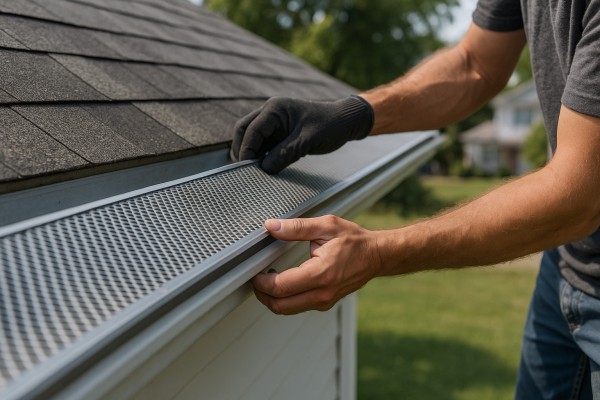
Introduction to Gutter Guard Installation
Why gutter guards matter
Gutter guards are a simple, practical way to cut down on the routine work of keeping gutters clean. They don't eliminate maintenance entirely, but they can dramatically reduce the frequency and effort involved.
- They prevent most leaves, twigs, and pine needles from entering the gutter.
- They help reduce clogs that lead to overflows, staining, and potential basement or landscape issues.
- They can extend gutter life by limiting debris-related wear and reducing water pooling at joints.
Types of gutter guards
Understanding the main options helps you pick a solution that fits your home and climate.
- Micro-mesh screens: Fine stainless steel or aluminum mesh that blocks small debris while letting water pass.
- Foam inserts: A porous foam insert sits inside the gutter to reduce debris entry, often the most budget-friendly option.
- Solid covers (hoods, caps): Rigid covers that sit over the gutter, directing water into the trough while keeping debris out.
- Reverse-curve/flip or half-round systems: Water follows a curved surface into the gutter, with debris shedding off the edge.
- Custom-fit or sectional guards: Made to align with existing gutter profiles; some require professional installation for best fit.
Preparing for installation
A little upfront prep goes a long way toward a smooth install and reliable results.
- Gather tools and safety gear: sturdy ladder, gloves, eye protection, chalk line, tape measure, snips, drill/driver, sealant.
- Inspect the fascia, soffits, and roof edge for damage; repair any loose boards or leaks before adding guards.
- Check gutter compatibility: ensure the guard type fits your gutter profile (size, shape) and downspout flow, and whether you need end caps or connectors.
- Clear the work area: move toys, planters, and ladders so you can work safely from a stable surface.
Installation steps
Follow these steps as a practical, general guide. Always refer to the guard manufacturer's instructions for specifics.
1) Clean and dry the gutters and roof edge: remove debris, rinse, and let everything dry.
2) Dry-fit the guard: place the guard over the gutter to confirm overlap and alignment with the fascia.
3) Attach the guard: use the recommended fasteners or clips per product, spacing them evenly along each section.
4) Seal joints and ends: apply a compatible sealant where guards meet end caps, joints, or corners to prevent water intrusion behind the guard.
5) Check slope and alignment: make sure there's a slight downward slope toward the downspouts and that guards sit flush along the gutter line.
6) Test water flow: run a garden hose along the roof edge to verify water entry into the gutter and watch for leaks or gaps.
- If you notice misalignment or gaps, adjust the guards and re-tighten fasteners as needed.
- For some systems, you may need to trim guards to fit corners or irregular shapes with proper tools.
Maintenance and inspection
Keeping guards performing well requires periodic checks.
- Schedule seasonal inspections, especially after storms or heavy leaf fall.
- Brush off debris from the guard surface and rinse with water to prevent buildup.
- Inspect fasteners and seals; tighten or reseal any loose parts.
- Monitor for ice damming in winter and clear any ice buildup along the guard edge carefully.
Troubleshooting and common issues
A few common hiccups and practical fixes.
- Guards don't sit flush: re-seat and verify that fasteners are securing the guard to the gutter lip.
- Water pooling behind the guard: check seam seals and ensure proper overlap with downspouts; reseal if needed.
- Guards clogging with fine debris: consider upgrading to a finer micro-mesh or adding a secondary layer if your climate produces a lot of pine needles or seeds.
Gutter Guard Installation: What It Involves and Why It Matters
Comprehensive definition
Gutter guard installation is the process of adding a protective cover, screen, or insert to your gutters to prevent leaves, pine needles, seed pods, and other debris from entering while still allowing rainwater to flow freely. The job includes selecting a guard style that fits your roof and gutter system, preparing the gutters (cleaning, drying, and ensuring a sound edge), mounting brackets or clips, securing the guard along the gutter line, sealing seams or overlaps as needed, and testing the system to confirm proper drainage. Installations can be done by a capable DIYer or a professional crew, depending on ladder safety, roof pitch, and access. The main aim is to reduce maintenance frequency and gutter clogs without hindering water discharge during heavy rain or freeze-thaw cycles. It's important to remember that guards don't fix gutter damage and won't compensate for poorly pitched or cracked gutters.
When it's typically needed
- You have trees that shed大量 leaves, needles, or seed pods close to your roof (maple, oak, pine, pine-like species).
- You experience frequent gutter clogs or overflow after storms, even with regular cleanings.
- Annual cleaning is impractical due to time, mobility, or cost, or you want to minimize ladder work.
- Water damage or basement dampness is linked to blocked downspouts or overflowing gutters.
- You want a lower-maintenance gutter system and are willing to invest in long-term protection.
- Your climate includes heavy rainfall, snow, or ice where debris buildup can impede drainage and cause ice dams.
Installation considerations
- Guard types and compatibility
- Mesh and micro-mesh guards: very effective for fine debris but may require precise fit.
- Foams and solid covers: reduce debris but can restrict airflow if mis-sized.
- Reverse-curve or bottle-screw designs: redirect water but may be sensitive to installation accuracy.
- Gutter and roof compatibility
- Check gutter width, hangers, slope, and downspout connections.
- Ensure guard edges align with fascia boards and roofing overhang.
- Safety and access
- Use a sturdy ladder, fall-arrest equipment if needed, and proper footwear.
- Avoid working in wet or icy conditions; have a spotter when possible.
- Tools and materials you'll need
- Measuring tape, level, markers
- Tin snips or shears, drill/driver, screws or clips specified by the guard
- Silicone sealant or gutter sealant, brush or blower for cleaning
- Cleaning supplies for after-install debris
- Maintenance expectations
- Some guards reduce debris by a lot; others may still require periodic debris removal.
- Inspect guards after heavy storms and at least twice a year to ensure no warping or detachment.
Step-by-step installation (typical homeowners process)
1. Inspect gutters and measure run length
2. Clean and dry gutters thoroughly; remove all debris from the gutter line
3. Dry-fit the guard along the edge to confirm a proper fit and alignment
4. Mark attachment points and drill or screw in mounting hardware per the guard manufacturer's instructions
5. Attach the guard, starting at one end and moving to the other, ensuring edges sit flush against the gutter lip
6. Seal joints and overlaps where required to prevent water bypass or gapping
7. Test water flow by gently running water from a hose and observing drainage; adjust as needed
8. Schedule regular inspections and maintenance, particularly after storms or if you notice pooling or overflow
When You Need Gutter Guard Installation
Signs this service is needed
- Debris buildup that won't stay out: leaves, pine needles, seed pods, and small twigs collecting quickly and clogging gutters.
- Frequent overflow during rain: water spills over the sides or runs behind gutters.
- Sagging or loose gutters: visible bowing, gaps at hangers, or flashing pulling away.
- Repeated ice dams and icicles: meltwater refreezing along the gutter line, stressing the system.
- Rust, holes, or corrosion: metal gutters showing wear that leads to leaks.
- Pests and nests: birds, mice, or insects nesting in accumulated debris.
- Downspout backups: water backing up into gutters or pouring out at joints.
- Evidence of fascia or roof edge damage: rot or peeling paint near the soffit, suggesting moisture infiltration.
- Very dense tree cover: constant leaf fall or pine needle buildup that makes cleaning onerous.
Do-it-yourself checks to confirm
- Visual inspection from ground level: walk the perimeter and note sagging sections, loose hangers, and any gaps at joints.
- Safe access and setup: use a stable ladder, have a helper, and avoid leaning too far to one side. If you're not comfortable, skip this step.
- Water test to evaluate drainage: spray water along several feet of gutter with a hose and watch for even flow into downspouts; pause and listen for leaks or drips.
- Debris load gauge: estimate how thick a layer of debris sits in the trough after a rain; excessive buildup after a short period signals a guard could help.
- Check fascia and drip edge: look for soft wood, peeling paint, or signs of moisture near the gutter line that could indicate prior leaks.
- Downspout outcome: ensure water exits properly through downspouts and isn't pooling at the base of the fascia or foundation.
When to call a pro for an assessment
- Access or safety concerns: multi-story homes, steep pitches, or obstacles that make ladder work risky.
- Structural concerns: sagging fascia, rotted wood, or signs of roof edge damage that may require repair before guard installation.
- Persistent debris issues: if you have heavy debris loads (pine needles, seed pods) or frequent clogs despite regular cleaning.
- Complex rooflines: corner, valley, or wraparound gutters where installation requires precise measuring and specialized brackets.
- Product guidance needed: choosing between guard types (standard mesh, micro-mesh, solid coverings) and understanding warranty implications.
What to expect during a professional assessment
1. Initial consultation and site visit: measurement of gutter length, pitch, and downspout layout; assess tree proximity and roof edge condition.
2. Gutter cleaning and access check: remove existing debris to verify true drainage capability and identify any hidden damage.
3. Structural evaluation: inspect hangers, brackets, fascia boards, and the drip edge for stability and moisture issues.
4. Guard recommendation: discuss guard types, mesh size, material (aluminum, stainless steel), color options, and expected maintenance.
5. Written estimate and plan: provide a clear scope of work, installation timeline, warranty details, and maintenance tips.
6. Installation and test: secure guards, re-check alignment, and run water through the system to confirm proper flow.
7. Post-install guidance: offer maintenance schedule, check-in for seasonal cleanings, and tips to maximize guard longevity.
What Is Included with Gutter Guard Installation
What's typically included
- On-site assessment and product guidance
- A contractor reviews your roof edge, gutter layout, and downspouts, helping you choose a guard type (mesh, solid cover, or foam) that fits your climate and gutter system.
- Gutter prep and debris clearance
- Gutters and the immediate roof edge are cleared of loose leaves and debris as part of the install to ensure a clean, secure fit. If significant blockages exist, removal is performed so guards sit properly.
- Measurements and custom sizing
- Precise measurements are taken to size guards to match the exact gutter width and downspout locations, ensuring a snug fit without gaps.
- Material and hardware provision
- The chosen gutter guards are supplied along with mounting hardware (clips, brackets, screws), end caps, and any sealant or gaskets required by the product line.
- Roof edge protection and safety setup
- The installation crew uses appropriate safety gear and temporary protective measures to safeguard your home's siding, landscaping, and entryways during the work.
- Guard installation and alignment
- Guards are securely attached to the gutter lip or hangers, trimmed to fit, and aligned to direct water toward downspouts without creating standing water or gaps.
- Sealing and seam work
- Manufacturer-approved sealants or gaskets are applied at joints, seams, and where guards meet corners or downspout outlets to minimize leaks.
- Downspout integration and minor adjustments
- Guards are coordinated with downspout locations; minor adjustments may be made to keep water flowing freely into downspouts and prevent overflow at peak rain.
- Water test and performance check
- A controlled water test is conducted to verify that rainwater is flowing properly over the guards into the gutters and downspouts and that there are no leaks at joints.
- Cleanup and debris removal
- The work area is tidied, with packaging, scrap metal, and old guards removed from the property. Any existing guard components that are being replaced are disposed of per local regulations.
- Documentation and guidance
- You receive maintenance tips, care instructions for the guards, warranty information, and contact details for follow-up questions or support.
- Warranties and future support
- A workmanship warranty on the installation and a manufacturer warranty on the guards are provided (terms vary by product and installer). You'll get clear instructions on what's covered and how to file a claim.
- Scheduling and coordination
- A clear timeline is given for your installation date, with an outline of what to expect on the day of install and who to contact for updates.
What's not typically included
- Major roof or fascia repairs
- Leaks, damaged shingles, rotten fascia, or structural issues are not repaired under a gutter guard installation unless explicitly quoted as a separate service.
- Gutters, downspouts, or fascia replacements
- Replacing damaged gutters, resizing for larger systems, or relocating downspouts beyond the scope of guard installation is usually a separate project.
- Extensive roof edge or decking work
- Any substantial repair to roof decking, underlayment, or flashing beyond securing guards is not part of standard installation.
- Permit fees and inspections
- Local permit costs or required inspections are typically paid separately by the homeowner.
- Wildlife removal or major nest remediation
- Removal of nests, droppings, or wildlife hazards from the roof line is often handled as a separate service.
- Cosmetic exterior cleaning
- Power washing siding, fascia, or cleaning beyond removing debris from the install area is not included.
- Ongoing maintenance plans
- Annual cleanings, resealing, or long-term maintenance agreements are optional add-ons and not included in the base installation.
- Custom or non-standard add-ons
- Special-order guard types, custom colors, or additional features not listed in the original quote are billed separately.
- Extensive downspout work
- Major re-routing, re-sizing, or relocating downspouts beyond minor alignment is not included.
Common Roofing Materials Used With Gutter Guard Installations
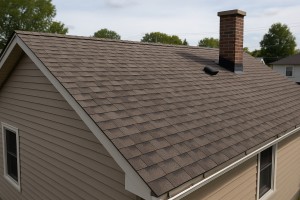
- What it is: The most common residential roof material. Practical, affordable, and versatile.
- How gutter guards relate: Shingle granules shed onto gutters over time. A good quality micro-mesh or corrosion-resistant solid guard helps keep those granules out of the downspouts while letting water flow freely.
- Key considerations:
- Guard selection: Opt for fine-mesh or solid metal guards rather than loose foam inserts that can trap grit.
- Installation detail: Ensure proper alignment with the drip edge and fascia so water stops at the gutter line and the shingles aren't deprived of ventilation.
- Maintenance tip: In the first season, monitor for unusual granule loss and rinse debris off the guard as needed to prevent buildup.
- Practical takeaway: Asphalt roofs pair well with guards that balance debris exclusion with easy cleaning and minimal impact on shingle life.
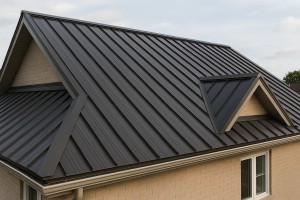
- What it is: Durable, low-slope to steep-slope options; ranges from steel to copper.
- How gutter guards relate: Metal roofs shed water quickly, so guards mainly protect against pine needles, leaves, and silt. They shouldn't trap water or abrade the roof edge.
- Key considerations:
- Guard compatibility: Choose guards designed for metal fascia and edge trim to avoid damage to the roof seam or fasteners.
- Material pairing: For copper roofs, prefer copper or non-reactive guards to minimize galvanic corrosion with aluminum or steel components.
- Installation detail: If you have standing-seam panels, use clips or edge-mounted systems that don't penetrate through the seam.
- Maintenance tip: Regularly inspect fasteners and flashing where the gutter meets the roof to prevent leaks around the edge.
- Practical takeaway: Metal roofs benefit from durable, precisely mounted guards that won't interfere with expansion/contraction and that won't corrode when near different metals.
Tile Roofs (Clay, Concrete)
- What it is: Durable but brittle; large overhangs and protruding profiles.
- How gutter guards relate: Tile roofs require careful guard design to avoid cracking tiles and to maintain proper drainage along the eaves.
- Key considerations:
- Guard type: Use tile-friendly, clip-in or stand-off guards that install below the tile line or behind the drip edge without resting directly on fragile tiles.
- Installation detail: Professional installation is often needed to preserve tile integrity and ensure secure support at the gutter.
- Maintenance tip: Inspect for cracked tiles after storms; ensure guards aren't forcing debris into concealed areas behind tiles where moisture can accumulate.
- Practical takeaway: Tile roofs demand guards that respect tile geometry and use proper mounting to prevent damage and leaks.
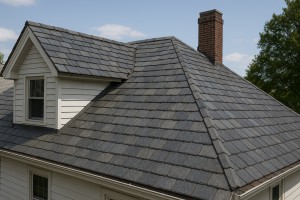
- What it is: Premium, natural stone roofing that's thin and extremely brittle.
- How gutter guards relate: Slate requires extra care; many standard guards aren't suitable or can inadvertently damage the slate edge.
- Key considerations:
- Guard choice: Prefer systems offered or approved for slate by a roofer, often with protective flashing and specialized hardware.
- Installation detail: Slate edges are fragile—require precise fastening and possibly underlayment adjustments to keep the edge protected.
- Maintenance tip: Have a professional inspect for loose or cracked slates after windy seasons; guards should not press into slate.
- Practical takeaway: Slate roofs typically need a specialty guard solution installed by an experienced roofer to prevent damage and preserve the roof's integrity.
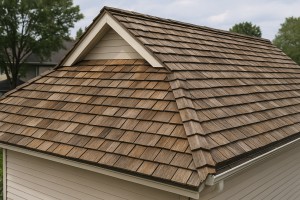
- What it is: Distinctive, textured wood surface that weathers beautifully but rots if moisture-laden.
- How gutter guards relate: Debris tends to accumulate around the organic wood surfaces; guards should prevent debris buildup while allowing air and water to flow.
- Key considerations:
- Guard type: Fine-mesh or properly designed screens that don't trap moisture against the wood are ideal.
- Installation detail: Leave room for wood expansion and maintain clearance from the shake surface to avoid moisture retention and rot.
- Maintenance tip: Clean guards regularly to prevent moss and fungus growth; treat or inspect shakes for signs of rot.
- Practical takeaway: With wood shakes, choose guards that minimize moisture retention near the shingles and are installed with attention to wood movement.
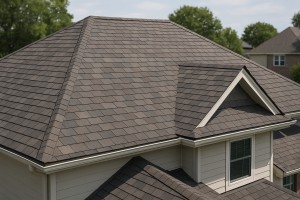
- What it is: Engineered materials that mimic asphalt or slate with added durability and uniformity.
- How gutter guards relate: Behavior is similar to asphalt in terms of debris and granule management, but some synthetic products shed differently.
- Key considerations:
- Guard selection: Fine-mesh or solid guards that are compatible with the profile of the composite product.
- Installation detail: Ensure guards don't create high spots that trap water or debris at the edge and that fasteners won't void any warranty.
- Maintenance tip: Monitor for unusual buildup and clean as needed; check for any sealant or edge wear where the guard meets the roof.
- Practical takeaway: Composite shingles respond well to sturdy guards designed for debris exclusion while respecting the roof's material warranty.
Gutter Guard Installation Costs
Typical costs by material
- Basic aluminum or vinyl mesh guards: $4–$8 per linear foot installed.
- Mid-range stainless steel or reinforced aluminum: $8–$15 per linear foot installed.
- Premium copper or high-end stainless micro-mesh: $20–$40 per linear foot installed.
Typical installed totals for a standard 150–200 ft gutter run:
- Basic/low-end guards: roughly $600–$1,600.
- Mid-range guards: roughly $1,200–$3,000.
- Premium guards: roughly $3,000–$8,000.
Keep in mind these ranges are ballpark figures. Actual prices depend on your home's size, roof accessibility, and the specific product you select.
What drives price
- Guard material and design: Perforated metal, micro-mesh, and copper options carry different material costs and installation complexity.
- Roof access and height: Steep pitches, tall homes, or difficult-to-reach eaves add labor time and safety considerations.
- Gutter length and corners: More feet, more corners, and extra downspout connections increase labor and hardware needs.
- Existing gutter condition: If gutters need cleaning, realignment, or minor repairs before guard installation, expect higher labor time and costs.
- Local labor rates and permits: Regional differences and any required permits or inspections can shift pricing.
- Included extras: Color-matching, custom bends, or additional components (gutter covers with splash guards, downspout extensions) add to the total.
Ways to save
- Choose simpler guard systems: Standard aluminum or vinyl meshes are usually cheaper to install than specialty or premium screens.
- Bundle services: Align gutter guard installation with planned gutter cleaning or minor repairs to reduce mobilization and scheduling costs.
- DIY prep: Clean gutters and remove loose debris before the pro arrives to cut down on labor.
- Obtain multiple quotes: Compare products, warranties, and what each quote includes (materials, labor, disposal, warranty).
- Timing: Off-peak seasons or local promotions can yield lower hourly rates or package discounts.
Factors that may push costs up
- Multi-story or very tall homes requiring ladders, scaffolding, or lifts.
- Complex rooflines, many angles, or extensive fascia work.
- Custom fabrication needs (copper, specialty micro-mesh, or color-matched finishes).
- Replacing damaged gutters, downspouts, or fascia boards during the project.
- Old or distressed existing gutters that need removal or disposal.
- Additional drainage solutions, such as extending downspouts or designing a drainage plan to prevent pooling.
How pricing is estimated (step-by-step)
1. Measure the length of gutters to be guarded and total number of runs (including corners and downspouts).
2. Select guard type and material (basic aluminum, mid-range, or premium copper/micro-mesh).
3. Assess roof access, height, pitch, and any special installation considerations (scaffolding, lifts, or safety gear).
4. Review job specifics with quotes: included hardware, guarantees, warranty terms, and potential gutter repairs.
5. Confirm any ancillary work (downspout relocation, fascia repairs, or color-matching) and finalize the schedule and price.
Quick-reference checklist for homeowners
- Know your gutter length in feet and number of bends.
- Decide on a guard type based on climate, debris load, and budget.
- Ask about warranty on both materials and labor.
- Request a written estimate that itemizes materials, labor, disposal, and any permits.
- Check whether pricing includes future maintenance considerations (e.g., annual inspections or cleanings).
How the Gutter Guard Installation Process Works
Step 1: Schedule, Inspect, and Measure
- A trained technician visits your home to assess the current gutter system, roof edge, and surrounding area.
- We check for issues that could affect guard performance: leaks, sagging gutters, loose hangers, damaged fascia, and downspout layout.
- We measure total linear feet of gutter, count corners, and note downspout placement to size the guard system correctly.
- Any needed repairs are identified before the guard install, and you'll receive a detailed written estimate with scope, materials, and warranty options.
- A clear timeline is provided so you know what to expect on installation day.
Step 2: Choose Guards and Customize for Your Home
- We present guard options suitable for your climate, trees, roof type, and gutter profile. Common choices include micro-mesh, solid cap, and perforated or foamed variants.
- We explain pros and cons: solar exposure, debris load (leaves, pine needles), wind, and maintenance needs.
- We confirm compatibility with your existing gutters and fascia or discuss upgrades if needed.
- You'll get a tailored plan, including color/finish options (to blend with your gutters) and a transparent price with any add-ons or upgrades.
Step 3: Prepare the Site
- We clear the area around the home and protect landscaping, gardens, cars, and walkways from debris and tools.
- We verify ladder access and safety setup, securing work zones to keep your family and pets safe.
- On the roof edge, we remove loose debris and ensure the gutter line is clear so installation can proceed smoothly.
- If any minor repairs are needed on the fascia or gutters, we'll outline them and secure approval before proceeding.
Step 4: Install the Gutter Guards
- We remove or lift any existing guard components only as needed, then thoroughly clean and dry the gutter line.
- Guards are fitted to match your gutter length, corners are cut precisely, and edges are aligned for a tight seal.
- We fasten guards with manufacturer-approved clips or screws, ensuring a snug fit without warping the gutter.
- Seams and joints are sealed as required to prevent leaks and to keep the guard perched securely on the gutter lip.
- The system is checked for proper overlap, with the guard oriented so rain flows into the gutter and off the roof as designed. Downspouts are checked and adjusted if needed to prevent clogging or interference.
Step 5: Water Test and Final Alignment
- A controlled water test is performed to verify shedding and gutter flow under typical rain conditions.
- We inspect for gaps, misalignment, or any potential overflow points and adjust as needed.
- Each corner, joint, and edge is checked for secure attachment and smooth operation.
- We confirm there are no loose fasteners and that the guards sit flush against the roof edge and gutter line.
Step 6: Handover, Maintenance Guidance, and Warranty
- You'll receive maintenance tips tailored to your guard type, including recommended cleaning frequency and safe care practices.
- We review warranty details for both product and workmanship and outline what's covered and for how long.
- Any questions about future service or adjustments are noted, and we provide a contact point for follow-up visits if needed.
- A quick post-install checklist is reviewed so you know what to monitor after rain events and through seasonal changes.
Residential vs. Commercial Considerations for Gutter Guard Installation
Residential vs Commercial Considerations of Gutter Guard Installation
Residential considerations
- Gutter sizing and guard compatibility: Most homes use 5" or 6" K-style gutters. Choose guards that fit your gutter profile and your roof type without obstructing downspouts or vents.
- Debris profile: Trees shed leaves, nuts, and pine needles. If your yard has a heavy leaf load, opt for a finer mesh or micro-mesh guard to reduce clogs.
- Roof type and pitch: Asphalt shingles are common, but tile, metal, or slate roofs may require different fastening or edge trims. Ensure the guard is rated for your roof material and slope.
- Aesthetics and curb appeal: Guard visibility matters to many homeowners. Select a low-profile or color-matched option if you want the system to blend with the fascia.
- Maintenance expectations: Guards reduce cleaning frequency but don't eliminate it. Plan for periodic inspections and occasional removal of pests or stubborn debris.
- Warranty and installation: Some roof or gutter warranties require professional installation. Check both product warranty and roof warranty terms before purchasing.
- Budget and value: For most homes, a good gutter guard pays back in several seasons by reducing gutter maintenance time and protecting landscape beds. Compare initial cost with expected lifespan and maintenance savings.
Commercial considerations
- Scale and gutter layout: Commercial buildings often have long, continuous gutter runs and larger downspout networks. Guards must cover wide spans without creating bottlenecks.
- Roof type and drainage demand: Flat or low-slope roofs, parapet walls, and internal drains demand guards that handle standing water and varied debris without restricting drainage.
- Debris and pollutant load: Industrial, urban, or coastal sites may contend with fine dust, bird nesting, and coarse debris. A robust, fine-mesh or steel guard may be preferable.
- Accessibility and safety: Maintenance crews access roofs with fall protection systems. Guards should not impede safety lines or access points, and installation should follow fall-protection guidelines.
- Wind and structural loads: Commercial installations face higher wind speeds and building pressures. Guards must be securely anchored and rated for local wind uplift requirements.
- Maintenance planning: Create a scheduled maintenance cadence aligned with building operations. Bypassable sections or modular guard designs can simplify service.
- Code, warranty, and branding: Ensure guards meet local codes and commercial warranties. Some projects require specifications that preserve façade appearance or corporate branding.
- Aesthetics and property value: Guard options should complement the building's architectural lines and signage without becoming an eyesore or maintenance headache.
Quick comparison at a glance
- Gutter size: Homes typical 5"–6"; commercial may require larger or custom profiles.
- Roof type: Homes usually pitched; commercial includes flat/low-slope and complex parapets.
- Debris: Homes face seasonal leaves; commercial may see dust, grit, and urban debris.
- Access: Homeowner maintenance vs professional crews with safety systems in commercial settings.
- Install requirements: Warranties and codes may differ; commercial often has stricter specs.
Quick decision steps
1) Identify your roof and gutter type: pitch, material, and gutter width.
2) Assess debris exposure: tree density, wind patterns, urban pollution.
3) Check accessibility for cleaning and safety: ladders, anchors, or lifts.
4) Review warranties and local building codes: ensure compatibility with installed systems.
5) Choose guard characteristics: mesh size, edge profile, material, and color.
6) Plan for maintenance: set a realistic cadence and designate responsible parties.
How Gutter Guard Installation Varies by Location
Regional climate and gutter guard choice
Location dictates which guard design will perform best. Snow, ice, heavy rain, and seasonal debris all affect how guards behave and how often they need attention.
- Snowy and freezing regions: opt for guards with durable metal construction and a design that minimizes ice dam buildup. Micro-mesh or reverse-curved options can work well when paired with proper installation and slope.
- Wind-prone areas: choose guards with rigid frames and secure fasteners to resist wind uplift and blown debris.
- Tree-dense neighborhoods: high debris loads mean finer filtration (micro-mesh or perforated options) with easy access for occasional deep cleaning.
- Coastal/salty environments: prioritize corrosion resistance (aluminum, stainless steel, or copper) and sealed edges to withstand salt spray.
- Very hot or arid climates: look for UV-stable materials that won't warp in heat and expand minimally; avoid thin plastics that fatigue quickly.
Local codes and HOA rules
Your location can affect permitting, inspections, and appearance guidelines.
- Permits and inspections: some municipalities require permits for gutter guard installation and final inspections, especially if you're modifying roof-edge components.
- HOA and neighborhood covenants: some HOAs restrict guard color, profile, or visible hardware; others permit standard, cordoned installations if they're unobtrusive.
- Insurance and licensing: verify contractor licensing requirements in your state and verify that the installer's insurance covers any on-site damage.
Materials and installation methods by region
Regional weather and corrosion exposure influence material choices and mounting methods.
- Aluminum: common, budget-friendly, good all-around performance in many regions.
- Stainless steel: superior corrosion resistance for coastal or salty environments.
- Copper: premium aesthetic and longevity; more expensive but can resist corrosion and age well.
- Micro-mesh: widely favored for debris-heavy zones; offers fine filtration with varying pore sizes.
- Reverse-curve/solid covers: effective at keeping larger debris out but may require more maintenance in some climates to prevent ice buildup.
- Mounting methods: regions with heavy snowfall benefit from reinforced hangers and fasteners; dryer regions may tolerate lighter mounting but still benefit from secure, code-compliant installation.
Maintenance expectations by region
How often you clean and service guards depends on local conditions.
- High debris areas (pines, oaks): plan for at least annual inspections and cleaning; micro-mesh may reduce clogging but still needs periodic checks.
- Snowy climates: inspect after winter thaw for ice and damage; ensure seals remain intact and guards aren't bent by ice buildup.
- Coastal regions: inspect for corrosion or loose fasteners after salty spray events; reseal edges as needed.
- Monsoon/high-rain regions: verify all drainage paths remain clear during and after heavy rains; address any sagging or misalignment promptly.
- Desert/urban environments: wind-blown dust and pollen can clog mesh; more frequent light cleanings may be needed.
How this service varies in different regions in the United States
- Northeast: harsh winters and ice risks push toward sturdy metal guards and easy-access designs; consider guards with reliable endcaps and strong mounting to resist ice buildup.
- Southeast: frequent heavy rains and tropical debris favor finely rated mesh and corrosion-resistant materials; anticipate regular checks after major storms.
- Midwest: freeze-thaw cycles require guards that stay sealed and resistant to movement; robust mounting and seal integrity are key.
- Southwest: wind and dust demand durable frames and ease of access for periodic cleaning; UV-stable materials help longevity.
- Pacific Northwest: dense evergreen needles and heavy rainfall favor micro-mesh with fine filtration; prioritize corrosion resistance and thorough drainage slope.
- Alaska: extreme cold and heavy snowfall warrant heavy-duty, professionally installed systems with secure fasteners and thorough sealing to prevent ice-related damage.
- Hawaii: salt air and frequent rain call for very corrosion-resistant metals and periodic cleaning to prevent mold growth on shaded, moist guards.
Steps to plan installation by location
1) Assess your local climate, debris load, and typical weather events.
2) Check local building codes and any HOA restrictions.
3) Choose materials and guard design suited to your region and roof profile.
4) Schedule installation during a mild season to minimize weather delays.
5) Set a maintenance plan aligned with regional conditions (seasonal inspections, post-storm checks, and routine cleaning).
