Ultimate Guide to Clogged or Overflowing Gutters
Last updated: Feb 28, 2026
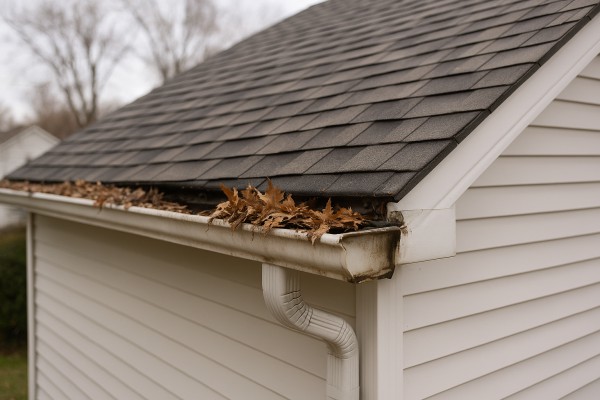
Introduction to Clogged or Overflowing Gutters
Clogged or overflowing gutters are a common homeowner gripe, and they're more than a messy nuisance. When gutters trap leaves, pine needles, seeds, and even shingle grit, rainwater can't move freely. That means water may spill over the edge, back up under roofing, or pool around your foundation. Over time, repeated exposure can lead to wood rot, fascia damage, and foundation concerns.
While this issue is very common, it isn't always urgent. Most clogs develop gradually, and a routine cleanout can usually restore proper drainage. But there are times when it becomes urgent: during heavy rain, snowmelt, or freezing temperatures, overflowing gutters can cause leaks, ice dams, or water intrusion that affects siding and interior spaces. The key is to recognize symptoms early and address them before hidden damage progresses.
What causes gutters to clog or overflow
- Leaves, twigs, pine needles, seed pods, and lightweight debris
- Shingle grit and roof granules that wash into gutters
- Small animal nests or nesting material
- Downspout blockages that back up water into gutters
Is it urgent or common?
- Common, especially in autumn and after storms.
- Urgent when gutters overflow during rain or melt, or when you notice water pooling near the foundation, damp basements, or icicles forming at the eaves in winter.
Safety first
- Use sturdy ladders and a stable ground surface; never stand on a wet or slick roof.
- Wear gloves to protect hands from sharp debris and possible mold.
- Work with a buddy if possible, especially when reaching higher sections.
Quick assessment to guide next steps
- From the ground, look for pooling water at the gutter ends or overhanging areas.
- Check visible gutters for sagging or loose hangers.
- Confirm downspouts are clear and water flows freely when flushed.
Basic cleaning plan (high level)
- Gather tools: gloves, scoop or gloved hand, bucket, trowel or small garden tool, hose with spray nozzle.
- Remove obvious debris from the gutter troughs, working from the outside edges toward the downspout.
- Inspect for damage or sagging sections that may need repair or replacement.
- Flush with water to verify proper flow and downspout drainage.
After cleaning: test and inspect
- Run water through the gutter and downspout to confirm continuous drainage.
- Look for leaks at joints or seams and tighten or reseal as needed.
- Check for persistent clogs deeper in the downspout; use a plumber's snake or a garden hose to clear.
When to call a professional
- Gutters or downspouts are bent, cracked, or pulling away from the fascia.
- Persistent leaks after cleaning, or water cannot be directed away from the foundation.
- You can't safely reach the gutters, or you encounter mold, mildew, or insect nests that require specialized removal.
- Large trees or complex rooflines make cleaning hazardous or impractical.
Preventive measures to consider
- Install gutter guards or screens to reduce debris buildup.
- Schedule seasonal cleanouts, especially after leaf-drop seasons.
- Ensure correct slope and secure hangers to promote fast drainage.
- Add or adjust downspout extensions to route water away from the foundation.
Are Clogged or Overflowing Gutters an Emergency?
- Water is actively dripping into the living space or attic.
- Ceiling or wall stains appear near eaves, suggesting ongoing leakage.
- Gutters are sagging, pulling away from the fascia, or there are visible cracks in roof decking.
- Ice damming forms at the eaves during cold weather and water backs up into the roof.
- Pooled water or damp soil around the foundation, or water stains on interior walls near exterior corners.
1. Prioritize safety: do not climb a wet or icy ladder or walk on a slick roof.
2. Protect interiors: place buckets, towels, and tarps to catch drips and minimize secondary damage.
3. Keep electrical hazards in mind: if water is near outlets or switches, avoid them and consider shutting off affected circuits with guidance from a pro.
4. Clear debris from ground-level downspouts if you can do so safely; do not strike or pull on gutters from above.
5. If possible, temporarily reduce water flow from other roof drains to limit further seepage until a roofer can assess.
- Active leaks into living spaces occur and you cannot quickly stop them with on-site precautions.
- You can see or feel movement in gutters, fascia, or the roof deck (sagging, bending, or severe warping).
- Ice dams are forming and water is backing up into the attic or along interior ceilings.
- The rain continues unabated and gutters remain blocked with leaves, mud, or ice.
- There is a history of poor drainage, missing sections, or prior repairs that may compromise the roof structure.
Monitor if
- Overflow happens only during intense, brief storms and there are no interior signs yet.
- The gutters are clogged but exterior roofing and fascia look sound, with no sagging or water staining.
- Weather is moving out, and you can schedule a repair appointment shortly after the storm passes.
- Downspouts are draining away from the foundation, but water is slow to disperse.
- Your attic shows no moisture, mold, or musty odor after rainfall, and you can keep an eye on it for a day or two.
Can wait if
- Overflow occurs in light rain and shows no signs of interior damage.
- There is no water staining, mold, or dampness inside, and the roof feels stable.
- Debris buildup is modest but does not block the majority of the gutter flow.
- You have a plan to repair or replace gutters and address drainage within a reasonable time frame, such as before the next season.
What Causes Clogged or Overflowing Gutters?
Leaf and Debris Buildup
Leaves, pine needles, seeds, and other organic debris accumulate in the gutter system over time. A thick layer near the roof edge can form a dam that slows water flow and eventually forces water to spill over the sides. Seasonal surges—especially in autumn and after windstorms—mean clogs can form quickly.
- Main culprits: fallen leaves, needles, seed pods, and seeds from trees.
- Other contributors: flower petals, pine cones, roof granules from aging shingles.
Signs to watch for:
- Water spilling over the gutter ends during rain.
- Buildup you can feel when you slide a gloved hand along the gutter.
- Stagnant debris visible from the ground or attic area.
Improper Slope, Sagging, or Gutter Damage
Gutters are designed to slope slightly toward the downspouts. If sections sag or were installed with too little pitch, water will pool instead of moving along to the downspouts. Sagging hangers, loose fasteners, or crushed sections create low spots where debris collects and water backs up.
- Sagging near joints or mid-span is common after heavy rain or snow.
- Inadequate pitch (too flat) slows drainage.
- Damaged seams and loose brackets invite pooling and overflow.
Signs to watch for:
- Pooling water along the gutter line after a rainstorm.
- Visible sagging or bending when you look up from the ground.
- Water dripping from joints during a rain shower.
Inadequate Gutter Size or Aging
Gutters have to handle the heaviest expected rain along with roof runoff. If the system is undersized for the roof, or if it's decades old and rusted, it's prone to overflow. Warped or corroded material, loose seams, and broken hangers reduce capacity and create new pathways for overflow.
- 5-inch gutters may be undersized on wide roofs or in heavy-rain climates.
- Aluminum or galvanized steel can corrode or develop holes over time.
- Seams and endcaps can separate, widening the opening for debris to catch.
Signs to watch for:
- Water overflowing from the gutter during moderate rain.
- Visible rust, holes, or broken seams.
- Sections that feel loose or wobbly when you apply light pressure.
Proximity to Trees and Overhanging Branches
Trees that shade your roof drop more debris and shed more constantly. Overhanging branches deposit leaves, twigs, and seed pods directly into the gutters, accelerating clogs. In some setups, branches also shade gutters, slowing evaporation and allowing moisture to cling to organic material.
- Evergreen needles accumulate year-round.
- Conifers shed seasonally in waves, creating continuous debris.
- Branches can rub against gutters, loosening fasteners and causing misalignment.
Signs to note:
- Frequent debris build-up even between seasonal cleanouts.
- Branches continually brushing the gutters, causing scouring or loosening.
- More frequent overflow after windy periods.
Downspout Blockages and Misrouting
Even a clean gutter can overflow if the downspouts are clogged or misdirected. Leaves, silt, and small debris can lodge inside elbows or in the vertical run. Improper downspout placement or crushed sections can back up water into the gutters.
- Blocked downspouts prevent proper drainage.
- Sudden, localized overflow near the downspout area is common.
- Downspouts that discharge onto the roof edge or into a clogged splash block create extra backpressure.
Signs to observe:
- Water backing up into the gutter from the downspout.
- Downspout screens filled with debris.
- Water pooling at the base of the downspout outlet on the ground.
Ice Dams and Winter Conditions
In colder climates, freezing rain and snow create ice dams that trap water in the gutters. When ice builds up, it acts like a plug, forcing water to back up and spill over the gutter edges during thaw cycles or heavy precipitation.
- Ice can form at roof edges where warm roof heat melts snow, refreezing near the gutter.
- Icicles along the gutter line indicate rapid freezing and backing up of water.
Signs to watch:
- Long icicles hanging from the gutter ends.
- Water spillover during dry, sunny days after a freeze.
- Crackling or popping sounds from ice expansion.
Roof Design Features and Valleys
Complex rooflines, multiple valleys, and junctions concentrate runoff. If gutters aren't sized or positioned to handle the extra flow from valleys or steep roof pitches, water can overwhelm the system and overflow at seams or corners.
- Valleys channel large volumes of water into nearby gutters.
- Long, uninterrupted gutter runs can accumulate more sediment.
- Mitered corners and joint areas are common overflow points when misalignment exists.
Signs to identify:
- Overflow near valley intersections during heavy rain.
- Recurrent clogs forming at corners and joints.
- Sudden increases in overflow after roofline changes or extensions.
How Roof Materials Affect Clogged or Overflowing Gutters
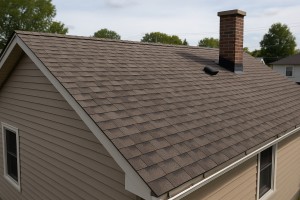
Asphalt shingles shed a lot of loose granules, especially as they age. Those granules carry with them tiny gritty particles that can accumulate in gutters and downspouts, forming a coarse, adhesive layer that slows water flow. When gutters are already full of leaves and debris, the extra granules can push you from just clogging to overflowing during heavy rains. In addition, moss, algae, and shingle fibers ride along with runoff and nest in corners or joints, creating mini-blockages that worsen over time. Regular gutter cleaning becomes more critical on homes with asphalt roofs, and consider mesh guards or micro-mat screens to reduce loose granules entering the system.
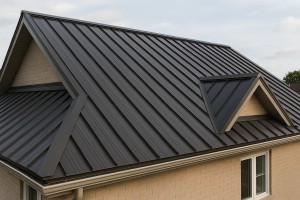
Metal roofs tend to shed far fewer loose granules than asphalt, so they often generate less debris in gutters. However, their fast runoff can carry more leaves, needles, pine cones, and small twigs into gutters before they have a chance to settle. If gutters aren't sloped properly or are already clogged, even small amounts of debris can quickly cause overflow during downpours. In some cases, corrosion residues or paint chippings from aging metal roofs can accumulate as fine particles, contributing to minor blockages. Keeping gutters clean and ensuring proper slope helps prevent overflow on metal roofs.

Clay and concrete tile roofs can shed broken shards or grit from worn tiles, which acts like coarse sand in gutters and can quickly form stubborn clogs. Overhangs on tile roofs are often substantial, delivering a heavy load of debris into gutters with each rain. Tile grit, moss, and organic material can accumulate and compact, narrowing the flow and promoting overflow on rainy days. Regular inspection for cracked or loose tiles, plus prompt debris removal from gutters, is especially important for tile-roof homes.
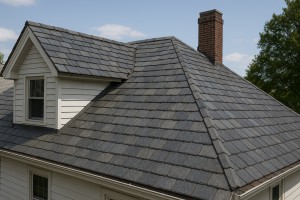
Slate roofs are durable and shed relatively little debris compared to organic-shingle roofs, but when slate pieces crack or moss takes hold, small rock fragments and organic debris can enter gutters. Those fragments act as abrasive grit, catching leaves and creating channeling that slows water. In shaded, damp spots, moss or lichen can trap additional debris, increasing the risk of overflow if gutters aren't cleaned routinely.

Cedar shakes produce wood fibers, bark bits, and resinous pitch that can cling to and create bridges in gutters. The fibrous material tends to clump together with leaves, forming compact blocks that resist downstream flow. Cedar also sheds more needles and small twigs, especially in windy, wooded areas, which accelerates gutter clogging and increases overflow risk during rainstorms. If you have cedar, plan on more frequent gutter inspections and cleaning.

Composite or synthetic shingles mimic asphalt in many ways (granules and sand-like debris can wash into gutters), but they may also shed larger synthetic particles depending on the manufacturing mix. These particles can accumulate with leaves and pine needles, forming a gritty clog that slows water drainage. While not as prone to rapid granule loss as aging asphalt, composites still benefit from regular gutter maintenance to prevent overflow during heavy rain.
Common roofing materials and how they are specifically affected by Clogged or Overflowing Gutters
- Asphalt shingles: granule shedding increases gravel-like buildup; faster clog formation.
- Metal roofing: low granule debris but higher likelihood of leaf/needle entry; overflow occurs if gutters are blocked.
- Clay/concrete tile: tile grit and broken shards clog gutters more quickly; frequent debris checks needed.
- Slate: occasional rock fragments and moss debris; slower but persistent clog risk.
- Cedar shakes: wood fibers, pitch, needles, and bark create blockages that resist simple flushing.
- Composite/synthetic shingles: granule-like debris and synthetic particles can contribute to clogs when mixed with leaves.
Quick maintenance tips (for all materials)
- Inspect and clean gutters at least twice a year, and after major storms.
- Use gutter guards or screens to reduce debris entry without impeding water flow.
- Trim overhanging branches to cut down on leaf and twig ingress.
- Check for proper gutter slope and ensure downspouts aren't blocked by sediment or plant matter.
The Risks of Ignoring Clogged or Overflowing Gutters
Structural Damage
Water that overflows or sits against the roof edge can soak into wood, accelerating rot and decay. Over time this weakens the roofline, making gutters less effective and increasing the risk of leaks.
- Rotten fascia boards reduce roof integrity and can loosen gutter supports.
- Damp soffits and exposed rafter tails invite mold, mildew, and insect damage.
- Paint peels and wood dries out, creating more entrances for water.
Foundation and Basement Risks
When gutters overflow onto the ground, water is funneled toward the foundation instead of away from it.
- Soil around the foundation can become saturated, weakening footing and causing cracks.
- Basement or crawlspace leaks become more likely after heavy rain.
- Erosion near the foundation can undermine landscaping and irrigation lines, creating additional water issues.
Roof and Attic Damage
Backed-up gutters push water toward the roofline and eaves.
- Water can seep under shingles, accelerating wear and inviting attic moisture and mold.
- Ice dams form in cold climates, lifting shingles and causing leaks that travel inward.
- Overflow can spray against the underside of the roof edge, accelerating corrosion in metal components and widening gaps where water can penetrate.
In winter, clogged gutters trap melting snow near the roof edge.
- Ice dams push water back under shingles, leading to leaks into the attic and ceilings.
- Heavy ice adds weight to gutters, potentially pulling down hangers and fascia and worsening leaks.
Pest, Mold, and Indoor Air Quality
Stagnant gutter water creates a breeding ground for pests and fungi.
- Mosquitoes and other insects breed in standing water.
- Carpenter ants, termites, and other wood-destroying pests are attracted to damp wood near the roof.
- Mold and mildew can spread to attic insulation and drywall, impacting indoor air quality.
Increased Maintenance Costs and Shortened Roof Lifespan
Neglect compounds damage and drives up costs over time.
- Replacing damaged fascia, soffits, or brackets becomes more frequent.
- Persistent leaks can force earlier roof or insulation replacement.
- Siding, paint, and landscaping may require repeated repairs or replacement after each heavy rain.
Warning Signs to Watch For
- Water stains along siding or under eaves after rain.
- Guttering that sags, pulls away from the fascia, or shows gaps.
- Damp or musty attic spaces, visible condensation on roof sheathing.
- Foundation cracks or basement dampness that appears after storms.
What to Do If You Notice Risks
1. Clean and inspect gutters and downspouts; ensure debris is removed and水 flows away from the foundation with a proper slope.
2. Check fascia, soffits, and roof edges for rot, peeling paint, or signs of insect damage; repair or replace as needed.
3. If leaks, persistent overflow, or foundation issues appear, arrange a professional assessment to determine underlying causes and required fixes.
How Clogged or Overflowing Gutters Are Diagnosed
Visual Clues You Can See from Ground or Roof
- Sagging sections or gutters pulling away from the fascia.
- Visible debris buildup: leaves, pine needles, twigs, roof grit.
- Water staining or damp spots on siding or fascia directly beneath the gutters.
- Wet spots or mold growth around joints, seams, or brackets after rain.
- Icicles or ice dams forming at the gutter edges in freezing weather.
Flow Tests: Downspouts and Gutters
- If safe, perform a light water test to observe flow: gently run a stream of water into the gutter near the roof edge and watch the downspout.
- Look for water backing up behind debris, slow flow through the downspout, or water spilling over the front or back of the gutter.
- Confirm downspout clearance by directing water through the entire system; if it exits slowly or not at all, there's a clog or obstruction somewhere in the line.
Slope and Alignment Check
- Gutters should slope slightly toward the downspouts (about 1/16 inch per foot). Pronounced dips or sags trap debris and cause overflow.
- Check for loose hangers or damaged brackets that reduce the intended pitch.
- Inspect corners and joints for leaks; persistent leaks can mimic overflow and mask underlying blockages.
Diagnostic Steps You Can Do (Step-by-Step)
1. Gather safety gear: sturdy ladder, gloves, eye protection, and a helper if possible.
2. From a safe height, inspect for sagging, detachment, and obvious debris buildup in each section.
3. Pour water into one end of the gutter and watch the water travel toward the downspout; note where it slows or stops.
4. Move to other sections and repeat the test to map out problem spots.
5. Inspect downspouts at the top and bottom ends for obstructions; remove visible blockages if it's safe to do so.
6. Check the fascia and foundation areas for signs of past or present water damage that would indicate ongoing overflow issues.
Common Causes You'll Note During Diagnosis
- Organic debris buildup (leaves, needles, seeds) that forms a dense block.
- Small nests or sticks that trap water and create mini-dams.
- Roof granules washing into gutters, especially after aging shingles.
- Bent, loose, or missing hangers that compromise gutter pitch.
- Damaged seams or corroded sections that leak rather than overflow.
When to Call a Pro
- You're uncomfortable climbing a ladder or working on a roof.
- Gutters are crushed, severely bent, or detached from the fascia.
- Downspouts are stubbornly blocked or show signs of root intrusion or extensive damage.
- Overflow persists after a thorough, safe cleaning and flow test, indicating more complex drainage issues.
Repair Options for Clogged or Overflowing Gutters
Temporary fixes
Water is moving too slowly or overflowing now—here are quick steps to buy time.
- Clear debris and flush the system: Remove leaves, twigs, and silt from gutters and run a hose through to verify flow. If water still backs up, focus on the highest point first.
- Direct water away from the house: Add downspout extensions or splash blocks to route water at least 3–4 feet from the foundation. Secure with zip ties or clips so they don't pull loose in a storm.
- Patch obvious leaks temporarily: Apply gutter sealant along seams and at small holes, then press the sealant into place. Aluminum repair tape can also seal gaps until you plan a proper fix.
- Stabilize sagging sections: If a panel is sagging, place a temporary brace (a lightweight strap or wood support) under the gutter to hold it in a better position until a longer-term repair is done.
- Moderate the load in a storm: If heavy rain is forecast, pause near-house irrigation or balcony planters that drain into the gutters to reduce sudden surges.
- Quick test after fixes: After any temporary patch, run water again from the roof edge and watch for improved flow. Reassess before the next rain event.
Minor repairs
These fixes address common, small-scale issues that most homeowners can handle with basic tools.
- Re-secure loose hangers and fasteners: Tighten screws or replace corroded hangers, spacing them every 2–3 feet to restore proper slope and support.
- Re-pitch the gutter: Ensure a gentle downward slope toward the downspout (about 1/16 inch per foot). Small adjustments can prevent standing water.
- Patch small leaks: Use a high-quality silicone or polyurethane sealant on seams, corners, and small punctures. Let it cure fully before testing with water.
- Seal or replace end caps: Loose or cracked end caps can cause leaks at the ends. Replace with new caps and reseal the joints.
- Clear and test the downspouts: Ensure downspouts are clear and connected properly. Reattach any loose elbows and verify the water exits freely at the base.
- Finish with a water test: Run water from the roof and watch for steady flow through the entire run. address any remaining drips promptly.
Partial replacement
When a section is badly damaged or corroded, replacing just that part is often the most cost-effective option.
- Identify the damaged run: Locate sections with deep corrosion, holes, or repeated leaks that repair parts can't fix long-term.
- Remove the damaged segment: Cut out the torn or severely corroded piece with tin snips or a suitable saw. Leave clean, straight edges.
- Fit and attach a new section: Measure and cut a replacement piece to match the old length. Attach with rivets or stainless-steel screws and seal the joints with gutter sealant.
- Realign hangers and reattach: Reinstall hangers in the same or nearby positions to support the new run. Ensure the slope toward the downspout is correct.
- Test the repair: Flush water through the system to confirm a leak-free, smooth flow through the repaired section.
- Consider color and gauge: Match gauge thickness and color for a seamless look and durable performance.
Full roof replacement
This is not a first-line fix for clogged gutters, but it's a valid option when the roof system itself is failing and is driving ongoing gutter issues.
- When to consider it: Widespread rust or corrosion, extensive fascia or soffit rot, sagging roof deck, or persistent leaks that resist all gutter-focused repairs.
- What the process involves: A roofer evaluates the roof and fascia, determines if decking needs replacement, and installs a new roof alongside a refreshed gutter system. In many cases, fascia repairs or replacements accompany a new roof and allow for better gutter mounting.
- Planning and timing: Full replacement is a major project with permits, debris disposal, and weather-impacted scheduling. Materials, warranty, and long-term maintenance plans should be part of the discussion.
- Outcome: A properly integrated system—new roof, updated fascia, and compatible gutters—reduces future clogs and water intrusion, but it represents a significant investment and longer timeline.
Typical Costs to Fix Clogged or Overflowing Gutters
Minor repair
This covers quick, non-structural fixes that stop small leaks, clear light clogs, and resecure loose hangers so water can drain properly again.
1) Remove leaves and debris from gutters and downspouts
2) Flush with water to verify clear flow and identify leaks
3) Tighten loose hangers/brackets and screws; replace missing fasteners
4) Apply sealant to small seams or leaks as needed
Moderate repair
For sagging gutters, damaged short sections, or downspouts that need new elbows or relocation, a pro typically reworks a portion of the system rather than the whole run.
- Replacing a damaged gutter section or splicing in a new piece
- Re-hanging or adjusting sagging gutters and adding extra hangers
- Cleaning and repairing downspouts, including replacing elbows if necessary; resealing joints
- Typical cost: $300–$900
Major repair
Significant damage calls for substantial work, such as long gutter runs replacement, multiple downspouts, or fascia repair, and can approach the cost of a full system replacement on larger homes.
- Replacing long sections or the entire gutter run
- Replacing multiple downspouts or heavy-duty elbows; repairing fascia as needed
- Re-sealing joints, testing water flow, and repainting/finishing after installation
- Typical cost: $1,000–$3,000
- Note: If you opt for premium materials (for example, copper) or have a multi-story home, costs can be notably higher due to material price and specialized labor.
What factors affect cost
- Roof size: More linear feet of gutters to maintain means more materials and labor, increasing cost.
- Access: Two-story or difficult-to-reach eaves requires ladders, scaffolding, or safety gear, boosting price.
- Material type: Vinyl, aluminum, steel, and copper differ in price and install difficulty; copper and steel run higher than aluminum or vinyl.
- Extent of damage: Localized leaks are cheaper to fix than widespread rot, fascia repair, or replacement of long runs.
- Local labor rates: Regional wage differences and permit requirements can shift price by area.
How Long Should You Wait Before Fixing Clogged or Overflowing Gutters?
What happens if you wait to address the problem in several timeframes
Waiting to fix clogged or overflowing gutters allows damage to creep in gradually. The longer the delay, the more likely you are to see water intrusion, wood rot, mold, and higher repair costs. Here's how things tend to unfold, plus practical steps you can take while you plan a permanent fix.
A few hours of overflow
- Active overflow during rain can spray water onto the fascia, siding, and landscaping. Water can back up into roof edges and soak into vulnerable materials.
- Downspouts and elbows may clog further, increasing the overflow and changing the drainage pattern around your foundation.
- Shingle edges and roof drip edges take a direct hit from extra water, which can speed wear.
- What to do now (if it's safe):
1) Use a sturdy ladder with a helper and remove obvious debris from accessible gutters.
2) Check for downspout blockages and clear them with a hose or auger.
3) Direct the overflow away from siding and window openings with temporary measures (e.g., splash blocks) until a full cleaning.
Within 24 hours
- Moisture lingers after rain, so soffits and fascia stay damp. Prolonged dampness can lead to wood rot and inviting mold or mildew in attic spaces.
- Persistent water flow near the roofline can begin staining interior walls or ceilings from hidden leaks.
- Pest activity may increase as damp gutters become a convenient nesting site.
1) Do a thorough gutter clearance to restore capacity.
2) Flush each downspout and ensure water exits several feet from the foundation.
3) Inspect for any signs of moisture intrusion around soffits and inside the attic.
Within 3–7 days
- Recurrent exposure accelerates damage to trim, fascia boards, and potentially roof decking near leak paths.
- Sagging hangers or brackets become more likely as the extra weight from debris and standing water persists.
- Mold spores and mildew can start to form in damp, dark corners of the gutter area.
1) If you're comfortable, reseat or replace loose brackets and straighten the gutter line.
2) Schedule a professional cleaning if buildup is heavy or access is unsafe.
3) Note any leaks or warped wood to discuss with a roofer.
Two to four weeks
- Damp conditions promote mildew, musty odors, and interior staining near affected areas.
- Prolonged moisture can affect attic ventilation and lead to ongoing condensation problems.
- If water isn't diverted away from the house, you may see pooling near foundations and damp soil around the base.
1) Consider temporary gutter guards after cleaning to reduce future debris entry.
2) Inspect fascia for signs of rot and plan needed repairs with a roofer.
Weeks to months
- Long-term neglect can cause significant structural damage to trim, fascia, and roof edge decking.
- Repeated moisture near the home can affect siding, foundation grading, and basement or crawlspace moisture levels.
- Ice dam formation in cold climates can compound leaks and shingle damage.
1) Prioritize a full gutter system assessment and repair plan.
2) Ensure proper grading and downspout extensions to move water away from the home.
Practical, actionable steps if you're waiting to fix
1) Safety first: avoid climbing on wet or icy surfaces; use a stable ladder with a spotter.
2) Clear debris from reachable gutters and downspouts.
3) Flush downspouts and confirm drainage away from the house.
4) Inspect for sagging hangers, loose brackets, or signs of wood damage to note for the pro.
5) Schedule a professional assessment as soon as feasible to determine scope and cost.
How Clogged or Overflowing Gutters Vary by Location and Climate
How This Problem Varies by Region & Climate within the United States
- Northeast and Midwest: Taller autumn leaf fall from maples, oaks, and ash, plus frequent winter freeze-thaw cycles. Clogs form quickly as leaves mix with ice, increasing the risk of ice dams and gutter overflow during meltwater events.
- Southeast and Gulf States: Frequent, heavy regional rain and tropical storms. Pine needles, magnolia leaves, and pine cones can collect in gutters fast; high humidity and heat promote moss and algae growth on downspouts and gutters.
- Pacific Northwest: Year-round rainfall with dense conifer forests. Evergreen needles, moss, and fungus debris accumulate in gutters more steadily, so regular cleaning helps prevent slow drainage and overflow during heavy rains.
- Southwest and Desert Regions: Less foliage overall, but summer monsoons bring intense short downpours and dust or seed debris. Clogs may come from seed pods, dried grasses, and desert plant material more than large leafy catches.
- Mountain West and Rocky Areas: Snow and ice drive issues in winter, then heavy spring runoff can push debris through once the snow starts to melt. Downspouts can back up if gutters were compromised by ice buildup.
- Coastal US beyond the South: Salt air and wind-blown debris can accelerate wear on gutters and screens, increasing the chance of perforations or leaks that worsen overflow during storms.
Seasonal Drivers by Climate
- Spring: Pollen, seeds, and new growth add light debris that can barely overwhelm gutters in dry climates but can clog quickly after winter melt in wetter regions.
- Autumn: Peak leaf drop in many regions, often the primary clog source. In some areas, drought-stressed trees shed more material.
- Winter: Ice and compacted snow can dam gutters. Freeze-thaw cycles may cause gutters to crack or detach, worsening overflow once temperatures rise.
- Summer: Thunderstorms and monsoons deliver sudden downpours; clogged gutters fill fast and overflow, especially if screens are overwhelmed by small debris.
Debris Profiles by Climate
- Deciduous forests (Northeast, Midwest, parts of the Southeast): Leaves dominate, with occasional seed pods and twigs.
- Conifer-dominated regions (Pacific Northwest, parts of the mountains): Needle litter, cones, and resinous debris along with moss on roof edges.
- Coastal and tropical zones: Palms, mangroves, and other broad-leaf debris; frequent storm debris can include bark, fruit, and wind-blown material.
- Arid/monsoon zones (Southwest, Great Basin): Dried grasses, seed pods, dirt, and occasional silt during heavy rain events.
Maintenance Windows and Practical Tips by Region
- Inspect after peak leaf drop in your area; set a reminder for your tree type and season.
- Schedule a fall cleaning before winter in cold regions to minimize ice dam risk.
- In rainy, coastal, or humid climates, consider more frequent checks during hurricane season or after major storms.
- In snowy climates, clear gutters and downspouts after the snow melts but before new cycles begin, to reduce ice buildup later.
Quick Region-Specific Action Steps
1. Identify your tree types and typical debris for your locale.
2. Check gutters within 1–2 days after a major storm or heavy rainfall.
3. Clean and inspect screens, downspouts, and hangers for signs of wear or damage.
4. If you have ice dam risk, evaluate gutter slope and consider insulation or heat cable solutions where appropriate.
