Ultimate Guide to Poor Roof Ventilation
Last updated: Feb 28, 2026
Introduction to Poor Roof Ventilation
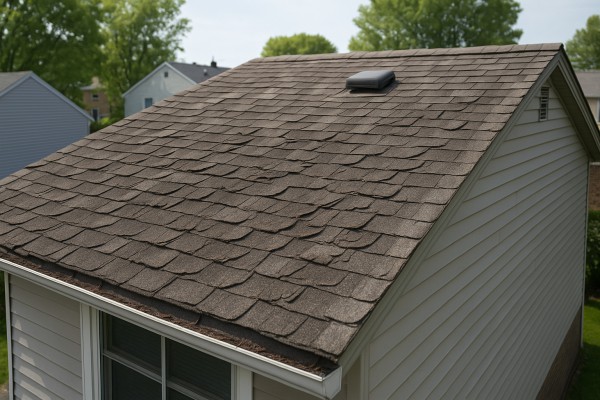
Poor roof ventilation can quietly undermine comfort, raise energy bills, and stress your roof system. It happens when attic air doesn't circulate properly, so heat and moisture build up instead of escaping. This isn't an exotic problem—it's common in many homes, especially those that are tightly sealed or have complex rooflines. Most of the time it's not an immediate emergency, but it can escalate into costly repairs if left unfixed. Here's what you need to know to spot it early and decide on next steps.
What poor roof ventilation looks like
- Hot attic in summer or unusually warm ceilings
- Persistent dampness or musty odors in the attic
- Ice dams forming along eaves in winter
- Condensation on sheathing or insulation
- Visible mold growth or staining on attic surfaces
- Higher humidity or stuffy air around ceiling levels
Why it matters
Poor ventilation affects more than just comfort. It can lead to:
- Rot and structural damage from gathered moisture
- Mold growth that affects indoor air quality
- Higher energy costs due to inefficient cooling and heating
- Shortened life for insulation and roofing components
- Increased risk of ice damming that damages shingles and roof edge
Common causes
- Inadequate intake and exhaust vent balance (not enough vents or mis-sized).
- Blocked soffits, or insulation packed into rafter bays that covers vents.
- Obstructed ridge or roof vents by debris, snow, or improper installation.
- Poorly sealed attic hatch or attic access that leaks air back into living spaces.
- Age and design mismatches where the vent system no longer fits the home.
Is it urgent?
- Urgent signs: you see active leaks, feel or smell moisture problems, or notice ice dams forming if you're in a cold climate.
- Common concerns: attic feels hot in summer, you see mold or moisture issues, or your energy bills are climbing without a clear cause.
- If you're unsure, treat it as a topic to discuss with a pro soon—early assessment helps prevent bigger costs later.
High-level next steps
1) Do a quick visual check in the attic: locate intake vents (soffits) and exhaust vents (ridge, turbines, or static vents). See if anything looks blocked or covered by insulation.
2) Inspect insulation placement: keep at least 2-3 inches of clearance around vents and baffles to allow air to flow.
3) Clear obstructions and fix obvious blockages. Remove any debris or stored items that block vents.
4) Consider improvements: add or upgrade soffit and ridge vents, install baffles, or add a controlled attic fan if the home needs it.
5) Get a professional assessment to design a balanced, code-compliant ventilation plan tailored to your attic's size, climate, and roof geometry.
Assessing Whether Poor Roof Ventilation Is an Emergency
Quick checks
Poor roof ventilation can cause a range of issues over time, but not every sign means you need a fire truck. The goal here is to distinguish urgent danger from something that can be monitored and scheduled for repair. If you notice persistent moisture, mold, or active leaks, treat it as more urgent. If the attic is hot and humid but dry, you have time to plan and fix it with help.
- Active leaks or dripping are occurring from the ceiling or into living spaces. If water is visibly present or you hear dripping, shut off the affected area's electricity only if safe and get help now.
- You see visible mold growth in the attic or living spaces, or there is a strong musty odor persisting after ventilation attempts. Moisture + warmth = mold risk that should be addressed promptly.
- There are electrical hazards around vents or in the attic, such as buzzing, sizzling sounds, burning smells, or water near wiring. Moisture and electricity are a dangerous combination.
- The roof or vent flashing, shingles, or fascia show storm damage, missing components, or exposed metal. Damage like this can worsen quickly and lead to more leaks or interior damage.
- Ice damming or substantial water pooling on ceilings/floors follows a thaw or rain event. Ice dams indicate poor ventilation and insulation issues that require urgent attention to prevent water intrusion.
- The attic temperature is dangerously high or rafters/decking show signs of overheating, warping, or sagging. Severe heat buildup can stress structural components and compromise safety.
Monitor if
- There are no active leaks, but the attic stays humid or damp on sunny days, with condensation on decking or insulation. A persistent damp feel is a sign the system isn't venting properly.
- You notice a musty smell, persistent condensation on attic surfaces, or peeling paint/wallpaper near attic access, which suggests ongoing moisture issues.
- Humidity levels in the attic rise and stay above typical indoor ranges (roughly 40–60% is common indoors; attic humidity above 60% for several days is a red flag). If you have a hygrometer, track readings for a week or two.
- There is visible condensation on windows, pipes, or HVAC ducts in the attic, especially after heating or cooling cycles.
- You can hear or feel air movement in the soffits or attic, but airflow seems uneven or blocked (blocked soffit vents, bird nests, or dust buildup).
Can wait if
- There are no leaks, no mold or musty smells, and the attic feels dry after a normal hot day or rain event. Ventilation can be improved over time with a planned repair.
- The attic is mildly warm on hot days but returns to normal after a breeze or when cooling is applied to the living spaces. You can schedule a proper assessment and fix rather than react in panic.
- You've verified that soffit and ridge vents aren't blocked, and there's no visible damage to roof components. A routine inspection window is appropriate, followed by targeted repairs to restore proper airflow.
- Drying out materials and improving air movement won't immediately affect daily comfort, but you can plan work during a cool or dry period to minimize disruption.
Quick actions you can take now
1. Document signs with photos for the roofer to review, especially leaks, mold, and damaged flashing.
2. If safe, clear debris from near attic vents outside to improve airflow; avoid climbing onto a wet roof.
3. Keep occupants away from moldy areas and ensure good ventilation in living spaces to reduce indoor humidity.
4. Use fans in living areas to help with comfort, but avoid pressurizing the attic space unless a professional directs you.
5. Schedule a professional evaluation as soon as practical to determine fixes (vent recalibration, insulation improvements, or vent replacements).
Common Causes of Poor Roof Ventilation
Blocked or Restricted Intake Vents
- Insulation invading the eave line and covering soffit vents
- Debris, dirt, or bird/nest buildup clogging intake openings
- Improper baffle placement allowing insulation to spill into the intake path
- Nails, screws, or other fasteners sticking into vent openings
A blocked intake prevents fresh air from entering the attic, so hot, moist air has nowhere to go. Even if you have other vents, clogged soffits choke the system.
Insulation and Baffles Misplacement
- Baffles that are missing, damaged, or incorrectly installed
- Insulation piled up against the underside of the roof deck near the eaves
- Gaps around baffles that let air short-circuit and blow into living spaces instead of attic
When insulation sits too high at the eaves or baffles aren't guiding air properly, air can short-circuit straight to ridge vents or fail to reach them at all. This reduces airflow diameter and effectiveness.
Exhaust Vents Blocked or Ineffective
- Snow, ice, leaves, or roof debris clogging ridge vents or exhaust pathways
- Ridge vent installed without a continuous soffit intake, or with gaps that break the venting cycle
- Insufficient total exhaust area or poor distribution along the roof line
Exhaust vents need a clear, continuous route for stale air to exit. Any blockage or misalignment breaks the venting loop and yields stagnant attic air.
Design and Retrofit Mistakes
- Inadequate total vent area for attic size
- Uneven or poorly spaced vents that don't create a balanced flow
- Roof designs that isolate portions of the attic from the vent system (e.g., long, narrow attic spaces without proper intake/exhaust pairing)
Older homes or rushed retrofits often fail to match vent type, placement, and amount to the attic's needs. The result is partial venting and humidity buildup.
Mechanical Ventilation Misuse
- Attic fans or bathroom/kitchen fans vented into the attic instead of outdoors
- Exhaust fans cycling when insulation or seals around penetrations are leaky
- Cold-weather operation pulling warm indoor air into the attic through gaps
Mechanical devices only work if they vent outdoors and are properly integrated with the rest of the system. Misconnected fans can actually worsen moisture problems.
Air Leaks and Sealing Around Attic Access
- Attic access doors or pull-down stairways that aren't well-sealed or insulated
- Gaps around duct penetrations or joist bays that allow air to bypass vent paths
- Chases, gaps around chimneys, and vent peninsulas that leak air into unventilated spaces
Air leaks around access points undermine every other venting effort by creating alternate air routes that skip the intended vent network.
Seasonal and Climate Factors
- Snow accumulation blocking eave or ridge vents in winter
- Humidity spikes in hot, humid summers without sufficient venting
- Condensation risks when warm air meets cold roof surfaces without proper venting
Seasonal changes can reveal or amplify existing ventilation gaps. A system that's fine in one season may underperform in another without adjustments.
Quick Diagnostic Steps (Four-step)
1. Inspect soffit vents for insulation contact or debris blockages; clear as needed.
2. Check attic floor vs. net vent area; confirm a balanced intake/exhaust layout.
3. Look for insulation or air-sealing gaps around the eaves and around the attic hatch.
4. Test exterior vents (ridge, exhaust fans) for unobstructed airflow and ensure fans vent outdoors.
How Roof Materials Affect Poor Roof Ventilation
How Poor Ventilation Affects All Roofs
- Heat buildup under any roof covering accelerates aging and can warp or curl materials over time.
- Moisture from inside the attic can condense on the underside of decks and penetrate underlayment, leading to rot, mold, or adhesive failures.
- Inadequate airflow alters temperature swings, so some materials expand and contract more than they were designed to handle, increasing the risk of gaps, leaks, and damage.
Common roofing materials and how they are affected by Poor Roof Ventilation
- Asphalt shingles (fiberglass)
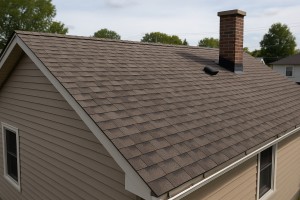
- Heat accelerates granule loss and accelerates fading; adhesives and seals dry out faster, increasing the chance of curling or cupping at the edges.
- Excess moisture in the attic can cause the decking to warp and the shingle underlayment to deteriorate, inviting leaks.
- Signs to watch: accelerated granule shedding, dark staining near eaves, loose or curling shingles.
- Wood shingles and shakes
- Wood is highly sensitive to moisture; poor ventilation traps humidity, promoting rot, mold, and insect activity.
- Prolonged heat can dry wood too aggressively, causing cracking or splitting that opens gaps for water intrusion.
- Signs to watch: wood rot in the attic or along rafters, cupping or splitting shakes, musty smell.
- Metal roofing
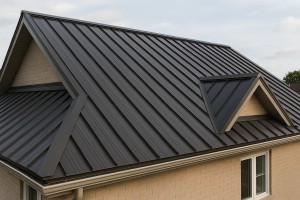
- Metal roofs shed heat well, but poor ventilation creates condensation on the underside that can corrode fasteners and create rust spots over time.
- Condensation can saturate plywood or OSB sheathing, leading to rot if the deck is not dry.
- Signs to watch: interior condensation drips, rust around fasteners, peeling paint from deck-side exposure.
- Clay and concrete clay tiles
- Tiles themselves tolerate heat, but the underlayment and substrate need ventilation; trapped humidity can accelerate deterioration of plywood or OSB beneath.
- Thermal expansion with constant heat and little airflow can stress fasteners and flashings, increasing the chance of leaks at ridges and corners.
- Signs to watch: wavy underlayment, squeaking or soft spots in the attic decking, cracked or displaced tiles after thermal cycling.
- Slate
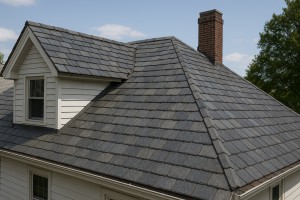
- Slate is durable, but the supporting system and underlayment must stay dry; poor ventilation raises moisture in the deck, speeding deterioration of wooden components and flashing.
- Excess heat can push expanding slate against fasteners and neighboring tiles, risking cracks.
- Signs to watch: loose slate near seals, damp rafters, peeling flashing paint from interior.
- Composite or synthetic shingles
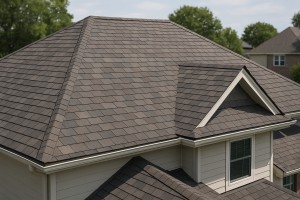
- These behave similarly to asphalt but can be more sensitive to heat aging when airflow is poor; faster aging and color fading can occur.
- Moisture buildup underneath can degrade the synthetic's bonding and cause edge lifting.
- Signs to watch: premature color fading, edge curling, unusual rigidity or brittleness.
- Flat roofs and low-slope coverings (EPDM, TPO, built-up roofing)
- Interior moisture (condensation) and temperature extremes inside attic spaces affect insulation performance and deck materials.
- Poor ventilation can lead to blistering, wrinkling, or seam failures as the membrane ages unevenly.
- Signs to watch: blisters on the membrane, increased interior attic humidity, faster wear at flashings.
Quick steps to improve ventilation for your roof and materials
1. Check intake and exhaust: confirm soffit or eave vents are open and not blocked, and that ridge or high vents are clear.
2. Install or repair roof vents strategically: ensure airflow paths from eaves to ridge; consider baffles in pitched roofs to keep intake air from short-circuiting into the attic.
3. Balance insulation and air leakage: use proper insulation levels without sealing off attic airspaces; a well-sealed attic with balanced ventilation reduces condensation risks.
4. Inspect for material-specific signs: annually inspect for curling shingles, rot in wood components, condensation on metal decks, or damp underlayment, and address promptly.
5. Have a pro assess: if you notice irregular heat or moisture patterns, have a roofing professional evaluate the deck, underlayment, and venting plan to tailor improvements to your roof type.
The Risks of Ignoring Poor Roof Ventilation
Moisture buildup and mold growth
Poor ventilation traps humidity in the attic. Condensation forms on cold sheathing, damp insulation, and wooden members. Over time this leads to wood rot, attic mold, and musty odors that can migrate into living spaces.
- Condensation on roof deck and framing
- Damp insulation loses R-value and dries slowly
- Mold spores can infiltrate living areas via air leaks
Ice dams and exterior damage
In cold climates, warm attic air warms the roof from above, melting snow near the peak that refreezes at the eaves. The resulting ice dam can push water back under shingles, causing leaks and interior staining.
- Meltwater leaks through attic vent gaps and into ceilings
- Shingle granules loosen, reducing UV protection
- Flashing and soffit areas suffer from repeated freeze–thaw cycles
Heat buildup, discomfort, and higher energy bills
A poorly ventilated attic acts like a heat trap, radiating heat into the living space and forcing the air conditioner to work harder in summer.
- Increased cooling costs as HVAC runs longer
- Warmer ceilings make rooms feel stuffy and uncomfortable
- Electrical components in the attic (fans, fixtures) operate hotter, shortening life
Structural stress and accelerated deterioration
Moisture and heat weaken structural components over time. This can lead to warped boards, rusted metal fasteners, and sagging attic frameworks.
- Stressed rafters and joists from persistent moisture
- Saturated insulation that holds moisture instead of drying
- Faster deterioration of roof decking, increasing leak risk
Premature roof and flashing wear
Shingles, underlayment, and flashing are designed for typical temperature swings. Poor ventilation accelerates aging, reducing the roof's lifespan.
- Granule loss and brittleness in shingles
- Caulk and sealants degrade sooner around penetrations
- Flashing joints become corroded by repeated freeze–thaw cycles
Health risks from mold and allergens
Mold thrives where humidity stays high. Once mold develops in the attic, it can impact indoor air quality and trigger allergies or asthma symptoms in family members.
- Visible mold growth on joists or insulation
- Musty odors indicating hidden mold
- Increased allergy and respiratory symptoms in occupants
Long-term financial impact
Ignoring ventilation can quietly increase repair bills over time. The cumulative effect is a larger investment to restore comfort and prevent further damage.
- Hidden rot leads to costly structural repairs
- Replacing deteriorated insulation adds up quickly
- Higher insurance risk and potential premium increases due to moisture-related damage
Diagnosing Poor Roof Ventilation
Visual signs in the attic
- Attic feels noticeably hotter than the living spaces on warm days.
- Condensation on roof decking, nails, or framing during cold or humid seasons.
- Rust on metal vents, baffles, or fasteners; visible mold or mildew in damp spots.
- Insulation appears compressed or blocking vents or baffles near soffits and ridge.
How we diagnose: a practical at-a-glance checklist
1) Inspect intake vents (soffits) for obstruction
- Look for insulation covering or crowding the soffit openings.
- Check for debris, dirt, or animal nests blocking air entry.
2) Inspect exhaust vents (ridge, roof, or gable vents)
- Confirm vents are present and not crushed, blocked by debris, or closed off by roofing materials.
- Ensure ridge vents run the length of the roof with continuous airflow.
3) Check attic insulation placement
- Ensure insulation is not piled so high that it covers soffit vents or sides of the attic.
- Look for a consistent depth that leaves air channels along the eaves.
4) Look for air leaks and seals
- Check around attic hatch, scuttle, and penetrations for gaps that could leak conditioned air in or hot air out.
- Note any poorly sealed penetrations for ducts, pipes, or wires.
5) Observe temperature and airflow patterns
- On a hot day, compare attic temperature to living space; a poorly vented attic often runs close to outdoor temperatures rather than being cooler.
- Feel near vents: you should sense a steady draft close to openings if air is circulating properly.
6) Assess vent layout vs. attic size
- Bigger attic spaces need proportionally adequate intake and exhaust paths; mismatched vent sizing is a common pitfall.
- Soffit-to-ridge check: with attic access closed, place a lightweight ribbon or tissue near a soffit vent and near a ridge vent (or roof vent). If the tissue barely moves near the soffit but shows a gentle movement near the ridge, airflow is present but may be weak.
- Temperature comparison: on a warm day, measure attic temperature with an infrared thermometer or thermometer gun. If the attic runs nearly the same as outdoor temperature, ventilation is likely insufficient.
- Air-seal check from inside: with the attic hatch closed, feel for air movement at the hatch opening when HVAC cycles on. A lack of make-up air flow can indicate poor venting or sealing issues.
Common culprits you might uncover
- Insulation buried or compacted around vents, blocking intake paths.
- Blocked or damaged ridge or soffit vents, or a ridge vent that's been covered by roofing material.
- Improperly sized or poorly routed vents for the attic footprint.
- Dead-end or isolated attic spaces with no continuous airflow path.
Tools and measurements you'll find handy
- Flashlight and a mirror for hard-to-see corners.
- Tape measure to verify vent lengths and insulation depths.
- Thermometer (instant-read or infrared) to compare attic vs living space temperatures.
- A simple tissue or lightweight ribbon to gauge air movement near vents.
When to call a pro
- You can't locate obvious blockages or the attic still runs hot or damp after addressing intake paths.
- You see widespread insulation compression, leaky hatch seals, or complex ductwork issues.
- There are signs of moisture damage, persistent mold, or you're unsure about safe access to the attic.
Repair Options for Poor Roof Ventilation
These options cover a range from quick, low-cost steps you can do now to larger projects that permanently improve attic airflow. Pick the path that matches your budget and the condition of your roof.
Temporary fixes
- Open operable vents and attic openings whenever weather permits to encourage airflow. Keep an eye on pests and precipitation.
- Run a portable attic or room fan to pull warm, humid air out of the attic. Aim the exhaust toward existing vents or an outside opening to vent air outside.
- Clear debris, dust, and nests from soffit and ridge vents. A clogged intake or exhaust is often the root cause of poor airflow.
- Reposition loose insulation away from soffit vents to restore the air channel. Do not leave insulation directly against the roof deck; maintain a safe clearance.
- Use a dehumidifier in the attic if humidity is persistent. Drain properly and monitor for any condensation or frost in winter.
- Seal obvious air leaks around the attic hatch with weatherstripping to prevent outdoor air from sneaking in and carrying moisture.
Minor repairs
- Inspect the ventilation path: confirm active soffit intakes and an unobstructed exhaust (ridge vent, roof louvers, or gable vents).
- Clean and repair soffit vents; replace screens damaged by mice or insects.
- Install or restore baffles at the eaves to maintain a clear air channel above the insulation.
- Reposition or add insulation so that 2–3 inches of clearance exist above the insulation along the roof deck, preventing blockage of vents.
- Seal gaps around vent penetrations with compatible roof sealant or flashing; replace damaged or missing flashing around vents.
- Replace any damaged ridge or soffit vent sections; ensure shingles over vents are sealed properly to prevent leaks.
Partial replacement
- When only a section shows poor ventilation, plan a targeted fix rather than a full roof.
- Install new venting in the affected area:
1) Assess extent and decide whether to add a section of continuous ridge vent or install additional soffit vents along that run.
2) Remove damaged shingles and flashing in the vent area; install the chosen venting approach.
3) Re-nail and reseal shingles; replace flashing and ensure a watertight seal around the vent.
4) Re-test airflow by performing a simple smoke test or using a lightweight tissue near vents to confirm air movement.
- Refinish the affected area with new shingles to match the surrounding roof and restore weather protection.
Full roof replacement
- Consider full replacement if the roof is near or past its life expectancy, or if widespread moisture, mold, or damage exists due to chronic poor ventilation.
- Design and install a proper ventilation plan during the replacement:
1) Work with a licensed roofer to specify balanced soffit intake and ridge or other exhaust, plus attic baffles throughout the attic.
2) Remove the old roof and inspect decking for rot; replace damaged boards as needed.
3) Install new underlayment, flashing, and a continuous ventilation path (ridge vent plus adequate soffit vents; add powered vent if appropriate).
4) Re-shingle and seal, then verify airflow with a smoke test or tissue near vents to confirm active circulation.
- This option often yields the most durable, long-term improvement in attic climate and roof longevity.
Typical Cost to Fix Poor Roof Ventilation
Minor repair: description and cost
- What it covers: Small issues that don't require a major overhaul, such as resealing a leaky vent boot, replacing damaged vent flashing, or tightening loose nails around a single vent.
- Key tasks: inspect the vent boot, reseal or replace flashing, re-secure vent pipes, address minor air leaks around a single vent.
- Typical cost: roughly $200-$600 total. Some very small fixes can be as low as $150, but most homeowners see prices in the $200-$450 range for straightforward reseals or small boot replacements. If extra materials are needed, budget toward the upper end of the range.
Moderate repair: description and cost
- What it covers: More substantial improvements that small fixes can't fix alone, such as adding or upgrading attic intake and exhaust pathways to balance airflow, or installing a modest attic fan with simple wiring.
- Key tasks: install 1-2 soffit or ridge vents, add or adjust baffles to ensure free airflow under the roof deck, seal leaks around multiple vents, and possibly run a basic attic fan with new electrical connections.
- Typical cost: $800-$2,000 for many homes. In larger or more complex cases, or when electrical work is required, costs can reach $2,000-$3,000. Expect higher labor for steep roofs, difficult attic access, or when materials (premium ridge vent systems, high-quality soffit vents) are selected.
Major repair: description and cost
- What it covers: Comprehensive ventilation overhaul for homes with chronic poor ventilation, mold concerns, or when the roof shows signs of moisture damage. This often includes a full upgrade to a continuous ridge vent system, enhanced soffit intake, and addressing any deck or insulation issues.
- Key tasks: install continuous ridge vent across the roof, add or replace soffit intake on multiple bays, install roof deck baffles, repair or replace damaged decking if needed, address insulation and moisture issues, and ensure proper venting alignment across the attic.
- Typical cost: $3,000-$8,000+ depending on roof size, complexity, and materials. For larger houses or projects involving significant plywood/deck repairs, mold remediation, or extensive electrical work for attic fans, costs can rise to $8,000-$12,000 or more.
What factors affect cost
- Roof size: More area means more vents, longer runs, and more materials, driving up the price.
- Access: Attics with tight crawl spaces, steep pitches, or limited entry require extra labor and safety measures.
- Material type: Premium ridge ventilation, specialty soffit vents, or integrated venting systems cost more than basic options.
- Extent of damage: Visible mold, rot, or deck replacement adds significantly to labor and material costs.
- Local labor rates: Contractor pricing varies by region, market demand, and permit requirements.
Quick-reference cost ranges by scope
- Minor repairs: about $150-$600
- Moderate repairs: about $800-$2,000 (up to $3,000 with electrical work or larger homes)
- Major repairs: about $3,000-$8,000+ (potentially higher for large or complex projects)
Step-by-step considerations for budgeting
1. Have a qualified roofer perform a ventilation assessment.
2. Prioritize fixes that improve airflow balance (intake and exhaust) before cosmetic upgrades.
3. Factor in potential ancillary work (mold remediation, insulation, deck repair).
4. Get written estimates from 2-3 contractors, including material choices and warranties.
5. Plan for contingencies in case existing decking or framing needs repair.
How Long Can You Wait Before Addressing Poor Roof Ventilation?
Immediate concerns (0–7 days)
When ventilation is severely limited, attic heat and moisture can surge fast. You may notice damp insulation, a musty smell, or dark mold stains forming on sheathing. In winter, lack of airflow increases ice dam risk; in summer, the attic can feel like a furnace, pushing humidity into living spaces.
- Signs to watch for now:
- Warm attic surfaces or visible condensation on rafters
- Damp or compressed insulation
- Musty odors or visible mildew
- Peeling interior paint or staining near the attic access
- Quick actions to take:
- Check soffit and exhaust vents for blockages (insulation, dust, leaves, or debris)
- Clear debris from soffits and ridge/roof vents if safe to reach
- Ensure attic baffles are in place to maintain airflow paths
- Run bathroom/kitchen exhaust fans to outside and use a modest continuous vent if needed
- Avoid sealing or insulating over vents; keep air flowing
Short-term concerns (1–4 weeks)
If the problem isn't improved, attic temperatures stay high and humidity remains elevated. Living spaces may feel warmer or more humid, and you'll likely see a steady rise in cooling costs. Shingles in hot sun can wear a bit faster, and mold growth may start to spread from the attic into adjoining spaces.
- What happens if you wait a bit longer:
- Higher energy bills from air conditioning running longer
- Increased humidity in ceilings, closets, or upper rooms
- Early signs of attic mold or mildew spreading
- Potential paint or drywall issues in the upper levels
- Actions to take in this window:
- Schedule a professional attic ventilation check to confirm vent types and airflow
- If insulation is blocking vents, have a pro trim back or relocate insulation
- Consider upgrading to a balanced system (a combination of soffit intake and ridge or exhaust vents)
- Pause any permanent cosmetic fixes until airflow issues are resolved
Medium-term risks (1–3 months)
Ventilation remains poor and moisture can begin affecting structural components. Prolonged high humidity accelerates wood rot risk, and mold may become more widespread in the attic and, over time, invade living spaces. Roofing shingles can deteriorate unevenly under persistent heat and moisture stress.
- What happens if you wait through this period:
- Mold growth on roof deck, sheathing, or attic framing
- Soft or warped wood, diminished roof deck integrity
- Faster shingle degradation and potential minor leaks
- More noticeable musty odors inside the home
- Actions to consider:
- Have a licensed roofer or HVAC professional perform a full ventilation audit
- Explore adding/adjusting intake and exhaust vents (ridge, soffit, or continuous vents)
- Ensure attic insulation level supports ventilation without blocking vents
- Plan for a retrofit that creates a clear airflow path across the attic
Long-term risks (3–12+ months)
If poor ventilation persists, moisture and heat become chronic problems. Structural components can suffer long-term damage, indoor air quality can decline, and energy efficiency drops dramatically. Insurance and roof warranties may be affected if roof or attic damage is traced to neglected ventilation.
- What happens if you wait this long:
- Widespread mold, wood rot, and potential structural distortion
- HVAC system working much harder with little gain in comfort
- Lower home value due to ongoing moisture and efficiency issues
- Actions to consider (as part of a formal plan):
- Comprehensive ventilation retrofit by a qualified contractor
- Coordinated upgrade of insulation, air sealing, and venting strategy
- Regular maintenance schedule to keep vents clear and functioning
What happens if you wait to address the problem in several timeframes
- 0–7 days: rapid moisture buildup and fast-developing mold pockets; vents get blocked or buried if not checked
- 1–4 weeks: attic heat persists, humidity climbs, and cooling costs rise
- 1–3 months: mold expands, wood components risk rot, shingles endure uneven stress
- 3–12+ months: chronic damage, indoor air quality declines, repairs become more extensive and costly
How Poor Roof Ventilation Varies by Location and Climate
Regional climate effects on attic ventilation
Attic ventilation isn't one-size-fits-all. The climate you live in drives how much air needs to move, where it enters, and where it exits. In hot, humid regions, the goal is to remove heat and humidity to keep the attic and living spaces cooler and drier. In cold climates, the aim is to minimize condensation on cold surfaces and reduce ice dam risk.
- Hot and humid regions (Southeast, Gulf Coast): high moisture loads year-round. Favor a clear path for air to flow from soffit intakes to ridge or gable-end exhausts. Avoid insulation blocking vents, and consider radiant barriers to cut heat gain.
- Cold, snowy regions (Northeast, Upper Midwest): moisture trapping and ice dam risk if ventilation is weak. You want balanced intake and exhaust to keep the roof deck from freezing or staying too cold. Keep vents free of snow and ensure insulation seals gaps around attic accesses.
- Mixed climates (parts of the Midwest, Mountain West): seasons swing from cold to hot. A balanced system with continuous intake and exhaust and proper baffles is essential; you may need assisted ventilation in peak heat months.
- Coastal and salt-air regions: corrosion and salty debris can clog vents and reduce effectiveness. Use corrosion-resistant vent materials and keep pathways clear of vegetation and nests. Humidity tends to linger; steady exhaust helps.
- How This Problem Varies by Region & Climate within the United States
How This Problem Varies by Region & Climate within the United States
- Northeast: cold winters, heavy snowfall, and occasional warm spells. Ice damming is a key concern. Balanced ventilation with continuous soffit and ridge vents, plus airtight insulation, helps keep the roof deck warmer and drier.
- Southeast: hot, humid summers with frequent rain. Air movement is essential to remove heat and moisture; ensure vents aren't blocked by insulation and consider attic fans if needed in larger homes.
- Midwest: variable seasons; cold snaps and humid summers. Year-round balance is critical. Check that insulation isn't burying vents and that baffles keep airflow clear.
- Pacific Northwest: persistent humidity and rain; moisture can linger in the attic. Favor a design that promotes steady air exchange and protects against dampness.
- Southwest: extreme heat; attic temperatures can soar. Prioritize airflow from eaves to ridge and consider radiant barriers or reflective underlayment to reduce heat load.
Practical steps by climate (numbers)
1) Identify your climate zone and typical seasonal patterns.
2) Inspect attic ventilation: count soffit intake and exhaust outlets; verify insulation isn't blocking vents or sealing gaps to living spaces.
3) Look for signs of poor ventilation:
- Winter frost or condensation on attic surfaces
- Excessive attic heat in summer
- Musty odors or mold in attic materials
4) Plan improvements:
- Hot/humid regions: boost intake, ensure a clear exhaust path, and consider powered exhaust if natural airflow is weak.
- Cold regions: keep a path for warm air, seal living spaces, and avoid letting insulation block vents.
- Mixed regions: aim for a balanced ridge-and-soffit system; professional sizing can help.
5) Maintain seasonally:
- Clear vents of leaves, snow, and debris
- Recheck insulation around vents and attic access points
- Look for signs of new moisture or pests and address promptly
