Ultimate Guide to Green / Eco-Friendly Roofing Services
Last updated: Feb 28, 2026
Introduction to Green and Eco-Friendly Roofing Services
What green roofing means for homeowners
Green roofing is about more than a single material. It's a practical approach that blends energy efficiency, durability, and responsible sourcing. For homeowners, this means choosing options that lower utility bills, reduce waste, and stand up to local weather. It also means thinking about the roof as a system—from the underlayment and insulation to drainage and maintenance. In practice, you'll see a spectrum of choices, from reflective, cool roofs to vegetation-covered systems, plus solar-integrated solutions. The common thread is that each option aims to perform well over the long term while minimizing environmental impact.
Eco-friendly options you might consider
- Cool roofs and reflective coatings: light-colored or highly reflective shingles and coatings that reduce heat absorption, helping cooling costs and indoor comfort.
- Solar roofs: photovoltaic shingles or solar tiles integrated into the roofscape, turning sunlight into usable electricity.
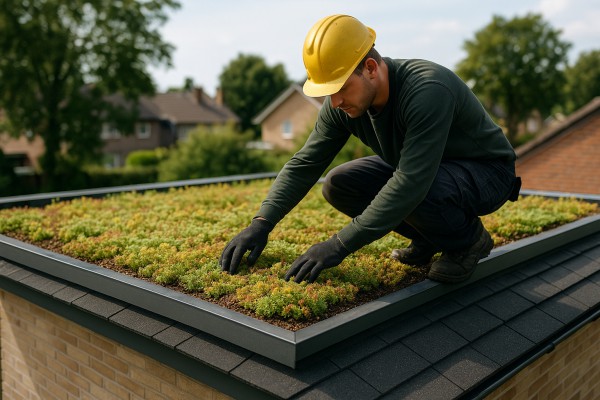
- Green (living) roofs: shallow soil and hardy vegetation that provide insulation, stormwater management, and biodiversity benefits—best suited for homes with adequate structural support.
- Durable, recycled-content materials: metal roofs or shingles with high recycled content, which often last longer and produce less waste.
- Low-VOC materials and coatings: sealants, adhesives, and coatings that improve indoor air quality and reduce environmental impact.
- Recycling and end-of-life programs: options that make it easier to recycle old materials at the end of their life and to recycle the new roof itself when it's time for replacement.
How to choose the right option for your home
1) Assess your roof's condition and structural capacity: some eco-options add weight or require a retrofit.
2) Consider climate and sun exposure: cooler climates benefit strongly from reflective roofs, while solar and green roofs shine in sunny or rain-rich areas.
3) Factor in energy goals and costs: decide whether you're prioritizing energy savings, stormwater management, or long-term durability.
4) Check warranties and maintenance needs: longer warranties and clearer maintenance plans protect your investment.
5) Align with local codes and incentives: some areas offer rebates, tax credits, or permit considerations that affect viability.
Maintenance and lifecycle considerations
- Regular inspections: twice a year, plus after severe storms, to catch leaks, loose fasteners, or drainage issues.
- Drainage and debris: keep gutters and roof vents clear to prevent standing water and moss growth.
- Material-specific care: cool roofs retain reflectivity best when clean; green roofs need irrigation care and periodic plant maintenance; solar roofs require inverter checks and panel cleaning as needed.
- Longevity planning: higher upfront costs can be offset by longer lifespans and reduced energy use, depending on the system.
Cost considerations and budgeting
- Initial investment vs. long-term savings: eco-friendly options often cost more upfront but can lower energy bills and extend roof life.
- Incentives: look for local rebates, utility programs, and tax credits that apply to energy-efficient or solar installations.
- Maintenance and replacements: factor in the ongoing maintenance when comparing options, as some systems require ongoing care but may last longer.
What to ask your roofer about green options
- Do you offer recycled-content or low-VOC materials, and what are their warranties?
- How will each option impact roof weight, ventilation, and drainage?
- What structural adjustments are needed for green or solar systems?
- What maintenance is required, and what does the expected lifespan look like?
- Are there local incentives, and how will they affect the project cost?
Quick-start plan
1) Schedule a professional roof assessment to determine suitability.
2) Gather energy bills and roof photos to inform goals.
3) Define primary objectives: energy savings, environmental impact, or long-term durability.
4) Obtain multiple, detailed quotes that include material specs, installation steps, and warranties.
Green Roofing Services: Eco-Friendly Solutions for a More Sustainable Home
Comprehensive definition
Green / eco-friendly roofing services encompass systems and materials designed to minimize environmental impact while maximizing energy efficiency and durability. It includes:
- reflective or "cool" roof surfaces that cut heat absorption
- green roofs (vegetated, garden-like rooftops) that manage stormwater and insulation
- solar-ready designs and rooftop solar integration
- sustainable, recycled, or responsibly sourced materials
- low-VOC adhesives, sealants, and coatings to improve indoor and outdoor air quality
- water management and drainage solutions (rainwater harvesting, permeable components)
- repairable, long-lasting roof systems that maximize lifespans and reduce waste
In short, it's lifecycle thinking: from production and installation to operation, maintenance, and end-of-life disposal.
Core green options
- Cool roofs and reflective coatings: reduce heat gain, lower cooling needs, and extend shingle or metal life.
- Green roofs (living roofs): lightweight soil and planted layers that provide insulation, stormwater retention, and habitat benefits.
- Solar-ready and rooftop solar integration: photovoltaic or solar thermal compatibility, with wiring, structural assessment, and shading considerations.
- Sustainable materials and products: recycled-content shingles, metal, or tiles; responsibly sourced wood shakes; low-VOC sealants and adhesives.
- Insulation and air-sealing upgrades: higher R-values and airtight envelopes to cut heating and cooling loads.
- Rainwater management: components that capture, store, or redirect rainwater; permeable pavers and underlayment options to enhance drainage.
- Durable, repairable systems: products with long warranties and easier replacement parts to reduce long-term waste.
When it's typically needed
- Aging roof with rising energy bills or poor insulation
- Homes in hot or sunny climates where cooling loads are high
- Urban or suburban settings with stormwater management goals
- Projects aiming for energy efficiency certifications (LEED, ENERGY STAR, etc.)
- Roof replacements where you want long-term value, better durability, or integration with solar
- HOA or local codes encouraging sustainable materials or reflective surfaces
How to choose the right option for your home
- Roof type and slope: some systems suit flat or low-slope roofs better; others work well on steep pitches.
- Climate and sun exposure: hot, sunny locations benefit more from reflective surfaces and vegetation options.
- Structural capacity: ensure deck and framing can support added weight (green roofs) or solar equipment.
- Budget, ROI, and maintenance tolerance: weigh upfront costs against long-term energy savings and warranty coverage.
- Compatibility with existing systems: align with current insulation, ventilation, and any planned solar installations.
Step-by-step plan to implement
1. Define goals: energy savings, stormwater management, or reduced maintenance.
2. Have a licensed pro assess roof structure, insulation, and drainage.
3. Review local codes, permits, and HOA guidelines that affect materials and water management.
4. Compare options: materials, warranties, installation timelines, and expected energy savings.
5. Design integration: coordinate with insulation upgrades, ventilation, and solar readiness.
6. Schedule installation with qualified contractors who specialize in eco-friendly roofing.
7. Establish a maintenance plan: periodic inspections, coating refresh cycles, and vegetation care (for green roofs).
Maintenance and longevity
- Regular inspections twice a year and after major storms to catch punctures, leaks, or membrane wear.
- Keep debris off reflective surfaces to maintain energy performance.
- Recoat or refresh reflective coatings per manufacturer guidance (typical intervals vary by product).
- Green roofs require soil and plant care, irrigation checks, and occasional reseeding or replacement of plants.
- Monitor drainage and fascia/gutter integrity to prevent water infiltration and wood rot.
Practical considerations for homeowners
- Start with a feasibility assessment to determine the most practical eco-option for your budget and roof structure.
- Ask about warranties for both materials and labor, especially for green roof systems and solar integrations.
- Factor in local climate, shade from nearby trees, and roof orientation when choosing between reflective, vegetated, or solar-ready approaches.
- Plan for maintenance needs and who will perform them, so you're not surprised by ongoing costs.
Quick reference: indicators of a strong eco-friendly choice
- High-quality, warranted materials with recyclable or renewable content
- Clear plan for insulation, ventilation, and waterproofing
- Seamless integration with solar or rainwater systems, if desired
- Long-term cost savings paired with measurable energy or water targets
When You Need Green and Eco-Friendly Roofing Services
Signs this service is needed
- Your energy bills are high or unpredictable, especially in extreme seasons, even after weatherproofing efforts.
- The roof is aging or showing obvious wear: curling or missing shingles, exposed flashing, granule loss, stains, or leaks that recur after repairs.
- You're planning or curious about eco-friendly upgrades: solar panels, cool roof coatings, reflective finishes, green roofs or living roofs, rainwater harvesting, or roofs built with recycled or low-embodied-energy materials.
- Moisture or mold shows up in the attic, or there's poor ventilation and insulation contributing to heat loss or heat gain.
- You want a roof with a longer service life and lower environmental impact, even if up-front costs are higher.
- You live in a hot, wildfire-prone, or extreme climate and want fire-rated, reflective, or ventilated components to improve resilience.
- Your HOA or local codes encourage or require sustainable options, such as reflective materials or solar-ready installations.
- You're considering integrating energy-generating or water-management features and need a professional feasibility check.
Ways you can confirm yourself as a homeowner
- Confirm ownership and permission: ensure you have authority to authorize work or coordinate with a property manager or landlord if applicable.
- Check your roof's age and materials: walk the exterior (or use binoculars from ground level) to identify shingle type, color, and any obvious deterioration.
- Inspect the attic and ventilation: look for air leaks, inadequate insulation, signs of moisture, or improper rafter spacing that could affect eco upgrades.
- Scan utility bills and comfort complaints: compare year-over-year energy use and comfort levels to spot opportunities for efficiency improvements.
- Note existing eco features: solar panels, heat-reflective coatings, rainwater systems, or any prior green upgrades and their condition.
- Review permits and history: contact your local building department to confirm past roof work and any green upgrades, ensuring records match what you plan.
- Photograph and document: take clear photos of damaged areas, roof edges, flashing, and any installed eco devices to share with a pro.
- Check HOA or neighborhood rules: verify allowable materials, colors, solar access, and any restrictions that could impact eco roofing options.
When to get a professional assessment
- There are active leaks, visible structural concerns, or signs of roof deck damage that could compromise an eco upgrade.
- You're planning a major eco upgrade (green roof, solar integration, or a significant cool roof retrofit) and need loading, waterproofing, and performance calculations.
- You want an energy ROI or payback analysis for options like solar, cool roof coatings, or enhanced insulation tied to roof work.
- You're unsure about local codes, permits, or stormwater and fire regulations that affect eco-friendly installations.
- You suspect hidden damage behind flashing, underlayment, or decking that affects long-term durability or compatibility with green systems.
- You're upgrading in a climate with specific requirements (snow loads, wind uplift, or wildfire resistance) and need a design that meets code and local conditions.
- You're coordinating with a rental property owner or HOA to align on scope, approvals, and timelines before committing to work.
- You want an itemized, professional assessment of materials, labor, and expected performance for eco-friendly options, plus a realistic schedule.
What's Included with Green / Eco-Friendly Roofing Services
What is typically included
- In-depth site assessment and energy-efficiency planning
- A thorough roof evaluation to identify eco-friendly options, heat gain reduction, ventilation needs, and potential for insulation upgrades.
- Eco-friendly material options and guidance
- Recycled-content asphalt shingles, metal roofs with high recycled content, clay/concrete tiles, or sustainably sourced cedar/shake where appropriate.
- Guidance on color and reflectivity to maximize cooling and reduce heat absorption.
- Low-VOC products and breathable underlayments
- Adhesives, caulks, sealants, and underlayment that minimize emissions and improve indoor air quality.
- Durable, water-tight membranes that still allow moisture to escape where appropriate.
- Waste reduction, recycling, and responsible disposal
- On-site waste sorting, protection of surrounding landscaping, and recycling of metals, asphalt shingles, and other salvageable materials.
- Proper disposal of non-recyclable demolition debris in accordance with local rules.
- Energy-efficiency enhancements
- Attic air-sealing, extra insulation, and radiant barriers where feasible.
- Ventilation upgrades (soffit, ridge, or turbine vents) to improve airflow and reduce cooling loads.
- Cool roof and reflective options
- High-reflectance shingles or coatings that help lower attic and interior temperatures and cut cooling costs.
- Solar readiness (coordination, not installation)
- Structural and dimensional checks to ensure your roof is ready for PV, along with coordination with your solar installer if you choose to add panels later.
- Warranties and clear documentation
- Manufacturer warranties for materials, plus a workmanship warranty where offered.
- Clear project specs, maintenance guidelines, and a final inspection report.
- Clean-up, protection, and site handover
- Thorough removal of debris, protection of vehicles and landscaping, and a completed handover with care tips for long-term performance.
- Post-installation inspection and quality control
- A final walkthrough to confirm proper installation, sealant performance, and drainage alignment.
- Maintenance guidance and follow-up options
- A recommended maintenance plan tailored to eco-friendly materials and a schedule for future inspections.
What is not typically included
- Major structural repairs or decking replacement
- Structural reinforcement, framing work, or deck repairs beyond the roof surface are not included unless specified.
- Solar system installation or electrical work beyond roof scope
- PV system installation, wiring, inverters, or mounting hardware are not included unless the project explicitly covers solar integration.
- Landscaping, exterior finish work, or non-roof repairs
- Yard restoration, siding work, painting, or driveway changes are not part of the roofing scope.
- Long-term maintenance contracts (unless offered separately)
- Ongoing gutter cleaning, moss removal, or routine inspections may be offered as add-ons but are not automatically included.
- After-hours service or emergency work outside agreed hours
- Expedited or emergency repairs performed outside the scheduled window may incur additional charges.
- Hazardous material remediation (asbestos, lead paint)
- If hazardous materials are discovered, dedicated remediation work is handled as a separate scope with specialized contractors.
- Permit fees and certain code compliance costs
- Permit fees, inspections, or plan review charges are often billed separately unless specifically included in the contract.
- Financing or incentive navigation
- Help with tax credits, rebates, or financing approvals is not included unless a separate financing service is contracted.
Common Roofing Materials Used in Green and Eco-Friendly Roofing Services
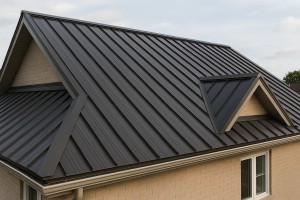
- Why it fits green services: highly recyclable at end of life; many panels contain a substantial amount of recycled content, which lowers embodied energy. Metal's durability means fewer replacements over time, reducing waste and renovation cycles.
- How it's used in eco projects: paired with cool, reflective coatings to boost energy savings; standing-seam systems reduce leaks and sealants, improving long-term performance. Excellent for solar installations on the same roof since seams and mounting hardware can be integrated cleanly.
- Material specifics to know: choose finishes with high solar reflectance (cool roofs) and corrosion-resistant alloys for coastal or humid areas. For green roofs, ensure you have proper load calculations and a compatible underlayment.
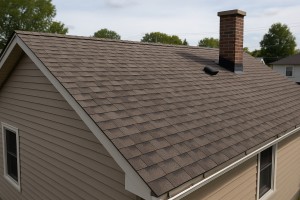
- Why it fits green services: many products incorporate reclaimed materials (rubber, plastics, or reclaimed asphalt) to lower landfill waste. Still familiar in many homes, but with a greener footprint than traditional shingles.
- How it's used in eco projects: serves as a retrofit option when existing support and nailing patterns are solid; pairing with reflective granules or lighter colors can improve heat management. When used, it's often part of a broader energy- or water-management strategy.
- Material specifics to know: check the recycled-content percentage, warranty, and compatibility with underlayment and venting requirements. Consider upgrading to reflective granules to boost energy performance.
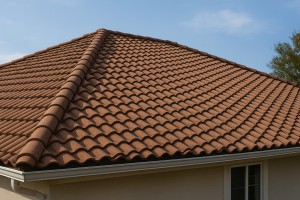
- Why it fits green services: natural, long-lasting materials with low embodied energy when locally produced. Excellent thermal mass helps moderate indoor temperatures, reducing HVAC demand in many climates.
- How it's used in eco projects: ideal for Mediterranean and hillside homes; can be paired with radiant systems or integrated into green roofs where structure allows. Color choices affect reflectivity; lighter colors improve cooling performance.
- Material specifics to know: weight is heavy—verify roof structure and framing. Use low-VOC sealants and compatible underlayment. Tile installations should include proper ventilation and clips that accommodate movement.
Cedar Shakes & Wood Shingles (FSC-Certified)
- Why it fits green services: when sourced from responsibly managed forests, wood is a renewable resource with natural insulating properties. Refinish coatings can be low-VOC to preserve indoor air quality.
- How it's used in eco projects: common on mid-century modern or cottage-style homes seeking natural aesthetics; pairing with breathable underlayment helps moisture management on roofs that support vegetation or rainwater catchment.
- Material specifics to know: protect with non-toxic or low-VOC finishes; regular maintenance is needed to prevent rot and insect damage. Check for compatibility with any spray-on coatings used in eco programs.
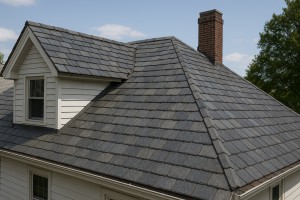
- Why it fits green services: natural stone with exceptional longevity means fewer replacements and reduced waste. Recyclability is a plus, and some sources are locally quarried, cutting transport emissions.
- How it's used in eco projects: frequently chosen for its durability in harsh climates; works well with high-end green building standards due to longevity and timeless aesthetics.
- Material specifics to know: very heavy—confirm structural support. Installation requires skilled craft to ensure long life and water-tightness. Consider sealants with low VOCs and non-toxic cleaners for maintenance.
Rubber and Synthetic Roofing (EPDM, TPO, and Synthetic Shingles)
- Why it fits green services: often manufactured with recycled-content materials; lightweight and energy efficient; excellent for flat or low-slope roofs common in eco-friendly upgrades.
- How it's used in eco projects: ideal base for green roofs due to seamless membranes and compatible drainage layers. TPO and EPDM can be coated or pigmented to improve reflectivity.
- Material specifics to know: watch for UV stability, seam adhesives, and the availability of low-VOC primers and sealants. Ensure compatibility with existing insulation and drainage plans.
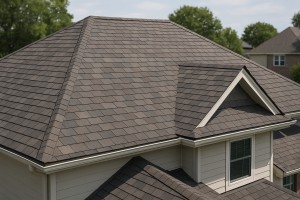
- Why it fits green services: blends recycled plastics or rubber with durable fibers to mimic traditional shingles while improving longevity and recyclability.
- How it's used in eco projects: offers a balance between traditional appearance and environmental performance; can be easier on structural weight limits than some natural materials.
- Material specifics to know: confirm warranty terms, fire ratings, and the availability of recycled-content options. Check color choices for reflectivity benefits.
Green Roof / Living Roof Layers (for true green roofs)
- Why it fits green services: the entire system is designed to support plant growth, stormwater management, and added insulation. Materials here are selected to maximize eco benefits.
- How it's used in eco projects: includes root barrier, drainage layer, growing medium, and selection of drought-tolerant vegetation. Often paired with lightweight soils to minimize load while maximizing insulation.
- Material specifics to know: plant selection matters for climate and maintenance; drainage efficiency and waterproof membrane compatibility are critical. For retrofits, structural assessment and water management planning are essential.
Cool Roof Coatings and Reflective Membranes
- Why it fits green services: coatings and reflective membranes reduce heat absorption and cooling loads, lowering energy use without replacing the entire roof.
- How it's used in eco projects: retrofit option on existing roofs to boost energy performance; compatible with many substrate types (asphalt, metal, and membrane roofs).
- Material specifics to know: select products with verified reflectivity ratings and durable, low-VOC binders. Maintenance typically involves cleaning to preserve reflectance and inspecting for wear after severe weather.
Cost of Green Roofing Services
Typical average costs
Green and eco-friendly options span coatings, recycled materials, metal with energy-saving finishes, solar-ready systems, and living roofs. Installed costs vary by option, roof size, and prep work. Here are common choices and typical installed ranges for a standard 1,500 sq ft roof to give you a ballpark.
- Cool roof coatings: $0.60–$2.50 per sq ft. For 1,500 sq ft: about $900–$3,750.
- Recycled-content or low-maintenance shingles: $3.50–$7.00 per sq ft. 1,500 sq ft: $5,250–$10,500.
- Metal roofs with energy-saving finishes: $5–$12 per sq ft. 1,500 sq ft: $7,500–$18,000.
- Solar shingles or tiles: $15–$25 per sq ft. 1,500 sq ft: $22,500–$37,500.
- Living/green roofs (extensive sedum-type): $20–$40 per sq ft. 1,500 sq ft: $30,000–$60,000. Intensive green roofs run higher, often $50–$100+ per sq ft and may require structural upgrades; plan well above the extensive range.
Cost-lowering considerations
- Pick a single eco option rather than layering multiple upgrades at once.
- Use the existing roof deck and avoid unneeded structural changes where feasible.
- Opt for standard profiles, colors, and finishes instead of premium or custom options.
- Schedule installation during shoulder seasons or slower periods to reduce labor costs.
- Look for local rebates, incentives, or energy credits that apply to efficient roofing features.
Cost-raising considerations
- Roof complexity: steep pitches, multiple levels, dormers, skylights increase labor and safety requirements.
- Large roof area: bigger roofs multiply material and labor costs.
- Structural reinforcement for green roofs: added substrate, drainage, waterproofing, and irrigation systems raise price.
- Old roof removal and deck repairs: disposal fees and decking repairs add to the bill.
- Integration with solar or other systems: electrician labor and permit fees can add up.
- Premium materials or custom finishes: copper, zinc, high-end coatings, or specialty tiles cost more.
- Permits, design work, and inspections: local requirements can add time and cost.
- Local labor rates and supply chain timing: regional differences matter.
5 practical budgeting steps
1. Define your main eco goal (cool roof, recycled shingles, solar-ready, or a living roof) and note any constraints.
2. Measure your roof area and note slope, penetrations, and current decking condition.
3. Gather 3–4 written estimates with itemized line items for materials, labor, removal, and disposal.
4. Check for incentives and calculate after-incentive net costs; add a 10–20% contingency for surprises.
5. Track expected long-term savings (energy bills, roof longevity, and maintenance) to assess payback over time.
How Our Eco-Friendly Roofing Process Works
Step 1: Free Assessment and Eco-Goal Setting
- On-site roof health check, attic ventilation review, and an initial energy-use discussion to tailor sustainability goals.
- Precise measurements, photos, and a digital estimate delivered promptly.
- Discuss eco-friendly options, such as reflective cool-roof materials, recycled-content products, low-VOC bonding agents, and responsible disposal plans, plus timelines and budget.
Step 2: Material Selection and System Design
- Review green options with clear environmental benefits:
- Cool roof shingles with high solar reflectance and durable performance
- Metal roofing made from recycled steel or aluminum
- Recyclable, long-lasting underlayment and low-VOC adhesives
- Solar-ready configurations and integration potential
- Confirm weight load, structural compatibility, and permit requirements; assess roof slope and ventilation needs.
- Agree on a design that balances performance, curb appeal, and sustainability; establish a waste-diversion plan and end-of-life considerations for old materials.
Step 3: Site Preparation and Protective Measures
- Prepare the work site with safety barriers, equipment, and clearly marked access routes.
- Protect landscaping, decks, driveways, and outdoor furniture; cover vents and openings as needed.
- Set up a plan to minimize noise, dust, and debris during removal and installation.
Step 4: Installation Process (Step-by-Step)
1) Remove existing roofing materials with care, separating recyclable components from waste and collecting nails for recycling.
2) Inspect decking and structure; replace damaged boards, treat for moisture, and ensure a solid, pest-free base.
3) Install eco-friendly underlayment and ventilation strategy: breathable moisture barriers, proper attic ventilation, and optional radiant barriers for hot climates.
4) Install the chosen roofing system:
- Cool roof shingles: align and fasten per manufacturer guidance to maximize reflectivity and longevity.
- Metal or tile: follow installation specs, including thermal expansion gaps and flashing details.
5) Upgrade water management: install or upgrade gutters, downspouts, and splash blocks; verify slope and proper drainage; add gutter guards if desired.
6) Complete flashing, sealants, and finishing touches: use low-VOC sealants around chimneys, vents, and skylights; perform a leak test and secure all components.
Step 5: Clean-Up, Inspection, and Handover
- Final debris removal, nail checks, and waste-diversion verification.
- Thorough homeowner walkthrough to confirm workmanship and discuss maintenance schedule.
- Provide warranty information, care tips, and a summarized view of expected energy savings and environmental benefits.
Residential vs. Commercial Considerations for Eco-Friendly Roofing
Residential vs Commercial Considerations of Green / Eco-Friendly Roofing Services
For homeowners, eco-friendly roofing choices often hinge on comfort, energy bills, and long-term reliability. For commercial properties, the scale, ongoing operations, and maintenance cycles drive different priorities. Use the guide below to compare what matters most in each setting.
Key differences at a glance
- Residential roofs are typically smaller, steeper, and often shingle- or tile-based. Maintenance is generally simpler, and weight tolerances are more forgiving.
- Commercial roofs are larger, flatter or low-slope, and commonly use specialized systems. Access, safety protocols, and interface with equipment (HVAC, vents) require more planning and frequently a maintenance program.
Material options by property type
- Residential:
- Cool roofs with reflective shingles or coatings to reduce heat gain.
- Metal roofs for long life and recyclability.
- Solar-integrated options (roof-friendly modules or solar shingles) when budget and structure allow.
- Green roof feasibility in small spaces is possible with added structural support.
- Commercial:
- Single-ply membranes (TPO, EPDM, PVC) chosen for large, flat areas and long-term performance.
- Standing-seam metal or modified bitumen systems tailored to roof slope and loads.
- Green roofs on select projects or larger footprints, often with engineered drainage and planting plans.
- Solar arrays integrated with the roof assembly or atop ballasted systems.
Structural and installation realities
- Residential:
- Easier access for crews and fewer disruption points during installation.
- Typical attic space and deck conditions guide insulation and ventilation choices.
- Fewer penetrations mean simpler sealing and flashing details.
- Commercial:
- Large crews, possible crane access, and heightened rooftop safety requirements.
- Parapets, curbs, and multiple penetrations for HVAC and exhaust demand precise detailing.
- Drainage and ponding control are critical on flat roofs; curb adaptors and enhanced flashing are common.
Maintenance, warranties, and life-cycle planning
- Residential:
- Regular inspections, gutter upkeep, and periodic shingle/tile maintenance help extend life.
- Warranties typically cover material and workmanship for standard terms; some upgrades offer longer coverage.
- Commercial:
- Ongoing maintenance contracts are common to preserve performance and code compliance.
- Roof-system warranties may be tied to scheduled inspections and maintenance programs.
- Life-cycle planning emphasizes predictable budgeting for major repairs or refreshes.
Costs, incentives, and return on investment
- Residential:
- Higher upfront cost per square foot but meaningful savings from reduced cooling loads and improved comfort; tax credits or incentives may apply for solar or energy-efficient components.
- Commercial:
- Economy of scale can reduce per-square-foot costs, but the total project is larger. Incentives often tie to energy performance, LEED considerations, or utility programs.
- Longer payback periods are possible, but steady energy savings and lower operating costs accumulate over time.
- Both:
- Durable materials, reflective surfaces, and proper installation contribute to lower long-term operating costs and climate resilience.
Quick-start steps for homeowners (numbered)
1. Identify your roof type, age, and current condition.
2. Define eco-goals: lower energy bills, reduced heat gain, or better rainwater management.
3. List preferred materials and confirm climate- and code-compatibility.
4. Check warranties, contractor credentials, and available maintenance plans.
5. Run a basic ROI check using local energy costs and any incentives.
6. Schedule a maintenance plan with your contractor and outline access needs.
How Green and Eco-Friendly Roofing Services Vary by Location
Climate and Weather Influence on Green Roofing Choices
For homeowners, climate is the biggest driver of what "green" means in practice. In hot, sun-drenched regions, roofs that reflect heat and reduce cooling costs shine. In colder climates, features that minimize heat loss and prevent ice dams matter most. In rainy areas, moisture control and drainage become priorities. Consider:
- Cool roofs with high solar reflectance (and high emissivity) for the Southwest, Southeast, and parts of California.
- Metal roofs for longevity, fire resistance, and recyclability in wildfire-prone West and Northwest.
- Green roofs or extensive vegetative layers where local stormwater rules and urban space allow.
- Solar-ready assemblies that accommodate PV quickly, capitalizing on local sunshine.
Regional Building Codes and Permits
Code rules shape what a green roof can be and how it's installed. Take these steps:
1) Check the IECC energy codes adopted by your state or city and note any amendments for roofing insulation, ventilation, or radiant barriers.
2) Confirm whether solar, rainwater capture, or a green roof needs a separate permit.
3) Look for HOA guidelines that may restrict certain green features or materials.
Materials matter, and what's locally available changes what “green” looks like.
- Use locally sourced shingles, tiles, or metal to cut transport emissions.
- In the Northeast, slate or high-recycled-content asphalt may be common; in the Southwest, clay tiles or concrete tiles can be more prevalent.
- Recycled-content underlayments and insulation reduce embodied carbon when sourced nearby.
Labor Market and Installer Availability
Not all regions have the same pool of green-roof installers or suppliers. Plan for:
- Longer lead times in areas with fewer trained roofers for cool roofs, solar, or green roof systems.
- Local contractor partnerships that understand weather-related installation challenges, like wind uplift or freeze-thaw cycles.
Energy Efficiency Standards and Incentives by State
State programs can dramatically affect the cost and feasibility of eco-friendly roofs.
- Look for state tax credits, rebates, or performance-based incentives for cool roofs, solar-ready installs, or rainwater systems.
- Some regions combine weatherization or low-income programs with roofing projects to reduce overall energy use.
- Net metering and interconnection policies influence the economic payoff of adding PV with the roof.
Regional Environmental Priorities and Risks
Different regions prioritize protection from distinct risks:
- Wildfire-prone areas: ember-resistant vents, fiber-cement or metal roofing options, and fire-rated assemblies.
- Coastal/ hurricane zones: wind uplift resistance and impact-resistant shingles or metal.
- Freeze-thaw zones: durable underlayment, good drainage, and robust attic ventilation to prevent ice dams.
- High-rain zones: water management, integrated gutters, and drainage plan adaptability.
How this service varies in different regions in the United States
1) West Coast and Mountain States: prioritize wildfire resistance, heat management, and rainwater capture; metal roofs and clay tiles are common, with high solar readiness.
2) Midwest: emphasis on ice dam prevention, reinforced decking, insulation, and durable underlayment to handle snow loads and freeze-thaw cycles.
3) Northeast: balance moisture control with durable materials like slate or high-performance asphalt; focus on ventilation, insulation, and moisture barriers.
4) Southeast: tackle humidity and storm exposure with moisture barriers, ventilation, and impact-resistant options; adopt breathable roof assemblies where heat is intense.
5) Southwest: extreme sun and drought drive high-reflectance coatings, tile or metal roofs, and shade-aware layouts; water-wise drainage and capture may be feasible.
