Ultimate Guide to Insurance Claim Assistance Services
Last updated: Feb 28, 2026

Introduction to Insurance Claim Assistance Services
What this service covers
- Independent damage assessment from a roofing professional who specializes in insurance claims
- Help with documentation, including photos, measurements, and scope of work
- Preparation and filing of your claim, plus tracking and follow-up with the insurer
- Coordination with licensed contractors to develop a fair, itemized cost estimate
- Attending or coordinating with adjuster visits to ensure the scope is understood
- Review of settlements for accuracy, coverage, and deductibles
- Oversight of repairs to protect your home's value and safety
Why homeowners rely on it
- It reduces the guesswork and stress during a stressful time
- It helps prevent underpayment or misinterpretation of your policy
- It creates a transparent, documented trail you can reference later
- It keeps contractors aligned with the repair scope and warranty expectations
- It offers a neutral, experienced voice when communicating with insurance lenders and adjusters
Our approach (how we work with you)
- Clarity first: we translate policy language and adjuster notes into plain, actionable steps
- Transparency: you see every item, every line item, and every dollar before decisions are made
- Collaboration: we coordinate with your preferred contractor or help you compare estimates from trusted pros
- Compliance and quality: we ensure repairs meet codes, manufacturer specs, and local roofing standards
Step-by-step claim support
1) Initial damage review: quick on-site or photo-based assessment to identify visible issues and potential hidden damage
2) Documentation package: organized photos, diagrams, measurements, and an itemized scope of work
3) Policy review: we interpret coverage, limits, deductibles, and exclusions that affect your claim
4) Claim preparation: complete forms, schedules, and rationale to justify the requested scope and costs
5) Insurance filing: we submit the claim and set expectations for timelines and next steps
6) Adjuster coordination: we accompany or liaise with the adjuster to ensure all damage is properly evaluated
7) Settlement review: we compare the issued settlement to the documented scope and local repair costs
8) Repair oversight: once you approve, we help select qualified contractors and monitor progress to safeguard quality and warranties
Common scenarios and questions
- Will this affect my premiums? Generally, a claim for storm-related roof damage should not automatically raise your rates, but every insurer and policy is different. We help you understand potential implications for your plan.
- How long does the process take? Timelines vary by insurer and claim complexity, but having a documented scope and consistent communication keeps things moving.
- What if the insurer underpays? We re-check the scope against your policy and local cost realities, and we help you pursue the appropriate adjustments.
- Do pre-existing conditions matter? We distinguish new storm-related damage from prior issues and ensure the claim reflects the current repair needs.
Preparation checklist
- Recent photos of the roof from multiple angles, including interior signs of leaks
- A copy of your insurance policy or the declarations page
- Any prior contractor estimates or quotes
- Notes on recent weather events and dates of hail or wind incidents
- Contact information for your adjuster and insurer
Our commitment to you
- A practical, homeowner-focused experience grounded in earned expertise
- Clear documentation, fair scope, and honest pricing
- Support that respects your timeline, budget, and home's safety during the claims process
What Insurance Claim Assistance Services Do
Comprehensive definition
Insurance claim assistance services help homeowners manage the entire claim process for roof and home damage. A qualified team documents damage, submits the claim, communicates with the insurer, assembles repair estimates, and negotiates a fair settlement. These services may be provided by roofing contractors with claim support programs, public adjusters, or dedicated claim consultants. The goal is to reduce hassle, protect your timelines, and maximize a reasonable payout while keeping the repair quality front and center.
When it's typically needed
- You've experienced significant storm, hail, wind, or water damage that requires thorough documentation.
- The insurer's initial estimate seems low or doesn't cover the full scope of required repairs.
- The claim involves complex coverage questions, depreciation, or multiple damage types (roof, siding, attic, interior).
- You're unsure how to document damage or how to present a clear scope of work.
- You've hit communication roadblocks or delays with the insurer or adjuster.
What a claim assistant does
- Pre-claim prep: helps you gather policy information, photos, and a high-level scope of work before you file.
- On-site assessment: conducts an independent review of roof and property damage to capture all visible issues.
- Documentation: creates a thorough, organized packet with photos, videos, notes, and a written scope of repair.
- Estimates: prepares a line-item estimate that aligns with the actual scope of work and common industry costs.
- Claim filing: assists with completing forms, schedules, and submitting the claim to the insurer.
- Adjuster coordination: schedules the adjuster visit, shares the packet in advance, and ensures questions are answered.
- Negotiation and supplements: reviews the insurer's estimate, identifies gaps, and requests supplements for additional damage found during repairs.
- Payment and scheduling support: tracks payments, timelines, and ensures permits and code upgrades are addressed.
- Communication: keeps you informed with updates, next steps, and any required documentation.
The claims process in practical steps
1) Document damage quickly with clear photos, videos, and written notes.
2) File the claim with your insurer and note the claim number.
3) Schedule an adjuster visit and share the damage packet in advance.
4) Review the insurer's initial estimate side-by-side with your contractor's scope.
5) Submit supplements or requests for additional funds as needed, with supporting evidence.
6) Approve repairs, monitor progress, and verify payments and warranties.
What homeowners should provide
- Policy number and insurer contact information
- Photos and videos of all damaged areas, including roof, gutters, attic, and interior if affected
- A written, itemized scope of repairs and contractor estimates
- Any prior repair records, permits, or code upgrades
- Documentation of communications with the insurer (dates, names, reference numbers)
Common pitfalls and how claim assistance helps
- Pitfall: Underestimating the scope of damage or depreciation holdbacks. Help by documenting hidden damage and requesting needed supplements.
- Pitfall: Delays from slow adjuster responses. Help by proactively coordinating visits and follow-ups.
- Pitfall: Misinterpretation of policy language or coverage limits. Help by translating terms into actionable steps and advocating for fair interpretation.
- Pitfall: Poor alignment between the estimate and actual repairs. Help by providing a detailed, itemized scope and corroborating evidence.
- Pitfall: Payment timing issues. Help by tracking timelines and confirming when funds will be released for each repair phase.
Choosing the right help
- Understand the service model: contractor claim support, public adjuster, or independent claim consultant.
- Check licensing and credentials relevant to your state, plus references from other homeowners.
- Ask about fees and how the service is paid (percentage of settlement vs. flat rate vs. bundled with repair work).
- Confirm experience with your insurer and similar damage scenarios, especially roofing and storm-related claims.
- Clarify the level of ongoing communication you can expect and who will be your main point of contact.
When You Need Insurance Claim Assistance Services
Signs this service is needed
- After a storm, you notice missing or damaged shingles, curling edges, or granule buildup in the gutters.
- You have interior signs of damage such as ceiling stains, water dripping, or attic condensation that could indicate hidden roof leaks.
- Your insurer schedules an adjuster, but the scope or cost estimate feels undervalued or incomplete.
- A claim was denied, or the offer seems far below what you know is needed for a proper repair or replacement.
- There are discrepancies between your own damage assessment and the insurer's report or repair scope.
- You feel overwhelmed by the documentation, timelines, and policy language and want steady guidance.
- You're dealing with complex damage (vent flashing, gutter damage, chimney or skylight leaks) that needs specialized evaluation.
- You're not sure what your policy covers, or you're worried about coverage gaps affecting your payout.
Ways you can confirm yourself as a homeowner
1) Gather and verify key documents
- Deed or mortgage statement showing ownership.
- Most recent property tax bill with your name and the property address.
- Insurance declarations page to confirm the insured name and policy number.
2) Check policy details and address
- Verify the policy address matches your property and that the policy is active.
- Confirm who is listed as the insured and any named riders (e.g., dwelling, other structures, contents).
3) Build authority and access
- If you're not the primary named homeowner, obtain written authorization or power of attorney to act on behalf of the owner.
- Ensure you have access to the roof or exterior for photos and measurements, and that you can share copies of the docs with your insurer or claims specialist.
4) Confirm quick references with your insurer
- Call the insurer to confirm the policyholder name on file and the current status of the policy.
- Request a copy of the latest declarations page and the overview of covered perils for your property.
5) Capture a baseline
- Take clear exterior roof photos from multiple angles, plus attic or interior photos if you have leaks.
- Note dates of storms and any prior repairs that could affect the claim.
When to get a professional assessment
- Immediately after a significant weather event (within 24–72 hours) to document damage while it's fresh.
- When you see signs of structural concern (soft spots, sagging, curling edges) or hidden damage behind shingles or under attic insulation.
- If your initial inspection is inconclusive or access is unsafe without proper equipment.
- When you're unsure about the repair scope or the insurer's proposed scope and costs.
- If you've had frequent leaks or recurring damage across seasons, which may indicate underlying issues (flashing, vent seals, or deck integrity).
- Before finalizing a claim submission to ensure you have a complete, line-item repair scope and an objective cost estimate.
How Insurance Claim Assistance Services helps you
1) Damage and policy review
- We assess the reported damage, compare it to your policy coverage, and identify potential claim pathways.
2) Documentation and scope
- We gather photos, measurements, timelines, and a detailed repair scope to support your claim.
3) Claim submission and negotiation
- We prepare and submit the claim, communicate with the insurer, and negotiate to protect your payout.
4) Re-inspection support
- If needed, we coordinate or accompany you for re-inspections to ensure all damage is accurately captured.
5) Trusted contractor coordination
- We connect you with reputable local roof pros for accurate estimates and recommended repairs, keeping you aligned with policy requirements.
What's Included in Insurance Claim Assistance Services
What's typically included
- Comprehensive claim assessment and eligibility check to confirm what your policy may cover.
- Policy interpretation and coverage explanation so you understand deductibles, depreciation, RCV vs ACV, and exclusions.
- On-site damage assessment by a licensed roofer or independent adjuster to document conditions (shingles, flashing, vents, underlayment, and structural indicators).
- Thorough documentation collection: high-resolution photos, videos, roof measurements, material specs, and receipts for prior repairs or upgrades.
- Detailed, itemized scope of work and repair plan produced from trusted roofing contractors, aligned with your claim.
- Preparation of a complete claim package including narrative, photos, diagrams, and line-by-line estimates ready for submission.
- Professional liaison with the insurer and adjuster, including scheduling inspections and communicating on your behalf.
- Assistance with temporary mitigation steps and documentation to prevent further damage while the claim processes.
- Guidance on Additional Living Expenses (ALE) documentation and receipts if your home is uninhabitable or you need alternative housing.
- Review of contractor quotes to ensure they align with the claim scope and are code-compliant.
- Support for negotiation and settlement to maximize a fair payout and appropriate scope.
- Denial or underpayment appeal support, including guidance on what new information to provide and how to augment your package.
- Access to industry-standard roofing estimates and code-compliant repair guidance to keep the process practical and grounded.
- Documentation and tracking of depreciation and replacement cost value (RCV vs ACV) to avoid missed entitlements.
- Handy checklists and templated letters to keep the claim moving and reduce common delays.
This is a practical, no-surprises overview of what you can expect from insurance claim assistance—designed to keep the process transparent and focused on a solid, fair outcome for your roof.
What's not typically included
- Actual repair work or installation services themselves; the claim assistant coordinates with licensed roofers but does not perform repairs.
- Payment of your deductible or any out-of-pocket repair costs; you remain responsible for deductible amounts and any costs beyond the insurer's approved scope.
- Upfront repair costs or service fees for handling the claim (pricing structures vary by provider, but the service is about processing, not financing repairs).
- Legal representation or attorney services beyond basic guidance or referral; more complex disputes may require separate legal counsel.
- Guaranteed approval, increases in settlement, or specific payout amounts; settlements depend on policy terms and insurer review.
- Comprehensive mold remediation, extensive environmental testing, or specialized remediation that falls outside standard roof and dwelling repairs.
- Independent engineering reports or appraisals that require separate arrangements or fees unless requested as part of the claim process.
- Broad construction management beyond coordinating scope and timelines; you'll still hire a licensed contractor for the actual work.
- Premiums, rate changes, or policy procurement services.
This section is designed to keep expectations grounded: claim assistance focuses on accurate documentation, clear communication, and fair scope alignment, while the actual repair work and any related costs are handled between you, your chosen contractor, and your insurer under the terms of the policy.
Roofing Materials Commonly Used in Insurance Claim Assistance Services
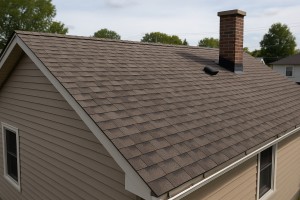
- Asphalt shingles are by far the most common residential material, and our claim assistance focuses on how damage affects coverage, replacement options, and color matching.
- What the service looks for:
- Damage indicators: hail dents, curling edges, missing tabs, granule loss, and exposed underlayment.
- Age and warranty: how long the shingles have survived, and whether wear affects eligibility for replacement versus repair.
- Material-specific notes:
- Architectural (dimensional) shingles look different from 3-tab shingles; your claim should specify the exact type to ensure proper replacement.
- Color match matters for aesthetics; inspectors may accept a close-match if exact shade is no longer available.
- Underlayment compatibility: insurance often requires replacement of the underlayment or ice/water shield if the roof deck is exposed.
- Steps to help your claim (example):
1) Photograph hail impact patterns and curling from multiple angles.
2) Gather product wattle: shingle type, batch, and color.
3) Obtain quotes from contractors experienced with asphalt systems and insurance claims.
4) Review the adjuster's scope to ensure deck, underlayment, flashing, and sealants are covered.
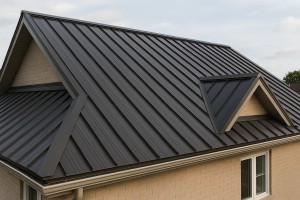
- Metal roofs present different claim dynamics due to panel types and fasteners; our service helps align the adjuster's scope with metal-specific needs.
- What the service looks for:
- Damage indicators: denting on panels, punctures, loose or damaged flashing, corrosion, and loose fasteners.
- Seams and flashings: wind uplift can compromise standing-seam or exposed-fastener installations.
- Material-specific notes:
- Panel styles vary: standing seam, corrugated, and tile-look metals each have unique installation details that affect cost and coverage.
- Longevity and warranties: metal roofs often outlive asphalt, so insurers may evaluate whether to repair or replace with a like-for-like material.
- Fire resistance and energy benefits: some policies reward upgraded coatings or reflective finishes.
- Steps to help your claim:
1) Document the condition of panels, seams, and flashing with close-ups.
2) Note panel type and gauge if available from the installer or manufacturer.
3) Request a replacement with the same material and profile to avoid mismatches.
4) Ensure underlayment and flashing are included in the scope if the deck is compromised.
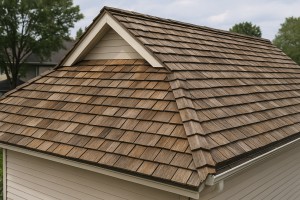
- Wood shingles/shakes bring unique fire, moisture, and warranty considerations that our claim service addresses directly.
- What the service looks for:
- Damage indicators: cupping, cracking, splitting, rot, and insect damage; moisture intrusion near penetrations.
- Maintenance history: coating or preservative treatments and recent re-sealing.
- Material-specific notes:
- Species and treatment affect durability and fire rating; some policies require Class A fire-rated assemblies.
- Weight and ventilation: wood can be heavy and may require structural checks or upgraded underlayment.
- Replacement options: sometimes matching with new wood is challenging; alternatives may be considered with proper approval.
- Steps to help your claim:
1) Photograph affected areas and show any gaps around flashing.
2) Confirm wood species, treatment, and decades of service.
3) Obtain multiple bids from specialists in wood roofing and insurance claims.
4) Verify that termite/rot remediation is included if found.

- Tile roofs demand attention to weight, wind resistance, and structure; our service coordinates these factors with the claim.
- What the service looks for:
- Damage indicators: broken or cracked tiles, loose fasteners, displaced tiles, and exposed underlayment.
- Substructure quality: framing and deck integrity, especially after heavy storms or seismic events.
- Material-specific notes:
- Weight considerations: tile roofs require a sturdy structure; upgrades may trigger structural reinforcement costs.
- Matching and repair: broken tiles are often replaced with the same or compatible production run; color and finish may influence scope.
- Underlayment and flashing: very important to prevent leaks at hips, ridges, and valleys.
- Steps to help your claim:
1) Photograph both the intact and broken tiles, including surrounding deck condition.
2) Note tile type (clay vs concrete) and approximate weight class.
3) Get bids from tile specialists who understand insurance constraints.
4) Confirm whether a retrofit or full re-roof is recommended by the contractor.
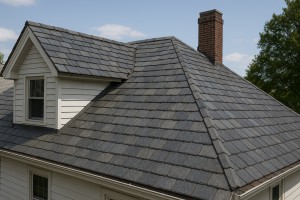
- Slate offers long life but significant repair costs; our service ensures claims reflect the material's specialty needs.
- What the service looks for:
- Damage indicators: crackled or broken slates, loose fasteners, and gaps at valleys.
- Breakage patterns: slate breaks along natural seams; replacement can be labor-intensive.
- Material-specific notes:
- Weight and installation: slate is very heavy and requires a capable structure; claim scope should verify structural support.
- Rarity and matching: finding exact slate profiles can be difficult; insurers may approve close matches or whole-roof replacement when matching is impractical.
- Professional handling: slate requires skilled installers to avoid further damage.
- Steps to help your claim:
1) Capture large-scale and close-up slate damage; map affected area.
2) Record slate type (natural vs synthetic) and thickness.
3) Obtain evaluations from slate-certified roofers.
4) Ensure removal and disposal are included if many tiles must be replaced.
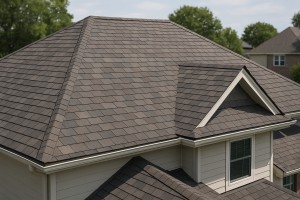
- Composite or synthetic shingles imitate traditional materials but behave differently in claims; our service clarifies coverage and compatibility.
- What the service looks for:
- Damage indicators: hail dents, punctures, or delamination of synthetic layers.
- Compatibility: confirm adhesive systems and venting align with policy requirements.
- Material-specific notes:
- Warranty alignment: many composites carry manufacturer warranties; claims should preserve eligibility and transferability.
- Color and texture: synthetic products offer wide color options; ensure color consistency with existing or matched alternatives.
- Installation nuances: fastener types and underlayment compatibility can affect coverage and replacement costs.
- Steps to help your claim:
1) Photograph damaged sections and check fastener patterns.
2) Gather product data: brand, model, and warranty terms.
3) Compare bids from installers experienced with synthetic products and insurance claims.
4) Verify that flashing, underlayment, and deck protection are included in the scope.
Understanding the Cost of Insurance Claim Assistance Services
Typical cost structures
- Contingency-based fees: The most common setup. You pay a percentage of the final claim settlement to the claim assistance provider. Typical ranges are 5-15% for straightforward residential claims and 10-20% for more complex or larger claims.
- Flat fees: Some providers offer a flat, upfront fee for specific services (e.g., initial file review, scope development, or documentation preparation). Flat fees can range from a few hundred dollars to a couple thousand, depending on scope.
- Hourly rates: A few firms bill by the hour (useful if your claim is small or you want limited involvement). Rates generally run from about $75-$150 per hour for basic work, and $150-$300+ per hour for senior adjusters or specialized engineers.
- Retainers or blended plans: Some providers require a retainer or mix a small retainer with an ongoing contingency fee. Retainers commonly fall in the $500-$2,000 range.
- State rules and caps: Fees and allowed structures vary by state and by claim type. Some states cap contingency fees or regulate disclosure requirements, so check local regulations and disclosures.
Typical average costs
- Overall expectation: Most residential claim assistance services fall in about 8-15% of the final settlement, with 10% being a common middle ground.
- By settlement size (illustrative ranges):
- Small settlements ($5,000–$20,000): roughly $500–$3,000 in fees (at 10% or under, or via flat/hourly arrangements for limited scope).
- Moderate settlements ($20,000–$60,000): roughly $2,000–$9,000 in fees.
- Large settlements ($60,000+): roughly $6,000–$20,000+ in fees (contingency or blended structures, higher complexity or multiple aspects).
- Practical takeaway: a higher settlement value often means higher absolute fees, but the percentage can stay within a familiar range. Always confirm whether the quoted amount is a percentage of the approved final payout or a fixed flat/hourly rate.
Cost considerations that may lower costs
- Clear scope and documentation: Providing complete photos, invoices, and repair estimates up front can reduce the hours needed for review and scope development.
- Flat-fee options for simple claims: If your claim is straightforward (single issue, residential roof only), a flat fee may be cheaper than a percentage.
- Shop around: Getting quotes from 2–3 providers helps you compare structures and avoid overpaying on contingency fees.
- Self-guided prep with professional oversight: Do the legwork on gathering documents, then use a lower-cost service for filing and negotiation.
- State licensing and disclosure checks: Working with licensed professionals can prevent unnecessary work and fees due to errors.
Cost considerations that may raise costs
- Complex or multi-peril claims: When a claim covers roof plus interior damage, multiple structures, or additional perils (wind, hail, water intrusion), expect higher fees due to more extensive documentation and negotiation.
- Large settlements or protracted negotiations: Longer timelines, expert reviews, and more field inspections can push costs upward.
- Engineering, appraisals, or forensic work: If you need independent engineering reports, mold assessments, or specialized evaluations, those costs may be passed through or folded into the contingency.
- Delay or disputes with the insurer: If insurers require repeated inspections, additional audits, or prolonged back-and-forth, the service time and fees can grow.
- Premiums or commissions on fixtures: Some providers add ancillary charges for additional services (e.g., expedited timelines, special engineering, or expedited re-inspections).
Quick budgeting steps (do this to estimate costs)
1. Get 2–3 written fee quotes with clear fee structures (contingency vs. flat vs. hourly).
2. Ask how fees are calculated on a settled amount and whether there are caps or minimums.
3. Request a sample or hypothetical breakdown tied to a plausible settlement amount.
4. Confirm what happens if the claim is denied or reduced—how fees are adjusted.
5. Verify licensing, guarantees, and any audit rights on the final payout.
What is typically included in the cost
- File review and initial assessment
- Documentation gathering guidance and help
- Scope development and repair estimate review
- Filing and communicating with the insurer
- Negotiation with the insurer for a fair settlement
- Interim inspections, supplementary photos, and engineering or expert input as needed
- Final settlement review and post-settlement support
How to evaluate a quote
- Compare total estimated fees as a percentage of expected settlement and any flat/hourly components.
- Check for caps, minimums, and what is included or excluded.
- Confirm licensing and state regulatory compliance.
- Ask about refunds or adjustments if the claim is delayed, denied, or reduced.
How Our Insurance Claim Process Works
Step 1: Intake, Eligibility, and Scheduling
- We start with a quick intake to confirm basic policy details, roof type, and damage symptoms you're seeing.
- We verify whether a claim is appropriate under your policy and note any deadlines or special filing requirements.
- You'll receive a clear outline of what information to gather (policy number, recent photos, a brief damage description) and how the next steps unfold.
Step 2: Documentation and On-site Assessment
- We conduct a thorough inspection of the roof and related areas (attic, ceilings, and exterior walls) to identify all damage, including hidden issues.
- High-resolution photos, diagrams, and measurements are captured from multiple angles to create a complete picture.
- We assess storm cause, potential code upgrades, and temporary protections needed to prevent further damage.
Step 3: Build Your Complete Claim Package
- We prepare an itemized estimate for repairs or replacement, aligned with local market rates and current material costs.
- The claim package includes scope of work, photos, damage chronology, and any supporting documentation the adjuster will expect.
- We flag any potential gaps or missing items early to prevent delays during review.
Step 4: Submit the Claim and Coordinate with the Adjuster
- We file the claim with your insurer and secure a claim number for tracking.
- We serve as your primary liaison, responding to adjuster questions, supplying additional documents, and coordinating the inspection timeline.
- We keep notes of conversations and ensure the adjuster has the information needed to evaluate the scope accurately.
Step 5: Review, Negotiation, and Settlement
- We compare the insurer's initial offer to our detailed, line-by-line estimate.
- If there are gaps in scope, pricing, or code requirements, we present evidence and negotiate for a fair, complete settlement.
- We translate insurance jargon into plain terms and help you understand what the settlement covers and any potential out-of-pocket costs.
Step 6: Change Orders, Supplemental Claims, and Permits
- If new damage is found during the process, we file supplements promptly so you're not paying out-of-pocket for uncovered items.
- We handle permit coordination and any required code upgrades, keeping you informed about timelines and costs.
- All change orders are documented with clear cost implications and approved before work begins.
Step 7: Payment, Scheduling, and Restoration
- After you sign the settlement release, we authorize repairs to begin and coordinate material orders and trades.
- We schedule the project with a focus on safety, quality, and minimal disruption to your home life.
- Throughout restoration, we conduct quality checks, manage debris removal, and perform a final walkthrough to confirm satisfaction.
- You receive a final bill, warranty details, and a summary of what was completed.
Residential and Commercial Considerations for Insurance Claim Assistance
Residential vs Commercial Considerations of Insurance Claim Assistance Services
Residential claims are typically smaller in scale and centered on the dwelling, roof, gutters, and exterior finishes. Commercial claims involve larger roof areas, multiple sections, and building systems, often with tenants, leases, and stricter regulatory expectations.
- Scope and complexity
- Residential: single property, fewer moving parts, quicker scope development.
- Commercial: multi-tenant or multi-structure, diversified systems, complex schedules.
- Codes, permits, and approvals
- Residential: standard residential codes and simpler permit cycles.
- Commercial: multiple code authorities, plan reviews, and potential life-safety requirements.
- Documentation and measurements
- Residential: clear photo sets, simple roofing diagrams, basic materials lists.
- Commercial: roof inventories, elevation drawings, equipment lists, and detailed cost breakdowns.
- Timeline and sequencing
- Residential: shorter timelines, fewer contractors to coordinate.
- Commercial: longer projects, phased repairs, temporary protections, and business interruption considerations.
- Insurer coordination
- Residential: one point of contact, straightforward adjuster meetings.
- Commercial: ongoing coordination among property managers, tenants, lenders, and adjusters.
Step-by-Step: Practical Approaches by Type
Residential claims (quick-start guide)
1. Photograph and document damage from multiple angles; note weather-related cause when possible.
2. Gather policy declarations, endorsements, and any relevant riders (wind, hail, or aging-roof endorsements).
3. File the claim and request an adjuster visit; keep a daily log of communications.
4. Bring in a roofing claims professional to help translate scope into a fair estimate.
5. Review the settlement thoroughly and schedule repairs with licensed contractors.
Commercial claims (structured approach)
1. Appoint a project manager or facilities lead and collect building plans, roof drawings, and tenant schedules.
2. Create a detailed scope of work, including HVAC, membrane systems, parapets, and drainage, with a cost estimate.
3. Coordinate with the insurer, property manager, tenants, and any lenders; establish a timeline that minimizes downtime.
4. Document business interruption, temporary relocation needs, and any wage or revenue impacts.
5. Review the settlement, verify code compliance, and oversee phased repairs and inspections.
Documentation and Compliance Nuances
- Photos, measurements, and a dated damage timeline.
- Policy documents, endorsements, and any applicable riders (like wind/hail or depreciation waivers).
- Permits, inspection reports, and AHJ communications; for commercial, include plan reviews and approved drawings.
- Codes and standards updates; account for any required upgrades (e.g., underlayment, venting, or seismic considerations).
- Depreciation recovery and replacement-cost coverage specifics; confirm timelines for reimbursement.
Scope, Oversight, and Quality Assurance
- Residential: focus on restoring dwelling integrity, cosmetic repairs, and warranty-backed materials.
- Commercial: emphasize long-term performance, roof system longevity, and compliance with leasehold improvements or tenant improvements (TI).
Practical Tips for Homeowners and Facility Managers
- Start early: gather documents digitally, label files clearly, and keep a single claim directory.
- Request a dedicated claim adjuster or a claims liaison to avoid miscommunications.
- Don't authorize permanent repairs until the claim settlement is clear and approved.
- Work with licensed roofers who understand insurance procedures and have a track record with claims.
- Track everything: photos, invoices, change orders, and correspondence for easy reference during settlements.
How Insurance Claim Assistance Services Vary by Location
Regional regulatory landscape and insurer policies
Insurance claim assistance is not one-size-fits-all. State laws and regional insurer guidelines shape what a claim helper can do, who must be licensed, and how negotiations unfold. In some states, licensed public adjusters handle negotiation and settlement; in others, a homeowner advocate can assemble documentation and submit claims without representing you in disputes. Fee structures and disclosures also vary, with caps or bans on contingency fees in certain places.
- Licensing and roles: which professionals can negotiate on your behalf and what disclosures are required.
- Fees and disclosures: whether contingency-based pricing is allowed, capped, or restricted.
- Access to insurer portals and forms: whether a third party can sign, submit, or view claim details.
State and local licensing requirements affecting claim services
Beyond state rules, counties and municipalities may add layers of regulation for contractors and adjusters involved in roof claims. Verifying credentials locally helps prevent gaps in coverage or disputes later.
- Local contractor licensing tied to roof work and claim handling.
- Bonding, insurance, and consumer-protection requirements for service providers.
- Local dispute resolution options and timelines for filing complaints.
Climate, codes, and common claim types by region
Where you live largely drives the kinds of damage you're most at risk for and how repairs must be performed.
- Common regional claim types: Northeast (ice dams, freeze-thaw damage), Southeast (wind, moisture intrusion, rain leakage), Midwest (hail, strong winds), West (wildfire exposure, seismic considerations in some areas), Southwest (heat-related wear and occasional wind damage).
- Building codes and code compliance: wind uplift rules, fire-rated assemblies, insulation and ventilation standards, which influence scope, costs, and required inspections.
- Material availability and local practices: shingles, metal, clay tile, or composite roofing choices vary by region and affect replacement costs and coverage expectations.
Regional service delivery considerations
The way we deliver claim assistance can look different from coast to coast due to weather patterns, contractor availability, and permitting realities.
1) Intake and scope alignment: expectations are set with regional damage profiles in mind.
2) Documentation collection: region-specific forms, inspection checklists, and code references are used.
3) Coordination with insurers and adjusters: communication cadence and negotiation tactics adapt to local insurer culture.
4) Scheduling and permitting: local permits, permit turnaround times, and HOA or utility coordination are factored in.
How this service varies in different regions in the United States
- Northeast and Mid-Atlantic: strict licensing requirements in some states, frequent winter-related damage, and higher emphasis on ice-dam and roof deck inspections. Delays can arise from winter weather and strict code interpretations.
- Southeast and Gulf Coast: hurricane season and flood considerations drive surge-damage claims, flood insurance involvement, and faster-track mitigation requirements. NFIP interactions and mold remediation expectations are common.
- Midwest and Great Plains: hail and wind are prevalent; rapid cycles of moisture and freeze-thaw affect roofing timelines. Short windows for inspections after storms and high demand for quick, compliant repairs are typical.
- West and Mountain States: wildfire risk, seismic considerations in places like California, and water-damage concerns from intense rain events. Permitting can be more complex, and material availability (tiles, metal, membranes) varies by locale.
- Pacific Northwest: heavy rainfall and humidity elevate moisture-control awareness, mold considerations, and longer inspection or remediation timelines. Local climate science informs dehumidification and drying protocols.
- How this service varies in different regions in the United States
