Ultimate Guide to Roof Replacement Services
Last updated: Feb 28, 2026
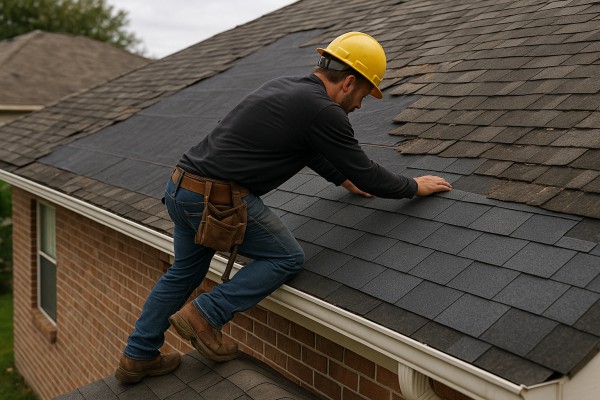
Introduction to Roof Replacement Services
Is a full replacement right for you?
- Visible wear: curling, cupping, missing shingles, or a roof that looks aged beyond its expected life.
- Leaks and interior damage: water stains, warped ceilings, or recurrent repairs.
- Energy concerns: rising heating/cooling costs or poor attic ventilation signaling inefficiency.
- Structural questions: sagging roof lines or damaged decking after storms.
- Insurance or code upgrades: new requirements that warrant replacing underlayment, flashing, and ventilation.
A full replacement is a big project, but it can restore protection, curb appeal, and long-term value. It's also an opportunity to upgrade materials, improve ventilation, and address issues that a repair alone can't fix.
The replacement journey: step by step
1. Inspect and plan: a contractor performs a thorough roof inspection, notes damage, and discusses material options, color, and wind/leaf-load considerations.
2. Permits and scheduling: if required, permits are pulled, timelines are set, and a clear phased plan is shared.
3. Material selection and order: chosen roofing system is ordered, along with underlayment, flashing, and ventilation components.
4. Removal and decking evaluation: old shingles come off; the decking is checked for rot or damage and repaired as needed.
5. Install underlayment, ventilation, and flashing: a proper barrier is installed, roof vents are tuned for air flow, and flashing around chimneys, skylights, and valleys is secured.
6. Roofing installation and finishing: the new material goes on in the recommended pattern, with fasteners and seals checked for integrity; final touches and roof edge detailing are completed.
7. Cleanup and final inspection: debris is removed, gutters cleaned, and a final walkthrough confirms workmanship and warranty documentation.
Materials and options
- Asphalt shingles: most affordable and versatile; good for many climates; easy to customize colors.
- Architectural (laminated) shingles: thicker, more dimensional look, with improved wind resistance and lifespan.
- Metal roofing: durable, lightweight, fire-resistant, and energy-efficient; great for modern or long-term performance.
- Clay or concrete tiles: distinctive appearance with excellent longevity; heavier and require sturdy support.
- Wood shingles/shakes: natural aesthetic; higher maintenance and fire rating considerations.
- Slate: premium, extremely durable, and long-lasting; heavier and costly with specialized installation.
Notes for choosing: climate, attic ventilation, roof slope, house design, and structural support influence which option makes sense. A trusted pro will help you balance cost, durability, and curb appeal.
Finding the right contractor
- Verify licenses and insurance; confirm scope coverage and worker protections.
- Request a written, itemized estimate with material specs, removal, and disposal details.
- Check references and recent project photos; ask about storm-season scheduling and timeliness.
- Ensure a clear warranty plan: material warranty, workmanship warranty, and what they cover.
- Review project communication: point of contact, progress updates, and how changes are handled.
Costs, timing, and warranties
- Cost varies by material, roof size, pitch, and debris disposal needs.
- Asphalt shingles: a common starting point; typically lower upfront cost.
- Metal roofing: higher upfront but longer life and potential energy savings.
- Tile or slate: premium options with longer lifespans and structural considerations.
- Timelines depend on roof size and weather; many residential replacements take a few days to a couple of weeks.
- Warranties: look for a robust material warranty (often 20–50 years for many products) and a workmanship warranty (commonly 5–10 years). Some manufacturers require professional installation to honor warranties.
Aftercare and warranties
- Schedule a post-install inspection to verify flashing, ventilation, and drainage details are correct.
- Maintain gutters and clear debris to prevent water back-up near the roof edge.
- Follow manufacturer guidelines for any required maintenance to keep warranties valid.
- Be aware of seasonal checks: after major storms, a quick roof check can catch issues early and protect interior spaces.
Roof Replacement Services: What They Include
Comprehensive definition
A full roof replacement replaces the entire roof system from the outer covering down to the roof deck. It's more than just installing new shingles—it's a complete refresh that protects your home for decades. In practice, it means removing the existing roofing material and any failed underlayment, inspecting and repairing or replacing damaged decking and structural components, installing new underlayment, adding proper flashing around penetrations and edges, and laying a new roof covering with correct ventilation and edge details. A complete replacement also considers attic ventilation, chimney or dormer flashings, and a thorough clean-up and final inspection.
- Remove old roofing down to the deck.
- Inspect and repair or replace damaged deck, sheathing, and fascia.
- Install new underlayment (synthetic or felt) suited to your climate.
- Add or optimize roof ventilation to balance intake and exhaust.
- Install flashing around chimneys, skylights, dormers, and valleys.
- Install the chosen roof covering (asphalt shingles, metal, tile, or slate).
- Install drip edge and ensure proper gutter integration if included.
- Final inspection and debris removal.
When it's typically needed
A roof replacement is usually recommended when the current roof has reached the end of its lifespan or when damage is widespread enough that patches won't hold long-term. Common triggers include age, leaks, widespread curling or missing shingles, significant granule loss, hail damage, or moisture issues that affect decking.
- The roof is nearing or past its expected life.
- Recurrent leaks or multiple leak-prone areas.
- Extensive shingle deterioration, curling, or missing sections.
- Soft, rotten, or sagging decking.
- Poor insulation or energy performance due to aging materials.
What's included in a typical service package
A standard replacement package covers planning, protections, and execution from start to finish.
- Pre-installation assessment and written scope of work.
- Permits, scheduling, and communication with you.
- Tear-off of old roof and proper disposal.
- Site protection, moveable debris containment, and daily cleanup.
- Deck and flashing inspection with repairs as needed.
- Installation of new underlayment, ventilation, and flashing.
- Roof covering installation, edge detailing, and warranty information.
- Final inspection, punch list, and warranty documentation.
Step-by-step process homeowners can expect
A clear sequence helps you plan and ask smart questions.
1. Initial assessment and written proposal.
2. Permits secured and project timeline mapped out.
3. Roof tear-off, debris removal, and decking inspection.
4. Underlayment, ventilation, and flashing installation.
5. Primary roof covering installation and edge details.
6. Final inspection, clean-up, and warranty verification.
Materials and options
Choosing your materials affects durability, appearance, and cost. Discuss options with your roofer to match climate and style.
- Asphalt shingles: standard 3-tab or architectural/dimensional shingles.
- Metal roofing: steel, aluminum, or copper with long life and high durability.
- Tile options: clay or concrete for Mediterranean or modern looks.
- Slate: natural or faux options for long-lasting beauty.
- Underlayment: traditional felt or modern synthetic membranes; ice-and-water shield in vulnerable areas.
- Ventilation: ridge vents, soffit vents, or powered options as needed.
- Color, texture, and warranty terms: manufacturer warranties, workmanship warranties, and maintenance plans.
Warranties and permits
Understanding protections helps you plan for long-term peace of mind.
- Manufacturer warranties typically cover materials; some offer transferable coverage.
- Labor warranties vary by contractor and region; clarify duration and coverage.
- Permits are usually required; your roofer handles the submission and inspections.
- HOA or community guidelines may affect color or material choices.
When You Need Roof Replacement Services
Signs this service is needed
- Age and wear: roofs have a limited lifespan. Asphalt shingles often last 20–25 years; architectural shingles 25–30; metal or tile can push 40+ with proper maintenance. If your roof is nearing or past its expected life, replacement becomes more likely.
- Widespread shingle damage: curling, cupping, cracking, or missing shingles across large areas rather than isolated spots.
- Frequent leaks: any active leaks or multiple leaks after storms, even after repairs, suggest the roof structure may be failing.
- Granule loss: excessive granules in gutters or downspouts, or bald spots on shingles, mean protection is deteriorating.
- Interior signs: water stains, damp spots, or mold on ceilings and walls below the roof line.
- Sagging or drooping: a noticeable sag in the roof deck or ceiling indicates structural problems that often require replacement.
- Daylight in the attic: seeing light through the roof boards or flashing gaps from inside the attic is a red flag.
- Moss, algae, or rot creeping in: growth coupled with soft spots or crumbly areas points to moisture damage.
- Storm or hail damage: severe impact marks, dented flashing, or widespread shingle damage after a major event can warrant replacement.
- Energy concerns: persistent drafts or unusually high heating/cooling bills may reveal compromised insulation and ventilation tied to roof issues.
Ways you can confirm yourself as a homeowner
- Ground-level visual check:
- Look for curled, missing, cracked, or significantly faded shingles.
- Note any sections that look darker (moist) or stained.
- Check gutters for a heavy accumulation of shingle granules.
- Attic inspection (when safe to access):
- Look for daylight peeking through roof boards.
- Check for moisture stains, mold, or damp insulation.
- Listen for unusual drafts or creaks that could indicate structural problems.
- Exterior cues:
- Inspect around chimneys, vents, and flashing for gaps, rust, or corrosion.
- Observe any soft, sunken, or warped areas on the roof surface.
- Documentation and timing:
- Compare current signs with the roof's age and prior maintenance history.
- Take clear photos with dates to track progression.
- Safe practices:
- Avoid climbing onto a steep or damaged roof. Use binoculars or a reputable contractor's inspection, and have someone with you if you must go up.
- If you're unsure, treat any doubt as a signal to call a pro for a thorough assessment.
When to get a professional assessment
- Trigger events:
- You notice active leaks, widespread damage after storms, or visible sagging.
- Your roof is older than its expected lifespan and shows multiple signs listed above.
- You're unsure about the extent of damage or whether you should repair or replace.
- What to expect from the assessment:
1) A comprehensive walk‑around and from the attic.
2) Evaluation of shingles, underlayment, decking, flashing, and ventilation.
3) Assessment of structural integrity and attic insulation/moisture.
4) Documentation of findings with photos and measurements.
5) A clear recommendation: repair vs. replacement, approximate costs, and timelines.
- Next steps for homeowners:
- Request written quotes from qualified roofers.
- Check licenses, insurance, warranties, and references.
- Compare material options (shingle types, underlayment, ventilation) and long-term costs.
- Consider insurance claims if storm or hail damage is involved, and ask the contractor for guidance on documentation.
What's Included in Roof Replacement Services
What's typically included
- Site protection and safety: setup of fall protection, tarps, and plywood to shield landscaping, sidewalks, and delicate surfaces; daily housekeeping to keep debris contained.
- Removal and disposal of old roof: complete removal of existing roofing material down to the deck, with debris containment and responsible disposal or recycling as allowed.
- Deck inspection and minor repairs: professional evaluation of the roof deck; replacement of severely rotten or damaged decking as needed, with scope defined in the contract.
- Underlayment installation: installation of synthetic underlayment or felt to create a moisture barrier below the new roof covering.
- New roof covering: installation of the selected roofing material (asphalt shingles, metal panels, clay/concrete tile, etc.) installed per manufacturer specs.
- Flashing replacement: replacement of step and valley flashing, chimney and vent flashing to prevent leaks.
- Ventilation and attic balance: installation or upgrade of attic ventilation components (soffit, ridge, or turbine vents) to promote airflow and reduce heat and moisture buildup.
- Ice/water shield where required: placement of an ice and water shield on eaves and vulnerable areas to reduce ice dam risks in cold climates.
- Drip edge and edge metal: installation of drip edges along eaves and rake edges to direct water away from the fascia.
- Roof penetrations and seals: resealing or re-flashing vent pipes, plumbing stacks, and exhaust vents to maintain a watertight envelope.
- Fasteners, sealants, and accessories: rust-resistant nails or screws, sealants, and hardware needed for a secure, long-lasting install.
- Starter course and ridge caps: proper starter strips and ridge/hip caps to ensure clean edges and weather-tight seams.
- Attic and ventilation assessment: evaluation of existing vents and insulation; suggestions for improvements if needed, with contractor guidance on options.
- Clean-up and debris removal: thorough site clean-up during and after installation; protection of landscaping and driveways; final debris haul-away.
- Warranty and documentation: manufacturer warranties on materials and, where offered, a workmanship or labor warranty; transfer of warranty information to you and documentation of the project.
- Permits and scheduling support: coordination of required permits and inspection windows; in many markets, permit handling is included or clearly itemized in the contract.
What's not typically included
- Major structural repairs beyond decking: extensive framing, beam repair, or roof-support work outside the defined scope.
- Interior repairs caused by leaks: drywall, insulation, painting, or ceiling repair inside walls or rooms.
- Mold or asbestos remediation: remediation services are not included unless specifically contracted and scoped.
- Major chimney or masonry work: rebuilding or repointing masonry, chimneys, or stonework beyond standard flashing is typically separate.
- Skylights or solar installations: installation or removal of skylights, solar panels, or solar-related components is usually an add-on or handled by a separate contractor.
- Gutters and downspouts replacement unless specified: gutter replacement or relocation may be included in some bids, but is often priced separately.
- Cosmetic exterior work: siding repairs, fascia replacement beyond the roof line, or repainting surrounding structures.
- Landscaping or hardscape damage repair: compensation for any damage to lawn, shrubs, or driveways caused by the project is not guaranteed unless covered by a specific damage protection plan.
- Premium upgrades not in the base contract: optional add-ons such as upgraded underlayment, extra insulation, or advanced ventilation systems may require a separate line item.
Common Roofing Materials Used in Roof Replacement Services
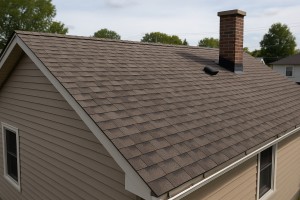
- What they are: A flexible, affordable option made from asphalt with fiberglass or organic mat. Most replacements use 3-tab or architectural (dimensional) shingles.
- How this service relates: Replacing like-for-like is common, but you may upgrade to architectural for better curb appeal and longevity. The contractor will inspect the deck, remove old shingles, replace damaged underlayment, and install a compatible starter strip, underlayment, and new shingles in the correct pattern.
- Material-specific considerations:
- Lifespan: 15–30 years depending on quality, climate, and maintenance.
- Pitch and underlayment: Works on a wide range of roof pitches, but very low slopes may require additional flashing or a synthetic underlayment.
- Ice/damage protection: In colder regions, ice and water shield at eaves and valleys is standard to prevent water intrusion.
- Weight and wind: Lightweight relative to tiles; wind ratings vary by shingle type and nailing pattern.
- Pros/Cons:
- Pros: Budget-friendly, easy to install/repair, wide color options.
- Cons: Moderate lifespan, more maintenance over time, color fading with sun exposure.
- Steps to plan a replacement with asphalt shingles:
1) Confirm roof deck is sound or repair/replace damaged sections.
2) Choose shingle type (3-tab vs architectural) and color.
3) Verify underlayment, flashing, and proper attic ventilation.
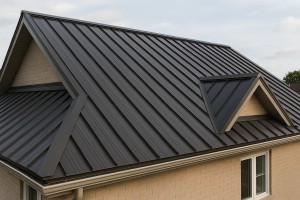
- What they are: Steel, aluminum, or copper panels or shingles; can be standing-seam or corrugated styles.
- How this service relates: Replacement often involves a full deck inspection and may require replacing or upgrading gutters, ventilation, and flashing to accommodate metal panels' fasteners and expansion. Substructure checks are common because metal is lighter but can require precise installation.
- Material-specific considerations:
- Lifespan: 40–70+ years with minimal degradation.
- Weight and structure: Generally lighter than tiles or slate; still verify deck condition and load capacity.
- Energy and weather: Excellent hail resistance and energy efficiency; standing-seam minimizes leaks.
- Noise: May be louder in rain unless properly insulated.
- Pros/Cons:
- Pros: Longevity, durability, low maintenance, wide color range.
- Cons: Higher upfront cost, specialized installation, potential noise concerns.
- Steps to plan a replacement with metal:
1) Assess structural support and existing penetrations.
2) Decide on panel vs shingle style and color.
3) Plan for flashing, snow guards, and ventilation needs.
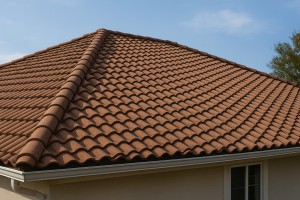
- What they are: Durable, weather-resistant tiles; clay is fired ceramic, concrete is cement-based.
- How this service relates: Tile roofs are heavy and require a structural assessment and sometimes retrofitting. Replacement often involves upgrading or replacing underlayment and battens, with precise tile layout and wind uplift considerations.
- Material-specific considerations:
- Lifespan: 50–100+ years for well-installed systems.
- Weight and structure: Requires solid roof framing; may demand reinforcement or a new deck.
- Maintenance: Ceramic and concrete can crack from impact; close inspection of damaged areas is essential.
- Pitch: Typically requires higher roof slopes to shed water efficiently.
- Pros/Cons:
- Pros: Distinctive look, excellent longevity, fire resistance.
- Cons: Heavy, expensive, potential for breakage during installation.
- Steps to plan a replacement with tile:
1) Confirm structural load capacity and potential reinforcement.
2) Choose tile type and pattern, plus compatible underlayment.
3) Schedule precise installation to prevent cracking and ensure proper venting.
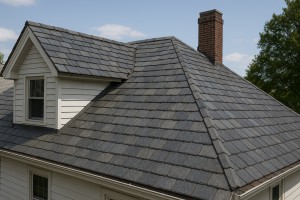
- What it is: Natural metamorphic rock formed into thin slates for roofing.
- How this service relates: Slate is expensive and requires an experienced, skilled crew. Replacement focuses on ensuring solid deck support and correct fastening to prevent slippage and cracking.
- Material-specific considerations:
- Lifespan: 75–200+ years with proper maintenance.
- Weight and framing: Very heavy; often requires structural upgrades or a purpose-built roof frame.
- Maintenance: Periodic inspection for loose or cracked slates; rare repairs but costly when needed.
- Pros/Cons:
- Pros: Exceptional longevity, classic look, high fire resistance.
- Cons: High cost, specialized installation, brittle during impact.
- Steps to plan a replacement with slate:
1) Obtain a structural engineer assessment if needed.
2) Select slate type and thickness; plan for soundproofing and underlayment.
3) Use a highly experienced slate roofer for accurate installation.
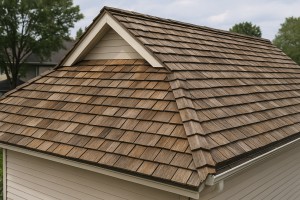
- What they are: Cedar or redwood panels cut into shingles or split into shakes for a rustic appearance.
- How this service relates: Replacement often requires addressing moisture management and decay in underlying decking. Enhancement with preservative treatments may be considered.
- Material-specific considerations:
- Lifespan: 20–40 years with maintenance; shorter in wet climates.
- Maintenance: Regular cleaning, staining or sealing, and termite prevention.
- Fire codes: Some areas require fire-retardant treatments or may restrict wood burns; check local codes.
- Pros/Cons:
- Pros: Natural beauty, good insulation, lighter than tile/slate.
- Cons: Higher maintenance, susceptibility to rot/termite damage, fire risk.
- Steps to plan a replacement with wood:
1) Inspect deck for rot and replace or repair sections.
2) Decide on treatment and coating schedule.
3) Ensure proper ventilation and moisture control.
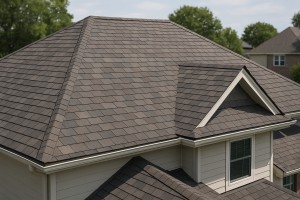
- What they are: Man-made materials designed to mimic asphalt, wood, or slate; often blend polymers and recycled contents.
- How this service relates: A flexible option that can replicate the look of more expensive materials with easier installation and sometimes longer warranties.
- Material-specific considerations:
- Lifespan: 30–50+ years, depending on product line.
- Weight and installation: Generally lighter and easier to install than natural slate or tile.
- Color and texture: Wide range; often fade resistance is built in.
- Pros/Cons:
- Pros: Durable, low maintenance, good for various climates.
- Cons: Can be pricier than asphalt, color matching across bundles matters.
- Steps to plan a replacement with synthetic shingles:
1) Match the look you want and verify warranty terms.
2) Confirm compatibility with existing flashings and underlayment.
3) Plan for color consistency across newly replaced sections.
Flat Roof Options (EPDM, TPO, PVC)
- What they are: Membrane systems designed for low-slope or flat roofs.
- How this service relates: Replacement focuses on seam integrity, edge detailing, and flashing transitions to walls and penetrations.
- Material-specific considerations:
- Lifespan: 15–30+ years depending on material and installation quality.
- Maintenance: Regular inspections for seam integrity and punctures; preventive ballast or reflective coatings may be used.
- Pros/Cons:
- Pros: Excellent waterproofing for flat roofs, energy efficient with white or reflective options.
- Cons: Patching and seam repairs can be more frequent if not installed properly; some materials are heat-sensitive.
- Steps to plan a replacement with flat roof membranes:
1) Inspect substrate for moisture and prior damage.
2) Choose membrane type based on climate and traffic.
3) Schedule proper seam sealing and edge detailing.
Understanding the Cost of Roof Replacement Services
Typical average costs for Roof Replacement Services
- Asphalt shingles (standard): Installed price roughly $5–$10 per square foot, including removal of the old roof. For a typical 2,000-square-foot home (about 18–22 squares), expect about $10,000–$22,000.
- Architectural shingles: Usually $6–$11 per square foot installed, totaling about $12,000–$22,000 for a 2,000-square-foot home.
- Metal roofing: Approximately $7–$14 per square foot installed, or roughly $14,000–$28,000 for a 2,000-square-foot home.
- Tile or slate: Often $12–$25 per square foot installed, putting a 2,000-square-foot roof in the range of $24,000–$50,000.
- Flat or low-slope roofs (EPDM, TPO, etc.): About $4–$9 per square foot, typically $8,000–$18,000 for a 2,000-square-foot area.
Note: costs assume full tear-off and disposal, new underlayment, flashing, and venting. If you only re-cover (no tear-off) in some cases, the price is lower, but not always recommended or allowed in all regions.
Common cost drivers
- Roof size and pitch: Larger roofs and steeper pitches require more material and labor.
- Material choice: Premium shingles, metal, tile, or slate add substantial cost versus basic asphalt.
- Tear-off vs. re-roof: Removing multiple old layers increases labor and disposal fees.
- Roof complexity: Dormers, skylights, chimneys, and irregular shapes raise labor time and waste.
- Deck condition: Rotten decking or structural repairs add to material and labor costs.
- Location and labor market: Urban areas and regions with higher wage standards raise prices.
- Permits, code upgrades, and warranties: Permit fees and code-required upgrades or longer warranties add value—and cost.
- Ventilation and insulation: Upgrades to soffit vents, ridge vents, or attic insulation can raise costs but improve long-term performance.
Cost-saving considerations (less expensive)
- Material choice: Opt for standard asphalt shingles instead of premium, architectural, or specialty options.
- Minimize tear-off: If your roof is a single layer and decking is solid, some projects qualify for tearing fewer layers (verify with a pro).
- Simple configuration: Fewer dormers, skylights, and chimneys reduce labor.
- Shop around: Get 3–5 written, itemized estimates to compare material, labor, and removal fees.
- Schedule timing: Off-peak seasons may bring more competitive bids; avoid urgent repairs that require expedited service.
- Bundle services: If you need gutter work or exterior painting, bundling with the roof project can save overall costs.
Cost-driving considerations (more expensive)
- Multiple layers to remove, rotten decking, or structural damage.
- High-plex roofs: very steep pitches or tall, hard-to-access structures require extra safety gear and labor.
- Premium materials or custom colors and patterns: Copper flashing, high-end shingles, or decorative accents increase cost.
- Extensive alterations: Adding insulation upgrades, improved ventilation, or reconfiguring attic space.
- Unforeseen repairs: Hidden leaks, mold, or water damage discovered during replacement.
- Permits and HOA approvals: Some jurisdictions require formal permits; HOA rules can add review costs.
- Weather and timing: Wet or windy conditions slow work, increasing labor time and potential delays.
Quick cost-clarification steps
1. Confirm whether the estimate includes tear-off and disposal or just a re-roof.
2. Ask for a fully itemized bid: materials, labor, underlayment, flashing, vents, and permit fees.
3. Verify decking condition and any anticipated repairs before the bid is finalized.
4. Consider the warranty terms: material and workmanship coverage, and what is excluded.
Practical steps to estimate for your home (3–5 steps)
1. Measure roof area (length × width, adjust for pitch). A contractor can translate this into squares for pricing.
2. Decide on material type, balancing cost, durability, and aesthetics.
3. Check for additional work (gutters, skylights, chimney flashing) you'd want included.
4. Get multiple written quotes with clear scopes and timelines.
5. Plan for contingencies (roughly 10–15% extra for unexpected repairs).
How the Roof Replacement Process Works
Step 1 — Schedule an On-Site Evaluation
- We start with a no-pressure visit to assess the current roof, attic ventilation, decking condition, and any leaks or patchy areas.
- We confirm goals, timing, and budget, and take measurements to inform the plan.
- You'll get a clear explanation of what needs to be done and a realistic timeline.
Step 2 — Custom Proposal and Material Selection
- We present an itemized proposal with options for shingle type, color, underlayment, and ventilation features.
- You'll learn about warranties (manufacturers and workmanship) and how they impact long-term protection.
- We help you choose materials that balance curb appeal, durability, and value.
Step 3 — Planning, Permits, and Preparation
- If a permit is required, we handle the paperwork and scheduling.
- We establish a start date, site safety plan, and protection for landscaping, gutters, and nearby structures.
- We coordinate waste containment and neighbor notifications to minimize disruption.
Step 4 — Tear-Off, Decking Inspection, and Repairs
- We safely remove old shingles and underlayment, exposing the decking.
- Any rotten or damaged decking is replaced to create a solid base for the new roof.
- We inspect and repair flashing, chimney or vent penetrations, and valley transitions as needed.
Step 5 — Weather Barrier and Roof Insulation
- A continuous weather barrier is installed to control air and moisture flow.
- In critical areas (eaves, valleys, and around penetrations), we add ice and water shield for extra protection.
- We ensure proper nailing patterns and ridge ventilation to support long-term performance.
Step 6 — Shingle Installation
- We install the starter course, followed by the main shingles, keeping lines straight and consistent.
- Flashings are integrated with the new roof, and vent and chimney connections are sealed cleanly.
- Ridge cap and any vents are completed to finish the primary roof surface.
Step 7 — Quality Checks, Cleanup, and Final Walkthrough
- Our crew inspects for correct nail placement, secure fasteners, and sealant integrity.
- We conduct a thorough cleanup, including magnetizing for stray nails.
- We walk the roof with you to confirm satisfaction and address any questions or concerns.
Step 8 — Warranty, Maintenance Guidance, and Follow-Up
- We explain warranty details and how to maximize longevity (timing of inspections, gutter maintenance, and debris removal).
- You receive care tips and a written record of the work completed.
- If you'd like, we schedule a follow-up check to verify performance after the first season.
Residential vs. Commercial Considerations for Roof Replacement
Project size and scope
- Residential roofs are usually smaller and simpler to access, often a single home with a pitched or hip roof. Typical crews are 3–8 workers.
- Commercial roofs cover larger areas, may be multi-story, and can involve complex penetrations for vents, pipes, and equipment. Crews are larger and schedule is tightly coordinated with building operations.
- Planning scope matters: a residential project may be completed in days; a large commercial replacement can stretch to weeks or months depending on permits, material availability, and site logistics.
Roof types, materials, and design
- Residential options center on shingles, synthetic shingles, metal roofing, slate, or cedar. Emphasis is on aesthetics, weather resistance, and attic ventilation.
- Commercial work often uses flat or low-slope membranes (TPO, EPDM, PVC) or built-up roofs with ballast or insulation. Drainage is engineered with scuppers, internal drains, and parapets. Fire ratings, wind uplift, and insulation continuity drive material choices.
- Underlayment and substrate considerations differ: residential decks require vented attics and moisture control; commercial decks prioritize membrane compatibility, curb details for rooftop equipment, and thermal bridging prevention.
Access, disruption, and safety
- In homes, the project disrupts daily living: noise, ladder traffic, dumpster placement, and limited access to garages or side yards. Scheduling often centers on family routines.
- In commercial sites, safety planning is critical for workers and building occupants. Expect temporary scaffolding, crane use, street closures or lane shifts, and coordination with tenants to minimize business interruption. Fall protection and fall-arrest systems are standard on commercial jobs.
- Containment is more stringent on commercial sites to prevent debris from entering HVAC intakes, neighboring properties, or public spaces.
Permits, codes, and inspections
- Residential projects typically require standard building permits and basic inspections. HOA rules may also apply.
- Commercial replacements involve more complex approval processes: fire ratings, wind uplift calculations, energy code compliance, drainage considerations, and often multiple inspections during different phases. Accessibility and life-safety codes may add requirements.
Warranties, maintenance, and life cycle
- Residential warranties usually cover the roof system and workmanship for 20–50 years, with separate shingle or material warranties from manufacturers.
- Commercial warranties can be more nuanced: membrane warranties, insulation checks, ventilation adequacy, and long-term maintenance agreements. Some buildings adopt proactive maintenance programs to extend life, manage leaks quickly, and preserve fire ratings.
- Maintenance needs differ: homes benefit from periodic inspections after severe weather; commercial properties often implement routine roof drain cleaning, membrane inspections, and parapet/flashings maintenance to prevent cumulative damage.
Costs, timeline, and budget drivers
- Residential projects are typically priced by square footage, material type, and roof complexity. Install timelines hinge on weather and material availability.
- Commercial bids factor in labor rates for larger crews, scaffoldings or cranes, material handling, and site logistics. The timeline is influenced by shutdowns, tenant coordination, and permit processing durations.
- Hidden issues (rotted decking, past repairs, or moisture infiltration) can extend both types of projects, but the financial impact is often greater on commercial sites due to scale and the need to keep building occupants informed and safe.
Structural considerations and existing conditions
- For homes, attic condition, ventilation, and existing decking influence material choice and underlayment needs.
- For commercial roofs, deck condition, insulation continuity, and the integration with mechanical equipment (rooftop units, exhausts) are central. Penetrations require careful detailing around curbs, flashings, and curbs for equipment.
Choosing the right contractor
1) Verify licensing, insurance, and safety programs for the project type.
2) Confirm experience with your roof style (shingle vs membrane, pitched vs flat).
3) Review the contractor's field safety plan, OSHA compliance, and site-specific safety measures.
4) Request written, itemized bids that detail materials, workmanship, and disposal.
5) Compare warranty terms, maintenance expectations, and post-installation support.
6) Check references and recent projects similar in scope.
7) Discuss access, containment, and coordination with occupants or tenants to minimize disruption.
How Roof Replacement Services Vary by Location
Regional climate and weather considerations
Weather drives material choices, installation methods, and timing. In hot, sunny regions, look for reflective shingles, proper ventilation, and radiant barriers to reduce cooling loads. In cold, snowy climates, prioritize ice-dam protection, strong underlayment, and attic insulation. In humid areas, choose breathable underlayment and rot-resistant decking to deter mold and mildew. In coastal or hurricane-prone zones, emphasis on wind uplift resistance and corrosion-resistant fasteners is key. In hail-prone zones, you may opt for impact-rated shingles and additional nail-down patterns.
Local codes, permitting, and inspections
Building codes and permitting vary by state, county, and even city. Some regions require energy-efficiency demonstrations or specific flashing details; others rely on standardized inspection checklists. HOA covenants can add rules about color, material, or roof pitch. Always confirm:
- Required permits and inspection steps.
- Local nail-down schedules or wind-resistance standards.
- HOA approval timelines and guidelines.
Material availability and pricing by region
Material availability and pricing aren't uniform. Availability, delivery times, and waste disposal can differ:
- Asphalt shingles are widely available, but premium cores or color options can vary.
- Clay or concrete tiles dominate in the Southwest; slate is common in the Northeast but adds cost.
- Metal roofing is popular in many regions for longevity but pricing fluctuates by supplier.
- Local weather patterns influence recommended materials (e.g., vented systems in humid regions, lighter-weight options in earthquake zones).
Pricing reflects not just material costs but regional freight and installer familiarity with regional products.
Local labor market and contractor familiarity
Contractors operating in a region tend to know the local climate challenges and building practices:
- Seasonal demand can affect scheduling and pricing.
- Local crews may be more adept at addressing regional issues like ice-damming, wind uplift, or moss control.
- Verify installer experience with the specific materials and regional codes you'll use.
Roofing styles and aesthetics by region
Regional aesthetics influence material choice and installation details:
- Northeast and Midwest: architectural shingles, slate, or cedar shakes are common; steeper pitches are frequent.
- Southeast: metal and tile options are popular for durability against humidity and storms.
- Southwest: clay or concrete tiles fit hot, dry climates and distinctive palettes.
- Pacific Northwest: cedar shakes and composite shakes respond to wet conditions and local look.
Choosing a roof that matches neighborhood character can streamline permit reviews and appraisals.
Warranties, insurance, and long-term maintenance considerations
Warranties are often nationwide, but coverage can hinge on installation quality and local climate stressors:
- Manufacturer warranties may require certain underlayment types or nailing patterns proven in your region.
- Roof insurance may have region-specific endorsements for wind, hail, or flood exposure.
- Maintenance expectations (gutter care, moss prevention, debris removal) differ with humidity, trees, and storms.
Practical planning steps by region
1. Identify climate-driven material options (reflective shingles, ice-d dam protection, or wind-rated systems).
2. Check local permits, HOA rules, and inspection schedules.
3. Confirm material availability and lead times with regional suppliers.
4. Hire a contractor who regularly works in your climate and understands local codes.
5. Plan timing around favorable weather windows and any region-specific warranty requirements.
