Ultimate Guide to Skylight Leaks
Last updated: Feb 28, 2026
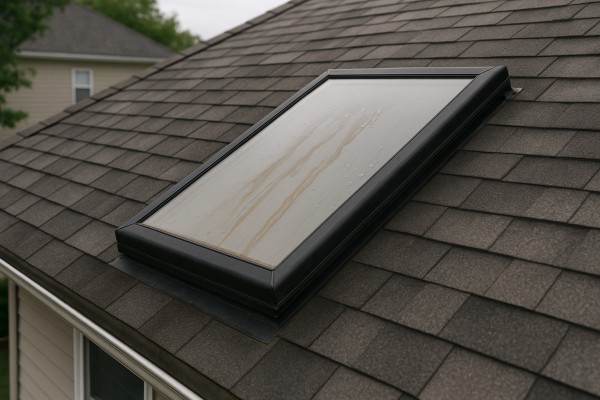
Introduction to Skylight Leaks
Skylights are a bright idea for boosting natural light and making rooms feel larger. But they sit at the intersection of roof, flashing, sealants, and interior finishes, so leaks happen. If you've spotted water staining around a skylight, a damp attic, or a drip on a sunny afternoon, you're not alone—this page is here to help you understand what's going on and what to do next.
What causes skylight leaks?
- Poor or damaged flashing around the skylight, especially after a windstorm or roof work
- Worn or failed seals around the glass or curb, allowing water to seep in between panes
- Condensation that forms when warm indoor air meets cold glass or attic surfaces
- Ice dams, snow buildup, or rain that overwhelms the skylight's drainage
- Roof age, pitch, or misaligned surroundings that direct water toward the unit
Is a skylight leak urgent?
- Active dripping onto living spaces is urgent—stop-gap measures and a quick assessment help prevent water damage
- Small, intermittent damp spots are common, especially after storms; they may indicate a slow leak or poor flashing
- Leaks can come from aging skylights (15–25 years is typical for many units) or from recent roof work nearby
Quick signs to look for
- Water stains, dark spots, or bubbling paint around the skylight interior
- Damp insulation, mold, or musty smells in the attic
- Condensation that leaves rings on interior framing after rain
- Visible daylight around the skylight from the attic or roof cove (which means flashing could be compromised)
High-level next steps
1) Do a safe check from inside and outside:
- Inside: note where the water appears and whether it's linked to specific weather
- Outside: inspect visible flashing near the skylight during daylight with a dry day in mind
2) Implement a temporary mitigation:
- Place a bucket under drips; cover the skylight with a temporary tarp if you can do so safely
- Clear any debris from the skylight curb that could trap water
3) Decide if you can address it yourself or need a pro:
- If you're comfortable, start with resealing or applying new flashing around an accessible skylight
- If you see structural damage, widespread roof issues, or the skylight is old, call a licensed roofer
4) Plan for a proper repair:
- Reflash or replace seals, re-seat the skylight, or install a new unit as needed
- Consider upgrading to a skylight with higher-grade flashing and better drainage
5) Consider insurance and warranties:
- Check if water damage is covered and whether your skylight warranty applies
Are Skylight Leaks an Emergency?
A skylight leak becomes an emergency when water intrusion is active, there's risk of electrical exposure, or the roof structure around the skylight is compromised. If you're seeing pools of water on the floor, ceiling sagging, or glass that's cracked or shattering, treat it as urgent. If you're unsure, err on the side of caution and assume it needs prompt attention.
Emergency decision guide
- Call a roofer immediately if
- water is actively dripping into living spaces, pooling on floors, or you notice structural signs (sagging framing, exposed gaps, or a skylight that's shifting).
- there's any sign of electrical exposure near the skylight, such as outlets or wiring getting damp.
- the storm is ongoing and the leak worsens with wind, rain, or hail; delaying could lead to more damage.
- Monitor if
- the leak is minor, intermittent, and you can safely observe from a dry area without risk of electricity or falls.
- weather is stable enough to watch from inside, and you can document changes without entering the attic or standing under a compromised skylight.
- Can wait if
- rain has stopped, the skylight isn't actively leaking, and you can schedule a repair during daylight within a few days.
- there are no signs of water entering the living space, the attic remains dry, and you can arrange service without exposing yourself to danger.
1. Protect valuables and flooring
- Move furniture and belongings away from the drip zone.
- Place towels, a bucket, or a plastic bin under the leak to minimize water damage.
2. Minimize electrical risk
- If water near outlets, switches, or fixtures, switch off power to that area at the circuit breaker. Do not touch wet electrical components.
3. Create a temporary barrier (if safe)
- From a dry area, you can place a plastic tarp or thick plastic sheeting over the skylight to reduce additional water entry during a storm. Do this only if you can do it without climbing on wet surfaces or compromising your safety.
4. Take documentation
- Photograph the leak, the surrounding ceiling, and any visible glass damage. This helps the roofer assess severity when they arrive.
5. Plan your repair window
- Note dates and times you're available for a repair visit, and gather any relevant warranty or previous repair information to share with the contractor.
What to tell a roofer when you call
- Describe the leak's behavior: when it started, whether it's continuous or intermittent, and if it changes with rain intensity or wind.
- Mention safety concerns: any visible electrical risk, ceiling sagging, or nearby outlets.
- Share photos and a quick layout of the skylight location (room name, approximate ceiling height, access points).
Non-emergency indicators to watch (for future reference)
- Small drips that only appear after heavy rain but don't enter living spaces
- No visible mold, no noticeable ceiling movement, and no electrical exposure
- Skylight glass intact with a well-sealed frame and no daylight visible around edges
Short explanation: why timing matters
Skylight leaks can escalate quickly in severe weather, leading to drywall swelling, wood rot, mold growth, and electrical hazards. A prompt assessment helps prevent costly damage and preserves your roof's waterproofing. If you're unsure about the severity, it's safer to act as if it's an emergency and contact a professional promptly.
Common Causes of Skylight Leaks
Aging seals and glazing
- Over time, the rubber gaskets around skylight panes dry out, crack, or shrink due to sun exposure and temperature swings.
- The glazing compound or sealant that bonds the skylight to the curb can crumble, allowing water to find small gaps.
- Poorly maintained caulk around the flashing base can fail, creating a water entry path even in light rain.
Faulty or damaged flashing
- Flashing around the skylight acts as the main water barrier. If it's cracked, lifted, or has gaps, rain can seep underneath.
- Improper installation or transitions where the skylight meets surrounding roof flashing can leave a seam vulnerable to leaks.
- Step flashing that doesn't wrap correctly onto the skylight curb or doesn't overlap with the roof flashing can trap water.
Damaged roof surface around skylight
- Shingles near the skylight can curl, crack, or come loose, exposing bare roof deck to water intrusion.
- Nails that hold shingles near the skylight can back out or protrude, creating tiny leaks that worsen over time.
- Debris or moss buildup around the skylight can trap moisture and direct it toward the curb.
Ice dams and wind-driven rain
- Ice dams on the lower roof edge can back water up under shingles and toward the skylight during freeze-thaw cycles.
- Strong winds can lift flashing or shingles near the skylight, creating openings for water to enter.
Condensation and interior moisture
- Warm, humid indoor air meeting a cold skylight surface can condense on the glass, creating a visible drip that isn't always a true roof leak.
- Poor attic ventilation around the skylight lets humid air stagnate, increasing condensation and potential mold growth.
Improper installation or remodel changes
- Skylight size or placement that doesn't match the opening can leave gaps or create poor drainage.
- After remodeling, added roof loads or altered flashing details can compromise the original waterproofing around the skylight.
- Using incompatible materials for flashing, sealants, or caulk can reduce durability and cause premature failure.
Clogged drainage around skylight
- Gutters or downspouts near the skylight that are blocked cause water to spill over and pool at the base.
- Curb surfaces and scuppers clogged with leaves or debris force water to seep into the flashing.
Hardware issues and penetrations
- Fasteners that secure the skylight or trim can corrode or back out, weakening the seal around openings.
- Missing or damaged interior trim and flashing tape around fasteners allows moisture intrusion behind the curb.
Quick on-roof check (readers' practical notes)
1. Look for visible cracks in seals and cracks in the glazing around the skylight.
2. Inspect the flashing at the skylight perimeter for cracks, gaps, or lifting.
3. Check shingles around the skylight for curling, cracking, or loose edges.
4. Clear gutters and verify downspouts drain properly away from the skylight.
5. Observe attic space for signs of condensation and ensure proper ventilation near the skylight.
Simple triggers to watch
- Recent heavy rain followed by a dry spell with damp ceiling spots.
- New roof work or flashing changes around the skylight.
- Seasonal cycles: spring thaws, freeze-thaw weather, or early winter ice formation.
Practical notes on addressing the causes
- If seals or glazing are aged, resealing or replacing the skylight unit may be necessary.
- Damaged flashing usually calls for resealing and sometimes replacing sections or re-flashing the entire skylight curb.
- Damaged shingles or deck requires targeted replacement and ensuring proper roof-water flow toward the gutters.
- For condensation issues, improve attic ventilation and consider a skylight vent or humidity control in the room.
How Roof Materials Affect Skylight Leaks
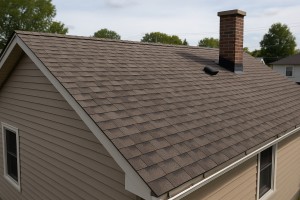
Asphalt shingles are the most common roof type, and skylight leaks can reveal how well the surrounding shingles and flashing are integrated. When a skylight is installed, the surrounding cutouts weaken the shingle layer, and aging shingles nearby are more prone to lifting, cracking, or granule loss. Water can seep under the course above the skylight and follow the roofing nail lines to the interior.
- Common vulnerabilities:
- Lifted or cracked shingles around the skylight opening
- Shingle granules washing into the skylight valley, signaling wear
- Improper or corroded flashing where the skylight meets the roof
- How leaks manifest:
- Water tracking under shingles toward the skylight curb
- Attic stains near the skylight framing
1) Inspect the flashing at the skylight perimeter for gaps or corrosion
2) Check the sealant between the skylight curb and roof surface; look for cracks or separation
3) In the attic, examine decking for dampness and trace to the edge of the skylight
- Prevention tips:
- Ensure flashing is integrated with the shingle course, not just resting on top
- Replace damaged shingles promptly and reseal the skylight edge during re-roofing
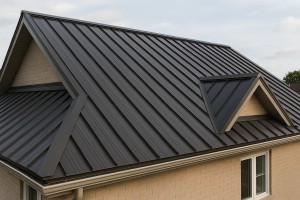
Metal roofs interact with skylights differently: flashing must be seamless with the panel joints. If the skylight opening isn't properly flashed, water can ride along fasteners and seam laps, especially when panels expand and contract with temperature.
- Common vulnerabilities:
- Inadequate skylight flashing integration with the metal seam or panel laps
- Penetrations around the skylight that aren't fire-rated or properly sealed
- Damaged or loose fastening near the skylight
- How leaks manifest:
- Water trickling along seam lines toward the skylight curb
- Condensation and drips inside the attic near roof penetrations
1) Check the skylight flange and metal flashing for gaps or corrosion
2) Verify sealant around the skylight is intact and hasn't pulled away from the curb
3) Look for rust or loose screws near the skylight area
- Prevention tips:
- Use a flashing method that ties into the metal roof's seam system
- Re-seal and replace any worn gaskets around the skylight
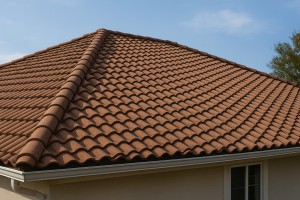
Tiles are rigid and can crack or break at the skylight edge if the curb isn't properly supported or if shifting occurs. The underlayment beneath tiles is crucial; a compromised layer can allow water to bypass the tile cover entirely.
- Common vulnerabilities:
- Cracked or misaligned tiles around the skylight
- Insufficient tile bed or broken mortar around the curb
- Worn underlayment beneath the tiles
- How leaks manifest:
- Water entering through gaps between tiles and around the skylight curb
- Attic staining where the deck meets the skylight ridge
1) Examine tiles directly around the skylight for cracks
2) Inspect mortar or bed around the curb for gaps
3) Check the underlayment condition from the attic side
- Prevention tips:
- Replace damaged tiles and ensure proper bedding and flashing connections
- Use flexible sealant where tile meets the skylight to accommodate movement
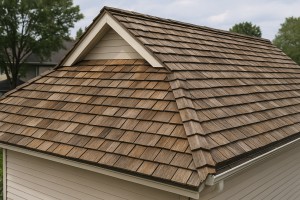
Wood is sensitive to moisture; skylight leaks here can accelerate rot if water pools around the curb. The natural movement of wood combined with flashing gaps creates leak paths.
- Common vulnerabilities:
- Warped or splitting shingles near the skylight
- Inadequate nail layout or flashing integration with wood shingles
- Decay around the skylight edge due to prolonged moisture
- How leaks manifest:
- Drips inside near the ceiling line under the skylight
- Dark stains and soft wood near the skylight framing
1) Look for warped or cracked shingles adjacent to the skylight
2) Check the flashing for gaps and signs of wood rot
3) Inspect insulation and ceiling for moisture pockets
- Prevention tips:
- Maintain proper nailing pattern and flashing underlayment
- Seal with exterior-grade products designed for wood roofs
Synthetic Roofing Materials (EPDM, TPO, PVC, Composite)
Synthetic membranes provide flexible, watertight options, but skylight penetrations still require precise detailing. Poorly finished edges or degraded sealants can become leak paths over time.
- Common vulnerabilities:
- Inadequate flashing detail where the skylight intersects the membrane
- Deteriorated sealant or improper seam bonding around the curb
- Punctures or puncture-resistance failures at fasteners
- How leaks manifest:
- Water seepage at the skylight edge into the interior
- Soft spots or blistering near the skylight if the edge isn't well sealed
1) Inspect the membrane edge around the skylight for lifting or seams that aren't sealed
2) Examine sealants for cracking or peeling
3) Check for moisture in the attic around the skylight base
- Prevention tips:
- Use compatible flashing and sealant systems designed for the specific membrane
- Re-seal and re-flash during major roof work to maintain a continuous waterproof layer
The Risks of Ignoring Skylight Leaks
Water Damage Can Spread Quickly
- Water can travel beyond the visible leak, soaking insulation, plywood, and framing.
- Dampness inside walls and ceilings lowers fire resistance and invites rot.
- Ceiling stains are often the tip of the iceberg; the inside may be structurally compromised.
Mold, Mildew, and Health Risks
- Hidden moisture fuels mold behind walls and in attic corners.
- Spores can trigger allergies, asthma flare-ups, and respiratory irritation.
- Prolonged exposure increases health risks, especially for kids and pets.
Structural Damage and Compromise
- Wood rot weakens rafters, sheathing, and joists.
- Warped ceilings or sagging skylight openings indicate broader issues.
- Moisture can affect fasteners, metal connectors, and roof deck integrity.
Energy Waste and Comfort Loss
- Gaps around the skylight let conditioned air escape and outdoor air in.
- Condensation forces HVAC to work harder, driving up bills.
- Uneven temperatures near the skylight create hotspots and cold spots.
Electrical and Fire Hazards
- Water near outlets, fixtures, or wiring can cause short circuits.
- Prolonged moisture increases fire risk in attic spaces.
- Water intrusion can trip breakers or blow fuses, masking bigger problems.
Pest and Odor Problems
- Openings invite insects, spiders, and rodents.
- Damp wood can harbor odors and attract pests.
- Continuous moisture can lead to musty, lingering smells in the home.
Impact on Home Value, Insurance, and Future Repairs
- Leaks affect appraisal and resale value; buyers worry about unseen damage.
- Hidden damage often expands the scope of repairs, increasing costs.
- Insurance coverage varies; neglecting leaks can complicate or deny claims.
- Future repairs become more extensive if rot and mold spread.
What to Do If You Suspect a Leak (Steps)
1. Prioritize safety: avoid standing under active dripping water; shut off electricity at the breaker if water is near outlets or fixtures.
2. Document the issue: take clear photos from inside and outside and note dates.
3. Contain and protect interiors: place towels or a bucket; cover furnishings if safe.
4. Schedule a professional assessment: a licensed contractor or skylight specialist can confirm the source and extent.
5. Plan for remediation: expect possible repairs to skylight flashing, shingles, deck, insulation, and potentially drywall or framing.
6. Follow through with mold control if needed: if you find mold, hire a remediation pro before occupying the space.
How Skylight Leaks Are Diagnosed
From inside the house
- Look for ceiling or wall stains that show up after rain. If stains appear only during wet weather, that's a clue the skylight is involved.
- Note any bubbling paint, warped drywall, or soft spots in the ceiling around the skylight.
- Watch for a musty odor or damp insulation in the attic directly above the skylight.
- Distinguish between leaks and condensation: persistent dampness tied to rain is more likely a leak, while a temporary mist on humid days may be condensation.
In the attic
- With a dry day, gently inspect the area around the skylight from the attic side. Look for moisture on the underside of the skylight curb and along the flashing.
- Check insulation for dampness or staining near the skylight; damp insulation signals water is penetrating the envelope.
- Examine the curb, flashing, and sealant lines for cracks, gaps, or gaps where fasteners poke through.
- Look for loose or corroded nails/screws, torn flashing membranes, or any signs that the skylight isn't seated properly.
Exterior skylight and roof line
- Inspect the skylight frame for cracks in the glass or polycarbonate, and check the gasket or glazing seal around the unit.
- Examine the curb and flashing where the skylight meets the roof for gaps, lifting, or damaged metal.
- Survey the surrounding roof surface for lifted, cracked, or missing shingles and for any obvious gaps along the skylight perimeter.
- Look for debris or ponding water that could drive moisture toward the skylight during rain.
Controlled water testing to pinpoint the leak
This hands-on check helps confirm the exact entry point without guessing:
1) Pick a calm, dry day and recruit a helper stationed inside the room.
2) Use a hose with a gentle, adjustable spray nozzle. Start with broader coverage away from the skylight and then narrow to suspect seams.
3) Test in short, focused bursts on each seam: skylight glass edges, curb sealant joints, flashing overlaps, and the area where the skylight meets the roof.
4) Have your helper watch the interior ceiling or wall closely for any signs of moisture, and note the location and time when water appears.
5) Move to the next seam and repeat until you observe an intrusion path. Take photos from interior and exterior to map the leak.
Common leak sources this diagnostic approach reveals
- Deteriorated or cracked sealant around the skylight curb.
- Damaged, loose, or improperly integrated flashing.
- Worn or failed gaskets around the glass or panels.
- Improper skylight installation leaving gaps at the curb or interlock.
- Ice dams or gutter/downspout issues directing water toward the skylight.
- Condensation amplified by poor attic ventilation.
Interpreting findings for repair planning
- If curb sealant is failing, reseal with a roof-rated sealant and ensure proper toning and curing.
- If flashing is damaged or misaligned, repair or replace flashing and reseal where it meets the roof.
- If the glazing gasket or glass is compromised, weigh replacement versus repair based on age and cost.
- If condensation is the primary culprit, improve attic ventilation (baffles, vents, or a vented skylight) and control humidity with dehumidification as needed.
- Always document with photos and notes to guide the repair plan or a professional review.
Skylight Leak Repair Options
Temporary fixes
- Protect interiors first: move valuables away from the leak, place towels or a bucket under drips, and use a tarp or plastic sheeting on the interior side if water is actively getting in.
- Exterior quick cover: from the outside, lay a heavy-duty tarp over the skylight and secure it to surrounding roof material. Weigh the edges with bricks or masonry to reduce wind flap.
- Seal the most obvious gaps: use an exterior-grade silicone sealant or flashing tape (per product instructions) along obvious gaps around the skylight to slow water intrusion. This is a stopgap, not a solution.
- Avoid risky steps: don't climb onto a wet, slippery roof; if you're unsure, call a pro sooner rather than later.
- Watch the interior: keep an eye on water flow, document damage, and note where and when leaks appear for your repair plan.
Minor repairs
- Inspect the perimeter: look for loose or damaged flashing, deteriorated caulk, or aging gasket seals around the skylight.
- Clean and prep: gently remove old, cracked sealant and dirt from the skylight casing, flashing, and roof deck. Let surfaces dry completely.
- Re-seal edges: apply exterior-grade silicone or polyurethane caulk around the skylight flange where it meets the roof. Smooth the bead for a clean, watertight seal.
- Replace worn gaskets: if your skylight has a gasket between the sash and frame, replace it with the manufacturer-specified seal to restore a tight seal.
- Tighten or replace fasteners: check all mounting screws for looseness or corrosion. Tighten to the manufacturer's torque spec, or replace corroded fasteners with stainless steel equivalents.
- Address small cracks or chips: for minor cracks in the glazing or dome, use a skylight repair epoxy or resin kit designed for exterior use. Follow curing times exactly.
- Check interior seals: inspect for interior condensation or staining; if condensation is frequent, it may indicate more substantial sealing or insulation issues beyond the skylight itself.
- Test after repair: gently rinse the area or simulate a light rain to verify the fix, and monitor for new leaks over 24–72 hours.
Partial replacement
- When to consider: the frame and curb are sound, but glazing, dome, or flashing are failing, or the skylight is older and precludes durable sealing.
- What you might replace: the glazing/dome or sash, the curb flashing kit, and re-seal with a compatible flashing system. In some cases, you can swap to a newer, more efficient skylight unit while leaving the existing curb in place.
1) Confirm compatibility with the existing curb or frame and obtain the correct replacement glazing or unit.
2) Remove the damaged component (for example, the dome or glass panel) from the interior and exterior as needed, taking care around the frame.
3) Install the new glazing or sash and route any new flashing around the curb.
4) Apply new sealant, reinstall interior trims, and test for leaks with a controlled water test.
5) Refinish around the skylight interior with trim and paint as needed.
- Pro tips: document the exact skylight model, size, and flashing type before ordering parts; retain any warranty information; if the curb shows signs of rot or damage, partial replacement may still require re-flashing to prevent future leaks.
Full roof replacement
- When to choose this: widespread or repeated leaks across multiple roof areas, significant deck rot, aging shingles near end of life, or structural concerns that make piecemeal fixes unreliable.
- What it covers: replacing the roof surface across the entire plane, re-flashing around the skylight with a modern, weather-tight setup, and restoring insulation and underlayment.
1) Schedule a thorough roof assessment with a licensed contractor; obtain permits if required.
2) Protect interiors with sheeting and move or cover attic contents.
3) Remove existing roofing material and inspect the deck for rot or damage; replace damaged decking as needed.
4) Install new underlayment, flashing around the skylight, and a leak-resistant roofing system (shingles or other chosen material).
5) Reflash and reseal the skylight per the new roof system's requirements; install any required curb flashing and flashing boot details.
6) Reinstall or upgrade skylight components if desired; complete interior trim and finish work.
7) Conduct a final water test and review warranty details with your contractor.
Typical Cost to Fix Skylight Leaks
Minor repair: description and cost
Small sealant failures or worn gaskets around a skylight often cause minor leaks. These repairs are quick, involve little to no roof penetration, and can prevent bigger problems if caught early.
- Description: Replacing deteriorated caulk or sealant around the skylight flange; swapping a worn gasket on vented units; tightening loose flashing at the perimeter.
- Typical cost: $150–$450
- Steps:
1) Inspect interior ceiling and attic to confirm the leak source.
2) Clean the skylight edge and remove old, cracked sealant.
3) Apply high-quality exterior caulk or sealant; replace the gasket if applicable.
4) Allow sealant to cure and perform a rain test.
Moderate repair: description and cost
Leaks involving flashing or small deck damage, or aging curb hardware, but without major structural damage.
- Description: Replacing or resealing skylight flashing, re-flashing around the curb, resealing joints, and addressing light deck surface wear to restore a watertight seal.
- Typical cost: $500–$1,500
- Steps:
1) Safely access the skylight and inspect visible flashing.
2) Remove damaged flashing and install new flashing with proper overlaps and sealant.
3) Re-caulk seams and joints; verify all gaps around the curb.
4) Dry out any attic moisture and re-test after a rainfall.
Major repair: description and cost
Leaks that have allowed water into framing, drywall, insulation, or structural components; these require more substantial work.
- Description: Replacing or reconstructing the skylight unit or curb, repairing surrounding roof deck, and addressing interior moisture or mold; may include interior demolition and drywall repair.
- Typical cost: $2,500–$8,000+
- Steps:
1) Access the skylight area and assess framing and deck condition.
2) Remove the old skylight or damaged curb; repair or replace damaged roof deck as needed.
3) Install a new skylight unit or properly reseal and re-flash the existing one; ensure all joints are sealed.
4) Complete interior repairs (drywall, paint) and, if needed, mold remediation.
What factors affect cost
- Roof size
- Access
- Material type
- Extent of damage
- Local labor rates
How Long Should You Wait Before Addressing Skylight Leaks?
Quick reality check
Skylight leaks rarely fix themselves. Water intrusion tends to broaden once it starts, exploiting flashing, seals, and surrounding roof penetrations. The longer you wait, the more chance there is for attic moisture to soak into insulation, drywall, and framing—and for mold to gain a foothold.
If water is actively dripping (within hours)
- Safety first: If electrical fixtures or outlets are near the leak, shut off power at the breaker panel. Keep kids and pets away from the area.
- Contain the mess: Place a bucket under the drip and lay towels or a tarp to protect the floor. Use a plastic sheet to shield valuable furniture if the leak is spreading.
- A temporary exterior stop-gap: If you can safely reach the roof, loosely cover the skylight with a heavy-duty tarp or plastic sheeting to reduce ongoing rain entry. Secure edges well but avoid over-tightening that could cause damage.
Short-term window (24–72 hours)
- Assess and document: Take clear photos from inside and outside. Note date, rainfall, and ceiling/wall impact.
- Keep interior dry: Close the skylight if it's operable, and minimize interior weather exposure by keeping fans off, if safe, to avoid drawing more moisture into the space.
- Temporary interior fix options: If you can access the seam from the inside and there's a small gap, you may apply a flexible chimney/flashing sealant or caulk from the exterior or interior side as a very temporary measure. Do not rely on this as a permanent repair.
Medium-term window (3–7 days)
- Expect expanded risk: Repeated rain or even condensation can worsen ceiling staining, insulation dampness, and potential wood rot.
- Plan for a professional evaluation: A skylight or flashing specialist should confirm the source (flashing, curb, seal, or glass/polycarbonate failure) and recommend a repair plan.
- Preserve evidence: Keep the photos, monitor any changes in water flow, and document additional affected areas.
Longer-term window (1–4 weeks)
- Structural and indoor effects: Prolonged moisture can degrade roof decking, weaken framing, and promote mold growth. Drywall and paint can buckle or peel, and insulation loses effectiveness.
- Repair vs. replacement decision: Depending on the flashing condition, skylight unit, and roof age, you may be looking at resealing, flashing replacement, or full skylight replacement.
What happens if you wait to address the problem in several timeframes
- Within hours to 24 hours: Active leaks can travel along joists and studs, leading to ceiling staining, water pooling in the attic, and potential electrical hazards if wiring is compromised.
- 2–3 days: Moisture penetrates insulation and wood framing, increasing the risk of wood rot, sagging ceilings, and more extensive interior damage.
- 1 week: Accumulated moisture can cause mold growth, paint failure, and greater repair costs for both roof and interior finishes.
- 2–4 weeks: Long-term waiting often leads to significant structural repair needs, higher restoration costs, and a longer downtime for your living space.
Steps you can take to buy time without inviting bigger problems
1) Keep the skylight closed when not actively watering the space; use interior coverings to limit moisture spread.
2) Catch and contain failures with temporary exterior tarps and secure fasteners to prevent wind uplift.
3) Document every leak event with date-stamped photos and notes on weather.
4) Schedule a professional inspection as soon as you can safely do so; obtain written estimates for flashing repair, seal replacement, or unit replacement.
5) If mold or strong odors appear, don't delay professional consultation.
When to call a skylight repair pro
- Leaks persist despite temporary fixes.
- You notice cracked flashing, loose curb, or hail-damaged glass.
- There's visible mold, ceiling sagging, or water pooling in the attic.
- The roof is older or multiple penetrations exist nearby.
How Skylight Leaks Vary by Location and Climate
How This Problem Varies by Region & Climate within the United States
Skylight leaks aren't the same everywhere. Climate shapes how seals age, flashing handles weather, and where water tends to find its way in. Consider these regional factors when assessing a skylight issue:
- Temperature swings and freeze-thaw cycles crack seals and expand/contract flashing.
- Snow, ice, and heavy rainfall stress flashing, gutters, and surrounding roofing.
- Humidity and attic condensation can create damp ceilings even with no obvious rain intrusion.
- Wind, hail, and sun exposure vary by region and affect seal integrity and glazing.
- Local building practices, roofing materials, and codes influence how skylights are installed and protected.
Northeast
- Cold winters with frequent freezes and thaws push sealants and flashing to flex and fail.
- Ice dam formation around skylights is common, lifting flashing or allowing water to back up under shingles.
- Snow buildup on roof edges can funnel meltwater toward skylight openings.
- Interior signs often show up as damp spots near the ceiling corners or around the skylight frame after a thaw.
What to check and steps to take:
1. Inspect skylight flashing where it meets the roof surface for cracks, rust, or loose nails.
2. Look for ice dam gaps along the skylight perimeter and any water intrusion on interior plaster or drywall.
3. Ensure attic ventilation is adequate to reduce condensation and warm attic air that can melt frost on the skylight.
Southeast
- High humidity and frequent heavy rainstorms stress seals and glazing differently from colder zones.
- Rapid temperature shifts between cool nights and hot days can cause sealants to age prematurely.
- Moss, algae, and dirt growth on southern and exposed roofs can trap moisture against the skylight.
What to check and steps to take:
1. Check the skylight sealant for signs of peeling or cracking from UV exposure.
2. Inspect flashing for rust or loosening after strong storms.
3. Clean surrounding roof area to reduce moisture retention and ensure proper drainage away from the skylight.
Midwest
- Mix of hot summers and cold winters creates repeated expansion and contraction of materials.
- Thunderstorms and rain-heavy springs increase the chance of water intrusion around skylights.
- Seasonal wind patterns can lift flashing corners if not securely fastened.
What to check and steps to take:
1. Examine the skylight flange and flashing for gaps or damaged sealant.
2. Verify that the roof's underlayment around the skylight is intact and directing water outward.
3. In the attic, watch for condensation buildup in humid periods and address venting.
Southwest
- Intense sun and heat accelerate seal and glazing degradation; UV exposure is a major wear factor.
- Dry but erratic rain and wind-driven dust can abrade and wear coatings.
- Wide temperature ranges between day and night stress materials differently than in humid regions.
What to check and steps to take:
1. Inspect skylight seals and glazing for micro-cracks or drying out of caulk and gasket materials.
2. Look for sun-bleached edges or peeling around the skylight frame.
3. Ensure flashing sits tightly and gutters/downspouts direct water away from the skylight to prevent pooling.
Northwest
- Wet climate with frequent rain and high humidity promotes mold or mildew near skylight framing.
- Cedar or shingle roofs common in the region can loosen around skylights if flashing isn't compatible with the material.
- Coastal exposure in some areas adds salt and corrosion considerations.
What to check and steps to take:
1. Check for soft or rotting roof deck around the skylight from prolonged moisture.
2. Inspect flashing and sealants for mold or algae growth that can trap moisture.
3. Assess roof material compatibility with skylight flashing to ensure a tight seal.
Note: For any region, if you notice persistent staining, musty attic air, or active leaking after rain, recheck flashing, seals, and drainage first, then investigate glazing integrity and skylight venting.
