Ultimate Guide to Roof Truss & Framing Repair
Last updated: Feb 28, 2026
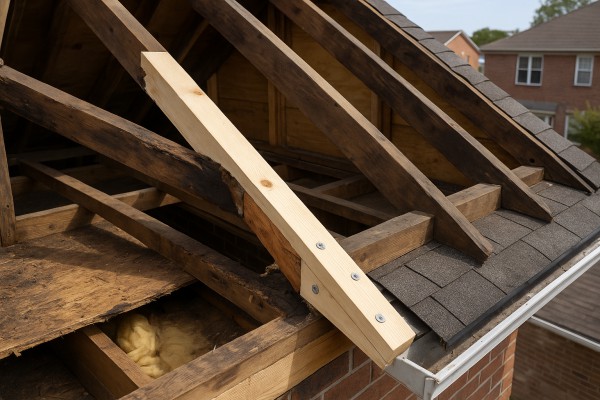
Introduction to Roof Truss and Framing Repair
Welcome to our practical guide on roof truss and framing repair. When the structural frame of your roof shows wear or damage, it can affect safety, energy efficiency, and even long-term cost. This page is written in plain language for homeowners who want clear, trustworthy insights without a sales pitch. Here you'll find how to spot trouble, what to expect from a repair, and sensible steps you can take to protect your home.
Why truss and framing repair matters
Your roof's trusses and framing carry the load of the entire roof system. If they're damaged, sagging, or misaligned, you can see cracked drywall, sticking doors, or uneven floors. Addressing issues early helps prevent progressive damage and keeps your home structurally sound. Repairs can range from targeted fixes to more extensive reinforcement, and choosing the right approach depends on the extent of the problem and future roof loads (think snow, wind, and age).
What this page covers
- How to recognize signs of truss or framing trouble
- Safe, basic checks you can perform from ground level
- Common repair strategies and when they're appropriate
- Process steps a qualified contractor will use
Common signs of trouble
- Sagging or visibly bowed rafters or ceiling lines
- Cracks where walls meet ceilings or large gaps near corners
- Doors and windows that rub, stick, or fail to latch
- Unusual creaking or popping noises, especially in calm weather
- Uneven roof deck or noticeable droop after heavy loads
- Damp or stained attic areas, or rust on metal connectors
- Localized soft spots when walking in the attic or crawlspace
Safety and initial inspection tips
- Do not crawl on a damaged roof or weakened attic area.
- Use a sturdy ladder, a second person, and fall protection when needed.
- If you see obvious structural failure (large cracks, severe sag), limit activity near the area and contact a professional promptly.
- Document observations with notes and photos to share with a contractor.
How we approach a repair (step-by-step)
1. Inspect the area to identify which members (trusses, joists, rafters) are compromised.
2. Confirm loads and connections, including plates, bolts, and nails, and check for corrosion or wear.
3. Develop a plan that preserves structural integrity while matching existing framing as closely as possible.
4. Execute repairs with appropriate materials (preservation-grade lumber, bridging, or metal connectors) and secure fasteners.
5. Verify the repair by checking alignment, load distribution, and any nearby areas that may have been affected.
Repair options you may encounter
- Replacing damaged members with matched lumber to restore strength
- Sistering weak members to strengthen without full replacement
- Adding reinforcing plates or braces at key joints
- Temporarily shoring to support the structure during work
- Rerouting or redistributing loads to prevent future stress
- Rechecking attic ventilation and insulation to avoid moisture-related issues
When to hire a pro
- Visible bowing, large cracks, or significant door/window misalignment
- Pooled moisture, mold, or rust at connections
- Inability to safely access or safely perform the assessment
- Uncertainty about the extent of damage or required permits and codes
Materials and durability considerations
- Look for compatible lumber grades and treated options for attic environments
- Ensure hardware (bolts, joists, connectors) meets local building code requirements
- Plan for future loads (snow, wind) and consider long-term reinforcement rather than temporary fixes
Roof Truss and Framing Repairs: How to Inspect, Diagnose, and Fix Damage
Comprehensive definition
Roof trusses are factory-built, triangular assemblies that transfer roof loads to the walls. Framing includes rafters, joists, plates, and related members that support the roof and ceiling system. When any part of these structural elements is damaged—due to rot, insect activity, moisture intrusion, fastener failure, or storm impact—the integrity of the entire roof can be compromised. Repairs may involve replacing damaged members, sistering or tying components together, re-fastening or upgrading hardware, adding blocking or braces, or replacing affected sheathing. The goal is to restore load paths, prevent further movement, and keep the roof framing aligned with the building's structure and code requirements.
When it's typically needed
- After severe weather (high winds, hail, or heavy snow) or incidents that bend or crack the framing.
- When you see sagging ceilings or walls, doors or windows that don't latch properly, or new cracks in drywall around the attic or ceiling.
- Visible rot, mold, or insect damage in wood members or sheathing.
- Rusty or loose metal connectors, nail pops, or loose or corroded hangers.
- Damaged or delaminated sheathing, or gaps between roof sheathing and framing.
- After a retrofit, remodel, or new addition where framing is disturbed or load paths altered.
Key components to inspect
- Trusses or rafters: ends, joints, and nails; look for cracks, splits, or bowed members.
- Ridge beam or board: signs of movement or separation.
- Tie beams and collar ties: ensure they're intact and properly connected.
- Sheathing (plywood/OSB): delamination, rot, or exposed fasteners.
- Connectors and fasteners: hurricane clips, joist hangers, nails, screws—check for corrosion or missing hardware.
- Blocking and bracing: verify adequate support under loads and along long spanning members.
- Surrounding framing: look for moisture intrusion, mold, or pests near the attic.
Inspection (homeowner-friendly steps)
1) From ground level, visually scan for obvious sagging, gaps, or daylight near the eaves or ridges.
2) In the attic, with caution, look for cracked or split members, daylight between connections, moisture stains, or unusual bowing.
3) Check fasteners and metal connectors for rust, looseness, or missing hardware.
4) Inspect sheathing edges at corners and along seams for rot or delamination.
5) Document any recurring issues with photos and notes before calling a pro.
Diagnostic signs
- Sagging or bowing members, cracks in wood, or misaligned joints.
- Water stains, soft or spongy wood, or mold near framing.
- Cracked or missing nails, rusted connectors, or loose hangers.
- Daylight visible through attic openings or between members.
- Termite or other wood-destroying insect evidence.
Repair options and steps
- For minor, localized issues (rot or damage limited to a small section):
1) Have a structural pro confirm the extent of damage.
2) Temporarily shore the area to prevent further movement.
3) Cut out and replace the damaged section with matching lumber.
4) Refasten with appropriate nails, screws, and connectors; add blocking if needed.
5) Reattach or replace sheathing and ensure flush seating and sealing.
- For damaged or loose connectors:
1) Remove and replace corroded or missing connectors with code-approved hardware.
2) Use new hurricane ties, joist hangers, or straps to restore load paths.
3) Ensure hardware is properly installed per manufacturer specs and local codes.
- For warped or cracked members:
1) Do not attempt to bend back or force straightening—replace the member.
2) Install a sistered member alongside the existing one for strength plus redundancy.
3) Refasten with the correct scale and grade of fasteners.
- For comprehensive damage or multiple compromised members:
1) Engage a licensed structural engineer to assess the risk and design repairs.
2) Have a qualified contractor follow engineered plans for replacements and reinforcements.
3) Ensure all work complies with local building codes and gets the necessary permits and inspections.
- Temporary stabilization (when waiting for pro help):
- Use sturdy shoring under the affected bay; avoid loading that area until professionals assess and repair. Do not climb or step on compromised rafters or trusses.
Safety considerations
- Do not climb the roof to inspect or repair damaged trusses yourself.
- Wear eye protection, gloves, and a dust mask when handling wood and old fasteners.
- Shut off any power in the attic area if wiring is present; watch for hidden electrical hazards near damaged sections.
- Always use a licensed contractor for structural repairs and obtain required permits.
When You Need Roof Truss and Framing Repair
Signs this service is needed
- Sagging or uneven roofline or ceiling under the attic or upper floor
- Cracks around windows, doors, or ceiling corners, especially near the attic or ridge lines
- Doors or windows sticking, rubbing, or not latching properly
- Soft, spongy feel when you walk on the roof deck or attic floor
- Visible daylight or gaps between roofing panels from the attic or crawlspace
- Bowed or cracked rafters or ceiling joists in the attic
- Moisture stains, warped plywood, or mold indicating past or ongoing leaks
- Nail pops in drywall or shifting wall panels near load-bearing walls
- Chimney or vent stacks leaning, separating, or flashing pulling away
Ways you can confirm yourself as a homeowner
1) Do a careful exterior and interior check
- Look for irregular roof edges, cracked fascia, or misplaced flashing along the eaves.
- Note any new gaps or misalignment between walls and ceilings.
2) Inspect the attic (safely)
- With proper lighting, look for bent, cracked, or loose trusses/rafters.
- Check for sagging or soft spots on the attic floor, signs of moisture, and any rotted wood.
3) Check for movement indicators
- Observe if small structural shifts seem to worsen after heavy wind, rain, or snow.
- Look for creaking sounds or popping noises in colder or windy conditions.
4) Use simple measurement checks
- Run a straightedge along ceiling lines to spot deflection.
- Compare door gaps along frames at the same height; rising gaps can signal shifting framing.
5) Document what you see
- Take clear photos of cracks, sagging areas, and any moisture damage.
- Create a simple sketch noting location and severity to share with a pro.
When to get a professional assessment
- Immediate need: you see significant sag or deflection, large cracks through structural members, or visible separation of roof components.
- Post-event checks: after a severe storm, hurricane-strength winds, hail, or a heavy snow load, arrange an assessment soon—preferably within a few days.
- Moderate signs: doors and windows sticking, smaller cracks, or slight ceiling movement that worsens with load or moisture—schedule within a week or two.
- Pre-remodel planning: if you're upgrading structure or adding heavy loads (solar, skylights, or new HVAC), get an engineer or licensed contractor to review load paths before starting.
- Aging or uncertainty: with older homes (hi—50+ years) or if you've noticed shifting over time, a professional assessment helps prevent hidden damage from progressing.
- Safety-first rule: never assume a truss or framing issue is minor. Structural repairs affect load paths and roof safety; professional evaluation is essential before attempting any temporary fixes or DIY work.
What's Included with Roof Truss & Framing Repair
What is typically included
- On-site assessment of all affected roof trusses, rafters, joists, and framing members to identify rot, cracks, splits, warping, water intrusion, or loose connections.
- Temporary shoring and bracing to stabilize the structure during repairs and prevent further movement or collapse.
- Safety measures and site protection, including fall protection, PPE, ladders, scaffolding, and safe access for crews.
- Repair plan and, if required, engineering input or stamped drawings to meet local code requirements and ensure load transfer is correct.
- Materials procurement and handling for replacement components (trusses, rafters, joists, framing lumber, plywood/OSB sheathing, metal connector plates, hurricane ties, nails, screws, and other fasteners).
- Demolition or removal of damaged members and compromised sheathing flagged for replacement.
- Framing repairs or replacements, including sistering existing members, replacing damaged studs or joists, and reinstating proper load paths.
- Connection restoration: securing members with appropriate hardware (bolts, screws, angle brackets, joist hangers, and metal plates) to restore stiffness and load transfer.
- Roof deck and sheathing repairs or replacement as needed to restore a flat, true surface for the roof system.
- Flashing and weatherproofing adjustments around penetrations (vents, chimneys, skylights) to prevent new leaks.
- Ventilation and insulation considerations tied to the repaired framing to maintain performance.
- Proper alignment, plumb, and level checks to ensure the roof remains true and forces are correctly distributed.
- Surface finishing and carpentry about the repair area to restore a neat, structurally sound appearance.
- Cleanup, debris removal, and protection of outdoor spaces during and after the job.
- Final walkthrough with the homeowner to verify the repair meets expectations and to explain what was done and why.
What is not typically included
- Exterior cosmetic siding or interior wall finishes not directly related to the structural repair (e.g., repainting, wallpaper, drywall repair beyond the repair zone, or trim that isn't part of the structural path).
- Full roof replacement or replacement of roof components not implicated by the broken or damaged trusses/framing (e.g., if you need a new roof deck across a large area, that scope may be a separate project).
- Non-structural cosmetic work inside the attic or ceilings unless specifically tied to the repair work.
- Permits and plan approvals (fees and processing are often separate, though some contractors handle this for a fee).
- Structural design changes beyond restoring the original load path (e.g., increasing roof load capacity or altering roof geometry without a re-engineered plan).
- Hazardous material remediation (like asbestos-containing materials or lead-based paint) unless specifically contracted and scoped separately.
- Insurance handling or claims processing; contractor may assist, but the claim itself is not part of the repair scope.
- Long-term maintenance programs or warranties beyond the project warranty for the repair itself.
How the repair typically unfolds (step-by-step)
1. Assess and document damage: identify all compromised members and note risks to family and home.
2. Scope agreement: confirm what will be repaired, the required materials, and any engineering steps.
3. Prepare and protect: set up shoring, protect interior spaces, and plan debris containment.
4. Execute repairs: remove damaged components, install new framing, re-establish load paths, and secure all connections.
5. Restore and finish: replace adjacent deck or sheathing as needed, reseal penetrations, and tidy the site.
6. Inspect and sign-off: verify alignment, weatherproofing, and that the system meets code and homeowner expectations.
Roofing Materials Commonly Used in Roof Truss and Framing Repair
Plywood Sheathing
- What it is and why it matters: Exterior-grade plywood is the most common decking material under shingles. When a truss or framing repair requires replacing damaged sections, matching or upgrading the existing decking helps restore stiffness and load transfer.
- How this service uses it: You'll typically replace damaged panels with the same or greater thickness (commonly 1/2" to 5/8" for residential roofs, sometimes 3/4" for heavy loads). Sheets come in 4x8 ft sizes, installed in staggered patterns to prevent seams from aligning.
- Material specifics to watch:
- Use exterior-grade plywood rated for exposure (APA-rated sheathing; avoid interior or non-exposure panels).
- Fasten with corrosion-resistant nails or screws; edge nails every 6" and field nails every 12" are common. Follow local code and the existing pattern to maintain wind uplift resistance.
- Seal joints with compatible tape or sealant if you're dealing with moisture-prone areas, and ensure proper ventilation to prevent decking rot.
Oriented Strand Board (OSB) Sheathing
- What it is and why it matters: OSB is a cost-effective alternative to plywood with uniform strength. It's widely used for roof decking and works well in repairs where the original decking is damaged or missing.
- How this service uses it: When replacing sheathing, OSB is cut to 4x8 panels and installed with similar staggering and fastener patterns as plywood. OSB can be easier to source and install for larger repair areas.
- Material specifics to watch:
- Choose exterior-grade OSB designed for weather exposure; look for the OSB rating (e.g., exposure 1).
- Use ring-shank or corrosion-resistant nails/screws; spacing is typically 6" on edges, 12" in the field.
- Ensure panels are free of moisture before installation; to minimize swelling, handle carefully and seal edges if the roof remains exposed during repair.
Engineered Lumber (LVL, Glulam)
- What it is and why it matters: When damage affects critical members or long spans, engineered lumber provides consistent strength and superior straightness compared with solid lumber.
- How this service uses it: LVLs or glued-laminated beams are used to replace or sister weakened rafters, ridge boards, or joists. They're especially helpful when you need precise dimensions or to restore load paths without oversizing.
- Material specifics to watch:
- Size and grade are chosen to match or exceed original capacity; use compatible fasteners and connectors.
- Engineered members are often cut to exact lengths and require proper bearing on supports; ensure framing is square before installation.
- Treat LVLs for moisture exposure if the repair area is prone to humidity or leaks.
Dimensional Lumber (2x4, 2x6, 2x8, etc.)
- What it is and why it matters: Solid stock lumber is the workhorse for blocking, bracing, and minor framing repairs that don't require engineered members.
- How this service uses it: Replace damaged rafters or studs with appropriately sized lumber and sister weak members to transfer load safely. Blocking and bracing restore shear and compression paths between members.
- Material specifics to watch:
- Match species and grade to the existing framing; No. 2 and better are common for structural rehab.
- Use pressure-treated lumber if you're in contact with exterior elements or moist environments.
- Fastening should be with the same or compatible nails/screws used in the rest of the assembly; maintain proper bearing at supports.
Blocking, Bracing, and Fastener Materials
- What they are and why they matter: Proper blocking and bracing prevent rafter spread and provide stable load distribution. Fasteners and metal connectors anchor everything firmly.
- How this service uses them: Install 2x blocking between rafters at specified intervals, place braces where needed, and use hurricane ties or rafter clips to secure connections against uplift.
- Material specifics to watch:
- Use galvanized or stainless steel hardware for durability in outdoor environments.
- Choose connectors rated for roof uplift and compatible with your lumber thickness.
- Pre-drill when needed to prevent splitting and ensure tight, flush seating.
Fasteners and Hardware
- What they are and why they matter: Nails, screws, and metal connectors are the glue that holds the repair together.
- How this service uses them: Select fasteners sized for the decking and framing material, and pair with compatible connectors (rafter ties, hurricane clips, joist hangers) to restore wind performance.
- Material specifics to watch:
- Prefer corrosion-resistant options (galvanized, stainless) for exterior use.
- Use the recommended lengths to ensure deep seating into framing without protruding through or splitting wood.
- Follow manufacturer guidelines for uplift ratings on hardware when repairing wind-loaded roof sections.
Roof Truss and Framing Repair Costs
Typical average costs
- Minor fixes and stabilization (nailing, re-seating, small braces): $300–$1,000
- Replacing a single truss or a small section: $1,200–$3,500 per truss
- Replacing several trusses or a larger section: $5,000–$12,000
- Partial roof framing rebuild (larger area, multiple members): $8,000–$25,000
- Full roof framing replacement for a typical home: $15,000–$40,000+ (depends on house size, truss type, and location)
Prices vary by region, local labor rates, and the complexity of the job. Most homeowners see a big spread between a small repair and a full framing rebuild, so getting a precise on-site estimate is important.
What affects the cost (cost drivers)
- Extent of damage: number of trusses or members involved and how badly they're compromised.
- Roof design and access: steep pitches, multi-story homes, or hard-to-reach areas add labor time and safety gear.
- Truss type and material: traditional rafters vs engineered or prefabricated trusses; higher-grade lumber or steel connectors costs more.
- Hidden damage: moisture, mold, or rot in surrounding framing can escalate repairs.
- Engineering and permits: some fixes require a structural engineer and city permits, which add fees.
- Inspections and contingencies: if additional problems are found, the project scope and price rise.
- Drywall, insulation, and interior fixes: attic or ceiling repair, insulation replacement, or drywall touch-ups can add to the bill.
Ways to keep costs down (cost-saving ideas)
- Address scope early: fix required structural issues first and defer cosmetic work until the structure is sound.
- Limit scope creep: get a clear, written plan with exact members to replace and what tests are needed.
- Phase the project: if feasible, stage repairs to spread out labor and avoid peak-season rates.
- Compare multiple bids: ask for itemized quotes to see where costs can be reduced (labor vs materials).
- Plan for weather and access: scheduling during milder, dryer seasons reduces delays and extra protection costs.
- Check insurance and warranties: storm or flood damage may be claimable; some fixes have warranty coverage.
Things that can push costs higher (cost amplifiers)
- Widespread damage across the roof line or attic space.
- Tall, complex, or steep roofs requiring extensive scaffolding or safety systems.
- Custom or engineered trusses, or adding seismic/retrofit requirements.
- Water intrusion, mold, or compromised sheathing requiring remediation.
- Required engineering design, calculations, or third-party review.
- Moving or upgrading utilities in the attic (electrical, HVAC lines) during repair.
- Unforeseen interior repairs (drywall, finishes, or insulation) beyond the framing work.
Quick steps to plan and estimate (practical approach)
1) Get a licensed contractor and, if needed, a structural engineer to assess on-site.
2) Obtain an itemized scope: list which members are replaced, repaired, and any tests or inspections.
3) Request 2–3 detailed bids with clear inclusions, timelines, and payment milestones.
4) Factor in a 10–20% contingency for surprises and permit fees.
5) Confirm required permits, inspections, and any code updates that may affect the job.
How the Roof Truss and Framing Repair Process Works
- We start with a quick phone chat or email to understand the issue, collect a few photos, and set a convenient on-site time.
- You'll get a straightforward explanation of what's involved, a rough timeline, and any prep you should do before the visit.
Step 2: On-site Assessment and Measurements
- Our team performs a thorough visual and hands-on inspection in the attic and around the roof line.
- We identify damage types: cracks or splits in members, failed connections, bearing issues, water intrusion, and signs of movement.
- We take precise measurements of spans, member sizes, bearing supports, and overall framing condition.
Step 3: Stabilization and Temporary Support
- If there's any risk of further movement, we install temporary shoring and safe supports to hold the structure while work proceeds.
- We may tarp openings or cover sensitive areas to minimize leaks during repairs.
- Temporary conditions are documented so the final plan accounts for them.
Step 4: Engineering Evaluation and Plan
- For complex or high-load situations, we involve a structural engineer to confirm the best approach.
- We develop a detailed repair plan: which members to reinforce, replace, or reconfigure, and the required fasteners and connectors.
- You receive a written scope with milestones, expected timelines, and post-work expectations.
Step 5: Permits and Codes
- We determine whether a building permit is needed and handle the submission if so.
- All work aligns with local codes, wind uplift requirements, and the prescribed connector schedules.
- We coordinate with inspectors to schedule a final review after completion.
Step 6: Materials and Scheduling
- We select appropriate lumber grade, plywood/OSB, and structural connectors (hurricane ties, screws, bolts).
- If steel reinforcement is advised, we specify size and grade.
- We schedule materials and crews to minimize exposure and downtime.
Step 7: Repair Strategy Options
- You'll receive clear, practical options based on damage severity:
1) Sistering: Add new material alongside the existing member for added strength.
2) Partial replacement: Remove damaged sections and splice in new pieces.
3) Full replacement: Replace an entire truss or major segment when necessary.
4) Reinforcement: Install plates, straps, or bracing to restore stiffness and proper load path.
5) Retrofit improvements: Upgrade connectors or add uplift protection as needed.
- We explain trade-offs for each option, including cost, disruption, and expected lifespan.
Step 8: Execution: Removal, Replacement, and Rebuild
- We arrive prepared and set up a controlled work zone that protects your home.
- Damaged members are carefully removed to avoid collateral damage.
- New members are cut to exact length, fit precisely, and are fastened with code-approved connections.
- We verify proper alignment, plumb, and level as the assembly goes back together.
- Structural nails, screws, bolts, and hurricane ties are installed to restore the intended load path.
Step 9: Final Alignment, Bridging, and Sheathing
- We re-establish continuous framing, add necessary bridging, and restore stiffness.
- If roof sheathing was disturbed, we realign and re-secure panels.
- A final check ensures the truss system sits true and transfers loads correctly.
Step 10: Verification, Documentation, and Maintenance Guidance
- We conduct a final inspection with you present to confirm the repair meets expectations.
- You receive a report with photos, materials used, and maintenance notes.
- Warranty details and practical guidance to monitor for future issues are provided.
Residential Versus Commercial Considerations for Roof Truss and Framing Repair
Residential vs Commercial Considerations of Roof Truss & Framing Repair
- Scope and scale: Residential repairs are typically small to moderate in scope, focused on single bays, common trusses, or one section of the attic. Commercial projects can involve whole roof sections, large trusses, or multiple bays that span long distances.
- Materials and systems: Homes mostly use wood trusses and conventional lumber. Commercial roofs may rely on steel, heavier timber, or composite systems with more complex connections.
- Load requirements: Residential roofs are designed for standard snow and wind loads. Commercial designs often demand higher live loads, larger wind pressures, and sometimes seismic considerations depending on the location.
- Engineering and connections: House repairs may rely on standard, code-approved connections. Commercial work usually requires engineered drawings and professional analysis to preserve the integrity of a larger load path.
- Permits and plan review: Both require permits, but commercial projects typically go through formal plan reviews, engineer stamps, and more stringent inspections.
- Access and safety: Residential jobs are generally easier to access with ladders and standard safety gear. Commercial sites may require scaffolding, roof anchors, restricted access areas, and site-specific safety plans.
- Downtime and occupancy: A home renovation might disrupt a few rooms or attic space. Commercial roofs can affect building operations, tenant spaces, or production areas, leading to coordinated shutdowns or alternate roofing access.
- Documentation and warranties: Repairs in homes often come with standard warranties and a record kept for homeowners. Commercial work creates official as-builts, design-change documents, and extended warranties tied to the engineering.
Engineering and Design Considerations
- For residential projects, expect targeted fixes: damaged member replacement, splice repairs, or reinforcing with code-approved hardware.
- For commercial projects, look for a full structural assessment: load path verification, potential member re-sizing, and engineering calculations stamped by a licensed structural engineer.
- Hidden damage risk: Larger systems increase the chance of unseen issues in timber, steel connections, or bracing that must be uncovered before repair begins.
- Preserve performance: Any repair should maintain or improve the original design's load transfer, preventing sag, deflection, or future failures.
Permits, Inspections, and Documentation
- Permits: Both types require permits, but commercial jobs often need plan reviews and engineer-stamped drawings prior to work starting.
- Inspections: Residential work is inspected at defined milestones. Commercial sites may require sequential inspections for framing, connections, and final load-tested tests.
- Documentation: Keep detailed records of materials, connection types, and changes. For commercial work, maintain sign-off sheets from engineers and building officials.
Access, Safety, and Scheduling
- Access: Home repairs benefit from straightforward access routes; commercial roofs may require staged access plans and traffic control for adjacent areas.
- Safety: Expect more comprehensive safety plans on commercial projects, including fall protection, roof anchors, harnesses, and concurrent work zones.
- Scheduling: Residential repairs can usually slot into regular workdays. Commercial projects often need off-hours work, weather windows, and coordination with tenants or production schedules.
Planning One: When Homeowners Should Expect Engineer Involvement
- If you're repairing or replacing a truss, seek a licensed structural engineer's review to confirm load paths and member sizes.
- For any significant splice, cut, or rebuild, demand stamped drawings or an engineering summary from your contractor.
Planning Two: How to Vet a Contractor for Residential vs Commercial Work
1) Ask for at least two project-specific references (homes for residential; small to mid-size commercial projects for the other).
2) Request engineering notes or calculations if the work involves any non-standard repair.
3) Verify safety plans and site access requirements, especially for larger roofs or occupied buildings.
4) Review project timelines and potential occupancy impacts, including any needed temporary access or power shutoffs.
5) Confirm warranty terms and post-repair inspection options.
How Roof Truss and Framing Repairs Vary by Location
Why location matters
Truss and framing repairs respond to more than the damage itself. Local building codes, climate, material availability, and typical construction methods all shape what is permitted and what will perform reliably over time.
- Local codes determine allowable repair methods, required connectors, and whether a stamped plan or engineer review is needed.
- Climate influences moisture, rot risk, and load expectations (snow, wind, heat, humidity).
- Labor markets and material availability affect lead times and the likelihood of using regionally common practices.
Regional codes and permitting
- Permit processes vary by jurisdiction, from simple, do-it-yourself approval to formal plan reviews with stamped drawings.
- Some regions require a licensed engineer's repair plan for structural work; others rely on prescriptive methods using approved hardware.
- Expect inspections at specific milestones: after hardware installation, after framing repair, and at final concealment or drywall stage.
Climate and weather considerations
- Snow and ice loading raise truss spans and bearing requirements in the Northeast and mountain states.
- Coastal and hurricane-prone zones (Southeast, Gulf) demand hurricane ties, metal connectors, and corrosion-resistant fasteners.
- Freeze-thaw cycles and humidity influence wood selection, sealants, and moisture barriers.
Materials and construction practices by region
- Local timber species affect strength and weight; e.g., Douglas fir around the West, southern pine in the Southeast.
- Regional preferences exist for blocking, bracing, and pocketed tie-ins; some areas favor heavier hardware due to wind or seismic demands.
How this service varies in different regions in the United States
- Northeast: emphasis on snow loads, frost protection, and engineer stamps for mid-span repairs; inspectors watch for proper drainage and ventilation.
- Southeast: hurricane-rated connections, corrosion-resistant fasteners, and sometimes continuous load paths for high-wind events; attic ventilation and moisture control are critical.
- Midwest: robust wind and snow considerations, with attention to frost heave and seasonal temperature swings; frequent use of pre-engineered truss repair assemblies.
- West (California and Pacific Northwest): seismic design is a key driver; require specific anchors, ties, and sometimes retrofit hardware; long-span stiffness and seismic-influenced detailing are common.
- Southwest: heat and termite risks drive hardware choices and wood treatment; UV exposure considerations for sheathing and seals; sometimes lighter loads but careful heat expansion allowances.
- Alaska and Hawaii: extreme climates and unique exposure (salt spray in some locales) lead to specialized fasteners and sealing strategies; inspection regimes may differ and require local experience.
Practical steps for homeowners (numbered)
1. Contact a local pro who understands your climate, codes, and inspectors.
2. Obtain an engineered repair plan if your jurisdiction requires it.
3. Verify the exact hardware and load-path details to be used in repairs.
4. Schedule inspections at the correct milestones to avoid rework.
