Ultimate Guide to Popping or Cracking Roof Noises
Last updated: Feb 28, 2026
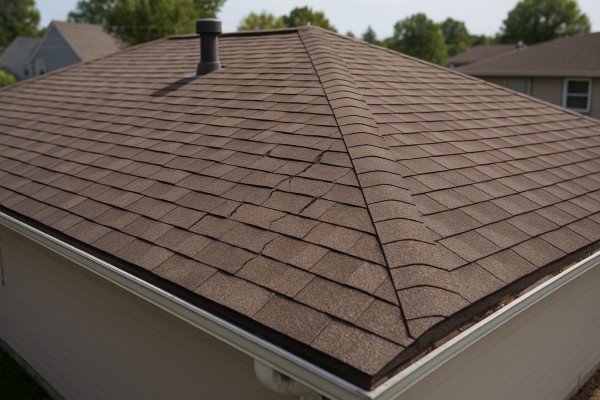
Introduction to Popping or Cracking Roof Noises
Roof noises can be startling, especially when you're not sure what's causing them. Popping or cracking sounds usually come from how the roof materials and attic framing respond to temperature, wind, and movement. Most of the time these noises are normal—part of a roof “breathing” as seasons change. But sometimes they hint at issues that merit a closer look. This page helps you distinguish common causes, know when it's urgent, and outline practical, high-level next steps.
What these noises typically indicate
- Thermal movement: Shingles, plywood decking, and framing expand when it's hot and contract when it's cold. This can produce popping at fasteners or along joints.
- Wind loading: Gusts can cause loose edging, flashing, or shingles to flutter and snap back, creating brief pops or cracks.
- Moisture-related movement: Water intrusion, swelling wood, or rot can change the fit of roof components and generate creaks and pops.
- Structural settling or framing shifts: Roofs and attic framing settle over time. Small shifts in rafters or ridge beams can cause occasional pops, especially after a dry spell followed by humidity.
- Snow, ice, and freeze-thaw cycles: In colder climates, shifting ice or expanding frost can produce cracking sounds in the roof deck or gutters.
- Animal activity and debris: Squirrels, birds, or branches brushing against the roof can trigger unpredictable noises.
Is this urgent or common?
- Common: In many homes, pops and cracks happen during day-to-day temperature swings or after a windy day. They're often harmless and don't indicate an immediate danger.
- Urgent: Seek attention if you notice any of the following in conjunction with noises:
- Visible sagging or deflection in the roof line
- Active leaks or damp patches inside the attic or ceiling
- Cracked or displaced flashing around chimneys, vents, or dormers
- Persistent, loud banging or grinding sounds, or sounds that continue for an extended period
- Signs of structural distress in the attic, such as daylight between framing members or warped decking
Quick safety checks
- From the ground, look for obvious damage: loose or missing shingles, damaged flashing, or granule loss on the roof surface.
- In the attic (only if it's safe to access): check for daylight, moisture stains, mold, or warped, crushed, or warped boards.
- Avoid climbing on a roof during rain, ice, or wind. If you're unsure about safety, don't attempt risky checks.
High-level next steps
1) Note timing and context: When do you hear the noise (temperature change, wind, rain), and where is it most audible?
2) Do a safe inspection from ground level and in the attic for obvious signs of damage or moisture.
3) If signs of damage or leaks are present, or if noises persist beyond normal seasonal shifts, contact a licensed roofer for a professional inspection.
4) Share your observations with the contractor: location, frequency, weather conditions, and any visible damage to help them assess quickly.
Are Popping or Cracking Roof Noises an Emergency?
Quick check: what the noises could mean
- Popping or cracking often comes from expansion and contraction of roof materials, metal flashing, vent pipes, or nails and nails shifting as wood framing moves with temperature and moisture. Most of the time it's not an emergency, especially if the house is dry and there's no visible damage.
- If the noise is combined with water intrusion, sagging, daylight in the attic, or a tree impact, the situation changes quickly and demands faster action.
When it is an emergency
- You have an active leak or water dripping from the ceiling.
- The roof deck or rafters visibly sag, bow, or buckle.
- You can see daylight through the attic or through missing shingles/flashing.
- A major storm or tree impact has just occurred and the noise continues with signs of damage.
- The noise is accompanied by a strong, consistent movement or creaking that makes you uneasy about the roof's stability.
- Water is dripping or actively pooling inside the home.
- There is daylight visible in the attic or through the roof line.
- A large portion of shingles, flashing, or underlayment is missing or has blown away after a storm.
- The roof line visibly sags, rafters bow, or the ceiling shows a pronounced bulge.
- You've recently endured a severe storm or impact and the noises persist with signs of damage.
Monitor if
- The pops or cracks occur mainly with temperature changes (hot afternoon to cool evening) and stop after the material adjusts.
- There are no leaks, no daylight, and no visible movement in the attic or roof deck.
- The noise is occasional and brief, and the attic stays dry with no staining or odor.
- The surrounding area looks intact: no fallen trees, no blown-off shingles, and no new cracks in interior walls.
Can wait if
- There are no leaks, no sagging, and no daylighting; the roof appears structurally stable.
- The noises are rare, minor, and only during extreme temperature swings, with no accompanying damage signs.
- You've had a professional inspection recently and there's a documented plan or schedule for a follow-up repair within a reasonable time frame.
What to do right now (if you're unsure)
1. Prioritize safety
- If you notice active leakage, a visible collapse risk, or any sense that the roof could fail, move people and valuables away from the area and consider evacuating to a safer part of the house.
- Do not climb on a roof with active damage or instability. Stay off ladders if you're not experienced and call for help.
2. Protect interior spaces
- Place buckets under any active drips; move furniture and valuables away from wet areas.
- If safe to do so, cover exposed roof openings or torn flashings with a tarp from the inside or with help outside, to limit further water entry.
3. Document and report
- Take clear photos or video of the affected area from inside and outside.
- Note the date, weather conditions, and any accompanying sounds or movements to share with the roofer.
4. Schedule a professional assessment
- Contact a licensed local roofer for an urgent inspection if you've flagged any emergency signs, or to set up a rapid diagnostic if the noises persist without obvious danger signs.
- If you're managing this during a storm, ask about temporary stabilization options and the expected timeline for a full repair.
What Causes Popping or Cracking Roof Noises?
Thermal expansion and contraction
- Roofs, flashing, vent pipes, and ridges are metal or have metal components that heat up in sun and cool at night. That repeated heating and cooling makes parts expand and contract, which can produce sharp pops or cracks.
- Asphalt shingles and other materials also flex with temperature swings, producing creaks that can sound like popping when the attic is warm and then suddenly cool.
- What to check:
- Note if noises peak on hot afternoons or after a cold snap.
- Inspect around metal flashing, ridge caps, pipes, and vent collars for loose edges or gaps.
- What you can do:
1) Monitor when the noises occur and correlate with temperature changes.
2) Ensure metal components are properly seated and fasteners are snug (without over-tightening).
3) Improve attic airflow to reduce extreme temperature swings.
Loose or popping fasteners
- Nails or screws can back out over time as wood framing shrinks or expands with humidity. Popping sounds often happen where fasteners hold shingles or the underlayment in place.
- Cracking can occur if fasteners rub against each other or against wood framing as it moves.
- What to check:
- Look for nail pops along eaves, edges of dormers, or where shingles butt up against flashing.
- In the attic, listen for tapping or tapping-like noises near rafters or joists.
- What you can do:
1) If you find loose fasteners, have a professional reseal or replace them with the correct length and type.
2) Ensure proper nailing patterns during maintenance or replacement, avoiding overdriven or under-driven nails.
3) Consider upgrading to ring-sheaded or specially designed roofing nails for better holding power.
Roof deck and framing movement
- The roof deck (sheathing) and the framing behind it can twist, settle, or bow slightly with age, humidity, or seasonal shifts. This movement can produce popping or cracking as boards rub or fasteners shift.
- What to check:
- In the attic, look for gaps between sheathing panels or noticeable daylight through attic vents when conditions change.
- Check for separated or loose seams along soffits and fascia that might signal overall movement.
- What you can do:
1) Have a pro assess for proper bracing and lashings on rafters and trusses.
2) Address any warped or loose sheathing with repairs before they worsen.
3) Maintain good attic ventilation to minimize moisture-driven movement.
Aging or damaged shingles and underlayment
- Over time, shingles crack, curl, or split, especially after freeze-thaw cycles. The edges can crack or pop on wind gusts or foot traffic.
- Underlayment and felt can shrink or loosen, allowing subtle creaks and pops as the roof settles.
- What to check:
- Inspect for cracked, blistered, or missing shingles, particularly on the lower slopes and near the eaves.
- Look for buckling or gaps in the underlayment along roof lines.
- What you can do:
1) Replace damaged shingles promptly to prevent moisture intrusion.
2) If the underlayment is loose, have a pro re-seal or re-lay sections as needed.
3) Regular maintenance to catch wear before it worsens reduces sudden noises.
- Ice dams create pressure and water backup that can cause wood to swell and metal to flex, producing cracking or popping noises as materials react to moisture.
- What to check:
- Look for visible ice along gutters and roof edges in cold weather.
- Check attic for signs of moisture intrusion, staining, or attic mold after thaw cycles.
- What you can do:
1) Improve insulation and ventilation to reduce ice dam formation.
2) Clear snow from the roof edge where safe, and consult a pro for effective dam prevention.
- The metal vent pipes, ridge vents, and flashing around chimneys or skylights expand and contract with temperature changes, often producing distinctive pops or crack sounds.
- What to check:
- Inspect flashing seams for gaps, corrosion, or loose fasteners.
- Ensure vent pipes are properly sealed and not rubbing against rafter tails or shingles.
- What you can do:
1) Re-seal or repair flashing where needed.
2) Add or adjust clearance between moving metal parts and roof materials.
3) Use non-rusting fasteners and manufacturer-approved sealants.
Wind, hail, and weather events
- Strong winds can gently rattle panels, flashings, and ridge caps, producing popping or cracking noises. Hail can cause glossy impacts that crack shingles and create resonant sounds as the roof settles after a storm.
- What to check:
- After storms, inspect for displaced flashing, loose shingles, or dented metal.
- Listen for persistent sounds after wind storms, especially near edges and ridges.
- What you can do:
1) Tighten or repair loose components promptly.
2) Schedule a storm inspection to catch damage early.
Animal movement and debris
- Small mammals or birds can crawl under loose flashing or in attic spaces, causing shifting or scratching noises that may read as popping or cracking from below.
- What to check:
- Look for droppings, nesting material, or gnaw marks near vents and access points.
- What you can do:
1) Seal entry points and install deterrents as needed.
2) Have a pest professional assess and mitigate any intrusions before they cause damage.
How Roof Materials Affect Popping or Cracking Roof Noises
Why roof materials differ in noise behavior
- Different expansion and contraction rates during heating and cooling cause moving parts to rub or shift.
- Nail patterns, fasteners, and edge treatments vary by material, changing how much play there is when temperatures change.
- Weight and rigidity of the material influence whether movement translates into a pop, crack, or creak.
- Installation details (underlayment, clips, and battens) affect how well the roof can absorb or dampen movement.
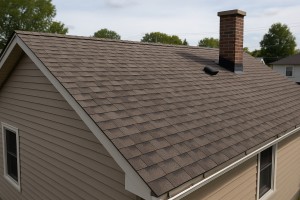
- How they behave: Lightweight and flexible, asphalt shingles often pop or snap at the nail line or along tab edges as they thermally expand and contract with sun exposure and overnight cooling.
- Common causes:
- Loose or missing nails, or nails that are driven too high or too low.
- Wind uplift causing shingles to rub against fasteners or neighboring shingles.
- Shingle edges or tabs that have become curled or lifted.
- What to check:
- Visible nail heads and alignment near suspected noisy spots.
- Shingle edges, curling, and any missing granules.
- How to address:
1) Inspect suspected areas after a warm day.
2) Re-nail loose shingles with corrosion-resistant roofing nails, 1 inch from edges and 1 inch above the shingle pin holes.
3) Replace damaged shingles; seal any loose tabs with appropriate roofing cement or adhesive specified by the manufacturer.
4) Confirm flashing and vents are installed correctly to reduce rubbing.
- Preventive tips:
- Ensure proper attic ventilation to reduce heat buildup.
- Schedule periodic inspections after major temperature swings or wind events.
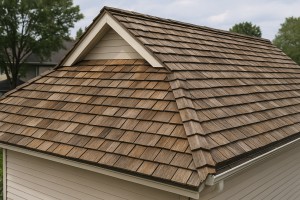
- How they behave: Wood expands and contracts with humidity and temperature; pops can come from shakes brushing or rubbing against each other or fasteners, and cracks can appear when wood dries and splits.
- Common causes:
- Moisture-driven swelling followed by shrinkage in dry periods.
- Loose or poorly spaced fasteners.
- Wind-driven movement of individual shakes.
- What to check:
- Seams between shakes and any visible gaps.
- Surface checks, splits, or peeled back edges.
- How to address:
1) Tighten or replace loose fasteners; use corrosion-resistant fasteners suited for wood.
2) Replace severely cracked or warped shingles/shakes.
3) Apply appropriate wood preservative or stain to extend life and reduce movement between pieces.
- Preventive tips:
- Keep trees trimmed to reduce shade and moisture retention on the roof surface.
- Ensure good attic ventilation to minimize rapid drying and swelling cycles.
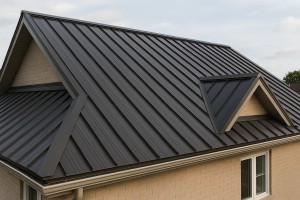
- How they behave: Metal expands and contracts with temperature; noises often arise at seams, clips, or around fasteners. Loose or missing screws can make popping or snapping more noticeable.
- Common causes:
- Loose or missing screws, worn gaskets, or damaged clips.
- Panels rubbing against edges or over fastener lines.
- What to check:
- Seams and fasteners for looseness; look for lifted panels.
- Condition of gaskets and clips; inspect flashing around vents and chimneys.
- How to address:
1) Tighten or replace loose screws with proper neoprene washers.
2) Reseal or replace degraded gaskets and damaged clips.
3) Replace dented or warped panels if movement causes cracking.
- Preventive tips:
- Use panels and fasteners rated for thermal movement; leave appropriate clearance at clip points.
- Schedule professional inspection after hail or heavy wind events.
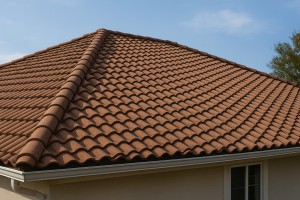
- How they behave: Heavy tiles resist flexing, so pops often come from micro-movement at edges or from slight settling; cracks occur from thermal stress or impact, with movement stressing the tile beds.
- Common causes:
- Improper underlayment or missing clips in high-wind regions.
- Cracked or broken tiles from hail or foot traffic during maintenance.
- What to check:
- Tile edges, spikes, and clips along ridges and hips.
- Any cracked or dislodged tiles, especially after storms.
- How to address:
1) Replace cracked tiles; ensure clips and battens are correctly installed.
2) Re-secure or replace damaged fasteners and re-seat loose tiles.
3) Verify underlayment integrity and batten spacing; adjust as needed.
- Preventive tips:
- Use a professional for tile replacement to maintain the correct weight distribution and seismic/wind considerations.
- Avoid walking on smooth clay or concrete tiles; use roof-access methods or harnesses when maintenance is needed.
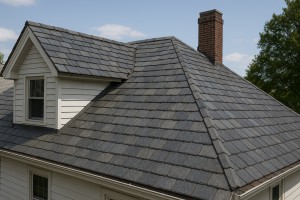
- How it behaves: Slate is brittle and stiff; pops can come from sliding slates or nails rubbing against the slate edges, and cracks can propagate from thermal stress or impact.
- Common causes:
- Improper nailing or battens; movement at nail heads.
- Hail impact or heavy foot traffic during maintenance.
- What to check:
- Look for cracked, chipped, or loose slates; note any nail pops.
- How to address:
1) Replace cracked slates with matching profile and thickness.
2) Re-secure battens and ensure proper spacing and nail type.
3) Consider a pro for more extensive reseating or retrofit with appropriate clips.
- Preventive tips:
- Inspect after severe weather; handle with care due to brittleness.
- Ensure proper attic ventilation to minimize thermal stress.
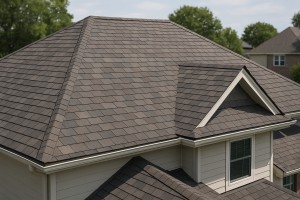
- How they behave: Similar to asphalt but with different expansion characteristics; pops typically occur at seams or around fasteners as the material moves with temperature.
- Common causes:
- Loose or over-tightened fasteners.
- Seam movement or edge rubbing.
- What to check:
- Seams, edge joints, and fastener security.
- How to address:
1) Re-nail loose fasteners and reseal seams as needed.
2) Replace severely deformed or cracked sections.
- Preventive tips:
- Follow manufacturer guidance for installation and re-sealing materials.
Green or specialty roof systems
- How they behave: Vegetated layers and specialty substrates add moisture retention and additional structural movement; noises can stem from substrate settling and irrigation components shifting.
- Common causes:
- Substrate movement, irrigation line expansion, and deck settling.
- What to check:
- Inspect drainage paths and irrigation connections.
- How to address:
1) Tighten or replace loose components; verify substrate mounting points.
2) Repair or replace damaged modules or panels.
- Preventive tips:
- Schedule periodic inspections after seasonal changes and irrigation adjustments.
The Risks of Ignoring Popping or Cracking Roof Noises
What those noises could mean
Noises aren't just annoying; they're signals your roof is telling you something is changing.
- Thermal expansion: as temperatures swing, metal flashing or roofing materials flex and pop.
- Moisture-related swelling: hidden water damage in decking or adhesive joints can cause subtle creaks.
- Structural movement: settling or shifting framing, sometimes from moisture-softened wood.
- Loose components: cracked shingles, failed ridge caps, or loose nails can produce popping sounds.
Ignoring the noises can hide imminent leaks or safety risks.
- Water intrusion: a small crack can become a leak in a rain storm.
- Mold and rot: hidden moisture promotes mold, wood rot, and weakened sheathing.
- Electrical risk: attic wiring near the roof can be stressed or shorted if moisture is present.
- Pest access: gaps invite insects or rodents seeking shelter in the attic or underlayment.
Long-term structural risks
Unchecked issues can compromise the roof's structure over time.
- Sagging or uneven roof deck: ongoing movement weakens support and may lead to more costly repairs.
- Truss or rafter damage: repeated popping can indicate compromised framing connections.
- Underlayment and sheathing deterioration: exposure accelerates decay and reduces roof life.
- Ventilation problems: cracks can signal or cause ventilation imbalance, leading to condensation issues.
Hidden damage you can't see
Some problems aren't obvious from ground level.
- Attic moisture buildup: hidden leaks raise humidity, affecting insulation and comfort.
- Insulation performance loss: damp insulation loses its effectiveness, raising energy costs.
- Fastener corrosion: nails and screws can corrode, reducing hold-down power and increasing the risk of shingle failure.
Insurance and warranty implications
What you do now can affect coverage later.
- Claim disputes: ignoring noises may complicate or void warranties or insurance if damage progresses.
- Documentation: a history of noises and repairs helps with claims; a lack of action can hurt coverage.
- Warranty exclusions: manufacturer or workmanship warranties may require prompt inspection and repairs to stay valid.
Costs if you wait
Delays often translate to bigger bills down the road.
- Progressive damage: small issues can escalate into full roof or deck replacement.
- Emergency fixes: you may incur higher costs for urgent tarping or expedited labor.
- Secondary damages: water intrusion can affect ceilings, walls, and HVAC systems, driving up repair totals.
When to act and how (steps)
1) Record: note when, where, and how loud the noises are; keep a simple log.
2) Inspect safely: look for visible signs from the attic (stains, soft spots) only if safe; otherwise skip.
3) Roof exterior check: from ground with binoculars, look for missing shingles, granule loss, or displaced flashing.
4) Professional assessment: hire a licensed roofer or structural engineer to diagnose.
5) Plan and protect: obtain written repair recommendations, timeline, and cost estimate; arrange temporary protections if advised.
Quick safety reminders
- Don't go on a wet or steep roof; fall risks are high.
- Use binoculars and a ladder only with a partner if you must inspect.
- Keep children and pets away from the work area during any inspection or repair.
How Popping or Cracking Roof Noises Are Diagnosed
Quick primer on what the noises indicate
- Popping and cracking often come from wood framing expanding or contracting with temperature and humidity changes.
- Metal flashing, vents, and ridge caps can creak as they heat up or cool down.
- Shingles and underlayment may snap as they move with wind, moisture, or frost.
- If you hear loud bangs or thumps, the issue could be wind uplift, structural movement, or animal activity, not just ordinary thermal movement.
- Noise can travel from one area to another, so a sound in the attic may originate from a different roof section than where you hear it.
Safety first
- Do not climb on a wet, icy, or steep roof. Falls are the top homeowner hazard.
- If you must inspect, stay on stable ground and use a sturdy ladder with a spotter.
- Wear eye protection and a flashlight, and keep kids and pets away from the area you're inspecting.
- If you suspect structural problems (sagging, creaking under load, or obvious water intrusion), pause and call a pro.
- Flashlight with fresh batteries
- Tape measure and a notepad for quick sketches or notes
- Camera or smartphone to document spots you can't inspect fully
- Optional: a simple listening device like a long screwdriver to hear through decking (gently press to feel what's moving)
1) Reproduce conditions when the noise occurs
- Note outside temperature, humidity, recent weather, and any wind shifts.
- If you can, wait for a similar temperature swing and listen again from the attic or ceiling.
2) Listen and locate
- In the attic or from inside rooms below, listen near rotted or damaged decking, flashing, and vents.
- Use your flashlight to spot movement or gaps as you listen.
3) Inspect visible fasteners and joints
- Look for loose or rusted nails, popped screws, or nails that seem proud of the surface.
- Check ridge caps, flashing around chimneys, plumbing vents, and drip edges for lifting or shifting.
4) Check for moisture and condensation
- Look for dark stains, mold, or damp insulation in the attic.
- Moisture can cause lumber to warp and produce unusual noises as it dries out or settles.
5) Examine access points and attic baffles
- Ensure attic vents aren't blocked and baffles aren't collapsing, which can alter airflow and cause quiet creaks you hear at night.
6) Correlate with seasons
- Track if noises align with day-night temperature swings or with seasonal heating and cooling cycles.
Common causes by sound type
- Popping or creaking with warm afternoon sun: wood framing expanding; shingles and sheathing often participate in this movement.
- Sharp cracking at night when temperatures drop: moisture in wood locking and releasing, or fasteners loosening as framing contracts.
- Quiet ticking from metal: metal flashing and vents expanding or contracting with heat.
- Sudden loud bangs after a storm: wind gusts lifting shingles or shifting flashing, or debris impacting the roof edge.
- Repeated light tapping: insect activity or loose fasteners vibrating with wind.
When to call a pro
- The noises are regular, loud, or changing location over time.
- You notice dipping or sagging sections, new leaks, or ceiling stains.
- You're unsure about climbing or inspecting the roof safely, or you find damaged flashing, vent booting, or damaged shingles.
- There's persistent moisture or mold in the attic, suggesting a water intrusion problem that needs professional repair.
Repair Options for Popping or Cracking Roof Noises
Temporary fixes
- Quick reseating: locate shingles that pop or creak, especially along the ridges or eaves. Gently lift the edges and drive a new roofing nail slightly to the side of the old hole; set flush. Seal with a dab of asphalt roof cement if the nail head remains exposed.
- Seal small gaps: apply a thin bead of roof sealant along exposed fasteners, seams, and around flashing or vent boots to curb air movement that causes popping.
- Secure flashing/vents: inspect step flashing and vent joints. Re-secure loose edges with the appropriate nails or screws and seal with exterior roof sealant.
- Temporary weatherproofing: for minor cracking or seam gaps, apply self-adhesive roof repair tape or a light bead of sealant as a short-term fix. This is not a long-term solution.
- Safety first: avoid working on a roof in rain, wind, or ice. Use a sturdy ladder, fall protection, and a helper if possible.
Minor repairs
- Confirm the cause: from the attic, look for nail pops, loose flashing, or cracked shingles. Small issues are usually DIY-friendly if you're comfortable on a ladder.
- Re-nail loose shingles: gently lift the corner of the affected shingle, insert a new roofing nail just to the side of the old hole, and drive it flush. Repeat along the edge as needed. If the old nails are loose, replace with longer, corrosion-resistant nails.
- Replace damaged shingles: if a shingle is cracked or torn, remove it and install a matching replacement. Nail along the top corners and seal the edges with a thin line of roofing cement to prevent water intrusion.
- Flashing and vent fixes: reseat and fasten any loose flashing around chimneys or roof penetrations; seal seams and nail heads with exterior sealant.
- Deck check: in the attic, feel for soft spots or signs of rot. If you find compromised decking, plan for a larger repair before patching the surface.
- Ventilation check: ensure attic vents aren't blocked and that airflow is balanced. Poor ventilation can contribute to moisture-related movement.
Partial replacement
- When to choose it: several adjacent shingles or a shelf of roofing shows significant wear, but the rest of the roof is solid.
- Steps:
1) Mark the damaged zone and remove the affected shingles.
2) If the underlayment or decking is damaged, replace as needed.
3) Install new underlayment and new shingles that match in style and color.
4) Reinstall flashing and drip edge; seal joints and nail heads.
5) Inspect for leaks and test with a light moisture exposure.
- Pros and cons: lower cost than a full roof, but color matching may be imperfect and remaining sections may wear at a different rate.
- Note: some issues require structural repairs or professional-grade materials; if you see exposed plywood, extensive rot, or widespread movement, consider professional help.
Full roof replacement
- When it makes sense: widespread popping/cracking across the roof, sagging, or aging shingles nearing end of life indicate a full replacement may be the best long-term fix.
- Process overview:
1) Assessment and material choice: review warranty, pick materials, and obtain multiple quotes.
2) Prep and safety: protect landscaping, set up fall protection, and ensure attic ventilation is adequate during work.
3) Tear-off vs. overlay: decide whether to remove all existing roofing or overlay, based on deck condition and building codes.
4) Deck and underlayment: replace any rotten decking; install new underlayment and drip edge.
5) Shingles, flashing, and ventilation: lay new shingles in proper courses; update flashing and counter-flashing around penetrations; install ridge vent or appropriate ventilation.
6) Cleanup and inspection: remove debris, sweep the site, and perform a final inspection for wind uplift and potential leaks.
- Professional note: full replacements involve major work and structural considerations. If you're unsure about deck condition, load, or flashing, a licensed roofer can provide a precise assessment before you proceed.
Typical Costs to Fix Popping or Cracking Roof Noises
Minor repair
Small pops or cracks often come from loose nails, tiny gaps where flashing sits, or a shallow ridge vent not seated fully. These fixes are quick, conservative, and usually don't require a full roof teardown.
- What's done
- Re-nail loose shingles and reseal with appropriate roofing cement or sealant.
- Tighten or reseal flashing around vents, chimneys, and joints.
- Re-secure tiny sections of underlayment if needed.
- Estimated cost
- Typically about $100 to $350, depending on the exact area and material.
- Quick steps you might see
1) Inspect the area to confirm the source of the noise.
2) Apply sealant or roofing cement to stop movement.
3) Re-nail or reseal, then clean up.
Moderate repair
If the noise persists or you notice lifted shingles, cracked flashing, or minor water staining after a rain, you're probably in the moderate category. This usually means more material and a bit more labor, but it doesn't require replacing large sections of the roof.
- What's done
- Replace or repair damaged flashing (around vents, chimneys, and valleys).
- Re-lay or reseal a small area of underlayment.
- Re-nail and reseal a larger patch of shingles if needed.
- Estimated cost
- Generally ranges from about $400 to $1,500, influenced by how much area is affected and the type of flashing or shingles.
- Quick steps you might see
1) Remove displaced shingles to access flashing.
2) Install new flashing and reseal the joints.
3) Re-cover with shingles and verify the ridge/valley lines are watertight.
4) Do a final inspection for additional loose fasteners.
Major repair
Major costs come when the popping or cracking signals more extensive damage—e.g., compromised roof decking, damaged rafters, or multiple problem spots across a wide area. In these cases, you may be looking at substantial material and labor expenditure.
- What's done
- Replace damaged roofing decking or plywood panels.
- Repair or reinforce structural framing if there's sagging or weakness.
- Install new underlayment, flashing, and a fresh layer of shingles or another chosen roofing material.
- Estimated cost
- Typically from about $2,000 to $6,000, and higher if a large deck replacement or structural work is required.
- Quick steps you might see
1) Remove the existing roofing to expose decking and framing.
2) Replace damaged boards or reinforce framing as needed.
3) Reinstall underlayment, flashing, and new roofing material.
4) Perform a thorough inspection to ensure no hidden moisture or venting issues remain.
What factors affect cost
- Roof size
- Access
- Material type
- Extent of damage
- Local labor rates
- Roof size
- Larger roofs require more materials and longer labor time, pushing costs up even for small repairs.
- Access
- Steep pitches, tight crawl spaces, or complicated geometry slow work and can necessitate safety gear or specialized equipment, increasing price.
- Material type
- Asphalt shingles are typically the most affordable; metal, tile, or slate add to material costs and installation complexity.
- Extent of damage
- Localized issues are cheaper to fix; widespread damage across decking or framing dramatically raises the bill.
- Local labor rates
- Regions with higher wages or demand for roofing work will show higher total costs, even for similar jobs.
- Quick notes
- Always get at least three written estimates to compare scope and pricing.
- Ask for a detailed breakdown (labor, materials, disposal, permits if needed) to avoid surprises.
- Ensure the contractor includes a moisture check and attic inspection as part of the assessment to catch hidden damage early.
How Long Can You Wait Before Addressing Popping or Cracking Roof Noises?
Quick reality check: what you're hearing
Popping and cracking noises are usually related to temperature changes, wind, or settling—but they can also signal faster problems like loose fasteners, damaged flashing, or shingle failure. If the sounds are loud, persistent, or accompanied by movement in the attic, moisture, or visible gaps, treat it as more than just “noise.” Think of it as a warning that something in the roof structure or layers needs attention.
- Safety first: don't climb on a wet or steep roof unless you're trained and properly equipped. Use a sturdy ladder and have a helper.
- In the attic: locate the source as best you can without stepping on damaged areas. Look for daylight, moisture, or sagging framing.
- Document what you find: take clear photos and write down where you heard the noises and any changes you notice.
- If you see active leaks or large gaps, or if the noise worsens in wind or storms, call a professional right away. Temporary protection (like a roof tarp) may be appropriate in some cases, but avoid DIY fixes that could put you at risk.
0-24 hours: urgent symptoms and consequences
- What can happen if you wait: leaks can begin suddenly, interior damage spreads quickly, and attic insulation can get soaked, making future repairs harder and more costly.
- Short-term risk: continued movement of deck or flashing may lead to further loosening, increasing the chance of a leak during rain.
- Action to take: prioritize a professional inspection, especially if you've seen moisture or daylight through the roof deck. If you feel uncomfortable or unsafe, stop and call for help sooner rather than later.
2-3 days: persistent noises without leaks
- What can happen if you wait: quiet sounds can mask fastener or ridge-vent issues. Moisture intrusion from minor gaps can begin to rot sheathing and support members if left unchecked.
- What you should monitor: any new damp spots in the attic, buckling roofing underlayment, or increased energy loss (sudden drafts or higher upstairs temperatures).
- Action to take: schedule a roof inspection. Ask for a check of fasteners, nails, flashing, and underlayment, not just the visible shingles.
1-2 weeks: hidden moisture and material stress
- What can happen if you wait: hidden moisture can lead to mold growth, wood rot, and weakened roof framing. Padded insulation loses R-value, and ventilation issues can compound the problem.
- Signs to watch: musty odors in the attic, stained or softened decking, or muffled creaking behind walls or ceilings after rain.
- Action to take: get a professional assessment. If a leak or rot is found, repairs may be more extensive than expected, so plan accordingly.
1-3 months: longer-term damage and escalating costs
- What can happen if you wait: structural damage can extend beyond the roof line into walls and attic framing. Replacement costs rise as more components fail (sheathing, rafters, flashing, underlayment).
- Indicators: recurring popping noises in multiple areas, persistent leaks after storms, or sagging sections of the roofline.
- Action to take: begin budgeting for a full or partial reroof if the inspector flags wide-spread degradation or outdated materials.
Quick homeowner checklist
- Note: Source, timing, and changes in noises.
- Inspect attic for daylight, moisture, or mold.
- Photograph issues and keep a repair log.
- Schedule professional assessments for anything beyond cosmetic fixes.
- Avoid delaying major repairs that a pro flags.
When to call a professional
1. Any active leak or ceiling stain after rain.
2. Loud, persistent noises with visible attic indicators.
3. Signs of rot, sagging, or significant shingle damage.
4. Roofing components older than 15-20 years or with prior repairs.
5. If you're unsure about safety or the scope of the problem.
How Roof Popping and Cracking Noises Vary by Location and Climate
How This Problem Varies by Region & Climate within the United States
- Northeast: Frequent freeze-thaw cycles cause materials to expand and contract, which can loosen nails, shingles, and trim. Noise often happens after cold nights followed by warming days.
- Southeast: Hot sun, high humidity, and heavy rainfall can accelerate aging of shingles and flashings. Popping may come from expansion of metal components or wood under humidity stress.
- Midwest: Wide temperature swings, snow, and ice buildup put stress on decking, nails, and fasteners. Cracking noises can align with shifting temperatures or ice dam formation.
- Southwest: Intense heat and dry conditions dry out wood and sealants, causing cracking sounds as materials flex with daytime heat and cooler nights.
- West Coast (inland and coastal): Coastal moisture and salty air affect fasteners, coatings, and wood. Popping noises may reflect corrosion, wood swelling, or plywood expansion from humidity swings.
- Coastal vs. inland contrasts: Higher humidity near coasts can swell wood components and sealants, while drier inland regions may see more pronounced shrinkage and cracking during cold snaps.
- Material context matters: Regions favor different roof types (asphalt shingles, cedar shakes, clay tile, metal). Each material responds differently to climate-driven movement.
Temperature Swings and Freeze-Thaw Cycles
- In climates with cold winters, expect more popping after frosty nights as wood and decking snap back during warming days.
- In hot, sunny areas, expect cracking sounds from expansion of asphalt shingles, metal flashings, and fasteners as temperatures climb.
- Practical pattern to observe:
1) Track when noises occur (time of day, season, weather).
2) Note if noises align with wind, rain, or temperature shifts.
3) Check for any loosened or lifted fasteners after extreme weather events.
Regional Construction Differences
- Roofing material behavior by region:
- Asphalt shingles: Common everywhere, but expansion and contraction vary with sun exposure and regional temperatures.
- Cedar shakes: More common in damp or cooler areas; wood fibers swell with humidity and dry out with heat.
- Clay tile: Heavy, brittle when cold or dry; stress can crack tiles and cause clicking or popping.
- Metal roofs: Expand and contract noticeably with heat; fasteners and seams are common noise sources.
- Decking and underlayment: Plywood or oriented strand board behaves differently under humid vs. dry conditions, influencing where pops originate (near rafters, around vent penetrations, or along eaves).
Humidity, Ventilation, and Attic Conditions
- High humidity regions: Attic moisture can cause wood to warp, nails to loosen, and sealants to separate, producing pops or creaks.
- Poor ventilation: Trapped heat and moisture amplify expansion and contraction cycles.
- Quick checks:
- Inspect attic for moisture staining or mold.
- Feel for air drafts around vent stacks and chimney flashing.
- Ensure soffit vents and ridge vents are clear to balance temperature.
Material Aging and Interaction with Climate
- Older roofs are more prone to noise changes as materials lose elasticity.
- Sun exposure degrades shingles and sealants differently by latitude.
- Corrosion-prone fasteners in coastal areas can loosen prematurely.
Practical Checks by Region
- Start with a region-oriented checklist:
- Northeast/Midwest: Look for loose nails around hip and ridge lines after a cold snap.
- Southeast/Southwest: Examine flashings and metal components after heat waves or heavy rain.
- Coast: Check for corrosion on metal components and swelling in wood assemblies due to humidity.
- Quick home steps:
1) Safely access the attic and look for daylight or gaps near penetrations.
2) Tap along ridges and eaves to identify recurring hollow sounds.
3) Document dates and weather conditions when noises start.
4) If you notice obvious damage, plan a professional assessment with a roof or weatherization specialist.
Regional Timing and Maintenance Implications
- Regions with strong seasonal shifts often need more proactive seasonal inspections (fall and spring transitions).
- Humid coastal areas benefit from humidity control in the attic and sealant refreshment on flashing.
- Arid regions may require targeted checks for wood shrinkage and fastener integrity after heat spikes.
