Ultimate Guide to Soft or Spongy Roof Areas
Last updated: Feb 28, 2026
Introduction to Soft or Spongy Roof Areas
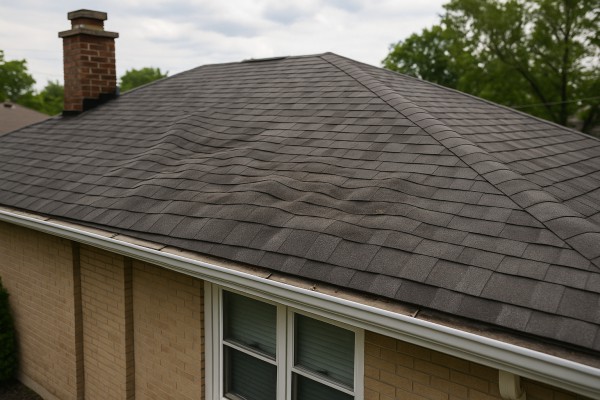
Soft or spongy spots on a roof are a sign that moisture has reached the decking or underlayment. When wood swells, rots, or loses its rigidity, it can feel mushy under pressure. You may notice this during a careful attic check or after a heavy rain. It's a fairly common issue in homes with aging roofs, but it's not something to ignore. The bigger the moisture problem, the greater the risk of structural damage down the line.
What soft or spongy areas mean
- They often indicate damp decking (plywood or OSB) or swollen underlayment beneath the shingles.
- The moisture can come from leaks, high humidity, or past repairs that didn't dry out properly.
- A soft spot can continue to deteriorate if water is allowed to persist.
Common causes
- Leaks around flashing, roof penetrations (vents, chimneys, skylights), or damaged shingles.
- Ice damming or heavy rainfall that saturates the decking.
- Poor attic ventilation or high humidity trapping moisture inside.
- Prior repairs that didn't address underlying moisture or drainage.
Is it urgent or common?
- Common after storms or in older roofs; not every soft spot means imminent collapse.
- Urgency rises with active leaks, visible sagging, or a ceiling or attic area that remains damp.
- If you can press the area and it stays compressed or you hear creaks or see staining spreading, treat it as a sign to investigate promptly.
How to safely assess
- From inside the attic:
- Look for dark stains, damp insulation, or mold near the roof deck.
- Check for soft, damp, or sagging joists or plywood.
- From outside (with caution):
- Do not walk on areas that feel soft. Use binoculars to inspect for missing shingles, damaged flashing, or gaps in the flashing around vents and chimneys.
- Check for water streaks or staining on exterior walls near the roofline after rain.
- Tools (optional):
- A moisture meter can help gauge moisture levels in the decking, but a professional assessment is often necessary for accurate readings.
High-level next steps
- 1) Schedule a professional roof inspection to confirm decking condition and overall roof structure.
- 2) Obtain a written assessment that rates urgency (emergency, urgent, or routine) and outlines needed repairs.
- 3) Plan repairs or replacement based on decking condition: replace damaged decking, install proper underlayment, and address ventilation and drainage.
- 4) Improve prevention: fix leaks promptly, maintain attic ventilation, and keep drainage paths clear to minimize future moisture buildup.
Quick maintenance tips to reduce risk
- Keep gutters and downspouts clear so water can drain away from the roof correctly.
- Trim back branches that overhang the roof to prevent moisture from collecting on the surface.
- Inspect the attic after heavy rains for dampness and address any sources of moisture quickly.
Are Soft or Spongy Roof Areas an Emergency?
Quick assessment: Is this an emergency?
Soft, spongy roof areas often signal trapped moisture and possible structural weakness. If you notice any of these signs, treat it as urgent and protect occupants and belongings:
- Active water dripping inside during rain
- Roof deck or ceiling feels soft or give when pressed
- Sagging attic framing or ceiling tiles
- Water stains spreading across ceilings or walls
- Wet insulation or a musty attic odor
- Light visible through the attic floor or roof sheathing
- Pooled water in the attic or near electrical fixtures
- There is an active leak while it's raining or you see new water entering the interior
- The roof deck feels visibly soft, wobbly, or sinks under gentle pressure
- Water is pooling on the attic floor and running toward outlets, switches, or exposed wiring
- Flashing is damaged, gaps exist around chimneys, vents, or skylights, or shingles are torn away with some exposure
- You notice widespread mold growth or persistent dampness that persists after rain stops
- There is any associated structural concern you notice from inside the home (cracking walls, doors that won't close, or sudden changes in ceiling height)
Monitor if
- Weather is clear and there's no active drip
- There are only small, pinpoint damp spots on a single ceiling or attic area
- You can safely observe from a distance or from the attic without stepping on soft spots
- The interior area shows no movement in the ceiling or walls over the next 24–48 hours
- You're prepared to call a roofer if conditions change (e.g., more rain, rising moisture, or new stains)
Can wait if
- The roof shows a localized damp spot with no active dripping and no interior staining
- Conditions are dry for now and a repair can be scheduled within the next few days
- The soft area is small and there are no safety concerns noted from inside the home
- You can arrange temporary measures (see below) and still schedule a professional inspection soon
What you can do safely right now (short list)
1) Prioritize safety: stay away from any visibly soft, sagging, or unsettled roof areas. Do not walk on roof porch or soft spots.
2) Protect interiors: place buckets under any drips; move valuables and electronics away from the affected area.
3) Contain moisture: if you can safely access the attic, loosely cover wet insulation with plastic sheeting to slow further moisture spread (do not crush insulation or create a tripping hazard).
4) Temporary tarp option: if you can safely reach the exterior and there's a rain risk, use a clear tarp and weighted lumber to cover the damaged area from a safe distance. Do not climb onto the roof without proper fall protection.
5) Document changes: take photos of stains, drips, and any visible damage. Note dates and weather conditions to share with the roofer.
Quick safety reminder
If at any point you feel uncertain about structural integrity, or if you hear creaking, cracking, or see rapid changes in the roof or attic, treat it as an emergency and call a professional immediately.
What Causes Soft or Spongy Roof Areas?
Water intrusion and moisture buildup
- Water getting past the roof surface slowly soaks into the decking and insulation, reducing wood strength and making areas feel soft underfoot.
- Common sources: loose flashing, cracked or missing shingles, damaged seals around vents or chimneys, improper flashing at roof penetrations, or a roof with too little slope for the climate.
- Signs to notice: damp attic insulation, dark spots on ceilings, musty smell, peeling paint inside, or discolored roof sheathing when you peek in an attic.
- What to do:
1) Inspect from the attic after a rainstorm for active drips or dampness.
2) Check for soft, spongy spots on the decking or noticeably damp insulation.
3) Hire a pro to confirm moisture levels and locate the source, then repair flashing, shingles, or seals as needed.
Roof deck rot and framing decay
- Prolonged moisture exposure can rot the roof deck and even compromise underlying framing, causing weakened support and sponginess.
- Signs to notice: warped or softened decking, visible mold growth, musty attic air, or sagging rafters in the attic.
- What to do:
1) Avoid stepping on suspect areas to prevent further damage.
2) Have a structural assessment performed; moisture meters and infrared cameras help pinpoint hidden rot.
3) Replace rotten decking and any compromised framing; address water entry first to prevent recurrence.
Inadequate attic ventilation and insulation failures
- Poor airflow traps humid air in the attic, leading to condensation on cold surfaces and wood rot over time.
- Signs to notice: dramatically higher attic humidity, attic heat in summer, ice dams in winter, or moldy insulation.
- What to do:
1) Evaluate venting: soffit, ridge, and gable vents should be balanced to create a continuous air channel.
2) Ensure insulation is evenly distributed and not blocking vents.
3) Improve or retrofit ventilation and insulation as recommended by a roofing professional.
- Hail impact, wind uplift, and age-related wear weaken shingles and underlayment, allowing moisture to creep in and soften the deck.
- Signs to notice: missing or cracked shingles, granule loss in gutters, exposed underlayment, or visible sagging areas after storms.
- What to do:
1) Document hail and wind damage with photos for insurance if applicable.
2) Have shingles and underlayment inspected; replace damaged sections promptly.
3) Consider a roof replacement if the deck is extensively aged or compromised.
Biological growth and debris buildup
- Moss, algae, and leaf debris retain moisture on the roof surface, prolonging damp conditions and contributing to deck rot.
- Signs to notice: green or black staining, spongy feel under moss patches, clogged gutters or roof valleys.
- What to do:
1) Remove debris and treat organic growth with appropriate cleaners or professional treatment.
2) Trim overhanging branches to reduce shade and debris accumulation.
3) Maintain a clean roof line and proper valley and gutter drainage to prevent standing moisture.
Poor installation quality and material defects
- Incorrect nailing, improper sealing, or mismatched materials can create weak spots that soak up moisture and feel soft.
- Signs to notice: shingles that curl, lift, or detach early; inconsistent deck exposure; premature wear around penetrations.
- What to do:
1) Review original installation details if you recently moved in or notice odd wear patterns.
2) Have a qualified roofer assess for installation flaws and material defects.
3) Plan targeted repairs or a full system replacement if necessary, focusing on proper flashing, nailing, and underlayment.
Quick checks you can do now
- Look inside the attic for damp spots, staining, or unusual warmth on decking.
- Inspect the exterior for missing or damaged shingles, flashing gaps, or granule loss.
- Note any sagging or soft spots on the roof surface during a careful internal inspection from the attic.
If you find one or more of these conditions, treat it as a warning sign and arrange a professional evaluation to pin down the exact cause and the best repair plan.
How Roof Materials Affect Soft or Spongy Roof Areas
Common roofing materials and how they are affected by Soft or Spongy Roof Areas
- Asphalt shingles
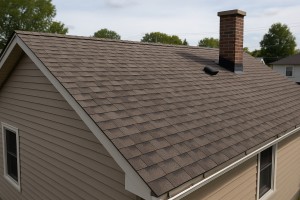
- What soft spots mean: The surface layer may still look okay, but soft, damp areas usually signal rotten or damaged deck sheathing underneath. Shingles rely on a solid substrate for proper nail hold and wind resistance; when the deck is soft, nails can back out and leaks become more likely.
- Practical impact: Increased risk of leaks, accelerated granule loss around the soft zone, and faster deterioration of the roof's edge and flashing if water finds its way beneath.
- Metal roofing
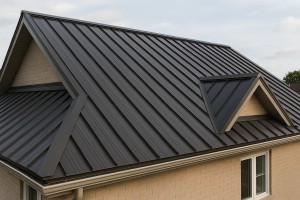
- What soft spots mean: The metal itself is durable, but if the plywood or OSB deck beneath is soft, fasteners can loosen, seams may shift, and the underlayment can deteriorate.
- Practical impact: Potential for water intrusion around fasteners, ridge and valley leaks, and need to address substrate rot before resealing or reseating panels.
- Wood shingles/shakes
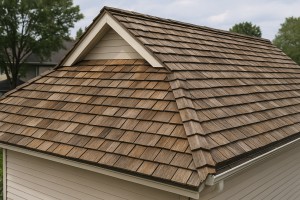
- What soft spots mean: Wood rot from moisture intrusion is common; soft areas indicate fungal decay or insect damage.
- Practical impact: Warping, cupping, and accelerated edge deterioration; replacements or full rooding repairs are often required to restore sealing.
- Clay and concrete tiles
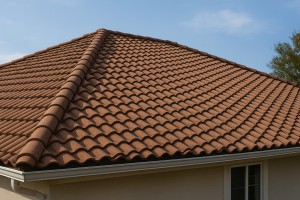
- What soft spots mean: Tiles sit on a heavy deck with underlayment; if the deck or structural support is compromised, tiles can crack, loosen, or misalign.
- Practical impact: Increased risk of leaks from cracked or displaced tiles and the need to replace damaged tiles and possibly repair the underlayment and substrate.
- Slate
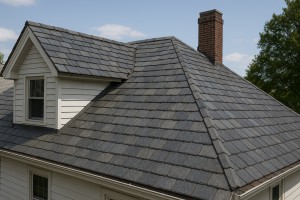
- What soft spots mean: Slate is durable, but the supporting deck must be sound. Soft spots point to deck rot or compromised roof framing.
- Practical impact: Heavy weight compounds risk; repairs often involve replacing rotten framing and ensuring proper support before re-laying or resealing slate.
- Rubber/EPDM (flat or low-slope roofs)
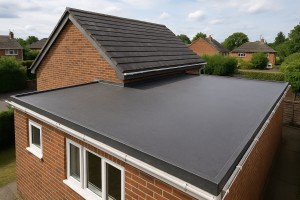
- What soft spots mean: The membrane may show punctures, wrinkling, or delamination over compromised substrate.
- Practical impact: Water can seep through seams; you may need patching or entire membrane replacement along with substrate repair.
- Synthetic/composite shingles
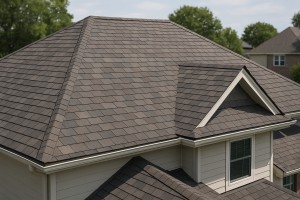
- What soft spots mean: These mimic asphalt but can tolerate moisture differently; prolonged moisture can cause swelling, curling, or delamination.
- Practical impact: Surface damage can reveal underlying deck issues; expect deck inspection and possible panel replacement if the core is damaged.
- Other common low-slope or specialty systems
- What soft spots mean: Any roof type depends on a solid substrate and proper underlayment; soft areas suggest moisture has compromised the structure beneath.
- Practical impact: Repairs focus on substrate restoration and ensuring the chosen system seats correctly on a dry, solid base.
How soft or spongy areas typically interact with material-specific repairs
- Asphalt or composite shingles: If the deck is soft, you'll likely need to replace sections of decking and reseal flashing, not just patch shingles.
- Metal roofs: Address underlying rot first; after decking is solid, reseal and reattach panels with proper fasteners and sealant.
- Wood shingles/shakes: Rot must be removed and replaced; treat surrounding wood to prevent future decay.
- Tiles (clay/concrete/slate): Underlayment and decking repair are often required before re-laying tiles; ensure structural support is intact for heavy systems.
- Flat rubber or membrane: Repair usually centers on patching the membrane and repairing or replacing the substrate to stop recurring moisture intrusion.
Quick indicators to guide your next steps
- In the attic: Look for dark staining, mold, or new water marks near soft areas.
- On the roof surface: Gently press only on the surface within the soft zone; if you feel significant give, treat it as compromised.
- Around penetrations: Flashings, vents, and chimneys nearby can signal where rot is spreading.
Steps to take when you find soft spots (homeowner-friendly)
1. Prioritize safety: avoid walking on the softened sections and set up a tarp to limit further water intrusion if needed.
2. Document extent: note the size and boundaries of soft areas from attic and roof access.
3. Schedule a professional inspection: roof and deck rot can extend beyond visible spots; a pro can determine the exact scope.
4. Plan for substrate repair: expect decking replacement or reinforcement before any material-specific patching or resealing.
5. Maintain moisture control: fix leaks promptly and improve attic ventilation to slow further deterioration.
The Risks of Ignoring Soft or Spongy Roof Areas
What a soft spot signals
Soft or spongy roof areas are your roof telling you something isn't right. They often mean moisture has breached the decking or insulation, and wood has begun to rot. The surface may look fine, but underneath the layers, strength is compromised. Ignoring these spots lets moisture persist, which accelerates decay and invites bigger problems.
Structural risks
- Rot weakens decking and framing. Once wood fibers break down, the roof loses support in that area.
- Local sagging or dips can develop, stressing surrounding shingles and flashing.
- Repeated wetting cycles thin the roof's overall load-carrying capacity, increasing the chance of sudden failure.
Water intrusion and interior damage
- Water can infiltrate through softened decking and reach attic insulation, rafters, and ceiling joists.
- Signs inside include staining, bubbling paint, warped drywall, and damp insulation in the attic.
- Over time, hidden leaks create mold-friendly environments behind ceilings and walls.
Mold, mildew, and health concerns
- Moist environments foster mold growth, which can spread beyond the attic into living spaces.
- Mold spores may trigger allergies, coughing, and asthma-like symptoms, especially for sensitive individuals.
- Hidden mold is costly to remediate and can affect indoor air quality long after the leak is fixed.
Energy efficiency and comfort
- Wet or compromised insulation loses its effectiveness, causing drafts and higher heating or cooling bills.
- Attic air can become improperly vented, leading to heat buildup in warm months and cold spots in winter.
Escalating repair costs
- Small rot can quickly spread to neighboring boards and rafters, turning a simple roof spot repair into a full deck replacement.
- Delayed fixes often mean you pay for more shingles, flashing, underlayment, and potential plywood or structural repairs.
- Insurance claims and downtime can add to costs if leaks cause interior damage or mold remediation.
Safety hazards for you and your property
- Soft spots can give way under weight, creating fall hazards for anyone walking on the roof.
- Compromised decking raises the risk of sudden collapse under heavy rain, wind, or snow.
- Loose or curling shingles above damaged areas can be a flyaway projectiles in strong winds.
Signs to watch for beyond the soft spot
- Dark, wet patches on ceilings after rain.
- Rumbling or dripping sounds in the attic.
- Musty odor near the attic access or ceiling.
- Visible moisture or staining around penetrations like vents or skylights when you peek from the attic.
Quick practical steps if you find a soft spot
1) Stop walking on the area to avoid further damage.
2) Keep occupants and pets away from the roof line and attic access.
3) Photograph the area from inside and outside to document the extent.
4) Check the attic for signs of moisture, staining, or damaged insulation.
5) Schedule a professional roof inspection promptly to assess decking integrity and moisture levels.
6) If you must weatherproof temporarily, cover the area with a sturdy tarp secured away from edges, only if it's safe to do so from the ground or from a ladder with proper safety precautions.
How Soft or Spongy Roof Areas Are Diagnosed
Exterior surface indicators
- Sagging or dip in the roof plane that isn't explained by a simple shingle wave.
- Soft, yielding spots when you press with a firm foot (from the ground, avoid stepping if you're unsure).
- Visible buckling, curling, or cupping shingles, especially near valleys, edges, or flashings.
- Dark stains, staining, or moss/algae growth that persists despite cleaning.
- Shingle granules accumulating in gutters or downspouts—too much grit can signal deteriorating decking or underlayment.
- Areas where light shines through from the attic, indicating potential decking gaps or rot.
Ground-level checks you can safely do
- Inspect gutters and downspouts for excessive shingle granules, which can mean accelerated wear.
- Look for ponding water on flat or low-slope sections after a rain; standing water can seep through weakened decking.
- Note any discoloration on siding or fascia that lines up with roofing problems; interior stains often reflect an issue above.
- Observe nearby trees or branches that may rub and abrade the roof over time, accelerating damage.
Roof-access inspection: safe approach
1. Plan and prepare
- Use a sturdy ladder, stabilize it, and have a helper if possible.
- Wear rubber-soled shoes, gloves, and eye protection; avoid working in wet or windy conditions.
2. Do a careful sounding test
- If you must walk, test with a light tap using a wooden hammer or trowel handle.
- Listen for hollow or dull sounds that contrast with solid, papery decking sounds.
3. Identify soft spots without overstepping
- Mark any area that feels unusually soft or gives under light pressure.
- Avoid stepping near seams, valleys, or where decking appears warped or cracked.
4. Photograph and mark
- Take clear photos of every suspect area from multiple angles.
- Create a simple map or notes showing approximate location (e.g., “north slope, mid-span”).
Attic and decking checks
- Look for water stains, mold, or dark blotches on the underside of the roof sheathing.
- Check insulation for dampness or a sudden decrease in R-value in a localized spot.
- Press gently along the attic decking (where accessible) to detect unusually soft or crumbly wood.
- Note any musty odors, which can signal hidden moisture and rot behind the decks.
- If you can access a loft vent or baffle, see if moisture is condensing in cold spots or along rafter lines.
- Moisture meters (pin-type or pinless)
- Pin-type meters measure actual moisture at specific depths; pinless models scan the surface.
- Readings commonly expressed as a percentage; for properly dried wood, typical deck moisture is under roughly 15–20%, depending on climate and wood species.
- Consistently elevated readings (e.g., 20% or higher) in several adjacent spots indicate moisture intrusion and potential rot.
- Infrared (IR) cameras
- Reveal temperature differences that can correspond to moisture-rich areas behind decking.
- Moisture tends to appear as cooler or irregular patches on a thermal image, prompting closer inspection.
- Ultrasonic or borescopes (advanced)
- These tools can help confirm rot in hidden boards without complete removal, but are best used by pros.
Interpreting clues and red flags
- Any soft decking combined with moisture readings above typical thresholds and interior staining is a strong sign of rot or compromised underlayment.
- If several areas show soft spots, or one large area seems to be deteriorating, plan professional assessment sooner rather than later.
- Isolated soft spots with no interior signs may still require monitoring; continue regular inspections after weather events or heavy rain.
Quick tips for homeowners
- Prioritize safety: avoid walking on damaged sections; use a roof-safe alternative (like a ladder stabilizer) and consider a professional evaluation for uncertain areas.
- Document changes after storms or heavy rain so you can compare findings over time.
- Keep a record of findings and photos to share with a roofer if you decide to seek an expert assessment.
Repair Options for Soft or Spongy Roof Areas
Temporary fixes
- Prioritize safety first: limit foot traffic on the affected area, and wear sturdy boots, gloves, and eye protection.
- Stop the water path: place a temporary tarp or plastic sheeting over the area and secure it with nails or heavy rocks, extending several feet beyond the softened zone.
- Reduce moisture in the attic: run a fan or two, open any vents, and use a dehumidifier if available to dry the space and slow further rot.
- Catch leaks indoors: set a bucket or tub under any active drip, and lay a thick plastic sheet on ceilings or insulation to minimize secondary damage.
- Quick seal for small seepage: apply roofing cement over the damp spot and cover with a patch of self-adhesive flashing or a mesh patch, then press firmly to seal.
- Document for your records: photograph the affected area from inside and outside so a roofer can assess properly when you're ready to call in a pro.
Minor repairs
- Step 1: Confirm scope from the attic. Check for staining, softness, or squishy decking. If the underlayment or decking feels spongy beyond a small patch, plan for more extensive repair.
- Step 2: Stabilize loose components. Re-nail or secure any raised shingles and ensure drip edge and flashing around vents are tight.
- Step 3: Patch damaged underlayment. Lift a small shingle or two, replace the compromised felt or ice-and-water shield, and re-seal with compatible roofing cement.
- Step 4: Deck touch-ups. If the wood is only slightly swollen or has very small rotten spots, you can screw down the area or replace a tiny section (typically a half- to one-square foot patch) with matching plywood. Seal the edges with a compatible sealant.
- Step 5: Flashing and sealants. Re-seat or replace faulty flashing around chimneys, skylights, and vents; apply a dedicated roof sealant to gaps, making sure you're using products rated for exterior roof use.
- Step 6: Reassess after a rain. If new leaks appear, plan for a more thorough assessment or partial replacement rather than another quick patch.
Partial replacement
- When soft spots cover a wider but still localized area, you'll typically remove rotten decking in that zone and replace with new material rather than redoing the whole roof.
- Step 1: Mark and cut out damaged sections. Remove all visibly rotten plywood to solid, healthy wood.
- Step 2: Install new decking. Fit and fasten 3/4" plywood to match existing thickness; stagger seams to maintain strength.
- Step 3: Rebuild the layer stack. Reinstall underlayment (felt or synthetic), ensuring proper overlaps and good sealing around edges.
- Step 4: Re-shingle or re-lay. Align new shingles with existing rows, nail per manufacturer specs, and blend flashing to surrounding areas.
- Step 5: Ventilation check. Confirm attic vents and soffit intake remain clear to reduce future moisture buildup.
- Step 6: Final inspection. Look for smooth transitions between patched area and intact roof, and ensure there are no leftover soft spots.
Full roof replacement
- A full replace is usually warranted when soft areas are widespread, multiple decks are compromised, or the roof is near the end of its life. It may also be required if moisture has penetrated framing or if multiple partial repairs keep failing.
- Step 1: Gather a professional assessment. A licensed roofer should confirm structural integrity and provide a written plan and warranty options.
- Step 2: Prepare for teardown. The contractor will remove all existing shingles, underlayment, and damaged decking, with debris containment and protection for interior spaces.
- Step 3: Deck evaluation and repair. Replace any rotted or damaged plywood across the entire roof area, ensuring a solid base for the new system.
- Step 4: Install new system. Lay new underlayment, install proper ventilation, and apply a roof system that fits your climate (asphalt shingles, metal, or other materials).
- Step 5: Finish and inspection. Install flashing, valleys, drip edges, and ridge caps; conduct final leak test and provide warranty documentation.
Typical Costs to Repair Soft or Spongy Roof Areas
Minor repair
- Description: Small soft spots typically confined to a few damaged or damp deck boards beneath a limited area of shingles. Often caused by localized moisture exposure or minor rot that doesn't affect the overall roof structure.
- What's usually done:
1) Identify the exact soft spot and confirm there's no widespread rot.
2) Remove a small section of shingles around the spot.
3) Inspect decking for moisture damage; replace 1–3 rotted boards as needed.
4) Seal and treat exposed wood, re-nail, and reapply underlayment.
5) Re-shingle and seal edges to restore weatherproofing.
- Typical cost: $200–$800
- Includes labor, a small amount of materials, and minor decking replacement. Higher if access is tight or hidden damage is found.
Moderate repair
- Description: More extensive deck or underlayment damage that spans a larger area. May involve several adjacent boards, a section of plywood/OSB, or light framing reinforcement.
- What's usually done:
1) Map the damaged zone and assess structural implications.
2) Remove the damaged decking over a larger patch (roughly several square feet).
3) Replace affected boards and, if needed, a short section of joist or support.
4) Install new underlayment, reseal seams, and re-nail.
5) Reinstall shingles and perform a leak test.
- Typical cost: $1,000–$4,000
- Costs vary with deck thickness, number of boards replaced, and whether any minor framing work is required. Larger or harder-to-reach areas push prices higher.
Major repair
- Description: Widespread rot or significant damage to the roof deck or supporting structure. This may involve substantial replacement of decking, joists/framing, and possibly a portion of the roof itself if the deck damage exposed the sheathing to prolonged moisture.
- What's usually done:
1) Comprehensive inspection to determine scope, including structural assessment.
2) Remove a large section of decking and possibly damaged framing.
3) Replace damaged joists/trusses, install new decking and ventilation as needed.
4) Add or repair underlayment, flashings, and insulation as required.
5) Re-shingle, seal, and perform a full leak test and final inspection.
- Typical cost: $5,000–$15,000+
- Large-scale repairs can exceed this range on bigger homes or multi-story roofs, especially if substantial structural work or permits are involved.
What factors affect cost
- Roof size
- Larger roof areas require more materials and longer labor time, increasing overall cost.
- Access
- Hard-to-reach sections (high pitches, steep slopes, or attic access limitations) raise labor costs and may require special equipment.
- Material type
- Plywood/OSB grade, decking thickness, and the type of shingles or membrane influence both material costs and installation time.
- Extent of damage
- Isolated spots are cheaper; extensive rot or structural damage dramatically increases labor and material needs.
- Local labor rates
- Regional wage differences, permit requirements, and contractor availability can shift price bands up or down.
Quick reference planning steps
1) Inspect roof interior and exterior cautiously to gauge scope.
2) Get at least 2–3 written estimates, specifically noting deck/wood replacement and any framing work.
3) Ask about warranties on repairs and materials.
4) Clarify whether permits are needed and who handles them.
How Long Can You Wait Before Addressing Soft or Spongy Roof Areas?
Immediate risk: 0–24 hours
Soft or spongy spots often signal moisture inside the decking. If you notice active dripping, pooled water on the ceiling, or a strong musty odor, treat it as an urgent situation. What you do in the first day can limit interior damage.
- Do not walk on the affected roof area. Soft spots can fail under your weight.
- Protect the interior: place containers under leaks and cover exposed areas with plastic sheeting from the inside if you can do so safely.
- Minimize further intrusion: shut off attic fans or powered vents near the area to discourage pulling more moisture into living spaces.
- Photograph the damage and note the exact location for your roofer and insurance.
- Call a licensed roofer or emergency repair service if there's active leakage or signs of structural collapse.
Short-term risk: 24–72 hours
Within a couple of days, moisture can soak deeper into decking, insulation, and framing. The risk of mold, mildew, and hidden rot increases, and structural integrity may begin to weaken.
- Tarp or cover exposed roof areas where safe and feasible, weighting the edges so wind doesn't blow it loose.
- Keep interior moisture under control: run exhaust fans in bathrooms and kitchens away from the affected zone, and avoid turning the thermostat to extreme humidity levels.
- Inspect the attic from below for additional leaks or ceiling staining; document with photos for your contractor.
- If you must access the attic, step carefully and only on solid-supported rafters or joists—do not step on soft decking.
Medium-term risk: 3–7 days
A week of moisture exposure can start to degrade plywood or OSB decking, weaken fasteners, and encourage mold growth behind walls. You may notice more pronounced sagging or changes in ceiling shape.
- Expect potential insulation damage; mold can spread into living spaces if penetrations exist.
- Any temporary repairs should be monitored daily for leaks or wind-driven damage.
- If there is minor sag or springiness underfoot, avoid heavy loads near the affected area and plan for a professional assessment as soon as possible.
- Stay in close touch with your roofer about next steps and timelines for a permanent fix.
Longer-term risk: 1–4 weeks
If moisture remains untreated, extensive rot and structural compromise become more likely. Mold can spread beyond the attic, affecting indoor air quality and energy efficiency. You may see higher repair costs and more extensive restoration needs.
- Decking and framing rot can necessitate partial roof replacement or even a full reroof in severe cases.
- Insulation damage reduces energy efficiency and can raise heating/cooling costs.
- Prolonged moisture exposure increases the chance of secondary damage to walls, ceilings, and interior finishes.
- There's a greater likelihood of insurance or warranty implications if moisture is neglected for too long.
What happens if you wait to address the problem in several timeframes
- 0–24 hours: Small leaks may become active drips; interior moisture damage starts, and early mold risk rises.
- 24–72 hours: Deeper penetration into decking and insulation; higher mold and rot risk; faster deterioration of temporary fixes.
- 3–7 days: Structural components show signs of weakening; potential sagging; more extensive interior moisture problems.
- 1–4 weeks: Significant rot and mold spread; higher repair or replacement costs; possible need for larger-scale restoration.
Practical steps you can take now
- Create a simple, room-by-room damage diary (date, location, photo, notes).
- Prioritize safety: avoid walking on soft roof areas; if in doubt, wait for a pro.
- Contain and protect: use tarps and plastic sheeting to limit further intrusion, secure with rocks or weights.
- Document all damage for your insurer and contractor.
- Schedule a professional roof inspection as soon as it's safe to do so, and follow their guidance on temporary coverings and long-term repairs.
How This Problem Varies by Location and Climate
How This Problem Varies by Region & Climate within the United States
Soft or spongy roof areas show up differently depending on where you live. Climate drives how much moisture the roof system regularly handles, how quickly it dries, and where rot or fungal growth tends to start. The same warning sign—soft spots—can have different culprits and required fixes in different places.
- Humid coastal areas (Northeast, Southeast, Pacific Northwest): moisture sticks around longer, so decking and insulation can stay damp for extended periods. Expect more mold, mildew, and fungal rot if leaks aren't repaired promptly.
- Dry, hot regions (Southwest, Great Plains): high heat and sun can dry wood quickly, masking underlying leaks. When moisture does enter, it may cause damage behind shingles and in attic spaces that isn't obvious from above.
- Cold, freeze-thaw zones (Upper Midwest, Northeast): repeated freezing and thawing push moisture in wood to expand and contract, accelerating deterioration of decking and fasteners. Ice dams and heavy snow add stress to flashing seams.
- Regional materials and ventilation practices: some areas use decking or underlayment that tolerate moisture differently. Local building codes and typical attic ventilation strategies also shape how quickly damp conditions become soft spots.
Humid, Wet Coastal Regions
- What tends to happen: decking and insulation stay damp; rot can advance faster; mold growth is more likely.
- Where to check: near valleys, around chimneys, vents, skylights, and roof-to-wall transitions.
- Key fixes: boost attic ventilation (baffles, soffit vents), ensure a continuous vapor barrier, repair leaks promptly, and keep gutters clear to minimize roof face saturation.
Hot, Dry Regions
- What tends to happen: surfaces can dry out quickly, masking slow leaks; hidden moisture in decking may linger and compromise structure.
- Where to check: shaded or low-traffic roof zones, around penetrations, and along edges where roof deck meets flashing.
- Key fixes: inspect for blistering or sagging underlayment, ensure adequate attic ventilation, seal penetrations well, and address any hidden leaks before they propagate.
Cold, Freeze-Thaw Regions
- What tends to happen: moisture entering decking freezes and expands, causing micro-cracks and soft spots after thaw.
- Where to check: eaves, flashing corners, and areas with poor insulation or ventilation.
- Key fixes: improve insulation at the attic, seal air leaks, clear intake/export vents, and repair damaged decking or flashing before ice damming worsens.
Coastal vs Inland Variation
- Coastal realities: salt air accelerates corrosion of metal flashings and fasteners; salt and humidity promote moss and mildew growth.
- What to watch: rusting metal components, persistent staining, and soft spots near flashings.
- Action: choose corrosion-resistant materials, rinse roof surfaces occasionally, and seal vulnerable penetrations well.
- Inland realities: bigger temperature swings and drier air can cause faster drying but also more dramatic condensation inside roofs.
- What to watch: seasonal leaks, attic condensation, and gaps around vents.
- Action: ensure consistent ventilation, check insulation levels, and seal penetrations to reduce condensation-driven softness.
What Homeowners Can Do (practical steps)
1) Identify areas that feel soft or spongy in the attic or from a ladder, but avoid stepping on weak spots.
2) From the attic, look for damp insulation, staining, or dark mold patches around penetrations and joints.
3) Use a moisture meter or infrared camera if you suspect hidden moisture behind decking or insulation.
4) Prioritize repairs by climate: fix active leaks first, then address ventilation, insulation, and flashing to improve drying potential.
5) When in doubt, document soft spots with photos and notes and plan a professional assessment to confirm rot and determine needed decking or framing replacements.
