Ultimate Guide to Visible Daylight in Attic
Last updated: Feb 28, 2026
Introduction: Visible Daylight in the Attic
What daylight in the attic means
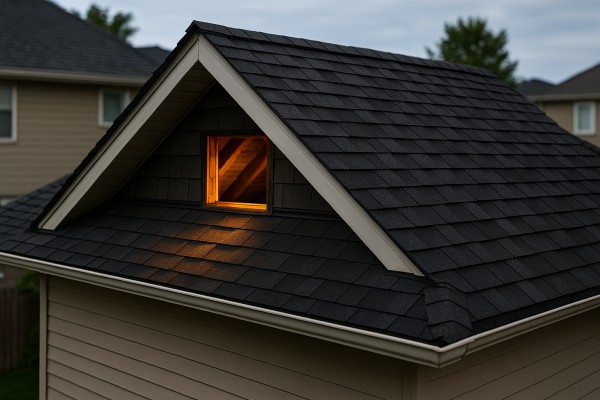
Visible daylight in the attic means there's a breach somewhere along the roof assembly that lets sunlight pass into the space. That gap could be a small crack or a larger opening. Common culprits include missing or damaged shingles, compromised flashing around vents or chimneys, or gaps where the roof deck and insulation meet. Even small light leaks can allow heat, moisture, and pests to get in, which can hurt energy efficiency and raise the risk of moisture-related problems in your home.
Is it urgent or common?
- It's a surprisingly common issue, especially on older roofs or after severe weather.
- The urgency depends on moisture. If you see daylight but there's no rain or dampness, you still want to address it soon to prevent future leaks and energy loss.
- If daylight is paired with active leaks, water staining, mold, or damp insulation, treat it as urgent and limit use of the affected attic area until a pro can assess.
Common causes of daylight in the attic
- Damaged or missing shingles near the roof edge or ridge.
- Gaps in flashing around vents, pipes, skylights, or chimneys.
- Deteriorated or displaced roof decking or underlayment.
- Poorly sealed attic hatch, scuttle, or access doors.
- Improperly installed or degraded insulation that allows light to shine through gaps.
Quick safety checks you can do (no roof work)
- Inspect from the attic floor: look for obvious gaps, holes, or thinning insulation.
- Note the exact locations where daylight appears (use tape marks or chalk on rafters to map the spots).
- Check for signs of moisture, staining, or mold near the lighted areas.
- Keep traffic away from any clearly fragile areas; do not crawl on a compromised roof from the outside.
- If there's active water intrusion, dripping, or you smell moisture, minimize disturbance and plan for a professional assessment.
High-level next steps
- 1) Confirm scope from inside: map daylight spots and note any moisture or mold indicators.
- 2) Photograph the problem areas to share with a roofer or inspector.
- 3) Schedule a licensed roof professional for a thorough inspection and a written estimate.
- 4) Discuss repair options: spot repairs vs. full roof repair or replacement, flashing fixes, and ventilation or insulation updates.
- 5) Plan for permanent fixes and any related energy-efficiency upgrades to prevent future daylight leaks.
Is Visible Daylight in the Attic an Emergency?
Quick assessment
Visible daylight in the attic means the roof has a hole or gap somewhere. That opens the space to weather, critters, and potentially structural damage if left unrepaired. The degree of risk depends on weather, the size of the opening, and what's behind it (insulation, wiring, or stored materials). In dry conditions with a small gap, the situation may be urgent but not instantly catastrophic. If it's raining or snowing, the risk of interior water damage and electrical hazards increases quickly.
Is this an emergency? Quick rules
- If you have active water dripping from ceilings or walls below the attic, this is an urgent situation. Water can compromise structure and insulation fast.
- If there's a strong windstorm with a large, gaping hole, the roof could fail further and shed debris.
- If you smell gas, saw smoke, or suspect an electrical problem in the attic, treat it as an emergency and evacuate if needed and call emergency services.
- If you notice rapid warming in attic temperatures, unusual sounds like creaking or cracking from above, or visible signs of sagging, take action promptly.
What to do right now (step-by-step)
1) Stay safe first
- Do not walk on brittle roof decking or near edge eaves if you're on the roof. If you're indoors, avoid crossing the attic floor near the opening.
- If it's raining, do not go into the attic to poke at the hole. Water can worsen the damage quickly.
2) Minimize further damage (only if safe)
- Move or cover valuables in the attic away from the opening.
- If you can access a safe, dry area of the home, place a bucket or towel under active drips to limit water spread. Do not attempt to seal the hole with makeshift materials from inside the attic; this is best left to a professional.
3) Document the damage
- Take clear photos from inside the attic and outside the roof (from ground level if safe) to show the size and location of the daylight.
- Note weather conditions and any changes you observe (new drips, increasing daylight, sounds).
4) Plan your next steps
- Schedule a roofer as soon as possible, especially if you're in active weather or see signs of worsening.
- You're experiencing active water intrusion during rain or snow.
- There is visible structural distress, such as sagging decking or a rapidly enlarging hole.
- You smell gas, notice burning or electrical signs, or hear buzzing near wiring in the attic.
- There are large, exposed areas with daylight that could compromise the roof deck within hours or days.
Monitor if
- The weather is dry, and the hole is relatively small.
- No active leaks are visible yet, but daylight remains. Check periodically (every few hours) for changes in dripping, moisture on insulation, or enlarging gaps.
- You're able to observe from a safe location without entering unsafe areas.
Can wait if
- The daylight opening is minor (a small crack or very small gap) and there are no signs of active leaks, odors, or sounds.
- The attic is dry, there's no wind-driven movement, and no exposed wiring or insulation damage is evident.
- You have a clear plan and a scheduled appointment with a licensed roofer within a day or two, and weather conditions are stable.
Short safety reminders
- Do not ignore the risk of structural weakness lurking behind daylight. Even small openings can widen quickly, especially with wind or heavy rain.
- Never sacrifice your safety to “patch it up.” Temporary fixes by homeowners are risky and often inadequate.
What to tell your roofer
- Exact location and size of the daylight opening.
- Any signs of water intrusion, dripping, or moisture in the attic.
- Weather conditions at the time you discovered the daylight and any changes since then.
- Any electrical or gas odors or signs of wiring in the attic.
Quick reference checklist
- Daylight present in attic: yes/no
- Active leaks: yes/no
- Weather conditions: rain/snow/dry
- Structural concern signs: sagging, cracking, sounds
- Electrical/gas concerns: yes/no
- Photos and notes: available: yes/no
Common Causes of Visible Daylight in Attics
Roofing gaps and penetrations
Daylight in the attic almost always traces to gaps around the roof surface or where something penetrates the roof plane. Common culprits:
- Missing, curled, cracked, or lifted shingles along eaves, hips, valleys, or around penetrations.
- Damaged or improperly flashed flashing around chimneys, vent pipes, skylights, or where roof planes meet.
- Worn or missing roof boots around plumbing vents.
- Gaps at valleys or where new roofing intersects existing flashing.
How to check and fix (quick guide):
1) From the attic, shine a bright light along seams, penetrations, and the ridge to spot daylight paths.
2) On the roof, inspect for loose shingles, exposed nails, or gaps in flashing.
3) Replace damaged shingles, reseal or reflash penetrations, and reseat or replace worn roof boots.
4) Re-test after a rain or hose test to confirm daylight is blocked.
Attic access points and removable hatches
Hatches and access doors that aren't properly sealed let daylight sneak in and, over time, can invite drafts and moisture.
- Worn or missing weatherstripping around the hatch.
- Gaps around the door frame or hinge area.
- Cracks or gaps in drywall or ceiling around the opening.
Fix-it steps:
1) Inspect the hatch frame for daylight leaks and worn seals.
2) Install new weatherstripping or a door sweep; seal any small gaps with foam backer rod and sealant.
3) Consider adding a simple interior trim or extra weatherstripping to reduce drafts.
Skylights, dormers, and roof valleys
Skylights and dormers are common daylight paths if their seals fail or the flashing ages.
- Cracked or broken skylight panes; failed glazing seal.
- Loose, corroded, or missing flashing at skylights or dormers.
- Deteriorated or cracked sealant around the perimeter.
Inspection and remedy:
1) Examine skylight panes for cracks and reseal the perimeter with compatible skylight sealant.
2) Re-flash skylights with proper flashing materials; ensure the flashing laps correctly and is fastened securely.
3) Re-caulk or re-seal the perimeter if the surrounding roofing has settled or expanded.
Chimneys and vent stack openings
Flashing and seals around chimneys and vent stacks are common daylight routes when they fail.
- Damaged or lifted chimney flashing; gaps at the base.
- Cracked vent pipe boots or deteriorated sealant.
- Missing or loose counter-flashing.
Fix steps:
1) Check the base flashing and counter-flashing for gaps or corrosion.
2) Replace cracked boots or sealant around vent pipes; reseal with high-quality exterior sealant.
3) Re-flash damaged chimney corners if needed and re-test for daylight.
Animal entry points and structural gaps
Pests and shifting framing can create new daylight openings.
- Gnawed holes in soffits, fascia, or roof deck edges.
- Loose or damaged fascia, rafter tails, or trim with visible gaps.
- Gaps around attic-to-wall intersections or around vent penetrations that pests exploit.
Remedy:
1) Seal obvious gaps with exterior-grade foam or caulk; flush-fit trim where possible.
2) Repair damaged trim or fascia; install vent baffles or screens to deter entry.
3) Inspect for signs of animal activity (droppings, nests) and address attractants or entry points promptly.
How Roof Materials Affect Visible Daylight in the Attic
What actually controls daylight in the attic
Visible attic daylight is mostly driven by openings, not the roof material itself. Gaps, flashing around penetrations, ridges, vent boots, and skylights determine where light can enter. The roof color and finish influence heat and glare, which can change how bright the attic feels, even if the amount of daylight entering through leaks stays the same. In short: material matters less for direct daylight ingress than the roof's construction and any intentional daylight features.
Common roofing materials and how they affect visible daylight in the attic
- Asphalt shingles (three-tab and architectural)
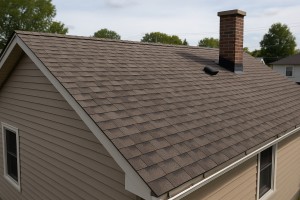
- Direct daylight entry: typically limited to gaps around penetrations and flashing; asphalt shingles are opaque, so they don't transmit light. The color and texture can affect glare and perceived brightness in the attic; lighter shades reflect more sun, which can slightly brighten the attic and reduce heat buildup, while darker shades absorb more heat and can lift attic temperature and air movement, potentially changing how daylight feels inside.
- Practical note: good sealing around vents and flashing helps prevent daylight leaks that can accompany age or poor installation.
- Metal roofing (steel or aluminum, standing seam or corrugated)
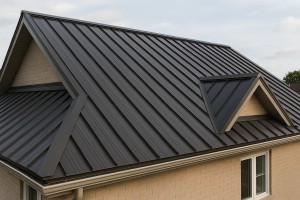
- Direct daylight entry: metal panels are opaque, so daylight still comes mainly through gaps and penetrations. Metal roofs often have tighter seams, which can reduce small daylight leaks, but fasteners and flashing around skylights or vents remain common leak points.
- Practical note: coating color matters for heat and glare; lighter colored metal can reduce attic heat and glare, influencing how bright the space feels on sunny days.
- Clay or concrete tiles
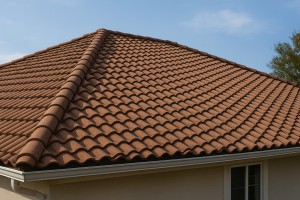
- Direct daylight entry: tiles themselves block light, but gaps around rows, hips, valleys, and penetrations can let daylight through. Proper installation with solid underlayment and flashing is crucial to minimize daylight leaks.
- Practical note: interlocking tile patterns can cast shadows that alter daylight distribution in the attic; warmth from sun on the roof can change attic temperatures and affect insulation performance.
- Wood shingles and shakes
- Direct daylight entry: wood shingles can warp or shrink over time, creating tiny gaps along edges and at dormers or vents. These seams are common sources of daylight leaks if sealants and flashing aren't maintained.
- Practical note: natural color and texture tend to absorb less heat than very dark finishes, but aging wood can change how much daylight you perceive due to movement and daylight pathways opening or closing.
- Slate
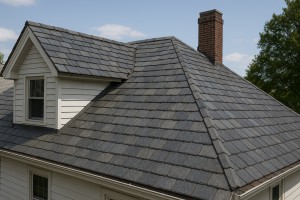
- Direct daylight entry: slate roofs are typically very tight, with fewer gaps when well installed. Daylight leakage usually comes from penetrations or flashing rather than the slate itself.
- Practical note: slate is durable, so long-term daylight issues are more likely from flashing, chimney closures, or vent boots than from the slate panels.
- Composite or synthetic shingles
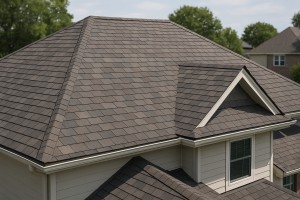
- Direct daylight entry: behave similarly to asphalt in terms of daylight ingress—opaque panels with leaks occurring around penetrations and flashing. Color and aging can influence attic glare and heat.
- Practical note: newer composites may be lighter or darker than traditional asphalt, affecting heat load and perceived daylight brightness.
- Translucent skylights or light-transmitting panels (special-case materials)
- Direct daylight entry: these are designed to bring daylight into the attic or living space, intentionally increasing visible daylight. They require careful sealing and shading control to balance brightness and heat gain.
- Practical note: if you're evaluating daylight in an attic with these, plan for glare control and potential heat load with venting or shading options.
Quick reference: daylight-friendly checks by material type
- If you have an opaque roof and see daylight leaks: inspect flashing around vents, chimneys, and skylights; reseal as needed.
- If you notice unusual glare or heat buildup: consider attic ventilation and roof color choices for future repairs or upgrades.
- If your roof uses translucent panels: ensure proper sealing and consider shades or diffusers to manage daylight and heat.
Step-by-step: assess daylight impact in your attic
1. Inspect the attic on a sunny day for any daylight spots, especially around penetrations.
2. Check flashings, boots, and sealants around vents, chimneys, and skylights.
3. Note any color or finish changes on the roof that could affect heat and glare inside.
4. Plan maintenance or upgrades with emphasis on sealing gaps and improving ventilation to control daylight heat and brightness.
The Risks of Ignoring Visible Daylight in the Attic
What daylight in the attic really signals
Visible daylight means the roof or attic enclosure has a breach. That could be a missing shingle, compromised flashing, a gap around vents or chimney, or an insulation/ventilation issue that left a hole exposed. Daylight is a direct path for moisture, pests, and air exchange that you don't want happening in your home.
- Water intrusion and staining: Even narrow gaps can let rain seep in, leading to warped decking, soggy insulation, and ceiling stains that may appear long after the rain ends.
- Mold and mildew growth: Moist air and moisture entering the attic create ideal conditions for mold, which can spread into living spaces and trigger allergies or respiratory issues.
- Insulation degradation: Exposed gaps let conditioned air escape or unconditioned air enter, reducing comfort and increasing energy use.
- Electrical hazards: Light channels can bring moisture near wiring or fixtures, increasing the risk of short circuits or fire if wiring is compromised.
Structural and material damage
- Rotted or warped attic framing: Prolonged moisture can weaken rafters, boards, and sheathing, compromising roof stability.
- Fastener and nail corrosion: Continuous moisture exposure can corrode nails and metal connectors, reducing roof performance over time.
- Accelerated roof deck wear: Plywood or OSB beneath the shingles can deteriorate faster when exposed to sun, moisture, and temperature swings.
Hidden dangers you might miss
- Pest intrusion: Daylight openings invite rodents, birds, and insects, which bring additional damage and sanitation concerns.
- Allergens and poor indoor air quality: Mold spores and dust can migrate from the attic into living spaces.
- Ice dam and condensation risks (in colder climates): Daylight spots can reflect heat into an attic, promoting uneven melting and refreezing that stresses shingles and gutters.
Why this affects your energy bills
- Heat transfer: Openings in the attic compromise the insulation envelope, making upstairs rooms hotter in summer and cooler in winter.
- HVAC strain: Your furnace or AC runs longer to compensate for lost conditioned air, raising utility costs and shortening equipment life.
Fire risk considerations
- Exposed wiring and dry wooden members provide fuel for fires if electrical faults or arcing occur, and the presence of daylight typically points to areas where moisture and heat exchange could aggravate ignition risks.
The role of ventilation and roof condition
- Ventilation gaps can worsen moisture buildup if attic vents are blocked or poorly sized, creating a cycle of dampness that invites mold and wood damage.
- Poor flashing or sealant around skylights, vents, and chimneys increases the likelihood of recurring leaks and hidden damage that daylight proudly reveals.
Quick-start steps (numbered)
1) Map and document every daylight source you can find in the attic, taking clear photos from multiple angles. Note timing (after rain, sunny days, or wind directions) to help a pro troubleshoot.
2) Avoid DIY fixes on the roof or inside the attic. Do not seal daylight from inside the space; improper sealing can trap moisture and worsen damage.
3) Protect your belongings and keep the attic dry. If there is active dripping, place towels or containers to catch water and minimize contact with insulation or electrical components.
4) Schedule a licensed roofing contractor or a building envelope specialist for a comprehensive inspection. Ask them to evaluate shingles, underlayment, ventilation, flashing, and insulation, and to test for moisture intrusion and mold risk.
How Visible Daylight in the Attic Is Diagnosed
Visible daylight in an attic means there are leaks or gaps where the roof or attic opening isn't sealing. You'll notice thin beams or patches of light between rafters, around penetrations, or around the attic hatch. Daylight can come and go with wind, sun angle, and season, but any consistent glow or direct beam is a sign to investigate further.
Safety and prep
- Use a sturdy, clean ladder and fall protection when needed. Have a helper to steady you.
- Wear eye protection and gloves; keep the attic space clear of loose insulation or debris.
- Turn off interior attic lighting and close doors to prevent glare that hides leaks. Do the test on a dry day; wind can exaggerate leaks, but never work on a wet roof or icy surface.
- If you're unsure about a dangerous area (near a vent pipe, flashing, or skylight), step back and call a pro.
Visual inspection checklist
- Roof penetrations: vents, plumbing stacks, electrical entries.
- Flashing: chimney flashing, skylights, roof-to-wall transitions.
- Roof seams and fastener holes: nail holes, shingle laps, board seams.
- Attic bypasses: around dormers, roof hatches, attic access doors, and knee walls.
- Insulation gaps: any spaces where insulation bows away from penetrations or compresses near gaps.
- Vents and soffits: look for daylight around soffit vents or ridge vent seams.
- Damaged or missing shingles: especially along edges and peaks.
- Ice dams or moisture staining (seasonal indicators) that may accompany daylight leaks.
Daylight detection techniques
- Method A: daytime flashlight sweep
Steps:
1) Do this on a bright sunny day with interior lights off.
2) Stand at the attic hatch or a safe floor area and slowly sweep a high-lumen flashlight along every seam, joint, and penetration.
3) Note any glow or beam of light leaking through the roof, flashing, or around penetrations.
4) Mark each spot with chalk or a sticky note so you can map leaks later.
5) Take photos from different angles for reference.
- Method B: wind/incense smoke test (optional)
Steps:
1) On a calm day, light incense or use a smoke pencil near suspected joints from the attic side.
2) Observe if smoke is drawn toward a gap or if a breeze causes smoke to drift through a seam; this helps confirm an active path for air and daylight.
3) Do not leave burning material unattended; ventilate the space afterward.
- Method C: exterior daylight check (limited)
Steps:
1) On a sunny day, stand outside near suspected roof areas with a partner in the attic.
2) Look for patches of light at roof penetrations or along flashing from above; use binoculars if needed.
3) Correlate any exterior daylight observations with attic findings to confirm leak paths.
Common daylight entry points
- Around skylights and roof vents where flashing is cracked or loose.
- Leak paths at chimney flashing or where roof-to-wall connections aren't properly sealed.
- Seams between old shingles, missing shingles, or torn underlayment.
- Around the attic hatch or access door and warped weatherstripping.
- Gaps where insulation is pushed aside or compressed, creating thermal leaks that reveal daylight around edges.
How to map and record leaks
- Number each leak location and label it on the attic map or with chalk dots.
- Photograph each spot from multiple angles, including close-ups of flashing, seams, and penetrations.
- Note wind direction, sun position, and whether daylight changes with weather or time of day.
- Record approximate size (small crack vs. wide gap) to prioritize repairs.
What daylight diagnosis means for repairs
- Small gaps near fasteners or minor flashing misalignments: often sealable with caulk, sealant, or foam backer rod and flashing repair.
- Larger gaps around skylights, chimney flashing, or roof-to-wall junctures: usually require flashing repair, step- flashing re-seal, or professional re-flashing.
- Attic hatch gaps: weatherstripping replacement or a tighter seal around the hatch.
- Insulation gaps: reseal and re-insulate to restore continuous thermal barriers and reduce future daylight visibility.
Repair Options for Visible Daylight in the Attic
Temporary fixes
- Use a heavy-duty tarp or contractor plastic over the area where daylight is visible from the attic, secured with roofing nails or staples and weighted with boards. This buys time while you plan a proper repair.
- Seal seams with heavy-duty roofing tape or waterproof sealant around obvious gaps, especially around flashing, vent pipes, and chimney flashing.
- Apply a quick patch with asphalt roofing cement on small cracks or holes. Smooth with a putty knife and allow it to cure before rain.
- Create a simple interior shield if the attic is accessible: orient a vapor barrier or plastic sheeting to block wind-driven rain from the affected spot while you arrange a longer-term fix.
- Label the area for future repairs and avoid heavy traffic or storage near the leak spot to reduce additional damage.
Minor repairs
- Re-nail loose shingles: From the roof edge, carefully lift the shingle and nail it down with corrosion-resistant nails, spacing nails properly near the existing ones. Add roofing cement under the shingle if the tab is prone to lifting.
- Re-seat or replace flashing around penetrations: Inspect vent pipes, roof vents, and chimneys. If flashing is loose, re-seat and seal with compatible flashing and roof sealant. Add new boot around vent stacks if needed.
- Seal small gaps around penetrations: Clean the area, apply roof-compatible sealant around the base of pipes or flashing corners, and smooth with a putty knife.
- Repair or replace damaged underlayment in small areas: Lift the shingles adjacent to the damaged zone, remove the torn underlayment, and install a patch of new underlayment, sealing the edges with roofing cement.
- Clean and re-secure edge details: Ensure drip edge and rake edges are properly fastened and sealed to prevent wind-driven water from entering.
- Check attic ventilation: Make sure soffit and ridge vents are clear and functioning to reduce condensation that can worsen daylight leaks.
Partial replacement
- Scope and assessment: If 5–15% of the roof shows daylight and there's underlying decking sound, a localized replacement may be appropriate.
1. Map the damaged zone from attic or rooftop access and remove shingles, underlayment, and any damaged decking in that area.
2. Inspect roof decking for rot or soft spots; replace any compromised boards with matching thickness and spacing.
3. Install a continuous underlayment and a starter course at the new edge to ensure a watertight seal.
4. Re-apply shingles with proper overlap and align with surrounding rows for a seamless look.
5. Reinstall or upgrade flashing around edges, vents, and penetrations; seal with high-quality sealant or metal flashing as needed.
6. Verify all fasteners, edges, and penetrations are sealed; perform a quick water test in dry weather to confirm the patch holds.
- Notes: Color match may vary; if the area is under a steep slope or near hips, you may want a tighter color blend or a small panel replacement on both sides for consistency.
Full roof replacement
- When to consider: Widespread daylight, multiple active leaks, curled or deteriorated shingles, or roof age beyond typical life expectancy.
1. Get a professional assessment: Evaluate decking condition, ventilation, insulation, and overall roof integrity; review material options and warranties.
2. Material selection: Choose asphalt shingles, metal, tile, or other suitable roofing, considering climate, energy efficiency, and aesthetics.
3. Tear-off and decking inspection: Remove all roofing layers down to the deck, inspect for rot, and replace any compromised boards.
4. Underlayment and insulation: Install a new, high-quality underlayment (plus ice and water shield where required) and ensure attic insulation and ventilation are up to date.
5. Roof installation: Install the chosen roofing system with proper nailing patterns, flashing, and ventilation, ensuring uniform coverage and weather-tight seals.
6. Flashing and edge details: Reinstall or upgrade all flashing around chimneys, vents, valleys, and edges; seal and verify watertight connections.
7. Post-install checks: Inspect seals at all penetrations, test ventilation performance, and confirm warranty coverage and inspection schedules.
- Furniture, debris, and cleanup: Clear the job site and verify no leftover materials or nails are left in the attic or yard.
Estimating the Typical Cost to Fix Visible Daylight in the Attic
Minor repair — Light seal and patch
Visible daylight from small gaps around vents, pipes, or the attic hatch often means a quick seal and touch-up. This is the least invasive fix and can sometimes be completed in a few hours.
- Typical cost: $100–$350
- What it includes:
- Cleaning and prep of the small area
- Application of high-quality roof sealant or asphalt cement
- Minor flashing touch-up and resealing around the penetration
- When you'd choose this:
- One or two pinpoint daylight spots
- No signs of water intrusion or decking damage
- Shingles and flashing are still in good condition
Steps to take (homeowner-friendly):
1. Identify all daylight spots and measure their size.
2. Clear loose debris and dry the area.
3. Apply sealant and re-secure any loose flashing.
4. Recheck after a rain shower to confirm the fix.
Moderate repair — Patch, flashing work, and small decking/underlayment touch-up
Daylight caused by more noticeable gaps, damaged flashing around a vent or chimney, or a small area of damaged underlayment/roof deck requires more involved work. This fixes a broader path for water and improves long-term protection.
- Typical cost: $500–$1,800
- What it includes:
- Removal and replacement of damaged shingles in the affected area
- Replacement or repair of nearby flashing
- Replacement of a small section of underlayment or decking if needed
- Resealing around penetrations and resecuring fasteners
- When you'd choose this:
- Several daylight spots or a single larger gap
- Evidence of minor flashing deterioration or edge leaks
- Slight shingle lifting or localized decking damage
Steps to take (homeowner-friendly):
1. Have a pro assess the scope around penetrations and flashing.
2. Replace damaged shingles and flashing as needed.
3. Install new flashing where required and reseal seams.
4. Reinstall shingles and perform a rain test to verify coverage.
Major repair — Large decking/underlayment replacement or roof area work
Extensive daylight usually signals significant penetrations, widespread missing shingles, or damaged decking and underlayment. This may require replacing a substantial roof section or addressing ventilation issues to prevent future leaks.
- Typical cost: $2,000–$7,000+ (depends on area and complexity)
- What it includes:
- Removal of multiple layers of damaged material
- Replacement of roofing decking, underlayment, and flashing across the affected zone
- Full or partial reroofing of the area and any necessary ventilation improvements
- When you'd choose this:
- Large daylight openings across a sizeable roof section
- Extensive decking damage or compromised underlayment
- Poor attic ventilation contributing to recurring leaks
Steps to take (homeowner-friendly):
1. Obtain a detailed assessment of the full extent of damage.
2. Plan for decking replacement, underlayment, and flashing updates.
3. Have the roof area fully resealed and shingles reinstalled.
4. Schedule a post-repair inspection to ensure no daylight remains after weather events.
What factors affect cost
- Roof size
- Access
- Material type
- Extent of damage
- Local labor rates
How Long Can You Wait for Visible Daylight in the Attic?
Why daylight in the attic is a red flag
Visible daylight means a breach in the roof, flashing, or decking. That breach can let in rain, wind-driven moisture, and pests, and it often signals that insulation and ventilation are compromised. Left unaddressed, moisture can travel through insulation, reduce energy efficiency, and create conditions for mold growth. Over time, damp wood and roof decking can weaken structural members and increase the risk of more extensive repairs.
Timeframes: what happens if you wait
- 0–24 hours (immediate risk)
- Water can begin saturating insulation and the attic structure as rain or melting snow finds its way in.
- Temperature swings can cause condensation to form on cooler surfaces, accelerating moisture damage.
- Mold spores may start to become an issue if damp conditions persist.
- 2–7 days (short-term risk)
- Moisture penetrates deeper: insulation loses effectiveness, boosting energy loss and higher heating/cooling bills.
- Mold and mildew can establish themselves, leading to musty odors and potential allergy symptoms.
- Pests—such as insects or rodents drawn to moisture—may investigate the opening.
- 2–4 weeks (medium-term risk)
- Mold growth becomes more established; finishing materials in the attic can show staining and deterioration.
- Wet insulation and wood exposure can accelerate wood rot and compromise rafters or sheathing.
- Electrical components in the attic (if present) face increased risk from moisture exposure.
- 1–3 months (long-term risk)
- Structural damage can advance: rotted framing, sagging decking, and widened gaps around penetrations.
- Repair costs rise as more extensive parts of the roof system need replacement.
- Poor attic ventilation and sustained moisture can continue to degrade indoor air quality and overall home performance.
1. Prioritize safety
- If you notice sagging decking, standing water, or strong odors, avoid entering the attic. Use gloves and a mask if you assess from a safe, dry area.
2. Document the issue
- Take clear photos of all daylight openings and any staining, condensation on joists, or visible mold. Note the weather conditions when you observed daylight.
3. Assess the urgency
- If it's actively raining and daylight shows up through the roof, treat it as urgent and plan a repair visit as soon as conditions allow.
4. Plan a professional evaluation
- Schedule a roof inspection or attic assessment with a licensed roofing contractor or a restoration specialist who can diagnose leaks, ventilation problems, and insulation issues.
5. Mitigate where feasible and safe
- If you can safely access the area and weather has stopped, you may help by keeping the attic dry and ensuring ventilation is not blocked. Avoid attempting large temporary fixes on the roof yourself unless you have proper training.
What a roofing pro will look for
- The exact source of daylight entry: damaged shingles, flashing failures, or failed vent seals.
- Moisture levels in insulation and wood, plus signs of rot or mold.
- Ventilation adequacy: roof vents, soffit vents, and attic baffles to prevent condensation.
- Electrical safety: any wiring in the attic that could be compromised by moisture.
How Visible Daylight Varies by Location and Climate
Visible daylight in your attic is a practical signal: it means there are gaps in air sealing, insulation, or venting. Climate shapes not only how noticeable those gaps are, but how aggressively they cause problems like heat loss, moisture issues, or ice dam risk. Different regions expose different weaknesses in your attic and require tailored checks and fixes. Use these region-informed insights to target the most common trouble spots in your area.
How This Problem Varies by Climate and Region
- Cold, snowy climates: Daylight often corresponds with air leaks around dormers, roof penetrations, and attic hatches. In winter, leaks let in cold air, creating drafts and frost buildup along eaves. Ice dam risk increases when heat escapes into the attic and melts snow on the roof.
- Hot, sunny climates: Daylight can mean radiant heat entering the attic, accelerating heat gain and shrinking insulation effectiveness. This speeds up wear on roofing components and can push cooling loads up in the rest of the house.
- Humid regions: Daylight openings and unvented spaces promote moisture migration. In summer, moisture can condense on cooler surfaces, leading to mold growth and wood rot if not properly vented and sealed.
- Regions with wide temperature swings: Daylight highlights inconsistent insulation performance between seasons. Gaps that seem minor in one season can become significant all year long as materials expand, contract, and shift.
How This Problem Varies by Region & Climate within the United States
- Northeast (New England, upstate New York, similar):
- Daylight commonly signals gaps around roof penetrations and attic access.
- Ice dams and moisture issues from warm attic zones are more likely when sealing is poor.
- Priorities: reinforce air sealing at penetrations, improve insulation depth, and ensure ridge/soffit ventilation works in cold months.
- Midwest (Great Lakes, Plains):
- Wide seasonal swings make attic leaks visible in both heat and cold seasons.
- Wind-driven snow can force daylight through vent openings or under soffits.
- Priorities: verify continuous insulation around attic perimeter, seal rafter bays, and test ventilation balance to reduce condensation.
- Southeast (Coast to interior):
- High humidity and heat push moisture through any daylight points; summer infiltration raises cooling penalties.
- Daylight may accompany wear around vents and skylights exposed to sun and rain.
- Priorities: upgrade vapor barriers where needed, improve attic ventilation to remove humid air, and seal joints around penetrations.
- Southwest (Desert to high desert):
- Intense sun and temperature swings stress seals and roofing seals; daylight can indicate failing seals or attic hatch gaps.
- Dry air reduces mold risk but heat gain through daylight worsens cooling loads.
- Priorities: weatherproof exterior penetrations, insulate and seal attic access, and ensure proper radiant barrier and ventilation strategy.
- West Coast (Coastal and inland):
- Coastal humidity plus frequent rain means daylight often accompanies leaks or poorly sealed seams.
- Inland areas still face heat-driven daylight later in the year; both moisture and heat management are key.
- Priorities: focus on sealed attic penetrations, moisture barriers, and a balanced venting plan to handle foggy and rainy days as well as sunny ones.
Practical checks by climate (quick-start)
1) Inspect for daylight during daytime in your attic, then note where it shines the brightest.
2) Check insulation depth and uniformity around those gaps; add or top up as needed.
3) Look for obvious air leaks around penetrations (chimneys, plumbing stacks, electrical boxes) and seal with appropriate materials.
4) Verify attic ventilation: intake soffits and exhaust vents—ridge or fans as needed to maintain air movement, especially in hot or humid climates.
5) If daylight remains after sealing, consider a professional assessment to test for unseen air leaks (blower door test) and to pinpoint moisture paths.
