Ultimate Guide to Gutter Repair Services
Last updated: Feb 28, 2026
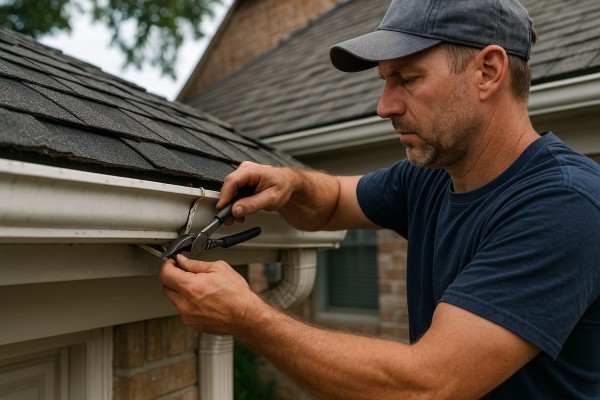
Introduction to Gutter Repair Services
Gutters are the unsung heroes of your home, guiding rainwater away from siding, foundations, and landscaping. When they fail, problems follow: leaks, stains, and water damage that's easy to miss until it's expensive. Gutter repair restores function without the cost of a full replacement, helping you protect the structure and preserve curb appeal. Here's a clear, practical guide to what gutter repair involves and how to approach it with confidence.
What gutter repair covers
- Sealing leaks at joints, seams, and corners
- Replacing damaged or missing hangers and brackets
- Patching or replacing sections of gutter that have split or corroded
- Downspout repair or replacement and tightening connections
- Realigning gutters that have sagged or pulled away from the fascia
- Seasonal maintenance such as cleaning and flushing to assess flow
Common gutter problems homeowners see
- Leaks at seams and joints after a storm or freeze-thaw cycles
- Sagging gutters that pull away from the fascia
- Overflow during heavy rain due to blockages or improper pitch
- Rust, corrosion, or wide cracks in metal gutters
- Loose or broken downspouts that cause improper drainage
- Clogs from leaves and debris, leading to standing water and ice damming in winter
Signs your gutters need repair
- Water staining or peeling paint along the fascia
- Visible gaps, cracks, or holes in the gutter profile
- Water dripping from joints when it rains
- Foundation or landscape pooling water near the home
- Sound of water cascading over the gutter edge during rain
- Downspouts that don't reach drainage or drain slowly
How the repair process works
1. Inspection and assessment
- A qualified professional visits to inspect for leaks, corrosion, sagging, and poor alignment.
2. Diagnosis and option review
- Determine whether a repair, partial replacement, or full section replacement is most cost-effective.
3. Plan and estimate
- Get a clear explanation of needed work, materials, and timeline with a written estimate.
4. Repair execution
- Fix leaks, reseal joints, rehang or reinforce brackets, replace damaged sections, and ensure proper slope.
5. Final test and maintenance plan
- Run water through the system, check downspouts, and discuss ongoing upkeep to prevent recurrence.
Materials and options
- Materials: aluminum, galvanized steel, or copper, chosen for durability and budget
- System types: sectional gutters (easy to repair) vs seamless gutters (fewer joints)
- Fasteners and hangers: modern brackets that resist sagging
- Sealing products: high-quality sealants and flashing for long-lasting joints
- Downspouts and extensions: ensure proper drainage away from the foundation
Maintenance tips to extend life
- Clean gutters at least twice a year and after major storms
- Check for leaks and re-seal as needed, especially at joints
- Inspect for sagging sections and tighten or replace hangers
- Confirm pitch is about 1/16 inch per foot to promote proper drainage
- Keep downspouts clear and ensure water drains at least 3–4 feet from the foundation
- Avoid stepping on gutters for maintenance; use a stable ladder setup
When to call a professional
- Structural damage or extensive corrosion is present
- You're unsure about the pitch or drainage direction
- Leaks persist after resealing or you see repeated, large leaks
- Downspouts are damaged, blocked, or disconnected
- You don't have safe access to the roofline or you're uncomfortable with ladder work
Gutter Repair Services: What They Include and How They Work
Comprehensive definition
Gutter repair is the process of diagnosing and fixing problems that keep a gutter system from protecting your home effectively. It covers leaks, cracks, and rust; loose or bent hangers and brackets; sagging or misaligned sections; failed seams and joints; damaged downspouts; and corrosion or wear from weather and debris. A thorough repair often involves a combination of resealing, re-fastening, and replacing damaged portions, followed by realigning the system to promote proper water flow toward the downspouts and away from your foundation. The goal is to restore watertight performance, prevent rot, and extend the life of the entire drainage system.
When it's typically needed
- Visible leaks where the gutter meets the fascia or along seams
- Sagging gutters that no longer direct water properly
- Seams that have pulled apart or gaps between sections
- Downspouts that are loose, blocked, or detached
- Corrosion, rust, or cracks in metal gutters
- After storms, high winds, or hail damage
- Ice dam or icicle formation indicative of improper drainage
- Signs of water damage on siding, soffits, or foundation dampness
What a gutter repair service includes
- Comprehensive system inspection to locate leaks, sagging, and misalignment
- Re-fastening hangers, brackets, and fascia screws to restore slope
- Patching leaks and resealing seams with appropriate sealants or epoxy
- Replacing damaged sections or cracked joints
- Realigning and, if needed, re-pitching gutters to maintain proper drainage
- Downspout cleaning, reattachment, and adding elbows or extensions to route water away from foundation
- Cleaning and flushing to verify unobstructed water flow
- Color-matching or protective coatings when applicable
- Warranty and workmanship considerations explained upfront
The repair process: what to expect
1. Initial assessment: identify leaks, sagging areas, and downspout issues
2. Safety setup: ladders, harnesses, and protective coverings as needed
3. Damage pinpointing: map out sections to repair or replace
4. Temporary measures: stopgap fixes if rain is imminent
5. Permanent fixes: reseal seams, re-fastening, replace sections, and re-align
6. Water test: run water through the system to confirm proper drainage
7. Cleanup and final checks: remove debris, inspect hangers, and ensure all components are secure
Materials and workmanship considerations
- Material options: aluminum, steel, or copper gutters, each with different longevity and cost
- Seaming methods: butts with sealant vs soldered seams for metal gutters
- Finish and color matching: durable coatings that resist chalking and fading
- Hardware quality: rust-resistant brackets and corrosion-proof fasteners
- Warranties: understanding what is covered and for how long
- Longevity expectations: repair vs. full replacement decisions based on overall condition
Maintenance tips after repair
- Schedule regular cleanouts, especially in fall and spring
- Inspect after heavy rain or wind for any new leaks or loosened hangers
- Keep tree debris and nests out of gutters to prevent clogs
- Check downspouts to ensure water exits at least 3-4 feet from the foundation
- Trim overhanging branches to reduce future damage
- Consider gutter guards if appropriate for your climate and trees
- Note changes in drainage: pooling near the foundation warrants prompt re-inspection
When You Need Gutter Repair Services
Signs this service is needed
- Gutters are sagging, bowing, or pulling away from the fascia.
- Leaks or water dripping from seams, joints, or connectors.
- Rust, holes, cracks, or dented sections noticeable along the run.
- Water pours over the edge instead of down the downspouts during rain.
- Downspouts are clogged or backflowing, causing standing water at the eave.
- Fascia or siding near the gutters show peeling paint, staining, or wood rot.
- Gutter sections detach or wiggle when you touch them, or hangers/nails are loose.
- Ice damming or icicles form in winter, indicating improper water flow.
- Unusual noises, such as banging or rattling in windy conditions.
Ways you can confirm yourself as a homeowner
- Do a careful visual check from ground level and with a stable ladder.
- Look for obvious sagging, loose hangers, or gaps where gutters meet fascia.
- Note any staining or wood rot on the fascia or soffit.
- Check slope and alignment.
- Gutters should slope slightly toward the downspouts (about 1/4 inch per 10 feet of run).
- If you see water pooling between hangers or at mid-run after rain, the slope is off.
- Test water flow with a hose.
- On a gentle spray, run water along the gutter from one end to observe leaks and whether water reaches the downspouts.
- Watch for leaks at seams, joints, or where hangers are missing.
- Inspect downspouts and elbows.
- Flush downspouts with water to confirm clear flow; look for leaks at joints or at the elbow where water may back up.
- Check for fascia and soffit issues.
- Push gently on the gutter to feel for sagging or detached sections and inspect for signs of rot behind the gutter line.
- Document what you find.
- Take photos of problem areas and note recurring leaks, rust spots, or sections that routinely fill with standing water.
- Prioritize safety.
- Use a stable ladder with a helper if you must climb; avoid working on wet or icy surfaces.
When to get a professional assessment
- Visible sag or detachment that you can't safely tighten or realign from a ladder.
- Extensive rust, holes, or structural damage to multiple sections or to the fascia.
- Sagging or misalignment persists after you've addressed minor fasteners or seam leaks.
- Severe weather events (hurricane-force winds, hail) caused noticeable gutter damage or downspout detachment.
- You notice widespread water damage to siding, foundation splash zones, or landscaping due to gutter failure.
- The system is older (roughly 15–20+ years) and shows multiple issues across many sections.
- You're unsure about roof-edge integrity or suspect fascia/soffit damage that could affect roofing.
What to expect from a professional assessment (brief overview)
- A physical inspection of all gutters, hangers, seams, and downspouts.
- Evaluation of slope, alignment, and attachment points.
- Check for fascia rot, deck protection behind the gutters, and any roof-edge concerns.
- Water flow test and blockage removal as needed.
- Clear repair or replacement options with rough costs and timelines.
What's Included in Gutter Repair Services
What is typically included
With gutter repair, you're getting targeted fixes that stop leaks, restore drainage, and protect the fascia and siding. A typical visit covers a practical, workmanlike approach that keeps your roof system functioning long-term.
- Comprehensive on-site assessment of gutters, downspouts, and surrounding fascia to identify leaks, sagging, blockages, and drainage issues
- Thorough cleaning and debris removal to restore free flow and prevent future clogs
- Re-securing and realigning sagging gutters for proper slope and water direction
- Replacing damaged hangers, brackets, end caps, and outlets as needed
- Patching leaks with compatible sealants or gutter repair compounds
- Sealing leaks at joints, seams, and corners using appropriate sealants
- Re-seating gutters to ensure correct pitch and steady water flow
- Downspout repairs: straightening, resealing, securing connections
- Localized section replacements when corrosion or damage is concentrated
- Realigning downspouts for effective drainage and to prevent overflows at corners
- Water test to verify patch work and overall drainage performance
- Minor fascia protection and flashing adjustments to prevent future leaks
- Brief written recap with photos or a simple report outlining what was found and what was repaired
- Step-by-step approach you can expect during the service:
1) On-site diagnosis and scope confirmation
2) Cleaning and debris removal
3) Securing and realigning gutters
4) Patching leaks and sealing joints
5) Downspout inspection, resealing, and attachment
6) Water flow test and final check
7) Clear notes on maintenance and any recommended follow-ups
What is not typically included
Not every task falls under standard gutter repair. The following items are usually outside the scope of a routine repair and may require a separate project or quoted work.
- Major gutter replacement or replacing long spans beyond localized repair
- Roof repairs or fascia replacement beyond standard fixes performed during gutter work
- Structural fascia board repair that requires carpentry or extensive framing work
- Color, material, or size changes outside standard options or upgrades
- Exterior painting or refinishing of gutters or fascia
- Significant downspout redesign, relocation, or new drainage planning beyond necessary fixes
- Permit fees or inspections, which are typically billed separately if required
- Tree work, limb removal, or other site clearing costs related to access
- Work outside property boundaries or requiring specialized access beyond standard ladder work
Common Roofing Materials Used With Gutter Repair Services
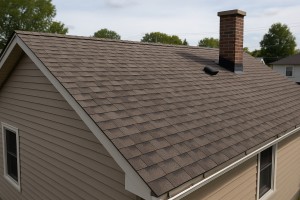
Gutters live right under the edge of an asphalt shingle roof, so the repair work often interacts with the shingle line and the fascia. When shingles shed granules, those particles accumulate in gutters and downspouts, accelerating wear. During gutter repairs, technicians check that the drip edge is intact and properly flashing the fascia so water flows into the gutter, not behind it. If fascia boards are rotted or loose, they must be addressed before re-hanging gutters. Step-and-seal might be needed around vent pipes and edge trim to prevent leaks.
- Granule buildup in gutters can indicate aging shingles.
- Damaged shingles near the eave may allow water to bypass gutters.
- Fascia wood health affects gutter attachment and should be repaired first.
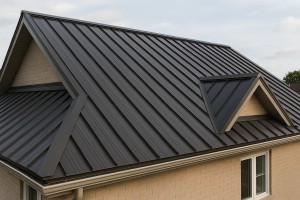
Metal roofs offer excellent durability, but gutter connections require careful attention. For metal roofs, gutter hangers must anchor into solid fascia or through-sill support, avoiding direct penetration into the metal roof panels. Copper or aluminum gutters on steel or coated roofs can encounter galvanic corrosion if different metals touch. During gutter repairs, flashing around the edge and at penetrations (vents, skylights) should be reviewed to maintain a continuous water barrier. Heavy rain or hail can loosen fasteners, so resealing joints is common.
- Ensure color-matched, corrosion-resistant fasteners.
- Check for seams or punctures at the gutter-roof interface.
- Watch for metal-on-metal contact that can cause galvanic corrosion.
Cedar Shingles / Shakes
Wood shakes and shingles require extra care around gutters because moisture retention can accelerate rot at the eave. Gutters sitting tight against cedar fascia can trap moisture; repairs should include addressing any rotted fascia and ensuring a clean distinction between wood and metal at the gutter edge. Cedar's porosity means damaged shingles near the gutter can allow water to back up under the edge, so flashing and sealant around the drip edge should be well-maintained. Regular cleaning helps prevent mold and insect issues.
- Keep gutters free of leaves that trap moisture against wood.
- Replace rotted fascia before re-hanging gutters.
- Use compatible sealant to prevent wood-water infiltration.
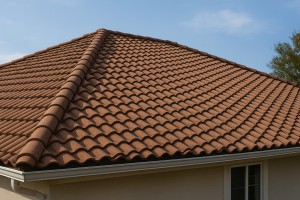
Tile roofs demand gentler handling during gutter work. The eaves often overhang a tile roof's edge, and improper gutter support can destabilize tiles. During repairs, protect tiles from impact and avoid stepping on them. Gutters should be attached to solid fascia or supported by roof-mounted brackets that don't crack tiles. Flashings at the gutter line must accommodate tile profiles to prevent leaks. If tiles must be removed to access the fascia, replace with matching tiles to maintain drainage and look.
- Avoid tile breakage when accessing the eaves.
- Confirm gutter hangers won't crush or misalign tile edges.
- Inspect tile-to-gutter flashing for proper seal.
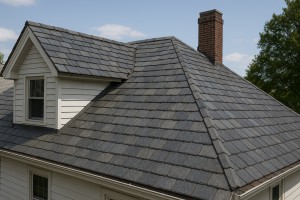
Slate roofs are heavy and require precise handling. Gutter repair work adjacent to slate must avoid cracking tiles or undermining the roof's slope. When connecting gutters, professionals check that fascia is reinforced to bear the additional weight and that flashing around vents remains watertight. Slate often demands extra care with fasteners, as improper penetration can create leaks or fractures in the slate. If slate fragments fall into gutters, they should be cleared to prevent clogs.
- Treat slate edges with care to prevent micro-fractures.
- Use slate-specific fasteners and flashing materials.
- Reinforce fascia if gutter brackets add load near the roof edge.
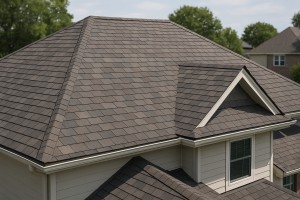
Composite shingles behave similarly to asphalt in terms of gutter interactions but may have different expansion rates and seam tolerances. When repairing gutters, verify that the gutter pitch remains correct relative to the shingle line so water flows properly. Debris from composite shingles can accumulate in gutters as well, so regular cleaning is important. If fascia or edge trim shows wear, replace before reattaching gutters to avoid future leaks.
- Check for compatibility between gutter materials and the shingle edge.
- Monitor for seam or edge deterioration near the eave.
- Clean gutters to prevent debris-induced water backup.
Understanding the Cost of Gutter Repair Services
Typical average costs for Gutter Repair Services
Costs depend on the damage, material, and access. Here are typical ranges to help you plan:
- Minor repairs (sealant, small leaks, bracket tightening): $100–$250
- Leaks at joints or downspout fixes: $150–$350
- Section replacement or downspout repair: $300–$700
- Re-sealing or repairing multiple sections: $500–$1,500
- Complex cases on tall houses or copper gutters: $1,000–$2,000
Note: Per-foot rates for straightforward repairs often sit around $5–$12 per linear foot, depending on material and access.
Factors that can lower the cost
- Fixing small issues early before they spread
- Choosing standard aluminum gutters (vs copper or specialty profiles)
- Simple, DIY-friendly maintenance (cleaning debris, tightening anchors) that you can perform between professional visits
- Scheduling repairs in off-peak seasons when labor is slower
- Bundling multiple issues in one visit to reduce trips
- Getting price quotes from a few reputable local contractors to compare, rather than a single bid
Factors that can raise the cost
- Extensive corrosion, rust, or fascia wood rot requiring replacement
- Height, roof pitch, and limited access necessitating ladders, scaffolding, or safety gear
- Complex gutter shapes or custom sizes; copper gutters or special coatings
- Downspout relocation, re-routing, or drainage improvements
- Need for fascia repair, trim work, or roof edge modifications
- After-hours or emergency service
- Debris-filled systems needing extensive cleaning before repair
How pricing is determined (and how to plan)
1. Assess damage and scope during a site visit
2. Decide on material options (aluminum, steel, copper) and replacement extent
3. Calculate labor time based on access and safety requirements
4. Provide an itemized written estimate (labor, materials, disposal, permits if needed)
5. Schedule work and note warranties or maintenance terms
Quick steps to get ready for a quote
1) Take photos of problem areas and measure gutter run length
2) List known issues (leaks, sagging, loose brackets)
3) Ask for a fully itemized quote and expected timeline
4) Inquire about warranties and maintenance plans
How the Gutter Repair Process Works
1. Schedule the Visit and Safety Prep
- We confirm a convenient time window and share what to expect during the visit.
- Weather and access considerations are checked to keep the work safe and efficient.
- Our team reviews safety gear, ladders, and fall protection before stepping onto your property.
2. On-Site Inspection and Assessment
- A thorough visual inspection of gutters, fascia, and downspouts to identify leaks, sagging, rust, loose hangers, and misalignment.
- Check for blockages from leaves, dirt, and debris that could cause standing water.
- Note surrounding roof conditions that might contribute to gutter issues (shingle damage, ice dam effects, or improper slope).
3. Diagnose Causes and Prioritize Repairs
- Determine root causes: clogged lines, bent or broken sections, loose or failing hangers, improper pitch, or damaged downspouts.
- Prioritize urgent fixes (e.g., severe leaks or significant sag) and plan longer-term replacements if needed.
- Create a clear repair plan with a timeline and estimated costs.
4. Present Options and Materials
- We present practical options: sealant and patching for minor leaks, partial or full section replacement, downspout repair, and hanger upgrades.
- Discuss material choices (aluminum, copper, or steel; seamless vs. sectional) and finish color matching.
- Outline expected lifespan, warranties, and maintenance implications for each option.
5. Prepare and Protect the Site
- We protect landscaping, siding, and doors with tarps and drop cloths.
- Ladders and equipment are positioned to minimize footprint and avoid damage.
- The work area is prepared with temporary containment to keep debris contained.
6. Begin Repairs
- Realign and rehang sagging gutters to restore proper slope and drainage.
- Seal leaks at seams, joints, and where fasteners have loosened, using industry-approved sealants.
- Replace damaged sections or bent ends with matched profiles and colors.
- Repair or replace downspouts and elbows that are crushed, blocked, or detached.
- Re-secure fasteners, brackets, and hangers at correct spacing to prevent future sagging.
7. Water Test and Final Adjustments
- We perform a water test (hose or rainfall simulation) to verify proper drainage and seal integrity.
- Check for any remaining leaks, improper pitch, or misdirected water flow.
- Make small adjustments to alignment, slope, or fastener tension as needed.
8. Clean-Up and Final Inspection
- Debris removal from gutters, roofline, and surrounding areas.
- Tools, old parts, and packaging are collected and disposed of properly.
- A final walkthrough confirms drainage is clear and gutters are functioning as intended.
9. Maintenance Recommendations
- We provide a simple maintenance plan: schedule semiannual cleanings, inspect after storms, and watch for signs of wear.
- Tips for extending life: keep debris out of gutters, ensure proper downspout drainage, and consider guards if you want less frequent cleaning.
- Optional upgrades: upgraded hangers for added stability, leaf guards, or a color-matched coating to extend durability.
Residential vs. Commercial Considerations for Gutter Repair
Residential vs Commercial Considerations of Gutter Repair Services
Gutters perform the same job for homes and businesses—move rainwater away from the roof and foundation. But the size, materials, and expected life of the system change how you plan repairs. Here's how to think about residential vs commercial gutter repair services.
- Building scale and roof style
- Residential: Usually one- to two-story homes with pitched roofs and shorter runs. Repairs are often DIY-friendly or handled quickly by a local roofer.
- Commercial: Large, flat or low-slope roofs with long gutter runs. Repairs can involve substantial material and labor, and may require temporary site coordination.
- Sizing and materials
- Residential: Common gutter sizes are 5" or 6" aluminum (K-style or half-round). Downspouts are typically 2x3 or 3x4.
- Commercial: Gutters are often 7"–8" or larger, with heavier gauges and sometimes different profiles. Materials may include heavier aluminum, steel, copper, or zinc, and sometimes box gutters.
- System layout and drainage
- Residential: Shorter runs with frequent corners and end points; downspouts placed to balance flow around the home.
- Commercial: Long runs, fewer corners, and sometimes box or fascia gutters designed to handle higher volumes and more complex drainage patterns.
- Attachments and load handling
- Residential: Lighter brackets, hidden hangers, or strap hangers rated for typical wind and rain loads.
- Commercial: Heavy-duty brackets, structural supports, and sometimes concealed systems to handle larger wind loads and debris.
- Access, safety, and disruption
- Residential: Service often fits around homeowner schedules; standard ladders and roof access are common.
- Commercial: Work may require scaffolding, lifts, or restricted work windows to avoid disrupting tenants or operations.
- Maintenance approach
- Residential: Regular cleaning and inspection, typically a few times a year depending on trees and climate.
- Commercial: Ongoing maintenance contracts or scheduled inspections due to higher debris load and larger surface area.
- Codes, permits, and warranties
- Residential: Permits vary by locality; warranties on materials and workmanship are common.
- Commercial: More stringent permitting, drainage plans, and retained engineering or building code compliance. Warranties may differ by system type and contractor.
- Cost drivers
- Residential: Per-foot rates, shorter labor times, and simpler logistics.
- Commercial: Higher material costs for large systems, longer labor, equipment needs, and potential site coordination charges.
- When to repair vs. replace
- Minor leaks at seams or small sagging: repair may be sufficient.
- Extensive corrosion, multiple leaks, or warped components: replacement is usually more cost-effective in the long run.
- Large commercial projects: Often replacement of substantial runs or entire sections is preferred for reliability and code compliance.
- Questions to ask a contractor
- Do you differentiate between residential and commercial gutter systems in your proposal?
- What materials and sizes do you recommend for this building type?
- How will access and safety be managed on a commercial site?
- What are your warranty terms for repair vs replacement?
- Practical steps for homeowners (or facility managers)
1) Identify issues: sagging sections, frequent leaks, or misdrained areas.
2) Note system details: gutter size, material, downspout layout.
3) Request a written assessment detailing options for repair or replacement.
4) Plan maintenance and a sensible replacement schedule aligned with building use and climate.
How Gutter Repair Services Vary by Location
Regional Climate and Weather
Weather drives what fails and how we fix it. In snowy regions, ice damming, ice buildup, and frozen-downspouts are common, so you'll see more emphasis on proper slope, robust hangers, and sometimes heat cables. In coastal and humid climates, corrosion and algae growth can speed up leaks and need more frequent exterior cleaning and sealant checks. In hot, dry areas, expansion and contraction of materials can cause leaks at seams and joints. Practical takeaway: tailor repairs to the seasonal challenges your roof and gutters face.
- Sagging and leaks near corners after heavy rain or wind storms.
- Ice dam and gutter ice buildup in winter; may require added hangers or heat tape.
- Corrosion or faded finishes in salty or humid environments.
Local Building Codes and HOA Rules
Local rules shape how a repair is done. Some jurisdictions require permits for gutter replacement, especially when you alter downspout discharge or add drainage extensions. HOAs may have color restrictions, material preferences, or limits on visible gutters.
- Check permit requirements before starting.
- Verify downspout placement and drainage to avoid neighbor issues.
- Confirm HOA color and material rules to prevent fines or repainting later.
Popular Gutter Materials and Configurations by Region
Material choice often follows climate, budget, and exposure. Aluminum is the workhorse nationwide; copper and zinc are common on higher-end or coastal homes; vinyl is budget-friendly but less durable in extreme heat or cold.
- Northeast/Midwest: sturdy aluminum or copper gutters with seamless construction for longevity in freeze-thaw cycles; heavier-duty hangers to handle snow load.
- Southeast/Coast: aluminum or copper favored for corrosion resistance; consider splash debris screens and robust downspouts to handle storm surge and salt exposure.
- West: aluminum with UV-resistant coatings; consider wider gutters in areas with heavy foliage or pine needles; lighter rain patterns but strong sun exposure.
How this service varies in different regions in the United States
Regional factors shape the repair approach, scheduling, and expectations.
- Climate-driven priorities: ice dam mitigation in cold zones; debris management after hurricane or monsoon seasons; moss and algae control in humid coastal areas.
- Material and installation choices: copper or zinc for coastal luxury homes; vinyl in budget-friendly, low-maintenance markets; steel in some older, rugged homes with heavy rain.
- Drainage and slope considerations: stronger emphasis on proper downspout routing away from foundations in flat, high-water-table regions; steeper roofs may require different hanger spacing.
- Maintenance cadence: more frequent inspections in areas with trees that shed aggressively or with salty air; less frequent but thorough seasonal checks in arid regions.
- Permits and codes: some states require more formal permitting and inspections for gutter header replacements or reconfigurations; others rely on licensed trades without heavy permitting.
- Labor markets and costs: urban coastal markets often have higher labor rates and shorter lead times; rural inland areas may offer quicker scheduling but fewer specialized gutter options.
Labor, Permits, and Costs by Location
Understanding local variables helps you budget and plan.
- 1) Confirm local permit requirements and any drainage discharge rules.
- 2) Gather quotes from nearby roofers who understand regional challenges.
- 3) Account for seasonal demand and travel time; prices can spike after storms.
- 4) Verify licenses, insurance, and any regional warranty requirements.
Maintenance Practices and Common Repairs by Region
Regional wear dictates the typical fixes you'll encounter.
- Debris removal and gutter cleaning after storm seasons.
- Re-securing or replacing hangers and straps to combat wind loads.
- Sealing and patching leaks at joints; re-soldering or replacing sections when corrosion or cracks appear.
- Addressing algae, moss, or salt-related corrosion with appropriate coatings or protective finishes.
- Downspout re-routing or extension installation to direct water away from foundations.
