Ultimate Guide to Roof Algae or Black Streaks
Last updated: Feb 28, 2026
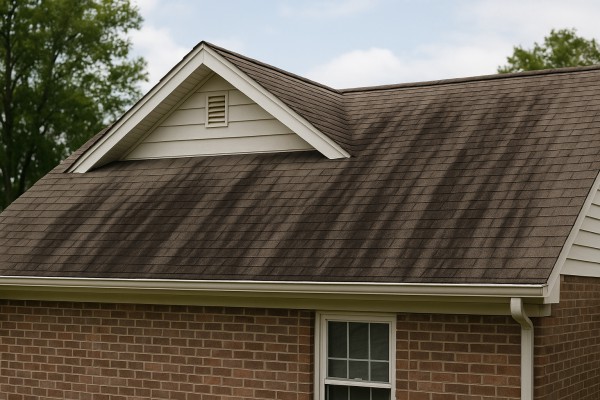
Introduction to Roof Algae or Black Streaks
What you're seeing
Dark streaks or greenish patches across asphalt shingles are among the most common roof aesthetics homeowners notice. These markings are usually algae or bacterial staining rather than structural failures. They tend to spread slowly, favor shaded, humid areas, and can give a roof a worn, dirty look long before any leaks appear. While not typically a sudden danger, they are a reminder that moisture and routine wear are at work on your roof.
Is it urgent or common?
- Very common: Most homes will see algae or black streaks at some point, especially in climates with regular humidity, rainfall, and shade from trees.
- Not usually urgent: For the average home, algae growth isn't an emergency. It won't instantly threaten your roof's integrity, but it can contribute to faster granule loss and moisture retention if left untreated.
- When to worry: If you notice active leaks, missing shingles, curling edges, or widespread soft spots, treat as a roof concern that needs professional assessment soon.
Why it happens
- Shade and moisture: North-facing or heavily shaded roofs stay damper, promoting algae growth.
- Roof age and materials: Asphalt shingles with mineral granules provide nutrients for algae; older roofs can show more staining as granules wear away.
- Local conditions: Humid climates, pollutants, and nearby trees all influence how quickly staining appears.
High-level next steps
1) Safety and quick check: From the ground, look for obvious staining patterns. If you need to walk on the roof, use proper safety gear and a stable ladder; if the roof feels slick or steep, skip walking up and call a pro.
2) Identify material and extent: Note whether you have asphalt, tile, metal, or another material, and roughly how widespread the staining is. Different materials require different cleaning approaches.
3) Decide on a cleaning approach: Most homeowners use a non-pressure cleaning method with a roof-safe cleaner. Avoid high-pressure washing, which can damage shingles and lift granules.
4) Plan prevention: After cleaning, consider steps to slow regrowth, such as treatment options or minor landscaping tweaks to cut shade, plus routine maintenance.
Cleaning options (high level)
- Non-pressure cleaning with an oxygen-based cleaner: Apply according to product directions, let it dwell briefly, then gently rinse from eave to peak. Avoid mixing with strong chlorine bleach unless the product label specifically allows it.
- Gentle brushing: For stubborn spots, use a soft-bristle brush and work from the bottom up, being careful not to scrub aggressively.
- What to avoid: Do not power wash asphalt shingles. High-pressure spray can lift granules and shorten roof life. Bleach can harm plants; cover surrounding vegetation and rinse thoroughly.
Material-specific notes
- Asphalt shingles: Best treated with non-pressure cleaners designed for roofs; avoid metal or tile-specific cleaners that aren't compatible.
- Clay or concrete tiles: Can tolerate mild cleaners, but test a small area first and rinse slowly to avoid etching.
- Metal roofs: Algae and streaks respond to milder cleaners; avoid abrasive brushing that could scratch the surface.
Preventive measures (simple, proactive options)
- Trim or prune tree branches to reduce shade and moisture buildup near the roofline.
- Consider ridge copper or zinc strips to inhibit algae regrowth (surface-safe options; check local guidance and roof warranty).
- Improve attic ventilation to reduce under-roof humidity.
- Schedule regular inspections after major storms or seasonal changes to spot early staining before it spreads.
When to call a pro
- If the roof is steep, damaged, or you're unsure about walking the surface.
- If staining covers a large area quickly or you notice compromised shingles, granule loss, or leaks.
- If you're considering chemical treatments and want a professional-grade formulation that's safe for your roof and landscaping.
Are Roof Algae or Black Streaks an Emergency? Understanding the Severity and Next Steps
Quick triage: emergency or not?
Most roof algae and black streaks are cosmetic and don't threaten the roof's structure right away. They can, however, indicate moisture retention or aging shingles. The difference between a true emergency and a maintenance task hinges on signs of active water intrusion, structural compromise, or storm damage.
When algae or black streaks signal a problem
- Active leaks or damp spots on ceilings or walls after rain
- Missing, severely curled, or soft/shopping-shifted shingles
- Visible sagging, roof deck distortion, or daylight showing through the attic
- Significant granule loss in gutters or on the ground after a rain
- Attic moisture, musty odors, or mold growth around the roofline
- You have active leaks, dripping, or interior water intrusion after rainfall
- The roof deck feels soft, or you can see daylight inside the attic
- Storm damage has left shingles shattered, dented, or missing
- There is visible mold or mildew growth in the attic or along the roofline due to moisture intrusion
- You notice a substantial and rapid change in the roof's condition after a storm or hail event
Monitor if
- There are black streaks or algae but no signs of leaks inside after rain
- Gutter debris shows a small amount of granules without active leakage
- The roof is aging (over 10–15 years) and shows staining but no active water intrusion
- The attic remains dry, with no musty smells or visible moisture after precipitation
Can wait if
- The staining is cosmetic and limited to surface discoloration with no structural signs
- There are no leaks, no soft decking, and no interior moisture after storms
- You're planning routine maintenance and a cleaning treatment with a qualified roofer in the near term
What to do now (safe, practical steps)
1. From ground level, observe with binoculars and note the extent and location of streaks or patches.
2. Check the interior after rain for any new signs of water intrusion (stains on ceilings, walls, or attic condensation).
3. Photograph the affected areas from multiple angles for documentation.
4. Avoid aggressive cleaning on your own: pressure washing or scrubbing can damage shingles and force moisture into the roof assembly.
5. Schedule an inspection with a licensed roofer to assess material condition, moisture, and potential underlayment issues.
How a pro evaluates safety and severity
- Visual inspection of shingles, granules, and flashing
- Assessment of roof decking condition and attic ventilation/moisture
- Determination of underlying causes (algae growth, moisture retention, aging materials, or storm damage)
- Clear recommendations and a phased plan for treatment, cleaning, and restoration
Next steps after triage
- If emergency-rated, address leaks or damage immediately with temporary measures and schedule urgent repairs
- If non-emergency, plan a recommended cleaning and maintenance window with a roofer to prevent further deterioration
- Consider preventive strategies: better attic ventilation, improved drainage, and periodic cleaning to minimize future streaking and moisture buildup
Common Causes of Roof Algae or Black Streaks
Moisture and humidity
Algae need consistent moisture to thrive. In many homes, roofs stay damp after rain, during extended stretches of high humidity, or in climates with frequent dew. Porous surfaces, damaged shingles, or thin protective coatings can hold moisture longer, giving algae a hospitable place to settle. When moisture lingers, you'll often see color, staining, and slow-drying patches that invite more growth.
- Prolonged dampness on shaded roof areas
- Slow drying after rain or irrigation near the roof
- Condensation and elevated interior humidity that affects the roof line
Shade and sun exposure
Sunlight helps dry a roof and slows algae growth. Roofs that stay in shadow due to trees, nearby structures, or north-facing orientation stay damp longer and are more prone to staining. The lack of sun makes it easier for algae and dark streaks to establish and linger.
- Overhanging branches and dense shade
- North-facing or heavily shaded slopes
- Narrow eaves or obstructions that block afternoon sun
Roofing material and mineral content
The composition of your shingles matters. Many asphalt shingles use minerals (like limestone filler) that can feed algae. Some shingles include copper granules to deter growth, but not all products provide the same protection. Worn or aged shingles lose their protective benefits, increasing susceptibility.
- Limestone filler or mineral-rich asphalt surfaces
- Insufficient protective metals (e.g., copper/zinc) in granules
- Worn or aged shingles with exposed porosity
Debris and organic matter
Leaves, needles, pollen, and seeds accumulate in roof valleys and on fasteners. This organic layer holds moisture and creates a microecosystem where algae can cling and spread. Debris can also abrade protective coatings, making the roof more vulnerable.
- Fallen leaves and pine needles collecting in gutters and valleys
- Moss, lichen, or mold establishing footholds
- Regular accumulation of dirt and pollen that retains moisture
Age and wear of shingles
Older roofs are more prone to staining simply because their surfaces are more porous and mechanically worn. Granule loss, microcracks, and general degradation create more water-absorbing areas where algae can take hold.
- Granule loss exposing the asphalt
- Microcracks and increased porosity
- Deteriorating protective coatings over time
Ventilation and attic moisture
Poor attic ventilation allows humidity to rise and migrate to the roof deck, especially in hot, humid climates. Trapped moisture can condense on underside surfaces and contribute to surface staining where roof sheathing meets shingles.
- Inadequate soffit and ridge ventilation
- High attic humidity translating to roof line dampness
- Sealed or insulated attics without proper airflow
Climate and local environment
Local climate strongly shapes how quickly algae appear. Warm, humid regions see faster growth, while coastal areas with salt air can experience more staining. Regular rainfall patterns and dew points influence how often moisture sits on the roof.
- Warm, humid summers and frequent dew
- Salt air near coastlines
- Frequent rain or mist in the local climate
Proximity to water features or irrigation
If sprinklers or irrigation systems spray onto the roof, moisture sits on shingles and feeds algae. Poor drainage or leaky gutters also create persistent damp spots that algae love.
- Sprinklers aimed at the roof or siding
- Leaking gutters or downspouts directing water onto the roof
- Low-lying roof areas with poor drainage
Quick summary for homeowners
- Moisture + shade = higher algae risk
- Older, porous shingles = more susceptible
- Debris and poor ventilation amplify growth
- Climate and local conditions set the pace of staining
Use this list to pinpoint likely causes on your home, so you can tailor maintenance and prevention strategies effectively.
How Roof Materials Affect Roof Algae and Black Streaks
Why material type matters
Different roof surfaces hold moisture, heat, and organic matter in different ways. The texture and porosity of the material influence how easily algae and the dark streaks form, how stubborn they are to remove, and how often you'll need maintenance. Shaded or north-facing roofs, higher humidity, and nearby trees all interact with the underlying material to determine the severity of staining.
Common roofing materials and how they are affected by Roof Algae or Black Streaks
- Asphalt shingles
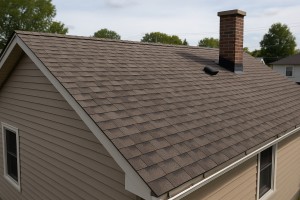
- Algae love the organic content in some asphalt products, especially on shaded, humid roofs. Black streaks usually indicate a biofilm growing along the shingles' surface, moving downhill with gravity and wind.
- What this means for you: staining is common and can be mistaken for dirt, but it can shorten perceived lifespan if left untreated. Some shingles include algae-resistant granules or copper/zinc-oxide coatings to slow growth.
- Architectural vs. 3-tab asphalt shingles
- Textured, architectural shingles offer more surface area for moisture retention and algae to cling to than flat 3-tab styles. Streaks may appear more irregular on textured surfaces.
- What this means for you: expect more frequent but less aggressive staining on architectural profiles; annual or biannual cleaning is often enough.
- Metal roofing (coated steel, aluminum)
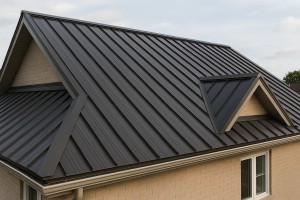
- Metal is less porous, so algae growth is less common. However, moisture can cling in rib crevices and on shaded panels. Some colors show dark staining from environmental deposits or oxidation products.
- What this means for you: when streaks appear, they're usually cosmetic or due to surface deposits. Zinc or copper-infused coatings and periodic washing help, and bare metal will resist algae better than porous surfaces.
- Clay and concrete tiles
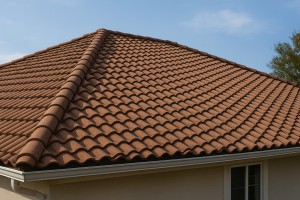
- Very porous and durable, these tiles trap moisture and organic matter. Algae and dark staining can develop in shaded zones between tiles or on the tiles' undersides.
- What this means for you: expect stubborn streaks in humid climates; cleaning should be done with care to avoid chipping glaze or breaking tiles.
- Wood shingles and shakes
- Wood is highly susceptible. Algae thrives on the surface and in microcrevices, especially on shaded slopes. Streaks can look dramatic and may signal moisture retention that accelerates decay.
- What this means for you: regular cleaning and, in many cases, treatment or sealing are needed to slow staining and protect wood fibers.
- Cedar shingles
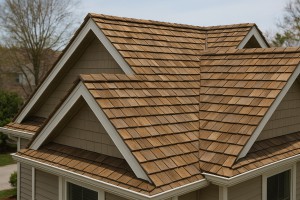
- Similar to generic wood but widely used in curved or rustic profiles. Cedar's natural oils and grain can catch algae; staining is common in damp, shaded areas.
- What this means for you: expect more frequent maintenance on cedar compared with smoother surfaces; choose algaecide-safe cleaners and consider protective finishes.
- Slate
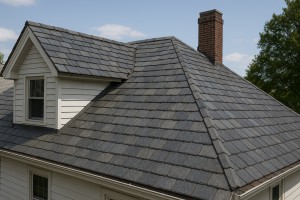
- Dense and relatively resistant, slate will still show algae where moisture sits in shade or around lichen growth. It's harder to clean and can require specialized products.
- What this means for you: algae is less aggressive, but persistent stains on slate can be stubborn and may need professional cleaning.
- Synthetic/composite shingles
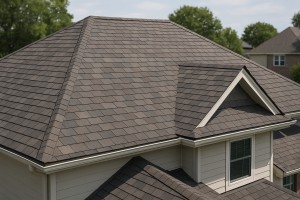
- Many synthetics are designed to resist moisture and algae; surface chemistry can reduce adhesion of biofilms, and some products include algaecidal properties.
- What this means for you: typically the least troublesome for algae; cleaning is straightforward when needed, and stain removal is usually easier.
- Flat roofs (EPDM, TPO)
- Flat surfaces accumulate standing moisture where algae can take hold, especially in corners or near walls. Streaks reflect biofilm buildup along the membrane.
- What this means for you: regular rinsing and occasional algaecide treatment designed for membranes help keep streaks at bay.
Quick comparisons to guide decisions
- Porous vs non-porous: Porous materials (wood, concrete, clay) trap more moisture and foster algae; non-porous surfaces (metal, some synthetics) resist growth but aren't immune to staining from environmental fallout.
- Texture and shade: Rough textures provide more nooks for algae; shade increases persistence of stains across most materials.
- Maintenance implications: Porous surfaces usually need more frequent cleaning and protective treatments; non-porous, well-maintained surfaces may require less frequent intervention.
Maintenance notions by material (at a glance)
1. Asphalt and wood: monitor moisture, clean with roof-safe algaecide or cleaners, consider algae-resistant coatings or copper/zinc options.
2. Metal: rinse to remove surface deposits; use metal-safe cleaners; evaluate coatings for longevity.
3. Clay/concrete: gentle cleaning for mineral buildup; avoid high-pressure methods that can damage glaze or tiles.
4. Slate and cedar: softer cleaning, qualified products, and protective finishes where appropriate.
5. Synthetic: routine cleaning; explore products with built-in algae resistance.
6. Flat roofs: periodic rinsing; treat with membrane-safe algaecides; inspect for moisture pooling.
What Are the Risks of Ignoring Roof Algae or Black Streaks?
Structural damage to shingles and decking
- Algae and moss hold moisture against the roof. That constant dampness can soften the asphalt soaking into the shingle edges, accelerating wear and shortening the roof's life.
- Over time, granules can loosen and wash away with rain. That granule loss reduces the shingle's UV protection and makes the roof more vulnerable to sun damage.
- Shingle tabs may lift or curl as moisture gets between layers. Lifted shingles are a primary pathway for water to reach the underlayment and decking.
Moisture retention, rot, and attic moisture
- Algae-friendly moisture can seep into decking if the roof is already aging. Wet plywood or OSB in the attic area can lead to wood rot, which weakens the structure over time.
- Persistent attic moisture, from damp roof surfaces, can create a favorable environment for mold and mildew inside the home.
Water intrusion and leaks
- Black streaks are often a symptom of moisture moving along the roof surface. As shingles warp or lift, small leaks become larger over time, especially during heavy rain or freeze-thaw cycles.
- Penetrating leaks may show up as staining on ceilings or interior walls, sometimes long after you first notice the streaks on the exterior.
Energy efficiency and HVAC strain
- Dark streaks absorb more heat, transferring extra warmth into the attic space. That added heat can raise attic temperatures, making insulation work harder and increasing cooling costs during hot months.
- Higher attic heat can shorten the life of the roof deck and interior finishes, and may impact insulation performance over time.
Mold, mildew, and indoor air concerns
- Prolonged moisture on the roof and in the attic creates a breeding ground for mold. Spores can migrate into living spaces, prompting musty odors and potential allergic reactions.
- If gaps develop around attic vents or penetrations, moisture-laden air can circulate into living areas, especially in homes with poor ventilation.
Aesthetic depreciation and resale impact
- Visible algae growth and black streaks can dramatically reduce curb appeal. Prospective buyers often worry about hidden damage or the cost of repairs, even if the roof is still structurally sound.
- While cosmetic in the short term, persistent staining is a red flag that a roof has underlying moisture or aging issues that warrant closer inspection.
Safety and liability considerations
- As shingles deteriorate and lift, the roof surface becomes more slippery and unstable, increasing the risk of slips and falls during maintenance or inspections.
- If the roof system weakens, the chance of wind-driven damage or sudden leaks increases, which can create safety and liability concerns for homeowners.
When to act and what to watch for (quick guide)
1. Inspect from a safe vantage point for lifted or curling shingles and heavy, widespread staining.
2. Look for unusual attic moisture, condensation on windows, or musty odors inside the home.
3. Note any visible granules in gutters or downspouts—excess grit often signals accelerated shingle wear.
4. Consider the roof's age: if it's nearing or beyond its expected life, even small algae issues can foreshadow bigger problems.
Practical steps you can take now
- Do not pressure wash algae off; it can damage shingles and force water deeper into the roof system.
- Avoid walking on the roof without safety gear and a solid plan; loose shingles can break or flex unexpectedly.
- Document the signs with clear photos and dates to track progression.
- Schedule a professional roof inspection to assess underlying moisture, insulation, and decking condition and to determine the right remediation plan.
How Roof Algae or Black Streaks Are Diagnosed
Visual clues from the ground
- Color and pattern matter. Algae usually shows up as greenish-black or dark streaks along the slope, often in long, narrow lines.
- Location gives clues. Streaks are more common on shaded, damp, north-facing sections or under overhanging trees.
- Roof age and condition. Older shingles with granular wear tend to show staining more prominently, but even new roofs can develop algae in humid climates.
- Texture and spread. If the streaks rub off with gentle scrubbing and leave a clean line, you're likely dealing with organic growth rather than mineral staining.
What the patterns typically indicate
- Algae or cyanobacteria streaks. Typically black or dark green, they grow in vertical lines or bands and flourish in moisture-rich, shaded spots.
- Lichen or moss. These can appear as crusty or fluffy patches and may be more irregular in shape; they often cling to shingles or the roof deck itself.
- Mineral or manganese staining. This can look like rust-colored or pale streaks that don't always loosen with cleaning and sometimes run sporadically across the surface.
- Surface aging. Sometimes staining is a byproduct of aging asphalt, mineral fillers, or oxidation—less about a living organism and more about the roof's materials and climate exposure.
1) Safety first. If your roof is steep or weather conditions are unfavorable, skip on-roof checks and rely on ground observations or a pro. Use a sturdy ladder, a helper, non-slip shoes, and avoid slick or windy days.
2) Ground inspection. Stand back and photograph multiple angles of the roof. Capture sections with the most pronounced streaking and areas under shade.
3) Binoculars up. Zoom in on suspected zones to assess streak width, consistency, and whether the lines are uniform across a slope or concentrated in patches.
4) Attic check. Look for signs of moisture or staining on the underside of roof sheathing, increased humidity, or small drips around penetrations. This helps distinguish surface staining from active leaks.
5) Look for other clues. Check gutters and downspouts for far-off staining or organic debris buildup, which can indicate gravitational flow of algae or moss.
Simple DIY diagnostic tests
- Bleach spot test (for organic growth): Mix 1 part household bleach with 1 part water. In a small, inconspicuous area, spray a light mist and wait 10–15 minutes. If the stain lightens or disappears, it's likely organic growth (algae or cyanobacteria). Rinse the area with water and avoid nearby plants. If there's little to no change, the stain may be mineral or surface aging.
- Scrape test. Gently scrape a small section with a plastic card or putty knife. If the material is soft and lifts away easily, it's more likely organic growth. If it resists and remains embedded in the shingle, it could be mineral staining or weathering.
When to call a professional
- You're unsure about the cause or the staining covers a large area.
- The roof is steep, or you're uncomfortable working on a ladder.
- There are signs of underlying leaks, damaged shingles, or compromised flashing.
- You want a persistent solution beyond cosmetic cleaning (for example, treating the growth and applying preventative steps).
What a professional diagnosis typically includes
- A全面 roof inspection from ground level and, if safe, a site visit to check the stained sections up close.
- Documentation of stain extent, pattern, and possible moisture issues.
- Evaluation of roof material compatibility with cleaning and treatment options.
- Recommendations for cleaning, preventive measures (like zinc or copper strip options or algae-resistant shingles), and maintenance timing.
- Clear cost estimates for treatment, replacement of affected shingles if needed, and future prevention plan.
Repair Options for Roof Algae and Black Streaks
Temporary fixes
- Avoid high-pressure washing. It can lift tabs, loosen granules, and damage the shingles.
- Use a gentle cleaning method: mix oxygen bleach with water per the label (a common starting point is about 1 cup of oxygen bleach per gallon of water). Apply with a garden sprayer to saturate the stained shingles.
- Let the solution dwell for 15–20 minutes, then gently scrub with a soft brush from the bottom up. Rinse with a low-pressure spray, again from the bottom toward the ridge.
- After cleaning, apply a roof-safe algaecide or biocide per the product directions to slow regrowth.
- Consider zinc or copper ridge strips as a temporary deterrent. Moisture running over the strips releases ions that inhibit algae growth on nearby shingles; expect these to wear down over several years.
- Keep gutters clear and trim overhanging branches to reduce shade and debris that feed algae.
Minor repairs
- Inspect for damaged shingles: look for curling, cracking, or areas where granules have worn away.
- To replace a single damaged shingle:
1) Apply a bit of roofing cement under the tab.
2) Lift neighboring shingles and remove the nail holding the bad shingle.
3) Slide in a new shingle, align, and re-nail with corrosion-resistant fasteners.
4) Seal the edges with a little roofing cement if needed.
- Check flashing around vents, chimneys, and other penetrations. Loose or corroded flashing can worsen leaks and streaking. Re-seat, re-nail, or replace flashing as needed.
- Patch small leaks or softened spots with roofing cement and reseal around penetrations.
- Verify attic ventilation. Poor ventilation traps moisture, which promotes algae growth; improve soffit or ridge venting if needed.
Partial replacement
- When staining and wear cover a sizable area but not the entire roof, a partial replacement can be a cost-effective option.
- Steps:
1) Identify the affected zone and mark a clean cut line.
2) Remove the old shingles in the affected section and inspect the deck for rot or moisture damage; replace damaged underlayment.
3) Install new shingles with matching color, pattern, and proper nailing. Strive for a seamless edge where the new and old sections meet.
4) Re-flash around penetrations and ensure the drip edge integrates with the rest of the roof.
5) Blend the new section with the existing roof as it weatherizes; allow slight color variation to fade naturally.
- Be prepared for possible deck repairs or ventilation fixes revealed during removal. Addressing these early prevents future problems.
Full roof replacement
- Opt for a full replacement when the roof is near the end of its life, or algae have penetrated many layers and granule loss is widespread.
- Steps:
1) Decide on new material (asphalt architectural shingles, metal, or another option) and pick a color and warranty that fit your home.
2) Check local permit requirements and schedule work for dry weather.
3) Remove all old roofing and inspect the roof deck for rot or structural issues; replace compromised boards.
4) Install new underlayment, verify proper ventilation, and lay down the chosen roofing material with correct nailing patterns.
5) Reinstall or replace flashing around chimneys, vents, rake edges, and install a new drip edge.
6) Clean the site thoroughly, confirm all nails are picked up, and review warranty coverage with your contractor.
- After a full replacement, plan for regular maintenance: keep gutters clear, inspect after severe storms, and apply preventive treatments to minimize future algae growth.
Typical Cost to Fix Roof Algae or Black Streaks
Minor repair
Description: Quick clean to remove surface algae and stains, with light prevention measures. Often suitable when staining is superficial and shingles aren't damaged.
- What it includes:
- Soft-wash cleaning with a mild detergent and low-pressure rinse
- Brief biocide treatment to slow regrowth
- Basic debris removal from gutters and roof edges
- Optional: ridge-line zinc or copper strip installation to deter future growth (material costs extra)
- Steps you can expect a pro to take:
1) Inspect for loose granules or minor shingle wear
2) Apply gentle cleaning solution
3) Rinse and assess remaining staining
- Typical cost: $150–$400
- Notes: Lower-cost scenario on a smaller, single-story roof; steeper or taller homes push toward the upper end.
Moderate repair
Description: More thorough cleaning plus targeted treatment, with attention to stubborn streaks and minor surface wear or moss growth that may accompany algae.
- What it includes:
- Moderate soft-wash or low-pressure cleaning across the entire roof
- Pro-grade biocide or algae-killer treatment
- Minor shingle inspection and touch-up of any minor flashing or sealant issues
- Possible preventive installation (e.g., zinc/copper strips) to reduce recurrence
- Steps you can expect a pro to take:
1) Measure and document stained areas
2) Treat with stronger cleaners or biocides
3) Rinse, re-inspect, and seal or touch up as needed
- Typical cost: $400–$1,200
- Notes: Higher costs for larger roofs, steeper pitches, or roofs with extensive staining.
Major repair
Description: Extensive cleaning plus repair or replacement of damaged roofing components where algae/mold has caused or coincided with surface deterioration.
- What it includes:
- Heavy cleaning and possible mold remediation if present
- Replacement of damaged shingles or sections of the roof
- Repair or replacement of flashing, ridge caps, or vent flashings
- Possible underlayment inspection and minor deck/ fascia work
- Comprehensive prevention plan (new strips, coatings, or coatings reapplication)
- Steps you can expect a pro to take:
1) Full roof inspection to map damaged areas
2) Remove and replace compromised shingles
3) Re-flash, reseal, and recoat as needed
4) Clean gutters and fascia; finalize with prevention measures
- Typical cost: $2,000–$8,000
- Notes: For large homes, high-pitch roofs, or widespread damage, costs can climb; some cases may require replacing substantial roof portions or even the entire roof.
What factors affect cost
- Roof size: Larger roofs require more cleaning, material, and labor, driving up price.
- Access: Steep pitches, multi-story access, or limited ground access increases labor time and safety equipment needs.
- Material type: Asphalt shingles are typically less expensive to treat or replace; tile, metal, or slate increase material and labor costs.
- Extent of damage: Surface staining vs. structural damage dictates whether you're paying for cleaning alone or full component replacement.
- Local labor rates: Regional wage differences and contractor demand influence the final bid.
How Long Can You Wait Before Treating Roof Algae and Black Streaks?
In the first couple of weeks, this is mostly a cosmetic issue, but the growth can advance quickly if the roof stays damp and shaded.
- Stains may deepen and darken as algae reproduce and spread to adjacent shingles.
- Localized moisture retention can start softening the surface in persistently damp areas.
- The problem is usually easier and cheaper to treat now; delaying can make cleanup require more product and effort.
Short-term risks (2-6 months)
As weeks turn into months, algae and black streaks become more established and harder to remove.
- Increased granule loss on asphalt shingles as algal growth, wind, and moisture loosen the surface.
- Shingle efficiency declines: heat reflection drops, leading to slightly more heat absorption and accelerated aging.
- Moss or lichens may begin to form in shaded valleys or on north-facing slopes, which can lift shingles over time.
- Warranty considerations: neglecting routine cleaning can complicate warranty terms or eligibility if the manufacturer requires periodic maintenance.
Medium-term risks (6-12 months)
Over several months, the roof bears more sustained moisture and the damage can start to show more clearly.
- Noticeable staining and roughness on some shingles as granules continue to shed.
- Increased vulnerability to weather events: rain, wind, and freeze-thaw cycles can exploit the weakened surface.
- Potential for localized leaks in heavy rain, especially where sealants or flashing are already stressed.
- Repairs become more invasive and expensive as the problem compounds across larger sections of the roof.
Long-term risks (1+ year)
If the issue is left untreated for a full year or more, the roof can suffer substantial, costly damage.
- Widespread granule loss, accelerated aging, and curling or edge lifting on shingles.
- Higher risk of leaks and water intrusion into the attic, which can affect insulation and interior spaces.
- Structural considerations: sustained moisture exposure can impact decking and underlayment in severe cases.
- Higher overall replacement costs: what started as cosmetic staining can require partial or full roof replacement sooner than expected.
- Ongoing neglect may affect warranty coverage or require documented maintenance to restore eligibility.
Quick-reference timeline: what to expect if you wait
- 0-2 weeks: cosmetic deepening of stains; still repairable with manageable effort.
- 2-6 months: more stubborn staining; greater risk of granule loss and moisture-related aging.
- 6-12 months: visible wear, potential minor leaks in heavy weather; costs rise.
- 1+ year: widespread damage; possible need for substantial repairs or replacement.
Short paragraphs to guide your planning
- Start with a visual check of shaded areas, gutters, and valleys. If you notice dense staining or a greenish/black cast, plan for cleaning sooner rather than later.
- Light cleaning when the weather is dry and mild is much easier on shingles than aggressive approaches. Avoid high-pressure washing, which can damage protective granules.
- Regular maintenance pays off. Keeping nearby branches trimmed and debris cleared helps limit moisture pockets that feed algae.
Practical steps if you're delaying treatment
1) Document the condition with photos from multiple angles and times of day.
2) Schedule a professional assessment to establish a baseline and identify high-risk areas.
3) Choose a roof-safe cleaning method (soft wash or professionally applied biocides designed for asphalt) and avoid aggressive methods.
4) Create a maintenance plan: periodic inspections, debris removal after storms, and a realistic cleaning interval (typically every 2-4 years, depending on climate and shade).
5) Monitor after rain events: if you notice new leaks or staining spreading rapidly, reassess and treat sooner rather than later.
How Roof Algae and Black Streaks Vary by Location and Climate
How This Problem Varies by Region & Climate within the United States
Roof algae and black streaks don't look the same everywhere. Humidity, rainfall patterns, shade from trees, proximity to the coast, and even seasonal temperature swings all shape how quickly staining appears and how stubborn it is to remove. Use these region-based cues to tailor maintenance plans, cleaning frequency, and material choices.
Southeast & Gulf Coast
- What drives it: hot, humid summers; frequent rain and dew; abundant shade from nearby trees; coastal humidity can intensify growth.
- What you'll see: rapid dark staining on asphalt shingles, especially on north- and east-facing slopes and under eaves.
- Practical notes:
- Expect algae buildup to accelerate after long stretches of heat and rain.
- Zinc or copper ridge strips can help slow regrowth; routine cleaning is more frequent.
- Ensure attic ventilation and moisture control to reduce condensation on the roof deck.
Northeast & Mid-Atlantic
- What drives it: a mix of humid summers and cold winters; seasonal leaf fall adds debris and moisture pockets; variable sun exposure.
- What you'll see: black streaks and greenish algae on shaded areas; moss can appear on north-facing sections in damp springs.
- Practical notes:
- Address debris buildup (leaves, needles) to limit moisture retention.
- In older roofs, check for granule loss after cleaning; gentler cleaning methods are sensible to protect shingles.
- Plan cleanings around late summer when growth is strongest, then recheck after wet seasons.
Midwest
- What drives it: humid summers with thunderstorms; freeze-thaw cycles in winter; tree shade in many neighborhoods.
- What you'll see: algae and staining more noticeable in areas with heavy shade; intermittent moss in especially damp spots.
- Practical notes:
- Seal or reseal penetrations and flashing if you notice moisture intrusion after thaw cycles.
- Regular inspections after wet seasons help catch early staining before it spreads.
- Consider ridge ventilation and attic moisture control to reduce roof surface dampness.
Southwest & Great Basin
- What drives it: extreme heat and intense sun; long dry spells punctuated by monsoon humidity in parts of the region; dusty conditions inland.
- What you'll see: less algae than in the humid Southeast, but mineral and dust staining are common; occasional greenish tint where moisture lingers.
- Practical notes:
- Light-colored or reflective shingles can reduce heat gain and slow staining.
- When staining appears, use gentle cleaning methods and avoid harsh chemicals that can dry out shingles.
- Keep drainage and gutters clear to prevent water pockets that encourage growth during rare wet periods.
Pacific Northwest
- What drives it: high and persistent rainfall; cloud cover and moisture; shade from dense tree canopies.
- What you'll see: frequent algae and moss growth, especially on north-facing or shaded slopes; dark streaks can appear along ridges and flashings.
- Practical notes:
- Regular, gentle cleaning is often necessary; pressure washing should be used cautiously to avoid surface damage.
- Moss control and proper roof ventilation are key; consider anti-moss treatments suitable for your shingle type.
- Inspect for moisture retention under algae and moss, which can affect underlayment over time.
Coastal vs Inland Variations
- Coastal areas (both East and West coasts): salt spray can accelerate algae and black streak formation; expect higher growth after storms and windy periods.
- Inland areas: growth trends align more with humidity and shade than with salt exposure; sun-drenched roofs may still accumulate streaks, but at a slower rate.
What this means for you:
- Tailor cleaning frequency: humid, coastal and shaded climates usually need more frequent checks; dry, sunny inland climates may require less frequent interventions.
- Pick materials with climate in mind: algae-resistant shingles and reflective coatings in hot, humid zones; moss-resistant options and proper underlayment in damp, shady regions.
- Plan preventive measures around your climate: vented attics and moisture management in wet regions; regular gutter and debris control in trees-dense areas.
