Ultimate Guide to Roof Coating Services
Last updated: Feb 28, 2026
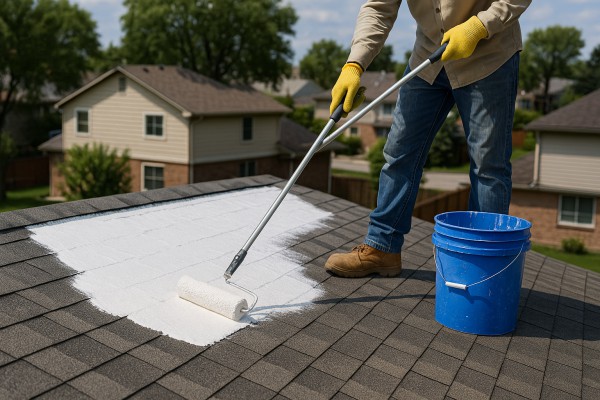
Introduction to Roof Coating Services
Roof coatings are thin protective membranes applied over existing roofing to extend life, seal leaks, and improve energy efficiency. They're not a replacement for damaged or missing components, but when properly applied they can restore performance and reduce cooling costs, especially on flat or low-slope roofs.
What roof coatings are and how they work
A coating is a flexible membrane that bonds to the roof surface. It fills minor gaps, creates a watertight barrier, and expands and contracts with temperature swings. Key benefits include:
- Sealing small leaks and pores
- Extending roof life by protecting against UV and weathering
- Improving energy efficiency by reflecting sunlight and reducing heat transfer
- Simplified maintenance with a uniform surface that's easier to clean
Common coating types
Different coatings suit different roofs and climates. Here are the main options you'll encounter:
- Acrylic (water-based): Inexpensive, UV resistant, breathable; good for asphalt shingles and membranes. Quick to apply and easy to clean.
- Elastomeric: Highly flexible and durable; common on flat or low-slope roofs. Often acrylic-based but comes in silicone or polyurethane blends.
- Silicone: Excellent waterproofing, especially on roofs with standing water or ponding. Very durable and weather-resistant; surface slightly slick when wet.
- Polyurethane/Urethane: Strong chemical and abrasion resistance; favors metal roofs or areas demanding higher durability. Can be more expensive and may require a clean, dry surface for best adhesion.
Is roof coating right for your home?
Not every roof is a good candidate. Consider:
- Roof type and condition: Best for flat or low-slope roofs and surfaces with minor, localized leaks or aging. Not a cure for widespread structural damage or heavily deteriorated decking.
- Climate and drainage: Effective where there's good drainage and limited standing water; ponding water may reduce lifespan on some coatings.
- Goals and budget: If you're after leak resistance, heat reflectivity, or a maintenance-friendly option rather than a full roof replacement, coatings can be a fit.
- Professional assessment: A qualified roofer will inspect flashing, penetrations, and surface cleanliness to confirm suitability and prep needs.
The coating process: what to expect
A typical project follows these steps:
1. Inspection and planning: Identify leaks, flashing issues, and surface prep requirements.
2. Cleaning and repairs: Remove debris, moss, and loose granules; fix small defects to create a smooth, sound surface.
3. Surface preparation: Drying, priming where required, and ensuring a clean bonding surface.
4. Application: Apply primer (if needed), then the coating system in one or more coats. Coverage rates depend on material and roof type.
5. Curing and final check: Allow proper cure time; inspect for pinholes, seams, and any missed spots. Some projects may require a second light coat.
Maintenance and lifespan
- Schedule inspections every 1–2 years to catch issues early.
- Keep gutters clear and address standing water promptly.
- Expect a recoat every 5–15 years, depending on coating type, roof exposure, and maintenance history.
- Clean the surface periodically to maintain reflectivity and protection.
Cost considerations and value
- Typical cost range: roughly $0.75 to $3.50 per square foot, varying by coating type, roof complexity, and prep work.
- What drives cost: surface condition, required repairs, number of coats, accessibility, and local labor rates.
- Value: added protection against leaks, potential energy savings, and extended roof life can make coatings a prudent investment when properly selected and applied.
- Warranties and guarantees: Some coatings come with manufacturer warranties; installation quality and surface prep usually influence coverage.
Note: The long-term performance of a roof coating depends on roof type, climate, and how well the surface was prepared before application.
What Roof Coating Services Include
Comprehensive definition
Roof coatings are thin, seamless protective layers applied over an existing roof surface to seal, shield, and extend the roof's life. Most coatings are elastomeric, meaning they stretch and move with the roof as it heats and cools. Common formulas include silicone, acrylic, and polyurethane; asphalt-based or reflective metalized coatings are used in specific systems. A coating is not a full roof replacement. Its primary goals are to improve waterproofing, reflectivity (which helps curb temperature gain), and overall durability, often at a lower upfront cost than to reroof.
When it's typically needed
- Surface wear and aging: visible cracking, fading, granule loss, or blisters on flat or low-slope roofs.
- Leaks around penetrations: minor leaks or seepage where flashing is intact but the membrane shows wear.
- Ponding water: roofs with standing water that drain slowly can benefit from a coating designed to resist water intrusion when properly applied.
- Energy and comfort goals: hotter attics and upstairs spaces in sunny climates can often be addressed with reflective coatings.
- Substrate refresh: metal, built-up, or single-ply roofs that have degraded surface textures or oxidation may respond well to a coating as a maintenance upgrade.
Types of roof coatings
- Silicone coatings: excellent waterproofing and UV resistance; good for ponding-water scenarios on flat roofs; long service life in many climates.
- Acrylic coatings: cost-effective and reflective; easy to apply but can be less durable in oily or dirty conditions.
- Polyurethane coatings: durable, abrasion-resistant, and well-suited for metal and high-traffic areas; can be more sensitive to moisture during application.
- Asphalt-based coatings: common on built-up roofs; straightforward to apply but may have shorter lifespans in extreme heat.
- Reflective coatings: designed to maximize solar reflectivity on metal or membrane roofs; typically used to lower cooling loads.
The coating application process
1. Initial evaluation: we inspect the roof's age, membrane condition, flashing, penetrations, and drainage.
2. Surface preparation: remove debris, clean oils or dirt, and repair minor damage to ensure adhesion.
3. Repairs and sealing: fix leaks, reinforce flashing, and address any loose seams.
4. Priming (if required): apply a compatible primer to improve adhesion for the chosen coating.
5. First coat application: apply the coating evenly with proper tools and technique; ensure uniform coverage.
6. Second coat and curing: many systems require a second coat; allow full cure per product instructions between coats.
7. Final inspection: verify even thickness, flashing performance, and proper drainage, then document any maintenance needs.
Maintenance and care
- Regular inspections: check twice a year and after major storms for signs of wear or damage.
- Drainage hygiene: keep gutters and scuppers clear to prevent ponding and overloading of the coating.
- Recoat timelines: most coatings need renewal every 5–10 years, depending on climate, roof exposure, and traffic; plan touch-ups or full re-coats around those intervals.
When You Need Roof Coating Services
Signs this service is needed
- The coating is peeling, cracking, blistering, or detaching from the roof surface.
- You notice ponding water on a flat or low-slope roof that lingers after rain.
- The roof looks chalky, faded, or loses its reflective properties and energy efficiency has dropped.
- Metal roofs show rust, corrosion, or streaks where the coating has worn away.
- Leaks or damp spots appear near roof penetrations, along seams, or under flashing, especially after sun exposure or storms.
- You can see hairline cracks or bubbling that seem to expand over time.
- Exposed decking or flashing is visible at the roof edge, joints, or around penetrations because the coating has failed.
How you can confirm yourself as a homeowner
1) Gather roof facts: note the roof type (asphalt, metal, single-ply, flat), climate, and the last coating date if you have records.
2) Do a cautious exterior check: from ground level or a safe ladder position, look for shiny or patchy areas, lifted edges, or obvious wear along edges, seams, and around penetrations.
3) Check drainage and ponding: on flat or low-slope roofs, observe whether water drains within 48–72 hours after a rain or if it remains pooled.
4) Inspect the attic: with the help of daylight or a flashlight, look for moisture staining, staining around vents, pipes, or flashing, and any signs of daylight leaking through the roof deck.
5) Document what you find: take clear photos of worn or damaged coating, patches, and any stains. Keep notes on location and size of issues.
6) Consider safety and compatibility: identify your roof material and any known coating products suggested by the manufacturer. If you're unsure about compatible coatings, priming, or application methods, mark it for a professional review.
7) Use a ground check where possible: binoculars or a second person can help you inspect higher areas without climbing to risky spots.
When to get a professional assessment
- Active leaks are present or interior ceilings show new stains after rain, indicating the coating or roof deck may be compromised.
- The coating issues are widespread—multiple sections show peeling, blistering, or corrosion, not just isolated spots.
- Your roof is older than the typical coating life for your climate and roof type, or the last coating date is unknown.
- You're unsure about roof type, coating compatibility, or required primers and adhesion tests. Some coatings require specific products and surface prep to perform properly.
- The roof is steep, high, or otherwise unsafe to inspect from a ladder or ground, or you don't have the proper safety gear.
- After severe weather (hail, high winds), you notice new or expanded damage, and you want a professional assessment to determine if coating is still viable or if repairs are needed.
- You want a formal evaluation to establish a long-term plan: roof surface cleaning, priming, coating schedule, warranty coverage, and optimal product choices tailored to your climate and roof material.
What's Included with Roof Coating Services
What is typically included
- Written assessment and estimate: A professional will inspect the roof, note any damage, and provide a scope and price so you know what to expect.
- Thorough surface cleaning: Removal of debris, leaves, and dirt; treatment or removal of moss, lichen, or algae as needed to ensure good adhesion.
- Minor repairs and prep: Securing loose shingles, resealing small cracks, addressing loose flashing or deteriorated sealant, and ensuring the substrate is sound before coating.
- Materials and coatings: Use of manufacturer-approved elastomeric or silicone coatings, plus any primer required by the substrate; color and finish options based on the roof type.
- Application process: Coatings applied by brush, roller, or spray; typically 1–2 coats with proper curing times between coats and adherence to product guidelines.
- Protection of surroundings: Masking of gutters, walls, windows, and landscaping; measures to keep the job site clean and minimize overspray or drips.
- Safety and site protection: Standard fall protection, ladder safety, and site-access controls to keep your family and pets safe.
- Final inspection and touch-ups: Check for even coverage, adhesion, and seal around penetrations; address any missed spots or weak seals.
- Clean-up and debris disposal: Removal of old coating remnants, packaging, and masking materials; site left tidy.
- Documentation and warranty: A written warranty covering materials and workmanship, plus clear maintenance guidelines and any required follow-up inspections.
- Color, reflectivity, and energy notes: Discussion of available colors and reflectivity ratings that can influence heat gain and cooling costs.
- Aftercare guidance: Practical tips for maintenance between coats and what to watch for as the roof ages.
- Substrate compatibility note: Confirmation that the coating is suitable for your roof type (asphalt shingles, metal, tile, or built-up) and any special prep needed.
- Step-by-step at-a-glance (optional quick guide):
1) Inspect and estimate
2) Clean and prep
3) Prime if required
4) Apply first coat
5) Cure time
6) Apply second coat and final inspection
What is not typically included
- Major structural repairs: The coating is a protective layer; rotten decking, warped rafters, or significant structural damage must be repaired separately.
- Extensive flashing or vent work: Replacing or realigning flashing, vents, pipes beyond routine cleaning and resealing is extra.
- Leak repair beyond coating scope: Active leaks requiring carpentry or extensive sealant work beyond the coating's adhesion expect separate work.
- Roof tear-off or material replacement: Removing shingles or decking to apply a coating is not included; coatings are applied over the existing roof.
- Insulation or ventilation upgrades: Not part of the coating job; those improvements require a separate project.
- Hazardous material abatement: Asbestos, lead paint, or other hazardous materials must be handled by licensed specialists and billed separately.
- Permits and approvals: Permit fees or required engineering consultations are typically not included and may be billed separately by location.
- Gutter or exterior structure replacement: Gutter replacement, fascia, soffits, or other structural exterior work is not part of coating unless expressly included.
- Chimney or skylight resealing beyond coating: If resealing around openings or penetrations is needed beyond coating, it's usually an extra service.
- Scheduling and weather-related constraints: Weather cancellations, delays, or expedited scheduling may affect timing but are not billable items themselves.
Common Roofing Materials Used with Roof Coating Services
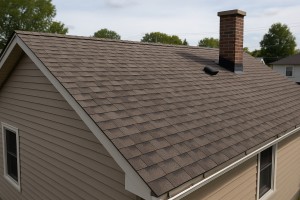
- How coatings relate: Roof coatings can extend the life of aging asphalt shingle roofs by reducing UV damage, sealing minor granule loss, and improving waterproofing on the surface. They are most effective on roofs with solid underlayment and minimal active leaks.
- What to know:
- Best coating types: Elastomeric acrylics or silanes/silicones designed for asphalt substrates.
- Preparation: Thorough cleaning to remove dirt, algae, and debris; repair or replace severely damaged shingles; ensure the surface is dry.
- Limitations: If the shingles are delaminating, cupping, or deeply deteriorated, coating may only be a short-term fix. Coatings won't restore structural wear.
- Steps to coat (overview):
1) Inspect and repair damaged areas.
2) Clean and dry the surface.
3) Prime if required by the product.
4) Apply multiple thin coats for uniform coverage.
5) Allow proper cure time before exposure to weather.
Modified Bitumen / Built-Up Roofs (BUR)
- How coatings relate: BUR and modified bitumen roofs benefit from reflective, waterproof coatings that seal seams and extend life without a full roof tear-off.
- What to know:
- Best coating types: Silicone or elastomeric acrylics that handle a bitumen substrate and roof movement.
- Preparation: Remove loose gravel or ballast, clean surface, address any blisters or open seams, and repair punctures.
- Special considerations: Some coatings require a fabric reinforcement at seams for long-term durability.
- Steps to coat (overview):
1) Remove loose material and clean thoroughly.
2) Seal seams and patch penetrations.
3) Apply an initial base coat if recommended.
4) Add one or two top coats for reflectivity and waterproofing.
5) Inspect after cure and perform touch-ups as needed.
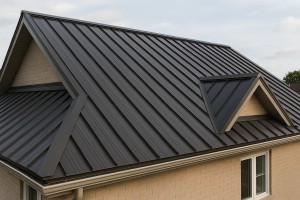
- How coatings relate: Metal roofs gain corrosion protection, heat reflectivity, and extended life through reflective, flexible coatings, while accommodating metal expansion and contraction.
- What to know:
- Best coating types: Silicone, fluoropolymer, or polyurea coatings; some products require a primer on uncoated or corroded areas.
- Preparation: Remove rust, wash away salts and pollutants, and ensure joints are dry. Pay attention to flashing and fasteners.
- Maintenance notes: Verify compatibility with existing coatings; coatings should allow for breathability to prevent moisture entrapment.
- Steps to coat (overview):
1) Clean and degrease the surface.
2) Treat rust spots and re-prime if needed.
3) Apply the coating in even, thin coats.
4) Check for uniform gloss and adhesion.
5) Schedule periodic inspections for fading or chipping.
Concrete/Cementitious Tiles
- How coatings relate: Elastomeric or silicone-based coatings can seal porous concrete tiles, reduce algae staining, and improve energy efficiency on flat or low-sloped roofs.
- What to know:
- Preparation: Remove moss and efflorescence, repair cracked tiles, and ensure proper drainage.
- Considerations: Some tiles may crack with movement; coatings should be flexible and breathable to handle expansion.
- Steps to coat (overview):
1) Clean and dry the surface completely.
2) Fill cracks and seal joints as needed.
3) Apply base coat (if recommended) and follow with top coats.
4) Ensure even coverage and water runoff.
5) Allow full cure before exposing to rain.
Single-Ply Membranes (TPO, PVC, EPDM)
- How coatings relate: Roof coatings can restore reflectivity and weatherproofing on flat membranes, extending service life without full membrane replacement.
- What to know:
- Best coating types: Specialty elastomeric coatings compatible with TPO, PVC, or EPDM; silicone-based options are common.
- Preparation: Inspect for membrane laps, punctures, or punctate leaks; clean with approved cleaners and ensure dryness.
- Cautions: Some coatings may not adhere well to aged or dirty membranes; always perform a test patch.
- Steps to coat (overview):
1) Test a small area for adhesion.
2) Clean and dry the membrane thoroughly.
3) Apply primer if required by the product.
4) Apply the coating in uniform coats.
5) Inspect seams and flashings after cure.
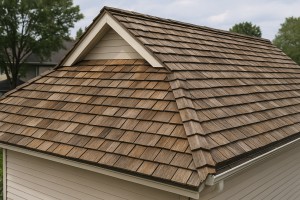
- How coatings relate: Elastomeric coatings can slow weathering, reduce moisture absorption, and help resist staining on wood shakes or shingles.
- What to know:
- Preparation: Replace severely warped or rotten sections; clean thoroughly and remove mold.
- Limitations: Wood breathability is critical; coatings should allow some moisture vapor to escape to prevent rot.
- Steps to coat (overview):
1) Repair and replace damaged boards.
2) Clean and dry the surface.
3) Prime if recommended for wood.
4) Apply two thin coats for even protection.
5) Schedule periodic inspections for peeling or bubbling.
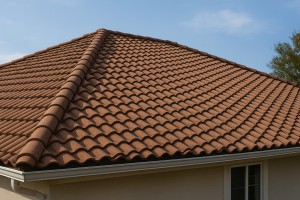
- How coatings relate: Elastomeric or reflective coatings can protect porous clay tiles from UV damage and reduce heat gain.
- What to know:
- Preparation: Clean thoroughly and seal any cracks; ensure proper drainage to avoid water pooling.
- Considerations: Tiles may crack with movement; coatings should be flexible and breathable.
- Steps to coat (overview):
1) Inspect and repair cracks.
2) Clean and dry the surface.
3) Apply the coating in multiple thin layers.
4) Check for uniform coverage and color consistency.
5) Allow full cure before exposing to weather.
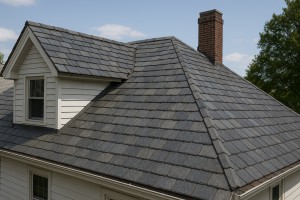
- How coatings relate: For sound slate roofs, thin, breathable coatings can improve water resistance without compromising the slate's integrity.
- What to know:
- Preparation: Ensure slates are secure; replace loose or cracked pieces.
- Cautions: Slate is brittle; coatings must be applied very carefully with appropriate equipment and PPE.
- Steps to coat (overview):
1) Secure loose slates and replace damaged pieces.
2) Clean and dry the surface.
3) Use a breathable coating suitable for slate.
4) Apply in light coats to avoid weight on the roof.
5) Inspect for uniform adhesion after curing.
SPF (Spray Polyurethane Foam) Roofs
- How coatings relate: SPF roofs rely on a protective topcoat to shield the foam from UV degradation and weathering.
- What to know:
- Best coating types: Silicone or elastomeric topcoats designed for foam substrates.
- Preparation: Ensure the foam is clean, dry, and free of any off-gassing odors; repair any damaged patches.
- Maintenance: Regularly inspect for warmth changes or blisters; coatings should be re-applied on schedule to maintain protection.
Understanding the Cost of Roof Coating Services
Typical average costs
- Installed roof coatings generally run about $0.75 to $2.50 per square foot, depending on material and job specifics.
- Material options and typical ranges:
- Silicone: roughly $0.80–$2.20 per sq ft
- Acrylic/elastomeric: roughly $0.60–$1.50 per sq ft
- Polyurethane: roughly $0.75–$1.80 per sq ft
- Metal roof coatings: roughly $1.00–$2.50 per sq ft
- For a ballpark idea, most residential flat or low-slope roofs fall in the broad range of about $1,000 to $5,000 for a complete application. Smaller, simpler roofs can be closer to the low end; larger or more complex roofs tend toward the high end.
- The exact total depends on surface area, coating choice, and the amount of prep work needed. A typical 1,000–1,500 sq ft project might land around $900–$3,000, while a 2,000 sq ft roof often lands in the $1,500–$5,000 range.
Factors that influence cost
- Roof size and pitch
- Larger roofs take more time and materials; steep pitches add ladder safety and equipment needs.
- Coating type and number of coats
- Silicone coats and multi-coat systems raise material and labor costs versus a single-coat acrylic system.
- Surface prep and repairs
- Cleaning, moss or debris removal, crack sealing, and patching add to upfront costs but extend coating life.
- Old coating removal
- If an existing coating must be stripped or heavily abraded, expect a noticeable increase.
- Roof condition and repairs
- Structural or subroof repairs discovered during prep can raise costs.
- Roof complexity
- Multiple penetrations (vents, chimneys), skylights, or transitions increase labor.
- Accessibility and equipment
- Hard-to-reach roofs or limited access can push labor time higher.
- Climate and season
- Cooler, wetter seasons or extreme heat can cause scheduling delays and impact drying times.
- Local labor rates and contractor quality
- Prices vary by region; warranties and installer certifications can affect cost, but also long-term value.
- Warranties and longevity
- Longer or more comprehensive warranties add to upfront cost but may save money over time.
Cost-saving tips
- Get multiple, itemized quotes
- Ask for a clear breakdown: materials, labor, prep, and any contingency.
- Choose the right coating for your home and climate
- A properly matched system reduces the chance of premature re-coats.
- Bundle tasks when possible
- Combine cleaning, minor repairs, or sealing with the coating project to save access and mobilization costs.
- Plan for mild weather
- Scheduling during favorable conditions minimizes delays and rework.
- Focus on proper prep
- Investing in thorough cleaning and crack sealing now reduces callbacks and longer-term maintenance costs.
Steps to estimate your budget
1. Measure the roof area (roughly: length × width for flat sections; estimate for pitched sections).
2. Note roof features and surface condition (cracks, moss, prior coatings, penetrations).
3. Request at least three itemized quotes and compare coatings, warranties, and preparation requirements.
How the Roof Coating Process Works
1. Initial Assessment and Prep Window
- Our team starts with a thorough roof inspection: material type, age, current condition, visible leaks, penetrations, flashing, and any standing water. We identify if coating is the right fit and spot issues that could affect adhesion or performance.
- We discuss weather and temperature windows because coatings cure best in dry, mild conditions. You'll receive a written plan with a rough timeline and any preparations you should expect.
2. Surface Preparation and Cleaning
- Before any coating goes on, the roof must be clean and dry. We remove debris, moss, loose coating, and granules using low-pressure washing or careful hand cleaning to avoid surface damage.
- We check for moisture pockets and ensure the surface is dry. Any active leaks are addressed so they don't compromise adhesion.
3. Repairs and Flashing Corrections (If Needed)
- If we find small leaks, loose flashing, or minor surface damage, we repair them on the spot. These fixes keep water out and help the coating last longer.
- Major structural issues aren't covered by coating alone. If there are warped boards or extensive rot, those repairs need to be completed before coating.
4. Priming and Sealing
- A bonding primer or sealant is applied to improve adhesion between the roof and the coating. This step creates a durable seal around penetrations, fasteners, and seams.
- Extra care is taken around vents, chimneys, skylights, and edge flashing to prevent future leaks and ensure a clean bond.
5. Coating Application
- We apply the chosen coating system, typically elastomeric or silicone-based, depending on roof type, climate, and expected foot traffic.
- The process often includes a base coat and a top coat, or a single thicker coat, depending on the product. We monitor thickness and uniformity to avoid thin spots and ensure complete coverage.
- Proper conditions are maintained during application, including airflow, temperature, and humidity, for a reliable cure.
6. Curing, Inspection, and Touch-Ups
- The coating requires a curing period. Timing varies by product and weather but usually spans several hours to a day or two in mild conditions.
- We perform a thorough inspection for missed spots, thin areas, or pinholes. If needed, we apply targeted touch-ups to ensure a uniform, watertight finish.
7. Clean-Up and Final Walk-Through
- The site is tidied up, equipment removed, and any debris cleared. Gutters and nearby vegetation are checked and cleaned if necessary.
- We do a final walk-through with you to confirm satisfaction, discuss basic maintenance, and outline any follow-up visits or service intervals.
8. Maintenance and Warranty
- Regular maintenance helps maximize the coating's life. We recommend periodic inspections, keeping gutters clear, and addressing pooling water promptly.
- Warranty terms vary by product and scope, but you'll receive a clear explanation of adhesion, performance, and the covered period after the site visit.
Residential vs. Commercial Considerations for Roof Coating Services
Residential vs Commercial Considerations of Roof Coating Services
Coating decisions aren't one-size-fits-all. The same coating chemistry can behave very differently on a home roof versus a commercial roof because of slope, substrate, usage, and safety requirements. Here's how to think about it from a homeowner's perspective.
Residential considerations
- Roof type and slope
- Most homes have steep pitches or complex rooflines. Coatings perform best on flat or low-slope sections and may be limited on steep, shingled surfaces. If you have protrusions, dormers, or skylights, plan for targeted coating rather than full-surface application.
- Substrate compatibility and warranty
- Asphalt shingles, shakes, or tile substrates respond differently to coatings. Many shingle warranties discourage, restrict, or void coverage if a coating is applied. If you're on a shingle roof, discuss compatibility with your manufacturer and contractor before proceeding.
- Aesthetics and color options
- Reflective (cool) white coatings can reduce heat gain, but color choices and finish may be constrained by the roof material. Ensure the look aligns with neighborhood aesthetics or HOA guidelines.
- Energy savings and ROI
- In hot climates, reflective coatings can lower attic temperatures and cooling energy use. The return depends on roof size, insulation, and local energy costs. For smaller homes, the payoff may come more from comfort and longevity than dramatic annual savings.
- Maintenance and lifespan
- Expect periodic inspections and potential re-coats every 5–15 years, depending on climate and product. Address any cracks, ponding water, or surface damage promptly to protect the roof deck.
- Safety and access
- Steep residential roofs require fall protection and skilled installers. Do not walk on damaged shingles; uneven surfaces increase risk of leaks and injury.
- Weather and timing
- Apply coatings during dry, temperate windows. High humidity, rain, or freezing temperatures can compromise adhesion and cure.
Commercial considerations
- Roof type and condition
- Most commercial roofs are flat or low-slope membranes (EPDM, TPO, PVC, metal). Surface prep is crucial: cleaning, seam repair, flashings, and drain balance must be addressed to maximize adhesion and performance.
- System choices and energy performance
- Common options include silicone, acrylic, polyurethane, and polyurea coatings. These systems offer high reflectivity and strong waterproofing, with energy savings often a key driver for ROI on larger areas.
- Access, safety, and installation
- Large roofs demand formal safety plans, fall protection, and often equipment like lifts or scaffolding. Expect coordination around HVAC units, curbs, and rooftop penetrations to avoid leaks.
- Longevity and warranties
- Commercial warranties frequently hinge on regular inspections and maintenance. Adhesion tests, patching, and adherence to inspection schedules can be mandatory for warranty validity.
- Cost, procurement, and ROI
- Per-square-foot costs drop with larger areas, but total project cost can be substantial. ROI is driven by energy savings, extended roof life, and minimized downtime during installation.
- Building operations and disruption
- Work often occurs during off-peak hours or scheduled windows to minimize business disruption. Plan for temporary access changes, equipment noise, and protective barriers around work zones.
- Color, reflectivity, and building code
- Light-colored coatings help with heat reduction, but corporate branding or aesthetic standards may limit color choices. Verify local codes and property requirements before selecting a finish.
- Environmental and regulatory considerations
- VOC content and waste handling are more strictly managed on commercial projects. Ensure the contractor follows environmental guidelines and disposes of debris properly.
Steps to evaluate what's right for your roof (homeowner-friendly)
1) Identify roof type and condition: slope, substrate, existing leaks, and accessibility.
2) Confirm coating compatibility and any warranty constraints from the manufacturer.
3) Compare energy impact and potential savings for your climate and roof area.
4) Assess safety needs and access requirements; decide between DIY-capable areas and professional scope.
5) Review timeline, weather windows, and how installation may affect any HOA or building operations.
6) Obtain a detailed inspection and written plan from a licensed contractor, including surface prep, product type, number of coats, and warranty terms.
How Roof Coating Services Vary by Location
How this service varies in different regions in the United States
Regional climate and local conditions shape every step of a roof coating project—from product choice to cure time to how often you recoat. What works well along the Gulf Coast may need tweaks in the Rockies, and coastal California raises different considerations than the Midwest heartland.
- Climate and weather patterns
- Temperature extremes, freeze-thaw cycles, and humidity directly affect product selection, surface prep, and cure.
- UV exposure and salt spray near the coast can shorten coating life if the wrong formulation is chosen.
- Rainy seasons and high humidity windows can limit when coatings can be applied.
- Roof materials and exposure common to each region
- Asphalt shingles dominate many regions, but flat roofs, metal, tile, or built‑up roofs are more common elsewhere.
- Local climate dictates whether a reflective (cool) coating, a breathable acrylic, or a moisture-resistant urethane is best.
- Local codes, warranties, and environmental rules
- Some areas have stricter VOC limits or require specific coating types for warranties.
- Local permitting practices and HOA rules can influence product choice and application timing.
- Maintenance realities and service availability
- Regions with severe weather may see more frequent inspections and earlier recoat cycles.
- Availability of trained contractors and compatible materials varies by region.
Climate and weather windows
The weather window defines when you can apply and cure coatings safely.
- In hot, dry regions, plan for early-morning or late-afternoon work to avoid peak heat.
- In coastal or humid areas, look for multi-day dry spells and monitor humidity to ensure proper curing.
- In cold or high-altitude areas, wait for sustained temperatures above a comfortable threshold and allow longer cure times.
- Steps to align with regional weather:
1) Check typical monthly temperatures and rainfall for your area.
2) Schedule application during a predicted 24–72 hour dry spell.
3) Use coatings with appropriate cure chemistry for your climate and follow all cure-time guidelines.
Roof type prevalence by region
- Northeast and parts of the Midwest: Asphalt shingles are common; coatings should emphasize adhesion to shingle substrates and compatibility with granule surfaces.
- Southwest and Southeast: Flat roofs, metal, and concrete projects are frequent; reflectivity and moisture resistance matter most.
- West Coast: Mixed substrates—wood, metal, and flat membranes—require versatile primers and surface prep to handle coastal salt and fog.
- Pacific Northwest: Moisture tolerance is key; coatings should resist mildew and maintain flexibility in damp conditions.
- Practical tips:
- Match coating chemistry to substrate and climate.
- Use appropriate primer if substrate porosity or deterioration varies regionally.
Local codes, warranties, and environmental rules
- Verify VOC limits in your state or city and choose compliant products.
- Confirm warranty requirements based on local codes and climate; some regions demand specific preparation or coating classes.
- Plan for proper disposal of old coatings and any contaminated materials per local rules.
Seasonal timing and execution
- Northern regions: Favor late spring or early fall when temperatures are moderate and moisture is lower.
- Southern regions: Avoid peak heat; schedule early morning sessions and consider nighttime cure management if feasible.
- Coastal regions: Align with dry-season windows to minimize humidity and dew points during cure.
- Steps for region-specific timing:
1) Identify your region's typical dry days in the target season.
2) Schedule around local humidity and dew-point patterns.
3) Allow extra cure time if coastal humidity or temperature fluctuations are expected.
- Acrylic and silicone coatings excel in hot sun and reflective needs in many regions.
- Urethane or elastomeric blends can handle movement in areas with thermal expansion or structural quirks.
- For roofs with frequent moisture exposure, choose formulations with mildew resistance and robust adhesion.
- Quick-reference guidance:
- If you're in a dry, sunny climate: prioritize UV stability and reflectivity.
- If you're in a humid or coastal area: emphasize moisture tolerance and mildew resistance.
- If you have a mixed or unique roof: consult a local pro for substrate-specific recommendations.
