Ultimate Guide to Roof Tear-Off Services
Last updated: Feb 28, 2026
An Introduction to Roof Tear-Off Services
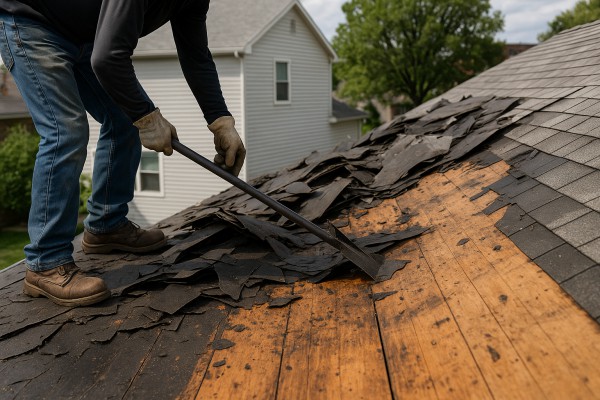
A roof tear-off is the process of removing all existing roofing materials down to the deck so a fresh, properly prepared base can be installed. For homeowners, understanding the tear-off helps you compare bids, plan timing, and avoid surprises. This page walks you through what to expect, why a full tear-off is chosen in many cases, and how to approach the project with confidence.
What a roof tear-off is
- Removes shingles, underlayment, vents, and flashing down to the decking.
- Gives the roof a clean slate, so the new layers lay flat and perform as intended.
- Helps identify hidden problems like rot, mold, or damaged decking that overlays can miss.
- Sets up the best conditions for underlayment, flashing, and high-quality shingles.
When a full tear-off is recommended
- The roof is past its prime (commonly 15–20+ years) and showing widespread wear.
- There are multiple patches, curling shingles, or extensive granule loss.
- An old roof has had overlays or patch repairs that mask underlying damage.
- You're changing roof materials or increasing attic ventilation, which benefits from a solid deck.
- You want the longest possible life and warranty on the new roof.
What to expect during the tear-off process
1) Prep and safety: area protection, tarps or fencing, and debris containment to protect landscaping and gutters.
2) Removal: shingles, underlayment, and flashing are removed in sections to minimize debris and exposure.
3) Deck inspection: crews inspect the plywood or OSB for rot, mold, or fastener issues and note needed repairs.
4) Repairs and protection: damaged decking is replaced, fasteners are secured, and new underlayment is laid out.
5) Installation window: new flashing, ice/wreeze guards if needed, and the beginning of the new roof system go on in a logical sequence.
6) Cleanup and final inspection: a thorough sweep, nail removal, and a quick on-site walkthrough to confirm everything is tight and clean.
Materials, disposal, and waste management
- Shingles and underlayment: the chosen products affect weight, waste volume, and disposal options.
- Flashing and vents: metal details are installed to seal joints and prevent leaks.
- Waste handling: many crews bring a roll-off container and use recycling options where available.
- Site protection: bundled debris is contained to limit damage to plants, driveways, and landscape beds.
Safety, permits, and warranties
- Permits: most projects require a building permit and, in some areas, inspections at key milestones.
- Containment: proper tarping and debris control protect your property and neighbors.
- Warranties: ask how long the tear-off and the new roof are covered, and what maintenance is recommended.
Cost factors to consider
- Roof size and pitch (steeper roofs are more labor-intensive and time-consuming).
- Deck condition and required repairs (hidden rot can add cost but prevent bigger problems later).
- Materials you choose for underlayment, shingles, and flashing.
- Local disposal and permitting fees, plus labor rates.
- Timeline constraints (weather and crew availability can shift pricing and schedule).
Quick questions to discuss with your roofer
- Do you recommend a tear-off or could an overlay be appropriate for my roof?
- How will you determine whether the decking needs replacement?
- What is included in the teardown, installation, and cleanup?
- What is the expected timeline, and how will weather affect it?
- What warranties come with the materials and labor?
What Roof Tear-Off Services Include
Comprehensive definition
- Tear-off is the complete removal of all existing roofing material, down to the roof deck or sheathing. It encompasses shingles or tiles, underlayment, flashing, vent boots, drip edge, and any other components tied to the old roof.
- The service includes debris containment and professional disposal, a deck inspection for damage, and any necessary repairs to the underlying structure before a new roof is installed.
- A thorough tear-off establishes a clean, sound base for the replacement, helps protect your home during installation, and supports proper ventilation and performance of the new roof.
When it's typically needed
- Old roof approaching end of life: materials have surpassed their expected lifespan (often 15–30 years, depending on material) and show wear.
- Widespread damage: curling or missing shingles, granule loss, leaks that span multiple areas, or recurring repair needs.
- Structural concerns: sagging decking, soft spots, or visible rot indicating deck damage that needs replacement.
- Weather impacts: after hail storms or severe wind events that compromise the roofing system.
- Installation goals: to address poor ventilation, incorrect flashing, or to upgrade to a more durable or energy-efficient system.
- Insurance or code requirements: when a claim or local code calls for a full tear-off to ensure proper installation of a new roof system.
What the service includes
- Site protection and safety: tarping, ladder stabilization, roof edge protection, and containment to prevent debris from reaching nearby property.
- Material removal: complete stripping of old shingles/tiles, underlayment, flashing, vent boots, and other components down to the deck.
- Debris handling and disposal: organized removal, secure containment, and lawful disposal or recycling of old materials.
- Deck evaluation: thorough inspection of the roof deck for rot, warped or damaged plywood, and moisture issues.
- Deck repairs if needed: replacement of damaged boards, reglueing loose decking, and any structural refreshes required before new materials go on.
- Underlayment and flashing replacement: installation of modern underlayment, new drip edge, flashing, vent stacks, and valley flashing as part of the system.
- Insulation and ventilation considerations: assessment of attic ventilation needs and insulation gaps to optimize moisture control and energy efficiency.
- Weatherproofing components: installation of ice/water shield in low-slope areas or per code, as well as starter strips for the new roof.
- Installation coordination: coordination with the chosen roofing material, fasteners, and warranty requirements to ensure a quality, code-compliant result.
The process (step-by-step)
1. Initial assessment and measurements: confirm scope, roofing material, and access needs.
2. Permits and scheduling: determine permit requirements and align timelines.
3. Site setup: protect landscaping, driveways, and gutters; set up safety rails and containment.
4. Tear-off: remove old materials in sections, bag or stack debris for easy disposal.
5. Deck inspection and repairs: inspect for rot or damage; replace compromised decking as needed.
6. Underlayment, flashing, and ventilation: install new underlayment, drip edge, and updated flashing; ensure proper vent placement.
7. New roof installation: apply chosen roofing material, fasten per manufacturer specs, and seal joints.
8. Cleanup and final check: remove all debris, re-nail loose areas, tidy vents and gutters, and perform a final walkthrough to confirm quality and warranty details.
Safety and cleanup
- Personal protective equipment for workers and clear communication on access zones.
- Ladder and fall protection, roof anchors, and fall-arrest systems where required.
- Clean, orderly job site with dedicated trash zones and regular waste removal.
- Nail and shingle clean-up to prevent post-installation injuries and property damage.
Practical tips for homeowners
- Ask about debris containment plans and disposal options.
- Request a deck inspection report and photos of any repairs.
- Confirm warranty coverage on both tear-off and the new roof system.
When you'll want a full tear-off versus a partial approach
- Full tear-off is common when the deck is compromised or if you're changing roof type/materials.
- Partial tear-off might be suitable for localized damage with a combined repair-and-retrofit approach, but only after a professional evaluation.
Common considerations to discuss with your contractor
- Material choices and compatibility with existing ventilation.
- Expected timeline and weather contingency plans.
- Permits, inspections, and how any deck repairs affect overall warranty.
When You Need Roof Tear-Off Services
Signs this service is needed
- Your roof is 20–30+ years old and shows widespread wear, not just isolated issues.
- There are two or more layers of shingles present, or you're unsure how many layers exist.
- You've had repeating leaks or recurring water intrusion that patching hasn't fixed.
- Shingles are severely curling, buckling, cracking, or missing in large areas.
- Granules are washing into gutters or downspouts in noticeable amounts.
- Attic signs: daylight through the roof, damp spots, mold, or a musty odor.
- The decking feels soft, warped, or shows visible sagging in the ceiling or rafters.
- Ice dams form regularly, suggesting ventilation or insulation problems tied to roof condition.
- You're planning a full roof replacement and want a clean deck for proper installation.
- Local codes or an HOA require an actual tear-off for inspection or permit purposes.
Ways you can confirm yourself as a homeowner
- Do a careful exterior scan from the ground or a safe ladder: look for widespread missing, cracked, or severely curled shingles and any uneven or sagging roof areas.
- Check the attic with good lighting: look for daylight peeking through boards, damp patches, or mold growth, and note any unusual warmth or odor.
- Inspect the gutters and fascia: heavy shingle granule buildup, stained wood, or water stains near penetrations (vents, chimney) can signal advanced wear.
- Count or infer roof layers: if you can safely access an edge or a vent area, telltale signs include visible nails, adhesive residues, or more than one layer peeking through.
- Assess decking condition from accessible spots: soft or spongy decking behind the shingles strongly suggests you're not just dealing with a surface issue.
- Review records: pull past contractor invoices or your home's permit history to gauge prior roof work and the original roof age.
- Consider climate and exposure: roofs in harsh sun, heavy rain, or hail-prone areas tend to age faster and benefit more from a tear-off when replacement is due.
When to get a professional assessment
- You see active leaks, ceiling stains, or mold growth that persists after temporary fixes.
- The roof's age is unknown or well past the typical lifespan for your material, and you're unsure what's underneath.
- You suspect multiple layers, soft decking, or concealed damage after a severe storm or hail event.
- There are signs of structural concern, such as noticeable sagging, creaking during wind, or rafters that feel unstable.
- You're planning a replacement and want an accurate scope: tear-off vs. overlay, substrate condition, flashing, ventilation, and insulation requirements.
- You want expert confirmation on deck integrity and the exact amount of material to remove, plus disposal logistics.
What Is Included in Roof Tear-Off Services
What is typically included
- Safety setup and site protection: A crew camps the area with fall protection, sturdy ladders, and edge protection. They also lay down tarps or ground covers to shield landscaping, siding, and windows, keeping the site safer and cleaner.
- Tear-off to bare decking: All existing roofing material is removed, including shingles, old underlayment, and exposed nails, until the roof deck is fully exposed and inspected.
- Debris containment and disposal: Debris is contained on the roof and in the yard. A dumpster or roll-off container is brought to site, and waste is hauled away and disposed of per local regulations. A magnet sweep is performed to collect nails and metal fragments for safety.
- Roof deck inspection and minor repairs: The exposed decking is checked for rot, water damage, and structural concerns. Minor, non-structural repairs may be completed during the tear-off with approval. Major decking replacement or structural work is usually a separate scope or add-on.
- Flashings, vents, and penetrations assessment: Existing flashings and penetrations are removed or reset as part of the tear-off process. Details about re-flashing and vent components are clarified in the follow-on roof replacement phase; some crews include basic flashing work, others list it as an add-on.
- Temporary leak protection and weather protection: If rain is possible, temporary barriers or tarps are put in place to limit interior leakage during the tear-off window.
- Site protection and cleanup: Gutter protection, ground coverings for landscaping, and daily cleanup to minimize nails and debris around the property. A final ground sweep collects stray nails to protect people and pets.
- Permit coordination and documentation: Some contractors handle permit pulls and required inspections as part of the tear-off project; others provide this as an optional add-on. Check your quote to confirm who arranges permits.
- Disposal and recycling options: Old shingles and materials are disposed of through standard channels, with recycling options pursued where available. Contractors can advise on local recycling programs for asphalt shingles or metal flashing if your area offers it.
What is not typically included
- New roof materials and full installation: The tear-off part removes the old roof; the installation of underlayment, starter strips, shingles, and associated components is typically part of the roof replacement package and may be billed separately or as a bundled service—verify with your contractor.
- Structural decking repair or replacement: If the roof deck or supporting structure is damaged, major repairs or replacement are generally not included in a standard tear-off and become a separate project or add-on.
- Extensive flashing or vent work: While basic flashing is touched during tear-off, extensive re-flashing, chimney work, or skylight relocation usually falls under the roof replacement scope or is billed as an add-on.
- Mold remediation or asbestos abatement: If hazardous materials are present, specialized remediation is handled by licensed professionals and billed separately.
- Roofing system upgrades: Ventilation upgrades, insulation improvements, or attic air sealing are typically not included unless explicitly listed as part of a combined package.
- Permit charges (in some markets): Permit fees may be included in some quotes but are often passed through as a separate line item depending on local rules and who handles the permit process.
- Unexpected structural repairs: If uncovering hidden damage reveals rot, insect damage, or water intrusion beyond minor fixes, those costs are usually addressed as add-ons or separate contracts rather than included in a standard tear-off.
Quick steps to review in your quote
1) Confirm scope: Tear-off to bare decking, debris disposal, and magnet sweep—list what's included and excluded.
2) Check follow-on work: Is roof replacement (underlayment, shingles, vents) included or a separate package?
3) Understand disposal options: Dumpster size, recycling options, and any additional disposal fees.
4) Clarify permits and inspections: Who pulls permits, who pays, and what inspections are covered?
Common Roofing Materials Used With Roof Tear-Off Services
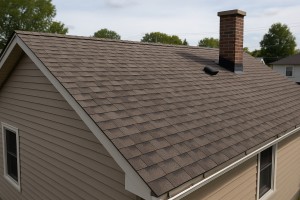
Asphalt shingles are by far the most common material torn off and replaced. The tear-off process for this material is well established, and most crews have efficient systems for handling the debris, nails, and underlayment that come with it.
- What this means for the service: Expect large volumes of waste and a need for careful nail pickup to avoid punctures in landscaping or tires. Most jobs include a magnet sweep to collect loose fasteners and a licensed disposal plan for asphalt shingle waste.
- Material specifics: Shingles are relatively light by area, but the sheer quantity adds up. Old roofs often have two layers of underlayment and tired decking that need replacement. Ice-and-water shield may be required in valleys and along eaves, and the new roof typically gets a modern underlayment and proper ventilation.
- Key steps you'll see:
1) Roof is prepared and debris containment is set up.
2) Shingles are pried, rolled, and loaded into waste containers.
3) Nails are removed with magnetized equipment.
4) Decking is inspected for rot and replaced as needed.
5) New underlayment is installed before the new roof goes on.
Wood Shingles and Shakes
Wood shingles and shakes bring a natural look but require extra care during tear-off due to brittleness, potential rot, and fire codes.
- What this means for the service: Expect slower removal than asphalt and more attention to potential dry rot or termite damage. Proper containment is key to avoid splinters and flying debris.
- Material specifics: Wood is heavier and more prone to moisture-related damage. Old shingles may sit directly on felt or on boards that need replacing. In some areas, wood roofs require synthetic underlayment and upgraded ventilation to meet current codes.
- Key steps you'll see:
1) Shakes/shingles are pried and lifted with care to avoid cracking adjacent boards.
2) Rotten decking is identified and repaired or replaced.
3) Areas adjacent to chimneys, skylights, and vents are safeguarded.
4) A watertight underlayment is installed before re-roofing with the chosen wood product or alternative.
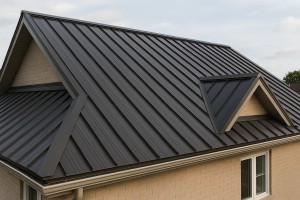
Metal roofs tear off cleanly in many cases, but the edges are sharp and fasteners can be stubborn.
- What this means for the service: Metal tear-offs can go quickly when panels are removable, but disposal often involves recycling the metal. If the deck is painted or corroded, replacement of sections may be necessary.
- Material specifics: Metal roofs are durable and may be installed over an existing roof or require full decking inspection. Some older systems used lead-based or other hazardous coatings; crews will assess for safety and environmental concerns.
- Key steps you'll see:
1) Panels are carefully detached and stacked.
2) Debris is contained, and nails are removed or cut out.
3) Decking is inspected for warpage or corrosion.
4) New underlayment or a substrate is prepared if a re-roof is planned.
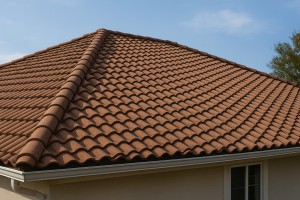
Tiles are beautiful but extremely heavy and fragile, making their removal a specialized job.
- What this means for the service: Expect careful handling, staged removal to prevent breakage, and additional protection for landscaping and hard surfaces.
- Material specifics: Tiles must be supported during removal to prevent cracking. The waste can be bulky and heavy, often requiring extra lifting equipment or multiple trips. Underlayment choices vary depending on tile type and local code.
- Key steps you'll see:
1) Ridge and hip tiles are removed first, then field tiles.
2) Broken tile is sorted and replaced or salvaged.
3) Deck is inspected for damage from tile weight and moisture.
4) A compatible underlayment and support system is installed for the new roof.
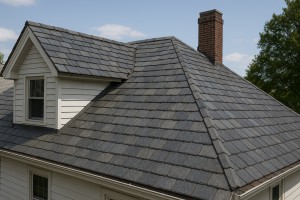
Slate is premium and extremely durable but brittle, demanding meticulous handling during tear-off.
- What this means for the service: Expect careful removal, potential salvaging of reusable pieces, and a higher cost due to labor and fragile material handling.
- Material specifics: Slate panels are heavy and can break if mismanaged. They may require temporary support structures during removal and precise cutting to minimize waste. Some slate roofs allow for dry ridge or batten systems on replacement.
- Key steps you'll see:
1) Slate is cautiously pried and slid off in pieces.
2) Salvaged pieces may be saved for reuse where possible.
3) Deck integrity is checked for nail or cleat holes.
4) Underlayment and attachment strategy are prepared for a slate-appropriate replacement.
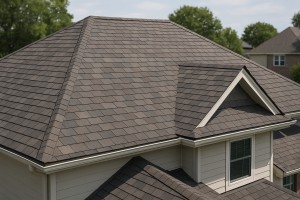
Engineered and synthetic options mimic traditional materials but install and tear off a bit differently.
- What this means for the service: Tear-off tends to be cleaner and faster, with potentially fewer hazardous nails, though you still manage waste and debris. Some composites are more flexible, which can ease removal.
- Material specifics: These products often require modern underlayment and may be compatible with a variety of deck types. They can sometimes be lighter or heavier depending on the formulation, which affects waste load and disposal.
- Key steps you'll see:
1) Panels or shingles are removed in larger sections.
2) Debris and nails are swept and magnet-operated.
3) Deck is inspected for any moisture or spacing issues.
4) A suitable underlayment and attachment pattern is installed for the new roof.
Flat Roofing Membranes (EPDM, TPO, Modified Bitumen)
Flat roofs use different tear-off dynamics, focusing on membrane removal and substrate prep.
- What this means for the service: Membrane tear-offs can involve sticky adhesives and ballast removal. Proper containment and safe disposal are essential, with a focus on restoring a uniform substrate for the new flat roof system.
- Material specifics: These membranes often sit on top of insulation or deck and may require patching of the substrate after removal. Some systems allow for partial tear-offs with clean edge transitions, but most will need full deck assessment.
- Key steps you'll see:
1) Old membrane is peeled or cut away, with adhesive residue managed.
2) Substrate is cleaned and prepped for the new roofing layer.
3) Insulation or underlayment is inspected and replaced as needed.
4) New flat-roof system is installed per manufacturer guidelines.
Understanding the Cost of Roof Tear-Off Services
Typical average costs
- Per-square-foot baseline: Expect about $1.50–$3.00 per sq ft for tear-off and disposal when removing a single layer of asphalt shingles.
- By roof size (ballpark ranges for a single-layer tear-off):
- Small homes (roughly 1,000–1,200 sq ft): about $1,500–$3,000
- Typical homes (1,500–2,000 sq ft): about $2,250–$6,000
- Larger homes (2,000–2,500 sq ft or more): about $3,000–$7,500+
- Multi-layer or heavier materials: If the roof has more than one old layer or heavier shingles (e.g., architectural/ dimensional shingles, tile, or slate remnants), costs can rise to roughly $2.50–$5.00 per sq ft, with total ranges often landing in the $4,000–$12,000+ territory for larger or more complex jobs.
- Additional line items you'll likely see in a quote:
- Dumpster rental and disposal fees
- Permits and inspections (where required)
- Site protection and cleanup
- Labor for preparation and final touches (e.g., haul-away of debris)
What drives the price
- Roof size and shape
- Larger roofs require more labor, materials, and dumpster capacity.
- Complex shapes (hip roofs, many valleys, dormers) add time and safety considerations.
- Roof pitch (steepness)
- Steeper pitches require more rigging, leverage, and safety measures, increasing labor costs.
- Layers of old roofing
- Removing more than one layer adds significant extra labor and disposal weight.
- Material weight and disposal
- Heavier materials and distance to the disposal site (landfill, transfer station) affect haul-away fees.
- Access and safety needs
- Limited access (tight yards, gated driveways) or special equipment needs can raise costs.
- Permits and code requirements
- Some areas require permits or inspections tied to tear-off work, adding fees and time.
- Local labor and landfill charges
- Regional cost differences can swing total price based on local wages and disposal rates.
Cost-saving moves (how to make this less expensive)
1) Get multiple written quotes (aim for at least 3 bids) to compare what's included.
2) Bundle with replacement work if you're planning a full roof upgrade; some contractors offer a packaged price.
3) Choose standard asphalt shingles or mid-range materials for the new roof, if appropriate for your budget.
4) Schedule in a slow season or shoulder season when demand is lower.
5) Clarify what is included in the quote (disposal, permit, cleanup) to avoid surprise charges.
6) Ensure two things are included: site protection and thorough debris cleanup.
Cost factors that may push the price up
- Very steep or challenging roof geometry, or difficult ladder setups.
- Additional layers (two or more) or unusual old materials (heavy tile or slate).
- Limited access or restricted workspace requiring extra safety gear or manpower.
- Required permits, inspections, or code-compliance steps not included in the base price.
- Higher regional disposal fees or longer hauling distances.
- Tight project timelines or: specialized services (e.g., lead-safe practices, asbestos-containing materials) that require extra handling and compliance.
Quick reference steps to estimate your cost
1) Measure approximate roof area in squares (1 square = 100 sq ft).
2) Decide how many layers need removal (one, two, or more).
3) Check local disposal and permit needs (call city or county building department).
4) Ask each contractor for a line-item quote including tear-off, disposal, permits, and cleanup.
5) Compare not just price, but what's included and the estimated timeline.
How the Roof Tear-Off Process Works
Initial Assessment and Scope
- We begin with a thorough roof assessment to understand the current conditions: number of layers, roof type, decking integrity, ventilation, and any penetrations (chimneys, skylights, vents).
- We confirm the scope of work: what's being removed, what will be replaced, and any structural repairs that may be needed.
- We provide an itemized estimate with a realistic timeline, disposal method, and any contingencies, so you know what to expect from day one.
Pre-Work Prep and Permits
- Safety and containment come first: we set up tarps, debris nets, and barriers to protect your property and neighbors.
- We secure any necessary permits and coordinate with local authorities if required for your area and roof type.
- We arrange dumpsters or debris containment and plan access routes to minimize disruption. A clear safety plan is reviewed with the crew and you, including parking, equipment positioning, and coordination with any on-site pets or kids.
Tear-Off Day: Execution
1) Site setup and protection: we lay down protective coverings, protect landscaping, and verify utilities are clearly marked and safeguarded.
2) Shingle removal: old shingles are stripped in manageable sections, nails are collected, and waste is either recycled or disposed of per project specs.
3) Decking inspection and repairs: as layers are removed, we inspect the roof deck for rot, sagging, or water damage and replace any damaged boards as needed.
4) Underlayment, flashing, and components: we install new underlayment, ice/water shield in critical areas, drip edge, and flashing around penetrations; vents and attic access are addressed to ensure proper airflow.
5) Final fasten and seal: we confirm the correct nail pattern and secure all fasteners, seal penetrations, and perform a preliminary top-edge finish to ensure a clean, weather-tight seal.
Waste Handling and Cleanup
- Debris management: we keep the work area organized with ongoing debris removal so your property stays clean and safe.
- Sorting and disposal: usable materials may be recycled where possible; waste is hauled away to meet local guidelines and timelines.
- Final sweep: we do a thorough clean-up of the yard, driveway, and any walkways, removing stray nails and small debris to prevent hazards.
Decking and Roof System Finish
- Decking protection and replacement: any damaged decking is replaced with matching materials, maintaining structural integrity and load paths.
- New roof assembly: once the deck is sound, we lay down the new underlayment, install the ice/water shield, drip edge, flashing, and new roofing material according to manufacturer specs.
- Ventilation and comfort: we re-check attic ventilation and soffit intake to maintain airflow and long-term roof performance.
Final Checks and Handover
- Quality assurance: a final walkthrough with you to review the completed job, address any questions, and demonstrate features like vents and drip edges.
- Inspections and warranties: we ensure any required city inspections are coordinated and provide warranty details for materials and workmanship.
- Maintenance guidance: we share simple, proactive maintenance tips to help you extend the life of your new roof.
Residential and Commercial Considerations for Roof Tear-Off Services
Residential Considerations
- Residential vs Commercial Considerations of Roof Tear-Off Services: as a homeowner, you'll see a lot of differences in scale, permits, and scheduling compared to a larger commercial job.
- Roof types and tear-off scope: most homes have asphalt shingles or smaller multi-layer scenarios; expect a complete tear-off down to the deck, followed by underlayment and new shingles. In some cases, specialty materials (wood, tile, or metal) add complexity, weight, and disposal needs.
- Permits and approvals: local building permits are common for residential tear-offs. HOA rules, neighborhood covenants, or historical district restrictions can influence color, shingle type, and work hours.
- Access and space: driveways, garages, and yards become staging areas. Protect landscaping, vehicles, and walkways; plan for waste bins and material laydown without blocking exits or emergency routes.
- Noise, timing, and neighbors: work hours and long days can affect neighbors. Clear communication with the HOA and nearby residents helps keep disturbances predictable and manageable.
- Safety and protection: fall protection for workers on steep residential slopes, proper ladder use, and tarps to control debris are essential. Inspect attic spaces for potential vapor barriers and storage that could be impacted by roof work.
- Debris handling and disposal: asphalt shingles are bulky; expect dumpster drops or contractor trailers. Recycling options (where available) can reduce waste costs.
- Costs and warranties: residential tear-offs are typically priced per square foot with added costs for multi-layer removals or difficult access. Warranties are often tied to the roof system installed and may require adherence to manufacturer guidelines.
- Steps:
1) Schedule a pre-job assessment and material selection.
2) Verify permits and HOA approvals.
3) Prepare the site with protection for landscaping and driveways.
4) Perform tear-off, inspect deck, and install new underlayment.
5) Clean up, haul away debris, and finalize with a workmanship warranty check.
Commercial Considerations
- Scale and complexity: commercial roofs can span thousands of square feet and may involve multiple roof surfaces, parapets, and penetrations. Expect multi-day or multi-week timelines with coordinated crews.
- Permits, codes, and oversight: commercial projects often require more extensive permitting, code compliance reviews, and possibly third-party inspections. OSHA safety plans and site-specific risk assessments are standard.
- Access, logistics, and traffic: larger sites require management of truckEntry/exit routes, material staging zones, crane or lift access, and coordination with building management or tenants to minimize disruption.
- Multiple layers and materials: commercial roofs may encounter built-up roofing, membrane systems (TPO/EPDM), or metal panels, sometimes with ballast or insulation layers needing removal. This changes disposal and equipment needs.
- Safety and site control: perimeter fencing, controlled access, fall protection, and safe walkways are crucial. You may need flaggers or temporary traffic controls if work occurs near public areas.
- Weather and downtime: commercial projects must plan for weather windows because downtime can impact tenants or business operations; contingency timelines are common.
- Debris containment and disposal: heavy-duty containment and having ample dumpster capacity is typical. Recycling programs for roof membranes and metal are often available.
- Coordination and warranties: contractors coordinate with facility managers, property management companies, and tenants. Ensure warranty terms align with the selected roofing system and long-term maintenance plans.
- Costs and timelines: cost drivers include size, roof type, access, and required equipment. Expect ongoing progress reports and a detailed schedule.
- Steps:
1) Conduct a site survey with stakeholders to map access and logistics.
2) Confirm permits, safety plans, and any required inspections.
3) Develop a site-specific safety and traffic-control plan.
4) Implement tear-off with containment and material handling procedures.
5) Manage debris removal, disposal, and temporary protection of mechanical rooms or elevators.
6) Complete installation of new roofing materials, perform final inspections, and document warranty coverage.
How Roof Tear-Off Services Vary by Location
Permitting and regulatory basics by region
- How this service varies in different regions in the United States
- Northeast: snow load, ice dam prevention, and energy-code considerations often drive higher underlayment standards and longer permit timelines; inspections are common.
- Midwest: winter shutdowns can affect scheduling; frost concerns push crews to work in milder months; permits typically follow local building departments.
- Southeast: wind uplift and hurricane-rated assemblies matter; permitting can be streamlined in some counties, but documentation for wind resistance is usually required.
- Southwest: heat and sun exposure influence underlayment choices and ladder/safety protocols; fire-rating requirements vary by county.
- West Coast: earthquake-related attachment methods and fire codes affect fasteners and decking prep; permit processes vary widely by city; disposal rules can be stricter in coastal counties.
- Mountain States: altitude and heavier snows change roof attachment details; seasonal windows can be narrow in higher elevations.
- Alaska and Hawaii: remote sites and extreme weather push schedule flexibility; disposal logistics and crew availability differ from the continental US.
Climate and weather windows
Summer heat without afternoon storms can speed tear-offs; frozen mornings or sudden rain can halt work. Plan for a window of dry, moderate weather to protect new underlayment and ensure safe tearing.
- Short seasonal wins: aim for a continuous, grid-friendly schedule to avoid weather-related delays.
- Local hazards: high humidity in coastal areas or heavy snowfall inland can influence tarp strategy and debris containment.
Roof design, materials, and local practices
Regional building habits shape your tear-off approach. Some areas favor lighter materials, while others routinely handle heavier systems.
- Common materials by region: asphalt shingles are widespread, metal roofs are prominent in windy coastal zones, clay or concrete tiles appear in warmer, dryer climates, and composite options vary by supplier.
- Slope and deck: steep pitches or old decking may require different safety gear and hoisting methods depending on location and accessibility.
- Venting and insulation: local codes influence underlayment type, vent placement, and attic insulation upgrades.
Waste management and disposal rules
Disposal rules differ by state and county. Recycling options for old shingles and hazardous materials (like asbestos in very old homes) can vary.
- Dumpster sizing and permits: urban areas may require specific permits or restricted placement; rural areas often have more flexible access.
- Recycling options: many regions encourage shingle recycling or material reuse; some contractors can segregate and recycle materials on-site.
Labor market and cost variation
Where you live affects crew availability, wage norms, and project timing.
- Urban vs. rural: higher labor costs in cities; shorter commutes but tighter schedules in dense neighborhoods.
- Weather impact: regions with longer work seasons may see steadier scheduling; areas with frequent storms may experience intermittent progress.
- Availability of specialty crews: steeper roofs, tile work, or metal installations may require regional specialists, affecting both cost and timeline.
How this service varies in different regions in the United States
- Northeast region: strict winter work restrictions, insulation and ice-barrier emphasis, and higher permit scrutiny; ice dam prevention is a frequent focal point.
- Southeast region: wind-rated assemblies and hurricane considerations drive fastener choices and edge detailing; storms influence scheduling flexibility.
- Midwest region: snow-load-driven design changes and potential winter pauses; emphasis on proper attic ventilation to combat moisture.
- Southwest region: sun exposure and heat tolerance steer material warranties and underlayment choices; fire codes may guide material selection.
- West Coast region: earthquake attachment methods and wildfire risk shape fastening systems and debris containment; city-by-city permit variance is common.
- Mountain States region: altitude-related drying times and wind considerations; seasonal windows can be shorter.
- Alaska and Hawaii: remote logistics and extreme weather dictate flexible scheduling and regional crew sourcing; disposal and transport constraints are more pronounced.
