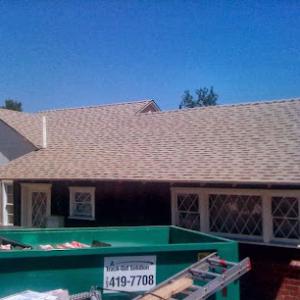
Roofing in Pahrump, NV
Last updated: Feb 28, 2026
In Pahrump, summer sun is a constant roommate. The heat bakes shingles, energy bills climb, and an infrequent dust storm can sting with grit along the eaves. Desert weather brings long, dry spells that dry out underlayment, punctuated by sudden gusts and rare but impactful storms that test flashing and gutters. A roof here isn't just a shelter—it's a system built to endure high temperatures, intense UV exposure, and capricious monsoon moisture. The better you understand that climate, the longer your roof will protect your home and the less you'll pay in surprises.
This page shares practical guidance for homeowners in Pahrump, grounded in real-world conditions. You'll get a sense of what materials perform best in our heat and wind, how to balance cost with longevity, and what local regulations to expect. We touch on popular roof styles you'll see in town and what's trending for style and resale value here. You'll also get a realistic overview of typical costs in our area, plus notes on permits and local rules that affect timing and scope. We address common problems—heat-related wear, wind damage, flashing failures, and drainage quirks—and what works best to fix them, from quick maintenance to more robust repairs. And because it matters who does the work, you'll see guidance on maintenance cadence, when repairs make sense, and when it's smarter to plan a full replacement, with a pro's eye on safety and code compliance.
All of this is tailored to Pahrump's conditions and supported by local resources—from area suppliers and experienced local roofers to the permitting desk at Nye County. The goal is clear, honest advice you can trust, delivered in a neighborly tone by someone who's done the work and seen the weather bite.
With that focus in mind, let's begin by looking at how Pahrump's climate shapes your roof and what it means for your next project.
Local Climate & Its Impact on Roofs
Desert climate and solar exposure
Pahrump sits in a hot, arid desert zone with long sunny days and substantial heat gain through the roof. Expect:
- Summer highs often exceeding 100°F, with intense ultraviolet (UV) exposure year-round.
- Sharp daytime temps and big diurnal swings at night can stress roofing materials.
- Dust and fine particulates blow in from surrounding deserts, speeding wear and clogging vents.
Practical implications:
- UV rays break down sealants, coatings, and shingle granules faster than in milder climates.
- Roofs that absorb heat transfer more heat into the attic, pushing cooling costs up.
Wind, dust & debris
The area experiences strong winds and dusty conditions, especially during seasonal wind events and dust storms.
- Wind-driven debris can loosen flashing, edge components, and fasteners.
- Dust buildup reduces effectiveness of gutters and ventilation.
- Regular inspections after windy periods help catch loose or damaged components early.
Tips:
- Choose wind-resistant roof assemblies and ensure proper edge flashing and vent seals.
- Keep gutters clear so water and debris don't back up near the roof deck.
Seasonal temperature swings & moisture
While Pahrump is dry, occasional rainstorms and monsoonal moisture can arrive in late summer. When rain does fall:
- Dry desert soils and clay-rich substrates can produce rapid runoff and minor erosion on slopes with insufficient slope or drainage.
- Freeze-thaw cycles are infrequent but can occur in cooler months, stressing sealants and flashing.
What this means for you:
- Roofs should have adequate insulation and ventilation to minimize condensation and heat buildup.
- Proper flashing and drip edge are essential to handle occasional wet conditions without leaks.
Materials & roofing choices for Pahrump
Choosing the right roof minimizes heat load, resists wind and dust, and lasts longer in heat.
- Metal roofs: Reflective, durable, great for heat deflection; ensure solid fasteners and corrosion-resistant coatings.
- Clay or concrete tile: Excellent heat resistance and long life; heavier, so verify structural support and proper underlayment.
- Light-colored asphalt shingles: Reflective granules and cool-roof options can reduce heat absorption.
- Cool roof coatings: Reflective elastomeric or ceramic coatings can lower surface temps on older roofs.
- Underlayment and ventilation: High-quality underlayment and ridge/soffit venting reduce attic heat and moisture buildup.
- Gutter protection: Durable, debris-resistant gutters help prevent overflow during rare downpours.
Maintenance, inspections & care
Follow a simple routine to catch issues early and extend roof life.
1. Inspect after windy/dusty periods and rare storms.
2. Clean gutters and downspouts to prevent water backing up under the roof.
3. Check flashing around chimneys, vents, and skylights; reseal as needed.
4. Look for curling, missing, or cracked shingles or tiles; address promptly.
5. Schedule professional inspections before and after the hottest months to catch heat-related wear.
- Cleaning and maintenance are best done in cooler parts of the day to protect you and the roof components.
Warnings & official resources
Local risks to watch for:
- Extreme heat causing rapid aging of materials and higher attic temperatures.
- Wind-driven debris and dust wearing surfaces and clogging vents.
- Occasional heavy rain or flash floods requiring proper drainage.
Official resources:
- National Weather Service (Reno): climate and weather data for Nevada, alerts, and risk info
- National Weather Service (Las Vegas): additional NV weather resources
- U.S. Department of Energy: Cool roofs and energy-saving roofing guidance
- Energy Star roofing products: guidance on cool, energy-efficient roofing
- Nevada Division of Emergency Management (official preparedness info)
Recommended Roofing Materials for Pahrump
Climate realities to keep in mind
- Extreme heat and high sun exposure demand materials with excellent solar reflectance and low heat absorption.
- Dry conditions mean good moisture resistance and minimal maintenance, but wind and dust can accelerate wear.
- Occasional wind events and hail risk require sturdy fasteners, wind uplift resistance, and, where possible, impact-rated options.
- Energy efficiency matters here: cooler roofs can reduce cooling loads significantly in hot summers.
Best-fit options for desert environments
- Architectural asphalt shingles with cool-roof colors
- Pros: budget-friendly, easy to install, wide color and texture options, many come with energy-efficient/warranty choices.
- Cons: shorter lifespan than metal or tile in some climates, heat aging can reduce performance if dark colors are used.
- Why it fits Pahrump: affordable upgrade to reflectivity; quick return on investment with Energy Star or cool-roof options.
- Metal roofing (steel or aluminum), standing-seam or exposed-fastener
- Pros: very long life (40–70 years), excellent solar reflectance with reflective finishes, strong wind resistance, lightweight for many structures.
- Cons: higher upfront cost, potential dents from hail if not properly selected, can be noisier in rain without proper insulation.
- Why it fits Pahrump: superb heat management, durability, and lower maintenance for hot climates.
- Concrete or clay tile
- Pros: great thermal mass, natural fire resistance, long service life, stylish desert or Southwestern aesthetics.
- Cons: heavy, higher installation and structural requirements, upfront cost can be substantial, some wind uplift considerations.
- Why it fits Pahrump: excellent heat endurance and long-term savings, especially on larger homes with robust framing.
- Slate and engineered stone options
- Pros: exceptional durability, very long life, high-end look.
- Cons: very high cost, heavy, limited installation flexibility, not widely available in all regions.
- Why it fits Pahrump: if you want peak longevity and a premium finish and your structure supports the weight.
- Flat-roof membranes (where applicable): TPO, EPDM, or similar
- Pros: good for flat or low-slope sections, strong waterproofing, energy-efficient options exist.
- Cons: not common on typical residential pitched roofs, can require careful detailing around penetrations.
- Why it fits Pahrump: for additions or sections with flat geometry or roof decks.
- Solar-ready or solar-integrated roofing
- Pros: potential energy cost reductions, streamlined wiring/installation with roof replacement.
- Cons: higher upfront cost; performance depends on local solar exposure and incentives.
- Why it fits Pahrump: abundant sun means strong long-term payoff when combined with proper cooling strategies.
Coatings, finishes, and features to look for
- Reflective or cool-roof coatings with high SRI (solar reflectance index)
- Light-colored or weathered finishes to minimize heat absorption
- Class A fire rating where possible for enhanced safety in dry climates
- Wind-rated underlayment and fasteners, plus properly sealed flashing
- Manufacturer-backed warranties and long-term performance data
Important considerations when choosing
- Weight and structural capacity: tile and slate require sturdier roof frames; verify from a licensed roofer.
- Wind uplift and hail resistance: ask for Class 4 impact resistance where available, especially for asphalt and metal options.
- Energy savings: energy-efficient shingles or reflective metal can lower cooling costs; factor in local utility incentives.
- Maintenance profile: metal roofs generally require less maintenance than shake or some tile systems; inspect for loose fasteners and corrosion regularly.
- Aesthetics and resale: match architectural style and HOA rules, if applicable, to maintain curb appeal and value.
Step-by-step selection guide
1. Assess roof structure for weight capacity and existing ventilation.
2. Prioritize materials with high reflectance and proven performance in hot, windy conditions.
3. Compare installed cost, expected lifespan, and warranty coverage.
4. Check local climate history, hail zones, and wind uplift requirements.
5. Gather at least 3 local contractor bids and confirm permit needs and disposal plans.
Quick-reference material guide
- If budget is a primary driver: architectural asphalt shingles with cool-roof options.
- If longevity and low maintenance win: metal roofing with reflective coating.
- If you want traditional desert aesthetics and strong insulation: concrete or clay tile.
- If your home has flat sections: consider TPO or EPDM membranes.
- If you're aiming for solar gains: plan a solar-ready or solar-integrated roof with a qualified installer.
Popular Roof Styles & Architectural Trends in Pahrump
Desert-Adapted Roof Styles
- Clay or concrete tile roofs (Spanish/Mediterranean influence): Excellent heat resistance and longevity in desert sun. Typical life 40–60 years with proper underlayment, but they're heavy and require a structural assessment.
- Metal roofs (standing-seam or corrugated): Reflective finishes keep attic temps lower and shed high winds well. Quick to install and great for solar integration; choose light colors to maximize reflectivity.
- Architectural asphalt shingles: A practical, cost-conscious option that can mimic more expensive styles. Improved reflective granules and cool-color options help cut heat load when paired with proper attic ventilation.
- Flat or low-slope roofs with reflective membranes: Common on modern or minimalist designs and some ranch styles. Use TPO or EPDM with adequate drainage and edge detailing to prevent standing water.
- Composite or slate-inspired products: Lighter than traditional slate, still capable of a upscale look with good durability in heat and sun exposure.
Materials That Shine in the Nevada Sun
- Reflective or “cool” coatings: Light colors and reflective granules reduce heat gain and run cooler inside the home.
- Insulation-first approach: A well-insulated attic and roofline cut cooling costs and extend roof life, especially during scorching summers.
- Wind-rated underlayments and fasteners: Pahrump's gusty days demand secure installation and high wind ratings.
- Solar-ready details: If you plan to go solar, look for roof systems that accommodate mounting hardware and wiring without compromising warranty.
- Underlayment options: Quality synthetic underlayment or rubberized barriers improve moisture resistance and longevity in arid conditions.
Architectural Trends in Pahrump Homes
- Southwestern influence with modern practicality: Expect stucco exteriors, deep overhangs, and pronounced eaves that shade walls and reduce cooling loads.
- Ranch and modern-ranch silhouettes: Single-story plans with broad, low-slope roofs that blend with the desert landscape and provide easy attic access.
- Spanish and Mission accents: Curved parapets, tile-look profiles, and warm earth-tone color palettes continue to be popular for curb appeal.
- Integrated solar and roofline geometry: Many homeowners design roofs that accommodate rooftop solar, venting, and clean lines without sacrificing style.
- Color palettes that harmonize with the landscape: Sand, terracotta, warm gray, and off-white tones dominate, often paired with exposed wood and stone accents.
Practical Design Details to Note
- Overhangs and parapets: Deep overhangs help shade windows and walls, improving comfort and energy efficiency.
- Ventilation emphasis: Desert climates benefit from ridge vents, soffit vents, and properly sized attic vents to prevent heat buildup.
- Color and material harmony: Roof color should complement stucco or brick tones and the natural surroundings for a cohesive look.
Quick Tips for Choosing a Style in Pahrump
- Match the roof to the home's massing: Low-slope roofs fit contemporary and ranch styles; steeper pitches suit Mediterranean-inspired homes.
- Plan for heat with light colors: Lighter hues reflect heat and often pair well with desert landscaping.
- Consider wind and hail resistance: Nevada winds favor metal or properly fastened tiles; ensure clips and fasteners meet local code.
- Factor in weight and structure: Tile and some stone-look products demand a strong roof deck; verify structural support before switching styles.
Installation & Maintenance Considerations
1. Have a local pro assess structure and wind load for any tile or metal upgrade.
2. Choose underlayment and flashing designed for desert climates and solar integration.
3. Schedule periodic inspections, especially after storms, to catch flashing or seam issues early.
4. Keep gutters clear and ensure drainage is designed for the roof slope to prevent standing water.
Average Roofing Costs in Pahrump
- Asphalt shingles (basic 3-tab): $3.50–$4.50/sq ft; architectural or thicker shingles: $4.50–$5.75/sq ft. That translates to roughly $350–$450 per square for the basics, and $450–$575 per square for premium architectural shingles.
- Metal roofing (standing seam or corrugated panels): $7.00–$12.00/sq ft. Plan on about $700–$1,200 per square. Metal stands up well to desert sun and wind, but weight and substrate requirements matter.
- Clay or concrete tile: $9.00–$15.00+ /sq ft. This is typically $900–$1,500 per square, with added costs if structural reinforcement is needed to handle the weight.
- Wood shakes or shingles: $6.00–$9.00/sq ft. A striking look, but maintenance and fire-resistance considerations apply; not as common in high-wust desert areas.
- Flat roofs (EPDM, TPO, or modified bitumen): $5.00–$9.00/sq ft. About $500–$900 per square; air gaps and insulation play a bigger role in long-term energy performance.
- Other options (cedar shakes, specialty membranes): can push costs higher, often $6.50–$12.00+/sq ft depending on material and install.
Project sizing and how it affects price
- Typical home roof: 1,200–2,000 sq ft (12–20 squares)
- Cost for 1,500 sq ft roof (about 15 squares) may look like:
- Asphalt shingles: roughly $5,250–$7,500
- Metal roofing: roughly $10,500–$18,000
- Tile: roughly $13,500–$22,500
- Flat roof: roughly $7,500–$13,500
- Tear-off and disposal: add about $1.50–$3.00 per sq ft if removing an old roof; multi-layer or heavy materials raise that number.
- Permits and inspections: typically $50–$500 locally, depending on municipality and job size.
Local considerations in Pahrump that shift costs
- Desert sun and heat: higher-quality underlayment and ventilation upgrades can reduce long-term cooling needs, but add upfront cost.
- Wind and monsoons: roofs with better high-wind fasteners and edge detailing cost more, but reduce risk of leaks and wind damage.
- Roof pitch and access: steep or complex roofs require more safety gear and time, pushing per-square costs up.
- Typical home styles: ranch and Southwestern designs dominate; clay/terra cotta tile and metal roofs are common choices, while asphalt remains a budget-friendly, widely available option.
- Local material availability: Nevada suppliers may carry more metal and tile options; asphalt shingles often rely on regional distributors—lead times and freight can influence total project time and price.
- Solar compatibility: many homes pair roofs with solar; integration costs can be absorbed into the roofing project if coordinated with panels, but separate solar installs add to the total.
Differences by style and architecture
- Southwestern and ranch-style homes: often pair with tile or metal for durability against heat; these options have higher upfront costs but longer lifespans.
- Modern or low-slope homes: flat or low-slope membranes (EPDM/TPO) may be preferred for ease of installation and energy performance, sometimes reducing long-term cooling costs.
- Historic or custom homes: may require specialty shingles or shapes to match original appearances, raising material and labor costs.
Steps to plan costs (quick reference)
1. Identify roof type and size; measure or have a pro verify square footage.
2. Choose material considering climate, weight, and style goals.
3. Consider underlayment, ventilation, and attic insulation upgrades for efficiency.
4. Account for tear-off and disposal plus potential structural reinforcement.
5. Check local permit costs and potential HOA guidelines.
6. Get at least 3 bids to compare material quality, warranty, and installation practices.
Quick notes on maintenance-related costs
- Asphalt shingles: more prone to UV wear; expect re-roof cycles every 15–30 years.
- Metal roofs: longer life (40–70 years) but may require occasional coating or panel fastener checks.
- Tile roofs: durable but require inspection for broken or slipped tiles; weight considerations can affect structural repair costs.
Local cost snapshot for planning
- Budget-minded homes: asphalt shingles with basic underlayment
- Mid-range upgrades: architectural shingles or metal
- Premium choices: clay/concrete tile or high-end metal with enhanced ventilation and insulation upgrades
Permits & Local Regulations
Do I need a permit for a reroof in Pahrump?
- In Pahrump (Nye County), most reroof projects require a permit if you're replacing decking, sheathing, or making changes to the roof structure and ventilations. Cosmetic shingle replacement without structural changes may not require a permit, but this isn't guaranteed—always check with the Nye County Building Department to confirm.
- If your project involves skylights, vents, or changes to roof load, you'll likely need a permit or plan review.
Who issues permits in Pahrump?
- Primary agency: Nye County Building Department for unincorporated Pahrump.
- County Planning & Zoning handles land-use questions and zoning confirmations.
- If your property sits within an HOA or a more specific town boundary, check with the HOA or the Town of Pahrump planning office for any additional rules or forms.
- For licensing verification of contractors: Nevada Contractor's Board to confirm a valid C-15 roofing license (or other applicable license).
Roofing contractor licensing and homeowner options
- Hire a licensed Nevada roofing contractor (C-15 Roofing Contractor) and verify current status before starting work.
- If you're a homeowner pulling a permit and doing the work on your primary residence, you may proceed under Nevada rules, but you must follow all building, electrical, and roofing codes and complete required inspections.
- Avoid unlicensed labor; unpermitted work can lead to fines, safety risks, and resale problems.
Inspections and process
- After submitting your permit, you'll go through plan review (if required) and then inspections.
- Common inspection steps:
1) Roof decking/underlayment inspection.
2) Venting, flashing, and membrane inspection.
3) Final inspection after shingles or tiles are installed.
- All inspections must pass for the permit to be closed and for repairs to be considered complete.
Local regulations and practical tips
- Work hours: Check local noise ordinances or HOA guidelines for permissible work hours; many areas restrict loud work before early morning hours on weekdays.
- Stormwater and debris: Plan to contain debris with tarps, a dumpster, or a roll-off container to prevent waste from leaving the site.
- Solar or add-ons: If you're adding solar panels or other roof-mounted systems, expect additional permits and inspections for electrical work; align with NV electrical code requirements.
- Energy and code compliance: Nevada's codes require proper attic ventilation, insulation, and overall energy efficiency; ensure your roof project contributes to meeting current standards.
Quick steps to get your permit
1) Confirm jurisdiction (Nye County vs. HOA vs. incorporated area).
2) Gather project details: property address, tax parcel, scope of roof work (materials, decking changes, skylights, vents).
3) Contact Nye County Building Department to confirm permit requirements (and Planning if needed).
4) Complete the permit application; hire a licensed contractor if required.
5) Schedule required inspections and prepare for initial and final inspections.
6) Post the permit on-site and ensure the permit card is visible; complete all closeout requirements.
Common Roofing Problems in Pahrump & Solutions
The desert heat in Pahrump ages asphalt shingles faster. Sun exposure, high temperatures, and UV rays can cause granule loss, curling edges, and cracked tabs over time.
- Symptoms to look for:
- Granules shedding onto gutters or driveway
- Shingles cupping or curling at the edges
- Lighter, worn spots or visible mat showing through
- Higher attic temperatures and more cooling energy use
- Quick fixes you can DIY (temporary):
- Clear debris from the roof and gutters to reduce heat buildup.
- Schedule a professional inspection to assess for loose or damaged shingles.
- Long-term prevention:
- Improve attic ventilation (soffit vents plus a ridge vent or powered vent) and seal air leaks.
- Add insulation or upgrade to a radiant barrier in the attic.
- Consider a cool-roof option: light-colored shingles, reflective coating, or switching to metal with a reflective finish.
- Steps to repair damaged areas:
1) Safely access the roof and identify clearly damaged shingles.
2) Remove and replace affected shingles with the same type and an appropriate nailing pattern.
3) Ensure underlayment is intact; patch or replace as needed.
4) Re-nail and seal the edges and reseal around penetrations if necessary.
Wind Damage & Loose Flashing
Pahrump can throw strong gusts that lift shingles and stress flashing around vents, chimneys, and dormers.
- Symptoms to watch:
- Lifted tabs or shingles missing entirely
- Torn or bent flashing around roof penetrations
- Exposed nails or granule loss in exposed areas
- Quick fixes:
- If only a few shingles are affected, replace them and reseal with compatible sealant.
- Check and tighten flashing with corrosion-resistant nails; reseal joints.
- Prevention:
- Use wind-rated shingles and ensure proper installation with sufficient nails.
- Maintain flashing integrity and replace damaged step or counter-flashing.
- Trim nearby trees to reduce projectiles during storms.
- Steps to address a wind-damaged area:
1) Inspect the exposed area and surrounding flashing.
2) Remove any loose or damaged shingles.
3) Install new shingles and re-secure flashing with appropriate fasteners.
4) Seal seams with compatible roof sealant and check neighboring areas for further wear.
Leaks Around Vents, Skylights & Chimneys
Leaks commonly show up around roof penetrations like vent pipes, skylights, and chimneys due to aging seals or flashing failure.
- Symptoms:
- Stains or damp in the attic or ceiling
- Damp spots near vents, chimneys, or skylights
- Soft or swollen decking around the penetration
- Solutions:
- Reseal and re-flash penetrations with approved materials.
- Replace damaged flashing boots, step flashing, and counter-flashing as needed.
- Re-bed masonry flashing around chimneys and apply roof sealant where appropriate.
1) Locate the exact leak path and inspect surrounding flashing.
2) Remove and replace compromised flashing and seal joints.
3) Re-bed flashing with compatible materials and seal the seams.
4) Test with gentle water application to confirm a watertight seal.
Poor Attic Ventilation & Insulation
Excessive heat buildup in the attic accelerates shingle aging and drives up cooling costs.
- Symptoms:
- Very hot attic, signs of moisture in high-humidity periods, mold in the attic
- Peeling interior paint or damp spots on ceilings
- Elevated energy bills during hot months
- Solutions:
- Verify and improve ventilation (balanced intake and exhaust vents; add soffit and ridge vents).
- Check insulation thickness and uniformity; seal gaps around attic fixtures.
- Consider a radiant barrier to reflect heat away from the living space.
- Steps to correct ventilation/insulation:
1) Inspect venting pathways and blocked soffits.
2) Install or repair soffit and ridge vents for proper airflow.
3) Add or top up attic insulation to recommended R-value for your area.
4) Seal attic air leaks and recheck temperature differences between attic and living spaces.
Gutter, Debris & Drainage Issues
Dust, wind-blown debris, and monsoon rains can clog gutters and downspouts, causing water to back up under the eaves.
- Solutions:
- Regular gutter cleaning and debris removal, especially after storms.
- Install gutter guards suitable for dusty, windy climates.
- Ensure downspouts extend away from the foundation and clear any drainage blocks.
- Steps to clear and protect gutters:
1) Remove leaves, dust, and debris from gutters and downspouts.
2) Rinse with water to check for proper flow.
3) Reattach loose sections and straighten sagging gutters.
4) Install guards and review drainage direction to prevent water pooling.
Maintenance & Repair Tips for Pahrump
Regular Inspections
In Pahrump's hot, windy climate, problems develop quickly if left unchecked. Plan for a thorough exterior check twice a year and after major storms.
- What to look for on the surface:
- Asphalt shingles: curling, cupping, missing granules, or lifted edges.
- Metal roofs: rust spots, denting, or damaged sealant.
- Tile roofs: cracked, broken, or displaced tiles.
- Flashing around chimneys, skylights, and roof penetrations: gaps, rust, or pulled seams.
- What to check inside the attic:
- Water stains, damp insulation, or mold growth that could signal a slow leak.
- Ensure ventilation isn't blocked and the decking feels solid (no soft spots).
- Quick timing guide:
- Inspect after heavy wind events or monsoon storms.
- Do a spring and fall check, paying extra attention to the eaves and valleys.
Debris, Gutters, and Drainage
Desert winds push sand and debris, so keeping water moving away from the house is essential. Many Pahrump homes rely on proper drainage to avoid costly damage.
- Gutter basics:
- Keep gutters clean and free of sand, grit, and leaves; even small blockages can back up water under shingles.
- Ensure downspouts direct water at least 3–4 feet away from the foundation.
- Check for sagging sections, loose hangers, and seam leaks; reseal or replace as needed.
- Cleaning and safety:
- Use a sturdy ladder with a helper if possible; wear gloves and eye protection.
- Rinse gutters to test flow after cleaning; listen for any unusual drips or leaks.
- Alternative drainage:
- If your roof lacks gutters, ensure the roof edge and flashing route water cleanly away from the fascia and foundation; consider adding gutters if your area collects water near the slab.
Roof Surface Care by Material
Different roof types age differently in the desert heat. Tailor maintenance to your roof's material.
- Asphalt shingles:
- Monitor for curling, blistering, and granule loss; replace severely damaged shingles promptly.
- Clean moss or algae only if present; use a gentle cleaning method to avoid lifting edges; avoid high-pressure washing.
- Metal roofs:
- Inspect fasteners for looseness, corrosion spots, and sealant integrity at overlaps.
- Touch up or recoat faded areas with a coating designed for metal roofing every 15–20 years or as needed.
- If you see leaks, confirm whether it's a sealant issue or a panel seam; reseal or replace as required.
- Tile roofs (concrete/clay):
- Look for cracked, loose, or displaced tiles; replace with matching tiles to maintain roof integrity.
- Do not walk on tiles unless you're trained; stepping on a single broken tile can cause more damage.
- Ensure underlayment and flashing beneath tiles are intact; call a pro for extensive tile work.
Flashing, Vents, and Accessories
Desert winds and sun up the ante on sealants and flashing. Regular checks keep leaks at bay.
- Inspect all penetrations:
- Chimney and pipe flashing: look for gaps, loose nails, or deteriorated sealant; reseal with compatible material.
- Skylights and vents: check for cracks, cracks around the flange, and vent boot integrity.
- Sealing and metal trim:
- Re-seal worn caulk with high-quality, UV-stable sealant; replace corroded metal trim as needed.
- Confirm that any roof vent caps are secure and vented properly to avoid moisture buildup.
Wind and Sand Protection
Pahrump's winds can lift edges and accelerate wear. Proactive steps save headaches later.
- Edge protection:
- If you notice multiple loose tabs, call a pro to re-nail and reseal as needed.
- Consider wind-rated materials for reroofing or upgrades in high-wind zones.
- Ventilation and heat management:
- Ensure adequate attic ventilation to reduce heat buildup that accelerates shingle aging.
- Clear soffits and ridge vents so hot air can escape and reduce thermal stress on the roof.
- Optional upgrades:
- In areas with persistent sun exposure, there are reflective coatings and heat-reflective shingles that can extend life and reduce cooling loads.
When to Call a Pro
For complex issues or if you're unsure about safety, consult a licensed roofer.
- Major damage: extensive shingle or tile replacement, corroded flashing, or roof deck rot.
- Roof deck concerns: soft spots or sagging areas require structural assessment.
- Insurance or hail claims: a pro can document damage and guide you through the process.
When to Repair vs. Replace
Quick rule of thumb for Pahrump roofs
- In the desert climate of Pahrump, heat and UV exposure accelerate aging. Treat age as a major factor when deciding between repair and replacement.
- Match decisions to your roof material:
- Asphalt shingles: expect 15–30 years; more prone to sun-sun damage in our heat.
- Metal roofs: 40–70 years, but coatings and fasteners wear out with time and wind.
- Clay/Concrete tile: 50+ years if the structure can handle the weight.
- If the roof is near or past the end of its typical life for its material, replacement often saves more in the long run than repeated patching.
When a repair makes sense
- Localized leaks or damp spots are limited to a small area (one or two shingles, a single vent boot, or a small flashing issue).
- Damaged flashing around chimneys, skylights, or vents can be fixed without disturbing the whole roof.
- A few broken or missing shingles, minor granule loss in a small patch, or shallow curling in a small region.
- The roof is relatively young for its material and the rest of the surface is healthy and well-maintained.
- You have a solid warranty on the remaining materials or a service program from the installer.
When replacement is the better option
- Widespread leaks or signs of water intrusion across multiple areas, especially in the attic or decking.
- Sagging or bending decking, significant mold, or visible structural concerns under the roof deck.
- More than about 30–50% of the roof surface shows severe wear, curling, or missing shingles, with ongoing issues despite repairs.
- The roof is at or beyond the typical lifespan for its material (e.g., asphalt nearing 20+ years, metal with coating wear, or tile with underlying deck concerns).
- Frequent repairs are needed, and costs are piling up without delivering lasting protection.
- You're experiencing energy bills that stay high due to poor insulation and reflective properties—and a new roof could improve cooling efficiency.
- You're facing multiple re-roofing problems tied to the same area (e.g., repeated flashing failures or vent penetrations) and patching won't address root causes.
Step-by-step decision process
1) Inspect carefully: from the ground or a safe ladder, note problem areas, then check the attic for signs of moisture or daylight.
2) Assess age and material life: identify your roof type, current condition, and how many years remain in its expected lifespan.
3) Cost comparison: obtain at least two written estimates for repair and for full replacement; compare upfront costs, expected longevity, and potential energy savings.
4) Warranties and permits: verify manufacturer warranties, contractor workmanship guarantees, and local permit requirements in Nye County.
5) Long-term value: weigh the impact on curb appeal, resale value, and roof performance in extreme heat and wind conditions.
Material considerations for Pahrump climate
- Asphalt shingles
- Choose UV-resistant or architectural/laminate types for added longevity.
- Consider cool-roof options with higher reflectivity to reduce cooling loads.
- Metal roofs
- Highly durable in heat and wind; pick reflective coatings and proper sealants to prevent expansion-related leaks.
- Ensure proper underlayment and insulation to minimize noise and condensation.
- Tile (clay/concrete)
- Excellent heat resistance and longevity; require a reinforced structure to handle weight.
- Use appropriate underlayment and proper flashing around penetrations to prevent leaks.
Quick maintenance to extend life
- Regularly remove debris, inspect after wind storms, and monitor for loose flashings or protrusions.
- Clean gutters and ensure proper drainage to prevent water backup near eaves.
- Schedule annual or biannual roof inspections to catch issues early, especially after summer heat waves and monsoon-like events.
When to Hire a Professional
- Active leaks during rain or visible water staining on ceilings or walls
- Sagging, buckling, or soft spots on the roof deck
- Missing, cracked, or curling shingles; hairline cracks that expose underlayment
- Damaged flashing around chimneys, vents, or valleys
- Hail impact dents, granule loss, or crystallized granules showing up in gutters
Age and material life
- Asphalt shingles: expect 15–25 years of service; if you're approaching or past that window, plan a professional assessment
- Tile or metal roofs: these often last longer, but may need specialized repairs; if you notice leaks or broken tiles, call a pro
- Visible wear like widespread curling, moss, or rot in valleys is a sign repairs may be insufficient
Desert-specific wear you'll notice in Pahrump
- Extreme heat and relentless sun speed up granule loss and adhesive failures
- UV exposure can dry sealants and underlayment; higher risk of hidden damage beneath dry, brittle underlayment
- Wind-driven debris can peel back flashing or loosen edge shingles, especially after monsoon storms
- Local roofs may use materials that perform best with proper attic ventilation and reflective coatings; a pro can verify these systems
Safety and accessibility matters
- Roof work is risky; if you're not equipped for fall protection and ladder safety, don't attempt DIY
- In hot desert heat, work timing matters; professionals can adjust schedules to minimize heat exposure and ensure safety
When to call for an inspection (timing)
- After significant weather: strong winds, hail, or heavy rain
- If you suspect moisture intrusion but can't locate the source
- If you notice attic stains, musty odors, or damp insulation
- If your roof shows slow but persistent leaks, especially around penetrations or near flashing
How to evaluate a roofing contractor (Pahrump-focused)
- Licensing and insurance: verify NV state contractor license, general liability, and workers' compensation
- Local experience: prefer contractors who regularly work in Nye County/Pahrump and understand desert conditions
- References and portfolio: ask for local homeowner references; review recent, similar projects
- Written contract and scope: detailed proposal with materials list, scope of work, timelines, cleanup, permits, and warranties
- Warranties: ask about manufacturer warranties on materials and workmanship guarantees; understand transferability
- Permits and codes: ensure the contractor will obtain required permits and schedule inspections
- Pricing and transparency: public, itemized quotes; beware extreme low-bid bait tactics and hidden fees
- Communication: prompt responses, on-site estimates, and clear explanations of findings
What to ask during a consult
1) Do you hold a valid NV contractor license and current insurance? 2) Will you handle permitting and inspections? 3) What is the exact scope of work and materials? 4) How long will the project take and what are milestone payments? 5) What's included in the cleanup and disposal? 6) What are the warranty terms, both material and workmanship? 7) Are there any long-term maintenance recommendations for Pahrump's climate?
Steps to take (simple, practical)
1) Call or email 2–3 licensed local roofers for an on-site inspection
2) Get written, detailed estimates with scope, materials, and timelines
3) Check references and verify license/insurance online
4) Compare warranties and ensure permits are included
5) Choose the contractor who best fits your roof type, budget, and communication style
What to have ready for a contractor
- Photos of damaged areas and a rough age estimate of the roof
- Roof type (asphalt, tile, metal, etc.) and attic ventilation details
- Known leaks, water stains, or prior repairs
- Access information for attic space and interior ceilings near suspected problem areas
Local resources to verify and rely on
- Nevada State Contractors Board: license verification and complaint process
- Nye County Building Department (for permit requirements and inspections)
- Get multiple local references; prioritize vendors with a track record of desert-climate roofs and timely service
Putting A Lid On It: Roof Maintenance, Repair, and Replacement in Pahrump
In Pahrump's desert climate, roofs endure brutal sun, intense UV exposure, and wide temperature swings. Regular maintenance protects the roof's barrier against heat and moisture, helps keep energy bills down, and prevents small issues from turning into big, costly repairs. A little preventive care goes a long way toward a long-lasting, dependable roof.
Dust, wind-driven debris, and the occasional heavy rain during monsoon season add extra strain. Gentle, periodic inspections by a qualified roofer are wise here: they catch loose flashing, worn seals, or worn underlayment before interior damage happens. When you take care of your roof, you're protecting your home's structure, comfort, and value.
Seasonal checks you can handle
- Spring and fall: clean gutters and downspouts, remove debris, and ensure water sheds away from the attic and foundation.
- After storms: look for lifted shingles, damaged flashing, or granules in gutters.
- In the attic: watch for moisture, warm spots, or signs that ventilation isn't balanced; make sure insulation isn't blocking vents.
- Seals around vents, skylights, and chimneys: reseal or replace cracked or gaps that could leak.
Signs you may need repair or replacement
- Leaks or staining inside after rainfall.
- Missing, curling, or cracked shingles, or extensive granule loss.
- Frequent patch repairs or rising energy bills despite normal usage.
- Age nearing the end of your roof material's expected life (see material guidelines below).
Material lifespans to guide decisions
- Asphalt shingles: roughly 15-25 years, depending on wear and sun exposure.
- Metal roofs: 40-70 years, with strong wind resistance and good heat reflection.
- Concrete or clay tile: 50+ years when properly installed with adequate ventilation.
Choose a option that fits your home's style, budget, and the local climate.
Working with a pro
- Hire licensed, insured roofers; request on-site inspections and multiple written estimates.
- Check material and workmanship warranties, and verify permit requirements when applicable.
- Ask neighbors or nearby homeowners for trusted local referrals to find someone who understands Pahrump conditions.
A hopeful, community-minded close
A solid roof is a quiet foundation for a comfortable home and a vibrant neighborhood. With thoughtful maintenance, timely repairs, and informed replacement when needed, you can enjoy lasting protection and curb appeal. Here in Pahrump, our roofs reflect a shared commitment to quality and care—keeping homes safe, warm, and welcoming for years to come.