Last updated: Apr 19, 2026
In this arid Mojave climate, the roof face endures near-constant sun exposure from spring through late fall. Prolonged intense UV light accelerates aging across common materials, and the dry dust carries extra abrasive grit that grinds away protective coatings. Material integrity hinges less on moisture and more on how well the surface resists sun-scorch, brittleness, and seal deterioration. Tile-heavy neighborhoods here see more rapid PUV (photo-oxidative) wear, especially on surfaces that aren't shielded by shade or attic ventilation. This means that the typical 15-20 year life expectancies you hear about in moister regions can shorten noticeably if the roof hasn't been upgraded to better-suited, heat-tolerant assemblies.
Replacement work in this area is often scheduled for spring or fall, because summer surface conditions can be too extreme for efficient tear-off and installation. High daytime temperatures and hot sheathing slow down crew productivity, and the risk of heat-related equipment wear increases. If you're at the point of considering a full reroof, map out a window in late March-April or late September-October. Those shoulder seasons give the new layers a chance to cure and seal without the penalty of peak heat. Scheduling for these windows also aligns with the safer handling and longer-lasting fastener performance that comes from cooler surface temperatures. For late summer repairs, limit exposure by coordinating a shorter, more targeted project scope that minimizes prolonged traffic on the roof.
In this climate, heat-related cracking, brittleness, and seal deterioration become key concerns, sometimes more pressing than moisture-driven decay. Asphalt shingles can succumb to accelerated granule loss and surface bleaching under direct sun, while metal roofs may experience fastener fatigue or paint wear if coatings aren't chosen for solar reflectivity. Clay and concrete tiles handle heat differently: clay performs well in heat but may crack if installed over inadequate substrate or poor underlayment, and concrete tiles can suffer from micro-cracking in extreme temperature swings. Wood shingles and shakes are particularly vulnerable to UV drying and loss of protective oils, increasing fire-safety considerations. Synthetic or composite shingles generally fare better against UV exposure but still rely on proper installation and ventilation to prevent delamination and heat-induced deformation.
Begin with a focused roof inspection timed for late winter or early spring. Look for early signs of UV wear: chalky or faded surface patches, granule loss at valleys and eaves, and any noticeable curling or cupping of shingles, tiles, or panels. Inspect seals around penetrations-vent stacks, skylights, and chimney flashing-for hairline cracks or loose caulking that could admit heat-driven gaps. Pay attention to vented attic space; a well-ventilated attic reduces the heat load that radiates through the roof deck, slowing wear on all layers. If you notice areas of concentrated aging, plan targeted repairs so a larger replacement doesn't get derailed by uneven deck conditions.
When replacement is on the table, choose a roof system with materials and installation methods proven to withstand sun exposure. Consider panels or tiles with higher solar reflectivity, lighter color reflections, or cool roofing technologies that lower surface temperatures and extend life. Ensure the underlayment and deck are sound, since a deck compromised by heat and dust can accelerate failures in even the best-looking surface. Verify that the ventilation plan matches the roof type; a balanced approach helps manage heat buildup in attic spaces and reduces the likelihood of thermal stress on seals and fasteners. If choosing tiles, confirm that the layout accounts for wind-driven dust and local monsoon cycles, since salt-and-dust abrasion can exploit micro-movements in fasteners and flashings.
If an inspection reveals accelerated aging relative to the home's age-visible wear on surface coatings, brittle edges, or persistent seal deterioration despite routine maintenance-revisit the replacement schedule promptly. The objective is to avoid a scenario where heat-induced damage compounds inside the deck and underlayment, which can lead to more extensive repairs down the line. In hot, dusty climates, proactive planning and a staggered maintenance approach often yield better long-term performance than waiting for a visible leak to drive the next big project.
Tile roofing is a major local specialty signal in Henderson, matching the prevalence of clay and concrete tile on Southern Nevada homes. The look, durability, and cool shadow lines suit desert architecture, but the true story is in how this climate presses on every layer of the roof system. In this market, the tiles themselves often outlive other components, yet the overall service life hinges on the underlayment and fasteners that keep the tiles in place through heat, wind, and monsoon bursts.
In the Mojave Desert conditions you experience, the underlayment beneath tile frequently becomes the service-life bottleneck long before the ceramic or concrete portions wear out. Intense sun, high daytime temperatures, and fluctuating nocturnal cooling drive expansion and contraction that stress the underlayment and fasteners. A common failure pattern is a degraded underlayment that allows moisture intrusion or creates loose tile rows. When planning replacement or restoration, prioritize the condition of the underlayment and any moisture-related damage around roof penetrations and valleys. A well-installed underlayment, even under aging tiles, can extend the roof's functional life meaningfully and reduce the risk of hidden leaks after a replacement tile project.
Tile roofs benefit from proactive maintenance, especially in neighborhoods with regular dust deposition and seasonal wind gusts. Inspect after monsoon events for displaced tiles, cracked edges, or loosened fasteners around eaves and parapet walls. In many cases, a handful of individually cracked or displaced tiles can be repaired without a full-s roof replacement, preventing water intrusion and downstream damage. Skilled detection matters here: paying attention to flashings at valleys, penthouse connections, and chimney details can catch issues before they cascade. Schedule targeted repairs rather than waiting for widespread tile deterioration to become visible, since replacement timing can be driven by local climate stress on the underlayment and fastener grid more than by tile condition alone.
Wind events and foot traffic during maintenance or routine cleaning can crack tiles or loosen fasteners, particularly around edges and hips. The exposed valley zones and hillside sites may experience stronger gusts, increasing the risk of tile movement. When repairs are needed, strategies that emphasize securing the tile set, resealing or replacing compromised flashing, and ensuring proper slope drainage help maintain long-term performance. For older tile installations, consider re-securing the entire field of tiles with corrosion-resistant fasteners and re-grouting or re-sealing ridge and hip caps to preserve the roof's wind-isolation performance.
Because the heat accelerates aging of the roof stack, replacement planning should consider not just tile condition but the health of the entire roof assembly, including the underlayment, flashing, and fastener design. If the underlayment shows signs of wear or moisture damage, a targeted replacement strategy that preserves as much tile as possible can minimize downtime while renewing the critical moisture barrier. When tiles have reached functional limits due to cracking, spalling, or edge deterioration, replacing the tile and underlayment together often yields the most reliable long-term performance against desert heat and dust.
Find contractors who specialize in clay and concrete tile roofs, known for their durability and curb appeal.

Ariat Roofing
(702) 982-1382 ariatroofing.com
Serving
4.6 from 30 reviews
Here at Ariat Roofing, we bring over 35 years of experience in the Roofing Industry and know the importance of a solid and secure Roofing System. Our team of professionals is here to help you choose your materials and guide your selection, keeping the importance of the structural and architectural design of your home at the forefront. Our local material suppliers and manufacturers ensure durability, beauty, and value with each job. Ariat Roofing, Inc. ensures professionalism and quality workmanship, and like our material suppliers, we confidently provide generous warranties for each job we perform. Call us to schedule an appointment today!

Elite Las Vegas Roofing
(702) 825-7726 elitelasvegasroofing.com
Serving
4.6 from 31 reviews
Elite Las Vegas Roofing provides residential and commercial roofing services in Las Vegas and surrounding areas. With experienced professionals and a focus on quality workmanship, the team handles roof inspections, repairs, replacements, and emergency leak response. Services are available 24/7, and materials are selected to match each roof type and structure. The company is committed to safety, durability, and clear communication throughout each project.
Nevada Exteriors
(702) 210-6709 nevadaexteriors.com
Serving
4.7 from 79 reviews
**Nevada Exteriors Roofing** is a trusted leader in residential and commercial roofing solutions across Nevada. With extensive experience and a commitment to quality craftsmanship, our team specializes in roof replacements, repairs, and installations using the highest-grade materials. We serve both residential and commercial clients, providing durable, reliable roofing systems designed to withstand Nevada’s harsh weather conditions. Customer satisfaction, professionalism, and attention to detail are at the core of everything we do. Whether you need a new roof, a repair, or maintenance service, Nevada Exteriors Roofing is your dependable partner for long-lasting, top-tier roofing solutions.
XBuilt Roofing
(702) 605-7663 xbuiltroofing.com
Serving
5.0 from 13 reviews
Derek and Randall from XBuilt Roofing have brought their years of experience together to form one of the best roofing based construction businesses in Las Vegas. They both take pride in all aspects of putting together the perfect roof system for your home or business. XBuilt is quickly becoming a trusted name for all your roofing needs.
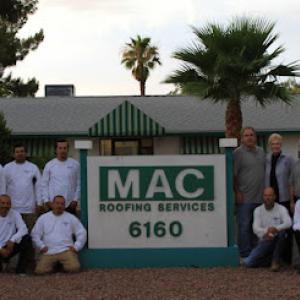
Mac Roofing Services
(702) 269-7911 www.macroofingservices.net
Serving
4.2 from 16 reviews
The primary function of a roof is to keep moisture out of the building. Period. First, a layer of close-cell polyurethane foam forms a thick, seamless barrier to prevent water penetration. Then, an elastomeric coating forms an additional shield agai
Best Choice Roofing
(725) 215-6117 bestchoiceroofing.com
Serving
4.6 from 267 reviews
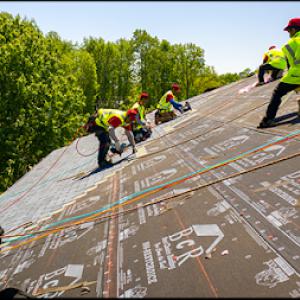
Best Choice Roofing is your trusted roofing expert and the Best Choice when it comes to choosing a roofing company with a commitment to impeccable customer service. In business since 2009, Best Choice Roofing’s industry-leading contributions to the roofing industry include a customer-first mentality, a dedication to top-quality products and a leadership team focused on the growth of its people. Because of this framework, we have created a loyal base of customers all over the United States.
Desert Valley Roofing
(702) 558-8775 www.desertvalleyroofingvegas.com
Serving
4.8 from 59 reviews
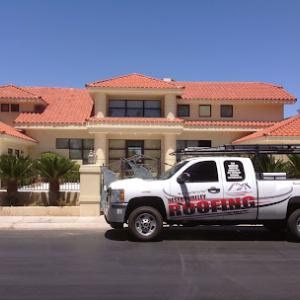
We are a licensed roofing contractor. Performing residential re-roofs and repairs in the Las Vegas and Henderson valley.
Erie Home
Serving
4.7 from 119 reviews
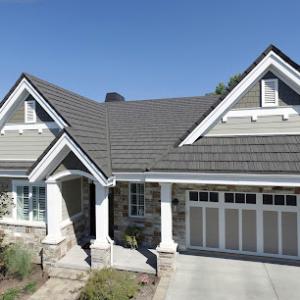
Since 1976, Erie Home has manufactured, supplied, and installed the best-performing roofing on the market. By providing ironclad warranties and convenient financing, we ensure that every homeowner we work with receives top quality service and value for their homes and properties. Erie Home professionals are the roofing company of choice in the greater Las Vegas, NV area. Whether you need roof inspections or roof damage repair services, Erie Home has been the go-to roofing contractor for nearly 50 years because of our attention to detail and dedication to making sure our customers are satisfied with their results. Contact us today for a quote and see why we're the trusted roofing company Las Vegas counts on.
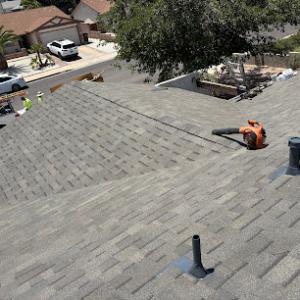
Ohana Roofing
Serving
5.0 from 41 reviews
-Shingles-Tear Off -Coating. -Torch. ReRoof-- Repairs- Tile -general maintenance Bird stop- solar panel maintenance Commercial
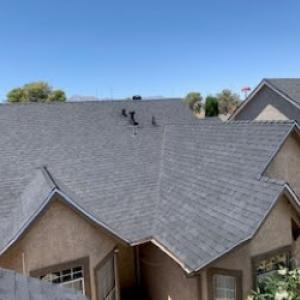
Desert Bloom Roofing
(702) 927-9174 www.desertbloomroofing.com
Serving
5.0 from 4 reviews
From roof repairs to complete roof replacements, we've got you covered. Desert Bloom Roofing is a trusted and experienced roofing company committed to providing top-notch roofing solutions for residential customers. With a team that brings extensive knowledge from the insurance industry, we specialize in working seamlessly with all insurance companies to ensure a smooth and efficient claims process. Our highly skilled professionals are dedicated to delivering quality craftsmanship, transparent communication, and exceptional customer service. Whether you're dealing with roof damage or planning a new installation, Desert Bloom Roofing is here to guide you every step of the way, making sure your needs are met with integrity.
Roofing Exclusive.
(702) 563-4424 roofingexclusive.com
Serving
4.4 from 5 reviews
We help roof contractors and roofing sales pros fill their pipeline with high-quality exclusive roofing appointments with Google & YouTube advertising. Transparent process, quality service, and have helped over 1,600 home service contractors increase their roofing sales since 2017.

A Step Above
(702) 810-7479 astepabovelasvegas.com
Serving
4.9 from 42 reviews
We are a locally owned company since 2009. Our experienced employees offer quality repairs, replacements, and new installations. We pride ourselves in treating your home like it was our own.
Late-summer monsoon storms in the Las Vegas Valley can bring sudden rain delays and fast leak exposure during active roofing projects in Henderson. Those bursts can hammer exposed underlayment and newly decked surfaces within minutes, turning a planned day into a scramble. If a storm rolls in, secure loose debris, protect interior spaces, and pause work to minimize water intrusion. After the storm passes, inspect for standing water, pooling at valleys and low spots, and check for soft or blistered areas that may indicate hidden leaks. Document everything with clear, dated photos while shingles and underlayment are still accessible-timely evidence helps reinforce warranty and claim discussions if needed.
Spring winds and summer dust storms can complicate tear-off, underlayment placement, and jobsite cleanup on exposed Henderson homes. Dust infiltration against new underlayment can reduce sealing effectiveness, while high winds can lift shingles or tiles mid-task, exposing the roof deck to sun, heat, and moisture. Create wind-aware workflows: corner tarps and secure all loose materials at day's end, stagger tear-off phases to avoid wind corridors, and schedule more delicate steps (like moisture-sensitive underlayment work) for calmer mornings. On roofs with tile or shake, give extra attention to fasteners and edging that can degrade quickly under desert gusts.
Desert heat accelerates material aging, so timing matters. The combination of relentless sun and monsoon moisture means that delays can compound damage from exposure, especially on tile-heavy or composite roofs. If a roof is nearing the end of its service window, prioritize replacement during a window of predictable weather rather than chasing a late-season dry spell that might collide with monsoon bursts. Ensure crews bring heat-ready gear: breathable PPE, hydration, and shaded staging areas to reduce heat-related stress on workers and materials.
Nevada wind and hail patterns can drive roof claim activity, so homeowners need prompt photos and condition records after storm events. After any significant wind, hail, or heavy rain, take wide exterior shots, close-ups of shingles or tiles that show granule loss or cracking, and interior photos of any suspected leaks. Maintain a simple log: date, weather, observed damage, and locations. This concrete record helps when coordinating with insurers and contractors and can speed up response times after the next storm.
Find local contractors experienced in assessing and restoring roofs after hail, wind, and severe weather events.
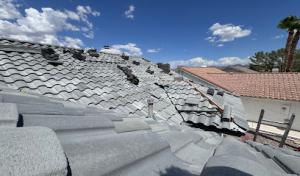
In this climate, the typical per-square costs you'll see for a full roof replacement run in these ranges: asphalt shingles 350 to 650 USD per square, metal 600 to 1300 USD per square, clay tile 900 to 1800 USD per square, concrete tile 900 to 1650 USD per square, wood shingles or shakes 700 to 1200 USD per square, and synthetic or composite shingles 500 to 1100 USD per square. These figures reflect local labor trends, material availability, and the valley's heat-driven wear patterns. When budgeting, plan for material choices near the upper end if your home has long summer sun exposure, coastal dust, or existing underlayment concerns.
Tile-heavy roof designs are common here, and they drive both replacement scope and cost. Labor and repair complexity rise when underlayment or deck replacement is needed, especially if multiple courses must be removed to access damaged areas. Concrete and clay tile add weight and may require structural checks or reinforcement in some homes. If your roof uses a mix of tiles and shingles, expect a blended cost profile that leans toward tile-associated labor, which can push overall price above a simple shingle-only replacement.
Extreme summer heat shortens roof life and compresses usable installation windows. Scheduling around peak heat, monsoon interruptions, and cooler-season demand can affect labor availability and project pacing. For a smoother process, plan bids with a window that avoids the hottest afternoon hours, and anticipate potential weather delays during late summer or early fall monsoon activity. If a contractor senses high heat stress risk, they may stagger tear-off and installation phases to protect crews and newly installed underlayment.
Desert sun accelerates shingle aging and can shorten life expectancy, even for premium products. A well-installed asphalt roof may show 15 to 20 years of useful life in this environment, while tile systems tend to push closer to 25 to 50 years with proper ventilation and maintenance. When choosing a replacement cycle, consider the local heat exposure, panel alignment for wind-driven dust, and the facility's attic ventilation. Proper underlayment, ventilation upgrades, and reflective or cool roof options can extend the interval between replacements in this climate.
Don't let upfront costs delay a critical repair - these contractors offer payment plans to fit your budget.
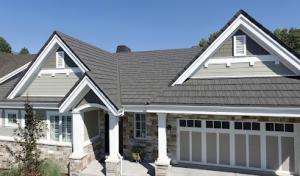
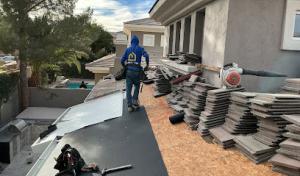
In Henderson, a building permit is commonly required for a full roof replacement. The permit process is handled through the City of Henderson building department rather than a county-only roofing office, so timelines and documentation follow city rules. Expect to submit scaled drawings or measurements, a scope of work, and confirmation that the planned materials meet local code and neighborhood covenants. Scheduling with the department can take longer in the hot months, when staff balance multiple summer projects and monsoon planning. Have your contractor provide a clear plan that shows anchors, underlayment type, venting, and flashing details to prevent back-and-forth delays.
After rough underlayment and flashing are secured, a first inspection checks that roof deck, fasteners, and drip edge meet code expectations and that the underlayment installation is continuous and properly lapped. A separate inspection follows once the roof is fully shingled, ensuring adequate ventilation and that penetration flashing around chimneys, vents, and skylights is correctly sealed. A final inspection confirms that the project matches the approved scope and materials list. Your contractor should supply a complete materials list and a full scope of work so inspectors can verify what was promised and what was installed.
Choose a licensed local contractor who understands desert-specific concerns such as heat exposure, wind uplift, and monsoon debris. Keep a precise record of approved plans, product certifications, and any addenda to avoid miscommunication during inspections. If a storm or heat wave pushes a schedule, communicate promptly; missed appointments can trigger rechecks and additional fees. Plan for inspections to occur during daylight hours when heat and glare are manageable, and coordinate access to the roof with secure load paths and ground-level safety. Being prepared for each step reduces the chance of rework. Know the inspectors' expectations ahead of time.
Nevada's homeowners insurance market is generally stable for roof replacements, but carriers may require detailed documentation and adjuster review after storm claims. In this market, having a clear record of your roof's history helps you navigate any scrutiny. Start by pulling your last two to three years of maintenance notes, repair receipts, and any service reports from a licensed roofer. If you use photos, organize them by date and clearly label what each image shows.
In Henderson, wind and hail exposure can influence claim activity more than the prolonged freeze or hurricane issues seen in other regions. When a storm hits, prioritize immediate safety and then assess the roof for visible damage-missing shingles, lifted tiles, dented metal, or granule loss. Photograph from multiple angles, including the gutters and attic if you can access it. A reputable local roofer can help distinguish wind or hail damage from wear-and-tear that may have advanced due to heat.
Roof age and material choice can affect coverage availability or claim scrutiny, making pre-loss photos and maintenance records especially useful. If your roof is near or past the typical lifespan for your material, insurers may scrutinize replacement needs more closely. Keeping a project log of preventative maintenance-cleaning debris, addressing flashing, and sealing exposed penetrations-helps demonstrate ongoing care and can smooth the claim process after a storm.
After reporting a claim, expect an adjuster to review both the photos and the condition noted by your roofer. Provide any requested documentation promptly, and consider having your contractor present during the inspection to pinpoint areas of concern. If a dispute arises, you can request a second opinion or your own independent adjuster to corroborate the damage and ensure the claim reflects the true condition of the roof.
Connect with contractors who help homeowners navigate the claims process from damage assessment to final approval.
Flat-roof and low-slope sections are a practical choice for patios, additions, garages, and some modern home layouts. In this environment, these areas endure the most intense UV exposure and temperature swings, which can accelerate aging of membranes, coatings, and sealants. When a roof isn't sloped to shed water efficiently, you'll want to pay extra attention to flashing details, edge terminations, and rollover transitions where these pieces meet the main structure. A diligent inspection schedule-after the hottest months and again after the first monsoon shows-helps identify lapsed seals before they threaten the interior.
Low-slope sections in this market often benefit from advanced reflective coatings and silicone or acrylic elastomeric systems designed for high solar gain. The goal is to reduce surface temperatures and slow material degradation. In practice, that means choosing coatings with long-term UV stability and compatibility with the existing membrane or substrate. Regular cleaning to remove desert dust improves coating performance and lifespan. For patios and covered outdoor spaces, consider coatings that maintain slip resistance and avoid whitening or chalking in extreme sun.
Desert storms arrive quickly after long dry spells, and drainage matters more when rain hits a dry roof. If a low-slope area drains toward a seam, curb, or penetration, those spots deserve extra attention during inspection cycles. Clogged scuppers, insufficient slope, or aging bulkheads can turn a routine shower into a water intrusion risk. A practical approach is to verify that gutters and scuppers are clear, downspouts are directing water away from foundations, and that joints at parapets and penetrations remain sound. In homes with exterior living spaces, ensure that condensation and runoff do not pool near door thresholds or under overhangs.
Because UV exposure and heat can shorten the effective life of flat systems faster than pitched tile, a proactive maintenance cadence matters. Look for chalking on coatings, granular loss from cap sheets, or micro-cracks around penetrations. Prompt resealing or recoating in response to early wear helps preserve performance between larger repairs. In practice, the best approach blends durable, UV-rated coatings with a thoughtful yearly check of drainage paths, flashing, and edge details to curb leaks and extend service life. In neighborhoods with prominent flat areas, a focused plan for these zones pays dividends when storms arrive with little warning.
Find specialists in TPO, EPDM, and built-up flat roofing systems for residential and commercial properties.
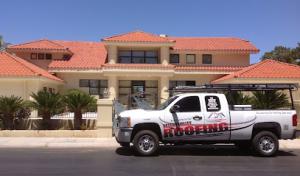
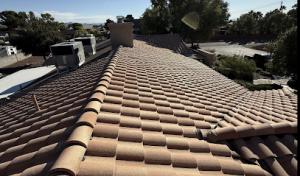
The Mojave sun coats shingles and flashing with relentless heat, and skylight penetrations are often the first spots that show the wear. In this climate, the usual sealant age out faster, and a small leak can migrate along rafter tails before it becomes obvious. The risk is not flashy; it is slow and cumulative, especially where roof planes meet tile or mixed slopes. A sound detail now saves costly repairs later, long before the next monsoon burst.
A skylight frame sitting flush with a tile roof needs extra care on the surrounding flashing. A high-heat environment makes pans and step flashing brittle if they're not integrated with the tile pattern. Look for continuous counterflashing that follows the tile course and for a properly sealed curb. In homes with shallow pitches, the risk of water tracking increases, so ensure the curb is integrated with a robust seal that tolerates the season's temperature swings.
Smaller solar installations demand the same waterproof discipline as skylights. The signal set in this market shows active skylight and solar-roof specialization, which helps, but it also means more penetrations to protect. Ensure penetrations align with existing tile lines, not through weak points. The installer should coordinate with tile setters to avoid creating step-downs in waterproofing along ridge lines and hips.
Before the monsoon season, inspect every penetration for hairline gaps, cracked grout, or loose sealant. In a tile-heavy neighborhood, repairs should blend with the roof geometry so no new weak points form when storms slam through the valley. Regular checks after storms are prudent, even when skies stay dry for weeks. This is where roofs show resilience around monsoon alerts for local homes.
Find contractors experienced in skylight installation, flashing, and leak repairs to bring natural light into your home.