
Last updated: Apr 19, 2026
In this Mojave Desert landscape, the roof isn't aging because of snow or freeze-thaw cycles. The blistering summer UV exposure sits at the top of the list, baking surfaces and accelerating material breakdown. You'll notice shingles, tiles, and underlayment showing wear long before the rest of the neighborhood, especially on south- and west-facing slopes. When heat relentlessly hits, sealants soften, and flashing joints can start to creep. This means the window for a durable replacement or major repair shrinks to the span of cooler, manageable days rather than the middle of July. If a roof is past its prime, a rushed summer replacement invites failures down the line, such as premature granule loss, curling, or brittle tiles that crack under minimal foot traffic. Plan with urgency to get protective layers and fasteners upgraded before the next heat wave expands micro-damage into active leaks.
Mid-year monsoon storms in the Las Vegas Valley take homeowners by surprise, turning minor weaknesses into active leaks almost overnight. Strong, gusty winds can lift shingles, loosen tiles, or blow debris under edges that previously looked solid. In neighborhoods with clay or concrete tile, cracked or chipped tiles become open doors for water intrusion when the monsoon hits. The risk isn't just a single storm; it's the pattern of repeated gusts that wears away the sealant and accelerates edge deterioration. For homeowners, this means routine inspection after the first heavy storm of the season is non-negotiable. If even a small crack is spotted, address it immediately to prevent a small drip from becoming a full ceiling leak. Durable detailing around vents, skylights, and chimney caps can stop wind-driven debris from slipping between layers.
Local replacement timing often shifts toward milder months because extreme summer surface temperatures shorten daily installation windows and affect material handling. When working in the heat, installers contend with rapid material expansion, scorching adhesive bonds, and elevated risk of worker heat stress. Those conditions reduce the time you get for quality workmanship and can compromise long-term performance. If a roof has reached the point where heat amplification and wind exposure heighten the chance of accelerated failure, a deliberate, season-appropriate schedule matters. Coordinating a project in the shoulder seasons not only protects the new installation from the worst heat but also improves reliability in the accompanying fastener and flashing set, ensuring a tighter seal against the next monsoon cycle.
Conduct a focused roof check after the first significant monsoon wind event and then again after any subsequent storms. Look for missing or damaged tiles, lifted edges, and signs of sealant wear around vents and penetrations. Have a backup plan for temporary protection-such as ensuring rooftop flashing is intact and that gutters and downspouts are clear-to prevent water from pooling and seeping into eaves or fascia. If heat damage is visible on the surface, schedule a professional assessment before the next heat spike, so a replacement strategy can be timed for a cooler spell. Communicate with your contractor about heat-sensitive installation practices, such as avoiding high-gloss underlayment in direct sun and ensuring proper curing windows for sealants. In this climate, the right timing isn't just about convenience; it's the difference between a roof that lasts and one that needs frequent patching.
Clay and concrete tiles are the dominant roof types in North Las Vegas, matching the Southwestern residential look and feel. The tiles themselves handle the desert sun and thermal cycling, but the real workhorse for a long-lived roof is what sits beneath. The waterproofing layer is what keeps interior spaces dry during the monsoon season, yet many homes end up with underlayment issues before the visible tiles show trouble. When a reroof happens, it's common to replace the underlayment even if many field tiles can be reset. This isn't a cosmetic upgrade-it's a change that guards against heat-induced breakdown and wind-driven leakage.
In this market, the underlayment is doing the heavy lifting during extreme heat and high daytime temperatures. A typical clay or concrete tile system relies on a durable, well-sealed underlayment to bridge the daylight hours when shingles or tiles are cooling down. If the underlayment has dried out, wrinkled, or delaminated, water can wick through gaps even when the tiles look intact. When planning a tile reroof, expect the underlayment replacement to be a standard part of the process, not an optional add-on. Synthetic underlayments with good tear resistance and moisture protection generally perform better in the Mojave sun than older felt materials, especially under heavy tile loads and where roof edges see seasonal sun exposure.
Monsoon winds in this region behave differently from those in cooler, wetter climates. High winds can lift tiles, shift fasteners, and expose fastener heads or flashing joints. Thermal movement widens and contracts tiles and metal details, which stresses flashing laps and upstands. Pay particular attention to end laps, valleys, and penetrations around chimneys and vents. During reroofing or major repairs, ensure flashing is coordinated with underlayment transitions so there's a continuous, water-tight seal behind the tiles. Loose or displaced tiles in the wake of monsoon gusts often reveal underlying underlayment wear-address that layer first, then re-secure the surface tiles.
Because the visible tile can outlive the waterproofing beneath it, proactive maintenance should target the underlayment and flashing before noticeable leaks appear. After a severe wind event or a particularly hot season, perform a quick mid-roof inspection from a safe access point to check for lifted tiles, loose fasteners, or exposed underlayment. If any movement or staining appears, plan for underlayment inspection and potential replacement during the next reroof cycle. This approach reduces the chance of repeated tile-only repairs and extends the life of the roof assembly as a whole.
When selecting tiles for replacement, prioritize interlocking or rack-supported systems that resist wind uplift, while maintaining an appropriate slope for drainage. Ensure fasteners are corrosion-resistant and matched to the underlayment type. For tile specifics, ask crews to stagger field tiles to reduce stress concentrations and to re-seat any displaced tiles with care, confirming alignment and closure against flashing. Since this market emphasizes heat durability, verify that the chosen underlayment smoothly integrates with tile-to-ridge detailing to minimize thermal gaps and water intrusion risks. In addition, request a thorough post-work inspection to confirm that flashing, underlayment, and tile seating all function together under desert conditions. In North Las Vegas, a careful combo of solid underlayment and well-secured flashing pays off the most over the roof's life.
Find contractors who specialize in clay and concrete tile roofs, known for their durability and curb appeal.
Las Vegas Roofing
(725) 237-3864 lasvegasroofers.company
2203 Civic Center Dr #15, North Las Vegas, Nevada
5.0 from 22 reviews
Introducing Las Vegas Roofing, your dependable roofing company for all your roof repair and maintenance needs. With a simple approach, we ensure quality workmanship and reliable service to keep your home safe and secure. At Las Vegas Roofing, we understand the importance of having a sturdy roof over your head. Our team is dedicated to providing straightforward solutions for any roofing issues you may encounter. Choose Las Vegas Roofing as your trusted partner in maintaining the integrity of your home's roof – because when it comes to reliability and simplicity in roofing services, we've got you covered.
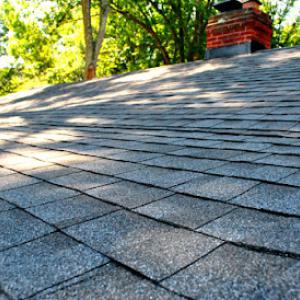
T-N-T Roofing
(702) 220-4496 tntroofinglasvegas.com
3823 Losee Rd, North Las Vegas, Nevada
3.9 from 37 reviews
Our clients rely on our roofing expertise to protect them from even the worst weather conditions. We provide new roof construction, roof repair and re-roofing services. Call 702-220-4496 today to schedule residential or commercial roofing services in the Las Vegas, NV area.

Prestige Roofing
(702) 646-7536 www.prestigeroofinglv.com
3405 Bunkerhill Dr, North Las Vegas, Nevada
3.5 from 22 reviews
Prestige Roofing provides quality roofing services including commercial and residential roofs, custom metal roofing and fixtures, roof repair, and reroofing for more than 20 years in the Las Vegas Valley and Henderson.

Integrity Roofing
(702) 205-8080 integrityroofinglv.com
Serving
5.0 from 69 reviews
At Integrity Roofing, we're a small, family-owned business based in Las Vegas, NV. As locals who have called Las Vegas home for over 30 years, we take pride in treating every customer like a neighbor. Tim and Karey Novak, both retired military, lead our team with straightforward values—honesty, hard work, and doing what's right. We’re licensed, insured, and bonded, but more importantly, we believe in being upfront and delivering quality work without a sales pitch. Tim brings over 20 years of hands-on construction experience, so when you call or text us, you get real answers and genuine service every time.

Affordable Roofing
(725) 888-5266 las-vegas-roofing.company
Serving
5.0 from 15 reviews
Affordable Roofing, your dependable choice for all your roofing needs. With a focus on simplicity and reliability, our team is dedicated to providing high-quality roofing solutions at affordable prices. At Affordable Roofing, we understand the importance of a sturdy roof for your property. Whether you need repairs, maintenance, or a complete roof installation, our experienced professionals are committed to delivering top-notch results with straightforward and transparent services. With us, you can trust that your roofing project will be handled with care and efficiency. We take pride in offering simple yet effective solutions to ensure that your home or business is well-protected from the elements.
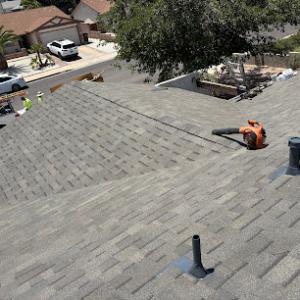
Ohana Roofing
Serving
5.0 from 41 reviews
-Shingles-Tear Off -Coating. -Torch. ReRoof-- Repairs- Tile -general maintenance Bird stop- solar panel maintenance Commercial
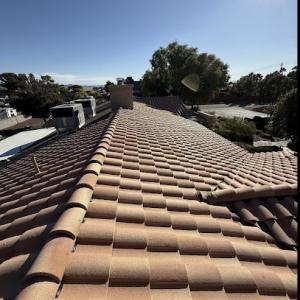
Fortitude Roofing
(725) 233-0251 fortituderoofing.com
Serving
4.7 from 98 reviews
At Fortitude Roofing, we provide expert residential and commercial roofing services across Las Vegas, Henderson, Summerlin, and all of Clark County. We specialize in roof repairs, roof replacements, flat roofing, TPO systems, shingle roofs, metal roofs, and apartment building roofing. Our team also handles roof inspections, storm damage, leaks, and solar panel removal & reinstall for re-roofs. With years of proven experience, we deliver fast, reliable, and high-quality results. If you need a trusted roofing contractor in Las Vegas, contact us today.
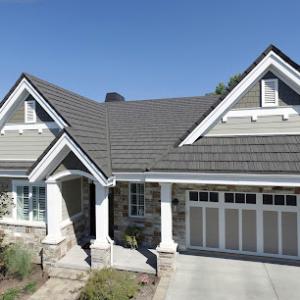
Erie Home
Serving
4.7 from 119 reviews
Since 1976, Erie Home has manufactured, supplied, and installed the best-performing roofing on the market. By providing ironclad warranties and convenient financing, we ensure that every homeowner we work with receives top quality service and value for their homes and properties. Erie Home professionals are the roofing company of choice in the greater Las Vegas, NV area. Whether you need roof inspections or roof damage repair services, Erie Home has been the go-to roofing contractor for nearly 50 years because of our attention to detail and dedication to making sure our customers are satisfied with their results. Contact us today for a quote and see why we're the trusted roofing company Las Vegas counts on.

Nation Roofing
(702) 381-6285 nationroofer.com
Serving
5.0 from 8 reviews
Get ready for the future with Nation Roofing, the ultimate roofing contractor and construction company located at 302 E. Carson Street, 10th floor, Suite B204 in Las Vegas, Nevada. Our skilled professionals are committed to offering exceptional roofing solutions, seamlessly blending innovation and artistry. Experience the pinnacle of roofing artistry, as we serve the entire country, providing personalized roof services tailored to your unique needs. Brace yourself for a new era in roofing, where quality, artistry, and unparalleled customer service unite.

A Step Above
(702) 810-7479 astepabovelasvegas.com
Serving
4.9 from 42 reviews
We are a locally owned company since 2009. Our experienced employees offer quality repairs, replacements, and new installations. We pride ourselves in treating your home like it was our own.
Let it Rain Roofing
(702) 459-7246 www.letitrainroofing.com
Serving
5.0 from 6 reviews
Roofing company, family operated, military veteran, A+ Rated BBB Serving Las Vegas for over 18 years, Roof Repairs, Roof Shingle Repairs, Roof Tile Repairs, New roof installations, Residential and commercial roof services.
Disalvo Roofing
(725) 205-3113 www.disalvoroofing.com
Serving
5.0 from 44 reviews
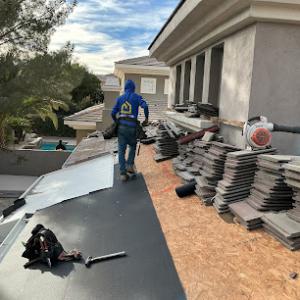
DISALVO ROOFING is a trusted roofing company serving the Las Vegas area, specializing in residential and commercial roof installation, repair, and replacement. Our team delivers high-quality workmanship, reliable service, and durable roofing solutions designed for Nevada’s desert climate. We offer detailed inspections, emergency repairs, and premium materials to ensure long-lasting protection for your home or business.
Asphalt shingles are a common choice for tile-dominated neighborhoods and midtown neighborhoods alike, and in this desert climate their UV resistance matters more than ice protection. The Mojave sun pours heat onto roofs for long hours, which accelerates the aging of asphalt granules and can cause premature granule loss, curling, and color fading. In practice, you'll find shingles with higher UV blockers and reflective granules hold up better under repeated summer cycles. Look for shingles with high solar reflectance and a durable mineral surface, and plan for more frequent inspections after the hottest months. A well-ventilated attic remains essential to keep roof sheathing from baking, and ridge vents coupled with soffit intake help reduce surface temperatures that hasten UV-driven wear.
Metal roofing handles heat well and can be a strong performer in the valley's heat, provided the installation accounts for rapid expansion and contraction. In this climate, temperatures swing dramatically from day to night, so choose panels with ample fastener spacing and high-quality seals at seams and flashing. Standing-seam metal systems generally offer the best chance to manage thermal movement, but even they require careful workmanship around penetrations, vents, and joints. The payoff is a roof that resists surface cracking and maintains color longer when the underlayment and coating are appropriate for intense sun exposure. If choosing metal, select coatings designed for high solar reflectance and consider light-colored finishes to reduce heat buildup.
Clay and concrete tiles are a natural fit for the heat-rich, sun-drenched environment and are widely used on North Las Vegas homes. They provide excellent UV resistance and long lifespans when installed with proper underlayment and ventilation. Lightweight but robust, tile systems shed heat well and resist sun-induced deterioration when kept free of debris. Pay attention to valley and hip details, where wind-driven debris can impact tiles during monsoon events. Proper alignment, adequate nailing patterns, and a solid substrate are crucial, as cracked or displaced tiles rapidly expose underlayment to UV and weather.
Wood shingles and shakes are less natural for this desert climate and the typical housing stock than tile, asphalt, or metal, so maintenance and lifespan demand careful consideration. They can suffer faster from sun exposure, drying, and potential insect activity if not properly treated and sealed. When wood is chosen, insist on moisture-treated stock and factory-applied finishes designed for high-UV environments, with a maintenance plan to recoat or reseal periodically. In areas with strong monsoon winds, ensure fasteners and sealants are rated for wind gusts and that flashing is robust to prevent water infiltration.
Heat and UV exposure shorten typical replacement timelines for many roof types, so regular inspections after the hottest months help catch granular loss, fastener corrosion, or flashing breaches early. For any material, priority should be given to ventilation, reflective surface coatings, and watertight detailing around edges and penetrations. In climates with intense sun and occasional monsoons, a proactive approach-timely resealing, recoating, or re-seaming-often pays off in extended roof life and fewer emergency repairs.
Explore specialists in steel, aluminum, and standing seam metal roofs built to last 50 years or more.
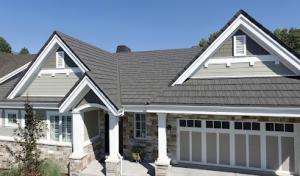
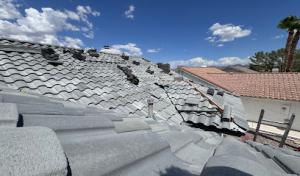
When you start planning, you'll notice the numbers line up with local realities: asphalt shingles run from 350 to 700 per square, metal from 700 to 1200, clay tile from 900 to 1700, concrete tile from 850 to 1500, wood shingles or shakes from 700 to 1100, and fiber cement shingles from 600 to 1000 per square. These are not abstract figures; they reflect the mix of aging roofs, upgraded flashing, and the sometimes elaborate underlayment needs you'll encounter in this desert climate. In many neighborhoods, the daily labor rate interacts with material choice, so the overall project can drift up or down by a few hundred dollars depending on the roof's configuration.
Tile roofs in this market often require careful tear-off and a reset of tiles, which adds labor time and risk. Brittle broken pieces get replaced to avoid future leaks, and flashing or vent details are frequently upgraded during reroofing to handle the intense sun and sudden monsoon winds. If your roof uses clay or concrete tile, plan for incremental costs tied to tile handling and the potential need for reinforces at hips and ridges. These steps matter most in long-term performance, because a properly refreshed tile system resists heat cycle wear and wind-driven impacts better than a rushed, partial replacement.
Scheduling around extreme summer heat and monsoon disruptions is part of the estimate in this region. Heat slows labor efficiency, and sudden storms can pause work, leading to staggered crews and re-sequenced installations. That can influence final pricing, especially if additional temporary protection or weatherproofing is needed to protect exposed roof sections. A reputable crew will build in contingency days and communicate adjustments if a weather window shifts. Knowing this helps you align your purchase with the working climate rather than fighting the calendar.
If you're choosing tile, expect a careful tear-off, tile-by-tile reinstallation, and attention to venting and flashing details to endure high heat and storm winds. With asphalt or fiber cement, the emphasis is on sealing and underlayment integrity, plus fast, secure fasteners to resist gusts. Regardless of material, coordinate a staged plan that protects interior spaces, accounts for material delivery delays, and anticipates the extra handling that sun-heavy days demand. A clear, paced schedule reduces surprises and helps you lock in the best possible long-term performance.
Don't let upfront costs delay a critical repair - these contractors offer payment plans to fit your budget.
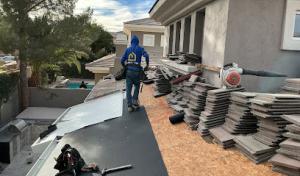
A roof replacement project in the desert-friendly tile-and-shingle milieu is not something you want to treat as a handshake deal. A permit is typically required through the City of North Las Vegas Building Department rather than being handled informally between contractor and homeowner. The process is designed to ensure that the heat-soaked underlayment, flashing details, and venting are installed to withstand the Mojave sun and the sudden monsoon winds. If the permit is delayed or overlooked, you risk not just a stop-work order but potential rework that eats into a replacement timeline and leaves your roof vulnerable during storm season.
Before any shingle or tile comes off, you must submit project details for plan review. This usually includes an outline of roof dimensions, the proposed roofing system, and any changes to flashing or venting that affect how the roof sheds heat and drains rainwater quickly during a downpour. In a neighborhood with a mix of tile re-roofs and slope variations, those plans are checked for compatibility with neighboring properties and the local drainage logic. The plan-review phase helps catch issues that could lead to leaks after installation, such as insufficient attic ventilation or inadequate underlayment coverage that can fail under summer heat and high winds.
Inspection milestones are commonly scheduled at rough-in and final stages. The rough-in inspection verifies that the roof's structural anchors, ventilation pathways, and underlayment installation meet code expectations before the visible work continues. The final inspection focuses on approved flashing, underlayment integrity, and venting details. In North Las Vegas, those elements are where failures often show up after the heat has baked the roof and the first monsoon season tests the seals. If a scope change occurs-such as switching from a tile or low-slope roof to a different detailing-the inspector will reassess these critical components, and that can affect approval timing. Any deviation from the approved plan, especially on tile or low-slope sections, can trigger additional review or rework.
Coordinate closely with the contractor to ensure plan details align with the installed material and roof geometry. Confirm that the chosen underlayment is appropriate for the climate and the anticipated wind events, and verify vent placement aligns with the attic's needs. Keep communication open with the building department if any field changes are necessary, particularly around flashing methods or tile-to-flat transitions, since those are common pressure points during inspections and can extend the timeline if not properly documented. A well-documented process helps avoid the kind of rework that leaves an aging roof exposed to sun and storms mid-project.
Find specialists in TPO, EPDM, and built-up flat roofing systems for residential and commercial properties.

The Mojave sun makes roof surfaces bake, crack, and age, so insurers in North Las Vegas often want a clear before-and-after record. After hail or wind events in the Las Vegas Valley, adjusters may request photos of visible roof damage and an estimate for replacement or repair. Keep dated photos from multiple angles, and store maintenance notes that show recent sealing, shingle replacement, or flashing checks. A well-documented roof history helps avoid gaps in coverage when a claim moves beyond routine repairs into a larger replacement question.
Policyholders should expect a review of both surface damage and underlying conditions such as decking, underlayment, and ventilation. Visible dented vents, granule loss, curling shingles, or broken tiles can trigger a broader inspection. In a desert climate with monsoon winds, wind-driven debris can create stress points that spread, so the adjuster may request an estimate for either repair or full replacement depending on the pattern of damage. Honest, recent photos alongside a simple maintenance log can streamline the process and reduce the chance of dispute over scope.
Policy limits and hail-related endorsements can materially affect whether a roof is repaired section-by-section or replaced more broadly after a storm. If coverage is leaning toward broader replacement, a thorough, organized presentation of damage and history helps the insurer see the overall condition, not just isolated problems. Be prepared for a timeline where a final decision hinges on whether cascading issues across tiles, underlayment, and flashing implicate a full reroof rather than piecemeal fixes.
Connect with contractors who help homeowners navigate the claims process from damage assessment to final approval.
North Las Vegas has a meaningful contractor base serving both residential and commercial properties, so flat and low-slope roofing knowledge is more relevant here than in purely pitched-roof markets. The desert climate pushes coatings and membranes to work hard, and local crews often blend restoration approaches with standard flat-roof techniques to extend life in extreme sun and monsoon seasons. Understanding how these factors interact helps you plan for longer intervals between full re-roofs.
Roof coatings are a practical specialty in this market. A reflective coating can dramatically cut surface temperatures and reduce heat-driven aging of the substrate. When selecting a coating, prioritize high solar reflectance and UV stability, as intense desert sun accelerates degradation. In practice, prepare the surface by cleaning and repairing obvious gaps or delamination, then apply per manufacturer guidelines. Reset expectations after the coating cycle, since coatings typically require periodic reapplication to maintain performance.
On low-slope roofs, drainage details matter more than snow shed considerations. Ensure scuppers, gutters, and internal drains remain free of blockages, and verify that secondary drainage paths exist for heavy monsoon downpours. Penetrations-vents, skylights, and patch collars-should be sealed with elastomeric coatings or compatible mastics beyond the initial membrane install. UV exposure can crack flashings and edge details faster than you expect; inspect edges, corner beads, and terminations regularly and reseal as needed.
Heat and wind events shorten the effective life of low-slope systems more than cold-weather cycles elsewhere. Establish a proactive inspection cadence that targets after monsoon seasons and peak summer heat. Look for micro-cracks in coatings, blistering under seams, and rust or corrosion on metal components. Early spot repairs can prevent larger membrane failures in the next heat wave, preserving the roof's protective role without unnecessary downtime.
Find specialists in TPO, EPDM, and built-up flat roofing systems for residential and commercial properties.
The local market skews toward reroofing rather than new construction, so you want a crew with deep tear-off and replacement experience. Look for handlers who have done tile and shingle replacements on dense suburban streets where cleanup and debris control are visible daily. A crew that understands heat-accelerated material aging and wind-driven debris will approach detailing differently than one that mostly does new builds. Validate that their references include projects similar in scale, adjacency to neighboring homes, and tile or shingle re-cover work.
Quick response is a major hiring signal, which matters in North Las Vegas when monsoon-season leaks or wind damage need fast temporary protection. Ask how they stage emergency access, protect interior spaces, and mobilize tarp or temporary patchwork on short notice. A contractor with a clear plan for rapid site stabilization before a storm hits reduces interior damage and keeps neighbors happy. Gauge their ability to triage calls, schedule quick on-site assessments, and return with a concrete repair or replacement timeline.
Because cleanup is a common homeowner expectation in this market, tile and shingle tear-off containment should be discussed before work starts, especially in dense suburban neighborhoods. Confirm how debris will be contained on the roof and ejected into covered receptacles that protect driveways and landscaping. Ask who will manage disposal and whether daily cleanup routines are included in the job. For tile work, ensure there is a plan to minimize broken pieces and to coordinate removal so city sidewalks stay clear during the process.
Start with a two-page written scope that outlines tear-off methods, protection for vents and skylights, and sequencing for replacement. Check that the crew includes a site supervisor who will be present during critical phases and who can communicate changes if weather turns. Finally, require a short, practical warranty discussion that covers workmanship and any overlapping with existing roof penetrations, so future wind events have a clear maintenance path.