Roofing in Nevada
Last updated: Feb 28, 2026
Here in Nevada, the roof you rely on has to endure more than rain—it faces desert sun, intense heat, and dramatic temperature swings that twist the day-night comfort of your home. In Las Vegas, shingles bake and fade under the sun; in Reno, Carson City, or Elko, snow, wind, and hail bring their own challenges. Even in smaller towns, you'll notice dusty afternoons and sudden storms that test gutters and flashing. A solid roof here is as much about energy efficiency and durability as it is about curb appeal. The right materials, color, and ventilation aren't luxuries—they're practical necessities.
As your local roofer and neighbor, I built this page to be a friendly, trustworthy resource you can actually use. Think of it as guidance you can apply right away, whether you're planning a full roof replacement, catching up on routine maintenance, or evaluating small repairs. You'll find clear, actionable insights that help you make smart decisions without guesswork or high-pressure sales tactics.
Here's what to expect: a practical preview of how Nevada's climate shapes decisions—from choosing heat-reflective, long-lasting materials to understanding style trends that fit our homes; from estimating typical costs to navigating permits and local regulations; from common roofing problems in our conditions and proven fixes; to maintenance tips, when to repair versus replace, and how to tell when it's time to hire a professional. We'll cover the essentials in a way that's easy to digest and easy to act on, even if you're tackling projects on weekends or coordinating with a contractor.
Every tip here is tailored to Nevada's conditions and backed by local resources—trusted suppliers, code references, and real-world projects across the state. You'll have a practical framework you can rely on, grounded in the realities of our climate, neighborhoods, and building practices.
Let's start with the essentials of Nevada's climate and how it shapes your roof.
Local Climate & Its Impact on Roofs
Desert heat, sun, and UV exposure
- Nevada's southern towns endure extreme daytime heat and intense sun. Sun exposure ages roofing materials faster, especially asphalt shingles, seals, and underlayment.
- What it means for you:
- Choose lighter colors or reflective/radiant barrier coatings to cut heat absorption.
- Inspect shingles for accelerated granule loss or curling after hot spells.
- Ensure attic ventilation is adequate to reduce heat transfer into living spaces and slow heat-related deterioration.
- Quick steps:
1) Have a pro check attic vents, soffits, and ridge vents for unobstructed airflow.
2) Consider reflective roof coatings or cool roofing products if your climate zone is very hot.
3) Schedule inspections after heat waves and long stretches of sunshine.
Cold winters, snow, and ice
- Northern Nevada experiences colder winters with snow loads that load-bearing roofs must support. Ice dams and water backup can damage membranes and flashing.
- What it means for you:
- Heavier roof sections must be properly rated and fastened; ensure structural support accounts for potential snow.
- In colder areas, robust underlayment and good attic insulation help prevent ice dams.
- Quick steps:
1) If you have a steep, snow-prone roof, install snow guards and maintain clear eaves to promote even snow shedding.
2) Keep gutters free of ice and debris so meltwater can drain away rather than seep under flashing.
3) Schedule winter inspections to catch hidden issues under snow buildup.
Wind, dust storms, and monsoon thundershowers
- Desert winds and sporadic summer monsoon storms in Nevada can lift shingles, pry flashing, or drive dust and grit under roof seams.
- What it means for you:
- Flashing and sealants must be secure; wind uplift can loosen components over time.
- Occasional heavy rain can overwhelm aging membranes, especially on flat roofs.
- Quick steps:
1) Have flashing around chimneys, vents, and skylights re-sealed as needed.
2) After a windy or dusty event, inspect the roof for lifted edges or loose granules.
3) Maintain proper drainage on flat or low-slope roofs to prevent pooling.
Fire risk and ember exposure
- In dry, wildfire-prone areas, embers can ignite debris on roofs and in eaves.
- What it means for you:
- Fire-rated or ember-resistant roof coverings provide better protection in high-risk neighborhoods.
- Clear vegetation and debris within a defined distance from the roof and eaves.
- Quick steps:
1) Keep roof surfaces clear of pine needles, leaves, and debris, especially in fall.
2) Consider a fire-rated roofing material if you're near brush or trees.
3) Regularly inspect roof-to-flashings connections to resist ember intrusion.
Material choices that suit Nevada climate
- Asphalt shingles (Class 4 impact-rated), metal roofing, and clay/concrete tiles each have strengths and trade-offs in NV.
- Asphalt: cost-effective, but watch for UV wear; high-quality granules extend life.
- Metal: durable and reflective; expansion/contraction cycles require proper installation and adequate fasteners.
- Clay/concrete tiles: excellent heat resistance and aesthetics; heavy enough to require structural assessment.
- Flat roofs in arid zones demand high-quality membranes and excellent drainage to prevent heat-related degradation.
Maintenance and inspection cadence
- Nevada roofs benefit from more frequent checks timing with weather patterns and wildfire season.
- Practical plan:
- Visual check: after heat waves, storms, or hail—even light hail.
- Gutter and downspout cleaning: twice a year, or after heavy wind events.
- Flashing and sealant inspections: annually or after any roof work.
- Roof penetrations: around chimneys, vents, and skylights; reseal as needed.
- Warning: Avoid a DIY risk during extreme heat or wind conditions; fall hazards and heat exposure can be serious.
Official resources for reference
- Heat safety and summer weather guidance:
- General weather and climate information:
- Wildfire and ember safety resources (Nevada):
- Emergency management and preparedness tips for homeowners:
Recommended Roofing Materials for Nevada
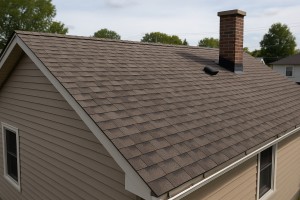
- Why they work here: Good value, easy to install, and readily available. Modern asphalt shingles can be rated for high wind, with Class A fire ratings and laminated options that resist heat soak.
- Pros:
- Budget-friendly upfront cost
- Wide color and texture options, including cool-colored granules
- Easy roof replacements and repairs
- Cons:
- Lifespan typically shorter than metal or tile (15–30 years depending on quality and climate)
- In extreme heat, some colors may fade faster and underlayment protection is essential
- Nevada tips:
- Choose cool roof shingles with higher solar reflectance to reduce attic temps
- Pair with a quality underlayment and proper attic ventilation for best durability, especially in desert heat and monsoon humidity
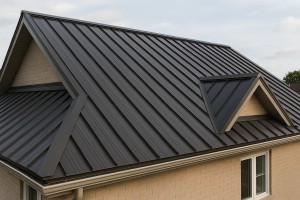
- Why they work here: Excellent heat reflectivity, longevity, and durability against hail and winds. Lightweight options reduce structural load, and many finishes mimic other materials.
- Pros:
- 40–70+ year lifespan with proper maintenance
- High reflectivity reduces cooling costs; many colors resist fading
- Highly resistant to extreme heat and wind
- Cons:
- Higher upfront cost; some profiles can dent with severe hail
- Installation requires a skilled contractor to avoid leaks and noise concerns
- Nevada tips:
- Look for coatings specifically designed for hot, sunny climates (cool metals with reflectivity)
- Ensure proper insulation and ventilation; consider foam or cavity insulation to minimize noise and temperature transfer
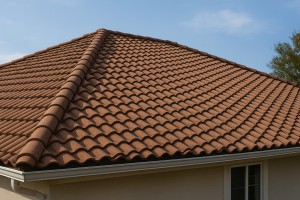
- Why they work here: Classic southwestern look, excellent solar resistance, and long lifespan. Concrete tiles are more affordable than clay and both offer strong UV resistance.
- Pros:
- Very durable in heat; strong fire resistance (Class A)
- Great for temperature regulation and energy efficiency when paired with proper underlayment
- Wide color choices and long service life
- Cons:
- Heavy: requires reinforced roof deck and sometimes structural upgrades
- Fragile to impact-heavy hail depending on tile thickness and support
- Nevada tips:
- Check local wind uplift requirements; secure mounting with rated fasteners
- Consider lighter-weight concrete options if your structure isn't reinforced for heavy tile
Composite and Synthetic Shingles
- Why they work here: Engineered to mimic traditional materials while offering enhanced performance in heat and sunlight.
- Pros:
- Lightweight but durable; good impact resistance
- Fade-resistant colors and UV stability
- Flexible designs that resemble slate or shake without the weight
- Cons:
- Long-term performance varies by brand; verify UV resistance and warranty
- Nevada tips:
- Seek warranties that cover sun exposure and color fade
- Match style to home aesthetic while prioritizing reflective properties
Flat or Low-Slope Roofs (TPO/EPDM)
- Why they work here: Some homes in Nevada use flat or low-slope sections; modern membrane systems handle heat and sun well.
- Pros:
- Excellent energy efficiency when paired with reflective membranes
- Good waterproofing and simple repairs
- Cons:
- Requires precise installation to prevent leaks; less stylistic versatility
- Nevada tips:
- Use white or highly reflective membranes to minimize heat absorption
- Regular inspections to catch seam or flashing issues after monsoon storms
Quick selecting steps for Nevada homeowners
1) Assess roof slope and structure: heavy tiles need reinforced decking; lighter options may reduce retrofit costs.
2) Prioritize energy efficiency: choose reflective colors or coatings for hot months, especially in southern Nevada.
3) Consider local weather risks: hail, wind, and temperature swings vary by region; pick a material with appropriate wind resistance and impact performance.
4) Check local codes and fire ratings: Class A fire-rated materials are often preferred or required in dryer areas with wildland exposure.
5) Plan for maintenance and warranty: ensure coverage for sun exposure, color fading, and hail impact; hire a contractor with Nevada-specific install experience.
Popular Roof Styles & Architectural Trends in Nevada
Desert-Ready Materials
- Asphalt shingles (architectural grade): a versatile, cost-conscious choice that performs well in heat with reflective granules; look for impact resistance and mold/mildew resistance in dry conditions.
- Concrete tile: long-lasting and highly fire-resistant; reflects heat effectively but is heavy and requires a capable structural frame and proper underlayment.
- Clay tile: classic Southwest aesthetic; excellent heat tolerance and a timeless look, but also heavy and pricey—confirm roof structure and expansion allowances.
- Metal roofing: standing-seam or corrugated panels; outstanding heat reflectivity, wind resistance, and lifespan; typically lighter than tile but may need sound-dampening and precision flashing.
- Flat roof membranes (EPDM/TPO): popular on modern desert designs; simple lines, but require careful drainage and maintenance to prevent pooling.
Popular Roof Styles in Nevada Homes
- Spanish/Mediterranean with clay or concrete tiles: signature in both urban and hillside neighborhoods; pairs well with warm stucco exteriors.
- Desert Modern and Southwest-inspired designs: low-slope or flat roofs with clean lines, integrated parapets, and large overhangs to shade interiors.
- Contemporary metal accents: mixed-material facades, exposed fasteners, and crisp edges often use metal roofing to accent angles and create a modern vibe.
- Traditional gable or hip roofs with light exterior colors: common in family neighborhoods, balancing classic curb appeal with heat-reflective surfaces.
Energy Efficiency & Color Trends
- Light, reflective colors: white, sand, and cool gray tones on shingles or tiles help reduce heat gain and lower cooling costs.
- Cool roof coatings: reflective overlays or mixed granule blends designed for high desert sun exposure.
- Solar-ready layouts: roof plans that allow clean panel mounting, with space for inverters and unobstructed sun exposure on your primary array.
- Ventilation-friendly designs: ridge and soffit ventilation paired with well-sealed attic spaces to minimize heat buildup.
Climate-Specific Considerations
- Northern Nevada (Reno, Truckee): snow load and ice dam risk matter; steeper pitches and durable underlayment help drainage and longevity.
- Southern Nevada (Las Vegas, Henderson): extreme heat and dust demand high-reflectance materials, robust insulation, and careful glare management for inhabited spaces.
- Wind zones: Nevada can experience strong winds; choose wind-rated fasteners, edge details, and sealants to prevent uplift.
Fire Resistance & Local Codes
- Ember-ready roofing: Class A fire-rated materials and tight edge detailing reduce ember intrusion in dry, wildfire-prone areas.
- Ventilation and clearance: adequate attic ventilation and clearance from vegetation align with local amendments and insurance expectations.
- Local approvals: some communities prefer specific underlayment or coatings; verify with your contractor and HOA (if applicable).
Quick Homeowner Checklist (Steps)
1) Verify load capacity: tile and some metal roofs require structural support; have a licensed roofer confirm framing and attachments.
2) Plan for solar integration: coordinate with a solar installer to ensure roof penetrations don't compromise waterproofing or warranty.
3) Optimize insulation: improve attic insulation and vapor barriers to curb heat transfer and improve efficiency.
4) Inspect for wind and fire readiness: use wind-rated underlayments, ember-resistant vents, and keep vegetation clear of eaves and edges.
5) Compare material warranties: ask about service life, impact resistance, and maintenance requirements for Nevada's climate and dust exposure.
Average Roofing Costs in Nevada
What drives Nevada roof costs
Nevada's desert climate and vast spread of urban to rural communities shape roofing prices. Extreme heat, UV exposure, wind, and occasional hail impact material longevity and labor needs. Access to job sites (narrow streets, steep drives, or elevated homes) can add equipment and time. Local codes, permit fees, and HOA rules also influence total outlay. Roof complexity—pitch, edges, chimneys, skylights, and venting—often determines whether a project lands in the mid or high end of the price range.
Typical cost ranges by material (installed)
- Asphalt shingles (3-tab): $3.50–$5.50 per sq ft installed; about $350–$550 per square.
- Asphalt shingles (architectural): $4.50–$7.50 per sq ft; about $450–$750 per square.
- Metal roofing (standing seam or corrugated): $7.50–$12.50 per sq ft; about $750–$1,250 per square.
- Clay tile: $9–$16 per sq ft; about $900–$1,600 per square.
- Concrete tile: $7–$12 per sq ft; about $700–$1,200 per square.
- Slate (premium option): $8–$15 per sq ft; about $800–$1,500 per square.
- Flat roofs (EPDM/TPO): $5–$9 per sq ft; about $500–$900 per square.
- Wood shakes/shingles: $6–$9 per sq ft; about $600–$900 per square.
Notes:
- These ranges reflect installed costs, including labor, materials, and basic underlayment. Nevada's heat and access issues can push mid-to-high ranges up, especially for complex or higher-end materials.
- One-time tear-off and disposal of an old roof typically add $1–$5 per sq ft, depending on material and debris handling.
Other cost factors to plan for in Nevada
- Permits and inspections: Local jurisdictions may charge a few dozen to a couple hundred dollars per project.
- Flashing, underlayment, and ventilation: Higher-slope or vent-heavy roofs raise those line items.
- Skylights or roof penetrations: Each skylight installed or replaced adds premium pricing.
- Insulation or radiant barriers: In hot NV summers, some homeowners upgrade attic insulation or add radiant barriers to improve comfort and efficiency.
- Wind/hail zones: If your home sits in a more exposed area, you may pay more for impact-resistant shingles or higher-grade underlayment.
City-specific considerations
- Las Vegas and Clark County: Higher heat exposure and longer workdays can raise labor time tied to material handling and cooling requirements. HOA rules may require specific products or color palettes, affecting choice and cost.
- Reno and Northern Nevada: Occasional winter storms require proper insulation, additional roof pitch considerations, and reliable drainage; improved ventilation can add to upfront costs but save on long-term energy or ice-dam risks.
- Rural Nevada: Access challenges, longer travel times for crews, and disposal logistics can push prices upward.
Steps to estimate your Nevada roofing project
1. Measure or confirm roof size (in squares) and assess pitch, complexity, and number of penetrations.
2. Pick a material type, narrowing options by climate suitability and aesthetic preferences.
3. Include tear-off and dumpster/disposal costs; account for removal of old decking if needed.
4. Add underlayment, flashing, vents, and any insulation or radiant barrier upgrades.
5. Check permits, HOA requirements, and potential inspection fees; include contingency (5–10%) for weather delays or substitutions.
Permits & Local Regulations
Who issues permits in Nevada
- Permits for roofing are issued by your local building department. In Nevada, this is typically a county or city authority. For Las Vegas-area projects, you'll encounter the county or the city's building department; in Reno and surrounding areas, the county or city department handles permits. Always verify your exact jurisdiction before starting.
- State agencies don't typically issue residential roofing permits, but state codes and energy rules influence requirements and inspections.
- If you're on tribal land or dealing with state property, check with the respective authority for the correct permit process.
When a permit is required
- A roof replacement usually requires a permit, even if you're staying with the same material and dimensions.
- Projects involving skylights, roof vents, or any structural changes (deck work, changing roof pitch, adding support) generally need a permit.
- If decking, underlayment, flashing, or ventilation components are altered, a permit is usually required.
- Some areas have extra requirements for certain materials or fastener methods—check with your local department to confirm.
The permit process in Nevada (step-by-step)
1. Identify your jurisdiction: City (Las Vegas, Henderson, Reno, etc.) or county (Clark, Washoe). Start at the local building department's website.
2. Gather documents: property address, scope of work, roof plan showing penetrations and vents, product specifications, and contractor license and insurance info.
3. Submit permit application and plans: include a detailed roof plan and material data; pay applicable fees.
4. Plan review: reviewer checks structural implications, ventilation, wind load considerations, and code compliance; respond promptly to plan-review requests if needed.
5. Schedule inspections: common milestones are pre-inspection (if required), mid-installation checks (deck, underlayment, flashing), and final inspection. Ensure all components meet code and manufacturer requirements.
Documentation and license requirements
- Nevada requires roofing work to be performed by a licensed contractor. Confirm the contractor is current with the Nevada Contractors Board and carries liability insurance and workers' compensation.
- Include the contractor's license number on the permit application and invoices.
- Provide product data: shingle type, underlayment, flashing details, wind uplift ratings, and drip edge specifics.
- Ventilation and energy notes: ensure attic ventilation meets code and that any energy-efficiency requirements are addressed.
Inspections to expect
- Pre-inspection (where applicable) to verify structure and deck integrity.
- Mid-installation inspection for underlayment, nailing pattern, and flashing.
- Final inspection to verify completion and code compliance; approved final closes the permit.
HOA and local regulatory considerations
- Many Nevada HOAs require architectural review or additional approvals beyond what the permit covers.
- Check HOA rules for exterior alterations, color choices, and gutter styles, especially for visible roof changes.
- Historic districts or neighborhood covenants may impose extra restrictions—consult the local planning department and HOA before buying materials or starting work.
Common Roofing Problems in Nevada & Solutions
Ultraviolet Sun Damage & Shingle Deterioration
Nevada's strong sun accelerates aging of roofing materials, especially asphalt shingles. You'll see the effects faster in exposed areas and south-facing slopes.
- Signs to look for:
- Granule loss in gutters or on shingles
- Curling, cupping, or cracking shingles
- Shingle curling near edges or around flashings
- Visible bald spots where granules have worn away
1) Have a licensed roofer inspect for loose or damaged shingles and replace as needed.
2) Consider upgrading to UV-resistant or reflective shingles that better withstand desert sun.
3) Improve attic heat management: add or upgrade insulation and install a radiant barrier; ensure proper ventilation to reduce heat transfer to the roof deck.
4) Schedule routine inspections twice a year, especially after intense heat periods, to catch early wear.
Heat, Attic Ventilation & Moisture Issues
Excessive heat in the attic can shorten a roof's life and cause interior condensation or coating failures, even if the outside looks fine.
- Signs to look for:
- Very hot attic spaces or attic ceiling paint peeling in summer
- Condensation on HVAC ducts or mold in the attic
- Higher cooling bills due to poor roof performance
1) Evaluate and optimize attic ventilation with soffit and ridge vents, and add a powered attic fan if needed.
2) Upgrade insulation and consider radiant barrier products to reflect heat.
3) Seal gaps and penetrations in the attic to reduce moisture and heat intrusion.
4) Have a roofer assess roof deck ventilation and water intrusion risks during hot months.
Flashing Leaks Around Vents, Chimneys & Skylights
Flashing is a common leak source when sealants fail or materials deteriorate from heat and movement.
- Signs to look for:
- Damp ceilings or water staining around vents, chimneys, or skylights
- Rust on metal flashings or separated flashing seams
- Cracked or degraded sealant around flashings
1) Inspect and replace damaged flashing with weather-rated materials; reseal joints with compatible sealant.
2) Ensure proper flashing step-flashing at roof-to-wall transitions and around penetrations.
3) Consider a professional re-flashing job if sections are compromised or security is suspect.
Wind Damage & Lifted Shingles
Nevada's windy conditions can lift edges and loosen fasteners, especially on lower slope sections.
- Signs to look for:
- Shingles peeling away at edges, near ridges, or around flashings
- Exposed nails or fasteners
- Visible gaps or creases in the roof surface
1) Replace damaged shingles and reseal edges; re-nail according to the manufacturer's specs.
2) Use wind-rated shingles and add sealant where appropriate.
3) Check and reinforce ridge cap, edge fasteners, and any loose flashing.
Hail Damage (Region-Dependent)
Hail impact can bruise or dent roofing materials, sometimes triggering leaks later.
- Signs to look for:
- Dented or bruised shingles, especially on ridges and hipped sections
- Granule loss in patches or irregular patterns
1) Have a roofer assess for hidden damage under the surface; replace damaged shingles and repair flashings.
2) Consider hail-resistant roofing options when replacement is due.
3) Document damage for insurance review and obtain a professional evaluation.
Gutter, Drainage & Eaves Problems
Improper drainage allows water to back up against the fascia, soffits, and roof edges, accelerating damage.
- Signs to look for:
- Clogged or overflowing gutters, fascia rot, or water marks along eaves
- Downspouts that don't discharge far enough from the foundation
1) Clean gutters and downspouts regularly; install guards if warranted.
2) Ensure downspouts terminate 3–6 feet away from the home and slope away from the foundation.
3) Inspect fascia boards for rot and replace damaged sections.
Dust, Sand & Debris Build-Up
Desert dust and wind can accumulate on the roof, accelerating wear and masking leaks.
- Signs to look for:
- Grit in gutters and on the roof surface
- Reduced vent efficiency or clogged roof vents
1) Schedule seasonal roof cleaning with a professional to remove debris without harming shingles.
2) Inspect and clean roof vents and flashing areas to maintain breathability.
3) Consider protective coatings or sealants suited to your roof type if advised by a pro.
Flat Roofs & Membrane Failures (EPDM, TPO)
Flat or low-slope roofs are common in Nevada and require tight seams and proper drainage.
- Signs to look for:
- Blisters, seams separating, or ponding water
- Patches or UV-damaged membrane areas
1) Address standing water within 48 hours to prevent early membrane failure.
2) Re-seal seams and inspect for punctures; apply a compatible coating or replace damaged areas.
3) If replacement is due, choose a reflective, UV-resistant membrane and ensure proper slope and drainage.
Maintenance & Repair Tips for Nevada
Climate-aware maintenance
- In the southern desert, intense sun and high heat accelerate UV wear. Use light-colored shingles or reflective coatings and ensure a well-sealed attic with a radiant barrier to cut cooling loads and reduce roof heat buildup.
- In northern Nevada, occasional snow and freeze–thaw cycles can stress flashing and seals. Check for hairline cracks and ice dam risk around eaves, and keep upper attic insulation ample to minimize meltwater refreezing at the eaves.
- Nevada experiences strong winds and dust storms. Inspect for lifted shingles, loose flashing, and debris buildup after windy periods or haboobs.
Regular inspections (timing and approach)
- Do a visual roof check twice a year—spring and fall—and after any major storm, hail, or strong winds.
- Use safe methods: climb only if you're comfortable, or hire a pro. From ground, look for curling, cupping, or missing granules on asphalt shingles; on metal, check for dents or loose seams; on tile, look for cracked or loose pieces.
- Create a quick checklist:
- Shingles: curling edges, granule loss, or discoloration
- Flashing: rust, gaps, or sealant cracks
- Valleys and vents: signs of leakage or corrosion
- Gutters: standing water or heavy debris
Roof surfaces by material (NV-specific notes)
- Asphalt shingles
- Look for granule loss on gutters and downspouts; excessive loss means the shingles are aging.
- Replace or repair missing tabs promptly to maintain weatherproofing.
- Metal roofs
- Inspect seams and fasteners for looseness or corrosion; tighten fasteners if instructed by the manufacturer.
- Clean panels periodically to remove dust and salt air (if near the coast) to prevent corrosion.
- Clay or concrete tile
- Check for cracked or dislodged tiles after storms; replace damaged tiles to avoid underlayment exposure.
- Ensure proper underlayment beneath tiles remains intact—loss here can lead to leaks even with intact tiles.
Flashing, penetrations, and valleys
- Inspect around chimneys, skylights, vent boots, and roof-to-wall junctions for water infiltration.
- Re-seal with compatible sealant or replace damaged flashing as needed; never rely on old sealant alone.
- Valleys should be solid and free of gaps; have a pro assess any suspected wear, as failures here can cause widespread leaks.
Gutters, drainage, and debris
- Clean gutters and downspouts at least twice a year; NV summers can leave heavy dust and plant debris, while winter storms bring more grit.
- Ensure downspouts discharge away from foundations; check splash blocks or extensions.
- On flat or low-slope roofs, avoid standing water by trimming overhanging branches and ensuring proper slope and drainage.
Attic ventilation and insulation
- Balanced intake and exhaust ventilation reduces peak roof temperatures and helps extend shingles' life. Inspect soffit, ridge, and gable vents for blockages.
- Add or upgrade insulation (aim for R-30 in attics where practical) and seal gaps to minimize heat transfer into the living space and protect the roof deck from condensation-related issues.
- If you notice attic heat buildup with the season, consider a radiant barrier or reflective foil to improve performance.
After storms and hail: quick-action steps
- Step 1: Photograph any visible damage from ground level and, if safe, from the roof edge.
- Step 2: If leaks are present, place a temporary tarp to limit interior damage until a pro evaluates.
- Step 3: Contact a licensed Nevada roofer for a thorough assessment and documentation; keep a log of dates, damage, and any temporary fixes.
When to call a professional
- Visible structural sag, pervasive water intrusion, or widespread shingle failure
- Damaged flashing, corroded vent boots, or repeated leaks after repairs
- Roofs approaching or exceeding their expected lifespan, especially in harsh NV conditions
Quick-repair safety reminders
- Never climb onto a wet or windy roof; use binoculars or a ladder stabilizer for inspections from the ground.
- Wear proper footwear and secure all tools; avoid stepping on damaged or loose areas.
- If you're unsure about the repair scope, defer to a licensed roofer to prevent further damage.
When to Repair vs. Replace
Nevada climate realities
In Nevada, intense sun, high heat, and wide temperature swings accelerate roofing wear. A roof that ages in a milder climate can fail faster here, especially for asphalt shingles and traditional tiles. Harsh afternoon sun can cause rapid granule loss, while occasional monsoon storms and wind can introduce leaks or hail damage in exposed areas. Keep this climate context in mind when weighing repair vs. replacement.
Indicators that repair is enough (Nevada-focused)
- Localized leaks or a few missing/curling shingles after a storm.
- Damaged flashing around vent pipes, chimneys, or skylights, with no widespread roof surface deterioration.
- Granule loss in gutters or downspouts limited to a small area.
- Deck appears sound but flashing or sealant around penetrations is failing.
- The rest of the roof shows good age-related wear, but a clearly isolated issue can be addressed without touching the entire surface.
When replacement becomes the smarter choice
- More than 30–40% of the roof surface exhibits widespread wear, curling, or granule loss.
- Sagging, soft spots, or visible rot in the decking indicates structural concern beyond surface repairs.
- Recurrent leaks persist after a professional repair, suggesting underlying decking or underlayment failure.
- Underlayment or roof structure is approaching the end of its expected life (often 20–25 years for many materials in NV conditions).
- You're upgrading to better energy efficiency or a different material that requires a full roof removal.
- The roof has a history of hail damage that affects multiple areas or long-term performance.
Material considerations for Nevada
- Asphalt shingles: Good for budget-friendly repairs, but heat accelerates aging. If you're seeing extensive granule loss or widespread curling, replacement is usually more cost-effective than patching many spots.
- Clay/concrete tile: Long lifespan and great heat reflectivity, but heavy weight and potential breakage from hail. Widespread damage or many broken tiles often means replacement rather than piecemeal repair.
- Metal roofs: Durable and reflective, with a long service life. Repairs are common for fast fixes, but extensive damage or aging panels may justify replacement for performance and warranty reasons.
Cost and value in Nevada
- Replacement usually costs more up front but can deliver energy savings, better warranties, and fewer call-backs.
- Typical installed costs (rough ranges, varies by material):
- Asphalt shingles: roughly $4–$9 per sq ft.
- Concrete/clay tile: roughly $9–$18 per sq ft.
- Metal roofing: roughly $6–$12 per sq ft.
- Add removal of old roofing, disposal, and any decking/underlayment work to the total.
- Consider long-term value: a newer roof often improves resale value and reduces cooling loads in NV heat.
Quick decision guide
- If damage is isolated and under warranty coverage is strong, repair may be the most economical choice.
- If you're facing widespread deterioration, age over 20–25 years, or repeated leaks, replacement offers better reliability and long-term performance.
- Always weigh the cost of multiple repairs against a single replacement's lifespan and warranty.
Practical decision steps
1. Inspect the roof area and document damage, noting location, material type, and age.
2. Get at least three written inspections/quotes from local Nevada contractors to compare repair vs. replacement costs.
3. Check material warranties, workmanship guarantees, and whether underlayment or decking must be addressed.
4. Decide based on current damage, expected remaining life, climate considerations, and long-term energy or maintenance goals.
Quick NV-specific tips
- Plan repairs or replacement during dry, mild weather windows to avoid delays and water intrusion.
- Consider cool or reflective roofing options to offset NV cooling costs.
- Ensure proper attic ventilation and insulation to maximize the roof's efficiency and lifespan in hot climates.
When to Hire a Professional
- Active leaks, water stains on ceilings or walls, or damp attic insulation demand a professional inspection right away.
- Missing, curling, buckling, or heavily granule-laden shingles are a sign the roof is no longer protecting the home.
- Hail damage from a Nevada storm or high-wind event should be assessed promptly to prevent secondary water intrusion.
- A sagging or soft roof deck, or any visible structural concerns, require a licensed roofer to evaluate safety and scope.
After severe weather (Nevada-specific)
- Monsoon seasons and intense Nevada summer storms can cause hidden damage even if you don't see missing shingles. If you've had hail or high winds, arrange an inspection before plans to DIY tarping or minor repairs.
- Do not climb on a steep or elevated roof yourself if you're not trained; fall injuries are a leading hazard in roofing work.
Replacement vs. repair thresholds
- If more than 30-50% of your roof surface shows damage or aging, a replacement might be more cost-effective and durable than piecemeal repairs.
- For older roofs (typical asphalt around 20–25 years; tile or metal can vary), consult a pro to determine whether repairs or a full replacement delivers better long-term value in Nevada's climate.
Permit and code considerations
- Nevada projects often require a building permit and inspection from your local jurisdiction (city or county). A licensed roofer should handle the permit process, but you'll want clear confirmation in writing.
- Choosing a contractor who understands local codes (Clark County, Washoe County, Reno, Las Vegas, etc.) helps prevent delays and ensures proper venting, moisture barrier, and flashing details for Nevada conditions.
Annual inspection and proactive care
- Even when there's no obvious damage, consider a professional roof inspection once a year. In Nevada, sun exposure, UV heat, and rapid temperature swings can stress materials differently across seasons.
- If you're buying or selling a home in Nevada, a pre-sale roof inspection by a licensed roofer can prevent negotiating pitfalls.
Material considerations and contractor readiness
- Nevada homes use a mix of asphalt shingles, metal roofing, and tile. If you're selecting a replacement, ask for local, climate-tested options that resist heat buildup, glare, and UV degradation.
- Schedule repairs or replacement during milder months when temperatures are comfortable for workers and for materials to cure or set properly.
How to evaluate a roofing contractor in Nevada
1) Verify licensing and credentials
- Look for a valid Nevada contractor's license (often C-15 Roofing or a related classification) and verify the license on the Nevada State Contractors Board site.
- Confirm the company is currently in good standing and not subject to any disciplinary actions.
2) Check insurance coverage
- Obtain current certificates of general liability and workers' compensation. Call the insurers if needed to confirm coverage.
3) Assess local experience
- Prefer contractors who regularly work in your county or city and have experience with NV codes, permits, and local weather patterns.
4) Review references and portfolio
- Ask for 3–5 recent NV projects and speak with homeowners about on-time performance, workmanship, cleanup, and post-install issues.
5) Get written estimates and compare apples to apples
- Each bid should include scope, material specs, underlayment, flashing, ventilation, permits, timeline, and a detailed payment schedule. Be wary of vague bids.
6) Understand warranties and follow-up
- Require both manufacturer warranties for materials and a workmanship warranty. Confirm what is covered and the duration.
7) Clarify safety, site management, and cleanup
- Ask about fall protection, debris containment, and final clean-up standards.
8) Final contract and payment terms
- Insist on a written contract that outlines the project scope, start/completion dates, change-order procedures, and payment milestones tied to progress.
9) Avoid high upfront deposits
- Use staged payments aligned with milestones rather than large upfront sums.
10) Local customer protections
- In Nevada, check for any local consumer protection guidance or complaint history with the contractor. A reputable local pro should welcome transparency and provide clear contact information.
Putting A Lid On It: Roof Maintenance, Repair, and Replacement in Nevada
Nevada's roof faces a tough mix: blistering sun, dramatic temperature swings, blowing dust, and sudden storms. Regular maintenance helps protect insulation, warrants repairs before leaks appear, and keeps cooling costs in check when the heat is on. A small, proactive habit—inspections, clean gutters, and prompt repairs—goes a long way in this desert environment.
A practical Nevada approach is steady and informed. Schedule visual checks, address issues early, and pay attention to ventilation and drainage. With consistent care, your roof can endure the desert's rigors and stay dry, energy-efficient, and visually solid for many years.
Seasonal Focus
- Spring: After winter storms, inspect for wind uplift, cracked or missing shingles, and damaged flashing. Clear debris from valleys and gutters, and trim branches that overhang the roof to reduce future damage.
- Summer: Heat accelerates aging and can lift edges. Look for granule loss and curling shingles, and verify attic ventilation—hot, stuffy spaces shorten roof life. Consider reflective coatings or lighter color options if you're weighing a cooling strategy.
- Fall: Monsoon risk is real in many parts of the state. Ensure downspouts drain away from the foundation, re-seal exposed penetrations, and confirm flashing around vents and skylights is intact.
- Winter: In northern Nevada elevations, ice and snow can stress roofing seams. Check for leaks after storms, ensure adequate insulation, and keep vents free of obstructions to prevent condensation buildup.
Common Nevada Roof Issues
- Sun and heat wear, leading to faster granule loss and edge damage.
- Heat-driven material expansion and contraction, which can loosen fasteners or flashing.
- Wind uplift around edges and penetrations if flashing isn't solid.
- Hail damage in exposed areas; rapid inspection after severe storms is prudent.
- Inadequate attic ventilation or insulation, which invites moisture problems and higher energy bills.
Maintenance Checklist
- Inspect roof surface for damaged, curled, or missing shingles and reseal flashing as needed.
- Clean gutters, downspouts, and eaves; ensure drainage directs water away from the fascia.
- Check flashing around chimneys, vents, and skylights; apply sealant where gaps are found.
- Verify attic ventilation and insulation; address any signs of moisture or heat buildup.
- Remove debris from valleys and roof surfaces to prevent moisture retention.
- Schedule a professional inspection every few years or after significant weather events.
Repair or Replace?
Small, isolated damage can often be repaired, but extensive curling, widespread granule loss, or repeated leaks may signal replacement. When replacement is needed, choose durable, weather-appropriate materials and ensure proper underlayment and ventilation—both crucial for Nevada's climate.
You're not alone in this. A well-kept roof strengthens your home and neighborhood, protects what matters, and adds lasting curb appeal. Stay observant, lean on licensed professionals when needed, and celebrate each step toward a sturdy, beautiful roof that serves your family for years to come. We're in this together, and with thoughtful care, your Nevada roof can continue to stand proudly for a long time.
