
Last updated: Apr 19, 2026
In this borderland climate, the sun pounds roofs with relentless intensity. Eagle Pass has a hot, sunny climate where high solar exposure shortens roof lifespan faster than in milder Texas markets. Asphalt shingle granules erode, underlayment ages sooner, and fast-drying cycles push components toward premature failure. If you watch your attic and roof with a save-it-now mindset, you'll avoid surprise leaks during the storm swings that arrive with the Rio Grande's seasonal patterns. The hot season doesn't just heat the surface-it accelerates wear on every layer, from the adhesive tabs of shingles to the metal in flashing. Delayed replacement invites interior damage, higher energy bills, and cascading repair costs that compound quickly in this market.
Cooler scheduling windows matter locally because summer installation conditions can be harsh on crews and roofing materials. Early spring and fall give crews a chance to work in a steadier heat regime, reducing the risk of shingle blow-off, adhesive curing issues, and worker fatigue. If you wait for the absolute last hot week, you're risking worse quality installs and longer tear-off times that can drag into the monsoon season. Plan ahead for a window when daytime highs stay within a workable range and humidity levels are lower; this reduces tearing and tearing-down delays, while also improving dry-in performance. Your best bet is to target a march-to-may or september-to-november frame, coordinating with your contractor to align material delivery, crew availability, and weather forecasts. In this neighborhood, short, intense rain bursts during late spring to early fall can interrupt tear-off and dry-in timing, so you want a dedicated plan and buffer days built into the schedule. Do not assume a single, clear warm day will suffice-planting a sequence that anticipates potential rain windows keeps the project moving and protects newly installed layers from moisture intrusion.
Understanding heat's impact helps you choose a roof that ages more gracefully here. Materials with robust heat resistance and faster drainage tendencies perform better under prolonged sun exposure. When orchestrating a replacement, think through ventilation and attic insulation as a paired system; improper attic air flow magnifies heat gain, accelerates deck or sheathing warping, and burdens the new roof with hidden stress. Your contractor should confirm that decking is sound, fasteners are appropriate for exposed southern exposure, and that underlayment decisions account for high-summer temperatures. The replacement crew should schedule multiple, shorter work shifts on peak heat days to preserve material integrity and crew safety, and they should plan for a dry-in sequence that minimizes exposure to hot, still air that can trap moisture against underlayment.
Start with a thorough roof health check focusing on shingle edges, granule loss, and any curling or buckling symptoms. If you notice reflective granules on the driveway or gutters, that's a sign aging is accelerating and you may be closer to failure than you think. Align with a trusted local contractor who understands how the summer monsoon pattern can sandwich a tear-off. Establish a mutually agreed-upon storm plan so work can pause if a heavy rain event nears, then resume immediately when conditions stabilize. Seal off attic entries to preserve a dry-in zone, verify ventilation paths, and ensure the contractor commits to a schedule that respects the region's brutal sun while still delivering a properly laced, weather-tight roof. Acting now reduces the risk of shingles failing mid-storm and keeps your home safer as temperatures climb and storms resume.
In the local climate, spring storms and hail are a key trigger for discovering roof damage that had already been accelerated by sun exposure. The relentless Texas sun weakens shingles, vents, and underlayment, so a hail event can reveal hidden wear in a heartbeat. After a storm, inspect carefully for pinholes, bruising, and granule loss. Missing or damaged shingles don't just look rough-they invite water intrusion that climbs into attic spaces and ceilings, especially when roofs are thinner from years of sun aging. The fastest risk is later storm sequence: a quick temp drop followed by wind can flip minor damage into a full-on leak in a single afternoon.
Texas insurers handling Eagle Pass claims commonly ask for roof age, prior repair history, photos, invoices, and an inspection report before approving replacement scope. Gather this material now if a hail event or wind incident just happened. Photograph all sides of the roof, close-ups of any bruising or curling, and any visible leaks from attic spaces. Put together a simple timeline: when the roof was installed, any previous repairs, and the date of the recent storm. If an inspection report exists, ensure it emphasizes wind uplift risk, edge flashing integrity, and the boarding or decking condition beneath the surface layers. Having clear, organized documentation speeds the claim review and reduces the chance of a partial or denied replacement.
Wind events in Eagle Pass affect not just shingles and flashing but also debris control and cleanup planning during active roofing jobs. Strong gusts create proyecto risks: loose debris can become projectiles, materials can shift or blow off, and temporary containment must be robust enough to protect neighbors and property. On windy days, crews should secure all loose equipment, stagger work to the calmest windows, and implement enhanced debris nets or catchment. If a storm rolls in while work is underway, plan for rapid shutdowns, securing of tools, and a quick, safe shelter zone for workers and nearby residents. For homeowners, expect brief pauses and coordinated access for inspections, while the crew re-strategizes debris containment and weather-smart scheduling.
Prior to any claim activity, address obvious surface damage with targeted spot repairs to minimize water intrusion risk. Replace any visibly damaged vent boots or flashing, especially around chimneys and roof-to-wall transitions, where wind-driven rain can seek entry. Check attic ventilation-adequate flow reduces condensation and helps slow further sun-driven deterioration. If a storm warning is issued, prepare by clearing loose branches, trimming nearby overhangs, and securing outdoor HVAC units and satellite dishes that could be blown off. After a storm, approach the roof with caution: use a professional, and avoid walking on blistered or curling areas that could fail under your weight. The goal is to preserve roof life while keeping the claim process smooth and accurate.
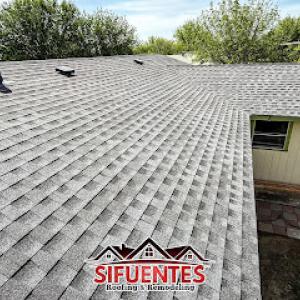
Sifuentes Roofing & Remodeling
(830) 352-6638 www.facebook.com
Eagle Pass, Texas
5.0 from 12 reviews
Sifuentes Roofing & Remodeling is your trusted local expert for roof replacements, roof repairs, and home remodeling in Eagle Pass, TX. We specialize in high-quality roofing, bathroom upgrades, and exterior remodeling. Whether you're replacing shingles or upgrading your home's exterior, our licensed team delivers honest work, on time, and on budget. ✅ Free roof estimates ✅ Residential and commercial projects ✅ Quality materials + clean results 📞 Call (830) 352-6638 or (830) 352-3324 for your free estimate today!
Valdes Roofing
3294 Fresno Loop, Eagle Pass, Texas
3.9 from 7 reviews
Local owned and operated Roofing Company, with over 23 years of experience, choose VALDES ROOFNG "A Roofing Tradition"
Asphalt shingles are common in this market, and in the heat of Eagle Pass they endure a lot of sun-driven stress. The intense solar exposure accelerates granule loss and speeds aging, especially on darker shingles that soak up heat. If asphalt is chosen, look for technological improvements such as reflective granules and better UV stabilizers, and plan for more frequent inspections after the peak heat months. Local homes often show aging first at the ridge line, valleys, and where flashings meet penetrations. Regular cleaning of debris and inspection of blistering or curling helps catch problems before leaks show up during late-summer storms. If a shingle roof is being updated, consider a higher wind-rated shingle and a sturdy underlayment to keep the interior dry when storms swing through.
Metal roofing is a strong local fit because heat performance and durability under high solar load matter most in this climate. Metal panels reflect a larger portion of the sun, stay cooler under direct sun, and resist the rapid aging that asphalt often experiences here. When selecting metal, pay attention to coating type and finish color; lighter colors reflect more heat and fade less in the sun. A properly ventilated attic remains critical to maximize metal's efficiency, since trapped heat under the deck reduces comfort and can shorten the roof's life. Installation should emphasize a solid, continuous underlayment and careful handling of panels to prevent denting, which can show up quickly under the strong sun and wind.
Clay and concrete tile align with South Texas architectural patterns seen in this region, offering long-term durability and a distinctive look that ages well in bright sun. Their solar resistance is solid, and many tiles maintain color and surface texture even after years of heat exposure. The trade-off is weight and installation complexity: clay and concrete require a reinforced structure and careful attachment to manage wind uplift and thermal movement. If a home has an older or lighter framing, a structural assessment becomes essential before proceeding. Consider layout choices that reduce weight concentration on long spans and verify that fasteners and sealants are rated for high-heat cycles and occasional storms.
Concrete tile shares the benefits of heat tolerance and a robust weather seal, yet it behaves differently under high sun compared to clay. Its density helps resist hail impact, but it can be heavier and slower to install. Ventilation continues to be a practical focal point in Eagle Pass homes: an effective attic ventilation plan reduces attic temperatures that can accelerate tile degradation and expand fastener stress. When choosing concrete, discuss with the contractor how to manage expansion joints and edge details to keep water from penetrating at the eaves and roof-to-wall transitions.
Wood shingles or shakes bring a traditional look, but their performance hinges on treating and sealing against sun and moisture. In this market, intense sun accelerates drying and aging, so select treated wood or capped synthetic alternatives that resist UV degradation. If choosing wood, ensure a meticulous maintenance schedule and consider darker stains that balance aesthetics with UV resistance. Synthetic or composite shingles offer a compromise: improved UV stability and lower maintenance, while still resembling traditional profiles. For all long spans, confirm that the roof structure and ventilation are designed to support the chosen upper layer, as improper support or ventilation can magnify heat-related wear.
In this market, roof replacement generally requires a permit from the City of Eagle Pass Building Department. The permit process is not something to sidestep, because the city relies on clear records for later inspections and for ensuring proper venting and roof assemblies. Typically, the roofing contractor files the permit and submits a scope of work along with roof specifications. As a homeowner, you should expect to review the scope and confirm that it lists the exact roof type, underlayment, fasteners, and ventilation details that match your existing home and the local climate. If any changes to venting or attic details are proposed, ask for those items to be included in the permit package so the inspector can verify them on site.
Inspections in this area are commonly scheduled during the project and again after work is completed. The on-site checks are designed to verify proper installation techniques and ventilation. The inspector will look for correct attic ventilation, adequate intake and exhaust, and a roof deck that is sound and free of moisture damage. Expect the process to involve confirming roof deck repair if needed, verifying underlayment coverage, and confirming that hip-and-ridge ventilation details align with the roofing material chosen. If the ventilation plan differs from the original home design, have the contractor update the permit so the file reflects the actual system installed.
Coordinate with your contractor early to map out the inspection timeline, including when the city will want access for the preliminary and final checks. Ensure that any changes to roof vents or exhaust fans are documented in the permit and addressed in the installation notes. After final inspection, you'll receive a certificate or final approval notice; keep this document with your home records, as it may affect warranties and future roof work. If a hiccup occurs-such as an inspection delay or a failed first inspection-the contractor should promptly contact the Building Department and reschedule, rather than letting the project stall.
Typical pricing by square for Eagle Pass projects is provided for asphalt shingles, metal, clay tile, concrete tile, wood shingles or shakes, and synthetic or composite shingles. In this market, you'll see costs shift after spring storm and hail periods when claim-driven demand climbs and crews tighten up schedules. That dynamic tends to push labor and availability up, even if material prices stay similar.
Asphalt remains the baseline option for many homes with moderate roof spans. In Eagle Pass, the typical range you'll encounter is the low end around 350 USD per square to about 650 USD per square for a standard shingle replacement, installed with proper ventilation and flashing. Heat exposure drives faster aging, which means older roofs may require more frequent refresh cycles, and that can nudge project windows to fill during calmer weather. While installation is straightforward, heat and sun can shorten the productive workday, so scheduling openings near milder mornings helps keep the crew efficient.
Metal roofs are a popular choice for longevity and reflective heat management, but they come with higher labor and handling costs. Expect roughly 700 to 1,100 USD per square for a full replacement, depending on panel profile and underlayment. In concrete or tile-adjacent structures, the weight and edge detailing add complexity. Heat during installation means fasteners and flashing must be precisely seated to prevent thermal movement issues. If a storm window coincides with an installation, crews may book out quickly, affecting both price and timing.
Clay tile projects carry higher material and labor demands due to weight and careful handling. The typical range runs around 1,000 to 2,000 USD per square. Tile roofs require meticulous layout and status checks because heat can affect tile brittleness and mortar joints. Expect longer project timelines in peak season, with elevated crew mobilization costs if crews travel from nearby markets. The end result benefits from enhanced shading and thermal mass, but the upfront planning must accommodate the heavier installation sequence.
Concrete tile sits between clay and metal in terms of weight and complexity. Expect roughly 900 to 1,600 USD per square. The heavier weight increases structural considerations and hoisting needs on multi-story homes. Heat exposure again influences installation pacing, as crews must manage expansion and contraction with proper fastener patterns. Scheduling during dry, cooler stretches helps avoid moisture-related issues with underlayment and flashing.
Wood options bring a distinct aesthetic but require careful moisture management and ventilation details. Typical pricing hovers in the 600 to 1,400 USD per square range. Heat can accelerate aging of the wood, demanding proactive maintenance to prevent cupping or warping. Storm-season demand can tighten crew availability, so quality bidders with timely scheduling become especially important for these materials.
Synthetic or composite shingles offer varied looks with improved hail resistance and consistent performance. Expect around 550 to 1,200 USD per square. As with other high-performance options, labor costs rise with complex rooflines and heat-exposed installation conditions, though the material handling tends to be easier than concrete or clay. Scheduling during shoulder seasons helps keep costs steadier when storm activity spikes.
In this borderland area, hail and wind events drive a steady rhythm of roof claim activity that stays busy year-round. Insurance providers are familiar with the pattern, but they also tighten their review when roofs show a mix of storm damage and sun-driven aging. Understanding that mix is crucial, because a claim can hinge on whether a deterioration is considered age-related versus storm-related. Concrete actions now-documenting wear, keeping repair histories, and tracking prior weather events-can influence how your claim is interpreted down the line.
Eagle Pass roofs endure long stretches of scorching sun that accelerate aging, alongside quick, intense storm swings. When a roof needs attention after a storm, adjusters will look for evidence that damage fits the storm event rather than normal wear. Clear, dated photographs from different angles, maintenance records, and a narrative of how the roof has performed through multiple seasons can help distinguish what is covered. If a documentation trail is missing or fuzzy, the line between replacement and repair can blur, leaving you with a tougher claim experience.
With adjusters commonly requesting a clear replacement plan, having ready-to-hand items becomes a practical shield against delays. Store dated photos, contractor invoices, and inspection findings in a dedicated folder or cloud album so they're easy to share. A well-organized set of records helps the adjuster see the roof's condition over time and assess whether the present needs align with a storm event or through-age deterioration. It also reduces back-and-forth, which can stretch time and add stress during an already challenging repair cycle.
Seasonality matters in this market. As storms roll in, a proactive homeowner who has kept up with annual inspections and minor repairs will fare better when weather-related scrutiny intensifies. While the climate introduces real risk, a documented history provides a steadier path through the insurance process, helping to protect the roof's long-term integrity and your peace of mind.
The most locally relevant failure pattern is premature aging from prolonged sun exposure before obvious leaks appear. In the intense sun, asphalt shingles can become brittle and lose granules, while metal faces holing and warping more quickly when daytime highs stay brutal. You may notice a faded, chalky surface long before any sign of water intrusion shows up. Regular inspections should focus on the roof surface and flashing-areas that degrade silently under relentless heat.
Spring hail in this area can bruise shingles or crack brittle materials that were already weakened by heat. Bruises might not immediately open a leak, but they create hidden weak points that can fail with the next heavy rain or wind-driven storm. A dented metal panel or a cracked tile becomes a stress point, accelerating the aging cycle. After a hail event, pay attention to the corners, seams, and near-downspout lines where damage tends to accumulate.
Ventilation becomes a local inspection concern because trapped attic heat compounds the city's already intense roof-surface temperatures. When attic air can't escape, shingles and underlayment age faster, and sheathing can warp from inside out. Look for signs like higher-than-expected attic temperatures, sweating in tight eaves, and visible condensation on rafters after cooling periods. If vents or soffits look blocked or insufficient, addressing airflow now can slow the cascade of heat-related aging.