Roofing in Texas
Last updated: Feb 28, 2026
Texas summers are relentless on roofs—sun-baked shingles, lightning-fast afternoon storms, and humidity that can seep into attic spaces. In neighborhoods across the state, a roof isn't just a shelter; it's a first line of defense against heat, hail, and wind. Here in Texas, you learn to plan for long wear under radiant heat, with an eye toward efficiency, wind resistance, and smart ventilation. I'm your neighbor and a local roofer, here to share practical, no-nonsense advice that comes from real jobs, real clients, and real Texas conditions.
On this Texas-focused page, you'll find guidance tailored to our climate and codes, backed by local suppliers and permit rules. We'll walk you through what matters most for a Texas roof, without sales pitches or guesswork. Expect clear, actionable steps you can take today—from choosing materials that hold up to hail to spotting warning signs before a small issue becomes a costly repair.
What you'll find here (a quick preview):
- Local climate impacts on roof design and maintenance
- Roofing materials that perform well in Texas (and why)
- Popular roof styles and architectural trends across the state
- Typical costs you'll see in the Texas market
- Permits, HOA considerations, and local regulations to check
- Common Texas-specific roofing problems and practical fixes
- Maintenance and repair tips to extend roof life in our heat and storms
- When to repair versus replace, and when to hire a professional
All guidance is tuned for Texas' conditions and backed by local resources—think codes, permitting offices, strong supplier networks, and the experience of nearby pros who've handled our weather extremes.
Now, let's start with how the Texas climate shapes your roof and what that means for material choices, protection strategies, and a solid long-term plan.
Local Climate & Its Impact on Roofs
Texas Weather at a Glance
Texas experiences some of the hottest summers in the country, with intense sun, high heat, and wide temperature swings. Frequent dust, severe thunderstorms, hail, and occasional tropical systems along the Gulf Coast add to the mix. This combination accelerates aging of roofing materials, drives membrane wear, and increases the likelihood of wind-driven damage during storms. Local risk varies by region: the Gulf Coast is wetter and more humid with hurricane and flood exposure, while North/Central Texas sees more hail and wind events.
Sun, Heat, and UV: How It Affects Shingles and Decks
- Asphalt shingles and roofing membranes can age faster in prolonged heat and strong UV exposure, leading to premature granule loss, color fading, and reduced solar reflectivity.
- Dark colors absorb more heat, which can raise attic temperatures and stress underlayment and flashing.
- Prolonged heat and thermal expansion/contraction can loosen seals and cause minor leaks over time if ventilation isn't adequate.
- Adequate attic ventilation and a cool roof option (light-colored shingles or reflective coatings) help mitigate heat buildup.
Hail, Wind, and Storms: Physical Threats
- Central and North Texas see frequent hail events; even small hail can crack or dent roofing materials and damage gutters and flashings.
- High wind can cause wind uplift, lifting shingles or tiles and creating vulnerable edge seams.
- Severe storms can produce rapid-onset leaks if hail penetrates the roof surface or if flashing is damaged.
- Warning: after a major hail event, inspect your roof and attic for signs of damage, especially around penetrations, valleys, and flashing. Have a licensed contractor assess any suspected issues promptly. Official resources: NOAA/NWS safety guidance on severe weather (and FEMA/Disaster resources (
Humidity, Rain, and Mold: Moisture Management
- Gulf Coast and East Texas humidity promote algae, mold, and moss on shaded, north-facing, or poorly ventilated roofs.
- Persistent moisture can lead to deck rot, edge deterioration, and faster underlayment wear if leaks are present.
- Proper underlayment, ventilation, and gutter maintenance reduce moisture-related problems. In humid climates, consider metal or slate/tile options with good drainage and anti-moss coatings.
Seasonal Shifts and Temperature Swings
- Quick temperature changes between hot days and cool nights cause expansion and contraction in roofing components, which can loosen fasteners and seals over time.
- In North Texas, occasional winter freezes can cause ice dams or shingle splitting in rare cases; in most of the state, winter damage is less frequent but not impossible, so be prepared for cold snaps.
- Regular roof inspections in spring and fall help catch weather-induced wear early.
Gulf Coast vs. Interior Texas: Regional Variations
- Gulf Coast: higher humidity, more frequent rain, and exposure to tropical systems; prioritize ventilation, moisture control, and corrosion-resistant fasteners; consider impact-resistant options for hail-prone areas.
- Interior and West Texas: hotter, drier conditions with intense sun; focus on heat resistance, reflective surfaces, durable underlayment, and solar heat management.
- Local risk warning: wildfires can occur during droughts in some regions; maintain defensible space around homes if applicable and ensure roofing materials are ember-resistant where needed. Official resources: Texas Department of Insurance (consumer guidance on hail and wind damage) at and Texas Department of Licensing and Regulation for contractor licensing at
Material Choices for Texas
- Class 4 impact-resistant shingles offer better hail protection; they may carry longer warranties in hail-prone areas.
- Metal roofs perform well against hail and high winds but require proper sealing and ventilation.
- Clay or concrete tiles handle heat well but can crack under hail; ensure underlayment and fasteners are rated for local wind speeds.
- Flat or low-slope roofs (common in some Texas homes) benefit from high-quality membranes, proper drainage, and robust flashing details.
Maintenance and Inspections for Texas Homes
1. Inspect after major storms for missing shingles, dents, or flashing damage.
2. Check attic for signs of moisture, mold, or unusual warmth.
3. Clean gutters and downspouts to prevent standing water near the roof line.
4. Verify proper ventilation and insulation to reduce heat buildup and condensation.
5. Schedule professional roof inspections every 3–5 years, or sooner after large hail or hurricane season.
Warnings:
- Watch for signs of hidden damage after severe weather, such as curled edges, lifted shingles, or water stains on ceilings.
- Ensure you hire licensed, insured contractors; verify standing licenses via the Texas Department of Licensing and Regulation (TDLR) at and consult the Texas Department of Insurance for consumer guidance at and local building codes.
Recommended Roofing Materials for Texas
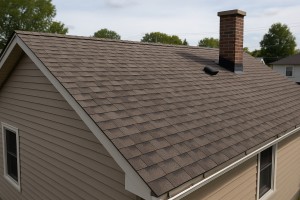
- Pros: budget-friendly, quick to install, widely available. Architectural (laminate) shingles offer better wind resistance and a more durable surface.
- Cons: life expectancy often shorter in the Texas sun (15–30 years depending on quality and climate), and hail can cause cosmetic damage unless you choose impact-resistant options.
- Best for: homes needing a cost-conscious upgrade with a solid warranty. For Texas, choose impact-rated (Class 4) shingles if possible, and consider lighter colors to reflect heat.
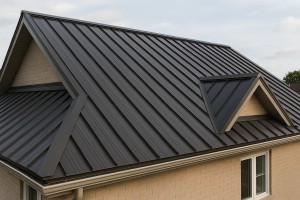
- Pros: exceptional durability against wind and hail, long lifespan (40–70+ years), lightweight, excellent for energy efficiency with reflective coatings.
- Cons: higher upfront cost; some options can be noisy in rain; denting possible with severe hail depending on the profile and thickness.
- Best for: ranches, modern homes, and areas with intense sun or frequent hail. Go for thicker gauges (26–29) and corrosion-resistant coatings (galvalume or zinc-aluminum).
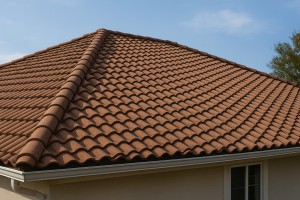
- Pros: superb heat resistance, excellent longevity, distinctive look, good for hot, sunny Texas climates.
- Cons: very heavy, may require structural reinforcement; can crack with hail; higher installed cost and professional workmanship required.
- Best for: homes in hot, dry to humid regions where the roof can handle weight and wind requirements. Ensure proper underlayment and reinforced framing.
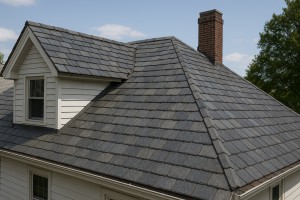
- Pros: exceptionally long life, very durable, timeless aesthetic.
- Cons: extreme cost, very heavy, specialized installation, limited suitability in hail-prone areas unless engineered alternatives are used.
- Best for: high-end renovations with strong structural support and budget for ongoing maintenance. Consider synthetic slate if weight or hail concerns apply.
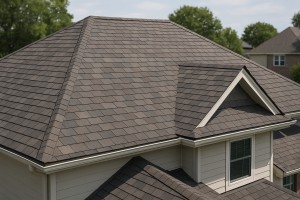
- Pros: mimic natural materials without their drawbacks (weight and maintenance), improved hail resistance, varied styles, often mid-range cost.
- Cons: warranty quality varies; some lower-end products may fade faster.
- Best for: homeowners wanting a durable, visually appealing option with better hail resistance and moderate price.
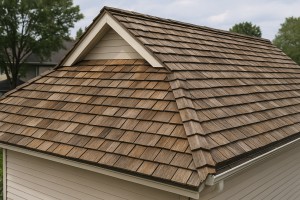
- Pros: natural beauty and good insulation when properly installed.
- Cons: higher maintenance, fire risk in some zones, susceptible to rot, pests, and weathering; not ideal for all Texas climates.
- Best for: architectural styles that demand a traditional look, where you're prepared for regular upkeep and protective treatments. In Texas, many builders prefer non-wood options for durability.
Flat Roofs: TPO, EPDM, PVC
- Pros: excellent for low-slope or flat sections, strong weather resistance, energy-efficient options (especially white or light-colored TPO), relatively easy to repair.
- Cons: membrane can be punctured or damaged by foot traffic and hail; seams require skillful installation.
- Best for: garages, porches, or modern homes with flat or low-slope areas. Prioritize a seasoned installer to ensure wind uplift is addressed.
Energy-Efficient Reflective Coatings
- Pros: lowers cooling costs by reflecting solar gains, extends roof life, compatible with many substrates (metal, asphalt, some membranes).
- Cons: effectiveness depends on coating quality and climate; some coatings require reapplication over time.
- Best for: anyone looking to reduce cooling loads, especially in Texas heat. Pair coatings with a high-reflectance roof material for best results.
Texas-First Considerations
- Wind and hail: a higher wind uplift rating and Class 4 hail impact resistance can save headaches after a storm.
- Heat management: lighter colors and reflective coatings reduce cooling bills; consider attic insulation and ventilation to maximize performance.
- Local codes and HOA rules: verify roof ratings, weight limits (tile vs. shingle), and color restrictions.
- Installation matters: choose a contractor with proven Texas experience, proper ventilation planning, and a robust warranty.
Popular Roof Styles & Architectural Trends in Texas
- Pros: excellent hail resistance, strong wind performance, fire-rated, long life (40–70+ years), lightweight, and great for reflective coatings to cut cooling costs.
- Cons: higher upfront price; hail can dent softer metals; can be noisier in heavy rain without proper insulation; color choices matter for heat reflectance.
- Best fits: modern, ranch, and Hill Country homes; coastal and storm-prone areas where durability matters.
- Practical tip: choose Class 4 impact resistance and a cool or reflective coating to maximize energy savings and lifespan.
Asphalt Shingles: The All-Around Workhorse for Texas Homes
- Pros: budget-friendly, broad color and texture options (including architectural/shingle variants), easy installation and repair.
- Cons: shorter lifespan than tile or metal; performance hinges on wind uplift rating and quality; heat can accelerate granule wear.
- Best fits: most traditional Texan styles, subdivisions, and starter homes.
- Practical tip: look for architectural or 30–50 year shingles with good wind uplift ratings and, if possible, impact resistance (Class 4) for hail-prone zones.
Tile Roofing: Classic Texan Style with Clay & Concrete
- Pros: iconic look that suits Mediterranean, Spanish revival, and Hill Country styles; exceptional heat resistance and thermal mass; long lifespan.
- Cons: heavy and requires structural checks; higher installation cost; some tiles can crack if walked on; maintenance can be higher in humid climates.
- Best fits: upscale homes and styles that call for a warm, durable, long-lasting roof.
- Practical tip: ensure your structure can support the weight and verify proper underlayment and flashing for windy Texas conditions.
Flat & Low-Slope Roofs: Modern Texan Living
- Pros: clean lines, potential for roof decks or skylights, space-efficient; compatible with membrane systems like TPO/EPDM/PVC that reflect heat.
- Cons: drainage and ponding concerns; membranes may require more frequent inspection; flashing and sealing quality are critical.
- Common systems: TPO, EPDM, PVC with reflective coatings.
- Practical tip: prioritize white or light-colored membranes and ensure a robust drainage plan to avoid standing water.
Slate & Premium Options
- Pros: timeless elegance, exceptional durability, fire resistance and high resale appeal; color and texture depth.
- Cons: very high cost; heavy—requires structural reinforcement and careful installation; limited local installers.
- Practical tip: only consider slate if your budget and structure can support it, and work with a contractor experienced in slate in Texas.
Architectural Trends Right Now in Texas
- Modern Farmhouse: board-and-batten accents, mixed materials, and metal roof accents on gabled or hipped forms.
- Spanish/Mediterranean Revival: clay or concrete tile, stucco walls, warm color palettes, arched openings.
- Hill Country Influence: wide eaves, stone accents, low-to-mid pitch roofs, and a blend of metal or shingle options.
- Prairie & Craftsman: low-pitched gables, exposed rafter tails, and a focus on horizontal lines and natural materials.
- Color & Materials: light roof colors to reduce heat gain, with metallic accents or white/gray shingles to keep interiors cooler.
Energy Efficiency & Weather-Resistant Trends
- Cool roofs: reflective shingles or membranes in light colors reduce cooling loads.
- Solar-ready setups: roofs are frequently leveled for solar, with racking considerations built in.
- Ventilation & radiant barriers: higher attic ventilation and reflective barriers to temper attic temps.
Practical Tips for Texans
- Match the roof to climate risk (hail, heat, wind) and HOA rules when present.
- Confirm structural support for heavier options (tile or slate) and ensure proper underlayment.
- Prioritize ventilation and insulation to maximize comfort and energy savings.
- Work with a local roofer who understands Texas weather patterns and code requirements.
Average Roofing Costs in Texas
Baseline price ranges by material
- Asphalt shingles: $3.50–$6.50 per sq ft installed (roughly $350–$650 per square)
- Metal roofing (steel, aluminum, alloys): $7–$12 per sq ft ($700–$1,200 per square)
- Concrete tile: $9–$15 per sq ft ($900–$1,500 per square)
- Clay tile: $12–$22 per sq ft ($1,200–$2,200 per square)
- Slate: $15–$30 per sq ft ($1,500–$3,000 per square)
Note: Texas projects often require additional edge protection, wind-rated products, and attic ventilation, which can push the total toward the higher end of these ranges.
Additional cost considerations that commonly apply in Texas
- Tear-off and disposal: full tear-off and disposal typically adds about $1.50–$3.50 per sq ft. If you can overlay an existing roof, costs can be lower but may compromise warranty or ventilation needs.
- Underlayment, flashing, and ventilation: add-ons like upgraded underlayments, additional flashing, ridge vents, and soffit/vents run about $1–$2 per sq ft.
- Gutters and downspouts: installation or replacement can run $5–$10 per linear foot, depending on material and size.
- Permits and inspections: Texas cities often require permits, which can range from $100 to over $1,000 depending on city and project scope.
- Warranties and installation quality: longer labor warranties or premium shingle warranties can add 5–15% to the base material cost.
Regional variations across Texas
- Gulf Coast and East Texas: higher exposure to hail and hurricane winds; metal and impact-resistant shingles are common choices, sometimes with premium wind ratings. Expect costs toward the upper end of material ranges when opting for higher wind-rated products.
- North Texas (Dallas–Fort Worth area): strong market demand and complex homes can push prices up, particularly for steep pitches or intricate layouts.
- West Texas: extreme heat increases attic ventilation requirements and sometimes the need for reflective or cool-roof options; materials chosen may be priced higher if premium heat resistance is selected.
- Urban centers vs. rural areas: major metro areas (Houston, Dallas, Austin, San Antonio) tend to have higher labor costs and quicker scheduling, while rural projects may be cheaper but with longer wait times.
- Climate-driven choices: on coastal or hurricane-prone sections, many homeowners opt for metal or heavier-duty shingles with higher wind resistance, which increases upfront costs but can yield long-term savings on repairs.
Key factors that influence Texas roof pricing
- Roof pitch and complexity: steeper or more complex layouts (adds skylights, chimneys, dormers) raise labor time and material waste.
- Roof size and shape: larger, irregular, or multi-section roofs increase waste and crew hours.
- Roof condition: prior damage, rotten decking, or need for deck repair adds to labor and materials.
- Access and removal: gated neighborhoods, limited access, or need for crane lift adds to labor and equipment costs.
- Local codes and wind/hail requirements: stricter codes drive up material options and installation methods.
Quick cost-estimation steps
1. Determine your roof area in squares (100 sq ft per square). Measure length x width for each section and sum.
2. Pick your preferred material, factoring in Texas weather and warranty needs.
3. Decide between full tear-off or overlay, noting disposal costs and potential warranty implications.
4. Add underlayment, ventilation, flashing, and any code-specific requirements.
5. Get at least 3 local quotes to compare material options, permit fees, and crew timelines.
Local considerations to discuss with your contractor
- Wind mitigation and impact resistance: Gulf Coast wind codes may require higher wind-rated shingles or metal.
- Ventilation strategy: Texas heat makes proper attic ventilation important for long-term roof health and energy efficiency.
- Roofing product availability: some materials have longer lead times or limited availability in Texas markets.
- Insurance considerations: verify that the chosen system aligns with your insurer's requirements for wind/hail resistance and applicable discounts.
Permits & Local Regulations
Do I need a permit for a roof replacement in Texas?
- In most Texas cities and counties, a permit is required for re-roofing. Some rural areas or minor repairs may be exempt, but don't assume—check with your local building department.
- Even when a permit isn't strictly required, getting one often saves headaches later by ensuring the work meets current codes and wind-resistance standards.
- Your homeowner's association (HOA) may have its own permit or approval process. Check HOA rules before starting.
Who pulls the permit?
- If you hire a contractor, they should pull the permit and handle inspections. This is common practice and helps protect both you and the contractor.
- Some jurisdictions allow owner-occupants to pull permits if they're doing the work themselves. If you choose this route, you'll be responsible for compliance and inspections.
- Regardless of who pulls the permit, ensure the contractor is licensed or registered as required by your city/county.
How to start the permitting process
1) Locate your local building department (city hall or county office) and ask for the roof replacement permit requirements.
2) Gather documents:
- Property address and legal description, parcel number, or survey
- Description of work (roof type, materials, underlayment, flashing, ventilation)
- Contractor name, license/registration number, and proof of liability insurance
- HOA approval (if applicable)
3) Have the contractor or you complete the permit application and attach plans or details as requested (roof layout, nailing schedule, anchored connections if required).
4) Submit the application and pay fees. Waiting times vary by jurisdiction.
5) Schedule required inspections as soon as the permit is issued and work begins.
What inspectors will review
- Structural readiness: decking condition, any needed repairs, and adequacy of fastening/underlayment.
- Ventilation and flashing: proper attic ventilation, drip edge, step flashing, and valley flashing where applicable.
- Nailing pattern and fasteners: especially important in Texas wind zones; some areas require hurricane straps or uplift-rated fasteners.
- Drainage and edge protection: proper eave and gutter integration, with attention to water shedding and leak prevention.
- Final inspection: confirms all work is complete and code-compliant, and that the roof is properly installed.
Local codes and wind provisions to know
- Texas commonly adopts the International Residential Code (IRC) with local amendments. Wind-resistance requirements vary by jurisdiction, and coastal counties often have stricter rules.
- In coastal or high-wind areas, you may encounter requirements for:
- Flood and wind-rated underlayment
- Hurricane straps or uplift-resistant connectors
- Specific fastener types and spacing
- Some jurisdictions require energy-related or attic ventilation provisions as part of the permit review.
HOA and neighborhood rules
- Check for required approvals or architectural guidelines from your HOA.
- Some HOAs restrict shingle color, material type, or roof pitch changes; obtain written permission before ordering materials.
Doing the work yourself vs. hiring a pro
- If you pull the permit as an owner-occupant, you'll be responsible for meeting all code requirements and arranging inspections.
- If you hire a pro, request a copy of their license/registration and proof of insurance, and confirm they will handle permit applications and inspections.
- Never skip inspections or hide subpar work to avoid permit checks. Non-permitted work can lead to fines, required removal, or insurance issues.
Common pitfalls to avoid
- Assuming “no permit” equals no trouble: unpermitted work often leads to fines, forced removal, or insurance claims being denied.
- Inadequate wind considerations: coastal Texas areas demand attention to wind uplift and proper fastening; ensure your plan accounts for local wind loads.
- Poor HOA coordination: missing HOA approvals can stall or halt the project after you've begun.
Quick checklist
- [ ] Verify permit requirements with local building department
- [ ] Confirm contractor licensing/registration and insurance
- [ ] Prepare and submit permit package (plans, specs, site info)
- [ ] Schedule inspections (rough, framing/underlayment, final)
- [ ] Check HOA rules and obtain approvals if needed
- [ ] Plan for wind-resistant details if in a high-wind zone
Common Roofing Problems in Texas & Solutions
Extreme Heat & UV Damage
- Symptoms: accelerated shingle aging, curling edges, granule loss in gutters, faded color.
- Causes: relentless sun exposure, high temperatures, and UV rays.
- Solutions:
- 1) Improve attic ventilation (balanced intake and exhaust) to reduce cooling load on the roof.
- 2) Consider reflective or lighter-colored shingles or a cool roof coating to cut heat absorption.
- 3) Schedule a post-summer inspection to catch early wear before leaks form.
- 4) If replacing, choose UV-resistant materials and a warranty that covers heat-related wear.
Hail Damage
- Symptoms: cracked or dented shingles, granule loss, damaged flashing, dented gutters.
- Causes: hailstorms common in Texas prone to impact damage.
- Solutions:
- 1) Document damage with photos and notes from after the storm.
- 2) Contact your insurer promptly and file a claim if warranted.
- 3) Have a licensed roofer perform a thorough inspection and propose repairs or replacement.
- 4) For replacements, consider impact-resistant shingles or metal options to reduce future risk.
High Winds & Storm Debris
- Symptoms: lifted or missing shingles, loose flashing, damaged vents.
- Causes: strong gusts, tornadoes or severe thunderstorms.
- Solutions:
- 1) After storms, inspect and resecure any loose fasteners per manufacturer guidelines.
- 2) Trim overhanging branches to prevent future impact and hiding spots for debris.
- 3) Verify proper nailing patterns and flashing installation; upgrade to wind-rated materials if replacing.
- 4) Keep debris off the roof with prompt cleanups after storms.
Leaks at Vents, Flashing, and Penetrations
- Symptoms: dripping near chimneys, skylights, vent pipes, or flashing seams.
- Causes: degraded or failed flashing, cracked sealants, or boot failures.
- Solutions:
- 1) Inspect and replace cracked or corroded flashing; reseal joints with compatible sealant.
- 2) Replace aging roof boots and ensure vent stacks have proper curb or flashing.
- 3) Consider applying a secondary water barrier under the flashing if the roof is aged.
- 4) If leaks persist, have a roofer re-flash and replace compromised penetrations.
Roof Ventilation & Attic Moisture
- Symptoms: condensation on ceilings, mold or mildew in the attic, rapid attic heat buildup.
- Causes: imbalanced or insufficient ventilation and insulation.
- Solutions:
- 1) Check attic insulation levels and add insulation where needed.
- 2) Achieve balance: equalize intake vents (soffits) with exhaust vents (ridge or roof vents).
- 3) Install or upgrade soffit, ridge, or whole-house ventilation as recommended by a pro.
- 4) Consider a dehumidifier in damp climates if moisture persists.
Algae, Moss, and Roof Discoloration
- Symptoms: black streaks or greenish patches, slippery surfaces.
- Causes: warm, humid Texas climates and shade promote growth.
- Solutions:
- 1) Remove algae or moss with roof-safe cleaners (avoid high-pressure washing that can damage shingles).
- 2) Install zinc or copper strips near the ridge to inhibit regrowth.
- 3) Use algae-resistant shingles or coatings at replacement time.
- 4) Trim shade-producing trees to reduce damp, shaded areas.
Gutter, Downspouts, and Drainage
- Symptoms: standing water on roof edges, fascia rot, overflowing gutters.
- Causes: clogged or undersized gutters and poor drainage.
- Solutions:
- 1) Clean gutters and downspouts at least twice a year and after heavy storms.
- 2) Ensure proper slope (minimum 1/16 inch per foot) toward downspouts.
- 3) Install gutter guards to reduce debris buildup.
- 4) Add downspout extensions to direct water away from the foundation.
Roof Material Considerations (Texas-Specific)
- Asphalt shingles: prone to heat wear and wind damage; check granules and edges after hot seasons.
- Clay/Concrete tile: heavy weight; easy to crack from hail; inspect underlayment and supports during replacement.
- Metal roofs: durable but susceptible to denting and expansion joints; inspect fasteners and coatings for corrosion.
- Solutions:
- 1) For any major replacement, plan for appropriate structural support based on material choice.
- 2) Choose materials rated for wind resistance and local climate.
- 3) Maintain a regular inspection schedule to catch early wear before leaks form.
Maintenance & Repair Tips for Texas
Seasonal Maintenance Checklist
- Spring: Inspect shingles for curling or granule loss; clean gutters and downspouts; trim tree branches that overhang the roof; check attic ventilation and insulation; look for signs of moisture on ceilings after storms.
- Summer: Ensure proper attic cooling to reduce heat-related wear; verify roof vents are clear; inspect fasteners on metal roofs and sealants around flashing; watch for heat-induced expansion in joints.
- Fall: Clear gutters again to handle autumn debris and any early storms; check for damaged flashing after high winds; schedule a professional inspection ahead of winter.
- Winter (where applicable): Remove any debris from valleys and flashings; monitor for ice dams in higher elevations and take preventive steps if they appear; keep an eye on roof edges after freezes and thaws.
After Severe Weather
- Do a ground-level visual check for obvious damage: lifted shingles, dented vents, or bent metal panels.
- Photograph damage from safe distances to document for insurance.
- Avoid climbing on a wet or unstable roof; small leaks can often be addressed from the attic or exterior with proper flashing and sealant—otherwise call a pro.
Common Roof Materials and Care in Texas
- Asphalt shingles: Watch for loose granules and curling from intense sun; ensure edge tabs are sealed; consider reflective coatings or lighter colors to reduce heat absorption.
- Metal roofs: Inspect for loose screws or fasteners and corrosion at seams; check sealant around vents and flashings; clean debris that can trap moisture.
- Clay/Concrete tile: Look for cracks from temperature swings and hail; replace broken tiles promptly to protect underlayment; avoid walking on brittle tiles.
- Slate: Inspect for fractures after storms; keep an eye on flashing around chimneys and vents; slate roofs require careful handling—consider a pro for replacements.
- Underlayment: In all Texas climates, ensure the underlayment remains intact beneath any visible surface damage to prevent leaks.
Proactive Repairs You Can Do (Step-by-Step)
1) Clean gutters and downspouts
- Safely remove leaves and debris.
- Flush with water to check flow; repair any sagging sections.
2) Tighten or replace loose metal panel screws
- Locate loose fasteners and snug them with the appropriate driver.
- Seal exposed screw heads with paintable exterior sealant if needed.
3) Patch minor leaks with roofing cement
- Identify the leak source from above or in the attic.
- Clean the area, apply a liberal layer of roofing cement, and press a patch of compatible material over it.
4) Replace damaged shingles
- Lift the shingle with a putty knife, remove old nails, wipe the area clean.
- Install a new shingle with roofing nails, sealing the edges with asphalt cement.
5) Re-seal flashing around pipes and chimneys
- Remove old sealant; clean surrounding area.
- Apply high-quality exterior flashing caulk or mastic and reseal with a compatible flashing strip.
6) Inspect and replace vent boots
- Check for cracks or deteriorated rubber; remove and replace rotted boots; seal edges well.
7) Check attic ventilation and insulation
- Ensure soffit vents, ridge vents, and intake paths aren't blocked.
- Add or improve insulation if you notice heat buildup or condensation on sheathing.
8) Keep trees trimmed
- Trim branches that overhang or rub against the roof to reduce debris and impact damage.
When to Hire a Pro
- Large leaks or visible water intrusion across multiple areas.
- Sagging roof deck, bowing, or structural concerns.
- Extensive hail damage, widespread shingle loss, or damaged flashing.
- Replacing underlayment, tile shingles, or metal panels that require specialized access or permits.
- Uncertain about safety or proper flashing details; in Texas, verify licensing and references before work begins.
When to Repair vs. Replace
Local climate and roof age
Texas roofs face a mix of heat, sun exposure, hail, and windy storms. Age and material matter a lot here:
- Asphalt shingles: typical life 15–25 years; architectural shingles last longer, roughly 20–30 years.
- Metal roofs: can last 40–70 years with proper maintenance.
- Clay/Concrete or tile: 40–50+ years in many Texas climates.
- In hail-prone areas (Dallas–Fort Worth, Central Texas), even newer roofs can incur damage that's costly to repair if the storms are frequent.
Age, condition, and the material's durability should drive the decision. If your roof is near the end of its expected life, replacement often becomes the smarter long-term move.
Signs you should consider repair
- Localized leaks or a handful of missing/shiny shingles after a storm.
- Damaged flashing around vents, chimneys, skylights, or edge metal.
- Small patches of exposed or curled shingles on a single roof section.
- Intact deck and underlayment with only superficial issues.
- No widespread sagging, framing concerns, or extensive moisture in the attic.
Repairing is reasonable when the problem is confined, the deck and underlayment remain sound, and the repair cost is modest relative to a full replacement.
Signs you should consider replacement
- Widespread damage across multiple sections: many curled, cracked, or loose shingles, or extensive granule loss.
- Recurrent leaks despite multiple small repairs, or a sagging roof deck.
- Roof nearing or past its expected life for the chosen material (for example, several years past the typical asphalt life).
- Poor attic insulation or ventilation contributing to ongoing moisture or energy inefficiency.
- Structural issues, major flashing failure, or compromised deck integrity that would require major work.
If you're seeing these signs, replacement often provides better long-term value and energy efficiency.
Cost and value considerations
- If repair costs will total more than 30–50% of a full replacement, replacement is usually the better financial choice.
- Local weather history matters: a model this year may be worth replacing sooner if hail risks persist in your area.
- Consider upgrades: a new roof can improve energy efficiency (insulation, ventilation) and may qualify for warranties or insurance credits post-storm.
- Warranty status matters: if the roof is still under a manufacturer or workmanship warranty, repairs may be covered; otherwise, replacements might come with better long-term guarantees.
Steps to decide (clear, practical path)
1. Inspect and document: take photos of damaged areas, note leaks, and check attic insulation and ventilation.
2. Assess scope: determine if issues are isolated or widespread; check deck, underlayment, and flashing.
3. Get professional assessments: obtain at least three bids from licensed roofers; ask for written evaluations of deck condition and airflow.
4. Compare options: list repair costs, replacement costs, timelines, and warranty coverage side by side.
5. Check protections: review insurance coverage for hail or storm damage and any possible deductibles or settlement impacts.
6. Decide and plan: choose the option that offers the best balance of upfront cost, long-term protection, and future storm resilience.
Texas-specific timing tips
- Plan repairs or replacement during milder, drier months when possible to avoid hot, windy conditions that complicate work.
- After a severe hailstorm or multi-day wind event, expect more assessments and urgent repairs; be prepared for potential insurance involvement.
- If replacement is the pick, coordinate with your insurer to align timelines, approvals, and any required permits.
Quick homeowner considerations
- Don't climb onto a damaged roof or push through weak spots; hire licensed roofers for safety and code compliance.
- If you notice interior staining or active leaks, contain the area with tarps and call a pro promptly.
- Verify licensing, insurance, and local permit requirements; ask for written warranties on both materials and labor.
This decision framework helps Texas homeowners weigh repair versus replacement based on damage extent, roof age, and long-term value, all while keeping safety and local climate realities in view.
When to Hire a Professional
Signs you should call a professional
- Missing, curling, or buckled shingles; curling often signals underlying rot or poor installation.
- Visible granules in gutters or downspouts; a rapid loss of granules means the roof is near the end of its life.
- Leaks, ceiling stains, or damp insulation in the attic.
- Soft spots, sagging, or noticeable roof deck damage after a storm.
- Hail dents on metal vents, flashing, or gutters, even if the shingles look okay from the ground.
- Excessive moss or algae growth that's clearly affecting the roof's integrity.
If you notice any of these, especially after a Texas storm, it's wise to bring in a pro for a thorough inspection.
Storm damage and insurance claims
Texas weather brings hail and high winds that can cause hidden damage. A professional needs to assess not just the visible shingles but the underlayment, decking, and flashing.
1) Document damage promptly with clear photos from multiple angles.
2) Schedule a professional roof inspection to identify concealed issues (often hail can compromise the deck even when shingles look intact).
3) Contact your insurer to start a claim and ask about required documentation or inspections.
4) Obtain written, itemized quotes from at least two reputable Texas contractors before approving repairs.
Tip: If you've recently had a major storm, beware of “storm chasers” who visit door-to-door. Local, established Texas roofers with a permanent business address are generally more reliable.
Permits, HOA considerations, and timelines
- Most Texas cities require a building permit for roof replacement. A contractor who handles permits or guides you through the permit process can save headaches.
- Some HOAs have specific rules about color, materials, or roofline changes. Check your HOA guidelines before choosing materials or signing a contract.
- Weather windows matter in Texas. Extreme heat can stress materials; mild seasons (fall or spring) are often ideal for major roof work—but a leaking roof should be fixed promptly, regardless of season, to prevent interior damage.
Licensing and insurance: How to vet a contractor
- Licensing: Texas does not have a universal state roofing license. Verify local requirements by checking with your city or county building department. Some jurisdictions require contractor registration or a general contractor license.
- Insurance: Always require current general liability insurance and workers' compensation coverage. Ask for certificates of insurance and verify them with the insurer.
- Experience and standing: Look for a minimum of 5–7 years' local experience, a physical business address, and clear references from Texas clients with similar roof types.
- Warranties: Ensure you get both a material warranty from the shingle manufacturer and a workmanship warranty from the contractor (10 years is common; longer is better).
How to evaluate a Texas roofing contractor
- Scope and materials: Get a detailed written proposal outlining roof type, underlayment, flashing, vents, and warranty terms.
- References: Call 3–5 local homeowners and, if possible, visit completed jobs to assess workmanship.
- Communication: Assess responsiveness, transparency, and willingness to explain options in plain language.
- Contract specifics: A binding, written contract should include start/completion dates, payment schedule, permit handling, and a clear cancellation policy.
- Final checks: Confirm permit closure, ensure proper disposal of old materials, and verify any warranty transfer requirements.
Quick Texas-specific tips
- Favor locally established roofers with a track record in Texas weather conditions (hail resistance, wind uplift, and heat tolerance).
- Request a pre-inspection doc that notes both cosmetic and structural damage, not just surface issues.
- If a contractor pressures you to sign on the spot or asks for cash-only payments, pause and get a second opinion. It's safer to work with a reputable local firm that uses written contracts and clear payment terms.
Putting A Lid On It: Roof Maintenance, Repair, and Replacement in Texas
Texas homes face a wild mix of sun, heat, hail, and storms. Regular roof care isn't just about a clean look—it's a practical shield that keeps your home comfortable, energy bills reasonable, and structural integrity intact. In our hot, windy climate, seals dry, fasteners loosen, and shingles can become brittle. Catching issues early saves money and avoids disruptions during storm season.
Seasonal upkeep snapshot:
- Clear gutters and downspouts; remove debris that blocks drainage and adds weight.
- Inspect flashing around chimneys, vents, and skylights; look for loose or rusted pieces.
- Check attic ventilation and insulation; proper air flow reduces heat buildup and interior damage.
- Trim overhanging branches; reduce risky impacts from storms and keep debris from clogging gutters.
- Look for curling, cupping, or missing granules on shingles; dents or corrosion on metal roofs.
Repair vs replacement: when to consider the bigger move
- If there are widespread signs of failure—many shingles curling or missing, frequent leaks, sagging deck, or repeated repairs—you're likely facing replacement.
- Material life varies: asphalt shingles commonly last 15–25 years with good maintenance in Texas; metal roofs 40–70 years; clay/terra cotta 50–100 years.
- If you're near the end of a typical lifespan, or a single leak requires repeated fixes, replacement is often more cost-effective in the long run.
Storm readiness and post-storm steps
- After hail or major storms, have a professional inspect for hidden damage.
- Document issues with photos for insurance claims; avoid climbing on a damaged roof yourself.
- Quick, professional assessments can prevent leaks from becoming bigger problems.
Choosing a trusted pro
- Look for licensed, insured roofers with local references.
- Request written estimates, check warranties, and confirm permit handling.
- Ask about debris cleanup and how interruptions to daily life will be managed.
- A good roofer will explain options in clear terms and support mitigation strategies that fit your home and budget.
Closing spirit: you're part of a resilient Texas homeowning community, and you have the power to protect your roof with informed, steady care. With regular checks, prudent upgrades, and dependable local help, your roof can stay beautiful and durable for many seasons to come.
