Ultimate Guide to Sealant Failure
Last updated: Feb 28, 2026
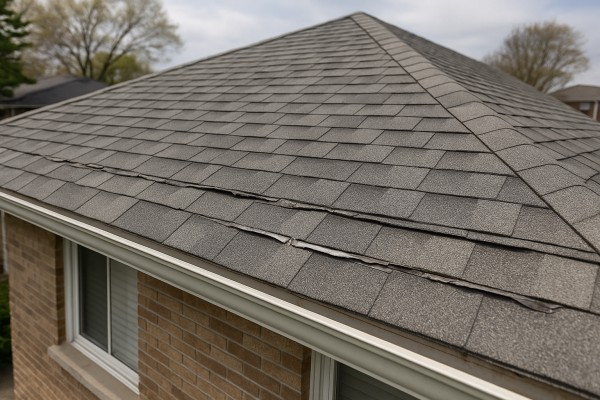
Introduction to Sealant Failure
Sealant acts as a flexible gasket at roof penetrations and along roof edges. When it starts to fail, water can work its way under shingles and into the roof deck, leading to stains, mold, or rot if left unaddressed. For many homeowners, sealant issues are one of those “silent” trouble spots—annoying, common, and fixable with a practical plan.
What sealant does and why it fails
- Keeps water out at joints around penetrations (chimneys, vents, skylights) and along roof edges.
- Provides a flexible seal that moves with temperature changes and building settling.
- Over time, sealant can degrade due to UV exposure, temperature cycling, moisture ingress, aging, improper substrate prep, or poor initial application.
- Common failure modes: cracking, shrinking, pulling away from the substrate, softening, or becoming brittle.
Is this an urgent issue or a common maintenance item?
- In many cases, sealant failure is not an active emergency unless you have a current leak or water intrusion. However, it is a frequent maintenance concern on aging roofs.
- If you notice active dripping, standing water, or interior staining, treat it as a higher priority and address it promptly to minimize further damage.
Signs you may have sealant failure
- Visible cracking, gaps, or gaps widening at joints.
- Bubbling or blistering sealant around flashings, vents, or edge details.
- Discoloration or dark streaks near sealant lines indicating moisture ingress.
- Soft, tacky, or very brittle sealant that doesn't return to shape.
- Water staining on ceilings or interior walls near the roof plane after rain.
Common places where sealant fails
- Chimney and vent flashings where roof meets vent stacks.
- Around skylights and roof penetrations.
- Along rakes, eaves, and other roof edges where wind-driven rain can exploit gaps.
- At seams between flashing pieces and substrate.
- Corners and transitions where movement is most pronounced.
High-level causes and contributing factors
- Aging sealant past its service life or exposure to harsh weather.
- Inadequate surface prep or incorrect sealant type for the substrate.
- Excessive roof movement due to framing shifts or poor flashing installation.
- Poor flashing detail or misfitted components that put extra stress on the sealant.
- Improper maintenance, such as leaving debris or moisture on the surface before sealing.
How to approach repairs at a high level
1) Safety and assessment: determine if it's safe to inspect up close. If you're unsure about ladder use or roof condition, start from ground level and use binoculars or a camera.
2) Document the issue: take clear photos of the affected joints, flashings, and timelines of any leaks or staining.
3) Decide on repair scope: minor sealing or re-sealing a joint may be DIY-friendly; extensive damage or flashing replacement is typically a job for a professional.
4) Plan materials and timing: select a compatible sealant (appropriate for exterior use and the substrate), and schedule a repair window with dry, moderate weather.
Quick DIY considerations (for minor, surface-level issues)
- Clean the area thoroughly and remove all loose sealant with a putty knife.
- Choose a sealant compatible with the existing material (rubberized acrylic or polyurethane for exterior use; follow manufacturer guidelines).
- Apply in clean, dry conditions so the new sealant adheres well. Tool for a smooth, uniform bead.
- Recheck after a rain to confirm the repair is sealing properly.
When to call a professional
- If there are large gaps, multiple failures, or signs of underlying flashing damage.
- If you're uncertain about safe access or proper flashing replacement.
- If interior leaks persist after an attempted sealant repair.
Is Sealant Failure an Emergency? Signs, Urgency, and Next Steps.
Urgency cues
- Call a roofer immediately if
- There is active leakage inside the home or attic.
- Ceiling or wall stains under the sealant area are spreading quickly or you can see a drip continuing during dry spells.
- The sealant edge is visibly peeling, bulging, bubbling, or the surface around it feels soft to the touch.
- You notice roof tiles or flashing near the sealant moving, sagging, or showing signs of structural movement.
- Strong winds or heavy rain are imminent and the sealant sits at a vulnerable location (valleys, chimneys, skylights, dormers).
- Monitor if
- The area is dry now and there is no active drip, but the sealant is cracked or separated.
- The forecast is clear for the next 24–48 hours and you can observe without rain infiltration.
- You have a temporary tarp or seal in place and want to avoid a rushed repair until weather cooperates.
- You're able to schedule a professional assessment soon, but not within hours.
- Can wait if
- Minor cracking exists but there are no water intrusions and the roof area feels solid.
- Weather is consistently dry for several days and you can plan a repair during the next available window.
- The sealant is deteriorating in a non-critical area (far from vents, skylights, or main roof planes) and you're comfortable delaying a full repair.
Why the distinction matters
- Immediate action reduces the risk of interior water damage, mold growth, and further roof damage.
- If you're unsure about the severity, err on the side of caution and call a pro—they can triage safely and determine whether you're facing a temporary fix or a full seal replacement.
Quick safety checks before a roofer arrives
- Do not climb onto the roof or inspect damaged areas without proper fall protection.
- Move indoor valuables away from damp walls or ceilings and place a bucket or container under active drips.
- If you can safely access the attic, check for condensation, musty smells, or puddled water near the sealed area.
- Photograph the affected area from ground level and, if possible, from a reachable vantage point to share with the roofer.
1. Protect interior spaces:
- Place buckets under leaks and use towels to contain minor drips.
- Cover exposed interior surfaces with plastic sheeting if feasible to limit moisture exposure.
2. Stabilize exterior weather exposure:
- Use a temporary tarp or heavy-duty, weatherproof tape to cover the affected seal area from the outside if you can do so safely and without stepping on weakened roofing sections.
3. Prepare documentation for your roofer:
- Note the exact location (ridge, joint, flashing, skylight, vent), approximate size of the issue, and current weather conditions.
- Take clear photos from ground level and, if safe, from the attic to show moisture or staining patterns.
4. Schedule and coordinate access:
- Clear a path for the roofer, turn off nearby power to any outdoor features if needed, and secure pets and kids away from work zones.
- Make a note of gate codes or pet entrances if the roofer needs access.
Next steps for planning with a pro
- Share photos and notes about leakage patterns, sounds, and timing when it rains or freezes.
- Ask about temporary seals or protections the roofer can apply to reduce ongoing moisture ingress.
- Schedule a same-day or next-day inspection if you're in the “Call immediately” category; otherwise, book at the earliest available slot when weather allows.
Common Causes of Sealant Failure
Aging and UV Exposure
Over time, exterior sealants deteriorate under sun, heat, and weather cycles. UV rays break down the long-chain polymers, causing chalking, loss of elasticity, and cracking. Temperature swings can accelerate this process, making cracks propagate.
- Signs to watch: whitening, stiffness, hairline cracks, edges lifting from substrate.
- What to do: plan for replacement on a regular maintenance schedule; choose a high-quality exterior sealant rated for sun exposure; store and apply once temperatures are in the manufacturer's recommended range.
Poor Surface Preparation and Contamination
Sealant can't grip a dirty or damaged substrate. Oils, waxes, old sealant residue, moss, or dust create an imperfect bond, leading to premature failure.
- Signs to watch: edges that peel away while the center remains stuck, uneven adhesion.
- What to do: remove old sealant completely, clean with the right solvent, rinse, dry thoroughly, and ensure the joint is sound before resealing.
Incompatible or Incorrect Sealant Type
Different substrates and joints demand different sealants (polyurethane, silicone, acrylic, etc.). Using the wrong type or mixing products in one joint reduces adhesion and elasticity, causing early failure.
- Signs to watch: soft silicone on porous wood that flakes off, polyurethane peeling on damp masonry.
- What to do: match sealant to substrate movement, exposure, and compatibility with coatings; read labels and, if in doubt, ask a pro for the right product.
Movement and Joint Design
Joints that move more than the sealant can handle or joints that aren't sized correctly will fail as the material hardens and loses elasticity.
- Signs to watch: gaps widening after freeze-thaw cycles, edges lifting.
- What to do: use an appropriate backer rod to control depth, select a sealant with adequate elasticity, and design joints to allow expected movement.
Improper Installation Technique
Application mistakes—such as applying in wet conditions, not tooling properly, or applying too thick a bead—compromise adhesion and cure.
- Signs to watch: air pockets, skinning or dusting on the surface, bead that sagged during cure.
- What to do: follow the product's instructions precisely, apply in clean, dry conditions, tool the bead to compress slightly against both surfaces, and avoid touching uncured sealant with tools that could introduce debris.
Temperature and Weather Constraints
Extreme heat or cold during installation can ruin a sealant's initial cure, resulting in poor adhesion or cracking soon after installation.
- Signs to watch: cure-time that's longer or shorter than expected, seams that pull apart as they warm or cool.
- What to do: seal when temperatures are within the manufacturer's recommended range, shield from direct sun, and avoid sealing in rain or high humidity.
Water Intrusion and Moisture
Sealant performs poorly if the joint is damp or submerged during application. Moisture trapped under the bead can cause blistering, air pockets, and adhesion failure.
- Signs to watch: blisters, bubbles, or a damp feel behind the bead long after sealing.
- What to do: ensure the joint is dry, address any leaks or ponding, and re-seal after the substrate is fully dry.
Substrate Condition and Structural Movement
Rotting wood, cracked masonry, or shifting framing compromises the bond. If the substrate flexes or deforms, the sealant can't maintain a continuous seal.
- Signs to watch: warped trim, cracked grout, loose substrates behind the sealant.
- What to do: repair and reinforce the substrate before resealing; in severe cases, structural work may be required.
Backer Rod and Gap Fill
Backer rod depth and diameter affect how the sealant bonds and performs. An undersized or oversized backer rod can cause squeeze-out or insufficient joint fill, leading to premature failure.
- Signs to watch: excessive sealant compression or insufficient contact with both surfaces.
- What to do: choose the correct backer rod size for the joint and sealant compound, and fill the joint properly before applying sealant.
How Roof Material Affects Sealant Failure
Sealants rely on good adhesion, long-term elasticity, and a surface that doesn't fight the product. Different roof materials move, age, and weather in distinct ways, so the same sealant can fail at different rates depending on what it's sealing. Here's what to expect and how to adjust.
- Movement and expansion: Some roofs flex more than others. Metal, wood, and flat membranes move with temperature changes and wind loads, which can cause cracks or pulling away at edges.
- UV exposure and weathering: Sun, heat, and rain degrade many sealants over time. Materials that heat up quickly or reflect heat differently can accelerate wear.
- Surface chemistry and prep: Shingle oils, dust, tannins, and oxidation can hinder adhesion. Clean, dry surfaces and compatible sealants matter more on some substrates than others.
- Compatibility: Not all sealants bond equally to every surface. Using a sealant labeled for your exact roof type (and flashing materials) reduces premature failure.
Common roofing materials and how they're affected by sealant failure
- Asphalt shingles
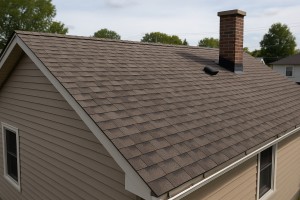
- What fails: Aging shingles lose their self-sealing properties; sealant around penetrations and flashings can crack with heat cycles and wind uplift.
- Signs to watch: Cracks or gaps at joints, peeling around vents, moisture staining near penetrations.
- Sealant considerations: Use sealants labeled for asphalt shingles or elastomeric products designed for asphalt substrates. Clean and dry the surface; avoid solvent-based products that can degrade asphalt. Consider priming only if the manufacturer recommends it.
- Metal roofing
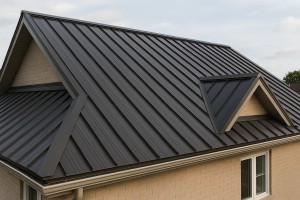
- What fails: Expansion and contraction cause micro-cracks in sealants; fastener gaps and seam leakage if the wrong elastic sealant is used.
- Signs to watch: Hairline cracks along seams, leaks at flashing, loose fasteners.
- Sealant considerations: Choose high-elasticity sealants rated for metal (typically polyurethane or silicone). Ensure compatibility with metal finishes and flashing. Avoid rigid solvents that can craze metal surfaces over time.
- Wood shingles/shakes
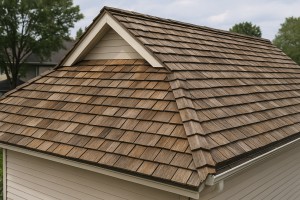
- What fails: Moisture movement leads to wood swelling/shrinking; sealants can crack at joints and around penetrations; decay around compromised areas accelerates leaks.
- Signs to watch: Gaps at joints, staining or soft wood near flashings, repeating leaks after rains.
- Sealant considerations: Use flexible, breathable sealants designed for wood surroundings. Avoid over-application that traps moisture. Clean dusty or resinous surfaces and follow product directions for wood substrates.
- Tile roofing (concrete/ceramic)
- What fails: Tile movement or breakage creates stress at penetrations; sealants around vents and stacks must tolerate roof movement and walking loads.
- Signs to watch: Water intrusion around penetrations, cracked grout or caulk near flashings, loose tiles.
- Sealant considerations: Look for UV-stable, high-elongation sealants compatible with tile and setting bed materials. Use sealants designed for tile applications and flashing junctions; ensure proper surface prep and temperature during application.
- Flat roofs (EPDM, TPO, built-up)
- What fails: Membrane movement and ponding water stress sealants at seams and around penetrations; some products can craze or delaminate on rubber membranes.
- Signs to watch: Peeling around flashings, seam gaps, pooled water leaks.
- Sealant considerations: Use membrane-compatible sealants (often butyl, silicone, or specialized polyurethane). Avoid solvents that can degrade rubber membranes; follow substrate-specific prep and curing guidelines.
- Slate
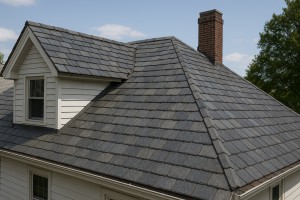
- What fails: Slates are rigid; movement at flashings concentrates failure points.
- Signs to watch: Hairline cracks along flashing lines, moisture intrusion at chimneys or vents.
- Sealant considerations: Use elastic, slate-compatible sealants that adhere to stone and metal flashing. Ensure the product remains flexible as slate ages.
- Synthetic/composite roof systems
- What fails: Mixed movement and surface chemistry can cause debonding if sealants aren't compatible with the composite.
- Signs to watch: Gaps at seams, leaks at penetrations or around flashing.
- Sealant considerations: Choose sealants labeled for synthetic or composite roofs; prioritize elasticity and UV stability. Check colorfastness and compatibility with any sealant tapes used on the system.
Steps to protect sealant life across materials (practical approach)
1. Inspect twice a year for cracks, gaps, peeling, or signs of moisture near penetrations.
2. Clean surfaces thoroughly and dry them before applying sealant; remove oils, dust, and tannins as recommended by the product.
3. Use sealants formulated for your roof type and flashing materials; follow manufacturer prep and cure times.
4. Apply in appropriate temperatures and conditions; avoid sealing when surfaces are frozen or raining.
5. Schedule professional resealing for high-traffic penetrations and flashing joints to ensure proper surface prep and compatibility.
The Risks of Ignoring Sealant Failure
Sealant acts as the first line of defense against rain, wind-driven spray, and melting snow. When it fails, even small gaps can channel water behind flashing, into the roof deck, and toward attic spaces. Over time, persistent moisture weakens plywood or OSB, softens the roof deck, and invites rot. You may notice ceiling stains, damp insulation, or a musty attic smell long before a dripping leak appears on a wall.
- Saturated decking can lose strength and sag
- Rot undermines the roof's structural support
- Visible leaks may start slowly but worsen after heavy rains
- Staining and discoverable dampness often signal a larger problem than a single crack
Hidden interior damage
Water that bypasses the obvious leak often travels along joints, nail lines, and behind fascia or soffit areas, quietly wreaking havoc out of sight.
- Wet insulation loses R-value and becomes a breeding ground for mold
- Drywall damage may appear as bubbling, swelling, or crumbling
- Electrical wiring near damp areas can pose a shock or fire risk
- Mold growth inside attic spaces or behind ceiling textures can degrade indoor air quality
Structural and energy consequences
Beyond moisture, failing sealant creates air leaks and thermal gaps that let conditioned air escape and outdoor air infiltrate.
- Warped or cupped roof sheathing weakens overall stiffness
- Gaps around flashing raise heating and cooling costs
- Ice damming can start at the perimeter in cold climates, worsening water intrusion
- Continuous air leakage reduces comfort and can stress HVAC systems
Health, safety, and warranty considerations
Moist environments promote mold, mildew, and dust-mote allergens that impact occupants' health, especially for sensitive individuals.
- Mold exposure risk increases with prolonged moisture
- Water intrusion can accelerate corrosion of metal components and fasteners
- Some roof warranties require intact sealant or may be voided after a failure is ignored
- Insurance claims can be affected if water intrusion evidence points to neglected maintenance
Cost implications and insurance impact
Delay compounds costs. What might be a small repair becomes a larger remodeling project as more materials are exposed to moisture.
- Replacing damaged decking, flashing, or fascia is more expensive than a timely sealant fix
- Extending rot can necessitate roof section replacements or structural repairs
- Insurance may require documentation of regular maintenance; unresolved failures can complicate claims
- Prolonged moisture increases the chance of interior remodeling needs (paint, drywall, HVAC adjustments)
Quick signs to monitor (short checklist)
- Cracks, gaps, or missing sealant around vents, skylights, or flashing
- Visible gaps where roof meets the edging or joints
- Damp attic insulation, musty odors, or brown stains on ceilings
- Uneven or soft roof decking noticed from the attic or underlayment
Quick steps to assess severity (numbered)
1) Inspect sealant lines around all penetrations for cracking, tearing, or peeling
2) Look for wet streaks, staining, or soft spots after rainfall or snowmelt
3) Check attic spaces for damp insulation and moldy smells
4) Compare past photos of the roof area to current conditions to spot new gaps or bulges
When neglected, the problem compounds
Ignoring sealant failure allows moisture to move beyond the surface, inviting a cascade of damage that affects safety, comfort, and long-term roof performance.
Diagnosing Sealant Failure
What sealant failure looks like
- Cracks, splits, or gaps along seams and joints
- Sealant pulling away from the substrate or flashing
- Brittle, crumbly, or chalky texture that flakes off
- Discoloration, white haze, or mold growth around the sealant
- Visible bubbling or soft, squidgy spots when touched
- Water stains or dampness inside attic ceiling near the sealant lines
Visual inspection checklist
- Inspect around all roof penetrations: vents, pipes, skylights, and chimneys
- Check roof flashing where it meets walls, around valleys, and along edge seams
- Look at seams on flat or low-slope roofs and along parapets
- Examine gutters and downspouts for signs of water tracking back to the sealant
- From the ground or a safe ladder, scan for wide gaps, darkened lines, or shiny wet-looking areas that indicate moisture behind the sealant
Step-by-step homeowner diagnostic process
1) Safety first
- Use a sturdy ladder, wear non-slip shoes, and have a spotter if you're near edges
- Avoid working on a wet or windy day; don't step on loose flashing or compromised surfaces
2) Gather basic tools
- Utility knife or razor scraper, putty knife, gloves, flashlight, camera or phone for photos, and a spray bottle of water
3) Do a dry, visual survey
- From ground level and, if safe, from a ladder, note any obvious cracks, gaps, or detachment
- Move slowly along the suspected seams to catch hairline issues
4) Check from inside for signs of moisture
- In the attic or ceiling near roof lines, look for damp spots, staining, or musty odors
- A dark line or bead of moisture along the interior side of sealant connections can indicate leakage
5) Test the sealant's adhesion and flexibility
- Gently press along the sealant with a gloved finger or a plastic putty knife
- If it (a) stays detached, (b) crumbles, or (c) peels away from both substrate and flashing, it's failed or failing
6) Conduct a controlled water test (optional and careful)
- On a dry day, use a spray bottle or gentle hose spray to run water along suspect seams for 1–2 minutes
- Have a helper watch the interior for any leaks; stop immediately if you notice seepage
- Dry flex test: press and wiggle the sealant edge to gauge adhesion and softness
- Water spray test: apply water along joints and watch for interior signs of leakage
- Illumination check: use a flashlight at night to spot damp reflections around seams from the exterior
How to interpret the results
- Minor aging with intact adhesion and no interior moisture may warrant resealing rather than full replacement
- Visible cracks, gaps larger than about 1/8 inch, or detachment indicate resealing or flashing replacement is needed
- Moisture signatures behind sealant, bubbling, or continuous dampness almost always require repair by replacing compromised flashing and resealing
When to call a pro
- If you're uncomfortable on a ladder or near steep edges
- If damage involves critical flashing, large gaps, or suspected moisture intrusion behind the sealant
- If interior signs of leaks persist after a basic sealant inspection
Documentation for repairs
- Take clear photos from multiple angles, including close-ups of cracks and detached edges
- Note the exact locations (e.g., vent pipe to chimney, seam along north-facing wall) and observed conditions
- Record dates of inspections and any test results to guide the repair plan
Repair Options for Sealant Failure
Temporary fixes
- Purpose: buy time and reduce ongoing water intrusion while you plan a permanent repair.
- What to try, quick-hit options:
- Tarp or plastic sheeting over the affected area, weighed down along the edges to keep wind from lifting it.
- A quick patch with exterior-grade sealant that is compatible with the substrate (silicone or polyurethane for most roof systems). Apply a generous bead over the seam and smooth it so water can't seep under.
- Self-adhesive flashing tape or butyl tape over the small, exposed edge to slow leaks until you can do a proper fix.
- How to do it in steps:
1) Locate the exact leak point and dry the surface completely.
2) Clean the area with a mild detergent and rinse; let it dry fully.
3) Apply the temporary patch or tape, pressing firmly to seal the edge.
4) If using a tarp, secure it well to avoid flapping in wind.
- Cautions: temporary fixes don't last in heavy rain, snow, or freezing conditions. Plan for a proper repair soon and monitor the area after a storm.
Minor repairs
- Best for small cracks, loose edges, or degraded sealant along flashing, vents, or around skylights.
- What to do:
1) Inspect and identify small gaps or cracks in the sealant joints.
2) Remove degraded sealant with a plastic scraper, cutting back to a solid edge of clean material.
3) Clean the joint and dry it completely.
4) If the gap is deep (over about 1/4 inch), insert backer rod to provide an even, stable base for the new sealant.
5) Apply a new bead of compatible sealant (silicone for non-porous surfaces; polyurethane or hybrid sealants for porous substrates). Tool the bead flat and smooth to shed water.
6) Allow the sealant to cure as the manufacturer directs, avoiding foot traffic on the area during cure.
- Pro tips: keep the sealant color close to the existing seal and don't overfill—too much can shrink or crack as it cures. If flashing is corroded or wobbly, treat it as a candidate for a more thorough repair.
Partial replacement
- When a single section or flashing element is failing, you can replace only that portion rather than the entire roof.
- Steps to follow:
1) Mark the boundaries of the failure along the seam, valley, or around the flashing (chimneys, vents, skylights).
2) Remove old sealant and any compromised flashing material within those boundaries; clean the substrate.
3) Inspect the underlying substrate for rot, corrosion, or damage; repair or replace decking if needed.
4) Install new flashing where required and, if the joint is wide, insert new backer rod.
5) Apply fresh sealant along the seam, then reattach or re-flash the area as needed. Smooth and finish to blend with the surroundings.
6) Allow proper cure time and test with a light rain or controlled water spray to verify the repair.
- Notes: complex corners, chimneys, or skylight flanges may require professional flashing work. Ensure sealant compatibility with surrounding materials to avoid future failures.
Full roof replacement
- Reserved for widespread sealant failure, numerous failed seams, or if the roof deck and underlayment are compromised.
- What to expect:
1) A professional roof assessment to confirm that decking, ventilation, and underlayment are sound enough for a full roof system.
2) Removal of the existing roof covering and old sealant system, with replacement of any damaged decking.
3) Installation of new underlayment and a coordinated flashing plan for all penetrations (vents, chimneys, skylights, drip edges).
4) Application of a new roofing material (asphalt shingles, metal, tile) per manufacturer guidelines, plus a durable, long-lasting sealant system where required.
5) Final inspection and water test to confirm there are no leaks and that the new system seals properly.
- Considerations: this option is more costly and takes longer, but can restore long-term reliability and may come with updated warranties. Get multiple bids and verify licensing, insurance, and references before proceeding.
What Is the Typical Cost to Fix Sealant Failure?
Minor repair
Description: Small cracks or gaps in sealant around a vent boot, chimney flashing corner, or a short section of edge seal. The flashing itself is usually sound, so the fix focuses on a local reseal and surface prep.
1) Inspect the area and identify all cracked spots.
2) Clean the surface thoroughly to remove dirt, dust, and old residue.
3) Remove loose or peeling sealant with a utility knife.
4) If required, apply a compatible primer to improve adhesion.
5) Apply a neat, continuous bead of flexible sealant and smooth it with a caulk tool.
6) Allow the sealant to cure per product instructions and keep the area dry during curing.
- Estimated cost: $150–$350
- Typical time: 1–3 hours
- What it covers: spot repairs around a single vent or seam; no flashing replacement; basic weatherproofing.
Moderate repair
Description: Several seams show wear or gaps around flashings at a chimney, skylight, or along an roof edge. The project may involve removing more old sealant, resealing multiple runs, and possibly re-flashing marginal areas.
1) Protect landscaping and clean the work area; inspect flashing integrity.
2) Remove old, failing sealant from affected runs.
3) Clean and dry surfaces; prime if required.
4) Re-flash or adjust flashing if needed; reseal the perimeter.
5) Apply new sealant in continuous beads; tool and smooth for a clean finish.
6) Cure and verify watertightness after a rain test or simulated moisture.
- Estimated cost: $500–$1,500
- Typical time: 3–8 hours, depending on access and number of penetrations
- What it covers: multiple seams, around skylights or vents; mounting/adjusting flashing as needed.
Major repair
Description: Widespread sealant failure across large roof sections or multiple penetrations. May require resealing long runs, replacing flashing, and addressing potential underlying substrate or membrane concerns. Often involves more labor, safety setup, and equipment.
1) Conduct a thorough assessment and plan; set up safety protections.
2) Remove all failing sealant across the affected perimeter.
3) Inspect and repair or replace flashing; fix any damaged substrate or membrane if found.
4) Install new sealant with proper primers and compatible products; ensure continuous, fully bonded seams.
5) Seal joints, corners, and transitions; perform final cleaning and inspection.
6) Allow ample cure time and perform a follow-up leak check.
- Estimated cost: $2,000–$6,000
- Typical time: 1–3 days, depending on roof size, access, and complexity
- What it covers: full perimeter or multiple zones; flashing replacement and possible substrate work for larger projects.
What factors affect cost
- Roof size
- Access
- Material type
- Extent of damage
- Local labor rates
How Long Can You Wait Before Addressing Sealant Failure?
Within 24 hours
- What happens: A crack or gap in roof sealant around flashing, vents, or skylights can let in a trickle of water. The leak may be small now, but moisture can wick behind roofing layers and start to affect underlayment and fascia.
- Why it matters: Water in the roof line moves quickly with gravity and wind. Early intrusion can grow fast, especially in freezing weather or windy storms, leading to hidden rot or mold.
- What you can do:
1) Identify the exact location of the sealant failure and note any signs of moisture inside the attic.
2) Minimize interior damage: place a bucket under drips, stack towels, and reduce use of the affected area until a repair is possible.
3) If safely reachable, cover the leaking area with a waterproof tarp from the exterior or rearrange interior insulation/fasteners to limit further moisture entry.
4) Schedule a sealant inspection or repair with a roofer as soon as you can; early attention is much cheaper than later fixes.
2–7 days
- What happens: The initial leak can expand. You may see yellow or brown stains on ceilings, damp insulation, and more pronounced drips after rain or heavy dew.
- Why it matters: Prolonged moisture accelerates wood rot, softens decking, and invites mold growth in attics and walls. Sealing gaps now is less about stopping a single drip and more about preventing repeated exposure.
- What you can do:
1) Photograph the affected areas and document dates of rain and leaks for the pro.
2) Keep interiors dry: use dehumidifiers, fans, and plastic sheeting to limit mold risk.
3) Avoid aggressive DIY exterior sealant unless you are confident in safety and technique; a proper sealant job around flashing and penetrations is critical.
4) Get several quotes or at least one professional assessment to determine whether you need resealing, flashing replacement, or membrane repairs.
2–4 weeks
- What happens: Moisture is now saturating insulation and possibly the roof deck in the immediate vicinity of the sealant failure. You may notice ceiling sag, stronger odors, or clearer mildew growth.
- Why it matters: Saturated materials lose insulating value, increase energy loss, and create longer-term deterioration that can affect roof longevity and indoor air quality.
- What you can do:
1) Prioritize a targeted repair plan: reseal the area, replace damaged flashing, or address any underlying substrate issues.
2) Check for warranty coverage on sealants or flashing components; some manufacturers require timely repairs to keep warranties valid.
3) Schedule work in favorable weather to avoid re-sealing during rain, which can trap moisture and complicate the fix.
4) If interior damage is present, consider temporary drywall or ceiling repairs to prevent mold exposure while the exterior work is planned.
1–3 months
- What happens: Repeated leaks begin to compromise roof deck, underlayment, and framing. Mold growth inside the attic or adjacent walls becomes more likely, and you may experience higher energy bills from heat or cold intrusion.
- Why it matters: Delayed repair now risks structural damage and higher remediation costs. Small problems become systemic challenges that require more extensive work.
- What you can do:
1) Obtain a written estimate for full sealant replacement, flashing retrofit, or membrane renewal if necessary.
2) Consider a staged repair plan if weather or budget requires; prioritize the most compromised areas first.
3) Ensure the contractor addresses not just the visible sealant but also the flashing, back dam, and drainage around the area.
3–6 months or longer
- What happens: Prolonged, untreated leaks can lead to major roof and attic damage: rot in roof sheathing, widespread mold, and interior water damage. The cost to rehabilitate can far exceed early repair costs.
- Why it matters: Structural integrity and indoor air quality are at risk. Insurance coverage or warranties may be impacted if the problem isn't documented and promptly repaired.
- What you can do:
1) Bring in a roofer to perform a full assessment of sealant, flashing, deck, and ventilation.
2) Plan for potentially larger repairs or a partial roof replacement if the substrate shows significant deterioration.
3) Maintain regular inspections after repair to catch any new sealant failures early.
Regardless of the timeframe, the core idea is simple: sealant failure tends to worsen with time, and early attention minimizes damage and cost.
How Sealant Failure Varies by Location and Climate
How This Problem Varies by Region & Climate within the United States
- Northeast (New England, Mid-Atlantic): Frequent freeze-thaw cycles, snow, and ice dams drive repeated expansion and contraction of sealants. Road salt and high humidity add corrosion risk at flashing and joints. Expect faster aging in joints exposed to the elements. Practical approach: prioritize sealants with high elasticity and strong adhesion to masonry and metal; plan annual inspections after winter and after major freezes.
- Southeast: Hot, humid summers with heavy rain and occasional tropical storms. UV exposure is high, and moisture loads can be persistent. Sealants can soften or slump if they're not rated for heat and humidity. Practical approach: choose UV- and moisture-resistant sealants (often silicone or high-grade polyurethane) and ensure substrates are clean and dry before install.
- Midwest: Wide temperature swings, occasional hail, and spring/fall moisture. Freeze-thaw and wind-driven rain stress joints across the year. Sealants may crack or lose adhesion if they aren't flexible enough. Practical approach: look for sealants with excellent elongation and weather resistance; schedule maintenance every 3–5 years and after severe weather.
- West Coast (coastal and inland): Coastal areas contend with salt spray, wind-driven rain, and strong UV; inland valleys face hot, dry summers and cool nights. Sealant performance varies by exposure; coastal substrates face corrosion risks at fasteners and flashing. Practical approach: for coastal sites, prioritize moisture and salt resistance (silicone or high-quality polyurethane); for inland sunny areas, prioritize UV stability and elasticity.
- Southwest: Extreme sun and heat, low humidity, and arid wind can dry out sealants quickly and accelerate cracking. Sealants must withstand high temperatures and rapid expansion/contraction. Practical approach: select sealants with high heat resistance and good long-term elasticity; regular checks after hot periods are wise.
- Alaska: Very cold winters, rapid temperature drops, and seasonal thaw cycles challenge elasticity. Low-temperature performance is crucial. Practical approach: use sealants rated for low temps and with proven adhesion to common Arctic substrates; expect longer curing times in cold weather.
- Hawaii: Tropical humidity, frequent rain, and sea spray along with strong UV. Sealants face constant moisture and salt exposure while needing to stay flexible. Practical approach: use moisture-tolerant, UV-stable sealants (often silicone); avoid products that remain sticky or stiff in high humidity.
Regional Factors Your Sealant Should Endure
- UV exposure: it ages elastomeric seals; choose materials with long-term elasticity under sun.
- Moisture and rainfall: continuous exposure can lead to loss of adhesion; ensure the substrate is clean and dry before install.
- Temperature cycles: expansion and contraction demand high elasticity and good bonding to multiple substrates.
- Salt and corrosion: coastal or winter-road exposure can degrade metal edges and fasteners; select sealants that resist salt damage and don't require aggressive priming.
Quick Start: How to plan by climate (5-step guide)
1) Identify your climate zone and exposure (coastal, inland, hot/dry, or cold).
2) Check the substrate and flashing materials you'll seal (metal, concrete, shingles, masonry).
3) Pick a sealant with the right rating for your climate (high elasticity for cold zones; UV and heat resistance for hot zones; moisture resistance for humid/coastal zones).
4) Prep properly: clean, dry, and prime if required; use backer rod and appropriate thickness to allow movement.
5) Inspect regularly and re-seal after major seasonal changes or severe storms.
Practical tips by region (at a glance)
- Coastal or salt-prone areas: prioritize moisture- and salt-resistant options; monitor flashing and fasteners for corrosion.
- Humid climates: pick moisture-tolerant sealants and ensure good substrate drying before application.
- Areas with big temperature swings: emphasize elasticity and adhesion; plan re-seals after switching seasons.
- Very hot, sunny zones: UV-stable products with high heat resistance; avoid products that soften under heat.
How to choose by climate (simple steps)
1) Check the product data for temperature range, UV resistance, and humidity tolerance.
2) Verify compatibility with your roofing material and flashing.
3) Consider a long-life option even if it costs a bit more upfront.
4) Follow manufacturer prep and cure guidelines for your climate.
5) Schedule inspections aligned with seasonal changes and after major storms.
