
Last updated: Apr 19, 2026
In the Matanuska-Susitna Valley, roofs must handle prolonged snow accumulation, not just quick bursts. Steep-sloped roofs shed most of the snow, but the long winters here push material and structure to the limit. Prolonged loading from several feet of snow can stress rafter systems, hinge on fasteners, and press against eave overhangs. Roofs that were designed for lighter, shorter snow seasons often face hidden trouble as saturation and wind-driven drifts build up over weeks. When a warm spell follows a deep freeze, that snow can refreeze into compact layers, increasing weight and creating dangerous stagnation points near bulkheads, skylights, and transitions. If your attic or crawlspace shows signs of heat loss, the extra snow load will feel harsher on the roof deck and could accelerate sagging or leakage. This isn't theoretical-Wasilla homes routinely confront edge stress that translates into early failures of underlayment and shingles if the system isn't prepared.
Ice dam formation at eaves, valleys, and around roof penetrations is a primary concern in this climate. Repeated freeze-thaw cycles push meltwater back up under shingles, then refreeze at the colder edges, creating a dam that forces water under the roof deck. In Wasilla, where many homes rely on steep-slope designs to shed snow, ice dams still form because heat leaks from the living spaces warm the roof near the edges. Valleys that collect runoff and penetrations around chimneys, vents, and skylights are common trouble spots. When ice dams form, the resulting water intrusion can damage ceilings, insulation, and interior finishes. Aggressive prevention-not just reactive mitigation-protects the structure and interior finishes from seasonal thaw cycles. The risk is real every year, and the damage can extend beyond one season if unchecked.
Uneven attic heat loss can create refreezing at roof edges, even on homes with attractive steep slopes. The goal is consistent, cold attic temperatures across the roof plane to minimize meltwater at the eaves. Ensure an unobstructed intake at the soffits and a clear exhaust path at the ridge or gable vents. Seal attic penetrations around wiring, plumbing, and chimneys to prevent warm air from leaking into the roof deck. Insulation should be continuous along the ceiling line and up the rafter bays to keep heat from migrating to the roof plane. When heat is insufficient at the attic level, the roof edge warms and Ice dams form more readily. Consider adding or upgrading baffles to maintain ventilation during heavy snow loads, and verify that insulation and ventilation are balanced so winter warmth doesn't accumulate where it shouldn't.
Before the first major snow, inspect the roof for damaged shingles, missing flashing, or gaps around roof penetrations that can channel warm air to the deck. In late fall, check attic insulation levels and seal any obvious air leaks near the eaves and around vents. If you notice frequent ice dam formation during mid-winter thaws, act quickly: remove snow from the roof edge with a safe roof-clearing method, clear gutters and downspouts, and address sources of heat loss in the attic. Install or upgrade insulation and ensure proper ventilation at the soffits and ridge. Maintain a plan for rapid response during thaw cycles, because delays can translate into water damage that's expensive to repair. Stay vigilant: Wasilla's winter rhythms demand proactive protection rather than delayed fixes.
In this climate, ventilation is not just about summer heat; it is central to limiting winter condensation and reducing melt-refreeze cycles under snow cover. When attic space traps heat from the living area, especially during long winter nights, snow on the roof can begin to melt near the ridge and refreeze at the eaves, creating ice dam pressure. To minimize that risk, ensure the attic is kept near the outdoor temperature by promoting consistent air movement from soffits to the ridge. This helps keep the roof deck colder and slows the formation of ice dams. If frost or condensation appears on attic surfaces, adjust the balance between insulation and ventilation so warm air does not meet the cold roof deck.
The balance between insulation and ventilation matters more than a quick summer fix in this region. An over-insulated, poorly ventilated attic traps heat; an under-ventilated, under-insulated space invites rapid snowmelt at the attic level. Aim for a continuous, unobstructed vent path from soffits to ridge, with insulation kept to the kauffer line or just above the ceiling plane to avoid blocking the intake. In practice, that means inspecting baffles or rafter vents to ensure they are present and intact, and confirming there is no insulation compressing or covering the vent pathways. When re-roofing, consider upgrading to an vented roof assembly designed for cold climates, including proper vent size and placement to maintain airflow under the entire roof surface.
Local inspections for re-roof projects highlight ventilation along with sheathing, underlayment, and flashing, reflecting cold-climate roof concerns in this region. During a roof replacement, check that the attic ventilation remains continuous and unblocked by new decking or overhanging insulation. Inspect the roof deck for any moisture damage, soft spots, or staining that indicates past condensation issues. Underlayment should be rated for cold temperatures and potential ice dam conditions, and flashing around chimneys, vents, and valleys must be integrated with the roof's ventilation plan to prevent warm air leakage into the cold attic space. If possible, coordinate ventilation improvements with flashing upgrades so that seal details around penetrations align with the new roof assembly.
Shingle life is closely tied to how well the roof handles winter heat loss and moisture movement. Constant attic heat reaching the deck accelerates aging of asphalt and synthetic shingles, particularly when combined with repeated freeze-thaw action. A well-ventilated attic reduces interior heat buildup, helping the underside of the shingles stay closer to exterior conditions. This reduces thermal expansion and contraction stresses that can lift edges or loosen fasteners over time. When planning re-roofs, prioritize a balanced ventilation strategy alongside a compatible underlayment and flashing plan to shield the roof system from harsh winter cycles.
Walk the attic or access point with a flashlight to look for insulation blocking vents or any visible moisture staining on the sheathing. If you see condensation patterns on the underside of the roof deck after a cold snap, that signals vent pathways or insulation are not optimally positioned. Schedule a focused review of soffit vents, ridge or attic vents, and any attic hatch or penetrations to confirm they won't impede airflow. For long-term resilience, align insulation depth with ventilation capacity and verify that the planned roof assembly accommodates the region's cold-climate demands, including reliable flashing at all interruptions.
In this market, asphalt shingles and metal roofing are the most practical dominant materials when you're planning a steep-weather roof that sheds snow effectively. Asphalt shingles are a familiar, budget-friendly option that holds up well under repeated freeze-thaw cycles, and modern architectural blends provide good snow shedding with solid wind resistance. Metal roofing stands out for snow-shedding performance, especially on long, uninterrupted slopes common on new housing stock. The panels shed snow more reliably than most other materials, which helps reduce the chance of heavy drifts forming at eaves and overhangs. For most homeowner projects in this climate, these two options cover the balance of cost, durability, and performance needed to keep a roof functional through long winters.
While clay and concrete tile appear in broad material lists, they are not as naturally aligned with Wasilla's snow-load and freeze-thaw conditions as lighter, steeper systems. Clay and concrete tile tend to be heavier, create more weight on roof structures, and can be stiffer in cold temps, which makes installation and long-term performance more sensitive to structural support and seasonal movement. If your roof pitch is particularly gentle or if wind-load concerns dominate, these heavier tiles may pose more challenges than they solve in the typical Mat-Su climate. In most Wasilla projects, they appear more as a secondary consideration rather than the first choice for a primary residence.
Snow load isn't just a design number here; it's a daily concern from late fall through early spring. The choice of roof material should account for how well it integrates with a snow shedding strategy, a strong underlayment, and effective insulation that reduces ice dam risk. In practice, asphalt shingles paired with a well-sealed underlayment and properly ventilated attic space tend to deliver reliable performance in deep snows. If metal is chosen, ensure panels are installed with appropriate fastening to handle the weight of compacted snow and consider snow guards or snow fences at critical pedestrian zones to manage sliding snow near entries, decks, and walkways.
Ventilation plays a crucial role in preventing ice dams and maintaining long-term roof health. A cold-climate ventilation plan for a steep Wasilla roof should prioritize a tight, well-insulated attic boundary and continuous soffit-to-ridge venting. Aim for a balanced approach that keeps the roof deck closer to ambient winter temps, which reduces melt-refreeze cycles along the eaves. In practice, that means coordinating insulation, ventilation openings, and attic baffles so warm air does not migrate to the deck where ice dams are likely to form. Electricity used for heat cables should be a last resort and carefully applied only where blocks of ice form in predictable spots.
For most homes, a standard steep-slope installation with down-slope snow shedding is sufficient, provided flashing around chimneys, skylights, and wall transitions is thorough and corrosion-resistant. Regular inspections after heavy snow events help spot issues with loose fasteners or wind-driven damage. If metal is chosen, verify that the roof edge details and eave closures are designed to prevent ice buildup in the gutters and at the roof line. By focusing on these practical choices and maintenance steps, a Wasilla home can maintain a dependable roof through many winters.
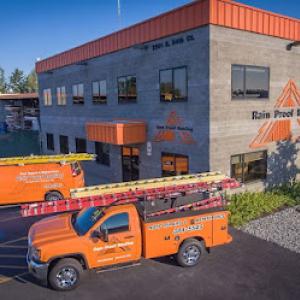
Rain Proof Roofing
(907) 373-5545 www.rainproofroofing.com
1255 W Winter Ct, Wasilla, Alaska
3.3 from 7 reviews
Rain Proof Roofing is one of Alaska’s largest roofing companies specializing in commercial (public, industrial) and residential roofing. Since opening its doors in 1962, the company has remained Alaska-owned and operated. Rain Proof offers nearly 60 years of experience, knowledge, manufacturer relationships and construction expertise. With offices in Anchorage and Wasilla, Rain Proof offers statewide roofing services including remote projects.
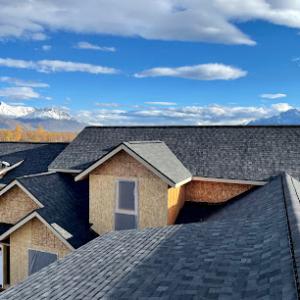
TOPP Roofing & Construction
Serving
5.0 from 34 reviews
A General Contractor Specializing in Residential and Commercial Roofing, Exteriors, and Remodels. Dedicated to Serving Alaska Businesses and Homeowners With Their Construction Needs.
S&D roofing of Alaska
Serving
5.0 from 17 reviews
Better than the rest Now serving the Big Island of Hawaii

Above & Beyond Roofing & Construction
(907) 202-7090 abovebeyondroofingak.com
Serving
3.0 from 2 reviews
Established in 2007, Above & Beyond Roofing and Construction is your trusted partner for creating and maintaining beautiful, functional homes. Specializing in top-tier roofing and siding solutions, they also transform interior spaces with expert kitchen and bathroom remodeling. Their commitment to quality craftsmanship and exceptional service ensures every project, from the roofline down to the finest interior details, is handled with professionalism and care.
In Wasilla, replacement work is typically concentrated from late spring through early fall because snow, ice, and freezing temperatures restrict safe installation conditions. That window isn't just about temperatures-it's about staying ahead of spring thaw and the return of early-season storms. If you're planning a tear-off or a major repair, you need a realistic timetable that accounts for weather gaps, not just calendar dates. The result is a compressed schedule where every dry day matters.
Spring melt and rain can delay tear-off schedules and raise moisture concerns for exposed decking in the Mat-Su Valley. When ice dams form late in the season or early melt creates wetter-than-ideal conditions, you'll encounter lingering moisture that can complicate underlayment installation or decking inspection. Schedule contingencies for this period, and build in extra curing time for any plywood or OSB that has seen more freeze-thaw cycles than it was staged to endure. Ventilation and insulation gaps become more consequential as moisture moves in, so address those details before pressing ahead with a full tear-off.
Limited daylight during shoulder seasons can shorten daily production windows, which matters more in Alaska than in most lower-48 roofing markets. Fewer hours of usable light means fewer productive shifts per day and more difficulty coordinating crews, materials, and weather forecasts. Plan for extended project timelines even when the forecast looks favorable, and consider staged work that prioritizes critical tasks in the sunniest or warmest parts of the day. A thoughtful schedule helps prevent rushed decisions that can invite ice buildup, poor ventilation, or insulation gaps as temperatures swing toward winter again.
Provided average installed cost ranges are about $350 to $750 per square for asphalt shingles, $600 to $1100 for metal, $900 to $1600 for clay tile, $1000 to $1500 for concrete tile, $480 to $900 for wood shingles or shakes, and $500 to $900 for synthetic or composite shingles. These figures reflect Wasilla's specific supply chain dynamics, including material sourcing, fleet scheduling, and seasonal demand spikes. When you're budgeting, plan for the higher end if your roof has a complex footprint or notable features like multiple dormers or valleys.
Wasilla roofing costs are shaped by Alaska logistics and Mat-Su labor availability, with material delivery, seasonal scheduling pressure, and a short prime work window affecting pricing. During the heart of winter you'll see tighter crews and higher mobilization fees, while late spring and early fall bring their own spikes as crews chase limited daylight and cooling temperatures. For a typical steep-slope build, these factors compound, pushing both material and labor lines upward compared with gentler climates.
Steeper roof pitches common on snow-shedding homes in the Wasilla area can increase labor, staging, and tear-off complexity compared with low-slope work. The extra effort for scaffolding, safety procedures, and longer removal times translates into higher per-square costs, especially when metal or tile is involved. If your home sits on a hillside lot or features tall eaves, expect a multiplier on the upper portion of the quoted ranges. A well-planned schedule that groups steep-slope work with other trades can help keep some costs in check.
In a cold-climate setting, the choice of roofing material matters beyond upfront cost. Synthetic or composite shingles offer a favorable balance of weight and durability for freeze-thaw cycles, often landing in the $500 to $900 per square band, which may be attractive if you're managing long-term maintenance and ice-dam risk. Clay and concrete tiles bring strong longevity but require careful structural checks and careful installation to handle freeze-thaw stresses. Asphalt shingles remain a common, cost-conscious option but expect higher labor costs if you're retrofitting to address ice dam concerns in a snow-heavy season.
A short prime work window in Mat-Su influences schedules and ultimately the bottom line. Weather-critical tasks like underlayment installation, insulation, and ventilation detailing benefit from early planning and a contingency for sudden snow or precipitation. When a contractor can bundle tasks-tear-off, roof vent work, and insulation tweaks in a single visit-cost efficiency improves even in Wasilla's tight calendar.
A permit is typically required for a full re-roof rather than a simple minor repair. The local process centers on documenting the project scope, materials, and square footage affected, then submitting those details to the building department. After submission, the permit is issued once the plan review is complete and the fee is paid. Throughout installation, inspections are scheduled to verify compliance with Wasilla's codes and the region's winter realities. Expect to coordinate timing with the inspector to accommodate the fast-growing Mat-Su housing market's typical construction window and trucking constraints for material delivery.
The inspection sequence generally runs from framing and sheathing to weatherproofing and finish work. In Wasilla, the emphasis during inspections includes confirming that sheathing is sound, underlayment is continuous, and the ventilation plan is correctly implemented. Flashing around penetrations, chimneys, and valleys gets special attention due to snow loading and wind exposure. A post-installation final inspection confirms that all components align with permit specifications and that the completed roof will perform under freeze-thaw cycles and the region's winter wind common to interior-southcentral terrain.
Ventilation details matter more here than in many areas. Ensure attic ventilation is balanced enough to prevent condensation and ice dam risk, especially with steep-slope roofs. Ridge and soffit venting should work in concert with proper attic insulation. Consider baffles to maintain airflow above existing insulation, and verify that the chosen underlayment and flashing are compatible with cold-weather performance and snow shedding.
Before the inspector arrives, double-check that fasteners, drip edge, and valley flashing are installed per plan. In snow-prone months, ensure any temporary protection during construction won't trap moisture or create hidden leaks once temperatures drop. A thorough, code-compliant installation reduces revisit time and supports long-term roof resilience against Wasilla's winter demands.
Winter in this Mat-Su corridor brings consistent snow loading and repeated freeze-thaw cycles that test steep-slope roofs the way few other regions do. The roofing you choose and how it's installed will influence how your home handles shedding snow, resisting wind-driven ice, and staying dry through the long season. When a storm dumps heavy snow or when warm chinooks push melt followed by a chilling freeze, the roof system bears the brunt, and failures show up as leaks, ice dams, and sections of damaged flashing. Understanding the specific climate forces at play helps you set expectations for what can happen after a big snap of weather.
Insurance providers scrutinize a few concrete details when evaluating roof-related weather claims in this area. Detailed notes about snow-load design, wind-resistance features, and workmanship quality become focal points during claim reviews. It helps to have clear, dated records of any pre-existing conditions and any upgrades or repairs that address cold-climate challenges. If a storm reveals flashing gaps, ice-related leaks, or interior moisture following a freeze, timely, organized documentation can streamline the process and reduce back-and-forth between you and the insurer.
Coverage terms can tighten in higher-risk Alaska areas, so promptness matters. If a storm shows signs of damage or leaks, start documenting right away. Photograph ice dams on roof edges, note any blown-off shingles or damaged vent flashings, and capture interior moisture spots where ceiling or wall staining appears. Detailed timelines of when you first noticed the issue, what the exterior conditions were, and any temporary mitigation steps you took will support a solid claim. In Wasilla, you will often see this work paired with practical interior moisture checks-look for staining, musty odors, or softened drywall near the affected area. Being ready with a careful, chronological record helps protect the claim integrity through the winter hardship season.
In this climate, flashing and underlayment take repeated hits from long winters. The constant freeze-thaw cycle pushes sealants apart, pulls at joints, and can create minute gaps that grow into active leaks. You'll notice misaligned step flashing around chimneys, vents, and skylights or worn underlayment at eaves. If you see hairline cracks or lifted edges after a thaw, address them immediately. A quick re-seal and proper re-flashing with cold-weather sealant and compatible metal can stop a small problem from becoming a big one.
As snow recedes, meltwater finds paths that were sealed by snow cover, especially around valleys, eaves, and penetrations. Ice dams that formed mid-winter can leave roof deck moisture behind, accelerating rot and mold. Look for damp ceiling spots or staining along interior walls after a rapid warm spell. On the roof, focus on valley intersections and penetrations where meltwater concentrates. Remove debris promptly and ensure all nail heads and penetrations are sealed with watertight, cold-weather approved materials.
Cold-climate installation mistakes in ventilation or edge detailing shorten roof life faster here than generic wear from summer heat. Inadequate intake or exhaust can create condensation on the underside of the roof deck, leading to wood rot and accelerated shingle deterioration. Ensure soffit vents are clean, gable-end intake is balanced, and ridge ventilation runs continuously from eave to peak. Edge detailing must accommodate ice buildup, with proper drip edge and snow guards where appropriate to prevent wind-driven uplift and water infiltration. Regular seasonal checks save costly repairs later.