Ultimate Guide to Residential Roofing Services
Last updated: Feb 28, 2026
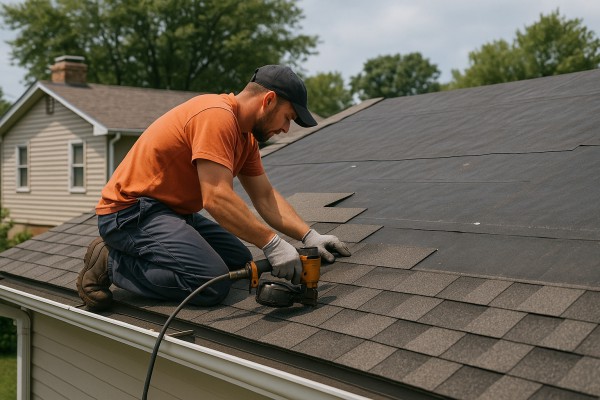
Introduction to Residential Roofing Services
Your roof is more than protection from rain—it's a long-term investment in your home's safety, comfort, and curb appeal. Residential roofing services are designed to be practical, transparent, and tailored to how you live in your house. Whether you're facing a leak, planning an upgrade, or just want a routine check, you'll get clear options and trustworthy guidance every step of the way.
What residential roofing services include
- Roof inspections and diagnostic assessments to identify leaks, wear, and weak spots
- Emergency repairs for sudden damage or storm-related issues
- Routine maintenance to extend roof life (cleaning, inspections, minor fixes)
- Shingle, tile, metal, or composite roof repairs and replacements
- Full roof replacement when repair isn't cost-effective
- Underlayment, flashing, and ventilation improvements for better durability
- Gutter and drainage guidance to protect your eaves and foundation
- Attic insulation and ventilation checks that affect energy use and moisture control
A straightforward process you can trust
1) Schedule a no-pressure inspection at a convenient time
2) Honest assessment with clear, comparable options
3) Transparent written estimate with all materials and labor explained
4) Thoughtful scheduling that minimizes disruption
5) Post-project walkthrough and maintenance recommendations
- We'll explain the differences between repair versus replacement so you can decide what makes sense for your home and budget.
- You'll receive a realistic timeline, including weather considerations and contingency planning.
- You'll always know what to expect for warranties and long-term care.
Materials and systems we work with
- Asphalt shingles for affordable, versatile performance
- Metal roofing for durability and modern aesthetics
- Ceramic or concrete tiles for longevity and a distinctive look
- Cedar shakes or composite shakes for natural appeal
- Underlayment, leak barriers, and flashing to seal joints and valleys
- Proper attic ventilation and insulation guidance to prevent moisture and heat buildup
- Exterior coatings and coatings-compatible sealants to extend life
Common roof types we service
- Gable and hip roofs with typical peak-and-slope designs
- Flat or low-slope roofs used on modern homes and additions
- Tile and slate roofs that require specialized installation
- Dormers and skylite-equipped sections that add light and space
- Complex or multi-peak roofs where careful planning pays off
What to expect during an inspection
- A thorough walkaround of the exterior to spot missing shingles, damage, or gaps
- A closer look at gutters, flashing, vents, and chimney connections
- A quick check inside the attic for signs of moisture, condensation, or inadequate ventilation
- A practical plan outlining needed repairs, costs, and a realistic timeline
- Documentation of findings with photos and notes you can reference later
Maintenance that saves money
- Schedule seasonal roof inspections to catch issues early
- Keep gutters clear to prevent water back-up and fascia damage
- Trim overhanging branches to reduce debris and physical wear
- Treat moss, algae, and lichen before they cause material deterioration
- Address small problems promptly to avoid bigger, costlier repairs later
- Knowing your options helps you choose materials and methods that fit climate, style, and budget
- A focus on proper installation and ventilation reduces energy use and extends roof life
- Clear communication and transparent pricing keep ownership simple and predictable
What Are Residential Roofing Services?
Residential roofing services cover the full range of work on a home's roof, from small repairs to a complete replacement. They include inspection, maintenance, repair, and the installation of new roof systems, plus related components like flashing, ventilation, gutters, and attic insulation. A good roofing program considers materials, climate, home design, and long-term durability, not just the cheapest fix.
Comprehensive definition
Residential roofing services are a coordinated set of professional activities aimed at protecting a home from weather, preserving interior comfort, and maximizing roof life. They typically include:
- Site assessment and safety planning
- Material selection and compatibility with structure
- Leak detection, sealing, and repair
- Weatherproofing, ventilation, and insulation integration
- Flashing, underlayment, and drip edge installation
- Gutter and drainage considerations
- Seasonal maintenance and preventive care
- Repair, partial replacement, and complete roof replacement as needed
- Warranties, permits, and code compliance
Typical services
- Roofing inspections (annual or after severe weather)
- Leak repair and sealant application
- Shingle repair or replacement (partial or full)
- Tile, metal, slate, or cedar shake roof work
- Underlayment replacement or repair
- Flashing repair around chimneys, vents, and skylights
- Roof ventilation and attic insulation improvements
- Gutter cleaning, repair, and integration with roof
- Roof coating or preservation treatments
- Roof cleaning, moss removal, and stain treatment
- Emergency tarping after damage
When it's typically needed
- Age-based replacement: Asphalt shingles 15–30 years, metal 40–70, tile/slate 50–100 depending on type
- Weather damage: hail, wind, ice damming, heavy rain, or fallen debris
- Visible signs: curling, cracking, missing shingles, leaks, attic condensation
- Ventilation or insulation issues that cause ice damming or high energy bills
- After renovations or additions that alter roof load or drainage
- Late-stage maintenance: granule loss on shingles, flashing corrosion, rust on metal roofs
Service process
1) Schedule a cold-weather or post-storm inspection with a licensed roofer
2) Conduct a thorough roof and attic assessment
3) Provide a written assessment with options, costs, and timelines
4) Select materials and plan (timing, permits, safety plan)
5) Prepare the site and protect landscaping and belongings
6) Execute installation or repair with quality-control checks
7) Perform final inspection, clean-up, and review warranties
Materials and options
- Asphalt shingles (standard and architectural)
- Metal roofing (steel, aluminum)
- Tile (clay or concrete)
- Slate and cedar shake options
- Roof coatings for extended life
- Ventilation and insulation upgrades
- Color and profile choices to match the home's style
Safety, permits, and warranties
- Adheres to local building codes and manufacturer specifications
- Warranties on labor and materials vary by product and contractor
- Proper safety gear, fall protection, and debris containment are standard practices
Signs You Need Residential Roofing Services
Signs this service is needed
- Missing, curling, cracking, or buckling shingles that expose the underlayment
- Shingle granules in gutters, downspouts, or at the edge of the roof
- Visible sagging or soft spots when you walk near the eaves or around the attic access
- Water stains, wet spots, or mold on ceilings, walls, or in the attic after rain
- Persistent leaks that reappear after temporary fixes
- Moss, algae, or dark streaks creating a blanket of moisture on the roof surface
- Damage from a severe storm: hail dents, wind uplift, or fallen tree limbs
- Roof age surpassing the expected lifespan for your shingle type (for many asphalt roofs, 20–25 years; higher-quality shingles may last longer)
If you notice any of these, it's a practical sign that your roof may need professional eyes and, potentially, repair or replacement.
Ways you can confirm yourself as a homeowner
1) Do a careful exterior scan from the ground
- Look for missing, cracked, or buckled shingles and signs of dado or lifting along edges.
- Check flashing around chimneys, vents, and skylights for gaps or corrosion.
- Note any unusual shadows or flat spots that could indicate underlying deck damage.
2) Inspect the attic and interior after rain
- Look for fresh water staining, dark spots, or damp insulation near the roof plane.
- Check for light shining through the roof boards or excessive humidity that wasn't there before.
- Sniff for musty odors that point to persistent moisture.
3) Check gutters and the roof's edge
- See if the gutters are full of shingle granules—this can signal worn shingles.
- Observe any accumulated debris near the edge that could hide damage.
4) Document what you find
- Take clear photos from multiple angles and note the date and weather conditions.
- Create a simple damage log (shingle condition, leaks, age, and any prior repairs).
5) Use a safety-first approach
- Do not climb onto a damaged or slick roof without proper safety gear and training.
- If you're uncertain or uncomfortable, rely on a professional to confirm.
6) Compare to baseline
- If you have older photos, compare how the roof has changed over time to gauge progression.
When to get a professional assessment
- You have active leaks or new water intrusion after rainfall
- You observe curling, buckling, cracking, missing shingles, or widespread edge damage
- The roof is older than the typical replacement window for your materials (often 20–25+ years for asphalt; other materials vary)
- After a severe weather event: hail, high winds, or falling branches
- You're planning a major repair, a full replacement, or filing an insurance claim
- You're unsure about the severity or the cost of repairs versus replacement
What to expect from a professional assessment
- A thorough exterior and attic inspection to identify source and extent of damage
- Evaluation of decking, underlayment, flashing, ventilation, and attic insulation
- A written estimate with repair and/or replacement options, priorities, and timelines
- Photos and notes documenting findings, plus guidance on next steps for warranty or insurance claims
- Clear advice on maintenance to extend the roof's life and prevent premature failure
What's Included in Residential Roofing Services
Typical inclusions
- Roof assessment and written scope: a professional inspection to identify damage, weak spots, and ventilation needs, followed by a detailed plan and timeline.
- Permits and code compliance: assistance with permitting and ensuring work meets local building codes (permit fees may be included or billed separately, depending on your area).
- Material removal and site cleanup: removal and proper disposal of existing shingles or membrane, nails, and debris; line-by-line clean-up to minimize nails left in gardens or driveways.
- Roof deck health check: inspection of the substrate for rot, mold, or water damage; repairs or replacements documented and priced before proceeding.
- Underlayment installation: appropriate protection layer (synthetic underlayment or felt) selected for climate and roof type.
- Leak barriers and ice/water shield: installation in vulnerable areas (eaves, valleys, and around penetrations) to reduce future leaks.
- Flashing, drip edge, and penetrations: replacement or repair of flashing around chimneys, vent pipes, walls, and edges; installation of drip edge at eaves.
- Shingle or membrane installation: correct layout, alignment, sealing, and fastener pattern for long-term performance.
- Ventilation and attic considerations: evaluation of intake and exhaust venting; installation or enhancement as needed to improve airflow and energy efficiency.
- Starter courses, ridge cap, and vents: proper installation of starter shingles, ridge caps, and roof vents to ensure a finished, weather-tight look.
- Debris removal and yard protection: use of magnetized sweep or other methods to collect nails; tarps or barriers to protect landscaping and sidewalks.
- Final inspection and warranty documentation: walkthrough to confirm workmanship meets expectations; summary of manufacturer warranties and contractor workmanship warranty.
How the process typically unfolds (step by step)
1. Schedule and prep: confirm scope, timeline, access needs, and any special considerations (trees, vehicles, or security).
2. Tear-off and surface prep: safely remove old roof materials, protect attic and interior spaces, and inspect the deck as you go.
3. Installation: install underlayment, flashing, and venting; lay shingles or membrane in a precise pattern; seal all seams and penetrations.
4. Cleanup and hand-off: thorough debris removal, magnet sweep for nails, and a final walk-through with you to review warranties and next steps.
What's not typically included
- Major structural repairs: rot or damage to the roof deck or framing is usually quoted separately or as a follow-up scope if found during inspection.
- Interior water damage remediation: mold treatment, drywall repair, insulation replacement, or cosmetic fixes inside the home are not part of standard roofing scope.
- Exterior siding, fascia, or gutter replacement beyond what's necessary to install the new roof: these are often separate contracts unless bundled as an upgrade.
- Skylights, solar panels, or other add-ons: replacement or installation of non-roof components typically involves a separate project and pricing.
- Comprehensive asbestos or hazardous material work: if hazardous materials are discovered, you'll be advised and a licensed specialist engaged separately.
- Major permits or utility work: permit fees, inspection fees, or utility disconnect/connect tasks may be billed separately depending on local rules.
- Insurance claims handling: assisting with claim filing is not included unless specifically agreed in writing; coordination is separate from the roofing work.
What to confirm before work begins
- Exact materials, colors, and warranties (manufacturer and workmanship).
- Any excluded items or potential extra costs identified during inspection (e.g., deck repair).
- Clear line-item pricing for tear-off, disposal, underlayment, flashing, vents, and labor.
- Handoff of final documentation: warranty certificates, maintenance tips, and recommended inspection intervals.
Common Roofing Materials Used in Residential Roofing Services
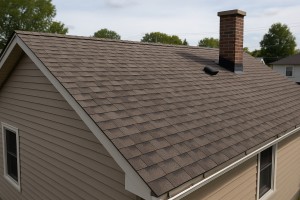
Asphalt shingles are the workhorse of residential roofs—affordable, versatile, and available in a wide range of colors and textures. In a typical service scope, they're often repaired, resealed, or replaced during re-roofs or major repairs. They come in three-tab and architectural (laminated) varieties; architectural shingles tend to wear longer and look more premium.
- How this service relates: most repairs involve replacing damaged or missing shingles, re-nailing loose tabs, and updating underlayment or flashing around vents and chimneys. A full re-roof uses asphalt shingles in starter courses, field shingles, and a consistent nailing pattern to meet wind ratings.
- Material specifics: fiberglass or organic reinforced shingles have different weight and flexibility; minimum pitch is usually 2:12 for standard installations; wind resistance depends on shingle quality and proper nailing. Color and granule loss affect curb appeal and UV protection.
- Common maintenance needs: keep gutters clear to prevent water backing up under the edge; moss and algae removal on shaded roofs; periodic inspection after hail or heavy storms.
- Steps (typical service sequence):
1) Inspect deck and existing underlayment for moisture or rot.
2) Remove damaged shingles; replace underlayment if worn.
3) Install starter strip and lay field shingles with proper nail spacing.
4) Seal exposed nails and install all flashing around penetrations.
5) Final inspection and ridge vent or cap installation if included.
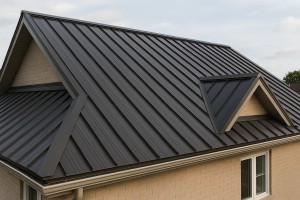
Metal roofs (steel, aluminum, or copper) are known for longevity, wind resistance, and low maintenance. They're a common upgrade for homes needing a durable, energy-efficient option, or for reroofs where a lightweight system is preferred.
- How this service relates: installation, flashing, and sealing seams are critical. Standing-seam systems require precise panel alignment and concealed fasteners, while exposed-fastener designs demand careful sealing at fasteners to prevent leaks.
- Material specifics: steel and aluminum offer excellent durability; copper develops a patina; coatings affect corrosion resistance and color longevity. Standing-seam panels minimize penetrations, while exposed-fastener styles rely on high-quality gaskets and sealants.
- Common maintenance needs: inspect painted coatings for chips or corrosion; check fasteners for looseness after storms; clean drainage paths to prevent ponding on flat areas.
1) Evaluate roof structure and panel type (standing-seam vs exposed-fastener).
2) Prep deck with appropriate underlayment and drip edge.
3) Install panels with correct fastener pattern and seam sealing.
4) Apply flashing around chimneys, skylights, and vents; seal penetrations.
5) Post-install inspection and drainage check.
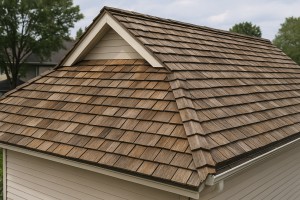
Wood shingles and shakes (typically cedar) offer a natural, rustic look but require proactive maintenance. They're more common in certain climates and neighborhoods with architectural styles that suit the material.
- How this service relates: installation, replacement of rotted sections, and maintenance coatings are frequent services. Moss, rot, and insect damage drive repair cycles, while proper gap spacing and underlayment help with moisture management.
- Material specifics: cedar's durability varies with grain and exposure; they're susceptible to rot in wet climates and can be fire-prone in some areas. Proper sealing and periodic staining help extend lifespan.
- Common maintenance needs: annual cleaning, moss prevention, and re-staining or sealing every few years; ensure ventilation and attic moisture control to limit decay.
1) Inspect for rot, cracks, and insect damage.
2) Replace affected shingles/shakes; treat surrounding wood.
3) Apply stain or sealant to protect wood fibers.
4) Re-seal flashing and ensure proper ventilation.
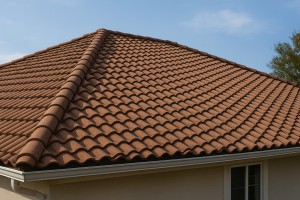
Clay and concrete tiles are durable and offer distinctive curb appeal, but they're heavy and require a structurally sound roof and adequate pitch (usually 4:12 or higher for many clay tiles).
- How this service relates: tile roofs involve battens or clips, careful tile layout, and precise flashing to manage water at hips, ridges, and penetrations.
- Material specifics: clay remains colorfast but can crack if walked on; concrete tiles are heavier and may be more prone to breakage but generally hold up well in various climates. Both require appropriate underlayment and ventilation.
- Common maintenance needs: replace broken tiles promptly to prevent leaks; inspect for cracked tiles after hail; check for moss or mineral deposits that hold moisture.
1) Confirm roof structure can support tile weight.
2) Install underlayment and battens/clips as specified.
3) Lay and secure tiles with proper spacing; install flashing.
4) Replace broken tiles and finalize with ridge cap work.
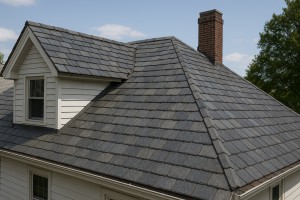
Slate roofs are prized for longevity and a refined aesthetic but demand expert installation and maintenance due to the material's brittleness and weight.
- How this service relates: slate requires professional assessment of deck strength, precise tile placement, and high-quality flashing to prevent leaks at penetrations.
- Material specifics: natural slate can last a century or more but individual slates crack if stressed; weight demands structural verification; underlayment choices depend on roof design.
- Common maintenance needs: monitor for cracked slates; replace individual stones as needed; periodic cleaning and inspection of flashing components.
1) Structural evaluation for weight and support.
2) Install appropriate underlayment and secure slate with proper fasteners.
3) Replace cracked or loose slates; inspect flashing and vents.
4) Schedule regular inspections to catch micro-cracks early.
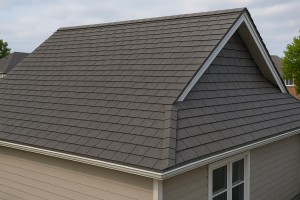
Fiber cement blends (e.g., Hardie) mimic wood or masonry with fire resistance and good durability, while remaining lighter than real masonry.
- How this service relates: repairs and replacements are common when shingles crack or fade; painting or finishing may be part of longevity plans.
- Material specifics: resistant to rot and pests; more durable than wood but nails can deteriorate around edges if not sealed; can be painted to refresh color.
- Common maintenance needs: check for hairline cracks; reseal or repaint as needed; inspect flashing and sealing around penetrations.
1) Inspect for cracking or delamination.
2) Replace damaged panels; seal edges.
3) Repaint if color refresh is requested.
4) Verify flashing integrity and overall system moisture control.
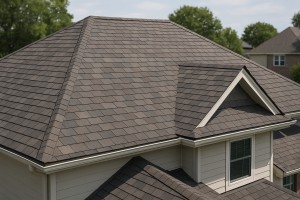
Synthetic or composite shingles imitate many materials (slate, wood, or shake) but are manufactured for durability and often lighter weight.
- How this service relates: ideal for retrofits or replacing aging roofs when weight or climate demands a tougher surface; installation follows standard shingle practices with attention to wind uplift and UV exposure.
- Material specifics: typically resistant to cracking, fading, and algae growth; may include warranties based on material composition.
- Common maintenance needs: inspect for seam or edge lifting; clean debris; re-seal high-traffic edge areas if applicable.
1) Verify compatibility with existing roof structure.
2) Install with correct underlayment and flashing.
3) Inspect seams and edges; address any lift or sealant gaps.
4) Schedule periodic inspections for wear patterns.
Understanding the Cost of Residential Roofing Services
Typical average costs for common residential roofing services
- Asphalt shingles (standard): 3.50–5.50 per sq ft installed. Tear-off of old roof: add 1.00–2.00 per sq ft if needed.
- Architectural (laminated) shingles: 4.50–7.50 per sq ft installed.
- Metal roofing: 7.50–12.50 per sq ft installed.
- Tile roofing (concrete or clay): 10.00–25.00 per sq ft installed.
- Tear-off/removal: 1.00–3.00 per sq ft if not bundled into the replacement price.
- Roof repairs:
- Minor repairs: 150–600
- Moderate repairs: 600–2,000
- Major repairs: 2,000–6,000
- Roof inspections: 100–300
- Ventilation, underlayment, and minor upgrades: 250–800
Notes: Prices vary by region, roof size, slope, complexity, and permit costs. Larger or steeper roofs generally cost more. Always compare multiple quotes to account for local labor rates.
Cost drivers that influence price
- Roof size and square footage: more material and labor as area increases.
- Roof pitch and complexity: steeper pitches, numerous dormers, skylights, or irregular shapes raise labor time and safety requirements.
- Tear-off vs. re-roof: removing an old roof adds disposal and labor costs.
- Accessibility: limited access, tight spaces, or high elevations require more equipment and time.
- Materials chosen: premium brands, colors, and warranty levels raise costs.
- Underlayment, insulation, and ventilation: upgrades add to price but can improve performance.
- Permits and code upgrades: local requirements can add fees and inspection time.
- Warranties and contractor qualifications: longer warranties and highly experienced crews may cost more upfront but offer protection over time.
- Seasonality and regional labor rates: price swings by season and location.
Ways to save on residential roofing costs
1. 1) Get multiple quotes (aim for 3–5) to compare scope and price.
2. 2) Schedule in off-peak seasons if possible; prices may be lower and crews more available.
3. 3) Choose standard materials rather than premium options when suitable for your home.
4. 4) Bundle related work (gutter, venting, or attic improvements) for a single-project discount.
5. 5) If feasible, opt for a re-roof (over existing material) only when it's appropriate; a full tear-off may be required for certain warranties.
6. 6) Ask about maintenance plans and long-term warranties that protect against costly repairs later.
What should be included in a roofing quote
- Clear scope of work: replacement or repair, materials, and any tear-off.
- Material list with brand, type, color, and quantity.
- Labor costs and expected timeline.
- Removal, disposal, and permit fees (if applicable).
- Access requirements and site protections (tarps, ladders, safety).
- Warranties on workmanship and materials.
- Payment schedule and any contingencies for price changes.
- exclusions or anticipated additional work that could affect price.
How Our Residential Roofing Process Works
1. Get in Touch and Schedule
- Share your address, roof type, approximate square footage, and any leaks or concerns.
- Tell us your preferred contact method and a few time slots that work for you.
- We confirm the appointment and prep for a thorough on-site review.
Short paragraph: Once we have your details, we slot in a no-pressure assessment at a time that fits your schedule.
2. On-Site Assessment and Safety Planning
- Our crew arrives with PPE, fall protection, and protective tarps for landscaping.
- We conduct a quick safety assessment to identify hazards and establish safe access.
- We document visible damage, ventilation status, and any signs of moisture or leaks.
- Precise measurements and photos are taken for reference.
Short paragraph: This step sets the scope and protects your home and our crew before any work begins.
3. Detailed Inspection and Written Estimate
- We inspect decking for rot, soft spots, and prior repairs.
- We assess attic ventilation, insulation, and moisture risks.
- We evaluate flashing, underlayment, gutters, and drainage paths.
- We produce a formal, written estimate with clear options, timelines, and costs.
Short paragraph: You'll receive a transparent proposal that outlines the best path forward for your roof and budget.
4. Material Selection and Custom Proposal
- We present practical options: asphalt standard, architectural, and designer shingles; plus underlayment and flashing choices.
- We discuss warranties, wind resistance, colors, and aesthetic goals.
- We tailor the proposal to your home, climate, and personal preferences.
Short paragraph: You choose the combination that best fits your needs, with no pressure.
5. Pre-Work Coordination and Material Prep
- Permits and HOA approvals are addressed if required.
- We schedule material delivery, set up site protection, and arrange any dumpsters or staging areas.
- We confirm access, power needs, water use, and disposal plans.
- A single project lead remains your point of contact for the duration.
Short paragraph: With approvals in place, we lock in a start date and keep you informed every step of the way.
6. Installation Day: Replacement or Repair
- Safety briefing, site setup, and weather considerations are addressed first.
- Old roofing material is removed and the decking is inspected.
- Any necessary decking repairs are completed; ice-and-water shield is laid where required.
- Underlayment, flashing, drip edge, and ventilation components are installed.
- New roofing material is laid with proper nailing patterns and wind provisions.
- Final checks cover drainage, vent sealant, and penetrations; debris is contained.
- We conduct a thorough cleanup to leave a pristine site.
Numbered steps you can expect on install day:
1) Safety setup and protection
2) Material removal and decking inspection
3) Deck repairs if needed
4) Underlayment, flashing, and ventilation
5) Shingle or product installation
6) Final inspections and debris removal
Short paragraph: We keep you updated during the day with progress notes and any necessary adjustments.
7. Quality Check, Clean-Up, and Final Walk-Through
- A post-install inspection confirms alignment, fasteners, flashing, and sealants.
- We perform a comprehensive cleanup, including nail removal and debris disposal.
- We walk the roof with you to verify workmanship and discuss maintenance tips.
- You receive warranty details, care recommendations, and a copy of project documentation.
Residential vs. Commercial Considerations for Roofing Services
Residential vs Commercial Considerations of Residential Roofing Services
- Residential vs Commercial Considerations of Residential Roofing Services: Homeowners should note that residential work typically differs in scope, materials, and scheduling from commercial projects.
Structural and Code Considerations
- Homes usually have pitched roofs supported by standard rafters and attic space designed for living loads; commercial buildings often use flat or low-slope roofs with different structural requirements.
- Wind uplift, snow loads, and seismic considerations can vary by occupancy type and local code; your contractor should design or choose materials that meet the applicable-rated code for your building.
- Ventilation, drainage, and attic insulation are typically simpler in residential roofs but still crucial for longevity and energy efficiency.
Materials, Warranties, and Longevity
- Residential roofing commonly uses asphalt shingles, metal, or tiles, with warranties that range from 20 to 50 years depending on material and installation quality.
- Commercial roofing often uses TPO, EPDM, PVC, or built-up/membrane systems, with longer-term warranties tied to membrane performance and roof assembly.
- Color, texture, and reflectivity options differ between residential and commercial products; choose materials that complement your home's architecture and local climate.
- Warranty considerations: ensure proper substrate preparation, venting, and flashing details are included in the contract to avoid warranty voids.
Project Scope, Scheduling, and Coordination
- Scope size and complexity drive planning: a typical residential re-roof might be a 1–3 day job for an average home, while larger homes or multi-section roofs can take longer.
- For commercial projects, expect phased work, equipment logistics, and possibly夜 or weekend work to minimize business disruption; permittings and inspections can be more involved.
- Step-by-step approach:
1) Define exact roof area, materials, and accessories.
2) Schedule around weather windows and occupant needs.
3) Align dumpster, staging, and access routes to reduce damage to landscaping and driveways.
Access, Site Constraints, and Safety
- Residential sites usually have straightforward access via driveways and yards; commercial sites may require traffic control, crane or large equipment, and coordination with tenants.
- Fall protection, roof anchors, and weather monitoring are essential for both types; commercial jobs may have stricter safety protocols due to size and occupancy.
- Utilities, vents, skylights, and drainage features demand careful planning to avoid leaks and ensure proper performance.
Permits, Inspections, and Compliance
- Residential projects often require a building permit and a final inspection, with code compliance focused on residential standards.
- Commercial jobs may trigger additional permits, fire marshal reviews, and code-aligned fire-rated assemblies; expect more documentation and potential third-party inspections.
Costs, Financing, and Value
- Upfront costs reflect materials, square footage, and complexity; residential jobs typically have shorter procurement timelines and faster payment milestones.
- Long-term value comes from proper installation, flashing detail, ventilation, and attic seal integrity; higher-quality materials may yield better energy efficiency and fewer callbacks.
- Budget for contingencies: roofing projects can uncover deck repairs, rotten sheathing, or ventilation fixes that add to the price.
Practical Tips for Homeowners
- Clarify your goals: durability, aesthetics, energy efficiency, and warranty expectations.
- Get written, itemized quotes with scope, materials, and warranty terms.
- Check licensing, insurance, and any local permit requirements before work begins.
- Ask about debris removal, disposal fees, and site protection for landscaping.
- Schedule inspections at key milestones (after teardown, after installation, and at final wrap-up) to verify details.
Key takeaway
- Residential and commercial roofing share fundamentals—quality materials, proper flashing, and sound installation matter. But their requirements diverge in structure, materials, scheduling, and compliance. Understanding these differences keeps your project on track, on budget, and built to last.
How Residential Roofing Services Vary by Location
Regional climate and weather impacts on roofing needs
The climate in your area drives almost every practical roofing decision—from materials to underlayment to ventilation. Local weather patterns determine how soon you need maintenance, what kind of damage is most likely, and which techniques keep your roof lasting.
- Snow, ice, and freeze-thaw cycles (Northeast, Midwest): higher snow loads, ice dam protection, and durable underlayment. Proper attic insulation and ventilation help manage condensation and prevent ice dams.
- Heat, sun, and glare (Southwest, parts of the West): heat-reflective or cool roof products, UV-resistant shingles, and expansion considerations for hot climates.
- Humidity and rain (Southeast, Gulf Coast): moisture-resistant underlayment, good drainage design, and corrosion-resistant fasteners for coastal salt air.
- Strong winds and storms (Coastal Southeast, Pacific Northwest): wind-rated shingles, hurricane clips, and reinforced edge details to resist uplift.
Local building codes, permitting, and HOA rules
Codes and rules vary widely by jurisdiction, so the way a roofing project proceeds on paper can be very different from one city to the next.
- Permits and inspections: some towns require multiple inspections and permit fees; others streamline the process for smaller repairs.
- Licensing: state and local licensing requirements affect who can contract, bid, and sign off on work.
- HOA restrictions: community rules can constrain materials, colors, and even roof vents. Always check before selecting materials or colors.
Common roofing materials by region
Material choices reflect both climate and local availability. Most regions mix options, but certain materials dominate in specific areas.
- Nationwide basics: asphalt shingles are the most common, offering a good balance of cost and performance.
- Coastal and windy regions: impact-resistant shingles and metal roofs to improve wind resilience.
- Southwest and hot climates: clay or concrete tile and metal roofs with high solar reflectance.
- Northeast and rural mountain areas: slate, architectural shingles, or asphalt with strong underlayment; occasional metal for steep pitches.
- Rural or forested zones: wood shingles or shakes in more traditional installations, with careful fire resistance planning where allowed.
Maintenance and repair priorities by region
Maintenance needs align with regional risks and roof design.
- Cold/climate zones: monitor for ice damming, ensure proper attic ventilation, and keep drainage unobstructed.
- Humid regions: address moss and algae growth, ensure vents remain unobstructed, and protect metal components from corrosion.
- Wind-prone areas: frequent checks for loose shingles, flashing integrity, and fastener corrosion; consider upgraded wind-rated products.
- Fire-prone areas: ember-resistant materials and defensible space planning around the roof edge where codes permit.
How this service varies in different regions in the United States
- Scheduling and weather windows: in heavy snow regions, roofing is typically planned for late spring to early fall; in hurricane zones, timing may hinge on storm season and insurance windows.
- Material selection and disposal: some regions favor certain materials due to local supply chains or climate performance; disposal rules can differ by city.
- Warranty expectations: regional warranties may reflect local labor costs, climate exposure, and typical project duration; some manufacturers require local installation training for full warranty eligibility.
- Labor and lead times: remote or high-demand markets can have longer lead times for materials and fewer qualified crews locally available.
- Insurance and safety: coastal states with hurricanes or wildfire-prone areas often have stricter safety protocols and higher insurance requirements for contractors.
- Code-compliant detailing: region-specific code changes affect flashing details, vent placement, and drip edge requirements; installers must stay current with local amendments.
Regional planning steps
1. Identify your climate risks and the best seasons for roofing work in your area.
2. Confirm permits, HOA approvals, and any local code requirements before selecting materials.
3. Choose materials that meet local performance expectations and align with climate demands.
4. Hire a locally experienced contractor who understands regional codes, warranties, and typical job durations.
