
Last updated: Apr 19, 2026
This neighborhood sits in the Anchorage municipality but endures colder, snowier foothill conditions than many lower-elevation spots. Heavy snow accumulation and long, severe winters mean roof snow retention and ice-dam risk are central homeowner concerns. When a storm packs the roof with snow and the sun briefly warms it, meltwater starts to flow toward the eaves. If those eaves aren't ready to drain, water can back up and refreeze, setting up a cycle that invites leaks long after the last drift has melted. In this setting, every snow event has the potential to expose you to costly damage if edge details aren't prepared.
Repeated freeze-thaw cycles refreeze meltwater at eaves and in roof valleys, intensifying the need for robust edge detailing. Snow that sits on the roof acts like a blanket, but when the sun and daytime temps push meltwater toward the edges, it refreezes where it touches colder metal flashing, shingles, or gutter lines. That cycle can lift shingles, crack flashing, and push water under the roof plane. Attic insulation continuity and proper ventilation become frontline defenses: gaps allow warm attic air to melt more roof surface, while deprived ventilation traps moisture that accelerates ice dam formation. On a sloped residential roof, this means finishing the attic hatch or access points tightly, sealing soffit-to-ridge airflow, and keeping baffles in place to maintain a clear ventilation path.
Look for neglected valleys where snow piles and melts collect, or flashing around chimneys and skylights that has weathered through many seasons. Eaves and overhangs are under continuous attack from meltwater that refreezes at the edge, so these areas demand solid ice-damming strategies and robust drip edges. Gutters that clog with pine needles or ice can back up water onto the roof, pushing through small gaps and fasteners. Exterior vents and roof penetrations, if not properly sealed, become leak entry points once spring thaw accelerates. If your roof has complex rooflines or multiple slopes, those transitions are particularly prone to damming if ice barriers or improved edge detailing are neglected.
Prioritize removing excessive snow from the roof, especially over eaves and around valleys, to reduce weight and the potential for dam formation. Ensure a continuous insulation layer in the attic with no gaps, and verify that soffit vents, intake vents, and ridge ventilation are unobstructed to maintain a steady, cold attic environment that discourages meltwater from creeping under the roof. Inspect edge details and drip edges for tightness, corrosion, and proper alignment with the gutter system, and repair any damaged flashing before the next freeze-thaw cycle. Keep gutters clear so that meltwater can shed away cleanly rather than pooling at the edge.
If you notice damp spots on ceilings or walls after the thaw, bulging or stained attic insulation, or multiple ice dams re-forming each winter, contacts should be made promptly. Persistent leaks during or after spring thaw indicate flashing or edge details that are no longer performing. An experienced local roofer can test attic ventilation balance, reseal flashing, and install or upgrade ice and water shield at eaves and along valleys to reduce ongoing risk. Proactive maintenance now saves headaches later when temperatures swing back toward freezing.
In this setting, roof performance hinges on how a home handles drifting snow, shaded roof planes, and prolonged snow cover. The Chugach foothill backdrop means roofs must tolerate wind-driven snow piling up along eaves and near entryways while shaded faces melt slowly and refreeze, creating ice build-up that lasts well into spring. When planning, prioritize rigid, well-sealed edges and snow breaks that encourage controlled shedding rather than unchecked drip lines along walkways. Materials should be chosen for their ability to resist moisture intrusion after freeze-thaw cycles, and insulation levels matter more than in milder climates to keep interior temperatures stable and reduce melt cycles on the roof deck.
Steeper roof forms common in Alaska housing can shed snow faster, but they also concentrate snow and ice at eaves, over entries, and above decks if snow management is poor. A design that channels snow toward designated release points, rather than letting it accumulate at vulnerable spots, reduces ice-dam risk and helps protect gutters, soffits, and fascia. If a home has broad overhangs or complex roof planes, plan for more frequent snow management or deterrents at high-risk zones. Consider metal or manufactured ridge or edge details that resist ice buildup and stay durable through repeated freeze-thaw cycles.
Unusual roof configurations may trigger plan review through the Municipality of Anchorage, which matters more in a place where snow behavior on complex roofs can create recurring trouble spots. When a roof integrates multiple slopes, dormers, or unusual pitches, ensure drainage paths are clear and continuous from all elevation changes to avoid pockets where snow and ice can linger. Structural details should address potential snow loads concentrated on boxed bays, skylights, or vaulted sections, with attention to fasteners and underlayment that hold up under long-term cold exposure.
Choose roofing materials with proven cold-weather performance. Smooth, closed-lay underlayment backed by a robust deck helps resist moisture infiltration after ice formation. Fastening patterns should maintain edge integrity during wind-driven snowfall, and edge detailing must prevent wind-driven meltwater from penetrating into eaves or gables. For shaded, low-sun exposure roofs, consider materials with higher albedo or reflective coatings to moderate surface temperatures and slow melt cycles, reducing ice dam risk along eaves.
Snow-retention devices, when properly placed, help distribute the shed load away from critical areas like entries and decks. Regularly inspect snow guards, cleats, and edge clips before the deepest snows set in. After heavy storms, remove light-to-moderate accumulations from lower-slope sections and around entry zones, while avoiding damage to shingles or metal panels. In prolonged cold snaps, perform periodic checks for ice dam formation at eaves and near skylights, and address any observed gaps in insulation or ventilation that could amplify melt cycles.
If retrofitting an existing roof, prioritize sealing gaps around penetrations and transitions between roof planes, since openings can become pathways for moisture during melt-refreeze events. Consider upgrading attic insulation and ensuring proper ventilation to balance heat loss and surface temperatures on the roof. When choosing a new roof assembly, look for systems with proven performance in cold climates, and work with a contractor who understands drift patterns and how to position drainage channels to minimize ice dam risks.
In Eagle River winters, asphalt shingles and metal roofing are the locally relevant pair to start with. Asphalt remains common for its cost and ease of installation, but its performance under heavy snow depends on proper underlayment and attic ventilation. Metal roofs shed snow more predictably and can reduce ice dam risks when paired with a well-sealed, cold-weather-ready installation. Each responds differently to heavy snow, ice sliding, and cold-weather installation limits, so choose based on how your roof handles snow load, roof pitch, and maintenance access. A practical approach is to match the panel or shingle profile to your eave geometry so snow wants to move off rather than linger and form dams.
Wood shingles or shakes, synthetic or composite shingles, concrete tile, and slate are present in the market, but heavier or more brittle systems face added scrutiny in a snow-load environment. If your roof deck is older or lightly framed, these choices may demand stronger structural support or more careful detailing around penetrations, flashings, and valleys. In a region with long freeze-thaw cycles, the material's ability to tolerate expansion and contraction matters, as does how well the underlayment and edges are sealed against moisture ingress during thaw events. Heavier systems typically require closer inspection of rafter capacity and header support to avoid sag or warping after heavy snows accumulate.
Underlayment choice matters more than the color or look of the surface when the temperature oscillates around the freezing point. A durable, cold-rated underlayment with good self-sealing properties helps prevent ice dam leakage and reduces edge curling that can invite meltwater infiltration. Pay attention to how the edge detailing is executed on installation day: a tight seal at eaves, rakes, and penetrations is what keeps meltwater from wicking upward under shingles or panels as temperatures swing. In very snowy seasons, consider an underlayment system that remains pliable in deep cold and resists tearing during heavy shoveling or snow removal from the roof.
The decision often comes down to whether your roof is shaped to shed snow cleanly or if a retention system is needed to reduce sudden avalanches onto walkways and entryways. Metal roofs can facilitate faster shedding if fastened with the right clips and panel laps, but need careful edge detailing to prevent ice buildup at the eaves. Asphalt options vary by granule rating and mat thickness; a higher-quality shingle layer can reduce granule loss and moisture intrusion during repeated freeze-thaw cycles. In contrast, slate and concrete tile demand notably robust framing and precise flashing details to handle snow loads without cracking or lifting under freeze-thaw stress.
Installations should account for cold-weather seaming and sealing practices, with extra attention given to flashings around chimneys, vents, and skylights. Ensure attic space is insulated and vented to minimize warm-air escape that accelerates ice dam formation on lower sections of the roof. Finally, confirm that installation crews are comfortable working in cold conditions and that fasteners chosen for the project maintain performance in prolonged subfreezing temperatures. This approach helps keep roofs watertight through long, snowy winters and the frequent thaw cycles that follow.
Winter conditions chew into the window for any major roof work. Snow and ice control the pace, and a compressed replacement window is common. If ice dam prevention or ventilation work is on the slate, every cold snap tightens the schedule and pushes projects toward the end of the window. In practice, crews shop for dry, clear days, but there are fewer of them, and delays are not unusual. The result is a tighter calendar that rewards careful timing and pre-planning.
As temperatures rise and melt waters rush in, the spring thaw can stall dry-in steps and reveal hidden deck damage. If underlayment or roof sheathing is softened or warped by repeated freezes, repairs can take longer than anticipated. Early-season inspections are worth it, but do not assume a quick turnaround once thaw begins. Any prior moisture intrusion can cascade into more noticeable issues once sun returns, so a thorough seasonal assessment matters.
Summer still brings rain and storms that interrupt scheduling and push crews to chase dry days. Even a few hours of rain can halt seal-down and interior work, forcing crews to shuffle tasks and potentially delay handover. In a short summer work season, sequence matters: prioritizing weather-sensitive steps, coordinating material deliveries, and aligning crew rotation reduces the risk of weather-driven standstills. Expect a tighter cadence, with some days spent waiting on shear conditions rather than on-site progress.
Given the compression points across winter, spring, and summer, proactive planning is essential. A practical approach centers on a precise start date, a clearly defined sequence of tasks, and contingency blocks built into the schedule. Have a pre-inspection focused on deck condition, ice-dam hotspots, and ventilation, so the crew can hit the ground running when conditions cooperate. Keep a realistic backup plan for weather delays and ensure that timelines align with the most restrictive segment of the season to minimize late-season surprises.
Homeowners often discover roof problems during breakup and thaw, but contractor calendars can already be filling for the short summer work season. That reality underscores the value of early communication and proactive readiness. If you sense roof concerns, flag them early to avoid being left on a longer wait list when the weather finally cooperates. In this market, timing and preparedness are as critical as the arrow-straight fix.
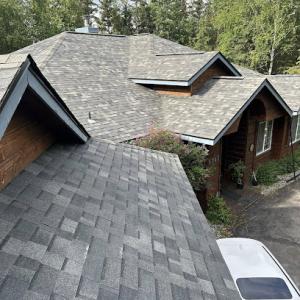
Harris Roofing
(907) 308-9992 harrisroofingalaska.com
Serving
4.9 from 35 reviews
Harris Roofing & Contracting is a veteran-owned company proudly serving Anchorage and the Mat-Su Valley. We specialize in roofing services including installation, repair, and replacement for both residential and commercial properties. In addition, we offer high-quality interior and exterior painting, siding, and seasonal snow and ice dam removal. With a strong focus on craftsmanship, reliability, and customer satisfaction, we’re committed to protecting your home or business. We also offer discounts for military personnel and first responders. Trust Harris Roofing for dependable, local service you can count on.
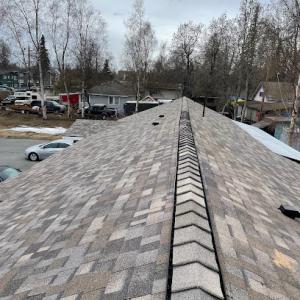
EZ Roofing & Construction
(907) 205-7521 www.ezroofingconstruction.com
Serving
4.4 from 22 reviews
At EZ Roofing & Construction, LLC, we focus on delivering roofing and construction work built to handle Alaska?s demanding climate. We manage roof installations, replacements, repairs, and full exterior or interior construction with durable materials and steady craftsmanship. Whether reinforcing an older roof, building a new structure, or improving overall protection, we approach each project with careful planning and a commitment to long-term performance. Our goal is to provide reliable, weather-ready results that keep your home or business strong through every season.
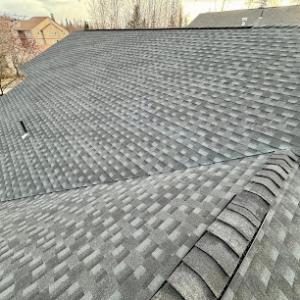
Summit Roofing
(907) 717-4198 summitroofingak.com
Serving
5.0 from 5 reviews
We are a locally owned roofing company based in Anchorage. We offer roofing services within the Anchorage Municipality, the Mat-Su Valley and sometimes further. We take pride in producing high quality work at a competitive price. Give us a call today for a free estimate!
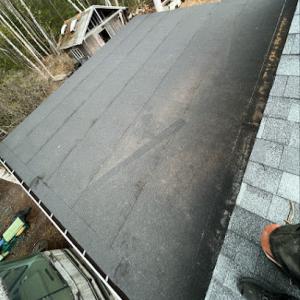
Northern Snow Removal & Roofing
(907) 317-7396 northernsnowremoval.co
Serving
5.0 from 8 reviews
Northern Snow Removal provides professional snow removal, roofing services, and landscaping throughout Anchorage, Alaska. We offer 24/7 emergency snow plowing for residential and commercial properties in Hillside, Eagle River, South Anchorage, and all neighborhoods within Anchorage. Our veteran-owned business is licensed, insured, and locally trusted. We specialize in: Emergency snow removal and plowing, Roof snow clearing and ice dam prevention, Complete roofing installations and repairs, Professional landscaping and lawn care. Call now for a free quote! Available 24/7 for emergency snow removal service.
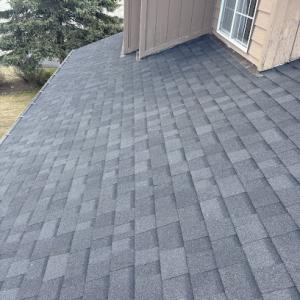
Roof & All Construction
(907) 854-6583 roofandallconstruction.com
Serving
5.0 from 7 reviews
We are a contractor working out of Anchorage, AK and surrounding communities. We are a top rated construction service provider, and from the first nail to the final creative touches our contractor and crew will turn your home into a modern, unique, and comfortable place to live. We proudly offer general contracting, roofing service, and roof installation.
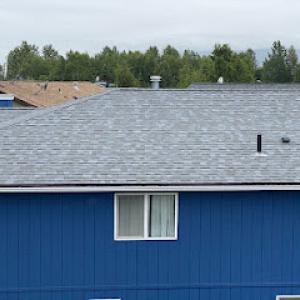
Earhart Roofing Company
(907) 345-5555 www.earhartroofing.com
Serving
4.0 from 52 reviews
New GBP Earhart Roofing Company delivers dependable roofing solutions backed by experience, precision, and craftsmanship you can trust. As a skilled roofing contractor in Peters Creek, AK, we handle everything from routine roof repairs caused by wear, tear, wind, and snow damage to full roof consultations and custom designs. Our team is known throughout the Anchorage, AK, area for high-quality roof installations completed to exact standards and tailored to each property’s needs. No matter how complex the project, we focus on durability, safety, and long-term performance. Contact Earhart Roofing Company today to schedule a consultation and protect your home with confidence.

Premier Roofing
(907) 346-4131 www.premierroofingalaska.com
Serving
4.9 from 31 reviews
Premier Roofing is a full service roofing company in Anchorage, Alaska specializing in residential and light commercial roofing projects, including new construction, roof replacement, and roof repairs. We are a hands-on, family owned business that was established in 1996. Our company is a small, quality driven business that has achieved a well earned reputation for outstanding craftsmanship and reliability. We take great pride in being the roofer that you can trust for all of your roofing needs in Anchorage, Eagle River, and the surrounding communities.
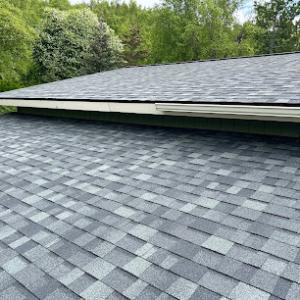
Storm Proof Roofing
(907) 770-6666 stormproofroofing.org
Serving
5.0 from 85 reviews
Storm Proof Roofing is a professional roofing company based in Anchorage, Alaska, providing reliable residential and commercial roofing services built for Alaska’s tough weather conditions. We specialize in roof replacement, roof repairs, new roof installation, inspections, and storm damage solutions. Our team is committed to quality workmanship, honest communication, and dependable service from start to finish. Whether you need help with leaks, aging shingles, or a full roofing upgrade, Storm Proof Roofing works to deliver durable, long-lasting results you can count on.
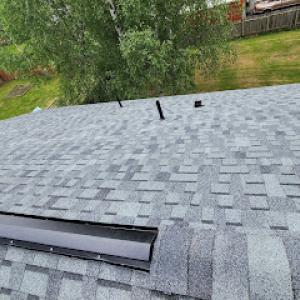
Northern Roofing & Remodeling
Serving
5.0 from 3 reviews
We are a small local company that is licensed, bonded and insured looking to grow. Give us a call for a free estimate. We primarily work on roofing but also offer remodeling services.
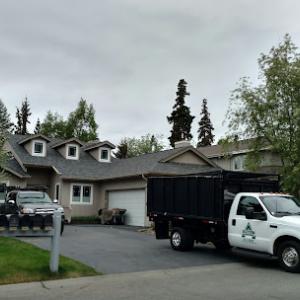
Action Roofing Services
(907) 677-6969 www.actionroofingak.net
Serving
5.0 from 21 reviews
With a legacy spanning over 45 years, Action Roofing Services is a trusted name in Anchorage for all your roofing needs. We are a licensed, bonded, and insured company, dedicated to providing exceptional craftsmanship and unparalleled attention to detail. Our team of experienced professionals is committed to delivering quality results, ensuring the safety and protection of your home or business. We have built a reputation on reliability and superior workmanship, and we take great pride in serving our local community.
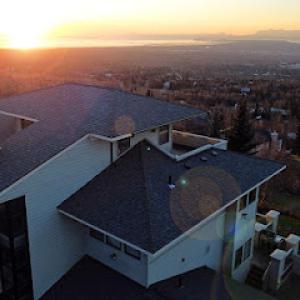
Reds Roofing & Renovations
(907) 802-7575 redsroofingak.com
Serving
4.8 from 28 reviews
Welcome to the home of the Reds! We're a veteran woman owned and family run roofing contractor in Anchorage, Alaska. Reds Roofing is your trusted partner for roofing and home improvement services. Our family and team of professionals believe in going above and beyond for our customers, ensuring each project is executed with utmost precision and heartfelt passion—no less than we'd do for our own family. From roofing repairs and new roofs, to home renovations and improvement projects, we treat your property as it were our own, ensuring every detail is flawlessly executed. No compromise is made on quality, and we guarantee our work. Whether you have a roofing emergency, or simply planning ahead, visit our roofing website to learn more.
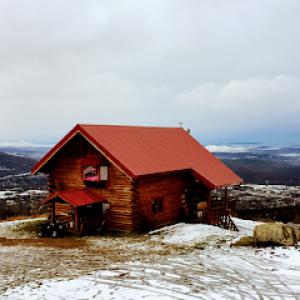
S&D roofing of Alaska
Serving
5.0 from 17 reviews
Better than the rest Now serving the Big Island of Hawaii
In Eagle River, replacement costs are shaped by Alaska logistics and material availability, especially for heavier or specialty products that are less common and more expensive to source than standard shingles or metal panels. Local cost ranges you'll typically see are Asphalt Shingles 350 to 800 USD per square, Metal Roofing 550 to 1100, Concrete Tile 900 to 1900, Wood Shingles/Shakes 600 to 1200, Synthetic/Composite Shingles 450 to 900, and Slate 1200 to 2600. Those figures reflect the extra effort of winter access, freight, and crew mobilization during the cold season.
Snow-country roof geometry and steep pitches drive labor on every Eagle River reroof. A roof that sheds snow well and resists ice damming starts with a robust underlayment and careful edge detailing. If the existing roof is aged or undersized for your attic insulation, expect higher costs for decking repair, enhanced underlayment, and improved drip edge and venting. Heavier products (slate, concrete tile) push costs up not just for material but for structure, fasteners, and scaffolding that can handle winter conditions. When planning, anticipate longer tear-off windows and potential winter-day interruptions, which can lift crew time and safety requirements.
Heavier or specialty products are less common here and often more expensive to source. For practical Eagle River budgeting, consider matched weight with your support structure and attic temperature profile. If ice-dam risk is high or the roof has multiple valleys, a premium underlayment and enhanced ice-guard around eaves and penetrations may be warranted, increasing the project total beyond the basic material price. Synthetic/Composites and metal offer strong performance against freeze-thaw cycles and may carry favorable long-term value, but their upfront cost sits toward the higher end of the ranges.
A typical replacement should account for panel or shingle size, venting upgrades, and sufficient clearance for snow removal and winter logistics. For steep roofs, extra fall protection and staged material handling become part of the price. If a reroof involves correcting deck rot or replacing fascia and soffit, the price climbs accordingly. In Eagle River, you should expect a careful balance between rapid, weather-conscious execution and the need for durable, ice-dam-resistant detailing on day one.
Start with the midpoints of your chosen material class and add a contingency for winter weather windows and potential underlayment upgrades. If a project includes a heavier product, reserve funds for structural assessment or reinforcement. Given the local nuances, it's prudent to request a line-item breakdown that separates decking, underlayment, ice-dam protection, fasteners, and labor, so multiple contingencies can be tracked and managed through the replacement timeline.
Residential roofing work in this community is typically handled through the Municipality of Anchorage rather than a separate local city office. For a typical full roof replacement, you should start with the residential building permit portal and submit drawings or sketches that show the roof's layout, changes in slope, and any added structural members. The process is familiar to many local contractors, but it's important to align with the MOA system to ensure your project complies with current standards for snow load and wind uplift. If your roof design includes a nonstandard configuration-such as steep pitches, multiple ridges, or a combination of materials-you'll want to verify that the plan aligns with MOA expectations before submitting.
Most full roof replacements require at least a rough-in inspection if framing work is involved, followed by a final inspection when the job is complete. In Eagle River, inspections often focus on how the roof is framed to handle heavy snows, plus that the underlayment and flashing meet the county's expectations for cold-weather performance. The rough-in gives the building department a chance to confirm structural changes, such as updated rafter or truss layouts, anchor points, and any ventilation pathways that affect moisture control in long freeze-thaw cycles. The final inspection confirms that the installed roofing system, underlayment, ice shields, and drip edges meet current wind uplift and weatherproofing requirements. Schedule inspections early in the project and keep documentation accessible for review.
The building department enforces wind uplift resistance and underlayment standards that align with Alaska's harsher climate. In snow-country designs, these requirements are often more stringent to prevent wind-driven lift and winter moisture intrusion under a heavy snowpack. Expect rules that specify the type, thickness, and installation method for underlayment, as well as fastener patterns and roof deck attachment near eaves and overhangs. If your roof plan uses unusual slopes, multiple planes, or a mix of materials, plan for a possible plan review to verify that the chosen system can perform under sustained winter conditions.
Unusual roof configurations-such as intricate snow-country profiles, valley intersections, or specialty eave detailing-may trigger a plan review. The reviewer will focus on load paths, drainage, and the integration of ice-dam prevention components with underlayment and waterproofing. Have your contractor supply clear schematics, a materials list, and any manufacturer installation instructions that pertain to cold-weather performance. If a plan review is recommended, allow extra lead time for revisions and resubmissions so the project can progress without delays during the short daylight-and long cold-months.
Alaska's insurance market can be selective, and Eagle River homeowners may encounter closer scrutiny of roof age, prior ice-dam history, and evidence of wind or hail exposure when renewing or filing claims. Carriers will often start from a conservative baseline, especially after harsh winters that leave unseen wear beneath the snow. If a claim is on the table, expect detailed questions about when the roof was last replaced, what materials were used, and whether any past repairs were documented with receipts or photos. Being upfront and organized helps, but the risk of a claim being delayed or denied exists if the roof's condition isn't well supported by records and a clear history.
Adjusters rely heavily on photos, and carriers may ask for repair estimates or engineering reports for older roofs or higher-risk materials. Since winter damage can stay hidden until thaw, it is prudent to gather a robust set of visuals: wide shots of the whole roof, close-ups of flashing, eaves, and valleys, and any signs of ice-damming from last season. When you file, include notes about previous snow loads, incident weather, and any prior repairs with dates. If a roof uses unusual materials or has multiple roof lines, add a brief diagram showing how sections drain and where potential weak points sit. Solid documentation can shorten the path from claim to resolution and reduce back-and-forth with the adjuster.
Because winter damage can remain hidden until thaw, homeowners benefit from documenting snow buildup, interior staining during breakup, and close-up photos of eaves, valleys, and flashing as conditions change. During melt, look for stains or moisture that runs along interior rafters or ceiling corners, and note any new damp spots after heavy thaws. Photos should capture conditions at different times of day and under varying light to reveal discoloration or moss growth that might signal underlying leaks. Keeping a dated, organized gallery of these images supports a clearer narrative if a claim is needed, and helps set expectations with your insurer if conditions worsen during a high-snow year.
Recurring local failure patterns are tied to ice dams at eaves, leakage revealed during spring thaw, and moisture intrusion where snow sits for long periods on shaded roof sections. Start by inspecting eaves after heavy snowfall and before freeze-up ends. If icicles are hanging and attic heat is driving melt toward the edge, that's a signal to check underside of the soffit, attic insulation, and ventilation. For immediate mitigation, clear the accessible eave area of loose snow, then establish a clear path for melt water to reach the gutters. Ensure gutters are clean and securely attached so water can shed rather than back up. In homes with long, shaded roof runs, prioritize keeping a narrow strip near the eave warm to prevent ice buildup from creating a dam that backs water into the roof assembly.
Freeze-thaw cycling can widen small defects around flashing, penetrations, and shingle tabs, turning minor winter issues into visible spring leaks. Inspect around chimney flashing, dormer joints, and vent stacks after the coldest snaps have passed. Look for hairline cracks in sealant or rust around metal flashings. When you see any movement or cracking, reseal with a high-quality, compatible sealant and re-secure flashing where needed. Pay attention to valley transitions, as snow lingerment in these zones delays drying and concentrates stress. In shaded sections where snow sits longest, consider targeted snow shedding measures or more frequent inspections to catch early failures before water travels inward.
Homes with complicated rooflines are more vulnerable because valleys, dead zones, and transitions hold snow longer in winter conditions. Map these areas and plan extra attention during thaw cycles. Valleys should be kept clear of ice dams by maintaining consistent insulation and ventilation, and by ensuring valley metal is continuous and well-sealed. Dead zones-spots where snow tends to accumulate and remain-warrant periodic hand-checks for moisture intrusion after the snow melts. If a long, continuous shaded run is present, schedule mid-winter checks to confirm that no hidden leaks are forming beneath the snowpack. In all cases, address any detected moisture quickly to prevent deeper damage as temperatures rise.