
Last updated: Apr 19, 2026
The Mojave Desert and the Colorado River shape every roof in this town. Prolonged extreme summer heat bakes shingles, tiles, underlayment, and decking, while the short but disruptive monsoon season can complicate replacement work. The clock on a roof here runs fast when the sun is up and storms roll in, so timing becomes a core part of any planning. If a roof is aging, its performance dips quickly in this climate, and missed windows can translate into rapid wear, unexpected leaks, and added cost from schedule overruns.
In this climate, UV exposure accelerates shingle aging far beyond temperate-zone norms. Asphalt and synthetic shingles stiffen under the sun, while clay and concrete tiles heat soak the attic, increasing the risk of substrate warping and deck drying. When decking dries out, fasteners lose bite, underlayment friction rises, and the roof becomes more vulnerable to wind uplift and small leaks. Even cool nights do little to reverse the damage if the membrane and fasteners have taken months of summer punishment. For homes with flat or low-slope sections, heat concentration around eaves and penetrations compounds wear, making sealing around vent pipes, skylights, and chimneys a recurring maintenance hotspot. The result is a shorter cycle between inspection and replacement readiness compared to milder climates. That means proactive replacement planning is not optional here-it's essential to avoid catastrophic failures during the next heat spike or monsoon interruption.
Locally noted installation windows favor fall and spring, and that preference is not decorative-it's practical. Summer heat slows crews, degrades material handling, and can compromise sealant performance. When temperatures stay above comfortable thresholds, tear-off work becomes physically exhausting and crew productivity drops, increasing risk for improper sealant curing and misaligned courses. In addition, many materials become more brittle or difficult to lattice with proper nailing schedules under the direct sun. Conversely, July through September storms interrupt tear-off and dry-in schedules, bringing sudden weather gaps that can leave decks exposed and decking seams vulnerable to moisture intrusion. If a project cannot be knocked out in a single, well-coordinated swing during the fall or spring, the window narrows, and the schedule pressure climbs quickly. Planning around these seasons keeps the attic battening and underlayment integration aligned with the fast-moving monsoon pattern, reducing the chance of weather-driven setbacks that compound aging.
Monsoon events are short but intense, and their impact on a roof replacement is tangible. Thunderstorm downdrafts, heavy blowing dust, and sudden rain can interrupt tear-off sequences, flood newly installed underlayment, and force postponement of dry-in phases. The risk isn't just water intrusion during a storm-it's the cumulative effect of moisture intrusion during critical curing periods for sealants and flashing. If a project has to weather a monsoon, the plan should include a clear sequence for rapid protective coverage, staged material deliveries, and a contingency to pause and resume without losing alignment of overlapping roof sections. In practice, that means setting expectations for a fall or spring start, with a built-in buffer for late-season storms, so the roof can reach a safe, weather-tight condition before the next extreme heat spike or winter dew events.
Seasonal risks here are a blend: UV-driven shingle aging, decking drying, spring dust and wind events, and cool winter nights that can create dew on underlayment. That dew, while fleeting, can compromise continuous drying and trap moisture in the underlayment if the follow-up work lags. Homeowners should synchronize replacement planning with the anticipated lull between the harshest heat and the next storm front. A well-timed replacement reduces the chance of early-age failures and preserves the roof's performance through several hot seasons to come. Building resilience into the schedule, choosing materials with robust heat resistance, and coordinating multi-day windows during fall or spring are the practical moves that keep roofs performing under Bullhead City's exacting conditions.
The dominant local materials are asphalt shingles, metal roofing, clay tile, concrete tile, wood shingles or shakes, and synthetic or composite shingles. The Mojave heat, intense UV, dust, and rare but powerful summer monsoon outflows shape how these systems age and when they should be replaced. This region sees accelerated aging for some options and unique wear patterns for others, so choosing the right mix means balancing heat tolerance, wind performance, and long-term underlayment health.
Asphalt systems are common on many rooflines here, but the desert heat pushes faster aging than in milder markets. UV exposure and blistering drive granule loss and color fade, while the heat cycle can cause faster creep in the underlayment and fasteners if edges aren't well secured. A practical approach is to prioritize architectural or laminated shingles with better UV resistance and thicker underlayment. Regular inspections after peak summer months should focus on edge granules, curled or lifted shingles, and flashing around chimneys and vents. When you see exposed felt or signs of membrane delamination, plan a proactive refresh-don't wait for widespread failure.
Metal roofs perform well in extreme heat, offering excellent reflectivity and longevity when installed with proper venting and underlayment. In this climate, metal shines for its resistance to thermal movement and its low tendency to warp under high temperatures. The key maintenance item is ensuring fasteners and edge trim stay tight and corrosion-free, especially near coast-adjacent dust corridors and where monsoon winds churn debris. For replacement considerations, look for metal panels with adequate sacrificial coatings and a robust sealant strategy at seams to prevent wind-driven moisture intrusion during monsoon squalls.
Clay tile can be a long-lived choice in desert conditions, but the weight load and underlayment condition matter more here. The monsoon season can lift loose tiles if edge clips and battens aren't secure, and wind-driven dust can abrade underlayment surfaces that aren't properly protected. An emphasis on a high-quality underlayment with a moisture barrier is essential, and you'll want to inspect for cracked tiles after monsoon storms. When replacing clay tile, ensure the fasteners and ridge caps are sized for the wind profile of your neighborhood, and confirm that the lattice and battens are still solid underneath.
Concrete tiles share the weathering profile of clay, but they often come with greater density and weight, which translates to different underlayment and support requirements. In these dust-heavy environments, edge protection and securement matter even more, as wind uplift can loosen pieces if fasteners aren't correctly installed. Concrete tiles benefit from a roof deck with a resilient moisture barrier and a detailing plan for flashing at parapets and penetrations. After severe dust events or heavy rain, check for cracked or displaced tiles and reseal flashing laps to prevent infiltration.
Wood shingles or shakes add a natural look but handle the desert climate with more frequent maintenance checks. Intense sun can dry out wood fibers, increasing the risk of splitting and warping, while monsoon winds can loosen edges and expose fasteners. If choosing wood, select lower-slope options with termite- and rot-resistant treatments and ensure a robust ventilation strategy. Regular rinsing to remove dust and periodic resealing or staining helps curb UV-related degrade, but be mindful of fire risk in dry stretches.
Synthetic or composite shingles offer a flexible option that can mimic other materials while trading some weight and maintenance for easier handling in windy, dusty conditions. Look for products with proven UV stability and good warranty coverage in hot climates. These systems often respond well to regular inspection of edge trim and seals, especially after monsoon-driven debris impacts. Consider the compatibility of fasteners and flashing with the chosen system to maintain long-term water tightness in this environment.
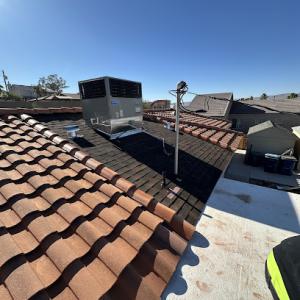
Victory Roofing
1885 Diamond Dr, Bullhead City, Arizona
5.0 from 3 reviews
Specializing in all types of roofs from asphalt shingles, concrete, tiles and flat roof. Serving all tri-state area please call now or text!
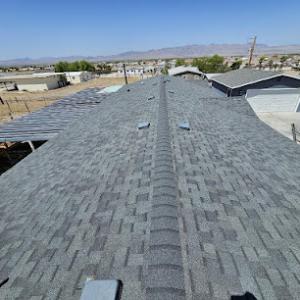
MVP Roofing
1539 Ramar Rd, Bullhead City, Arizona
5.0 from 1 review
We have been serving the triple-state area ( Bullhead City, Kingman , Lake Havasu , Parker , Quartzsite ) and beyond . Give us a call and we will get all your roofing needs taken care of . Thank you for taking the time to visit our page. We are licensed , bonded and insured ROC# 300045
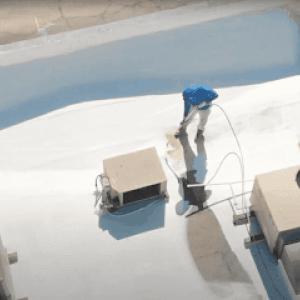
Roof Saver Services
(928) 768-8440 roofsaverservices.com
2020 Silver Creek Rd # D105, Bullhead City, Arizona
5.0 from 1 review
Roof Saver Services, established in 2008 by Richard Brindisi, is dedicated to enhancing energy efficiency, boosting real estate value, and fostering environmental sustainability. Richard is the son of Angelo Brindisi, a World War Two Seabee turned roofing contractor, and followed in his father's footsteps in 1972. Since then, Richard has been at the forefront of advancements and standards in the roofing industry. Roof Saver Services has offered top-notch products and services for both residential and commercial markets. By focusing on innovative solutions and customer satisfaction, Roof Saver Services aims to help clients save time, energy, and money, while contributing to a better future. Contact Roof Saver Services for more info today!
Bullhead City's main storm risk window runs roughly from July through September, when monsoon cells roll in and bring heavy rain, hail, and high winds. During these weeks, you'll notice roofs that looked solid after spring can suddenly show lifted shingles, dented panels, or granule loss from hail. The combination of vigourous gusts and rain can drive water under edges, flashing, and eaves, especially on slopes that angle toward prevailing storm tracks. A rooftop that's endured extreme desert sun all year can suddenly confront moisture intrusion in ways that aren't obvious from ground level.
Desert heat accelerates aging of roofing materials, so you may see curled edges, faded color, or granule shedding on asphalt or composite shingles long before a storm arrives. After a monsoon, however, the telltale signs shift: broken or cracked tiles, punctures in metal panels, lifted seams, and moisture staining near joints or penetrations. When documenting a claim, start with the obvious storm-created flaws-impact marks, displaced fasteners, compromised underlayment-and then note long-term sun wear as a separate contributing factor. Clear photos taken from multiple angles after a hail event or heavy downpour help sort out whether damage is primarily wind-driven or sun-aged. Keeping a simple roof diary across the season can make it easier to separate a sudden hit from gradual deterioration.
Wind can yank shingles, ripple flashing, or peel back edge membranes. In Bullhead City's high-desert climate, fasteners can loosen if the roof is already stressed by heat cycles, so a storm's gusts may reveal weaknesses that were barely perceptible on a calmer day. Look for lifted corners, loose tabs, or wind-driven debris tracks along rake edges and chimney lines. If shingles are still intact but show abnormal gaps, the roof structure beneath may have sustained stress that warrants closer inspection after the storm passes.
Hail is a sharper threat in this region because it can create micro-craters and edge damage that isn't always obvious from the ground. After a hail event, focus on exposed surfaces first: ridge caps, vents, valleys, and the transitions between roof planes. Metal roofing can exhibit denting or reduced reflectivity, while clay and concrete tiles can crack or shatter, increasing the risk of water intrusion at fastener points and around penetrations. In any case, do not delay a professional assessment if moisture is detected or if there are visible penetrations; the longer water can sit, the more potential there is for hidden rot and interior damage.
Because storm-season demand spikes can create repair backlogs, securing a trusted contractor early in the season matters. If a storm has recently passed, document the sequence of events, including dates, wind speeds if known, and any immediate leaks or interior staining. A practical approach is to schedule post-storm inspections promptly, so minor issues don't escalate into larger, costlier problems. Stay vigilant for signs of repeated stress along rake edges and near roof penetrations, especially after back-to-back storm days.
In this desert climate, local roof work tends to fall within clear banded ranges: asphalt shingles from about 350 to 700 USD per square, metal from 700 to 1200, clay tile from 900 to 1500, concrete tile from 800 to 1400, wood shingles or shakes from 600 to 1100, and synthetic or composite shingles from 550 to 900 per square. Those figures reflect how Bullhead City's heat, UV exposure, and dusty winds push up material and labor needs compared with milder markets. If your home leans toward tile or other heavy systems, expect prices to sit toward the upper end of the ranges, especially when roof complexity or underlayment replacement is required.
Desert sun accelerates aging of every component: shingles dry out, underlayment loses flexibility, and fasteners can corrode sooner than you'd expect in cooler markets. When you replace, you're not just swapping shingles; you're often upgrading underlayment, venting, and flashing to handle extended heat exposure. That means a tile or heavy-system roof can cost more upfront but deliver longer life in this climate, provided installation quality stays high. If your attic shows signs of heat soak or the decking feels brittle, plan for additional material or labor costs tied to careful handling and potential underlayment upgrades.
Costs in Bullhead City can rise when work is scheduled around monsoon disruptions or after storm events create a surge in demand for repairs and replacements. If a monsoon window overlaps your project, you may face higher labor availability charges or temporary weather-related delays. Scheduling ahead of the rainy season or after a lull in storm activity tends to compress costs and keep crews more available. Weather-driven scheduling can also impact warranty timing and roof protection decisions, so coordinate with your contractor about storm-readiness and tarp plans.
Local architecture commonly uses tile and other heavier systems in desert-style homes, so roof complexity, underlayment replacement, and handling of brittle sun-exposed materials can materially affect pricing. Heavier systems demand robust deck preparation and careful weight handling on structures not originally designed for extra load. If your home uses clay or concrete tile, expect higher upfront costs but longer service life when installed with proper ventilation and a modern underlayment system. Conversely, if weight or retrofit challenges exist, synthetic or composite shingles can offer a more economical and lighter alternative with improved wind performance, though life expectancy may differ from traditional tile.
For most full roof replacements you'll need a permit, and the permits are issued by the City of Bullhead City Building Department. This process helps ensure that the project adheres to local codes and the desert climate realities-like venting for attic spaces, proper flashing around parapets, and sodium-heavy dust considerations that can affect roof longevity. Start with a plan submittal that clearly shows roof type, underlayment, ventilation, and any structural work. Having a complete package can reduce back-and-forth during review, especially when monsoon season narrows window opportunities.
The inspection sequence in this city is staged to align with the work's progress. First, you'll have an inspection after tear-off and once installation is underway. This check confirms that the existing structure is sound for the new roof and that the chosen materials meet local requirements. A subsequent inspection occurs after the roof installation is finished, focusing on the workmanship and adherence to code specifics. The final inspection then checks proper installation, flashing, and venting to prevent issues like leaks around dormers, skylights, and roof penetrations that are common in desert homes with flat or low-slope sections. These steps are especially important in the heat of the season, when improper flashing or venting can lead to accelerated wear from UV exposure and heat cycling.
Processing times vary with department workload, so scheduling in Bullhead City should account for both permit lead time and inspection availability during busy storm periods. Monsoon season can create spikes in activity, and the combination of heat and dust can influence inspection pacing. Plan ahead by coordinating with the Building Department early, and align tear-off windows with forecasted weather to minimize delays. If a project hits a backlog, the city often prioritizes safety-related inspections, so having your contractor prepared with clear, up-to-date documentation can help keep the timeline intact.
Prepare a complete plan set with details on underlayment, venting strategy, flashing around vents and skylights, and any penetrations through existing roof lines. Have a designated access path for inspectors and a clear workspace to avoid weather-related scheduling hiccups. Keep a running file of permit numbers, inspection appointments, and contact information for the Building Department. By coordinating permits, inspections, and weather-aware scheduling, you reduce the risk that desert heat and storm timing push your project beyond an optimal replacement window.
When a storm rolls off the Colorado River and the Mojave sun bakes a roof for another season, the claims story in this area isn't the same as coastal catastrophe zones. Bullhead City is not a constant-claim market, but desert hail and high-wind events can still produce meaningful roofing claims after severe storms. You should expect insurers to scrutinize both the weather footprint and the roof's history. A roof that shows long-term heat wear alongside a fresh impact or wind damage may face more questions than a newer, well-documented installation. Understand that the timing of a claim matters: after a monsoon, fast documentation can influence how a claim is interpreted and how work is scheduled.
Before approving any repair or replacement, insurers in this market may ask for a clear picture of the roof's age and condition, plus records of prior damage. Recent weather events, including storm paths and hail sizes, help set expectations for settlements. Contractor license information and project details often appear in the review packet to verify that the work will be performed to standards and that the chosen method aligns with the roof type. In this desert climate, the insurer is looking for evidence that a retrofit or replacement isn't masking preexisting fatigue from years of extreme heat and dusty conditions.
Some carriers apply higher deductibles for hail or wind losses, so it pays to photograph storm damage promptly and keep records that separate old heat wear from new storm impacts. Take wide-angle shots of the roof line, close-ups of damaged shingles, tiles, fasteners, and flashings, and note any ridge or valley concerns. Maintain a simple timeline: when heat-related wear appears, when a storm occurred, and when repairs were contemplated. If you changed contractors or materials, document the choices and the rationale. In this market, the most credible file is a well-organized, dated sequence that makes it plain what caused the latest damage and how it's been addressed.
Because clay and concrete tile are dominant in this area, many homes have visible tile that outlasts the waterproofing layer beneath it. The underlayment is the first line of defense against leaks when tiles crack or slip, and in desert homes that layer bears the brunt of heat and UV exposure. If the underlayment begins to fail, leaks can show up only after a summer rain or a late monsoon gust, long after you've noticed the surface tiles still look good.
Extreme desert heat and UV exposure age underlayment faster than you expect. The sun can bake the decking and degrade the waterproofing membrane, making it brittle, and flashing around roof penetrations can dry out and separate. In this climate, an underlayment that seems fine on the surface may be near its end below the tiles, especially if the roof is several decades old or has had previous patchwork.
Monsoon season brings wind-driven debris that can crack or displace individual tiles, creating leak paths that are easy to miss until the summer rains arrive. Loose or missing tiles often signal trouble in the underlayment, not just the surface. Pay attention to days with high wind when you notice grit, dust, or small branches on the roof artfully disguising gaps.
During a roof check, look for slipped tiles, edge cupping, or soft decking near parapets and penetrations. If tiles appear intact but staining or damp patches appear inside the attic after a monsoon, treat the underlayment as the likely culprit. In this climate, plan on evaluating the underlayment more frequently than you would in milder areas, especially after severe heat waves or extended droughts.