
Last updated: Apr 19, 2026
Prolonged high heat and intense sun are not abstract concerns here-they are a constant, year-round stress test for every roof. The flat-to-low-slope homes with stucco exteriors absorb ultraviolet rays and radiate heat back into roofing materials, rapidly breaking down sealants, underlayments, and pliable components. Shingles, tiles, and metal panels all suffer corners, edges, and fastener vulnerabilities first, where sun exposure is fiercest. In practical terms, expect components to operate well past their initial spec only if they're kept dry, well-ventilated, and shielded from direct sun at critical interfaces. This means careful attention to edge flashing, ridge caps, and the transition zones where roofs meet walls, skylights, and penetrations.
The monsoon season arrives after long dry stretches, often July through September, and can unleash sudden wind-driven storms that catch roofs off guard. It's not just the wind; it's the rapid change from scorching heat to rain-slick surfaces and debris-littered gutters. These events amplify wear on fasteners, sealants, and the roof deck's immediate protections. If a roof shows signs of loose fasteners, lifted flashing, or cracked sealant around edges after a monsoon impulse, treat it as a replacement-timing signal rather than a cosmetic patch. The key is proactive inspection immediately following the season's strongest gusts or post-storm days, focusing on edge systems, valley placements, and the condition of any previously installed underlayment.
Large day-to-night temperature swings create repeated expansion and contraction cycles that wear at differently stressed interfaces. Sealants and underlayments are particularly vulnerable because they experience more thermal motion than rigid components like metal panels or concrete tiles. That differential movement can open micro-gaps around fasteners or at lap joints, inviting water intrusion even when surface flashing looks intact. In practice, plan for targeted checks at penetrations-vent pipes, chimneys, skylights, and outlets-and at roof-to-wall transitions. If you notice hairline cracks in sealants, small gaps at flashing seams, or inconsistent adhesion of underlayment, address them promptly before heat and wind compound the issue.
Seasonal checks should be concise and systematic. Start at the highest risk zones: ridge lines, penetrations, and places where different materials meet. Look for lifted edges, loose fasteners, or flashing that has shifted due to wind pressure. Inspect the underside of eaves and overhangs after storms for signs of leaks or moisture intrusion in attic spaces or ceilings. If a section of roof looks uneven, or if metal panels show denting or loose seams, schedule a professional assessment without delay. Remember that extreme sun and sudden monsoon activity interact to accelerate aging; a fast, focused inspection after major storms can prevent small problems from becoming costly failures.
Given the climate realities, adopt a two-pronged approach: protect, then monitor. Protect by ensuring high-quality sealants and compatible underlayments are chosen for hot, sun-intensive environments, and verify proper attachment methods for all fasteners and flashing. Monitor by documenting with photos after extreme weather and noting any changes in previously treated areas. If a roof feels unusually warm to the touch, if sealants look cracked or dry, or if recent storms leave visible signs of distress, treat it as urgent and arrange a professional evaluation promptly. The goal is to keep the roof resilient through both the blistering sun and the sudden monsoon shifts, before the next cycle wears it down.
Clay tile and concrete tile are especially common on Southwest-inspired homes in this area, where the shade of stucco walls and open patios meet a bright desert sky. The weight of tile is a practical consideration, so ensure the structure can carry the load and that roof framing is up to date. Tile systems typically shed heat well and resist wind better than some other options when installed with proper underlayment and battens, but they demand careful maintenance: cracked or broken tiles invite water intrusion, and any deflection in the roof deck can allow moisture to reach the sheathing. In practice, inspect tile seams after the monsoon season for any dislodged pieces, and keep gutters clear so water doesn't back up and loosen fasteners. Regularly check flashing at chimneys, vents, and rake edges, since severe sun and wind can lift exposed edges over time. If you're considering coatings or sealants, choose products designed for hot, UV-rich climates and recoat on a set schedule to maintain reflectivity and moisture resistance.
Metal roofing is a common local choice because homeowners prioritize heat resistance and durability under intense sun exposure. Metal panels and standing-seam profiles handle reflected glare and high daytime temperatures well, but wind uplift is a real factor during monsoon outflows. Ensure fasteners and seams are properly sealed and that the roof is installed with an appropriate slope and adequate attic ventilation to minimize heat buildup beneath the metal. Inspect for loose or missing fasteners after strong winds, and look for paint or coating degradation where sun exposure is most intense. If your metal roof is older, consider a color refresh or reflective coating to maintain energy efficiency and curb appeal. In high-UV climates, metal can experience reflector wear and panel edge wear, so plan for periodic edge maintenance and re-sealing of any degraded sealants around flashing and perimeters.
Asphalt shingles remain in use locally, but the hot, sunny climate makes accelerated aging a more important issue here than in cooler markets. Look for curling, cupping, and loss of granules after long summers, and pay attention to sections near vent pipes and roof penetrations where heat stress concentrates. A well-ventilated attic and a properly installed underlayment help mitigate heat-related damage. Regular inspections after monsoon winds can catch lifted edges or small punctures early, preventing moisture intrusion. For shingle roofs, consider periodic resealing of cracked or blistered areas and replacement of severely aged shingles to preserve a watertight roof over the hottest months. Regardless of material, a proactive maintenance routine aligned with the desert sun and seasonal wind patterns will extend roof life in this community.
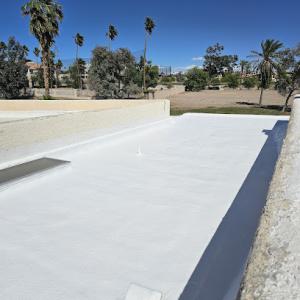
Desert Tech Roofing
(928) 733-0163 www.deserttechroofing.com
3042 Palo Verde Blvd S, Lake Havasu City, Arizona
5.0 from 13 reviews
Lake Havasu city's premier energy efficient roofing contractor. Specializing in energy efficient roof coating systems. Foam roof coatings, rv garage coatings and metal roof coatings. Locally and family owned.
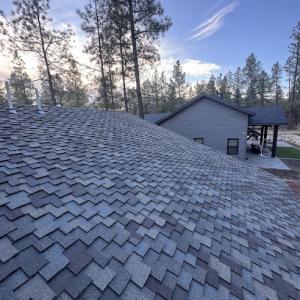
Dynamite Roofing
1101 Gauge Dr G, Lake Havasu City, Arizona
4.7 from 33 reviews
Family and Veteran owned business servicing Lake Havasu City and surrounding areas. 30 years of experience in the roofing industry. Give us a call for your free estimate in the Lake Havasu City Area. Service calls and estimates to surrounding areas, Parker, Kingman, Bullhead, Fort Mohave, Topock, Mohave Valley, Williams, flagstaff and phoenix metro area. Give us a call for more details on scheduling an out of town appointment.
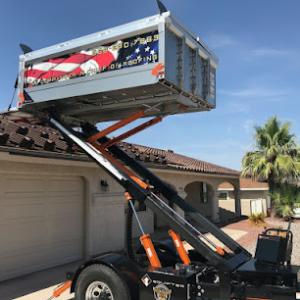
Freedom Roofing & Repair
(928) 432-8300 freedomroofingandrepair.com
1100 London Bridge Rd Suite F204, Lake Havasu City, Arizona
4.5 from 39 reviews
Our goal at Freedom Roofing & Repair is to be a one-stop shop for all of your roofing needs. From new construction, repairing leaky roofs, to full restoration of significant damage, we can do it all. We understand the importance of protecting your property and investment. Freedom Roofing & Repair uses only the highest quality of manufactured roofing solutions that are durable, long-lasting and environmentally friendly. When you choose to work with Freedom Roofing & Repair, you can count on us to show up when promised and get the job done.
Mohave Roofing
(928) 680-6353 mohaveroofingcompany.com
1330 London Bridge Rd, Lake Havasu City, Arizona
4.5 from 36 reviews
Mohave Roofing, a Lake Havasu City, Arizona based family and veteran owned roofing contractor, offers high-quality residential and commercial roof installation and repair. They specialize in durable, weather-resistant roofing systems designed for each client's specific needs. Committed to excellence, Mohave Roofing prioritizes customer satisfaction and long-lasting results by delivering reliable, timely, and cost-effective services.
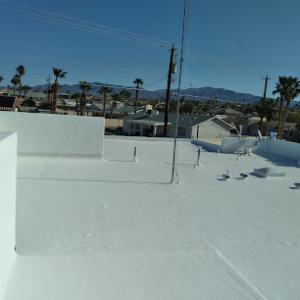
Element Roofing
3788 Shiawassee Dr, Lake Havasu City, Arizona
4.8 from 8 reviews
Call us for a free estimate!
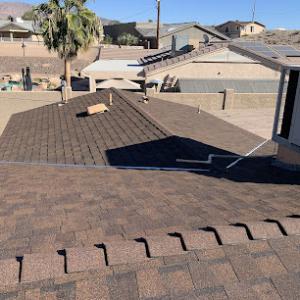
United Roofing & Restoration
(928) 412-9467 www.unitedroofingarizona.com
790 N Lake Havasu Ave #10, Lake Havasu City, Arizona
3.0 from 4 reviews
United Roofing & Restoration is the most reliable residential and commercial roofing contractor in Lake Havasu City and surrounding area. Estimates are free and the work is second to none.
You'll notice asphalt-based roofs in this area showing brittleness and surface wear faster than elsewhere. The desert sun beats down relentlessly, slowly drying and hardening shingles until edges begin to lift and granules shed early. That sun-bleached look isn't just cosmetic-it signals diminishing granule protection, reduced impact resistance, and an increased risk of cracks letting moisture into the decking. In practice, this means more accelerated aging, more micro-leaks on hot afternoons, and higher chances of wind-driven debris wicking into vulnerable seams. A practical precaution is to inspect shingle wear after the hottest months and pay close attention to flashing at valleys, dormers, and transitions where UV damage can accelerate under-edge fractures. Regular cleaning of surface debris helps keep granules from rolling into gutters and downspouts, where the lack of granules can mask underlying deterioration.
Monsoon season brings gusts that aren't just a nuisance; they actively test roofing edge components. Uplift from strong winds can pry shingles or metal panels loose, especially along hips and ridgelines, while fasteners may loosen if they've seen repeated thermal cycling. In practice, you'll see displaced edge trim, lifted shingles, and storm-opened entry points around vents and chimneys after a windy event. These aren't isolated incidents; they compound over seasons, creating a pattern of intermittent leaks that aren't obvious until a heavy rain follows a wind event. The remedy is targeted wind uplift tests, secure edge fasteners, and ensuring that sealants around penetrations have remained pliable and intact. Check gutters and downspouts after monsoon storms to confirm drainage paths haven't been blocked by wind-blown debris, which can push water toward vulnerable seams.
Tile roofs can look sturdy from the outside, but the visible surface often outlives the waterproofing layer underneath. In desert heat, underlayment deteriorates faster, so once tiles appear intact, hidden damage may already be present. The calcium-rich climate and heat cycles stress the underlayment, creating a silent failure mode: moisture bypassing the tile through microcracks in the underlayment and finding a way into the substrate. Practically, this means you should regularly inspect not only the tiles for cracks or looseness but also the underlayment corridors around penetrations, flashings, and along eaves. If tiles are replaced or resealed, ensure the new installation addresses the underlayment condition beneath and uses appropriate heat-rated materials that tolerate long summer exposures.
Homes with a mix of tile, metal, and shingle sections can experience compounded risks. A metal seam might survive a monsoon gust, but adjacent shingle sections may have already suffered UV-induced wear, creating a mismatch in performance. In practice, schedule coordinated inspections that cover all roof types on the same structure, focusing on transitions between materials, flashing continuity, and edge components. Keep an eye on the overall roof envelope: a small, seemingly isolated vulnerability can become a pathway for water intrusion during desert storms, especially when monsoon winds carry dust and rain at once. A proactive, unified maintenance approach helps prevent cascading failures across the roof system.
In this desert climate, cooler, drier months are typically preferred for roof installation. The compressed heat of the arid season can slow crews, complicate material handling, and push work pace into unsafe territory. Target a window when daytime highs stay comfortable enough for steady progress and nights allow the drying phase to occur without blistering or warping. In practice, that means scheduling after the peak heat of midsummer but before the first heavy monsoon push, so late fall through early spring becomes the most reliable rhythm. If a project must start closer to spring, plan for extra early starts and extended midday breaks to stay safe and productive.
Scheduling around the July to September monsoon window matters locally because sudden, wind-driven storms can interrupt tear-off and dry-in stages and leave exposed roof decks vulnerable to sudden downpours. If possible, align tear-off and underlayment applications to a stretch with a calm weather forecast and minimal probability of thunderstorm activity. Build in buffer days for weather delays, and keep tarps, edges, and access points secured so a brief shower won't cascade into a longer delay. When a storm is forecast, have a fast shutdown plan: cover exposed areas, secure loose materials, and pause work until rain passes and seams can be re-checked before resuming.
Desert heat in Lake Havasu can affect adhesives and staging practices, making timing more consequential here than in more temperate cities. For asphalt, underlayment, and certain fasteners, early-morning work under shade while temperatures are cooler helps ensure proper adhesion and cure. Maintain a dedicated staging zone with reflective covers and cooling rests, so crews aren't forced to push through extreme heat to meet a tight deadline. If the chosen crew uses spray-adhesives or sealants, schedule those applications for the coolest available hours and keep battening and nailing sequences aligned to the cooler parts of the day. Always have heat-aware safety pauses built into the plan to minimize risk and avoid rushed mistakes.
Begin by confirming a weather-quiet start date and mark an anticipated finish window that avoids peak heat and major monsoon risk. Plan tear-off and debris management around the cooler morning hours, followed by underlayment and vent installations as soon as feasible. Reserve the dry-in phase for the late morning or early afternoon when materials have had time to acclimate but are not overexposed to the day's strongest solar gain. Finally, set aside a contingency day after any mid-season weather event to verify seals, flashing, and fasteners before the new roof is considered complete. In Lake Havasu City, timing matters as much as the materials themselves.
Provided local cost ranges per square are: Asphalt Shingles 350 to 700, Metal Roofing 600 to 1100, Clay Tile 900 to 1700, Concrete Tile 800 to 1500, Wood Shingles/Shakes 600 to 1100, and Synthetic/Composite Shingles 350 to 900. Those figures reflect the desert-plus-monsoon couplet that shapes pricing here: labor can spike after monsoon bursts, and material handling for heavy tile or metal can push crews to bring in equipment and extra crew members. Expect variation by contractor and project specifics, but those ranges are a solid marching order for budgeting.
Desert-style homes here often sport tile-heavy roofs, which means replacement isn't simply swapping out shingles. The weight adds to structural checks, fastener counts, and underlayment work, especially when clay or concrete tiles are involved. Accessory components-such as vents, skylights, and decorative caps-become more critical because heavy tile systems need careful sealing and alignment. If a house uses concrete or clay tiles, plan for longer lead times and potential staging challenges during hot months when crews idle between intense heat and afternoon wind.
Asphalt Shingles sit in a middle ground for replacement cost, typically 350 to 700 per square, with quicker install windows that help when schedules tighten after monsoon damage. Metal Roofing runs higher, 600 to 1100 per square, valued for wind resistance and sun reflectivity but requiring precise flashing around vent stacks and chimneys in this climate. Clay Tile and Concrete Tile are the priciest upfront-900 to 1700 and 800 to 1500 respectively-yet they offer long life if underlayment and roof deck are sound. Wood Shingles/Shakes and Synthetic/Composite Shingles lie in the 350 to 1100 and 350 to 900 bands, with synthetic options offering better moisture resistance and lower maintenance in some cases. In Lake Havasu City, those choices must be weighed against weight, wind loads, and the ability to source compatible underlayment and fasteners locally.
Costs can rise locally when monsoon damage creates bursts of demand across Mohave County, and summer scheduling constraints can also affect labor availability and project timing. If a large patch of homes needs roofing in quick succession, expect crews to prioritize efficiency-potentially at a premium. Budget extra contingency for heat-driven project pauses and equipment mobilization during the hottest weeks of the year.
In Lake Havasu City, a permit is typically required for a full re-roof. The process helps ensure the chosen roofing material and installation methods are suitable for the area's extreme desert sun and monsoon winds. Because the local conditions accentuate heat and wind-driven debris, the permit review focuses on roof anchor points, underlayment compatibility, and proper venting. Having the right permit in place also minimizes future hassles when selling or refinancing the home.
The contractor usually submits the permit application and coordinates with the local building department for inspection scheduling. This arrangement keeps the timeline aligned with the weather windows common to this desert climate, where heat and storm timing can impact tear-off and installation. Be sure to verify that the contractor's license, insurance, and project scope match the local requirements before signing. Clarify who files the notices for inspections and who is responsible for correcting any issues that arise during review.
Inspections commonly include a rough-in or tear-off stage and a final inspection to verify installation quality and weatherproofing. The rough-in or tear-off check confirms the old roof is fully removed, the roof deck is sound, and proper underlayment and eave detailing are in place to withstand monsoon winds. The final inspection focuses on completed installation, proper fastener patterns for your chosen material, flashing around penetrations, and overall weatherproofing. In Lake Havasu City's climate, inspectors often pay close attention to edge metal, drip edges, proper valley flashing, and sealant compatibility with hot, sun-warmed components.
Coordinate with the contractor to align tear-off completion with a dry spell, since sudden monsoon winds can complicate work and inspection timing. Have a clear plan for debris containment, especially around the Colorado River outflow zones where wind-driven debris may be more common. Keep contact information current with the building department and the contractor so any inspection rechecks or additional documentation can be addressed quickly, reducing delays.
Homeowners in this desert area face a Mohave County insurance environment where hail and strong-wind roof claims are common. The blend of extreme sun, sudden monsoon gusts, and aging roofs means losses show up quickly and insurers scrutinize closely. A storm can dent metal, crack shingles, or loosen tiles, especially on low-slope, sun-baked surfaces. When a claim arrives, record the exact date, wind if known, hail size, and the affected roof areas. Precise reporting accelerates the adjuster's view of the loss. In clay or concrete tile zones, hidden damage under tiles can hide leaks until it's too late.
Insurers in this market often want documentation of roof age, prior repairs, contractor estimates, photos, and a detailed scope of work before approving replacement. Gather records from the last decade, including material types and patchwork on hips and valleys. Take wide roof photos and close-ups after a storm. A professional, stamped assessment that outlines uplift risks, flashing condition, and ventilation can speed an approval and keep the process moving. Maintain backups of every repair receipt and defect note to show ongoing maintenance.
Because storm losses are a recurring regional issue, documenting damage immediately after monsoon or hail events benefits homeowners. Post-event notes should capture wind-blown debris, dented gutters, loose shingles, and any sagging sections. File a claim promptly, then coordinate with a trusted local roofer to prepare a detailed scope of work and formal estimates to support the adjustment process. Time is protection: delays breed unnecessary denial risk and larger out-of-pocket exposure when a full replacement is needed.