Roofing in Arizona
Last updated: Feb 28, 2026
Arizona rooftops spend their days soaking up sun. In the desert, heat radiates off the tiles and shingles, while sudden monsoon downpours test gutters and seals. A well-insulated, reflective roof can shave cooling costs and stand up to years of sun exposure better than the wrong choice. The good news is that with thoughtful material selection, proper ventilation, and proactive maintenance, your roof can perform beautifully through the hottest summers and the occasional storm.
This page offers practical, trustworthy guidance tailored to Arizona's conditions and backed by local resources. You'll get clear, actionable advice that a homeowner can apply, plus references to nearby suppliers, permitting offices, and reputable contractors. Here's a quick peek at what the page covers:
- Local Climate realities: heat, monsoon season, dust, UV
- Recommended Roofing Materials for Arizona: tile, metal, asphalt—pros/cons, color options
- Popular Roof Styles & Architectural Trends in Arizona: Mission tile, flat roofs, modern low-slope
- Average Roofing Costs in Arizona: budgeting, typical ranges, what drives price
- Permits & Local Regulations: permits, HOA rules, inspection timelines
- Common Roofing Problems in Arizona & Solutions: heat damage, leaks, wind, flashing
- Maintenance & Repair Tips for Arizona: inspections, cleaning, sealants, venting
- When to Repair vs. Replace: life expectancy, ROI, warranty
- When to hire a professional: safety, codes, complexity
Advice here is tailored to Arizona's conditions and supported by local resources—from supplier networks to building departments and trusted contractors.
With that in mind, let's start by looking at the climate that shapes every roof in the Grand Canyon State.
Local Climate & Its Impact on Roofs
Desert Heat and UV Exposure
Arizona's sun and heat shape every roof decision. With intense solar radiation and long hot seasons, materials age faster if not chosen and installed with heat in mind.
- Asphalt shingles: accelerated granule loss, curling, and edge wear are common signs of heat exposure. Adhesives on some shingles can soften in extreme heat, shortening lifespan.
- Clay and concrete tiles: naturally cool and durable in heat, but they can crack if heated unevenly or if walked on improperly. Proper installation and support structure are essential to prevent cracks from thermal cycling.
- Metal roofs: excellent at reflecting heat when finished with a light color or reflective coating, which can reduce attic temps and cooling costs. Fasteners and sealants must handle expansion and contraction in high heat.
- Color and coatings: lighter colors and reflective finishes reduce heat gain and can lower cooling loads. If you already have a dark roof, consider reflective coating or repaint options that suit your roof type.
Practical tip: plan for attic ventilation and a radiant barrier to reduce HVAC load. Regular inspections should focus on sealant around penetrations and flashing, which can deteriorate faster in extreme heat.
Monsoon Season: Rain, Flooding, and Debris
Summer monsoon storms bring short, intense downpours, can produce gusty winds, and carry dust. This combination tests roof waterproofing and drainage.
- Drainage matters: ensure gutters and downspouts are clear and correctly pitched so water moves away from the foundation and roof edges.
- Flashing and penetrations: sealants around chimneys, vents, skylights, and transitions must be watertight to handle driving rain.
- Debris and hail: wind-driven dust and leaves clog gutters; hail damage is possible in some areas, though less common in the hottest desert zones. Post-storm inspection is important after any storm event.
Warning: during monsoon season, a roof leak can appear hours after a storm ends due to shifted flashing or hidden damage. If you notice damp spots or ceiling staining after a storm, investigate promptly.
Wind, Dust, and Uplift
Arizona winds can lift loose shingles and push debris under roofing seals. Dust and sand abrasion also wears fasteners and surface coatings.
- Wind-rated products: in exposed areas, wind uplift resistance matters. Ensure proper nailing patterns and secure flashing around edges, vents, and skylights.
- Debris management: keep roof surfaces clear of branches, leaves, and bulky dust to prevent accelerated wear and drainage obstructions.
- Tile and metal considerations: clay tiles are durable but heavy and brittle; metal roofs resist wind well when installed with correct fasteners and sealants.
Roof Material Choices for Arizona Climates
Choosing the right material for your locale reduces maintenance and extends life.
- Clay or concrete tiles: long-lasting in heat, but require a solid backing and appropriate weight support. Regular inspection for cracked tiles is key.
- Asphalt shingles: common and cost-effective, but choose UV-resistant or higher-warranty options if you're in direct sun zones.
- Metal roofs: reflect heat, resist wind, and last a long time; ensure proper insulation and sound dampening if rain is frequent.
- Flat vs pitched: flat roofs need reliable drainage and waterproofing membranes; pitched roofs with tiles or metal handle heat and rain differently—match to home design and climate experts' recommendations.
Maintenance & Inspection in Arizona
Consistent upkeep helps roofs survive AZ's climate sustainedly.
- Biannual checks: inspect for lifted shingles, cracked tiles, damaged flashing, and sealant deterioration before and after the monsoon and winter seasons.
- Gutter care: remove debris, ensure downspouts drain away from the house, and verify ice and water shield where appropriate.
- Ventilation: confirm attic vents and insulation maintain airflow; radiant barriers can cut heat transfer to the attic.
Steps to prep your roof each year:
1. Schedule a professional roof inspection before the peak heat and monsoon seasons.
2. Clean and inspect gutters; repair any loose screws, brackets, or seams.
3. Check flashing around chimneys, skylights, and vents; reseal as needed.
4. Assess roof surface for heat-related wear (curling, blistering, or fading granules).
5. Consider reflective coatings or lighter roofing materials where feasible.
Warnings & Official Resources
- Watch for heat-driven failures: adhesive bonds, underlayment dryness, and flashing seals can fail in extreme temperatures.
- After storms, inspect for wind damage, loose fasteners, and displaced tiles or panels.
Official resources for guidance and safety:
- National Weather Service, Phoenix:
- NWS Monsoon Safety (general monsoon tips):
- U.S. EPA on Heat Islands and heat safety:
Recommended Roofing Materials for Arizona
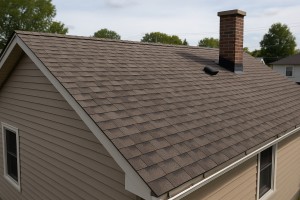
- Best for: budget-conscious projects and homes with existing shingle roofs.
- Pros: affordable upfront cost, wide availability, easy installation, good wind resistance with modern two-piece shingles.
- Cons: lifespan shortened by intense sun in many parts of Arizona (typically 15–30 years depending on quality and climate), color may fade, reflective properties depend on coating.
- Tips: choose architectural (laminated) shingles with a higher wind rating and a cool-roof color; pair with a quality underlayment and proper attic ventilation to maximize longevity.
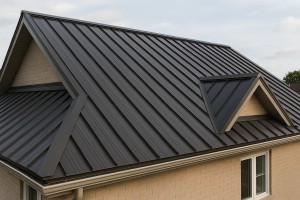
- Best for: durable performance in heat, wind, and hail-prone zones; often a long-term value.
- Pros: excellent reflectivity when coated, long lifespan (often 40–70 years), lightweight, excellent hail resistance, fast installation, wide color choices.
- Cons: higher upfront cost, potential noise during heavy rain (mitigated with proper insulation), may show dents from severe hail on some profiles.
- Tips: select a reflective, light-colored coating and a standing-seam or concealed-fastener system to minimize leaks; ensure proper venting and insulation to optimize comfort.
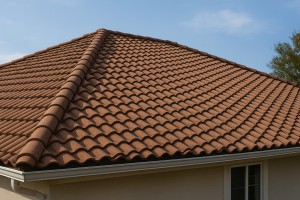
- Best for: classic Arizona aesthetics with strong heat resistance and durability.
- Pros: superb heat mass that helps keep attic cooler, excellent fire resistance, long lifespans (50–100+ years), natural color options that stay relatively stable with proper maintenance.
- Cons: heavy weight; requires a reinforced roof structure and professional installation; higher upfront cost; some tile profiles can be susceptible to hail breakage in extreme storms.
- Tips: have a structural assessment done before install; choose light-colored or reflective tiles to boost energy savings; ensure adequate roof ventilation and proper sealing around penetrations.
Synthetic and Composite Roofing
- Best for: homeowners wanting the look of slate, shake, or tile with lighter weight and good durability.
- Pros: often lighter than real slate or concrete tiles, more impact resistance than some natural materials, good color stability, can mimic various styles.
- Cons: variable long-term performance and warranties; quality depends on manufacturer.
- Tips: verify warranties and test data for AZ exposure; pick products with high UV resistance and drainage compatibility.
Flat or Low-Slope Roofing Options (Patios, Additions)
- Materials: TPO, PVC, EPDM membranes.
- Pros: high reflectivity with white or light-colored membranes, strong water and weather resistance, often good hail resistance when installed with proper flashing.
- Cons: seams and flashing require experienced installation; maintenance is essential to prevent punctures and leaks.
- Tips: if you have a flat or low-slope roof, prioritize reflective membranes and ensure a robust drainage plan; consider a reflective coating option to boost energy savings across seasons.
Color, Reflectivity, and Energy Considerations
- Light colors and high Solar Reflectance Index (SRI) improve cooling by reducing heat absorption.
- Cool-roof coatings or inherently reflective shingles/tiles can lower attic temperatures and reduce cooling costs in many AZ homes.
- Warranty coverage for heat-related degradation varies by material; verify heat-age performance and limited warranties before committing.
Practical Installation Considerations for Arizona
- Roof weight and structural load: clay/concrete tiles and some high-end composites require a reinforced deck; verify structural capacity before switching materials.
- Wind zones: AZ homes face significant wind events; choose materials with appropriate wind ratings and secure fastenings.
- Ventilation and attic insulation: adequate ventilation reduces heat buildup and extends the life of any roofing material.
- Local codes and hail zones: some neighborhoods have specific requirements for roofing material types and fastening methods; consult a licensed local roofer for code-compliant choices.
Quick Comparison Points
- Initial cost: Asphalt shingles < Synthetic/composite < Clay/Concrete < Metal (varies by profile and labor).
- Lifespan: Metal and Clay/Concrete often exceed 40+ years; premium composites vary; asphalt generally 15–30 years.
- Heat management: Clay/Concrete and light-colored metal/shingles excel; dark asphalt and some dark tiles can absorb more heat.
- Maintenance: Asphalt and some membranes require periodic checks; tile and metal systems typically require occasional inspections for loose tiles or panels and flashing integrity.
How to Decide for Your Arizona Home (Steps)
1) Assess structure: weight, roof deck condition, and attic ventilation.
2) Consider climate and sun exposure: aim for high reflectivity and durability against heat and hail.
3) Set a budget and expected lifespan: weigh upfront cost against long-term durability and energy savings.
4) Check local warranties and contractor expertise: ensure installers are experienced with Arizona conditions and appropriate underlayment and ventilation.
Popular Roof Styles & Architectural Trends in Arizona
Common Arizona Roof Styles
- Spanish Colonial Revival: The iconic clay tile silhouette stays cool in the heat, with low pitches and thick walls. Pros: excellent heat resistance and long life. Cons: heavier tiles require solid framing and proper underlayment. Ideal for stucco exteriors and courtyards.
- Mission Revival: Similar tile language with arched openings and thicker plaster walls. Benefits mirror Spanish styles, plus a slightly more rustic curb appeal. Consider reinforced structure to support tile weight.
- Pueblo Revival: Flat or gently pitched roofs with parapets and earthy textures. Great for desert aesthetics and xeriscaped landscapes. Roofs often use concrete or built-up materials that shed heat well when finished with reflective coatings.
- Southwestern/Desert Modern: A blend of traditional lines and clean, angular forms. Flat or low-slope roofs paired with broad eaves and natural materials. Modern solar-ready details and drought-conscious landscaping are common.
- Contemporary/Modern Flat or Low-Slope: Urban and newer-home trends favor flat or near-flat roofs with membrane systems (TPO/PVC) or metal for a sleek look. Pros: strong energy efficiency, easier roof penetrations for solar. Cons: requires careful drainage design and regular maintenance to prevent leaks.
Popular Roofing Materials for Arizona Homes
- Clay Tile: Classic clay barrel tiles remain the staple. Pros: exceptional heat reflectivity, longevity, and timeless style. Cons: heavy; requires structural assessment and professional installation.
- Concrete Tile: Lighter than traditional clay but still durable with excellent longevity. Pros: lower cost than clay, wide color options. Cons: heavier than asphalt; installation specifics matter for wind resistance.
- Metal Roofing: Standing-seam or painted metal is rising in popularity for its reflective properties and wind resistance. Pros: lightweight relative to tile, fast installation, great for hail-prone areas. Cons: careful detailing to prevent leaks at seams and penetrations.
- Asphalt Shingles (Architectural): Modern architectural shingles offer good value and flexibility for updates or renovations. Pros: easier to install, broad color range. Cons: shorter life expectancy in extreme sun compared to tile or metal.
- Composite/Synthetic Tile: Resins and fibers mimic tile with lighter weight and varied textures. Pros: good impact resistance and lower weight. Cons: color stability varies by manufacturer.
- Flat Roof Membranes (Residential or Partial): In desert-adjacent homes, low-slope sections use TPO or modified bitumen. Pros: excellent energy performance when paired with reflective coatings. Cons: regular maintenance of seams and flashing is essential.
Design Elements and Trends
- Earth-Tone Palettes: Warm terracotta, sand, bronze, and sage hues that blend with desert landscapes and reduce heat absorption.
- Broad Eaves and Overhangs: Extend shade over walls, reducing interior heat gain and protecting windows.
- Parapets and Vigas: Southwestern aesthetics with low-profile parapets and exposed wood beams add character while fitting climate-appropriate structures.
- Solar-Ready and Reflective Surfaces: Many Arizona homes are built to accommodate solar arrays; reflective or cool roofs help curb cooling costs.
- Landscape Integration: Roofing style often mirrors landscape—low profiles near rock formations, and tile roofs that echo canyon color palettes.
- Ventilation and Insulation Emphasis: Proper attic ventilation and radiant barriers are common upgrades to maximize comfort in heat-dominant climates.
Practical Considerations for Arizona Homeowners
- Weight and Structural Check: Tile roofs demand solid framing. Have a licensed roofer verify structural support and wind-load requirements for your neighborhood.
- Climate-Smart Choices: If you're in a hot, sunny area, prioritize reflective coatings, light-colored tiles, or metal with a light finish to minimize heat absorption.
- Maintenance Mindset:
- Clay/concrete tiles: inspect for cracked or displaced tiles after heavy storms.
- Metal: watch for corrosion and sealant wear at seams.
- Shingles: look for cupping, curling, or missing granules due to sun exposure.
- Ventilation and Insulation: Upgrade attic insulation and ensure proper roof-venting to maximize comfort and energy efficiency.
- HOA and Codes: Check local codes and HOA guidelines for color palettes and roofing materials before starting a replacement or major renovation.
Average Roofing Costs in Arizona
Material cost ranges by roofing type
- Asphalt shingles: commonly installed at about $4.50 to $9.50 per square foot. For a typical home (roughly 18–25 squares), this translates to roughly $8,100 to $23,750 before add-ons like tear-off or upgrades.
- Clay or concrete tile: a staple in Arizona, priced around $9 to $18 per square foot installed. A 2,000-square-foot roof often runs in the $18,000 to $36,000 range, depending on tile style and fasteners.
- Metal roofing: durable and heat-reflective options bring $7 to $12 per square foot installed. A 2,000-square-foot metal roof might come in roughly $14,000 to $24,000.
- Flat roofing (EPDM, TPO, or torch-down): typically $4 to $8 per square foot, with higher costs for complex details or longer runs.
- Wood shingles/shakes: less common in hot, arid parts of Arizona but still available, generally $8 to $14 per square foot installed.
Roof size and pitch influence
- Roof area (in squares) matters more than house footprint for cost estimates.
- Steeper pitches add labor time and safety considerations, which can push costs upward by 10–25% on average.
- Complex shapes, dormers, and multiple levels increase material waste and labor, often adding 15–40% to the base material cost.
Example project costs (Arizona-wide)
- 2,000 sq ft asphalt roof: roughly $9,000–$19,000, depending on shingle quality and removal needs.
- 2,000 sq ft clay tile roof: roughly $18,000–$36,000, influenced by tile style and underlayment requirements.
- 2,000 sq ft metal roof: roughly $14,000–$24,000, with color, coating, and fastening options affecting price.
- 2,000 sq ft flat roof: roughly $8,000–$16,000, based on membrane choice and substrate condition.
Additional cost factors in Arizona
- Tear-off and disposal: often $1–$4 per square foot if the old roof must be removed; some jobs quote per square ($100–$400 per square) depending on complexity and debris.
- Underlayment and ventilation: $0.50–$1.50 per sq ft for quality underlayment and upgraded vents; cool-roof coatings can add cost but reduce cooling loads.
- Roof penetrations and features: skylights, chimneys, vents, and HVAC curbs add to labor and flashing costs.
- Permits and inspections: typical permit fees range from $50 to $500 depending on city and project scope.
- HOA rules and color restrictions: some neighborhoods require specific colors or materials, which can impact choices and price.
- Solar considerations: integrating PV or leaving space for future panels can affect layout and clock in extra labor costs.
Local style and architecture considerations
- Tile-dominant neighborhoods: Phoenix, Scottsdale, and many suburban areas favor clay/concrete tile for durability in heat and color endurance; installation costs reflect tile weight, pattern, and battens.
- Modern desert homes: reflective or cool-roof coatings on asphalt or metal can lower cooling costs but may add upfront cost.
- Northern Arizona (cooler, higher elevation): snow loads and different flashing details influence material choice and structural reinforcement needs.
- Urban cores vs. rural lots: access, debris management, and disposal logistics affect labor rates.
Quick budgeting checklist (Arizona-specific)
1. Measure roof area and identify pitch; note any dormers or skylights.
2. Decide on material and confirm if tear-off is included in quotes.
3. Check for underlayment, ventilation, flashing, and potential insulation upgrades.
4. Factor in permits, HOA requirements, and potential color restrictions.
5. Obtain 3–4 detailed bids with itemized line items for materials, labor, removal, and disposal.
6. Ask about warranties (material and workmanship) and expected lifespans in Arizona heat.
Permits & Local Regulations
Do I need a permit for a roof replacement?
- In Arizona, most reroof projects require a permit from your local city or county building department. Even if you're simply re-covering with the same material, many jurisdictions still need a permit because decking, flashing, or structural components can be affected.
- There are a few small repair or cosmetic scenarios that may be exempt in some areas, but to stay compliant, assume a permit is required and check with your local office before starting.
- If you hire a contractor, they should handle pulling the permit. If you plan to DIY, you can apply for the permit yourself (note: homeowners can perform work, but licensing requirements apply if you hire a tradesperson).
Where to apply
- Local building department (city or county). Many Arizona cities offer online permit portals in addition to in-person services.
- You'll typically apply at the jurisdiction that governs the property address (Phoenix, Tucson, Mesa, or the applicable county office in rural areas).
- Have these ready:
- Property address and description of work
- Estimated project value and scope (materials, underlayment, flashing, ventilation)
- Contractor information (license number, insurance)
- Basic roofing plans or sketches (a simple roof diagram is often acceptable)
What to prepare (documents)
- Construction plans or a clear scope of work
- Roofing material specs, underlayment type, ventilation plan, and any changes to attic ventilation
- Structural notes if decking or framing will be altered
- Contractor license and proof of insurance; workers' compensation coverage
- HOA approval (if applicable) and any neighborhood rules to follow
- If a permit requires it, a wind mitigation form or related insurer documents may be requested
Inspections you'll face
- Rough-in/underlayment inspection after roof deck and underlayment are installed and before final coverings go on.
- Final inspection after the roof is complete to verify flashing, vents, nailing, and overall installation meet code.
- If you add solar, or modify electrical components, expect separate electrical inspections tied to the solar or electrical work.
- Some jurisdictions require staged inspections for noticeable milestones; your permit will outline the required inspection schedule.
HOA and local rules
- Check your HOA covenants and architectural guidelines before you begin. Some HOAs require formal approval and may have restrictions on color, material, or roofline changes.
- If you're in a community with strict guidelines, you may need a separate HOA permit or an approval letter in addition to the city/county permit.
Special considerations in Arizona
- Asbestos and hazardous materials: If your roof is very old (potential asbestos-containing materials), don't DIY or remove suspect materials without a licensed abatement contractor. State and local regulations govern asbestos handling and disposal.
- Weather and scheduling: Arizona's hot seasons can affect material handling and inspection scheduling. Plan around peak heat and monsoon seasons, and confirm inspection availability with the department.
- Wind mitigation and insurance: Some counties or insurance providers may require wind mitigation documentation to optimize premiums. Your permit process can include guidance on these forms if applicable.
Quick six-step outline
1) Confirm permit requirements with your local building department (online or in person).
2) Gather documents: scope of work, plans, material specs, contractor info, HOA approval.
3) Decide who pulls the permit: owner or licensed contractor; ensure licensing is valid for roofing work.
4) Submit the permit application and pay fees; provide any required plans or sketches.
5) Schedule and pass required inspections at the identified milestones.
6) Obtain final occupancy/clearance from the department and complete any remaining tasks per code.
Common Roofing Problems in Arizona & Solutions
High heat & UV exposure
- Symptoms: granule loss on asphalt shingles, faded color, curling edges, faster aging of roof surfaces.
- Causes: persistent desert sun, extreme daytime temperatures, UV degradation of materials.
- Solutions:
- Install reflective or cool roof coatings or choose high-reflectivity shingles.
- Improve attic ventilation (soffit and ridge vents) and insulation to lower roof temperature.
- Consider radiant barriers or upgraded insulation in new roof installs.
- Quick maintenance steps:
1) Do a visual check of the attic and roof every 6 months.
2) If you see curling or heavy granule loss, call a roofer for a detailed inspection.
3) Keep vents clear and seal obvious air leaks around penetrations.
Hail & wind damage
- Symptoms: cracked or chipped tiles, dented metal, lifted shingles, loose flashing after a storm.
- Causes: strong summer storms, microbursts, high winds common in monsoon season.
- Solutions:
- For new roofs, choose impact-resistant shingles (Class 3-4) and wind-rated components.
- Re-secure flashing and verify seal around penetrations after storms.
- Have a roofer perform a thorough post-storm inspection and document damage for insurance if needed.
- Quick maintenance steps:
1) Do a post-storm roof walk and mark any damaged areas.
2) Do not delay repairs around penetrations to prevent leaks.
3) Schedule professional assessment if you notice missing pieces.
Clay & concrete tile roofs
- Symptoms: cracked/broken tiles, loose tiles, visible gaps at ridges, potential underlayment exposure.
- Causes: freeze-thaw cycles, heavy winds, improper installation, aging underlayment.
- Solutions:
- Replace broken tiles; inspect underlayment and flashing; reseat tiles properly.
- Use flexible sealant around penetrations and ensure proper flashing at chimneys and vents.
- If the roof is old, consider upgrading underlayment and improving venting during repair.
- Quick maintenance steps:
1) After storms, inspect for cracked tiles.
2) Replace broken tiles promptly to avoid leaks.
3) Check ridges and flashing annually.
Flat & low-slope roofs
- Symptoms: standing water after rain, blisters or bubbles, membrane wear, edge cracks.
- Causes: poor drainage, UV exposure, aging membranes.
- Solutions:
- Ensure proper slope and drainage; install scuppers or additional drains if needed.
- Re-coat with elastomeric coating or replace damaged membrane.
- Keep drains clear of debris; schedule resealing every 5–7 years depending on material.
- Quick maintenance steps:
1) Check for ponding after rain and test drainage.
2) Schedule professional inspection if you see blisters or leaks.
3) Clean gutters and drains regularly.
Solar panel installations
- Symptoms: leaks around mounting hardware, staining on interior ceilings near arrays, dampness along penetrations.
- Causes: improper flashing, drilling through roof deck, incompatible sealants.
- Solutions:
- Use licensed installers with proper flashing and backer rod; seal all penetrations correctly.
- Inspect flashing around racking; replace compromised flashing or underlayment.
- Verify warranty coverage and keep records for future work.
- Quick maintenance steps:
1) Have the roof inspected after solar installation.
2) Look for water stains around penetrations after storms.
3) Schedule annual assessments to ensure sealants stay intact.
Gutters & drainage
- Symptoms: overflowing gutters during rain, fascia rot, erosion at the foundation.
- Causes: clogged gutters, improper slope, downspout misalignment.
- Solutions:
- Clean gutters at least twice a year; adjust slope to direct water away from the house.
- Consider gutter guards; ensure downspouts discharge away from the foundation.
- Reseal joints as needed; inspect fascia for rot and repair if found.
- Quick maintenance steps:
1) Clear leaves and debris after spring and fall storms.
2) Reseal joints if leaks appear.
3) Inspect for sagging gutters and tighten hangers as needed.
Ventilation & insulation
- Symptoms: excessive attic heat, higher cooling bills, potential heat-related wear on roof components.
- Causes: inadequate intake/exhaust ventilation; insufficient attic insulation.
- Solutions:
- Add or upgrade attic vents (soffit, ridge, gable) for balanced airflow.
- Increase attic insulation to the recommended R-value for Arizona (often R-38+).
- Seal air leaks around penetrations and attic hatch.
- Quick maintenance steps:
1) Inspect attic ventilation seasonally.
2) Install baffles to ensure unobstructed airflow.
3) Check insulation levels and upgrade if needed.
Maintenance & Repair Tips for Arizona
Seasonal Checks for Arizona's Climate
- Schedule two inspections annually (spring and fall) and after major storms, especially the monsoon season.
- Look for: loose, cracked, or chipped tiles; displaced shingles; damaged flashing around chimneys, vents, and skylights.
- Check for signs of moisture inside the attic or ceilings after rain; damp insulation or staining means a leak needs attention.
- Clean gutters and downspouts at least twice a year; remove debris, dirt, and dropping needles or dust that can clog drainage.
- If you have solar panels, inspect mounting rails and wiring for corrosion or loose connections; keep panels clean to maintain efficiency.
Tile Roof Care (Clay or Concrete)
- After hail or high-wind events, walk the roof only if you're trained and equipped, and step only on safe, flat areas; otherwise hire a pro. Tile roofs crack easily, and broken tiles can let in water.
- Replace cracked or displaced tiles promptly with matching color and profile to maintain waterproofing and curb appeal.
- Inspect flashing around chimneys, vents, and skylights; reseal or replace deteriorated flashing to prevent leaks.
- Do not rely on generic sealants on large tile surfaces; use manufacturer-approved products and consider re-grouting or re-sealing where required.
- Keep attic ventilation balanced to minimize expansion and contraction of tile and underlayment.
Shingle Roof Care (Asphalt)
- Check for curled, blistered, or missing shingles after heat waves or storms; replace with matching shingles to preserve the warranty and water-tightness.
- Look for exposed or damaged granules in gutters and along the eaves; heavy granule loss can shorten roof life.
- Ensure vent pipes, chimneys, and skylights have solid, well-sealed flashing; reseal as needed with compatible materials.
- Improve attic ventilation to reduce heat buildup, which can accelerate shingle wear and energy use.
Gutter & Drainage Maintenance
- Keep gutters clear of leaves, seeds, and dust; ensure slope allows water to drain toward downspouts.
- Install guards if you get frequent debris, but verify they don't clog in monsoon winds.
- Downspouts should discharge several feet away from the foundation to prevent erosion and water intrusion; use splash blocks or extension pipes as needed.
- In desert climates, occasional washouts can occur; check for sags and leaks after heavy rain and repair promptly.
Flashing, Valleys, and Penetrations
- Inspect all roof-to-wall transitions, valleys, and roof penetrations for rust, loose nails, or gaps.
- Reseal with the appropriate flashing material; avoid temporary fixes that may fail in a few seasons.
- Pay special attention to chimney and skylight flashing—these are common leak points in AZ's climate.
- For metal flashing, check for corrosion or lifting; replace corroded sections to maintain watertight seams.
Attic Ventilation & Insulation
- In hot climates, good attic ventilation reduces heat buildup and prolongs roof life; verify soffit vents, ridge vents, and attic baffles are clear.
- Ensure insulation is dry and evenly distributed; moisture reduces insulation effectiveness and can lead to condensation issues.
- If you notice persistent attic heat or ice dams in rare cold spells, consult a pro about upgrades to vents or insulation.
After-Storm Quick Fixes
- If you detect active leaks, prioritize safety: avoid climbing during storms and place buckets under drips.
- Cover exposed penetrations with a temporary tarp or roof patch to minimize interior damage until repairs can be made.
- Document damage with photos for insurance purposes and contact a licensed roofer to assess structural impact.
Pro-Tips & Tools
- Consider a reflective, cool-roof coating approved by your manufacturer to cut heat gain and extend shingle life; verify compatibility with your roof type.
- For tile roofs, use fall-arrest equipment and roof jacks if you must walk; otherwise rely on a professional for repairs.
- Build a simple seasonal checklist and attach it near the main electrical panel so you catch issues before they escalate.
When to Repair vs. Replace
Quick decision guide
- If the damage is isolated (a few shingles or tiles) and the roof is relatively young, repair often makes the most sense.
- If damage is widespread (many leaks, missing or severely warped shingles/tiles) or the roof is past its material lifespan, replacement is usually the smarter move.
- If repair costs would approach or exceed 40–60% of a full replacement, or you're seeing recurring leaks after recent repairs, replacement is typically more economical in the long run.
Damage indicators by material
- Asphalt shingles
- curling, cupping, or blistering; bald spots where granules have worn away; multiple loose or missing shingles; visible leaks in the attic after rain.
- Tile roofs (concrete or clay)
- cracked, chipped, or broken tiles; loose battens or displaced tiles; damaged underlayment or flashing; water stains near walls or ceilings.
- Metal roofs
- corrosion or rust patches; loose or missing panels; flashing pulling away; bubbling paint or exposed fasteners; persistent leaks along seams.
Age, material, and warranty considerations
- Asphalt shingles: typically 15–25 years for standard 3-tab or 25–30 years for architectural shingles.
- Tile roofs: concrete or clay tiles often last 50–100+ years with proper maintenance.
- Metal roofs: commonly 40–70 years, depending on coating and installation.
- If your roof is near or beyond the expected lifespan for its material, replacement becomes more predictable and cost-effective than patchwork.
- Consider warranties: a current, transferrable warranty can tilt decisions toward repair when minor issues arise.
- Heat and UV exposure accelerate aging of underlayment and shingles/tiles; Arizona roofs need materials rated for high solar reflectivity and heat resistance.
- Monsoon season brings heavy rains and wind; wind uplift can cause edges to lift or tiles to crack—prompt attention to any edge damage.
- Energy efficiency matters: newer roofs with reflective coatings or cool roof options can reduce cooling loads in the hot season, influencing replacement value.
- Local risks vary by region (urban Phoenix vs. rural desert or hill country): consider hail exposure, wind speeds, and shade/insulation needs when weighing options.
Step-by-step decision process
1. Inspect the extent: quantify damaged area and check for leaks in multiple zones.
2. Check age and material: align with typical lifespans and current warranty status.
3. Assess decking: look for soft spots, mold, or rot (safely; avoid walking on damaged sections).
4. Estimate costs: obtain at least three professional estimates for repair and for replacement.
5. Compare long-term value: weigh patchwork costs, frequency of future repairs, energy efficiency, and warranty coverage.
6. Decide with longevity in mind: if you plan to stay in the home 5–10 years or more, replacement can lock in reliability and lower ongoing maintenance.
Permits and codes to consider
- Most roof replacements require a permit; repairs may not—verify with your city or county.
- Local code updates (ventilation requirements, underlayment standards, and seismic considerations in some areas) can affect the feasibility and cost of repairs vs. replacement.
Practical Arizona-focused tips
- Choose materials proven in AZ heat: shingles or tiles with high heat resistance and reflective warranties.
- Prioritize attic ventilation and radiant barrier improvements if you're replacing the roof; better ventilation reduces cooling costs.
- Ask about warranty options that reflect hot-climate performance and hail resistance if applicable to your area.
- Cost aside, a full roof replacement can sometimes address multiple aging components (flashing, underlayment, deck integrity) in one go, avoiding repeat visits for patch repairs.
When to Hire a Professional
Signs you should call a pro
- Active leaks, water stains on ceilings, or damp attic insulation.
- Missing, curling, cracked, or visibly damaged shingles or tiles.
- Roof sagging, buckling, or unusual creaking sounds when you walk on it.
- Damaged flashing around chimneys, vents, skylights, or roof edges.
- After a severe hailstorm or strong monsoon downpour—Arizona towns see both—followed by new damage or leaks.
- Extensive moss, algae, or mold growth that covers large sections of the roof.
- You're considering repairs that involve roof penetrations, ventilation, or structural components.
- Your roof is approaching the end of its expected life and you're weighing repair versus replacement.
Arizona-specific considerations
- Monsoon season storms (roughly July–September) can expose unseen damage quickly; have a pro inspect after a big storm.
- Extreme heat and UV exposure shorten some material lifespans and can affect underlayment adhesion, so prompt assessment after heat waves is wise.
- Clay and concrete tile roofs are common here. They're heavy and brittle; tile repair or replacement requires specialized installers to avoid cracking more tiles.
- Flashing around vents, skylights, and chimneys often fails first in AZ due to temperature fluctuations; a pro should reseal and reflash as needed.
- Many Arizona cities require permits for roof work; qualified contractors should pull permits and arrange inspections.
- If you have solar panels or solar-ready roofing, coordination with a qualified roofer and the solar installer is essential to protect warranties and safety.
Age and maintenance indicators
- Asphalt shingles: typically 15–30 years in the desert climate, often failing sooner with sun exposure.
- Tile (clay or concrete): 40–50+ years under proper maintenance; cracked tiles and joint issues are common failure points.
- Metal roofs: 40–70 years with proper insulation and coatings.
- If your roof is within a few years of its end of life, or you've had repeated small repairs, it's often more cost-effective to replace than to continue patching.
When to replace vs. repair
- Replace if more than 30–40% of your roof is compromised, or if the underlying decking shows rot, widespread flashing failures, or multiple leaks across different areas.
- Repair if damage is localized (a few shingles or tiles) and the deck is sound, the leak is contained, and a timely, affordable fix is available.
- Consider long-term value: newer roofs often come with improved warranties and energy-efficiency features that save money in AZ heat.
How to evaluate a roofing contractor in Arizona
- Licensing: Verify the contractor holds an active Arizona ROC license for Roofing (C-39) or a general contractor license that authorizes roofing work. Check license status and any disciplinary history directly with the Arizona Registrar of Contractors.
- Insurance: Require and verify current proof of general liability and workers' compensation insurance. Ask for certificates and confirm coverage dates.
- Local references: Request at least 3 recent AZ projects, preferably with homes similar to yours. Ask about timeliness, cleanup, and whether any issues arose after completion.
- Warranties: Material warranties (often 20–50 years) and workmanship warranties (typically 5–10 years) should be clearly stated in the contract.
- Materials and methods: Ensure the proposal specifies underlayment type, flashing details, attic ventilation strategy, and drip edge installation suitable for AZ conditions.
- Permits and inspections: A reputable pro will handle permits and arrange required city inspections; confirm who is responsible for each inspection step.
- Weather and scheduling: In AZ, scheduling around extreme heat can affect safety and material handling; discuss work hours and heat precautions.
Questions to ask before hiring
- Do you hold current AZ ROC licensure for roofing, and can I see proof?
- Do you carry liability and workers' comp insurance, and can you provide certificates?
- What's included in the warranty, and who honors it if the original company is no longer in business?
- Will you pull permits and coordinate inspections with the city?
- Can you provide references from recent AZ roof replacements or repairs?
- What are the exact materials you'll use, and will you provide product literature and color samples?
Steps to hire a pro
1. Assess scope and risk: decide repair vs. replacement; photograph damage for reference.
2. Gather bids: obtain at least 3 written estimates from AZ-licensed roofers; verify licensure numbers.
3. Verify credentials: check license status, insurance certificates, and any past complaints with the AZ ROC.
4. Compare proposals: look for clear scope, materials, warranties, permit handling, and timeline.
5. Check references: contact at least 3 homeowners and ask about workmanship, cleanup, and follow-up service.
6. Confirm permit and scheduling: ensure the contractor will pull permits and coordinate inspections; set a realistic schedule that accounts for AZ weather and safety.
Putting A Lid On It: Roof Maintenance, Repair, and Replacement in Arizona
Arizona's sun, heat, and dramatic monsoon cycles put unique demands on every roof. In this desert climate, tiny issues can become big leaks quickly when hammering heat meets sudden downpours. Regular maintenance isn't optional here—it's how you protect your home, keep energy bills manageable, and extend the life of your roof. A well-kept roof also supports solid insulation and ventilation, helping living spaces stay cooler in summer and drier in winter.
With that in mind, the goal is simple: catch problems early, keep water out, and choose materials and repairs that stand up to sun and rain. That means a practical maintenance rhythm, smart material choices, and knowing when to call a pro.
Seasonal care in Arizona
- After monsoon season, inspect for leaks, loose tiles, or damaged flashing. Look for granule loss on asphalt shingles and signs of water intrusion around chimneys, vents, and skylights.
- Regular debris cleanup. Clear leaves, branches, and dust from roofs and gutters to prevent moisture retention and stain paths.
- Heat and expansion checks. Inspect for cracked or curling shingles or cracked clay/concrete tiles caused by extreme temperature swings.
- Ventilation matters. Ensure attic vents and soffits aren't obstructed so that you don't trap humidity and heat inside the attic space.
Maintenance cadence and a simple checklist
- Do a visual inspection 2–4 times a year, and after severe storms.
- Clean gutters and downspouts at least annually, more often in dusty seasons.
- Seal and reseal around penetrations (vent pipes, skylights, flashing) as needed.
- Inspect flashing and copings for loose or corroded metal.
- Consider reflective or cool-roof coatings on appropriate low-slope or shingle roofs to reduce heat buildup.
- Keep tree branches trimmed away from the roof to minimize damage risk.
Repair or replace: a practical approach
- Small, localized repairs (cracked tiles, re-flashing, minor leaks) are often cost-effective if addressed early.
- Widespread granule loss, multiple leaks, or sagging/rot indicate that a larger repair or replacement may be more economical in the long run.
- Material life expectancy varies: asphalt shingles 15–25 years, concrete tiles 40–50+ years, clay tiles 50–100+ years, metal roofs 40–70 years. Climate and workmanship influence these numbers.
Choosing the right pro
- Look for a licensed, insured roofer with desert-climate experience and solid local references.
- Ask about warranties on both materials and workmanship, and request a written maintenance plan.
- Get a clear, itemized estimate and a phased plan if replacement is necessary.
You're not alone here. With steady care, a mindful eye for the micro-issues, and a trusted local pro when needed, you can enjoy a durable, beautiful roof that stands up to Arizona's seasons—and you'll join a community of homeowners who take pride in a roof that lasts.
