
Last updated: Apr 19, 2026
Prescott's peak disruption period is the July-September monsoon, when hail, heavy rain, and gusty winds can puncture shingles, loosen fasteners, and shove debris under flashing. This isn't a general Arizona weather pattern-it's a tight, high-stakes window where both damage and delays compound. Your steep-slope roof may look fine after a storm, but wind-driven hail can leave hidden dimples and exposed underlayment that weaken the structure over days or weeks. Treat this season as the primary risk period, and plan around a conservative schedule that accounts for sudden weather shifts.
Arizona's dry-season rhythm in this part of the state is distinct from true desert markets. Homeowners here often end up with a shorter, narrower window to plan and complete substantial roof work between spring wind events and the onset of monsoon storms. If you're considering tear-off or full replacement, you must align contractor milestones with forecasted dry spells, tight scheduling, and the realistic possibility of weather-related setbacks. Don't assume a long lead time exists-the clock starts when the last winter wind calms and temperatures rise enough to support outdoor work. Build in contingency for thunderstorm days and supply-chain hiccups, and treat any "good week" as a potential work block.
Arizona roof claims in this region commonly hinge on photo documentation of hail and wind effects before temporary repairs and after completion. Start with a clear, timestamped photo log from multiple angles: roof surface, flashing, gutters, and any interior signs of moisture at ceilings or walls. Use a wide shot to capture overall roof condition and close-ups for granule loss, dented metal, lifted shingles, and punctures. Keep a dated record of all damage you observe, even if you think it's minor. This baseline will be crucial when you file a claim and compare pre- and post-repair conditions, especially if the monsoon delivers another event before work is finished.
If a storm hits and you suspect damage, limit further damage by covering openings with a sturdy tarp or roof patch, focusing on valleys, seams, and any obvious punctures. Avoid stepping on steep slopes during wind or rain-safety first. After the storm, take fresh photos from the ground and, if safe, ladder up to document any new impact marks, shingle lift, or flashing separation. Contact your chosen contractor promptly to discuss temporary cover options, scheduling, and the realistic window for safety-compliant repairs. Your goal is to secure the structure, document progress, and prevent minor water intrusion from escalating.
Expect a flurry of activity after a storm pass-through. In Prescott's climate, crews may be delayed by weather windows opening and closing quickly, and by the high demand that accompanies monsoon events. Prioritize a professional inspection as soon as conditions permit, focusing on roofing components most vulnerable to wind and hail: ridge caps, hip intersections, step and base flashings, drip edges, and underlayment beneath the shingles or tiles. Create a clear action plan with your contractor for temporary repairs, full tear-off if needed, and a realistic schedule that accounts for potential monsoon interruptions. Document any changes or additions to the roof system as work progresses to maintain a transparent record for future seasons.
In this mile-high setting, hot, dry summers push crews to work steadily when skies are clear, but extreme heat can throttle productivity and complicate material handling during peak heat of the day. Scheduling early-morning starts and planning shade breaks helps maintain steady progress without sacrificing quality. Prescott's dry-season windows tend to align with calmer, more predictable days, so aim for a stretch of three to four weeks of consistently dry weather to advance underlayment, decking, and final cover without weather-induced interruptions.
Spring wind events can complicate the process even before monsoon season arrives. Exposure of underlayment, sagging or fluttering in the breeze, and staging of shingles or tile during gusts require tighter crew coordination and temporary wind breaks when possible. Factor in higher risk days for re-staging and securing loose materials, and build this into your schedule with a buffer of a few windy afternoons to avoid redoing steps caused by exposure or damage during installation.
Monsoon season from July through September brings a sharper risk profile for steep-slope reroofs. Plan to complete critical waterproofing steps before the onset of heavy storms, particularly on roofs with steep pitch where tile or shingles must be secured thoroughly to resist wind-driven rain. If a dry spell stretches into the monsoon, don't assume you can push ahead without checking forecasted lightening and wind advisories; the combination of hail potential and sudden gusts can accelerate damage to exposed edges.
Winter rains and occasional cold snaps are slower than the dry-season windows but generally milder than alpine snow markets, so scheduling becomes a balance between freezing nights and wet days. Target the wetter months for planning buffers and material staging, recognizing that crews may need to pause for temperature-sensitive tasks when temps dip. Use those cooler, drier stretches to finalize fascia, trim, and sealing details, avoiding rushed work as storms threaten later in the season.
Start with a dry, wind-free lull before the heat peaks, then clear the old roof quickly while coordinating underlayment with continuous edge protection to minimize exposure. Schedule tile or shingle staging for morning sessions, moving to final fastening as temperatures stabilize. Build a contingency week around July to September monsoon risk, prioritizing waterproofing ahead of any forecasted storms and ensuring secure temporary coverings for vulnerable edges. Maintain daily checks for wind advisories and hail forecasts, adjusting the plan so that the most sensitive steps-underlayment exposure, edge fastening, and flashing-occur during the calmest, driest portions of the window.
Get a clear picture of your project costs upfront - no commitment required.
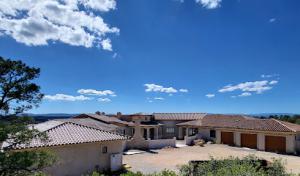
Central Basin Roofing
(928) 778-5819 centralbasinroofing.com
331 N Arizona Ave, Prescott, Arizona
4.9 from 25 reviews
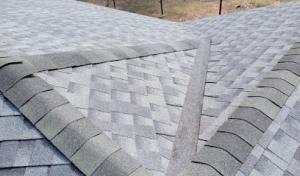

Heritage Roofing
(928) 910-2765 www.heritageroofingaz.com
1579 W Gurley St A, Prescott, Arizona
4.9 from 511 reviews
Heritage Roofing Prescott AZ is a reputable and affordable roofing company that guarantees great service every time. As a Home Adviser top-rated business, locally-owned roofing company, Heritage Roofing contractors Prescott Valley AZ are your well trusted professionals! We have over 20 years' experience in the roofing industry and offer a variety of roofing services to meet your needs. Out of the roofing companies Prescott AZ has to offer, we ensure quality workmanship, friendly crews, prompt service and workers' comp for all workers to protect our customers. We are a GAF preferred contractor offering 10-year Labor Warranty & 50-year Limited Lifetime Material Warranty. We take pride in our excellent service for your ultimate satisfaction.
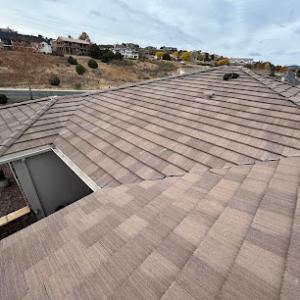
Hale's Roofing
(928) 216-5210 halesroofing.com
2220 Taxi Way #2, Prescott, Arizona
4.9 from 102 reviews
At Hale’s Roofing, we bring family values and expert craftsmanship to every roof in Prescott and across Northern Arizona. Locally owned and operated, we specialize in dependable roof repairs, replacements, and maintenance for homes and businesses in Flagstaff’s unique climate. From monsoon-season leaks to aging tile roofs, our experienced team delivers quality you can count on with honest service and a personal touch. Proudly serving Flagstaff, Sedona, Cottonwood, and surrounding communities since 1990. We are a roofing company and roofing contractors specializing in roof replacement, roof repair, commercial roofing and more. Our service area includes Prescott, AZ as well as Oak Creek, Cottonwood, Chino Valley, Bellemont and more.
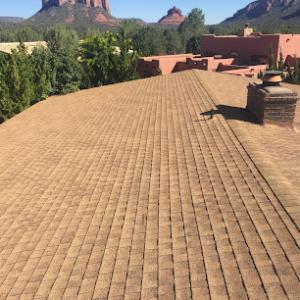
Arrow Roofing
(928) 443-8633 arrowroofingaz.com
1129 Iron Springs Rd, Prescott, Arizona
5.0 from 35 reviews
We are a fully licensed and certified roofing company. Our mission has always been to exceed our client's expectations and ensure their satisfaction, no matter the project size or scope. Over the years, we've continually improved our operations and honed our trade to become the most reliable and efficient roofing company around. Our experience has helped us to streamline our services, optimize our techniques, and increase our client's return on investment. We're committed to staying up-to-date with the latest industry trends and technologies to provide our clients with the best possible results. It's no surprise that we've become the first-choice roofer for many locals in the area, and we're confident that we can become yours too.
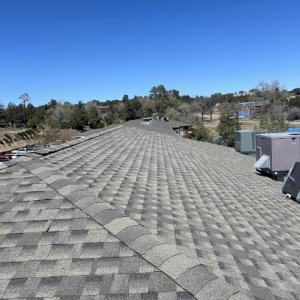
Yavapai Roofing
(928) 830-4090 yavapai-roofing.com
555 E Z St, Prescott, Arizona
4.8 from 67 reviews
For a great roofing job that will last years, contact Yavapai Roofing. We are a locally-owned and -operated company offering top-level services in metal roofs, tile roofs, and roof repairs. We're happy to bring those services to you. Our team has over 45 years of experience in the industry, so rest assured that we can handle all your needs. Whether you're looking for roof repairs or roof replacements, we can help. And our friendly and personable team is always here to listen to any of your concerns. Contact us today for high-quality roofing in Prescott, AZ!

Golden Roofing
629 Miller Valley Rd, Prescott, Arizona
5.0 from 21 reviews
We are a local roofing company with 20+ years of hands on experience. No job too small. Insurance claims, roof repairs, roof replacements, new construction. We specialize on custom metal roofs and shingle roofs, and technical repairs.
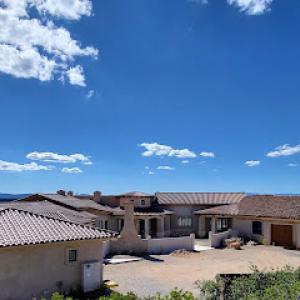
Central Basin Roofing
(928) 778-5819 centralbasinroofing.com
331 N Arizona Ave, Prescott, Arizona
4.9 from 25 reviews
Central Basin Roofing is the top choice in the Northern Arizona tri-city area, if you are looking for a Quality roofing company. We are a Family Owned & Operated business serving Yavapai County since 1982. We understand the importance of sticking to a budget while still providing high-quality craftsmanship. Our roofing contractors will work closely with you throughout the project to ensure that the results exceed your expectations while staying within your budget constraints. With our expert technicians and superior workmanship, we guarantee the best roofing solution for you. Give us a call for your FREE Roof Inspection & Estimate. *Ask us about our 10 Year Workmanship Warranty! Yavapai Counties Residential & Commercial Roofing Experts!
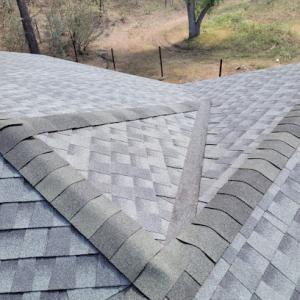
High Noon Roof Repairs
1528 Kile St, Prescott, Arizona
5.0 from 12 reviews
Quality workmanship with daily standards, every customer is treated like family and the work done is guaranteed
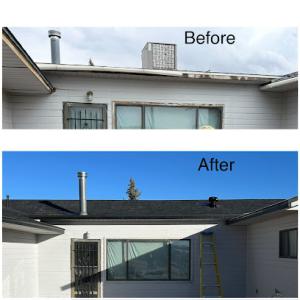
Granite Basin Roofing
(928) 772-9222 granitebasinroofing.com
1225 Gail Gardner Way, Prescott, Arizona
4.5 from 22 reviews
Established in 2004 as a family owned roofing company we offer our clients an extensive background in the installation, repair and maintenance of their roofing system. Located in Prescott, we service all of Northern Arizona with the most up to date roofing materials. We have a courteous team of professionals, who bring skill and attention to detail, to every roofing project. As a preferred licensed contractor we have successfully worked on projects ranging from residential and commercial buildings to government and historic structures, as well as multi-tenant buildings. With the temperature fluctuation and weather conditions we can make sure that your roof will continue to protect your family and valuables.
M & M Roofing
555 E Z St, Prescott, Arizona
5.0 from 4 reviews
When you choose us for your commercial roofing needs, you’re getting an experienced team who will treat your business like their own home. Our goal is to provide exceptional service that makes our customers feel comfortable knowing they have made the right choice in choosing us as their roofer.
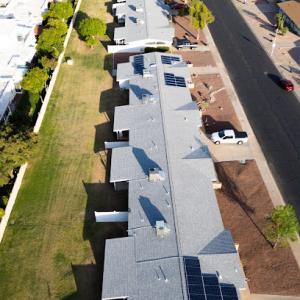
All About Roofing
(928) 222-3507 www.allaboutroofing.com
605 E Gurley St # C, Prescott, Arizona
4.2 from 5 reviews
All About Roofing is your trusted roofing contractor in Prescott and Northern Arizona. With over a decade of experience, we specialize in residential and commercial roof repairs, replacements, and storm damage solutions. As a family-owned, licensed, and insured company, we’re committed to honest service and lasting protection.
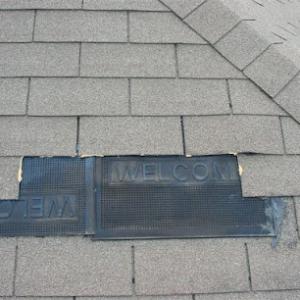
Carl Johnson - Roofing
(928) 910-1878 www.yavapai-roofing.com
Serving
4.9 from 49 reviews
Contact me for any or all of your roofing needs
Aspen Roofing
(928) 863-8528 aspenroofingaz.com
Serving
5.0 from 17 reviews
Aspen Roofing comes from a tradition of Northern Arizona roofing contractors who believe that your family deserves the best. The details matter, and we take careful, calculated steps to ensure your new roof will fit your home and its uniqueness. We love getting questions from our customers because we value trust and transparency. For 15 years now, we have contributed to better homes and happier families in the Northern Arizona area, delivering a superior product, process, and customer service. We are proud to serve our local communities in Flagstaff, Prescott, and Sedona.
On steep-slope roofs across hill neighborhoods, the July-September monsoon season brings a sharp emphasis on wind and hail events. Wind can lift edges and loosen fasteners on tile and shingle edges, while hail bites through surface layers that look intact from the ground. In Prescott's dry, high-sun environment, failure often starts with microcracks that propagate under repeated heat cycles and then expose underlayment to moisture. This combination can push a roof toward early wear or unexpected leaks right after a storm, even when visual damage seems limited from the street.
Tile roofs-whether clay or concrete-collect damage in a way that can hide from a casual glance. After a monsoon hail event, individual tiles may crack or chip, and those cracks can be invisible beneath a seemingly intact surface texture. The real risk is underlayment exposure, which can deteriorate quickly in the interior attic or vaulted ceiling spaces if rain breezes beneath broken tiles. Prescott homeowners should perform a careful现场 inspection after storms: check for moisture staining on ceilings, listen for unusual attic noises during rain, and note any tiles that are displaced or cracked. A professional should inspect not only the visible damage but also the pattern of any cracked tiles; a small crack line can indicate broader underlayment compromise if multiple adjacent tiles show distress.
Asphalt roofs here age in a fashion shaped by dry heat, bright sun, and rapid temperature swings. Granule loss becomes a common signal of aging, and heat-related wear can accelerate brittleness-especially around roof penetrations, valleys, and edges that bear the brunt of afternoon wind gusts. In a Prescott context, shingles often weather unevenly: some sections may look fine while others have lost significant granules, reducing UV protection and shortening service life. After a hail event, asphalt surfaces can hide granule loss beneath a scuffed or dented surface, complicating a visual assessment. If the attic insulation shows more heat transfer or if gutters accumulate unusual amounts of bare mat material, those are practical clues to investigate further.
Wind behavior on hillside homes follows terrain-driven patterns. The slope can amplify uplift forces around roof edges, ridge caps, and ventilation chutes. Metal roofs tend to show denting and seam separation where hail impact is concentrated, while clay and concrete tiles may crack or loosen under the weight of a gusty, shifting wind. Shingle systems with exposed fasteners or edge sealants can reveal wind-driven damage sooner in Prescott's windy seasons, especially along overhangs, rakes, and chimneys. Immediate post-storm inspections should prioritize these transitional zones, alongside typical high-stress areas.
After a storm, walk the roof only if it can be done safely, otherwise rely on a professional. Inspect for displaced tiles, cracked edges, and exposed underlayment spots. Check interior spaces for hidden leaks around penetrations and along ceiling ridges. Document hail patterns and wind-driven damage with photos from multiple angles and heights. Finally, develop a plan for targeted repairs that address not just the visible hits but the potential underlayment and sealant wear that often tells the true story of a storm's impact on steep-slope systems.
Find contractors who specialize in clay and concrete tile roofs, known for their durability and curb appeal.
Hale's Roofing
(928) 216-5210 halesroofing.com
2220 Taxi Way #2, Prescott, Arizona
4.9 from 102 reviews
Yavapai Roofing
(928) 830-4090 yavapai-roofing.com
555 E Z St, Prescott, Arizona
4.8 from 67 reviews
Central Basin Roofing
(928) 778-5819 centralbasinroofing.com
331 N Arizona Ave, Prescott, Arizona
4.9 from 25 reviews
When planning replacement, use these local averages per square: asphalt shingles 350-550, metal 850-1500, clay tile 900-1800, concrete tile 800-1500, wood shingles or shakes 700-1200, and slate 1500-2600. These ranges reflect Prescott's mix of hillside homes, steeper slopes, and the need for durable wind- and hail-resistant detailing. Concrete and clay tiles often carry higher material and installation costs, but they can offer longer life in our summer monsoon cycles if installation and sealing are done correctly. Your roof size in squares and the degree of slope will push these numbers up or down within the given bands. Budget for underlayment and fastener updates that address wind resistance, as these details matter for a storm-heavy season.
In this market, storm-driven demand spikes after monsoon hail or wind events can affect scheduling pressure and replacement pricing more than in calmer periods. If a hail impact event hits a nearby neighborhood, you may see a surge in demand for quick assessments and materials. That means timing matters: getting on a provider's calendar early, and choosing a material with readily available stock, can prevent price bumps seen during peak storm weeks. Have a plan for temporary protection and a clear start date with the chosen contractor if a hail event is likely in the forecast.
Costs can vary locally based on whether the home has heavier tile systems, steeper roof geometry common on hillside lots, or added documentation and detailing for wind-resistance verification during inspection. Steeper pitches and more complex ridge lines require additional safety measures and longer installation times, which push price per square higher. Heavier tile systems demand more structural consideration and sometimes reinforcement, not just material costs. If your roof has exposed fascia, flashings, or requires extensive wind-rated seals, expect incremental increases. Plan for the wind-resistance verifications that inspectors may request after hail damage events.
Don't let upfront costs delay a critical repair - these contractors offer payment plans to fit your budget.

A full roof replacement typically requires a building permit through the City of Prescott Building Department. Before any tear-off begins, verify your project with the permit office to avoid missteps that can slow you down when storms approach. Have your planned roofing system, underlayment type, and fastener method ready for review, along with any local wind-resistance features your contractor plans to install. The permit process helps ensure that the chosen materials and installation meet area standards for wind and weather exposure.
Reroof work in this climate is checked in stages. The city usually inspects at the rough-in or underlayment stage, and again at final completion. Scheduling must account for these inspection windows so you're not left with a dry-in done before the inspector signs off. Coordinate with the contractor to keep access clear on the inspection days, especially during the monsoon window when last-minute adjustments are more common. If an inspection fails, you'll need to arrange a reinspection, which can create delays during peak storm season.
Prescott inspections place emphasis on wind-resistance features. That means fastening patterns, nail sizes, collar ties, and the type and installation method of underlayment should be well documented. Keep a tidy record of all fastening sheets, underlayment rolls, and any wind-rated components used on the project. Photos of the installation process at key milestones can help the inspector verify compliance, especially where elevated sections or complex roof lines are involved. If your contractor uses manufactured wind clips or synthetic underlayment with a wind rating, have the certification on hand. In this climate, solid documentation isn't just bureaucratic-it can streamline approval and reduce rework after a formidable monsoon season.
After a hail and wind event, the insurance landscape can shift quickly. Arizona insurers commonly scrutinize hail and wind exposure in Prescott-area roof claims, especially after monsoon events. That means the roof bears the first questions about its prior condition, age, and any wind-moster details that might affect liability. Homeowners should brace for careful inspections and potentially disputed damage boundaries between shingles, underlayment, and flashings.
Documentation matters more than usual. Homeowners in Prescott should expect adjusters to request pre-loss and post-loss photos, repair invoices, and evidence of wind-mitigation details when relevant. Keep a dated photo log of the entire roof surface, attic insulation, and any visible hail hits or lifted shingles. Collect receipts for recent repairs, and maintain copies of contractor notes that describe observed damage versus wear and tear. If a wind mitigation feature exists, have the installer provide the certification and installation dates.
Seasonal timing influences decisions. Local severe-weather claim volume can affect response times and coverage interpretation after storm clusters, so early documentation matters. When hail or high winds arrive in July through September, do not delay reporting and assessment. If multiple storms occur in a few weeks, insist on itemized notes that separate new damage from pre-existing conditions. A weather-driven backlog is common, and insurers may rely on photos and invoices to piece together the sequence of events.
Under the roof, the impact can be subtle. Some damage hides behind granule loss, hairline cracks, or lifted edges that only show up in wind-driven photos. If a claim is suspected to hinge on a wind-mitigation feature, ensure the feature is properly documented by the contractor and the insurer, including photos of the installed components. Prescott homeowners should keep track of all communications and preserve a calm, detailed record to support the claim through the stress of storm season.
If an adjuster misses details, request a reinspection with a written list of observed gaps and dates for clarity.
Connect with contractors who help homeowners navigate the claims process from damage assessment to final approval.

Heritage Roofing
(928) 910-2765 www.heritageroofingaz.com
1579 W Gurley St A, Prescott, Arizona
4.9 from 511 reviews
Arrow Roofing
(928) 443-8633 arrowroofingaz.com
1129 Iron Springs Rd, Prescott, Arizona
5.0 from 35 reviews
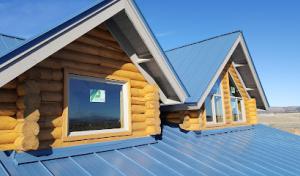
Arizona's mile-high setting brings long dry spells and intense spring winds, but the monsoon rain that follows can reveal weaknesses at skylights and low-slope tie-ins. In practice, leaks often show up at transitions rather than across the main field of a steep roof. A contractor signal you'll hear here is recurring skylight repair demand and some flat-roof expertise, underscoring that failure points are frequently at penetrations and flashings where the roof meets a skylight or a low-slope section.
Before the July-September storms, walk the roof edge and around every skylight to look for torn or loose flashing, lifted shingle edges at the curb, and gaps where sealant has cracked. Pay attention to the vertical sidewall flashing around the skylight and the step flashing where low-slope sections tie into the main roof. On reroofs, check whether older penetrations or transition flashings were left in place; these can stay quiet during dry spells but reveal leaks once monsoon rain hits.
If moisture is suspected, start at the interior ceiling near skylights and along any ceiling-line seams where low-slope transitions occur. Trace the path to the attic to identify whether water tracked along from the skylight flashing, the curb, or the transition zone. Inspect the exterior flashing after the storm for lifted metal, cracked sealant, or softened seams. Document delamination or rust on metal flashings, as those flaws often signal a need for targeted repair rather than a full roof deck replacement.
For flange and curb gaps, reseal with a high-quality, weather-appropriate sealant, and replace compromised flashing with matching metal or flexible flashing that accommodates thermal movement. If the skylight deck shows compromised integrity or persistent leaks, consider replacing the curb flashing assembly or upgrading to a continuous flashing membrane that bridges the skylight and adjacent low-slope surface. When reroofing, coordinate new penetrations and transitions with the main covering to ensure the flashings blend with the new deck, reducing the chance of hidden leaks emerging later.
Find contractors experienced in skylight installation, flashing, and leak repairs to bring natural light into your home.
Arrow Roofing
(928) 443-8633 arrowroofingaz.com
1129 Iron Springs Rd, Prescott, Arizona
5.0 from 35 reviews