
Last updated: Apr 19, 2026
The hot, dry climate and intense sun accelerate wear on asphalt shingles and roofing membranes faster than in milder Arizona markets. You can expect all-but-constant UV exposure to degrade protective coatings, dry out underlayment, and soften the top surface of shingles. In this desert environment, granule loss on asphalt shingles happens sooner, and membrane surfaces can become brittle after multiple monsoon cycles. This isn't about a longer life somewhere else-it's about the sun hammering your roof year after year. If you own a home with tile or membrane systems, the same sun exposure pushes fast-track aging for those materials too, especially without proper reflective or UV-stable underlayment. The consequence is higher susceptibility to small leaks, faster wear around penetrations, and increased risk of energy-driven heat transfer into attics.
Replacement timing in this climate is guided by extreme summer conditions. Tear-off and installation during the peak heat of summer is a risky, comfort-sapping choice that can stress materials and installers alike. Milder seasons generally offer a calmer window for proper tear-off and installation, allowing sealants, fasteners, and underlayment to settle before the next heat spike. If you're facing a roof that's nearing the end of its service life, schedule major work for late fall or early spring-those periods typically provide safer temperatures for shingle adhesion, tile setting, and membrane repairs. Proactively budgeting for a replacement before the hottest stretch puts your roof in a position to perform when it matters most, not after a heat wave has already taken a toll.
Sudden day-to-night temperature swings in the lower Colorado River desert increase expansion and contraction stress on roofing materials. You'll notice more visible cupping, curling, or lifting of shingles, especially on asphalt surfaces or along edges and rakes where sun exposure is greatest. Tile roofs may show hairline cracks or broken edges after a scorching afternoon and chilly evening. If you start seeing exposed fasteners, lifted flashing, or consistent pinpoint leaks after hot spells, treat it as a red flag. In this climate, what looks like a minor issue can quickly become a structural vulnerability-the kind that invites wind-driven dust, monsoon debris, and accelerated aging into the attic and decking.
Prioritize reflective, heat-resistant underlayment and ensure your attic is ventilated to reduce heat buildup. Consider high-reflectance shingles or coatings designed for extreme sun exposure, and make sure fasteners are corrosion-resistant and properly sealed to withstand daily temperature flux. Regular inspection after the most intense heat periods-late summer through early fall-lets you catch signs of wear before they cascade into leaks or widespread failure. If you notice increased attic moisture, accelerated granule loss, or unusual heat buildup behind ceilings, don't delay a professional assessment. A timely inspection tailored to this desert environment can extend life expectancy and blunt the cost of more extensive repairs after a brutal season.
Clay tile and concrete tile are dominant roofing materials in Yuma alongside asphalt shingles and metal roofing. The desert sun taxes each layer differently, but the tile surface itself often looks rugged and long-lasting while the waterproofing layer beneath wears out sooner. That dynamic means you can end up replacing underlayment long before you replace the visible tiles, or you may find subtle leaks because heat-driven aging has weakened the membrane under an apparently solid tile shell. When planning a reroof or a major repair, treat the underlayment as the critical component that masks or reveals the true condition of the roof system.
In this climate, the exposed tile surface absorbs intense heat and transfers it downward, accelerating aging of synthetic and traditional underlayment products. The result is a higher likelihood of delamination, drying, or cracking in the underlayment, even if the tiles themselves look fine. Check edge details around chimneys, vents, and skylight flashings where heat cycling can stress seals first. If the underlayment shows any moisture staining, wear, or blistering after a season of sun, plan replacement sooner rather than later. A tile roof may survive many years, but the waterproofing layer beneath deserves the same attention you give to the tiles themselves.
When a contractor reviews a tile roof, look for how the underlayment is installed under the tiles you have, and whether a high-temperature or UV-stable membrane is used. The City of Yuma reviews proposed roofing materials and underlayment during permit review, reflecting how critical assembly details are in this market. Ensure fasteners, seams, and flashings are compatible with both the tile profile and the chosen underlayment. If your home uses clay or concrete tiles, verify there is a vented system to manage heat buildup under the roof deck, which helps protect underlayment longevity as well as tile integrity.
Begin with a careful visual check of the roof-to-wall junctions, hips, and ridges where heat and wind stress are most pronounced. Ask for documentation that specifies the underlayment type, its age, and the installation method used under your tile. If you're replacing tiles, insist on matching or upgrading the underlayment to a product rated for high heat and UV exposure, and confirm that the fasteners won't corrode under desert conditions. Schedule routine inspections after the monsoon season to catch any heat-induced issues early, before hidden leaks become costly repairs.
48Solar & Roofing
(928) 235-5200 www.48solar.com
340 W 32nd St, Yuma, Arizona
4.9 from 144 reviews
Yuma Roofing Contractor. “48Solar & Roofing is Yuma’s trusted choice for top quality roofing services. Roofing , Roof replacement, Roof Installation, roofing repairs. For top quality roofing and superior workmanship, contact us today .
Advanced Roofing & Cooling
3970 W 24th St STE 210, Yuma, Arizona
4.9 from 57 reviews
Family owned & operated Roofing & HVAC contractor serving the Yuma County and Surrounding areas. We specialize in Residential & Commercial. Let us help you protect what matters most!

Mr Foam
(928) 782-2814 www.mrfoamyuma.com
13258 E 47th Ln, Yuma, Arizona
4.9 from 12 reviews
Mr Foam Roofing Specializing in Foam Roofs All types of protective ROOF COATINGS Commercial and residential
Davin S. Rich Roofing & Protective Coatings
(928) 343-4663 www.dsrroofing.com
2710 E 16th St, Yuma, Arizona
4.6 from 23 reviews
Davin S. Rich Roofing & Protective Coatings, based in Yuma, AZ, is your trusted partner for top-notch roofing services. Our mission is to deliver unparalleled craftsmanship and innovative protective coatings to ensure the longevity and reliability of every roof. We offer a comprehensive range of services, including roof repair, metal, shingle, shake, slate, tile, and wood shake roofs. Our expertise also includes asphalt and composite roofs, flat, foam, and metal roofing systems, and advanced elastomeric coatings. Protect your investment with our exceptional solutions. Visit our website or call today to schedule a consultation and secure your roof's future!
Southwest Roofing & Guttering
(928) 315-9030 www.swroofingcooling.com
425 E 11th St, Yuma, Arizona
4.1 from 57 reviews
Southwest Roofing & Guttering is an exterior home improvement business serving clients in the Yuma area. Our goal is to provide quality work that increases the value of your home while staying within a reasonable price range. Contact us today for more information!
Lines & Lundgreen
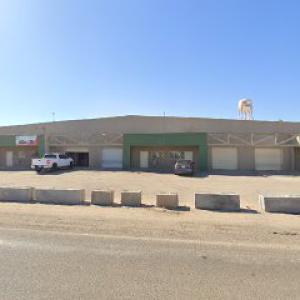
12351 S Avenue 4 E, Yuma, Arizona
4.0 from 66 reviews
Lines and Lundgreen continues to service Residential and Commercial Roofing and Insulation services, Acoustical-Drop Ceilings, Built-in Vacuum Systems for both Residential and Commercial applications, and most recently, installing Advanced Specialty Skylights (with the ability to open and close a damper to allow or deny light from flooding into the room, closet, or basement!) And we can install these in new and old homes and businesses!
Pure Roofing Yuma
(928) 615-8750 pureroofingco.com
3373 Gila Ridge Rd, Yuma, Arizona
2.0 from 8 reviews
Pure Roofing Yuma offers high-quality roofing design and services in Yuma. We are seasoned roofers who deliver top quality and budget-friendly roofing services. Get in touch with us on +19286158750.
During the hot stretch of the year, the monsoon season arrives roughly from July through September, and that timing matters for roof work. In this climate, heavy afternoon storms can pop up with little warning, flipping your project from a routine replacement to a scramble of tarps, tarps, and temporary patches. If a crew is midway, an intense shower can expose open roofing areas to storm-driven leaks long enough to compromise insulation and vulnerable underlayment. In practical terms, you want a plan that accounts for sudden shifts in sky conditions, a schedule that allows for quick shutoffs, and a readiness to pause if dark clouds gather overhead. The goal is to minimize the chance of water intrusion while protecting long-term roof performance in a sun-baked desert environment.
Dust storms and strong winds aren't rare flirtations here; they're regular conditions that can load roofs with a stubborn layer of grit. When a project is actively underway, that same wind can drive debris into exposed edges and underlayment seams, stress-testing materials that are already dealing with extreme heat. You'll want to build in methods to keep debris out of valleys and penetrations, and ensure fasteners and flashing are secured before expectant dust events. On days when wind picks up, temporary coverings should be deployed, and open penetrations should be checked frequently. A routine post-storm inspection becomes a smart habit, not a luxury, because even a small quantity of grit can abrade vulnerable surfaces over the course of a season.
Because of the combination of extreme heat and monsoon risk, scheduling windows in this area are narrower than a generic desert-city roofing calendar suggests. The hottest days can push work into early morning hours or late afternoon, while the advent of a storm can abruptly derail progress. A practical approach is to book ahead for a planned window that aligns with a drier forecast, but also leave a built-in buffer for weather-related delays. If a project spans the monsoon months, consider a phased approach that prioritizes the most critical roof sections first and leaves less weather-exposed tasks for the tail end of the season. Having contingency dates ready helps avoid rushing work during the peak heat of midday and reduces the likelihood of weather-driven resealing needs.
On a typical home with Southwestern styling and tile or composite materials, prep is everything. Prior to the first nail, install secure temporary shields over vulnerable valleys and penetrations, and ensure materials are stored in a dry, shaded area to prevent heat-induced warping. If a storm materializes, pause work, cover exposed areas with heavy-duty, wind-resistant tarps, and verify that underlayment remains protected when the wind shifts. After the monsoon passes, perform a quick but thorough inspection for wind-driven damage, resealed seams, and any displacement of flashing. In this climate, patience and preparedness often save more time and trouble than sheer speed.
Average Yuma-area roofing costs by material are about $350 to $550 per square for asphalt shingles, $600 to $1000 for metal, $900 to $2100 for clay tile, $800 to $1700 for concrete tile, $750 to $1200 for wood shingles or shakes, and $500 to $900 for synthetic or composite shingles. Those numbers reflect the desert climate's demand for heat resistance and durable underlayment, not just the initial cover. When planning, expect these ranges to guide bids, but also budget for durability upgrades that perform in blistering sun and monsoon dust.
Tile-heavy roof designs are common in this climate, and that shape changes the math compared with simple shingle roofs. Labor and replacement complexity rise when underlayment needs replacement as part of a full roof refresh. In practice, a tile-heavy job may push the project toward the higher end of the listed ranges, especially if fasteners, flashing, or roof deck repair are required after long exposure to sun and heat. If your home features clay or concrete tile, ask contractors to itemize underlayment replacement, tile removal, and reinstallation, because those steps drive costs more than plain shingle work.
Project timing can affect pricing in this market because extreme summer heat and monsoon-season disruption can reduce installation efficiency and create demand spikes after storm events. If you're scheduling during peak heat or just after a monsoon event, you may see tighter crew availability and higher labor rates. Plan for possible start-date shifts, and consider preordering materials to avoid backorders that slow progress during the hottest stretch.
In this climate, choosing a material isn't only about upfront cost. Metal and tile options offer durability against UV and heat, which translates into longer replacement cycles and better resistance to heat-driven aging. Asphalt remains the most budget-friendly upfront, but the long-term cost of premature wear can tilt the balance toward a more durable system. When comparing bids, weigh underlayment quality, warranty terms, and the contractor's experience with tile-heavy roofs to get a true apples-to-apples comparison.
A full roof replacement in Yuma typically requires a permit through the City of Yuma Building Department. Planning ahead helps avoid delays when monsoon dust storms roll in and you're trying to keep your home watertight as temperatures heat up. The permit process is not just a formality; it ensures that the project aligns with local requirements for ventilation, roof venting, and overall structural integrity given the desert climate's relentless sun exposure. If a contractor suggests skipping the permit, proceed with caution-permit compliance is a crucial line of defense against future leaks and code issues.
The City of Yuma reviews proposed roofing materials and underlayment as part of the permit process rather than treating reroofing as a purely cosmetic project. That means you'll want solid documentation of the exact underlayment type, underlayment placement, and flashing details, especially for heat-resistant layers and UV-stable materials. When selecting tile, concrete tile, or metal, ensure that the chosen products are rated for high-heat environments and adverse summer wind events. Document any radiant barriers or reflective coatings as they can influence both energy performance and permit compliance.
Inspections in Yuma commonly occur at rough install, after roof completion, and at final permit close-out, with fees based on project valuation and varying by jurisdiction. The rough install inspection verifies that underlayment, ventilation, and fasteners are correctly installed before shingles or tiles are secured. The post-completion inspection checks that all components meet code requirements and that any added attic or roof deck ventilation is functional. The final close-out confirms permit compliance and may trigger adjustments if the roofing stack or flashing systems show signs of compromise from sun exposure or monsoon dust.
Coordinate scheduling with the Building Department early, and keep records of material specifications, installation manuals, and any engineering notes. A common pitfall is submitting generic material lists without local wind, heat, and UV considerations; ensure the plan reflects Yuma's climate realities. Finally, ensure that contractor inspections align with your home's unique roof geometry and tile layout to prevent later retrofits that could complicate permit close-out.
In this desert climate, sun aging remains the dominant force on roofs, but high winds and hail still shape insurance outcomes after a storm. Yuma-area roofs often feature tile or membrane-heavy assemblies that resist heat yet can show impact damage or fast-track wear along edges and valleys. When a claim hits, insurers look for how the roof held up under wind stress and whether hail marks align with the expected heat-driven aging pattern. Documentation of prior wear helps separate new damage from existing condition.
Insurers may request photos that clearly show damaged areas, plus prior-damage documentation to establish a baseline. A clearly written replacement scope helps the adjuster quickly understand what needs replacement and how the repairs will restore performance under extreme sun and heat. Expect requests for roof layout details, venting specifics, and evidence that the chosen materials meet load and wind expectations. Having these ready can speed up the review and reduce back-and-forth.
Some carriers may apply higher deductibles or require wind-mitigation features and code-compliant underlayment. In a setting where permit review already emphasizes roofing assembly details, meeting those expectations becomes critical. Consider documenting roof-to-wall connections, nailing patterns, and underlayment type during replacement discussions. If you upgraded to a wind-resistant underlayment or integrated venting, include the specification sheets in your claim package to support a smoother approval process.
Begin with a cautious, staged assessment; photograph all exposed sections, especially edges, hips, and vents. Align your claim with a detailed replacement scope that reflects heat-age realities and any wind-related repairs. Notify the insurer promptly, keeping a clean trail of communications and material choices for expedited review.