
Last updated: Apr 19, 2026
This valley sits in a low-elevation desert where the summer sun hits roofs with relentless intensity. Prolonged heat and the strong sun exposure are the main culprits aging shingles, sealants, and underlayment faster than you'd expect in milder climates. You'll notice sun-faded trim, brittle edges on flashing, and shingles that curl or dry out at the tabs. The heat also speeds up aging of ice-and-water barriers and increases the risk of micro-cracks along shingle joints. When you're planning a roof, treat the sun as the primary adversary and schedule around heat if you want long service life.
Reroof timing in this valley is not about chasing a perfect cool-season window-the heat arc drives the calendar. Crews can push tear-off and installation into spring or fall to avoid peak summer heat. If you're weighing a reroof this year, aim for those shoulder seasons when temperatures are friendlier for sealants, for adhesive cure times, and for crew safety. Summer work in full sun taxes everyone and can compromise warranty performance if sealants aren't allowed to cure properly. Planning ahead to a milder window reduces the risk of post-install issues tied to heat stress.
In this climate, the problem isn't freeze-thaw cycling. It's drying, brittleness, fading, and a shortened service life from solar exposure. UV rays break down protective granules on asphalt shingles and degrade coatings on metal roofs. Plastic or rubber sealants and flashing joints can dry out and crack, allowing slow leaks that aren't immediately visible. A sun-baked roof can also push roof decking and underlayment beyond their optimal moisture balance, making repairs trickier when leaks finally show up. Expect faster aging of vent boots, pipe collars, and edge metal in high-UV conditions.
Look for shading changes across the roof: lighter-faded areas where UV has worn away darker granules, curling or cupping shingles, and granule loss found in gutters or downspouts. Noticeable brittleness when you flex a shingle or touch flashing edges is a red flag. If you see small leaks after a hot day or a sudden summer rain, trust your eyes and inspect drainage paths and seals first. If the roof feels hot to the touch through the attic hatch, that heat transfer is a sign you're losing protective performance in key layers.
Prioritize regular inspections at the end of summer and after any severe wind events. Keep trees trimmed to reduce leaf litter and debris that can trap heat and moisture against the roof surface. Consider reflective or lighter-color underlayment and shingles designed to endure desert UV exposure, and have sealants and flashing replaced proactively if they show signs of aging. When preparing for a reroof, align your project with a cooler season window, ensure the chosen materials have UV-resistant warranties, and coordinate with a local crew that understands how sun, wind, and dust accelerate wear. In this desert, a small heads-up now can save a much larger repair bill later.
Clay tile and concrete tile fit Imperial's Southwestern and desert-style housing stock, bringing a classic look that matches the heat and horizon-wide skies. They handle high daytime temps well and resist fading when the surface is clean and intact. The trade-off in this climate is weight: tile roofs put substantial load on the structure, and that weight increases the importance of proper framing, underlayment, and a well-insulated, moisture-controlled underside. In practice, you want an experienced installer who reviews the attic ventilation, rafters, and a high-quality underlayment system that can keep water from migrating if the tile surface is damaged by wind-blown dust or UV-cracked clay. The surface covering can outlast the waterproofing below, so the installation needs to prioritize robust underlayment and secure tile fasteners that resist the valley gaps and edge lift common in windy desert days. If a tile roof is chosen, plan for periodic checks of ridge caps, flashings around penetrations, and fastener corrosion in the exposed desert air. Weight considerations aside, clay and concrete tiles offer longevity when paired with a roof deck prepared for the climate's drying cycles and frequent sun exposure.
Asphalt shingles are widely used in Imperial, and they remain a practical option for many homes with limited roof heights or tighter rooflines. In this hot, UV-intense environment, the shingles experience accelerated granule loss and curling compared with milder parts of California. The aging process can shorten the typical life cycle and lead to more frequent maintenance on edges, around exhaust vents, and near chimney flashing where heat amplification is common. When selecting asphalt, emphasize UV-resistant granules and a mineral-surfaced or specialty shingle line designed for desert exposure. Proper attic ventilation becomes crucial to temper heat transfer into the attic space, helping shingles sit flatter and slow down thermal aging. A careful installation with correctly sealed edges, precise nailing patterns, and top-tier flashing around penetrations will mitigate the harsher sun-driven effects seen in this valley.
Metal roofing can perform well in Imperial's sun-heavy climate, delivering excellent wind resistance and rapid shedding of heat. Reflective coatings and lighter colors help keep attic temperatures down and reduce thermal expansion stress on underlayment. For metal choices, consider a profile that minimizes standing-seam issues in hot, windy conditions and matches the home's architectural language. The desert environment also benefits from a well-sealed ridge vent and sealed panel seams to prevent dust intrusion and moisture ingress during rare monsoon conditions. If your home is near open desert spaces, metal can be a durable, low-maintenance choice, but ensure the substrate and deck are prepared for a heat-tolerant installation with corrosion-resistant fasteners and proper clearance to allow for expansion.
Wood shakes face tougher durability in this inland Southern California market. The heat and dust accelerate surface aging, and the potential fire-insurance questions can complicate long-term ownership. If wood is your preference for appearance, choose treated, high-grade shingles and a protective finish, with a plan for re-staining on a defined schedule. Inspect for warping or splitting after especially hot seasons or after heavy dust storms, and ensure ventilation under the roof to limit interior heat buildup that can affect the wood envelope. If fire risk or insurance constraints are a concern, weigh metal or clay alternatives that achieve the same visual impact with less risk.
Synthetic or composite shingles provide a balance between aesthetics and performance in the desert environment. They can offer improved UV resistance and dimensional stability over traditional asphalt. Look for products with proven desert performance ratings, and verify warranty terms that explicitly address expansion, color retention, and granule shedding under high heat. Combine these with a robust underlayment system and a well-sealed roof-to-wall interface to maximize longevity in the Imperial sun. Regular inspections after dust storms help maintain the roof's appearance and structural integrity, ensuring the surface coverings work in concert with the waterproofing below.
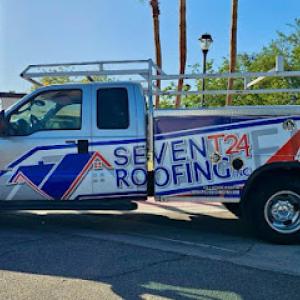
Seven T24 Roofing
(442) 367-7098 www.sevent24roofing.com
Serving
5.0 from 12 reviews
At Seven T24 Roofing, Inc, we specialize in delivering high-quality roofing solutions with a focus on reliability, craftsmanship, and customer satisfaction. Whether it’s a small repair or a full roof replacement, our experienced team uses top-grade materials and proven techniques to ensure every job is done right the first time. We’re committed to protecting your home or business with durable, weather-resistant roofing systems that stand the test of time. With honest communication, transparent pricing, and a clean, efficient job site, we make the roofing process smooth and stress-free from start to finish.
Imperial County's open desert setting exposes roofs to seasonal winds that can lift edges, stress flashings, and complicate installation quality control. In fall, gusts sweep across the valley with enough bite to reveal loose fastenings or warped edges long before any big rain arrives. The result is not just an aesthetic issue-loose edges invite wind-driven debris behind the roofing layer, accelerate wear, and increase the chance of leaks when storms finally move through. If a roof has trouble staying pressed down along hips, ridges, or along valleys, those problem spots will worsen quickly as temperatures swing and winds rise.
Dust and airborne grit are a more relevant local maintenance issue in Imperial than moss or algae, especially around penetrations, valleys, and rooftop equipment. Fine particles act like sandpaper on interfaces, wearing flashing seals and scratching shingles or tiles. Around skylights, vents, and exhausts, grit can accumulate under edge caps, preventing proper seating and inviting wind to pry components loose. Vent gaps and chimney interfaces deserve extra inspection after windy spells; seals may look intact but grit can have already compromised the bonding over time.
Windy periods in fall can disrupt material handling and fastening during reroof projects in Imperial more than heavy snow or hail events would. When crews try to lay underlayment, shingles, or tiles, gusts can shift materials, knock loose fasteners, or blow overly dry adhesive out of place. This is not a worst-case scenario in a distant part of the state; it routinely affects timing and workmanship quality here. Plan for ample staging space, secure all loose items, and allow extra scrutiny at the moment of installation to prevent wind-related setbacks from turning into long-term problems.
On-site you should expect closer attention to edge fasteners, flashing laps, and around penetrations during late-season wind windows. Before any reroofing begins, inspect for wind-borne damage-lifted edges, torn underlayment, or misaligned flashing seams-then address those issues first. After installation, conduct a post-wind-check within the first few days of a storm cycle to verify that flashings remain sealed and that edge fasteners are properly set. Regular maintenance visits should prioritize valleys, roof penetrations, and the perimeter edge where wind-driven dust concentrates and can quietly erode sealants.
Material choice matters in this climate, where UV and heat accelerate aging, but proper installation and meticulous fastening are decisive in windy autumn conditions. When discussing options with a contractor, emphasize wind uplift resistance, edge fastener quality, and professional flashing workmanship. A well-sealed roof in this environment balances a robust surface with careful detailing around every penetration, valley, and transition to stand up to the desert's demanding fall season.
In tile roofs, the visible surface can look fine while the underlayment is silently losing its protective power. The constant sun, dust, and high heat accelerate aging of synthetic underlayments and traditional felt. When inspecting, focus on the underlayment directly beneath areas with heavy traffic, such as around vents, skylights, and exhausts. If the underlayment shows any signs of cracking, tearing, or cupping, it's time to replace it even if the tiles above seem serviceable. The underlayment's integrity matters more in this inland heat than the visible tile layer, because heat drives wear from the inside out.
Roofs with rooftop HVAC units and multiple vent penetrations are particularly susceptible to failures at flashing details. In Imperial-area tile roofs, the flashing around these penetrations must stay flexible and well-sealed, even after long exposure to constant sun. Check step flashing where tile meets wall lines, apron flashings beneath skylights, and counter-flashings at vent stacks. Use corrosion-resistant metal and compatible sealants, and replace failing dry-in components rather than layering on more sealant. For penetrations through tiles, ensure tiles are properly cut and bedded to avoid creating stress points. When a vent stack is replaced or moved, carry the flashing up and over the tile edge to keep a continuous barrier against water intrusion.
The interface where tile sits on battens or directly on the underlayment deserves special attention. If the tile bed loosens or shifts during wind events, pressure may stretch the underlayment at the seams. Tighten or replace loose battens, and reseal any seam tapes that have separated. Pay close attention to transitions where the roof meets chimneys, dormers, or skylight skylight flanges. Improperly terminated transitions become leaks as heat cycles bake the sealant. In practice, remove and re-seal these transitions with materials rated for high UV exposure, and confirm that the underlayment beneath the tile has continuous coverage.
When winter rains do arrive, leaks often show up first at penetrations and transitions that have been baked and dried over long summers. Plan a preventive check before the first winter rain: verify that all penetrations have double seals, test any venting for airflow, and confirm that flashing remains continuous across the flashing and counter-flashing junctions. If a leak appears, prioritize the penetrations and transitions for repair, since they're the most likely failure points after a long dry season. This targeted approach helps keep the roof watertight through the hottest stretches and the first cold fronts.
Using the provided local ranges, Imperial reroof pricing runs about $350-$650 per square for asphalt shingles. This material tends to be the most accessible option when heat and dust drive maintenance concerns in the Valley. In practical terms, expect the occasional higher bid if the roof has unusual features, but for a straightforward asphalt reroof, pricing stays near the lower end of that range. Scheduling your project in spring or fall helps keep contractor crews available, which can influence final pricing and timing.
Metal reroofs typically run about $700-$1,500 per square. Metal holds up well against desert UV and heat, which makes it appealing despite higher upfront costs. If the roof has complex detailing or long runs, the contractor may charge toward the higher end. In this climate, metal can pay off over time through energy savings and longer intervals between maintenance cycles, but the daylight heat of midsummer can marginally tighten labor windows and bids.
Clay tile reroofs fall in the $1,000-$2,600 per square range. Tile-heavy desert architecture in the Imperial Valley can raise labor scope for tear-off, underlayment replacement, and handling compared with simpler shingle jobs. Expect longer project times and carefully managed heat exposure during installation. Given the high labor intensity, bids at the upper end are common, especially if removal of old tile reveals additional underlayment needs.
Concrete tile comes in around $900-$1,800 per square. Like clay, concrete tile is durable in sun and wind, but heavier to handle and looser underlayment retrofit can push costs up. The steep portions and long spans often require more crew hours, which translates into higher total pricing during peak heat periods or when scheduling squeezes contractor availability.
Wood shingles or shakes run about $650-$1,300 per square. In this climate, wood can age quickly if underlayment and proper ventilation aren't maintained, so some projects end up with additional scope to address moisture or UV exposure. Costs reflect both material variety and the labor intensity of reshaping and fitting natural wood pieces on curved or multi-angled roofs.
Synthetic or composite shingles are typically $500-$900 per square. They offer good resistance to heat and UV with a lighter install compared to tile options. In Imperial, this can translate to a balanced budget choice when a quick, reliable reroof is desired, and it often benefits from shorter lead times during spring or fall scheduling windows.
When planning a full reroof, you are not dealing with a no-paperwork maintenance item. A permit through Imperial County is typically required, and it serves as the backbone for a safe, code-compliant installation. The county treats reroofing as a project that affects structural and fire-resistance aspects of the home, so the process ensures the chosen materials and methods hold up under the local climate-especially the intense desert heat, UV exposure, and seasonal winds.
The local process generally includes plan review and inspections at key stages. Before the first nail is driven, you submit your project paperwork and any shop drawings or product data the county requires. Plan review serves to verify that deck attachments, underlayment choices, and roof venting align with current code practices and the home's structure. Permit issuance commonly takes about 1-2 weeks before work can begin, so scheduling around that window helps avoid delays that push the reroof into peak heat months or dusty winds.
A staged inspection schedule is the norm. Typical milestones include a rough-in or framing check (if structural changes are involved), followed by a underlayment and flashing verification, and finally a final inspection after the new roof is installed. Each step gives the inspector a chance to confirm proper nailing patterns, ventilation, and moisture control-critical factors in a desert environment where UV exposure and heat accelerate aging. Planning for these inspections means coordinating with weather windows and ensuring materials arrive on site in advance of the corresponding inspection stage.
A final inspection after completion is part of the expected local workflow, so homeowners should plan reroof timing around both county review and inspection scheduling. Weather considerations in the Imperial Valley can compress or extend work windows, affecting when inspections happen. Communicate clearly with your contractor about anticipated inspection dates, required weather buffers, and any needed permits for temporary power or debris containment. Keeping a proactive calendar helps minimize downtime and keeps the project aligned with the county's review cadence.
In this desert valley, claims are driven more by wind exposure and regional wildfire underwriting pressure than by hail or hurricane patterns. That means your roof's age, material type, and history of prior claims can color how insurers evaluate risk at renewal or when adjusting coverage. The reality is that a roof facing regular gusts and heat-accelerated aging creates a more scrutinized file than a similar roof in a milder climate.
California's tighter insurance market echoes into Imperial, so carriers tend to be more selective. When renewal time rolls around, expect closer checks on how long your roof has lasted, what material covers it, and whether previous losses exist on the policy. The tighter stance isn't personal; it's a systemic response to broader risk patterns that show up here in the Imperial Valley's harsh conditions.
For claims tied to wind and wear, thorough photo documentation becomes essential. Homeowners should capture and organize images of uplifted or displaced shingles, lifted flashing, and any interior leaks that trace back to a roof event. Photos should show how the wind exposed the underlayment or decking, because insurers increasingly rely on this visual record to justify repairs or adjustments to coverage.
Keep a detailed damage diary and note dates of storm events, high-wind days, and heat-related roof aging. If a claim seems reasonable after a strong wind, prepare to provide clear, timestamped imagery that aligns with observed wear and any resulting interior moisture. Understanding this local pattern helps you navigate the process with fewer surprises when the next policy review looms.
Spring and fall are the preferred reroof windows in Imperial because they avoid the valley's most punishing summer heat while also reducing disruption from occasional winter rain. Choosing a shoulder-season schedule helps the installation crew move efficiently without the rush caused by triple-digit days. This timing can minimize heat-related stress on materials and allow sealants and underlayment to cure under more forgiving temperatures. Residents should align a reroof with these windows whenever possible to preserve roof longevity with less weather-induced strain.
The local climate leans toward very hot days and dusty, gusty periods, which accelerate aging of aging underlayment and shingles alike. While winters are mild and generally free from the heavy snows that complicate installs elsewhere, those occasional winter showers can pause work and complicate moisture control. Planning around a dry, moderate week in spring or fall reduces the risk of wind-driven debris interrupting the job and helps keep sealants and flashing properly set.
Homeowners should plan ahead before peak heat arrives, since waiting until midsummer can narrow contractor scheduling and make on-roof work more difficult. Start conversations with preferred installers well before the target window, and have a short list of alternative dates ready. If a mid-season heat spike looks likely, consider nudging the schedule a few weeks earlier to secure a solid block of consecutive workdays. Clear communication with the crew about access, shade, and material storage helps prevent delays caused by desert conditions.
Aim to finalize the reroof decision in spring or fall, then lock in a start date at least 4-6 weeks ahead of the chosen window. During those weeks, prepare the site by trimming nearby vegetation, coordinating with any family schedules, and arranging for daily access and debris management. On the day before work begins, confirm material deliveries, tarp placement, and temporary protections for any surfaces or fixtures that could be damaged by windborne dust.