
Last updated: Apr 19, 2026
Kailua-Kona sits on the leeward side of Hawaii Island, so roof conditions can vary sharply between dry coastal neighborhoods and wetter upslope areas above town. That sharp contrast translates into a real need to size and shape roof assemblies for two different weather realities: long sunny spells that bake surfaces and accelerate aging, and sudden, wind-driven rain during the wetter season. In practical terms, a home perched near the ocean faces stronger salt air reach and more frequent salt spray on fasteners, flashings, gutters, and metal roof accessories. A home higher inland may see more pronounced humidity-driven issues, such as moss-like growth on shaded sections and faster degradation of coatings if the surface stays damp for extended periods. Understanding where the house sits on that spectrum helps determine where extra protection, higher-quality sealants, and heavier-duty components are warranted.
Salt spray is a constant consideration for exposed fasteners and metal components. Coastal homes often experience accelerated corrosion of exposed metal parts, including screws, clips, and flashing. When choosing a roofing system, prioritize corrosion resistance in hardware and fasteners, and opt for coatings and sealants that stand up to salt-laden air. Flashings should be continuous and well-sealed at all transitions-vents, chimneys, rake edges, and eave intersections-because salt can compromise even small gaps over time. Gutters and downspouts benefit from more frequent cleaning and inspection, since salt and mineral buildup can create traction for corrosion and reduce drainage efficiency. For metal roofs, consider premium coatings with UV protection and high reflectivity to limit heat gain, while ensuring the coating system remains compatible with coastal exposure. For tile or shingle options, ensure that fasteners are stainless or coated to resist marine air, and that underlayment choices accommodate wind-driven rain without creating concealed vulnerabilities.
The area's warm tropical climate combines strong UV exposure with a distinct wetter season, creating a different wear pattern than cooler mainland markets. UV rays degrade coatings, sealants, and surface finishes faster than in many inland areas, so surface preparation and ongoing maintenance matter more. Heat can lead to differential expansion between roof layers, flashing, and fasteners, making it essential to choose a well-integrated system with compatible materials and appropriate allowances for movement. During heavy sun periods, reflective coatings and lighter color palettes help reduce heat absorption and extend the life of the roofing surface. In wetter periods, wind-driven rain can drive moisture under edges and through small gaps; therefore, robust edge detailing, properly installed drip edges, and continuous sealant lines are critical. When evaluating materials, look for those with proven performance under tropical sun and humidity, and verify that the warranty covers coastal exposure conditions.
A typical Kailua-Kona home often features shingle or tile profiles that pair well with the climate when paired with appropriate fasteners and conditioning. Asphalt shingles can work well if paired with corrosion-resistant nails and high-quality cap flashing, though long-term wind uplift considerations in exposed coastal sites should guide the decision toward systems with reinforced edges and wind-rated components. Metal roofing, particularly aluminum, tends to perform strongly in coastal environments, offering excellent wind resistance and good durability against salt spray when factory-applied coatings and flashings are maintained. Clay and concrete tiles provide excellent longevity and wind performance when properly installed with appropriate underlayment and reinforced fasteners; however, their weight and roof deck requirements must be matched with structural capabilities. EPDM rubber roofs sit well on flat or low-slope sections and can be a cost-effective solution for accessory buildings or flatter portions, but exposed fasteners and flashing details still need salt-resistant materials and careful detailing.
Maintenance in this climate is about proactive protection and timely inspection. Schedule semiannual inspections-ideally after the wetter season and after the dry season peaks-focusing on fasteners, edge detailing, flashings, and sealants. Clean gutters and downspouts regularly to prevent salt mineral buildup that can hold moisture against the roof edge. In high-salt environments near the ocean, consider periodic resealing or recoating of exposed metal components and coatings to preserve their protective function. When a roof repair or replacement is due, prioritize systems with corrosion-resistant fasteners, durable flashings, and coastal-rated warranties. A well-chosen system, maintained with attention to coastal exposure, can provide reliable performance through Kailua-Kona's unique blend of sun and moisture.
Coastal corrosion is a real concern for neighborhoods near the shoreline. Aluminum and properly detailed metal roofing systems stand up better to salt air and trade winds here, especially when fasteners, flashings, and joints are chosen with marine-grade coatings and full perimeter terminations. If a metal roof is selected, ask about coatings that resist salt spray and consider a standing-seam design to minimize exposed fasteners. In practice, ensure every seam is sealed, gutters are integrated, and a robust coating schedule is planned for routine maintenance. When you live on the leeward Kona coast, it's not just about the look; the system needs continuous, corrosion-aware detailing, from ridge caps to flashings around chimneys and skylights. This emphasis makes metal a practical long-term choice for coastal homes that want minimal water intrusion plus a bright, reflective surface to reduce heat gain.
Asphalt shingles in this climate are pressed more by heat, UV, and extended dry periods than by cold cycles. High sun exposure can accelerate aging of both shingles and underlayment, so the emphasis is on selecting shingles with high UV resistance and a durable underlayment. Look for products that offer strong warranty coverage for heat-related performance and a robust nail-down pattern to resist wind uplift during monsoon winds. Proper attic ventilation and a cooling roof deck strategy help manage temperature-driven wear. When choosing asphalt, prioritize lighter colored granules and heat-stable asphalt blends to improve longevity in the hot dry season. Regular inspections focusing on curling edges, granule loss, and flashing integrity will catch aging early, before leaks begin around penetrations.
Clay and concrete tile fit the local architectural aesthetic, especially where a textured, mass-appeal roof line is desired. These heavier systems require attention to roof structure, attachment, and fasteners because Hawaii County reviews structural and fastening considerations for heavier reroof projects. If choosing tile, ensure the roof deck and framing are evaluated for the added weight, and that appropriate underlayment is used to manage wind-driven rain and capillary transfer at high seams. Concrete tile tends to be more durable in salty air but can be heavier and may demand reinforced framing. Clay tile often provides superior colorfastness and heat resistance but can be more fragile under foot traffic or severe wind gusts. In both cases, plan for professional installation with careful alignment, proper fastener spacing, and comprehensive flashing at valleys, chimneys, and vent penetrations. Regular inspections should target cracked or displaced tiles after storms, degraded sealants, and any movement at ridge lines.
In this climate, heavier roof systems carry a higher risk in windy conditions if not properly attached. Any reroof or new install should include a structural check that accounts for wind exposure, roof-to-wall connections, and edge detailing. Annual or semi-annual inspections are practical-focus on corrosion around fasteners, flashings at seawall-adjacent homes, and the integrity of roof penetrations. For all material types, the goal is to maintain a continuous, watertight surface that can resist the combined assault of salt, sun, and wind. Consider maintenance access and the ease of replacing individual components, especially in areas where salt spray is persistent or where wind-driven rain is most common.
The neighborhood character and coastal environment call for a pragmatic approach: choose materials with proven coastal performance, ensure robust attachment and flashing, and commit to a proactive maintenance routine. The best choice harmonizes with Hawaii's architectural language while delivering reliable protection against Kailua-Kona's unique mix of sun, salt, and rain.
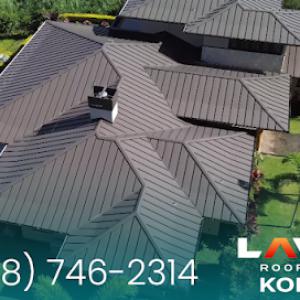
Lava Roofing Kona
(808) 746-2314 lavaroofing.com
Serving
5.0 from 17 reviews
Here at Lava Roofing Kona, we are the premier Kona roofing company on Big Island, Hawaii. We service residential, commercial, and government roofing construction and repair. As licensed and insured Kona roofing contractors we can help provide you with the best and most affordable solution for your roofing project. Our Kona roofers have over 25 years of experience and are known for their fast and reliable expert service.
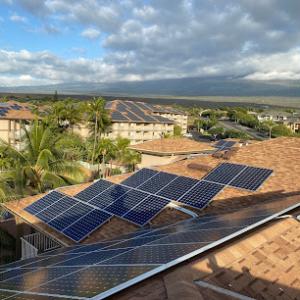
Heritage Roofing & Waterproofing
(808) 348-4932 www.heritageroofinghawaii.com
Serving
4.0 from 1 review
Established in 2004, Heritage Roofing & Waterproofing is a locally owned and operated roofing contractor. Specializing in both residential and commercial properties, our experienced team provides comprehensive roofing services and waterproofing solutions across the Hawaiian Islands. With over 35 years of industry expertise, we are dedicated to protecting your investment with quality craftsmanship. We handle new construction, metal roofing, deck coatings, and offer preventive roof maintenance packages to ensure the longevity and health of your roof.
Kailua-Kona's wetter season and tropical storm activity can turn small flashing or underlayment failures into active interior leaks quickly. A tiny gap where a valley meets a seam, a lifted shingle edge, or a recessed upturn around a vent can become a vertical river with a few hours of heavy rain. If the wind shifts and rain drives along the roof line, water finds every weakness and travels toward the insulation and ceilings. You may notice discoloration or a damp smell long after the rain stops, because moisture can wick through porous materials and settle into attic spaces before showing on ceilings.
Scheduling reroof work in Kona can be harder during rainy periods because tear-off, dry-in, and inspection timing become more weather-sensitive. Even short showers can halt an air-in or a tarping step, and interior inspection might rely on dry access to attic spaces and roof systems. Plan for a few flexible dates, and align tear-off days with calmer weather forecasts. If a storm front looms, push critical wind-driven tasks like securing exposed edges or resealing penetrations to a safer window and avoid leaving the roof open during a forecasted downpour.
Wind-driven rain matters locally because leeward does not mean dry all year; seasonal bursts can expose weaknesses around valleys, penetrations, and roof-to-wall transitions. Look closely at valley metal, step flashing at exterior walls, chimney and vent penetrations, and the perimeter edge where the roof meets siding. In Kona's mix of volcanic sun and salt spray, fasteners can corrode and sealants can degrade, so tiny gaps often become active leaks when rain drives in at unusual angles. These are the hotspots that routinely reveal themselves after a front passes through.
If you notice a leak, move quickly to protect interior spaces: place receptacles under drips, cover furnishings, and reduce attic heat that can drive moisture into the ceiling. Call a local roofer who understands coastal salt exposure and the seasonality of Kona's rain patterns. Request an assessment focused on flashing seams, underlayment integrity, and roof-to-wall transitions, since those areas are the most likely culprits when the weather turns aggressive.
Before the wet season peaks, conduct a targeted inspection of flashing collars, vent boot seals, and edge metal for corrosion or loosening. Ensure attic ventilation is balanced to avoid condensation. If seasonal winds swing rain into the louvers or eaves, reinforce fasteners and reseal any compromised joints promptly. In this climate, ready readiness translates to fewer surprises when a storm rolls through.
Reroofing projects in Kona generally require a Hawaii County building permit rather than falling under a simple, paperwork-light maintenance category. The permit process reflects the local climate and housing stock, so expect formal steps rather than a quick update. Plan to obtain the permit before work begins, and keep a copy of approvals on site throughout the project.
The local process includes plan review and staged inspections. After submission, plans will be checked for how the new roof will perform against salt air exposure, high sun angles, and wind-driven rain during the wet season. Inspections are not a one-and-done moment; expect several checkpoints as the project progresses. Inspectors examine underlayment choices, proper ventilation, and how the roof is attached to the structure. The goal is to confirm that the installation will withstand Kona's heat, humidity, and wind loads.
Underlayment must meet the expected moisture management and longevity standards for coastal conditions. Ventilation configuration is analyzed to prevent heat buildup under heavy and repeated sun exposure. Roof attachment details-nail patterns, fastener type, and attachment to rafters or decking-are scrutinized to ensure wind resistance and long-term performance. If the plan uses reflective or specialized materials, the review will consider how they interact with existing eaves, soffits, and venting.
For tile or metal reroofs, weight and code compliance become especially important when changing from a lighter existing roof. County staff will check structural calculations or endorsements that demonstrate the existing framing can safely support the heavier system. If the current structure isn't up to the new weight, reinforcing work or alternative materials may be required. In Kona, this step helps prevent long-term issues from salt and sun stressing a heavier roof.
Expect coordination with utility metering, potential drainage considerations, and any accessory structures that tie into the roofline. Align your project schedule with the staged inspections so a delay in one checkpoint doesn't cascade into weather-related hold-ups during Kona's wet season. If a contractor raises questions about plan details, respond promptly to keep the process moving smoothly.
When you price a reroof, you'll want to anchor expectations to the local ranges that actually show up on the Island. Use these local ranges: asphalt shingles about $600 to $900 per square, metal roofing $800 to $1200 per square, clay tile $1500 to $2400 per square, concrete tile $1400 to $2100 per square, aluminum roofing $700 to $1100 per square, and EPDM rubber roofing about $5 to $9 per square foot. Those numbers reflect how material quality, coastal logistics, and the need for corrosion resistance tilt prices here versus the mainland. In Kailua-Kona, even a straightforward asphalt job can creep higher if crews run into supply gaps or if upgraded starter courses and flashings are needed for salt air exposure. Heavier systems like concrete or clay tile push the budget further because supporting structure and fasteners must be sized for the load, and skilled labor in this market tends to price toward the higher end.
Costs in Kailua-Kona are influenced by island material logistics and availability, which can affect lead times and make specialty profiles or accessories more expensive than on the mainland. If a preferred profile or color is out of stock, you'll see longer waits and possible price bumps for expedited shipments or alternative options. Local crews often coordinate multiple island suppliers to minimize downtime, but that coordination adds a layer of scheduling complexity and sometimes a premium. When you're budgeting, factor in potential delays for high-demand periods or weather windows, plus a cushion for transport surcharges that can surface with bulky or heavy tiles.
Coastline exposure means you'll want corrosion-resistant components, especially near salt spray zones and where trade winds push moisture under eaves. This choice can push prices upward, even within the same material category. Aluminum options, for instance, tend to hold up well against salt air but ride at a different price point than standard steel. For tile roofs, heavier systems require upgraded underlayment and sometimes revised framing, which adds to both material and labor costs. If you're choosing metal, look for profiles with coastal finishes and corrosion-resistant fasteners; if you're selecting tile, confirm that the installer has experience with coastal installs and appropriate sealants. The combination of weather exposure and the need for durable penetrations, flashings, and vents is a practical driver of total project cost here.
In this market, the structural review for heavier tile systems isn't just a checkmark - it can influence ongoing performance and insurance considerations. Heavier roofs demand attention to rafter spacing, decking support, and proper attachment methods to resist wind-driven rain and salt-saturated air. Even when initial bids look similar, you'll notice cost differences once crews assess existing framing, potential retrofit needs, and the suitability of attachments to withstand Kona's wind patterns. Prioritizing a system that balances long-term durability with upfront costs helps minimize surprises down the road and keeps the roof performing through Kona's distinctive mix of sun and rain.
Salt spray near Kailua-Kona's coast can shorten the life of screws, clips, flashing edges, and other metal accessories even when the primary roof panel still looks serviceable. The salt itself is not an obvious culprit at a glance, but it accelerates galvanic processes and coats fasteners with a corrosive halo that quietly weakens connections. When you walk the roof after a dry spell, pay attention to any spots where metal finishes have dulled, edges look pitted, or seams show a chalky residue. Small signs today can become loose, leaking, or panel-lift problems tomorrow, especially where fasteners sit near salt-saturated air paths.
Trade winds combined with coastal exposure make attachment details especially important for metal and aluminum roofing systems used around Kona. Wind-driven salt aerosols can penetrate through marginal seals and mountings, stressing clips and gaskets over time. In practice, that means paying close attention to ridge cap fasteners, corner clips, and edge trims. If your system uses exposed fasteners, consider additional sealant or corrosion-resistant coatings at every fastener point, and verify that clips seat securely without gap or deflection. Rust isn't always obvious from a distance; a close-up check after the wet season helps catch problems before they migrate.
Homeowners close to the ocean often need roof evaluations that look beyond surface panels to hidden corrosion at penetrations and attachment points. Penetrations for vents, plumbing, or skylights, plus the under-flashing joints, can trap moisture and salt where it rots connections unseen. A careful inspection should target the flashing edges, sealant continuity, and any fastener in contact with the deck or framing. If corrosion is found at these hidden spots, fastener failure can occur even when the visible field looks solid, leading to slow leaks and compromised weather-tightness.
Tile roofs in this locale aren't just about the surface pieces. Even durable clay or concrete surfaces can hide aging underlayment that's breathed by salty trade winds and tropical humidity. When underlayment starts to deteriorate, hidden leaks creep in and threaten ceiling damage long before a tile cracks visibly. The leeward sun punishes underlayment differently than the tiles above it, so you may get a false sense of security from intact ceramic or concrete while water finds the seams below. In practice, this means regular inspection of the underlayment from the attic side is as critical as checking the visible tiles after a heavy rain or a windy night.
Asphalt systems in this market tend to show wear from heat and relentless sun rather than the cold-weather cracking you might expect elsewhere. Shingle edges curl, granules shed unevenly, and fascia metal can become brittle from continuous exposure to intense rays. The problem isn't only aesthetics; degraded asphalt loses water-shedding efficiency, which can accelerate leaks during the wet season when winds push rain under eaves. If you notice unusually rapid coating wear or dark streaks on a roof that's not old, the culprit is often UV and heat aging rather than a freezer-thaw cycle.
Humid months invite moss, lichen, and algae growth, especially on shaded or north-facing roof planes. These organisms steal moisture, trap debris, and can complicate tile sealing and maintenance. For clay and concrete tiles, organic growth can invite micro-pitting at tile edges and weaker sealant performance around flashings. Regular cleaning and a gentle, roof-safe treatment can keep growth in check, but care is needed to avoid disturbing delicate sealants and underlayment behind the surface. In practice, a proactive approach-seasonal cleaning and timely resealing-reduces costly patch jobs later.
In Hawaii, insurers commonly evaluate wind and rain exposure when reviewing roof claims, which is highly relevant in Kailua-Kona's wet-season and tropical-storm context. Adjusters will weigh how a roof performs against salt air, trade winds, and heavy rain events, not just the last storm. That means the same shingles or tiles can be treated differently depending on the surrounding exposure and recent weather patterns. Expect questions about the specific area's wind zones, recent rain intensity, and prior storm activity.
Carrier behavior is not reported as uniformly pulled back statewide, so homeowners in Kailua-Kona may see differences by insurer and by neighborhood exposure. Some insurers may request more documentation or tighter evidence of a single-event cause, while others review cumulative wear from salt and sun over time. Knowing your neighborhood's typical exposure-trees, wind doors, and shade patterns-helps set expectations for how your claim might be evaluated.
Documentation of roof age, maintenance history, prior repairs, and dated photos is especially important locally because adjusters may focus on whether damage came from a specific weather event or long-term wear in a salt-and-sun environment. Start collecting records now: service invoices, previous roof reports, and any aerial or ground-level photos showing the roof condition before the event. After a storm, take fresh, timestamped photos from multiple angles, noting gutters, shingles, flashings, and any interior signs of water intrusion.
Begin with a prompt, written notice to your insurer outlining observed damage and immediate safety steps. Schedule an impartial roofing professional for an assessment, sharing their findings with the insurer along with your prior documentation. When you receive a settlement decision, compare it against whether the damage aligns with a single event or broader wear, and be prepared to provide weather event dates and local exposure details to support your case.