
Last updated: Apr 19, 2026
Kihei sits on Maui's leeward south shore, so roofs here take a steady, high-in-the-sun beating and ride drier conditions than homes on the wetter windward side. That relentless UV light ages asphalt, composites, and coatings from the top down, but the effect isn't uniform. In practice, the roof surface may look fine for years while underlying underlayment and fasteners lose elasticity or corrosion protection. When you plan replacements or upgrades, think in terms of how a material behaves under long, uninterrupted sun rather than short, seasonal exposures. Your choice should prioritize long-term resistance to UV-induced fading, cracking, and loss of flexibility.
The coastal setting means salt-laden air constantly whispers through the neighborhood, even if the roof covering appears sound. Exposed fasteners, flashings, and metal accessories bear the brunt first, and corrosion can progress behind the scenes while the visible roof sheds still look serviceable. Aluminum and galvanized steel components may corrode faster than you expect in this microclimate, so pay attention to the condition of screws, nails, hooks for satellite dishes, vents, and edge trim. A proactive approach is to inspect and replace vulnerable hardware on a regular schedule, especially after the winter wet season returns and salt moisture layers settle.
Kihei experiences a distinct wet season from November through March, followed by prolonged dry spells. In practice, roofs often dry out and age during the long dry season, then reveal leaks once winter rain returns. This cycle means minor cracks or seam issues can remain dormant for months, then become obvious with the first heavy rain. It helps to simulate that pattern during inspections: look for hairline cracks along ridge caps, flashing gaps around skylights, and any misalignment where water could pool or back up under a cap sheet. Don't assume a dry-season glow means the system is sound.
A practical maintenance routine for this climate starts with a twice-a-year inspection, timed around the transition between dry and wet seasons. Visual checks should cover skylights, ridge caps, vent boots, and edge channels where wind-driven salt can accumulate. Clean gutters and debris before the wet season to prevent overflow. When you spot loose shingles, lifted lap joints, or dark streaks from mineral deposits, treat them promptly rather than waiting for a storm. For metal components, keep an eye on exposed fasteners and flashing seals; reseal or replace as needed to maintain a continuous moisture barrier.
In this environment, each major roofing option has a different balance of sun resistance, salt tolerance, and long-term behavior. Materials with protective coatings or color choices that reflect heat can help manage thermal expansion and fading. Metal roofs and aluminum details should be paired with corrosion-resistant fasteners and compatible sealants. Clays and concretes perform well under sun but require careful evaluation of underlayment compatibility and weight-bearing structure. Synthetic or composite shingles can offer a lighter footprint with improved UV resistance, provided their edge seals and granule retention hold up under salt exposure. When evaluating a roof for longevity, consider how the material's performance translates to the local cycle of scorch and soak, and how well its installation details resist both wind-driven salt spray and seasonal moisture fluctuations.
You'll want a plan that emphasizes durable fasteners, corrosion-resistant flashings, and a surface that keeps heat and moisture in check. Select colors and finishes with high UV stability to minimize fading and material fatigue over time. Cap the routine with scheduled professional inspections focusing on the most vulnerable spots-edge metal, flashing junctions, and any penetrations. In a climate that ages roofs through sun and salt rather than just storms, anticipating the long dry season's wear and the wet-season reproofing is the surest way to keep your roof performing well year after year. In Kihei, a thoughtful combination of material choice, protective details, and timely maintenance translates directly into longer service life and fewer surprise leaks.
The dry, sun-soaked leeward coast that characterizes Maui's south shore means roofs here endure intense UV, salty air, and seasonal winter rainfall in a distinct pattern. That combination ages materials differently than in wetter parts of the island. The dominant local material mix includes asphalt shingles, metal roofing, clay tile, concrete tile, synthetic/composite shingles, and aluminum roofing, reflecting the need to balance heat, salt exposure, and wind-rated installation. When choosing a roof, think not only about initial looks but how surface temperatures, salt corrosion, and wind loads interact with fasteners, underlayment, and drainage details. A phased maintenance plan-inspecting after storms and salt spray events-helps catch problems before wear accelerates.
Aluminum roofing and other corrosion-resistant metal options deserve serious consideration for coastal Kihei because salt exposure can shorten the life of standard metal components and fasteners. Aluminum panels resist corrosion, stay comparatively light, and can be finished to mimic other metals while keeping weight practical for upper-story reroofs. If you opt for metal, focus on fastener durability, sealants around penetrations, and proper integration with a coastal-specific underlayment system. Coastal wind resistance is enhanced when panels are installed with correct overlaps and secure fasteners every few inches in high-wind zones. Regular inspections should check for loosened clips, rust on exposed hardware, and any paint or coating degradation from sun and salt.
Tile roofs fit many Maui home styles, but their weight and installation nuance matter more on Kihei's heat regime. Clay and concrete tiles excel at reflecting some heat, yet their overall performance hinges on underlayment quality and proper attic ventilation. Heat can age underlayment before tiles themselves show wear, so the real failure point often sits below the tile surface. If choosing tile, verify a wind-rated installation and confirm the underlayment is rated for hot, salty air and occasional heavy rain. Concrete tiles tend to be more color-stable and lighter on impact than clay, but both require a competent supporting structure and attention to the roof deck's moisture barriers.
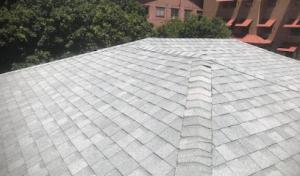
Asphalt shingles offer a familiar look with a practical price point, but not all formulas handle Kihei's sun and salt equally. Look for high-quality UV-resistant granules and mineral cores designed for hot climates. The best installations use wind-rated shingles with corrosion-resistant nails and a breathable, moisture-permeable underlayment. If you choose asphalt, consider lighter color blends to reduce heat absorption and extend life, and plan for more frequent inspections near eaves and flashings where heat and salt spray concentrate.
Concrete tiles bring durability and a Mediterranean aesthetic that suits many Maui homes. They perform well under heat if the underlayment and fastener system are designed for tropical conditions. Synthetic/composite shingles can offer high hail and wind resistance while staying lighter than traditional tile. In Kihei, prioritize products with proven UV stability and coastal testing data, as some synthetics can degrade faster under relentless sun if the UV stabilizers are insufficient.
Across all materials, proper installation matters as much as the material itself. Coastal Kihei installations should emphasize wind resistance, corrosion-resistant components, and an underlayment system that handles heat and occasional heavy rain without trapping moisture. Regular, targeted inspections after salt spray events and winter rains help ensure the roof remains a long-lasting barrier against Kihei's sun and sea.
Explore specialists in steel, aluminum, and standing seam metal roofs built to last 50 years or more.
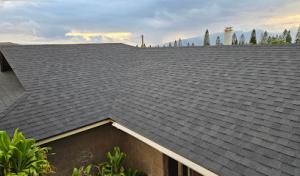
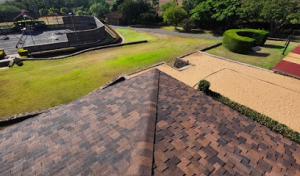
Roofing 808 Maui & Waterproofing
(808) 868-6551 roofing808mauiandwaterproofing.com
Serving
5.0 from 27 reviews
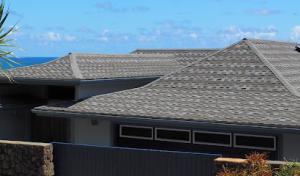
Kihei's higher-rainfall stretch from November through March is the period when dormant weaknesses often turn into active interior leaks. Dry months can lull homeowners into complacency, but the winter storms reveal where underlayment is aged, flashing is corroded, or joints have failed. If you've noticed a dusty ceiling stain or a musty odor only after a storm, your roof is signaling trouble that won't wait for a convenient moment. Treat winter rain as a stress test for every seam, edge, and penetration.
Because much of the year is comparatively dry, some homeowners delay replacement until the first winter storms expose underlayment failure or flashing problems. This delay can turn minor issues into expensive, widespread damage in a single storm. In Kihei's salty, UV-drenched air, underlayment can dry out and lose its protective bite, while fasteners corrode at the salt line. A small, quick leak today can become a ceiling collapse tomorrow if neglected through a season of heavy rain. If you've skipped maintenance, assume you're closer to the edge than you realize once the rains start.
Scheduling can tighten during winter weather windows, making rapid tarping and leak containment especially important when rain arrives. The moment you detect active dripping or see water staining near a vent, skylight, or seam, set a tarping plan in motion. Keeping rain off the interior buys you precious hours to arrange a proper repair without escalating interior damage. Tarp only as a temporary shield, and document all affected areas with photos for priority triage when crews arrive. In a coastal climate, every delay multiplies the risk of mold, wood rot, and insulation compromise.
Create a simple, visible inspection route around the roof edge, flashing details, and any penetrations near vents. When a storm threatens, do a quick external check after a lull in the rain and before it re-ignites, looking for lifted shingles, loose flashing, or exposed underlayment edges. If you see moisture near penetrations or evidence of wind-driven rain following a lull, call a local roofer with dry-season familiarity and emergency tarping capability. Prepare a short list of priority trouble spots-valleys, eaves, and transitions from roof to wall-so responders can move fast and stop leaks at the source.
When you can't wait, these contractors offer fast response times to stop leaks and prevent further damage.
ProBuilt Hawaii Roofing & Rain Gutters
(808) 639-2600 www.probuiltmaui.com
208 Nopu St Unit 1, Kihei, Hawaii
5.0 from 18 reviews
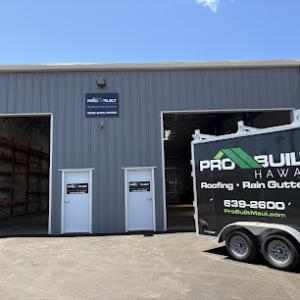
ProBuilt Hawaii Roofing & Rain Gutters
(808) 639-2600 www.probuiltmaui.com
208 Nopu St Unit 1, Kihei, Hawaii
5.0 from 18 reviews
Locally owned and rooted in island values, ProBuilt Hawaii is now proud to serve Maui! As Kauai’s top-rated roofing contractor and rain gutter expert, we bring the same dedication to craftsmanship, quality materials, and personalized service to the Valley Isle. Whether you need a full roof replacement, a complete gutter system, or solar ventilation, our expert local crews are here to protect your home with durable solutions designed for Maui’s unique climate. Built to last. Backed by care. That’s the ProBuilt promise.Quality is our Tradition. Service is our Promise.
Stormproof roofing Hawaii
975 S Kihei Rd, Kihei, Hawaii
5.0 from 1 review
Storm Proof Roofing Hawaii is a leading provider of comprehensive roofing solutions in Maui, Hawaii. We specialize in roofing repair, skylight repair, insulation, and waterproofing services, ensuring your home or business remains protected against the elements. In addition, we offer expert gutter cleaning, solar panel cleaning, and roof vent repair and installation services. Our commitment to quality craftsmanship and customer satisfaction makes us the trusted choice for all your roofing and exterior maintenance needs across the island.
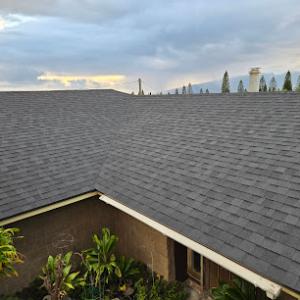
J's Quality roofing maui
(808) 463-0261 jsqualityroofingmaui.com
Serving
5.0 from 28 reviews
J's Quality roofing is a newly established small roofing company. with 17+ years of experience.That specializes in shingles,metal, and repairs to new construction roofing and removal of old roofs to install new roofs. reliable Quality,affordable,with integrity, family friendly. Maui no ka oi. Really getting it done right the first time......
Maui Roofing
(808) 344-6776 www.mauiroofing.com
161 Kauhaa St, Kihei, Hawaii
3.0 from 2 reviews
Maui Roofing is a locally-owned full service Roofing company. We install all types of roofing, new work, re-roofs and repairs. Roof inspections, reports and maintenance services are also available.
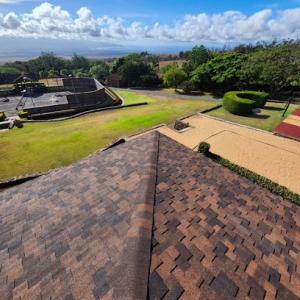
Roofing 808 Maui & Waterproofing
(808) 868-6551 roofing808mauiandwaterproofing.com
Serving
5.0 from 27 reviews
Roofing 808 Maui and Waterproofing, LLC are your trusted roofing contractors based in Maui, proudly serving Lanai, Molokai, and Honolulu. Our services include roof repairs, new roofs, re-roofs, waterproof membranes, vent installation, and solar panel removal. Fully insured and bonded, we are committed to providing exceptional service with Aloha. We make sure every project is completed to the highest standards. Additionally, homeowners with insurance may qualify for a complimentary roof. Please feel free to contact us today to learn more.
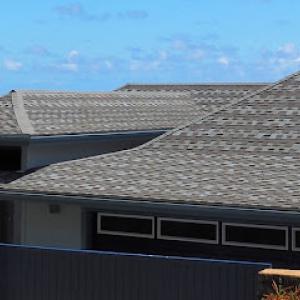
Maui Roofs & Repairs
(808) 219-0300 www.mauiroofingcontractor.com
Serving
4.8 from 18 reviews
Maui Roofs & Repairs is a full-service roofing contractor located in Wailuku, Hawaii. Our roofing services generally include new roof installations, re-roofs, roofing repairs, roof leak repairs, roofing inspections, and roof removals. We are experienced with the following types of roofs: asphalt shingle roofs, metal roofs, wood shake roofs, concrete tile roofs, composite roofs, and fluid applied roof coatings. As a Maui roofing contractor we service all industries including residential, condominiums, hotels, commercial buildings, office buildings, shopping centers, and Government buildings. Our office is located in Wailuku, but we service the entire island of Maui including Kahului, Kihei, Lahaina, Haiku, Makawao, even Lanai and Molokai
Lava Roofing Maui
(808) 793-6635 lavaroofing.com
Serving
5.0 from 11 reviews
Experience the difference with Lava Roofing Maui! As 5-Star Maui roofing contractors, we provide Hawaii homeowners with reliable roofing solutions, including 0% down financing and expert roof insurance claim assistance. Delivering expert Maui roofing services, our team is dedicated to protecting your home with craftsmanship rooted in the spirit of Aloha. Contact us today for a free roof inspection and estimate—your trusted Maui roofing company for all your Hawaii home and business needs. Our Maui roofers have over 25 years of experience and are true craftsmen.

Pro Roofing Hawaii
(808) 868-9261 www.proroofinghawaii.com
Serving
5.0 from 40 reviews
Pro Roofing Hawaii is a family owned and operated Maui business with unparalleled expertise. We are committed to setting the standards for safety and quality, while providing a positive experience for our customers, vendors and employees. At Pro Roofing we know that everything you love is under your roof. Our company and staff take this into consideration and treat every roof as if it were our own. We want our clientele to be secure in the fact that we value satisfied customers. At Pro Roofing, we educate all of our customers on the benefits of our roofing products and services. Our business depends on making sure you have a quality roof for years to come. Receive a free estimate today. Call us to schedule an appointment
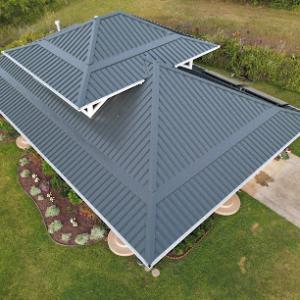
Advanced Roofing Solutions
(808) 270-9256 www.advancedroofingmaui.com
Serving
4.0 from 8 reviews
Advanced Roofing Solutions, Inc. is a leading roofing contractor dedicated to serving the entire state of Hawaii. With a commitment to quality craftsmanship and exceptional service, we specialize in a wide range of roofing services, including new installations, repairs, and maintenance. Our experienced team uses high-quality materials and proven techniques to ensure your roof is durable, reliable, and built to withstand the unique Hawaiian climate. Trust Advanced Roofing Solutions, Inc. for all your residential and commercial roofing needs.
Maui Roofing Pros
(808) 207-3821 www.hawaiiroofingexperts.com
Serving
4.4 from 14 reviews
Maui Roofing Pros is a family-owned roofing company with 45+ years of experience serving homeowners across Kihei, Kahului, Lahaina, and all of Maui. We specialize in roof repair, roof replacement, re-roofing, skylight installation, and gutter services — all built to handle Maui’s salt air, heavy rains, and hurricane winds. Our team is licensed, insured, and trusted by generations of local families. If you need storm damage repairs or help with an insurance claim, we’ll guide you every step of the way. Call today to schedule your free roofing estimate.
Kahului Roofing
(808) 758-5256 kahuluiroofing.com
Serving
5.0 from 4 reviews
We provide a complete dimension of roofing services including installation, repairing of all types of roofing such as tile, asphalt, metal, slate, shake, and commercial. We even do carpentry work and offer all types of sealing and painting services. All inspections and estimates are completely free! Located conveniently in Kahului, we service islandwide!
Peterson Construction LLC - Maui Metal Roofing
(808) 419-0434 mauimetalroofing.biz
Serving
5.0 from 5 reviews
30 years experience in the industry Hawaii contractor license
A full reroof requires a building permit through Maui County, with plan submittal to the Maui County Department of Public Works. The plan set should reflect the chosen roofing system, fastener pattern, underlayment, and any wind-rated details applicable to South Maui exposure. Have drawings ready that show roof slope, attachment method, and edge detailing, since the county reviews these elements closely for wind resistance and hurricane-season reliability.
Before pulling permits, verify that the chosen material and installation approach align with county wind provisions. Clear underlayment and specific fastener specifications may be part of the approval package. In Kihei's coastal climate, anticipate documenting sealant choices, flashing transitions, and louver or vent details that affect air movement and moisture control. A complete set of contractor qualifications, product data sheets, and施工 details helps prevent delays during review.
Inspections occur during installation and again at completion. Expect a rough-in check while the roof is underway to confirm fastener counts, underlayment laps, and flashing integration with existing roof lines. The mid-project review is your checkpoint to address any wind-driven exposure concerns and ensure that materials meet county requirements before proceeding.
The permit is not fully closed until the final inspection is passed. Schedule the final visit promptly after roof completion to avoid hold-ups in occupancy or weather-related setbacks. Bring all required compliance documents to the final inspection, including any wind-resistance test results or manufacturer certifications that demonstrate adherence to Maui County standards.
Coordinate timing with seasonal trade cycles so inspection windows align with the drier months when work can proceed more predictably. If the plan shows a high-wind attachment strategy, ensure the chosen fasteners and underlayment are readily verifiable in product literature. Clear communication with the contractor about which plan revisions trigger additional approvals can shorten the permit life and eliminate surprises during inspections.
Get a clear picture of your project costs upfront - no commitment required.

In this market, typical local pricing runs about $450 to $750 per square for asphalt shingles, $600 to $1100 for metal roofing, $700 to $1300 for clay tile, $650 to $1200 for concrete tile, $500 to $900 for synthetic/composite shingles, and $550 to $950 for aluminum roofing. Those ranges reflect Kihei's dry, salt-laden coastal climate, where the material choice you make hits not just the upfront price but long-term performance and replacement intervals. If your house sits closer to the shore or on a hillside with a more exposed outlook, expect the higher end of those ranges, especially when upgrades are called for.
Coastal exposure means corrosion-resistant fasteners and upgraded underlayments are more than a nicety-they're a necessity. Costs in Kihei can rise when corrosion-resistant fasteners, upgraded underlayments, and wind-rated attachment details are needed for coastal exposure and county approval. Wind-load requirements in this area push some profiles toward fastereners and special sealants, which adds to material and labor time. In practical terms, that can push a straightforward reroof into the mid-to-upper end of the local price bands, even for standard profiles.
Metal roofs tend to hold up well against salt air but need precise installation to resist wind uplift, which can nudge projects into the higher price tier. Clay and concrete tiles offer excellent longevity in sun and salt spray but are heavier, often requiring structural checks and sometimes upgraded framing. Synthetic/composite shingles sit between traditional asphalt and tile in terms of wind performance and weight, often making them a favorable balance for coastal homes. Aluminum roofing shares some of metal's advantages with lighter weight and good corrosion resistance, but installation specifics can alter overall costs on the island.
Island logistics and material availability on Maui can affect reroof pricing and lead times more than mainland markets, especially for specialty profiles and replacement components. Plan for potential delays if a preferred profile is backlogged or if custom flashings and coastal-rated components are needed. A local contractor's scheduling insight is particularly valuable to minimize disruption during peak sunny months.
Start with your target material and compare it against the local ranges above, then factor in 1) corrosion-resistant fasteners and upgraded underlayment, 2) wind-rated attachment details, and 3) any extra sealing or flashings for salt exposure. If a bid includes a mix of standard and coastal-rated components, verify which parts are upgrade-driven versus code-driven so you can assess true value alongside price.
Don't let upfront costs delay a critical repair - these contractors offer payment plans to fit your budget.
In Hawaii, insurers commonly want proof of roof replacement, including invoices, photos, and installation details that show the roof's age and wind-resistance features. For a Kihei home, that paperwork gap can stall claims when the coastal climate has accelerated wear from salt-air exposure and intense sun. If you don't have clear documentation, expect more back-and-forth and potential frustration during claim reviews.
Post-installation documentation is especially useful when explaining coastal exposure, wind-rated installation, and the condition of flashings and attachments. When a storm toe-tag or a sudden leak appears, photos from different angles and a concise narrative of the wind ratings on the chosen system can help the adjuster understand why certain fasteners or sealants held up-or failed. Keep a simple file that ties the roof material, underlayment, and flashing details to the date of installation and the contractor's wind-test results. In a dry, salt-swept environment, these specifics become practical proof of how your roof was built to resist the local gusts and seasonal rains.
After leaks or storm-related damage, adjusters may ask for before-and-after photos and records showing whether the roof was repaired or fully replaced under Maui County permit. Prepare a straightforward gallery: photos that show overall condition, close-ups of flashings and edge details, and a timeline that clarifies repairs versus replacement. If a claim hinges on whether a roof was fully replaced, clear, labeled documentation helps demonstrate the extent of work and supports the claim narrative without ambiguity.
Connect with contractors who help homeowners navigate the claims process from damage assessment to final approval.