
Last updated: Apr 19, 2026
Lahaina sits on Maui's leeward west side, where homes endure steady trade winds and airborne coastal salt rather than the cooler, wetter conditions found on windward parts of the island. That exposure accelerates corrosion on fasteners, clips, and edge details, and it ages roof surfaces faster than inland or shaded sites. The combination of relentless sun and salty air means any roof system must resist UV degradation, salt-induced staining, and wind-driven sand and salt spray that can abrade surface coatings. When choosing a replacement, your priority is a system that thrives under coastal exposure, not one that merely looks good in a showroom photo.
The area's wildfire history has sharpened homeowner focus on ember exposure, roof edge vulnerability, and the fire performance of coverings and vents during replacement decisions. Embers can travel long distances on wind, landing on roof edges, vents, and gaps. A robust ember barrier around the entire roof line-edges, penetrations, and eaves-helps prevent ignition sources from advancing into attic spaces or overhangs. Venting must be thoughtfully selected to resist ember intrusion while still allowing necessary airflow. In this environment, test the roof system for ember resistance as a central criterion, not a secondary consideration.
Lahaina's direct sun, coastal corrosion, and wind uplift mean roof systems fail first at flashings, fasteners, ridge details, and exposed accessories before the field material shows visible wear. Poorly sealed flashings can lift with trade winds and salt-laden gusts, creating leaks that undermine structural integrity. Ridge cap systems should be designed to resist both wind uplift and ember exposure, with continuous, corrosion-resistant materials and mechanically secure fasteners. Exposed metal details need protective coatings and corrosion-resistant finishes, because a failed edge or ridge detail can cascade into costly interior damage long before roof tiles or shingles visibly degrade.
Choose coverings with proven performance in salt-air environments and high-wind zones. Metal roofing, concrete or clay tiles, and high-quality synthetic options often outperform basic asphalt when wind and embers are the primary stressors. Ensure the system includes a continuous, sealed underlayment and a comprehensive ember-resistant vent strategy. Pay particular attention to edge detailing, penetrations (such as chimneys, skylights, and vents), and the method of attachment for valleys and ridges. A properly installed wind-rated system with robust flashing and corrosion-resistant fasteners provides real protection in Lahaina's unique blend of sun, wind, and salt exposure.
Metal roofing stands out for wind performance and lighter weight, a big plus for coastal re-roofs. In this setting, though, panel finish quality, clip systems, and corrosion-resistant fasteners matter more than on inland jobs. When you choose metal, verify that the system uses corrosion-resistant alloys and properly rated fasteners for salt spray exposure. Consider concealed clips and exposed fasteners designed for high wind zones, and insist on a factory-finishing coating that holds up to Maui's strong sun. Have the installer run wind-load calculations and confirm that the panels and fasteners are rated for the local wind speeds you expect. If the roof overhangs or parapets are tall or the site is tidal-influenced, ask for extra sealant continuity at edges and a plan for periodic inspection after storms.
Clay and concrete tile suit many Maui architectural styles, and the look can be a fit with older Lahaina neighborhoods as well as newer coastal homes. Weight is the big constraint here: re-roofs must be structurally evaluated to support tile loads, and that review happens during the re-roof permitting process. If the structure isn't reinforced, upgrading with tile may require framing work or a light-weight tile product. Individual pieces can become maintenance points in high winds, so you'll want a robust fastener pattern, reliable underlayment, and careful placement of cut tiles at edges to prevent wind uplift. For those who want the tile appearance without the weight, consider synthetic tile that mimics clay or concrete while offering improved wind-clip options and reduced mass. In any case, plan for solar or attic venting considerations, as tile roofs can trap heat if ventilation is neglected.
Asphalt shingles remain a lower-cost option in Lahaina, yet the area's intense UV exposure and heat can shorten appearance life if attic ventilation, fastening, and manufacturer wind details are not handled carefully. Choose a shingle line with a documented wind warranty and a reflective or cool design to mitigate heat gain. Ensure the installation uses corrosion-resistant nails and an upgraded starter and ridge system to resist wind uplift. A well-ventilated attic and properly sealed edges help keep shingle edges from cupping or curling in the heat. If you already have a multi-story or tall roofline, verify that the shingle choice and nailing pattern are rated for the local wind pressures.
Wood shakes and shingles carry a wildfire-conscious stigma from insurers and lenders, and in this climate that concern tends to be amplified. If choosing wood, select a treated, faster-drying option and pair it with a Class A fire-rated underlayment and appropriate ember-resistant details at eaves and chimneys. Consider longer-term maintenance needs in high winds, including checks for loose or cracked shingles and ember gaps. For many homeowners facing wildfire risk, a fire-resistant alternative such as synthetic or composite options with a tile-like appearance can provide the aesthetic while reducing combustible concerns.
Synthetic and composite shingles can appeal when a lighter roof with tile-like look is desired, while reducing breakage and weight compared with traditional tile. Look for products with proven performance in wind zones and salt spray environments, and verify that the flashing and sealants stay flexible under Maui's heat. Panels or sloped profiles should be designed to resist debris impact and provide robust ember protection at openings. If you're undecided between real tile and a synthetic alternative, test a sample area for heat soak, color fade, and edge durability against salt-laden winds before committing to a full roof replacement.
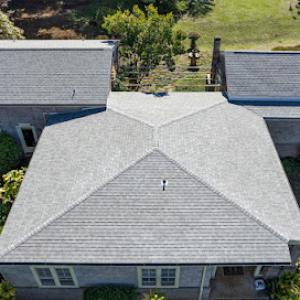
Da Roofing Company
(808) 213-4148 daroofingcompany.com
Serving
5.0 from 3 reviews
Aloha! Da Roofing Company is a local Maui roofing and landscaping company with impeccable workmanship. Our team comprises highly skilled professionals who take great pride in their work. We are dedicated to providing exceptional customer. Da Roofing Company is Certainteed Landmark Certified and fully Osha compliant, serving Maui County with kuelana, honesty, and dependability. We treat every roofing and landscape project like we are working on our own homes, so you know the job will be done right and on time. Owner Gary Silva Jr., is a Journeyman Carpenter & Roofer, born and raised on Kauai (fourth generation) and lives on Maui with his family. At Da Roofing Company, we take pride in our work and look forward to working with you.
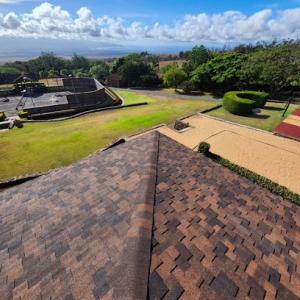
Roofing 808 Maui & Waterproofing
(808) 868-6551 roofing808mauiandwaterproofing.com
Serving
5.0 from 27 reviews
Roofing 808 Maui and Waterproofing, LLC are your trusted roofing contractors based in Maui, proudly serving Lanai, Molokai, and Honolulu. Our services include roof repairs, new roofs, re-roofs, waterproof membranes, vent installation, and solar panel removal. Fully insured and bonded, we are committed to providing exceptional service with Aloha. We make sure every project is completed to the highest standards. Additionally, homeowners with insurance may qualify for a complimentary roof. Please feel free to contact us today to learn more.

Lava Roofing Maui
(808) 793-6635 lavaroofing.com
Serving
5.0 from 11 reviews
Experience the difference with Lava Roofing Maui! As 5-Star Maui roofing contractors, we provide Hawaii homeowners with reliable roofing solutions, including 0% down financing and expert roof insurance claim assistance. Delivering expert Maui roofing services, our team is dedicated to protecting your home with craftsmanship rooted in the spirit of Aloha. Contact us today for a free roof inspection and estimate—your trusted Maui roofing company for all your Hawaii home and business needs. Our Maui roofers have over 25 years of experience and are true craftsmen.
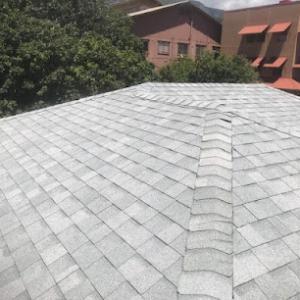
Maui Roofing Pros
(808) 207-3821 www.hawaiiroofingexperts.com
Serving
4.4 from 14 reviews
Maui Roofing Pros is a family-owned roofing company with 45+ years of experience serving homeowners across Kihei, Kahului, Lahaina, and all of Maui. We specialize in roof repair, roof replacement, re-roofing, skylight installation, and gutter services — all built to handle Maui’s salt air, heavy rains, and hurricane winds. Our team is licensed, insured, and trusted by generations of local families. If you need storm damage repairs or help with an insurance claim, we’ll guide you every step of the way. Call today to schedule your free roofing estimate.
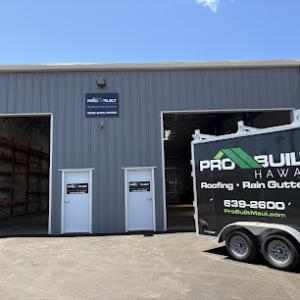
ProBuilt Hawaii Roofing & Rain Gutters
(808) 639-2600 www.probuiltmaui.com
Serving
5.0 from 18 reviews
Locally owned and rooted in island values, ProBuilt Hawaii is now proud to serve Maui! As Kauai’s top-rated roofing contractor and rain gutter expert, we bring the same dedication to craftsmanship, quality materials, and personalized service to the Valley Isle. Whether you need a full roof replacement, a complete gutter system, or solar ventilation, our expert local crews are here to protect your home with durable solutions designed for Maui’s unique climate. Built to last. Backed by care. That’s the ProBuilt promise.Quality is our Tradition. Service is our Promise.
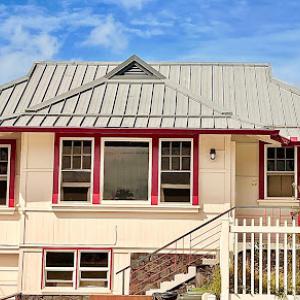
Kahului Roofing
(808) 758-5256 kahuluiroofing.com
Serving
5.0 from 4 reviews
We provide a complete dimension of roofing services including installation, repairing of all types of roofing such as tile, asphalt, metal, slate, shake, and commercial. We even do carpentry work and offer all types of sealing and painting services. All inspections and estimates are completely free! Located conveniently in Kahului, we service islandwide!
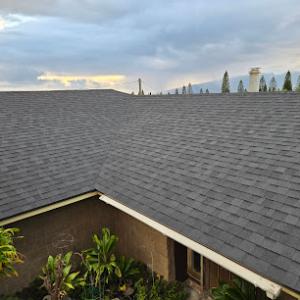
J's Quality roofing maui
(808) 463-0261 jsqualityroofingmaui.com
Serving
5.0 from 28 reviews
J's Quality roofing is a newly established small roofing company. with 17+ years of experience.That specializes in shingles,metal, and repairs to new construction roofing and removal of old roofs to install new roofs. reliable Quality,affordable,with integrity, family friendly. Maui no ka oi. Really getting it done right the first time......

Pro Roofing Hawaii
(808) 868-9261 www.proroofinghawaii.com
Serving
5.0 from 40 reviews
Pro Roofing Hawaii is a family owned and operated Maui business with unparalleled expertise. We are committed to setting the standards for safety and quality, while providing a positive experience for our customers, vendors and employees. At Pro Roofing we know that everything you love is under your roof. Our company and staff take this into consideration and treat every roof as if it were our own. We want our clientele to be secure in the fact that we value satisfied customers. At Pro Roofing, we educate all of our customers on the benefits of our roofing products and services. Our business depends on making sure you have a quality roof for years to come. Receive a free estimate today. Call us to schedule an appointment
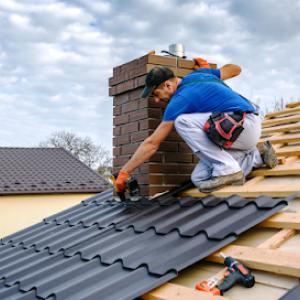
Marlon roofing & gutters
Serving
5.0 from 3 reviews
Marlon Roofing and Gutters is a roofing company that provides quality roof repair and replacement services. They are highly trained professionals who have been in the industry for over 20 years. We offer free estimates, financing options, and warranties on all our work. Call today for your free estimate! Marlon Roofing and Gutters is a company that provides professional installation and repair services for roofs. We will inspect your home or business to determine the best course of action in repairing or replacing your roof."
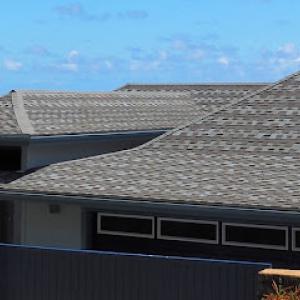
Maui Roofs & Repairs
(808) 219-0300 www.mauiroofingcontractor.com
Serving
4.8 from 18 reviews
Maui Roofs & Repairs is a full-service roofing contractor located in Wailuku, Hawaii. Our roofing services generally include new roof installations, re-roofs, roofing repairs, roof leak repairs, roofing inspections, and roof removals. We are experienced with the following types of roofs: asphalt shingle roofs, metal roofs, wood shake roofs, concrete tile roofs, composite roofs, and fluid applied roof coatings. As a Maui roofing contractor we service all industries including residential, condominiums, hotels, commercial buildings, office buildings, shopping centers, and Government buildings. Our office is located in Wailuku, but we service the entire island of Maui including Kahului, Kihei, Lahaina, Haiku, Makawao, even Lanai and Molokai
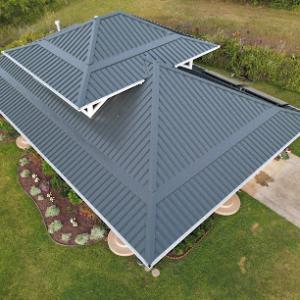
Advanced Roofing Solutions
(808) 270-9256 www.advancedroofingmaui.com
Serving
4.0 from 8 reviews
Advanced Roofing Solutions, Inc. is a leading roofing contractor dedicated to serving the entire state of Hawaii. With a commitment to quality craftsmanship and exceptional service, we specialize in a wide range of roofing services, including new installations, repairs, and maintenance. Our experienced team uses high-quality materials and proven techniques to ensure your roof is durable, reliable, and built to withstand the unique Hawaiian climate. Trust Advanced Roofing Solutions, Inc. for all your residential and commercial roofing needs.
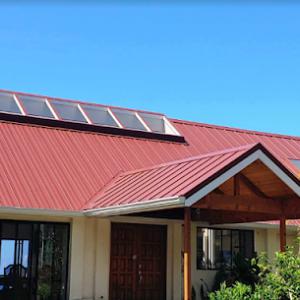
Peterson Construction LLC - Maui Metal Roofing
(808) 419-0434 mauimetalroofing.biz
Serving
5.0 from 5 reviews
30 years experience in the industry Hawaii contractor license
Average material-installed pricing in Lahaina runs about $450 to $900 per square for asphalt shingles, $700 to $1300 for metal, $1100 to $1800 for clay tile, $1200 to $2100 for concrete tile, $900 to $1700 for wood shingles or shakes, and $800 to $1400 for synthetic or composite shingles. These ranges reflect both the coastal exposure and the likely need for higher-grade fasteners and underlayment to handle salt spray and sun. When you're budgeting, expect the lower end for straightforward, small roofs and the upper end for larger or more ornamented profiles common on resort-style homes.
Roofing costs in Maui are heavily affected by island logistics, since many materials, specialty flashings, and replacement components must be shipped to Maui rather than sourced from a large mainland distribution network. Those extra steps can add weeks to lead times and a noticeable freight premium to the headline price. If you're replacing a roof with a material that isn't stocked locally, you're paying for the freight and handling twice-once for arrival and once for staging on site. Factor this into your schedule and your contingency budget.
Post-storm and post-wildfire demand can tighten labor availability on West Maui and extend lead times for both crews and materials, pushing bids upward compared with calmer periods. In busy windows, crews may limit daily crew size or require longer project windows to coordinate deliveries and safety on steep or coastal slopes. Plan for potential price lifts and a longer install timeline if your project hits a peak season or follows a recent weather event.
Homes in Lahaina often use roof styles and finishes chosen for coastal aesthetics and resort-area architecture, which can increase accessory, trim, and detail costs beyond the base field material price. Expect higher edge details, fascia treatments, and decorative rafter tails, especially on clay or concrete tile choices. If you want a uniform appearance with modern performance, budget for higher-quality sealants, trims, and compatible underlayment that resist wind-driven rain and salt spray.
Tile re-roofs in Lahaina can cost more not only because of material price but because structural review, tear-off handling, and underlayment work are more consequential on heavy roof systems. Concrete and clay tile add substantial weight, which triggers additional structural evaluation and sometimes reinforcement. If your roof is vintage or has existing lattice framing, you may see extra costs for engineering, temporary shoring, and higher crane or equipment fees to manage the heavy loads safely.
Start with your current roof square count and pick a target material. Add a 10-20% cushion for freight, lead times, and potential weather-related delays. Get three bids that itemize fasteners, underlayment, edge finishes, and any specialty flashings (coastal-grade). If weather or post-storm conditions are imminent, request provisional schedules and price hold options to protect against sudden rate changes. Finally, confirm the color and texture choices align with coastal aesthetics to avoid costly surprises in trim and accessory orders.
A full re-roof in Lahaina generally requires a building permit through Maui County, not just a contractor swap-out without review. This means the project must align with county code and pass the plan check process before, during, and after installation. The county's Building Division is the gatekeeper for wind resistance and structural compatibility, which matters a lot in this windy, coastal setting where wind exposure and heavier tile systems are common. Expect a process that looks at fasteners, substrate strength, and the way the new roof interacts with the home's overall structure and existing walls.
Because wind is a constant factor on Maui's leeward coast, the plan review focuses on how the proposed roof holds up under gusts and salt exposure. Heavier tile options or reinforced fastener schemes may require adjustments to rafter sizing, nailing patterns, and underlayment choices. In practical terms, this means discussing with the designer and metal or tile suppliers how the wind uplift is addressed on the specific eave and ridgeline conditions of the property. The county wants to see that the reroof won't create new vulnerabilities in a windstorm or after a wildfire-rebuilding scenario.
Inspections typically occur during and after installation to confirm the reroof matches approved plans and local requirements before final sign-off. If adjustments are needed, those changes must be documented and re-submitted for review. The timeline can be unpredictable, so planning for potential scheduling gaps is part of the process. A well-documented submittal that shows compliance with wind loads, fastener patterns, and chosen underlayment helps keep the inspections moving smoothly.
Some neighborhoods or properties may face added local requirements beyond the base county process, particularly where community rules or special rebuilding conditions apply. In these cases, a permit packet may need to include neighborhood covenants, historical considerations, or fire-resistant landscaping alignments. If the home sits in a district with specific wind-related or restoration stipulations, coordinate early with the permit office and the contractor to avoid last-minute changes that could stall the reroof.
Lahaina's wetter stretch generally runs from about November through April, when heavier rain can expose underlayment failures and delay tear-off and dry-in schedules. That means if a replacement is staged during these months, you should expect more contingency time for tarps, decking checks, and drip-edge adjustments. Wind and rain can push gaps where water can intrude, so the crew needs to forecast a few good weather windows and be ready to pause if storms roll in. Rushed bursts between showers often compromise flashing installs and long-term water resistance.
The dry season's heat and direct sun on West Maui can accelerate aging in asphalt-based products and make installation timing more important for crew safety and material handling. Shingles and underlayment endure higher expansion rates on reflective roofs, so crews should stagger tear-off with cooling breaks and avoid heat-stressed materials at peak afternoon temperatures. Proper storage on-site matters too, since sun exposure can degrade adhesive components and metal fasteners if left unmanaged between steps.
Coastal exposure compounds wind-driven debris and ember risk, especially during tradewind winds that sweep across the leeward slope. Even without a direct strike, those conditions demand a tight, integrated system: continuous underlayment, overlapped drip edges, and secure, flame-resistant fasteners. If embers air-dry during a gusty day, materials left exposed can start to misbehave, delaying progress and raising the chance of re-work later in the season.
Hurricane season can disrupt roofing schedules even without a direct strike because island freight, material availability, and contractor calendars can tighten quickly when storms threaten Hawaii. If a tear-off is postponed into the late-season window, you may see compressed timelines for inspection, delivery, and dry-in. Build in buffer days for higher wind advisories, potential supply shifts, and the need to reseal and reseal again if a front moves through.
Communicate weather contingencies with the contractor up front, emphasizing condition-based work pauses and clear criteria for resuming. Pre-order reinforced underlayment and ember-resistant accessories to minimize delays. Inspect already-placed materials for sun or heat damage at the end of each warm shift, and confirm that temporary coverings are secure before predicting a dry-in date. This neighborhood's rhythm rewards careful timing and steady, methodical progress.
Corrosion at exposed fasteners, clips, flashings, and roof penetrations is a recurring Lahaina issue because salt-laden air attacks metal components even when the main roof covering still appears serviceable. Inspect metal flashings around chimneys, skylights, and valley transitions after strong trades and seasonal trades winds. If you notice white oxide or dark, rusty streaks, treat promptly: reseal fasteners with marine-grade coatings and consider upgrading to fasteners and clips specified for coastal environments. Ensure edge barriers and step-flashings are continuous and free of gaps where wind-driven rain can leverage corrosion.
Tile roofs in Lahaina often need attention at underlayment and edge details before the tile itself reaches end of life, especially where wind-driven rain gets beneath displaced pieces. Look for cracked or displaced tiles at eave lines and rake edges after vigorous gusts. Underlayment should be inspected under any displaced tile; signs of moisture intrusion or delamination beneath tiles indicate a higher uplift risk. Pay particular attention to corner and parapet details where wind pressure concentrates, and verify that proper underlayment overlaps and fastener patterns are in place to resist salt-laden spray and heat cycling.
Metal roofs near the coast can show premature trouble at cut edges, dissimilar-metal contact points, and accessory hardware if the assembly was not specified for marine exposure. Inspect cut edges and seams for galvanic corrosion where copper, aluminum, and steel meet; ensure sealants have not cracked or peeled due to sun and heat. At vent flashing, ridge caps, and closure strips, verify that coatings or paints are intact and that fasteners are sealed against moisture ingress. If metallic components exhibit pitting or discoloration, replacement with marine-grade equivalents is prudent to extend life.
Older Lahaina roofs may have hidden vulnerability from repeated patching after tropical weather, where the visible repair does not address uplift-prone edges or aged waterproofing layers beneath. During inspection, check for mismatched patch materials, lifted shingles or tiles near edges, and deteriorated waterproofing membranes below the surface. Older adhesive layers can fail under heat and salt exposure; if evidence of past patching exists, plan for a more comprehensive reassessment of edge grip, flashing continuity, and the condition of the underlying deck or substrate.
Here in this wind-driven leeward setting, your roof faces salt spray, strong trades, and ember exposure after fires. A roof that looks aged or weathered can become a red flag to adjusters, even if it's structurally sound. When a storm moves through or embers drift inland, the combination of coastal dryness, sun, and wind-driven debris makes the right material choice and installation crucial to minimize post-event damage.
Hawaii homeowners coverage remains available, but Lahaina owners often face higher premiums and stricter underwriting when roofs are older, visibly weathered, or not well documented. Claims activity in Lahaina is shaped not only by tropical storms but also by wildfire losses, making roof age, material type, and maintenance records especially important during underwriting and claims review. Expect insurers to scrutinize whether the roof could reasonably resist wind uplift and ember intrusion given the local exposure.
Adjusters may travel from off-island, so date-stamped photos, permit records, contractor invoices, and maintenance documentation help support both storm and fire-related roof claims. Maintain a simple chronology: what was installed, when, and what maintenance has been performed. Clear evidence of inspections or repairs helps when the roof meets wind load or ember exposure scenarios.
Insurers may scrutinize non-compliant or aging roofs more closely in Lahaina because coastal weather exposure and recent disaster history increase perceived risk. Material selection matters: look for systems proven to resist salt corrosion, high wind, and ember ignition, and ensure the roof is compatible with the home's structure and the prevailing coastal conditions.