Ultimate Guide to Roof Maintenance Services
Last updated: Feb 28, 2026

Introduction to Roof Maintenance Services
Think of roof maintenance as a regular tune-up for your home. A sensible plan helps your roof last longer, keeps leaks at bay, and can save you money over time. This page lays out practical maintenance tasks you can handle, plus guidance on when to call in a pro.
What roof maintenance covers
- Debris removal from the roof and gutters
- Gutter cleaning, downspout inspection, and proper slope
- Inspecting shingle condition: curling, cracking, missing granules
- Checking flashings around chimneys, skylights, vents, and roof-to-wall joints
- Sealing or resealing gaps with compatible sealant
- Ventilation assessment in attic and roof vents
- Moss, algae, and lichen control where present
- Attic insulation and ventilation checks to prevent condensation and ice dams
How often you should schedule maintenance
1) Biannual inspections: a light check in spring and again in fall.
2) After severe weather: wind, hail, or heavy rain warrants a quick follow-up.
3) Regular upkeep: seasonal tasks like gutter cleaning and debris removal as needed, typically 2–4 times a year.
Seasonal maintenance checklist
- Spring: clear debris, inspect flashing for winter damage, look for signs of ice damming from the inside, trim branches that rub the roof surface.
- Summer: ensure ventilation is unobstructed, inspect for loose or damaged shingles after storms, keep gutters free of leaves.
- Fall: clean and secure gutters, reseal gaps around chimneys and vents, check attic insulation levels, and address moss or algae growth before winter.
- Winter: remove snow or ice from eaves with care (never high-pressure methods), monitor for ice dams, and watch for condensation issues in the attic.
A practical maintenance plan for homeowners
1) Create a simple yearly calendar: two main inspections and a gutter-cleaning window.
2) Do quick monthly checks: look for loose shingles, granule loss, and obvious roof-edge damage.
3) After storms, perform a quick exterior scan from the ground and, if safe, with a ladder, note anything unusual.
4) Keep a maintenance log: dates, findings, and any repairs or replacements.
When to bring in a professional
- Persistent leaks or stained ceilings inside the home
- Extensive shingle damage, curled or sheared edges, or missing sections
- Damaged or displaced flashing around vents, chimneys, or roof joints
- Pooling water or suspicious sagging on flat or low-slope roofs
- Widespread moss, algae, or structural concerns that require equipment or expertise
What to expect from a professional maintenance visit
- A careful exterior roof inspection from ground level and, if safe, up on the roof
- A written assessment of findings, including any immediate hazards
- Recommended repairs, replacements, or upgrades with rough cost ranges
- Guidance on preventing future damage through better ventilation, insulation, and gutter management
- Safety checks and, if needed, recommendations for proper ladder use and fall protection
Common warning signs to watch for between visits
- Shingle edges that curl upward or crack easily
- Granules washing off into gutters after a light rain
- Visible gaps at flashing or around vents
- Moisture stains on ceilings or walls near interior roofs
- Sagging sections or soft spots when you walk on the roof (if you must)
Quick safety notes for homeowners
- Never climb onto a wet or icy roof without proper equipment and training.
- Use a sturdy ladder and have a helper on the ground.
- Wear non-slip shoes and avoid leaning over edges.
- When in doubt, pause and contact a professional for a safe assessment.
What Roof Maintenance Services Include
Comprehensive definition
Roof maintenance services are preventive care routines designed to protect your roof's lifespan, performance, and your home's interior. They focus on proactive inspections, minor repairs, and ongoing upkeep that stop small problems from turning into costly leaks or structural damage. The goal is to keep rain, wind, and temperature swings from taking a toll on shingles, flashing, underlayment, and ventilation systems.
What's included in roof maintenance
- Visual exterior inspection: assess shingles or tiles, flashing, vents, valleys, and chimney/penetrations.
- Debris cleanup: remove leaves, branches, moss, and algae that trap moisture and promote deterioration.
- Gutter and downspout care: clear blockages, check pitch, and ensure proper drainage away from the foundation.
- Moss, algae, and lichen control: safe cleaners and gentle scrapes to prevent surface damage.
- Sealant and caulking checks: reseal around vents, chimneys, skylights, and flashings as needed.
- Flashing and vent inspections: verify secure attachments and look for rust, cracks, or lifting.
- Shingle/Tile condition assessment: identify loose, curling, cracked, or missing materials.
- Attic ventilation and insulation review: ensure proper airflow and adequate insulation to reduce ice dams and heat loss.
- Minor repairs and adjustments: tighten nails, reseat loose components, address small leaks, and reseal where appropriate.
When it's typically needed
- Twice a year: most homeowners schedule in spring and fall to prepare for seasonal weather.
- After severe weather: storms, high winds, hail, or heavy snowfall may warrant an extra inspection.
- For aging roofs: as roofs approach the end of their expected life, maintenance helps stretch performance and coverage.
- If you notice signs: missing granules, shingles curling, leaks in the attic, or damp walls near corners—call for an assessment promptly.
The maintenance process (step-by-step)
1. Schedule and access: arrange a convenient time and ensure safe access to the roof and attic.
2. Exterior walkaround: inspect all surfaces, flashing, vents, skylights, and chimney caps.
3. Interior check: inspect attic spaces for moisture, condensation, or insulation gaps.
4. Issue triage: document any needed repairs, prioritize by urgency, and estimate costs.
5. Maintenance plan: outline a schedule for cleaning, minor repairs, resealing, and future visits.
Common tasks you'll see during a maintenance visit
- Debris removal from roof planes and gutters
- Moss and algae treatment and removal
- Gutter realignment or resealing to restore proper drainage
- Caulking around penetrations and resealing flashing
- Replacement of damaged nails and tightening loose fasteners
- Small shingle/tile repairs or reseating
- Ventilation check and insulation recommendations
Pro vs DIY and timing guidance
- DIY-friendly tasks: debris removal, basic gutter cleaning, and light caulking if you're comfortable at ground level or with proper safety gear.
- When to hire a pro: roof health checks, flashing repairs, moss treatment that requires roof-safe products, and any work on steep pitches or near edges.
- Frequency guidance: treat maintenance as a regular, calendar-based habit rather than a one-off fix; annual or semi-annual visits are common, with extra inspections after severe weather.
Signs You Need Roof Maintenance Services
Signs this service is needed
Roof maintenance is a proactive step to keep leaks at bay and extend the life of your investment. Look for patterns that indicate wear, aging, or minor damage that could worsen if ignored. Common triggers include:
- Missing, curling, cracked, or buckled shingles
- Granules washing into gutters or downspouts
- Dark stains, damp spots, or mildew on ceilings or attic sheathing
- Light shining through the attic from the outside (poor sealing)
- Soft or sagging roof deck in any area
- Moss, algae, or mold growth, especially in shaded or humid spots
- Ice dams forming along eaves during winter
- Leaks after rain or rapid temperature swings
- Unusually high energy bills that hint at ventilation or insulation issues
Ways you can confirm yourself as a homeowner
These checks help you gauge urgency and scope without needing specialized gear. Prioritize safety and don't push your limits.
- Ground-level roof check: from your yard or driveway, look for missing, loose, or visibly damaged shingles, or signs of curling and buckling.
- Gutters and downspouts: scan for shingle granules, rust, or signs of standing water after storms.
- Attic inspection (with caution): use a flashlight to look for daylight through roof boards, moisture staining, warped sheathing, mold, or damp insulation.
- Interior cues: watch for new or growing water stains on ceilings or walls, peeling paint, or musty odors.
- Ventilation and insulation: note stuffy or hot attics, uneven temperatures between rooms, or limited airflow from vents.
- Photo log: snap dated photos of any problem areas to track changes over time.
- Safety first: avoid walking on a roof that's slick, steep, or damaged. If you're unsure, skip the climb and call a pro.
When to get a professional assessment
Certain moments deserve a trained eye, even if you've spotted only a small issue. Scheduling a pro can prevent small problems from turning into big repairs.
- After storms or hail, especially if you notice any damage or unusual granules in the gutters
- When you see any of the signs listed above, even if they seem minor
- If your roof is approaching or has surpassed its expected life span (many asphalt shingles 20 years or older, metal roofs with aging coatings, etc.)
- If you're planning energy-efficiency upgrades or major seasonal maintenance and want a clear scope of work
- If you're uncertain about safety or structural integrity and need a professional assessment
What a professional will typically evaluate
- Shingles: damage, curling, lifting, and overall wear pattern
- Flashing and vent connections: seals around chimneys, skylights, pipes, and vents
- Underlayment: condition and potential leaks beneath the surface
- Roof deck and structure: signs of rot, sagging, or weakened framing
- Attic ventilation and insulation: airflow balance and insulation effectiveness
- Drainage and moss/algae control: proper slope, debris removal, and treatment recommendations
What might come next
- Targeted maintenance: resealing, resealing flashing, or replacing a small area of shingles
- Repairs: patchwork to address leaks, gaps, or vent issues
- Maintenance plan: schedule seasonal checks to keep small issues from escalating
Safety, confirmation, and timing are your three partners in deciding when roof maintenance is due.
What's Included in Roof Maintenance Services
What is typically included
A typical maintenance visit focuses on safety, a thorough inspection, cleaning, and preventive touch-ups.
- Safety setup and roof access
- Set up ladders and fall-protection gear as needed to protect the crew and your property.
- Exterior roof surface inspection
- Check shingles or tiles for curling, cracking, missing granules, and obvious damage.
- Inspect flashing around chimneys, vents, skylights, and dormers for gaps or corrosion.
- Debris removal
- Clear leaves, branches, pine needles, and other debris from the roof and valleys.
- Gutter cleaning and downspout clearing
- Remove blockages, flush gutters and downspouts to ensure proper drainage.
- Moss, algae, and debris treatment
- Apply gentle cleaners or treatments where appropriate to reduce staining and slippery surfaces.
- Minor repairs and resealing
- Tuck or reseat loose shingles, re-caulk penetrations, tighten flashing screws, and reseal small gaps.
- Note: major repairs or replacements are not included unless quoted separately.
- Ventilation and attic checks
- Inspect attic insulation levels and roof ventilation paths to identify moisture or performance issues.
- Flashing and sealant checks
- Inspect metal flashings and seal around vents, chimneys, and skylights; reseal where needed.
- Drainage assessment
- Look for signs of poor drainage, sagging gutters, or areas prone to standing water.
- Documentation and homeowner education
- Provide a written report with photos, findings, and practical maintenance tips.
- Seasonal maintenance guidance
- Offer reminders and options for future visits or seasonal adjustments to keep your roof in good shape.
If you'd like, I can tailor this list to your roof type (asphalt shingle, metal, tile, etc.) or to your climate so you know exactly what you're paying for on your next maintenance visit.
What is not typically included
- Major roof repairs
- Replacing large sections of shingles, fixing widespread leaks, or repairing extensive damage.
- Roof replacement or re-roofing
- The maintenance visit is preventive care, not a full roof replacement.
- Structural carpentry repairs
- Work on rafters, trusses, ridges, or deck framing is generally outside maintenance scope.
- Chimney rebuilds or major masonry work
- Large-scale masonry restoration or rebuilds are not part of standard maintenance.
- Skylight replacement or major resealing
- Replacing skylights or performing extensive resealing beyond routine checks is not included.
- Extensive gutter repair or installation
- Gutter renovation beyond cleaning and flushing is typically extra.
- Permits, engineering reports, or code consultations
- Permit fees or specialized inspections are billed separately if required.
- Emergency or after-hours service
- Calls outside normal business hours or during storms may be quoted as an emergency rate.
- Services requiring licensed trades beyond roofing
- Electrical, plumbing, or structural repairs needing other licensed professionals are not included.
If you're unsure whether a specific item is included, it's best to ask your roofer for a written scope of work before the visit.
Common Roofing Materials Used in Roof Maintenance Services
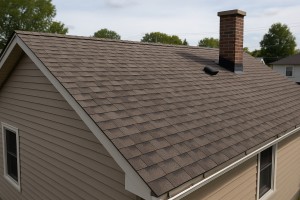
Asphalt shingles are the everyday workhorse of many homes. Maintenance for this material focuses on keeping the surface intact, flashing sound, and edges protected from water intrusion.
- What we check and why:
- Curling, cupping, blistering, or missing granules signal aging or damage that can lead to leaks.
- Debris in valleys, gutters, and along eaves can trap moisture and promote rot or mold.
- Flashings around chimneys, vents, and skylights protect joints where leaks often start.
- Attic reflections of water stains or damp insulation indicate hidden leaks.
- Maintenance steps:
1) Schedule a focused inspection to identify vulnerable shingles and flashing.
2) Clear debris from the roof surface and gutters; remove moss or algae as needed.
3) Repair loose or damaged shingles and reseal flashing around penetrations; assess granule loss and plan replacements as needed.
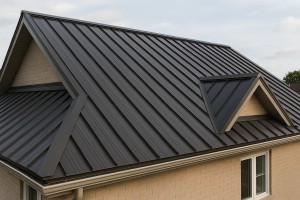
Metal roofs stand up well to weather but require attention to seams, fasteners, and coatings to prevent leaks and corrosion.
- What we check and why:
- Loose, raised, or missing fasteners can create leaks and wind uplift.
- Seams and caulking around ridges, vents, and skylights are common leak paths.
- Coatings and paint degrade over time, reducing corrosion protection.
- Debris buildup in gutters and valleys can trap moisture and accelerate wear.
- Maintenance steps:
1) Inspect all seams and fasteners for tightness and sealant integrity.
2) Clean the surface and touch up coatings where oxidation or wear appears.
3) Reseal flashing and re-secure fasteners as needed; plan repaint or coating refresh to extend life.

Clay and concrete tiles add durability and a distinct look, but individual tiles can crack or loosen under pressure, and underlayment needs regular checks.
- What we check and why:
- Cracked, chipped, or broken tiles can expose underlayment and lead to leaks.
- Worn or loose fasteners and clips can destabilize tile rows.
- Algae and moss reduce tile longevity and slip resistance.
- Ridge caps and penetrations require attention to prevent water ingress.
- Maintenance steps:
1) Inspect the roof for cracked or displaced tiles and replace as needed.
2) Check underlayment condition and secure or repair tile clips or battens.
3) Gently remove moss; reseal penetrations and reseal ridges where necessary.
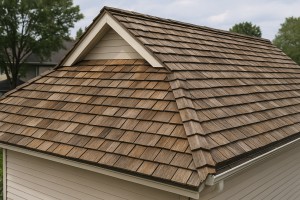
Wood shingles and shakes offer a classic look but demand regular protective finishing and moisture management.
- What we check and why:
- Rot, splitting, warping, and insect damage signal compromised protection.
- Loose or cracked shingles can create gaps for water entry and wind uplift.
- Finish wear or no finish allows rapid weathering and mold growth.
- Maintenance steps:
1) Inspect for soft or rotten spots and replace damaged sections.
2) Re-nail loose boards and reseal or reseal exposed edges.
3) Apply or refresh protective stain/finish; treat for mold or mildew as needed.
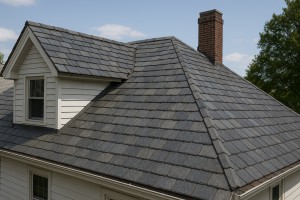
Slate roofs are durable but can be brittle; maintenance emphasizes careful handling and timely tile replacement.
- What we check and why:
- Cracks or delamination reduce water-tightness and can cause leaks.
- Inadequate or aged nails can fail with wind or thermal movement.
- Moss and debris on slate slows drying and accelerates wear.
- Maintenance steps:
1) Identify and replace failed slate with matching material.
2) Verify nail placement and ensure proper support to prevent future cracks.
3) Clear vegetation and rinse gently to avoid causing additional damage.
Synthetic Roofing Materials (Composite Shingles, Polymer, and Simulated Slate)
Synthetic materials mimic natural options while offering different maintenance profiles.
- What we check and why:
- Seams, glue lines, and edge detailing can separate over time.
- UV fading and surface wear impact appearance and protection.
- Debris accumulation and punctures compromise performance.
- Maintenance steps:
1) Inspect seam integrity and overall surface condition.
2) Clean surface and remove debris; check for punctures or tears.
3) Reseal edges and flashing as recommended by the manufacturer.
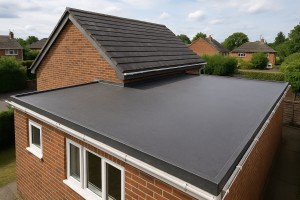
Flat roofs require attention to drainage, seam integrity, and perimeters to prevent standing water and leaks.
- What we check and why:
- Seams, flashing, and edge trims are common leak points.
- Patches, punctures, or blisters weaken the membrane.
- Ponding water indicates drainage issues that can accelerate aging.
- Maintenance steps:
1) Inspect all seams and flashings for signs of separation or damage.
2) Remove debris and ensure proper drainage; address ponding promptly.
3) Patch punctures or delaminations; reseal perimeters and update flashing as needed.
Understanding the Cost of Roof Maintenance Services
Typical average costs for Roof Maintenance Services
Maintenance visits are usually far less than full roof replacements. For most residential roofs, you'll see modest, predictable costs if you keep up with routine care.
- Routine inspection and minor upkeep: $150-$350
- Visual inspection, debris removal, sealing minor gaps, and resealing flashing where applicable.
- Gutter cleaning and debris removal (often bundled): $100-$250
- Clean gutters and downspouts to prevent water backup that can damage the roof edge.
- Minor repairs (shingles, flashing, sealant): $200-$600
- Replacing a handful of damaged shingles, resealing flashing around vents, or addressing small leaks.
- Moss/algae treatment and preventive cleaning: $100-$300
- Treatment to slow recurrence and protect roof longevity.
- Full annual maintenance package: $300-$700 per year
- Combination of inspections, minor repairs, and preventive measures on schedule.
Notes: Costs vary by roof size, pitch, material, accessibility, and regional labor rates. Asphalt shingle roofs tend to be on the lower end; tile, metal, or slate can push costs higher due to materials and specialized labor.
Cost factors that may lower the price
- Regular maintenance cadence catching issues early
- Small problems cost less to fix when found early.
- Bundling services in one visit
- Have gutters, vents, and flashing checked together to save travel time.
- Off-season scheduling
- Slower seasons can yield lower labor rates or discounts.
- Simpler roof design and easy access
- Flat or gently pitched roofs are quicker to service than complex, multi-level roofs.
- Choosing standard materials for minor repairs
- Using conventional shingles or sealants rather than premium materials lowers costs.
- Local competition and reputable, transparent estimates
- Multiple quotes and clear scope reduce the chance of surprise add-ons.
Cost factors that may increase the price
- Large or multiple-story roofs, steep pitch, or difficult access
- Increases time on the roof and safety precautions.
- Hidden damage discovered during maintenance
- Rot, water intrusion, or compromised sheathing can raise costs quickly.
- Full replacement or significant flashing work
- Replacing flashing along a large perimeter or vent stacks can be expensive.
- Premium materials or finishes
- High-end shingles, metal, tile, or coating systems cost more.
- Emergency or after-hours service
- Urgent calls outside normal hours command higher rates.
- Local wage differences and permit requirements
- In some regions, labor and permit fees add to the bill.
- Roof complexity
- Complex rooflines, dormers, skylights, or chimneys add labor and safety considerations.
How to budget and plan effective roof maintenance
1. Get three written quotes with itemized scopes.
2. Ask for a bundled package that covers inspection, cleaning, and minor repairs.
3. Confirm what is excluded and what triggers a major repair.
4. Schedule regular, seasonal maintenance to prevent big-ticket fixes.
5. Set aside a small reserve (e.g., 1-2% of home value annually) for unexpected repairs.
How Our Roof Maintenance Process Works
Step 1: Schedule and Prep
We start by setting up a convenient visit and confirming access to the roof, attic, and any related areas. This helps us work safely and efficiently.
- Confirm appointment time and access points (ladders, gates, and quiet times if needed).
- Note safety considerations and pet or occupant awareness.
- Share a rough scope of work and any known concerns you want us to look at.
The goal is to align expectations so the visit stays smooth and focused on your roof's needs.
Step 2: On-Site Roof Inspection
Our technician performs a thorough exterior and interior check to understand current condition and risk areas.
- Exterior roof surface assessment: shingle or tile condition, flashing integrity, vents, valleys, and signs of wear.
- Gutter and downspout check for clogs, leaks, and proper drainage.
- Attic and ceiling review for leaks, insulation status, and ventilation adequacy.
- Safety review: ladder setup, fall protection, and crew access routes.
This step creates a clear, evidence-based picture of what maintenance will address.
Step 3: Maintenance Plan Customization
We translate findings into a personalized, practical plan you can trust.
- Prioritize urgent repairs over cosmetic items to protect the roof's integrity.
- Recommend preventive measures: moss/algae treatment, debris removal cadence, sealing small gaps, and gutter guard considerations if appropriate.
- Provide a transparent estimate with options for upgrades or upgrades later, so you can decide what fits your budget.
- Schedule follow-up visits or seasonal checks to keep the roof in good shape.
You'll receive a plan that matches your roof type, climate, and home priorities.
Step 4: Cleaning and Debris Removal
Cleaning is essential to restore proper drainage and prevent buildup that accelerates wear.
- Remove loose leaves, branches, needles, and other debris from the roof surface and around vents.
- Flush and inspect gutters and downspouts; clear blockages and ensure water can flow freely.
- Dispose of debris responsibly or haul away according to local guidelines.
- Re-check for stubborn debris in valleys or around attic penetrations.
This step helps prevent water pooling and reduces leak risk.
Step 5: Preventive Treatments and Minor Repairs
We address small issues before they become costly problems and apply protective measures where suitable.
- Seal small cracks and re-seal flashing joints or fasteners as needed.
- Treat moss, algae, and lichens with approved solutions; rinse and dry thoroughly.
- Re-secure loose shingles, nails, or fasteners; adjust or replace flashing where necessary.
- Apply protective coatings or material-specific treatments that extend service life (when appropriate for your roof type).
These actions reinforce durability and preserve the roof's appearance and performance.
Step 6: Documentation and Follow-Up
We finish with a clear, actionable record you can reference.
- Provide a maintenance report with photos, notes, and a summary of findings.
- List recommended actions, estimated costs, and any necessary parts.
- Create a personalized maintenance calendar with suggested seasonal checks and reminders.
- Note warranty details, product specifics, and any manufacturer recommendations for ongoing care.
You'll have a straightforward, future-facing plan to keep your roof healthy year after year.
Residential vs Commercial Considerations for Roof Maintenance
Roof Design and Access
Residential roofs are typically steep and smaller in footprint, making inspections and repairs straightforward for a single crew. Commercial roofs are often flat or low-slope and cover much larger areas, which changes access, safety, and the scope of work. For homes, ladders, roof boots, and basic fall protection usually suffice. For commercial properties, you'll see roofs that require scaffolding, roof anchors, harness systems, and sometimes mechanical access equipment. Expect more extensive debris control and more careful handling of HVAC equipment or skylights on commercial sites.
- Residential: easier navigation, quicker turnarounds, local safety rules.
- Commercial: higher stakes for safety, larger crews, and more coordination with building occupants.
Materials and Systems
Homes commonly use asphalt shingles, metal, tile, or wood shakes. Roof maintenance focuses on flashing, nail pops, shingle granule loss, and surface degradation. Commercial roofs use membrane systems (TPO, EPDM, or built-up roofs), ballasted or mechanically attached coverings, and extensive perimeter flashings. Maintenance emphasizes membrane integrity, edge detailing, drains, curbs, and rooftop equipment penetrations.
- Residential: simpler material palette, faster repairs.
- Commercial: specialized knowledge for membranes, edge details, and equipment penetrations.
Maintenance Frequency and Scheduling
For homes, a proactive homeowner or a general roofer typically performs annual or biannual inspections, with extra visits after severe weather. Small repairs are common and manageable in routine visits. Commercial properties benefit from a formal maintenance plan with quarterly or semi-annual inspections, more frequent after storms, and detailed records of every inspection, repair, and membrane condition.
- Residential: 1–2 visits per year, weather-driven timing.
- Commercial: scheduled program, longer-term planning, and record-keeping.
Safety, Codes, and Permits
Residential projects generally follow standard safety practices and local building codes. Permits are common for larger repairs but less frequent for routine maintenance. Commercial projects demand stricter safety protocols, site-specific fall protection plans, and coordination with tenants or property managers. Permits and code compliance are integrated with ongoing facility management.
- Residential: typical homeowner-level safety.
- Commercial: formal safety plans, OSHA considerations, and coordinated access.
Licensing, Warranties, and Project Management
Residential maintenance usually involves a licensed roofer with a homeowner's warranty on workmanship and manufacturer warranties on specific materials. Projects are smaller in scope and duration. Commercial work often requires a general contractor or property-management-aligned license, tighter scheduling, longer project timelines, and warranties that may be tied to the system type or tenant guarantees. Communication is ongoing with property managers, facility teams, and multiple stakeholders.
- Residential: straightforward warranty expectations.
- Commercial: multi-party coordination, longer warranties, and more complex documentation.
Costs, Timeframes, and Disruption
Residential jobs are typically priced per square foot with shorter timelines and minimal disruption to daily routines. Commercial jobs involve larger total costs, longer durations, and more attention to minimizing disruption—often requiring after-hours work, temporary access controls, or staged inspections to avoid interrupting business operations.
- Residential: predictable, homeowner-friendly budgets.
- Commercial: budget planning must account for downtime, coordination, and safety investments.
Practical Tips for Homeowners
- Schedule a fall and spring visual inspection, plus after major storms.
- Keep gutters clear and address minor issues before they grow.
- Verify contractor licenses, insurance, and references; ask for photos of similar projects.
- Understand warranties on both materials and workmanship, and how maintenance affects them.
- Document any signs of blistering, sagging, or pooling, and share findings with the contractor.
- Quick tip: for homes, focus on flashing around chimneys, vents, and skylights; for commercial, pay close attention to membrane bulkheads, drains, and edge metal.
Quick Reference Checklist
1) Identify roof type (residential vs commercial) and material.
2) Check for visible damage, loose flashing, or standing water.
3) Confirm warranties and what maintenance will affect them.
4) Schedule an appropriate maintenance path with a qualified contractor.
5) Plan ongoing maintenance cycles and keep detailed service records.
How Roof Maintenance Services Vary by Location
Regional climate shapes what we check and how often
Local weather patterns determine which roof risks to prioritize. Snow, humidity, heat, wind, and rainfall all influence material wear, flashing performance, attic ventilation, and drainage. A regional approach helps you catch issues early and avoid unnecessary work or missed problems.
How this service varies in different regions in the United States
The core maintenance steps—inspecting, cleaning, sealing, and protecting—remain the same, but the emphasis shifts by region. Use these practical pointers to tailor your plan:
- Northeast
- Focus: ice dam prevention, snow load implications, and attic insulation/ventilation.
- What to check: shingle tabs for cracking, flashing around chimneys, gutters and downspouts for ice blockages, roof deck sagging, and attic air sealing.
- Seasonal timing: pre-winter inspections and post-thaw checks.
- Midwest
- Focus: hail exposure, freeze-thaw cycles, and water drainage.
- What to check: impact damage after hail events, edge flashing, moss or algae growth on shaded sections, seam and service-life of underlayment.
- Seasonal timing: fall inspections before winter, plus after major hail storms.
- Southeast and Gulf Coast
- Focus: wind resistance, heavy rain, and moisture control.
- What to check: wind-driven uplift on shingles, flashing integrity around vents and skylights, soffit and ridge vent performance, moisture intrusion in bays and covered porches.
- Special considerations: termite and carpenter ant risk in some areas; hurricanes and tropical storms require attention to fasteners and edge protection.
- Seasonal timing: ahead of hurricane season, with post-storm checks as needed.
- Southwest
- Focus: sun exposure, heat aging, and heat-induced expansion gaps.
- What to check: granule loss on asphalt shingles, accelerated wear on roof coatings or elastomeric sealants, flashing in desert sun areas, and drainage around parapets.
- Seasonal timing: spring inspections to plan coatings or sealants before hot months.
- West Coast and Pacific Northwest
- Focus: heavy rain, coastal moisture, and seismic considerations.
- What to check: moss and algae on shaded decks, gutter efficiency in persistent rain, foundation and fascia rot from high moisture, and any wood roof rot prone to damp conditions.
- Special considerations: coastal salt exposure and earthquakes may influence fastener choices and retrofit needs.
- Mountain and Interior West
- Focus: snow load, avalanche debris, and dry, windy days.
- What to check: snow guards where applicable, chimney and vent flashing, ridge and valley seams, and air ventilation balance in attics.
- Seasonal timing: mid-spring inspections after snowmelt, plus fall checks before winter.
How to tailor the maintenance plan by region (Steps)
1. Identify your regional climate risks (snow, hail, wind, humidity, heat) and prioritize them.
2. Choose roof materials and coatings rated for your region (wind resistance, UV exposure, moisture tolerance).
3. Schedule inspections in the optimal window for your climate (before winter in cold regions, after major storms in storm-prone areas).
4. Emphasize ventilation, flashing, and drainage upgrades when regional conditions demand it.
5. Work with a local, reputable contractor who understands regional building codes, permit requirements, and common local hazards.
