
Last updated: Apr 19, 2026
In Kahului, salt-air exposure is a daily stressor that can shorten the life of metal panels, flashings, and fasteners if the system isn't chosen for coastal use. The salty marine environment accelerates corrosion and can quickly reveal failure points around roof edges, penetrations, and transitions. When you select materials, prioritize corrosion-resistant options with coastal testing or proven performance in salt-logged atmospheres. Avoid relying on aesthetics alone; the coastal air demands a system designed to resist rust, pitting, and coating breakdown, especially on exposed sides and above-ground fasteners.
The tropical pattern here blends a wetter season from November through March with relentless year-round UV exposure. That means you're not just dealing with rain intrusion and rust risk, but heat-related aging that can brittle sealants, degrade coatings, and warp under fast sun. Your roofing plan should address both moisture management and UV stability. Consider coatings and sealants rated for tropical sun, and verify that edge closures and drip edges maintain integrity after repeated wet-dry cycles. A system that stands up to both moisture intrusion and sun-driven expansion will hold up longer against premature aging.
Wind uplift compliance isn't negotiable in this climate. Maui County reviews roof replacements for uplift performance, so the design must go beyond looks or base price. A wind-exposed coastal environment demands assemblies that resist uplift, with attachment details that keep the roof anchored during gusts and storm events. This means evaluating the roof deck, underlayment, fastener schedule, and attachment methods not just for pitching or aesthetics, but for verified wind performance. Do not assume a visually sturdy option will perform in high-wind conditions; verify uplift-rated components and installation practices that meet local expectations.
For metal products, select systems with corrosion-resistant coatings and proven coastal performance, paired with stainless or hot-dip galvanized fasteners. For shingles or tiles, look for wind-rated variants and anchorage that prevent lift at the eave and along ridges. Sealing details around penetrations-vents, skylights, and chimneys-must be designed for salt exposure and wind-driven rain. In this coastal climate, the attachment method matters just as much as the material itself. Ensure that fasteners receive proper sealants and have corrosion protection compatible with salt air to avoid accelerated degradation at joints.
Ongoing inspection is essential after the first heavy rain and following any storm event. Keep salt buildup off flashings and check for loosening or corrosion at edge metal, fasteners, and step flashings. Address coatings and sealants immediately if you observe chalking, bubbling, or rust freckles. Regular maintenance is not a luxury here-it's a shield against premature wear from salt air and wind. A proactive schedule reduces the risk of moisture intrusion and keeps the roof performing under Kahului's unique stressors.
In Kahului, the wetter months roughly from November to March can delay tear-offs and leave exposed decking vulnerable if scheduling is not tightly managed. Heavy rain can flood the attic space, saturate insulation, and accelerate wood rot or deck warping. When a leak appears during a rain event, the top priority is preventing interior damage and secondary rot while arranging the next dry-window teardown. Quick action minimizes plywood swelling, mold growth, and compromised underlayment, especially on roofs with coastal exposure where wind-driven rain finds any gap.
Storm events demand rapid stabilization. If a roof starts to leak, set up a tarp over the most vulnerable section as a temporary shield within hours, and secure edges to resist gusts. Use weighted boards, sandbags, or non-penetrating fasteners rather than improvised methods that can tear or shift in a gust. Prioritize sealing around penetrations-vent stacks, skylights, and HVAC curbs-where water tends to channel. Document the leak with photos and a dated note to support emergency repairs and insurer review, then arrange a professional inspection as soon as rain speeds ease or the dry window opens.
Local contractor signals show unusually strong demand for quick response and emergency repair, matching the practical need to tarp and stabilize leaks fast during rain events. Communicate a priority timeline to any crew: temporary fix first, then dry-season tear-off if needed. If a full replacement is planned, ensure the contractor aligns tear-off timing with forecasted dry spells and has a clear sequence for underlayment, fasteners, and uplift-rated materials to withstand coastal winds once work resumes.
Storm-related roof issues in Maui often lead to more detailed insurer review of materials, fasteners, and uplift ratings, especially for homes with higher wind exposure near the coast. Ensure that the selected materials and fastener patterns are rated for uplift and salt air; coatings and alloys should resist corrosion from salt spray. Keep a close eye on flashing around chimneys and ridge caps-these are common leak pathways after a storm and can signal the need for reinforced sealants and wind-rated detailing.
After the immediate rain risk subsides, compile a concise leak timeline: when it started, which areas were affected, tarp deployment details, and did the roof deck show signs of moisture intrusion. Share the notes with the roofing contractor and insurer to guide a precise repair plan. Schedule a follow-up inspection to verify sealing, underlayment condition, and venting integrity, ensuring the roof maintains performance through the remaining wet-season months and the next storm cycle.
When you can't wait, these contractors offer fast response times to stop leaks and prevent further damage.
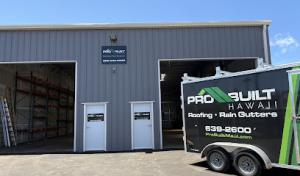
ProBuilt Hawaii Roofing & Rain Gutters
(808) 639-2600 www.probuiltmaui.com
Serving
5.0 from 18 reviews
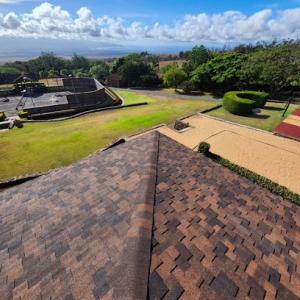
Roofing 808 Maui & Waterproofing
(808) 868-6551 roofing808mauiandwaterproofing.com
122 E Papa Ave, Kahului, Hawaii
5.0 from 27 reviews
Roofing 808 Maui and Waterproofing, LLC are your trusted roofing contractors based in Maui, proudly serving Lanai, Molokai, and Honolulu. Our services include roof repairs, new roofs, re-roofs, waterproof membranes, vent installation, and solar panel removal. Fully insured and bonded, we are committed to providing exceptional service with Aloha. We make sure every project is completed to the highest standards. Additionally, homeowners with insurance may qualify for a complimentary roof. Please feel free to contact us today to learn more.
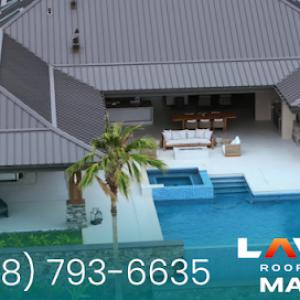
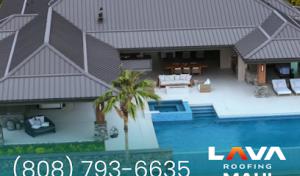
Lava Roofing Maui
(808) 793-6635 lavaroofing.com
180 E Wakea Ave Ste. D, Kahului, Hawaii
5.0 from 11 reviews
Experience the difference with Lava Roofing Maui! As 5-Star Maui roofing contractors, we provide Hawaii homeowners with reliable roofing solutions, including 0% down financing and expert roof insurance claim assistance. Delivering expert Maui roofing services, our team is dedicated to protecting your home with craftsmanship rooted in the spirit of Aloha. Contact us today for a free roof inspection and estimate—your trusted Maui roofing company for all your Hawaii home and business needs. Our Maui roofers have over 25 years of experience and are true craftsmen.
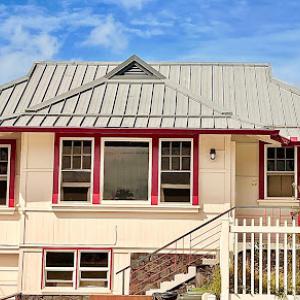
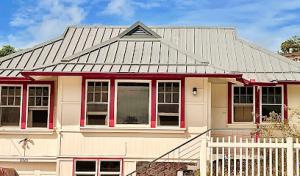
Kahului Roofing
(808) 758-5256 kahuluiroofing.com
223 E Papa Ave, Kahului, Hawaii
5.0 from 4 reviews
We provide a complete dimension of roofing services including installation, repairing of all types of roofing such as tile, asphalt, metal, slate, shake, and commercial. We even do carpentry work and offer all types of sealing and painting services. All inspections and estimates are completely free! Located conveniently in Kahului, we service islandwide!
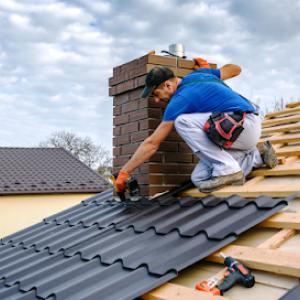
Marlon roofing & gutters
348 Molokai Hema St, Kahului, Hawaii
5.0 from 3 reviews
Marlon Roofing and Gutters is a roofing company that provides quality roof repair and replacement services. They are highly trained professionals who have been in the industry for over 20 years. We offer free estimates, financing options, and warranties on all our work. Call today for your free estimate! Marlon Roofing and Gutters is a company that provides professional installation and repair services for roofs. We will inspect your home or business to determine the best course of action in repairing or replacing your roof."
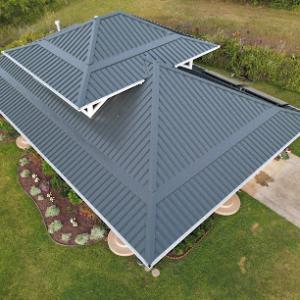
Advanced Roofing Solutions
(808) 270-9256 www.advancedroofingmaui.com
2000 Maui Veterans Hwy, Kahului, Hawaii
4.0 from 8 reviews
Advanced Roofing Solutions, Inc. is a leading roofing contractor dedicated to serving the entire state of Hawaii. With a commitment to quality craftsmanship and exceptional service, we specialize in a wide range of roofing services, including new installations, repairs, and maintenance. Our experienced team uses high-quality materials and proven techniques to ensure your roof is durable, reliable, and built to withstand the unique Hawaiian climate. Trust Advanced Roofing Solutions, Inc. for all your residential and commercial roofing needs.
ProBuilt Hawaii Roofing & Rain Gutters
(808) 639-2600 www.probuiltmaui.com
Serving
5.0 from 18 reviews
Locally owned and rooted in island values, ProBuilt Hawaii is now proud to serve Maui! As Kauai’s top-rated roofing contractor and rain gutter expert, we bring the same dedication to craftsmanship, quality materials, and personalized service to the Valley Isle. Whether you need a full roof replacement, a complete gutter system, or solar ventilation, our expert local crews are here to protect your home with durable solutions designed for Maui’s unique climate. Built to last. Backed by care. That’s the ProBuilt promise.Quality is our Tradition. Service is our Promise.
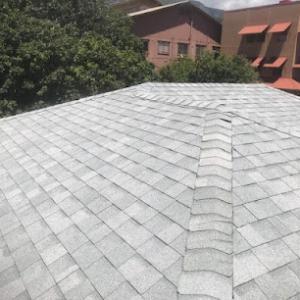
Maui Roofing Pros
(808) 207-3821 www.hawaiiroofingexperts.com
Serving
4.4 from 14 reviews
Maui Roofing Pros is a family-owned roofing company with 45+ years of experience serving homeowners across Kihei, Kahului, Lahaina, and all of Maui. We specialize in roof repair, roof replacement, re-roofing, skylight installation, and gutter services — all built to handle Maui’s salt air, heavy rains, and hurricane winds. Our team is licensed, insured, and trusted by generations of local families. If you need storm damage repairs or help with an insurance claim, we’ll guide you every step of the way. Call today to schedule your free roofing estimate.
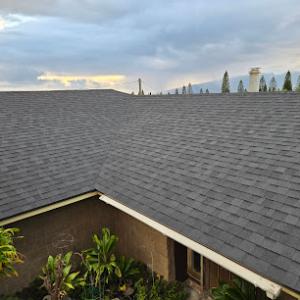
J's Quality roofing maui
(808) 463-0261 jsqualityroofingmaui.com
Serving
5.0 from 28 reviews
J's Quality roofing is a newly established small roofing company. with 17+ years of experience.That specializes in shingles,metal, and repairs to new construction roofing and removal of old roofs to install new roofs. reliable Quality,affordable,with integrity, family friendly. Maui no ka oi. Really getting it done right the first time......

Pro Roofing Hawaii
(808) 868-9261 www.proroofinghawaii.com
Serving
5.0 from 40 reviews
Pro Roofing Hawaii is a family owned and operated Maui business with unparalleled expertise. We are committed to setting the standards for safety and quality, while providing a positive experience for our customers, vendors and employees. At Pro Roofing we know that everything you love is under your roof. Our company and staff take this into consideration and treat every roof as if it were our own. We want our clientele to be secure in the fact that we value satisfied customers. At Pro Roofing, we educate all of our customers on the benefits of our roofing products and services. Our business depends on making sure you have a quality roof for years to come. Receive a free estimate today. Call us to schedule an appointment
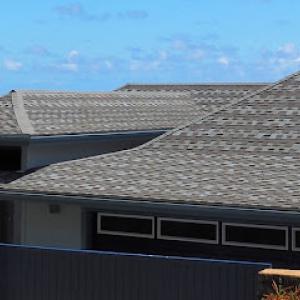
Maui Roofs & Repairs
(808) 219-0300 www.mauiroofingcontractor.com
Serving
4.8 from 18 reviews
Maui Roofs & Repairs is a full-service roofing contractor located in Wailuku, Hawaii. Our roofing services generally include new roof installations, re-roofs, roofing repairs, roof leak repairs, roofing inspections, and roof removals. We are experienced with the following types of roofs: asphalt shingle roofs, metal roofs, wood shake roofs, concrete tile roofs, composite roofs, and fluid applied roof coatings. As a Maui roofing contractor we service all industries including residential, condominiums, hotels, commercial buildings, office buildings, shopping centers, and Government buildings. Our office is located in Wailuku, but we service the entire island of Maui including Kahului, Kihei, Lahaina, Haiku, Makawao, even Lanai and Molokai
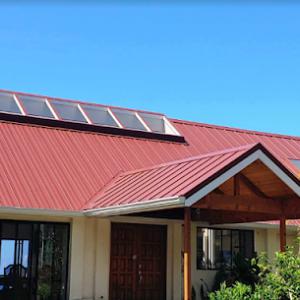
Peterson Construction LLC - Maui Metal Roofing
(808) 419-0434 mauimetalroofing.biz
Serving
5.0 from 5 reviews
30 years experience in the industry Hawaii contractor license
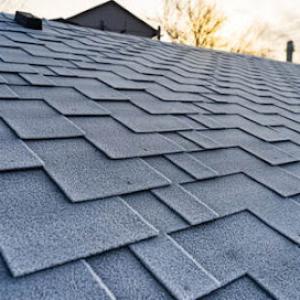
Maui Roofing Professionals Services
(808) 707-7489 mauiroofingpros.com
Serving
5.0 from 3 reviews
Our Services Besides building new roofs, we Improve and maintain the quality of your roof with our comprehensive roofing services. Our team of roofers in Maui HI is available to fix any issues with your current roof through our reliable repair services. We also offer regular maintenance services to guarantee that your roof stays in excellent condition. Trust us to keep your roof in top-notch shape. Our services include: Roofing Systems Asphalt Roofing Metal Roofing Roof Installation Roof Replacement Commercial Roofing. We provide our top-quality services in Maui, HI covering various areas on the island. No matter where you are on the island, our team of experts is dedicated to meeting all of your needs! Kahului, Kihei, Lahaina, etc.
Metal roofing is a popular choice in the local contractor market and can perform well when installed with care. In the coastal tropical climate, coastal salt exposure makes panel finish quality and corrosion resistance a top priority. Choose panels with factory-applied coatings designed for salt spray and consider a color finish that minimizes heat absorption while staying durable in UV rays. Fastener selection matters as much as the panel itself: use corrosion-resistant screws or clips rated for coastal use, with a proper sealant that remains supple in high humidity. Installation technique should emphasize a solid substrate and careful seam sealing to reduce uplift risk during trade-wwind events. On a Kahului home, it helps to confirm that the selected system includes edge flashings and ridge components rated for expected wind loads, and to ensure penetrations (for vents, plumbing, and solar) are gasketed and flashed with compatible materials. If metal is chosen, expect the long-term payoff to hinge on finish integrity and maintenance-rinse salt spray from exposed areas and inspect seams annually.
Clay and concrete tile fit many Hawaii roof profiles and handle sun exposure well, but their weight and attachment details matter in a county that reviews for code compliance and wind uplift. For tile, verify that the structure is rated for the weight and that fasteners and battens are matched to the tile profile and local wind requirements. Look for a high-quality concrete or clay with proven freeze-thaw and salt resistance, and ensure underlayment compatibility and ventilation are considered to prevent moisture buildup under tiles. Alignment and securement become critical in exposed eave lines and along ridge caps where salt-laden winds can stress laps. As with any tile system, periodic inspection of broken or displaced tiles and fasteners is prudent, especially after storms or during the wet season when access and maintenance can be more challenging.
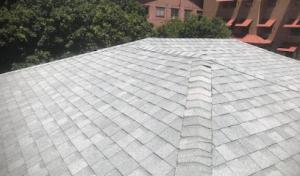
Asphalt shingles remain a lower-cost option in Kahului, yet the combination of high UV, heat, and wet-season moisture can make product grade and installation quality more consequential than on the mainland. Choose shingles with a robust granule coating and a rightward resistance to heat-soak and wind uplift, and ensure the roof deck is clean, dry, and properly vented before installation. The coastal environment can accelerate aging of sealants around penetrations and edges, so prioritize high-quality flashing details and edge metal. Regular maintenance should focus on cleaning off salt spray deposition and keeping drip edges and gutters clear to prevent moisture pooling near the soffits. If a roof experiences frequent sun exposure, consider reflective or cool-shingle options to reduce heat gain and extend the life of the underlayment and deck.
In Kahului, the price to re-roof is shaped by Maui's central-isthmus climate: warm sun, heavy coastal humidity, salty air, and steady trade winds. The local cost ranges you'll see mirror that mix of material performance and supply challenges. Asphalt shingles land around $450-$900 per square, metal $800-$1500, clay tile $1100-$2400, concrete tile $1000-$2100, wood shingles or shakes $750-$1600, and synthetic or composite shingles $600-$1000 per square. Those figures are a practical starting point for budgeting with Kahului's suppliers and crews.
Pricing is not just about material choice. Island shipping and material availability influence both lead times and the premium paid for corrosion-resistant components and specialty profiles. If a preferred profile or coating isn't stock-ready, expect a longer wait and a higher upfront quote to cover expedited freight or import surcharges. Coastal-grade fasteners and salt-resistant sealants may add modestly to the bottom line, especially for wind-rated assemblies designed to meet local uplift expectations.
Weather timing and demand spikes can shift costs quickly. Wet-season scheduling pressure can push labor windows into tighter slots, which sometimes raises crew availability charges or requires temporary weatherproofing strategies that add to the overall bill. After a major storm or leak event, suppliers may experience temporary shortages, driving prices above standard estimates and compressing lead times. Planning a re-roof with a cushion for these contingencies helps keep the project on track.
To make a cost-effective choice, compare a few nearby contractors who understand island needs. Ask for a detailed, itemized estimate that includes roof deck preparation, underlayment rated for coastal humidity, corrosion-resistant fasteners, and any ongoing maintenance plan. For asphalt, consider the longer-term value of architectural or wind-rated shingles in damp coastal conditions. For tile or metal, verify warranty terms specifically for salt exposure and uplifting performance. In all cases, ensure the proposal clarifies delivery timelines for material and any potential delays tied to shipping or weather.
Get a clear picture of your project costs upfront - no commitment required.
Lava Roofing Maui
(808) 793-6635 lavaroofing.com
180 E Wakea Ave Ste. D, Kahului, Hawaii
5.0 from 11 reviews
Kahului Roofing
(808) 758-5256 kahuluiroofing.com
223 E Papa Ave, Kahului, Hawaii
5.0 from 4 reviews
For a full roof replacement in this coastal setting, the project is handled through the Maui County Building Division, not as a no-permit cosmetic job. This means you start by submitting a permit application with the county, and not assume it can be done informally or under a homeowner's exemption. The county expects that a complete set of plans is prepared by a licensed contractor or building professional and that those plans demonstrate code compliance and wind-resistance criteria appropriate for the central-isthmus climate. If you're surveying your options, know that the county's review process looks closely at how the new roofing assembly will handle salt-air exposure, uplift forces, and the overall durability of fasteners and underlayment in a wind-prone coastal area. In Kahului, this process is especially attentive to uplift-rated assemblies and corrosion-resistant details due to the ongoing combination of sun, rain, and salty air.
The plans you submit should clearly document the roofing assembly proposed, including materials, underlayment, fastener types, and the attachment scheme for both the deck and any skylights or penetrations. The Maui County Building Division will review for code compliance and wind uplift requirements before work proceeds. When presenting the plan, emphasize how the chosen roof system resists uplift in a wind-prone coastal environment and how corrosion resistance is maintained for metal, tile, or asphalt components. If the project involves retrofitting fasteners or upgrading purlins, note these details explicitly, since the county will evaluate whether the improvements meet current wind standards rather than relying on the previous installation. Expect questions about attic ventilation, drainage, and flashing details around chimneys, skylines, and transitions from eaves to walls, all of which influence wind performance and moisture management.
Inspections are typically performed during and after installation, with a final inspection needed to close the permit. Plan for timing considerations so that inspections align with your contractor's schedule and the local work calendar. The inspector will check that the roof deck is sound, flashing is properly installed, and that the final assembly complies with wind and corrosion resistance expectations for coastal conditions. If anything needs correction, you'll receive an itemized list and a re-inspection will be scheduled. To avoid delays, coordinate early with both the contractor and the county inspector, ensure all documentation is complete before the first inspection, and be ready to demonstrate compliance with drainage, ventilation, and material specifications as they relate to this specific climate.
In Maui, insurers commonly want documentation of roof material type, fastening method, and uplift ratings because wind and rainfall exposure affect underwriting and claims review. The salty coastal air accelerates corrosion and can reveal weaknesses during a storm, so the documentation you provide helps adjusters assess risk and verify that a replacement will hold up under Kahului's wind-driven rain.
Claim handling can be more detailed for coastal and storm-prone properties, so Kahului homeowners benefit from keeping permit records, inspection sign-offs, product information, and dated photos. Have a current, clearly labeled file on site materials, fastening patterns, and any storm-related repairs. When a claim comes, organized records shorten the review path and reduce the chance of disputes over what was installed and how it was secured.
Insurance decisions in this market can be influenced by wind exposure and roof system details, making code-compliant replacement documentation more valuable than in lower-exposure regions. For a reroof, ensure you have product specifications, uplift ratings for the chosen system, and installation details that demonstrate proper fasteners, penetration sealing, and wind-resistance ratings. Clear, accessible records help the insurer see that the new roof meets or exceeds local exposure demands and can influence claim outcomes if a storm test is needed in the future. Keep a simple chronology of material changes, contractor notes, and any third-party inspections to support a straightforward claims review when Maui weather tests the roof again.
Connect with contractors who help homeowners navigate the claims process from damage assessment to final approval.
Lava Roofing Maui
(808) 793-6635 lavaroofing.com
180 E Wakea Ave Ste. D, Kahului, Hawaii
5.0 from 11 reviews
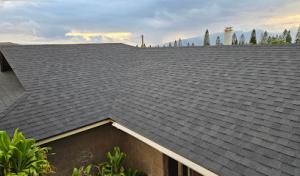
The local contractor landscape leans heavily toward re-roofing rather than new construction, which mirrors the need to replace aging roofs that endure salt air, sun, and seasonal rain. When evaluating firms, look for evidence of recent re-roof work on coastal properties, with materials and fasteners rated for uplift and corrosion resistance. Ask specifically about metal roofing, emergency repairs, storm damage, and assistance with insurance claims, since these are the specialty threads that show up most often in this market. A good fit matches your roof type and whether the project is a planned replacement or a urgent leak response.
Quick response matters here, especially during a tropical rain event or when interior water intrusion becomes a concern. In the better-performing teams, response times are measured in hours rather than days, and crews prioritize a tight, organized tarp setup to minimize interior damage. Cleanup should be listed as a core promise: containment of debris, drop cloths on landscaping, and a post-job sweep to remove any nails or fasteners that could injure family or pets after occupancy resumes.
Because metal roofing and emergency repair dominate the Kahului scene, contractor conversations should center on whether the crew has solid metal-install credentials, including proper seam sealing and corrosion-resistant fasteners. If the plan is a full reroof, verify uplift-rated details and the installation sequence that protects from wind-driven rain. If a leak event drives the project, assess the contractor's ability to provide temporary, weatherproof sealing that lasts through a storm while coordinating with insurance adjusters to document damage and scope clearly.
Review recent completed projects, request a list of local references with coastal homes, and confirm a clear warranty stance for labor and materials. Ask about on-site management during the project to ensure communication remains steady, and that the crew maintains a clean, organized work zone throughout the replacement. Check that the contractor uses materials and fasteners with salt-air compatibility and proven long-term performance in a coastal climate.
Get a clear picture of your project costs upfront - no commitment required.
Lava Roofing Maui
(808) 793-6635 lavaroofing.com
180 E Wakea Ave Ste. D, Kahului, Hawaii
5.0 from 11 reviews
Kahului Roofing
(808) 758-5256 kahuluiroofing.com
223 E Papa Ave, Kahului, Hawaii
5.0 from 4 reviews