
Last updated: Apr 19, 2026
Wailuku sits in central Maui near the Kahului-Wailuku urban area, so your roof sits at the crossroads of humid valley moisture and salt-laden air moving inland from the coast. Year-round trade winds and occasional tropical wind events push salty spray and moisture toward roof edges, making edge securement, flashing attachment, and fastener corrosion especially important on local roofs. The climate note for this area identifies salty coastal air as a factor that affects metal roofing, clay/concrete tile systems, and sealants. With those conditions in mind, every layer of the roof system should be evaluated for wind exposure and salt resistance.
In central Maui, salt air settles on exposed surfaces and can accelerate corrosion on metal components, especially along edges, valleys, and penetrations. Wind-driven moisture reaches under shingles or tiles, potentially lifting edge limits and driving moisture toward fasteners. This means that even well-installed systems must be checked periodically for creeping rust, loosened flashing, and compromised sealants. When a tropical wind event rolls through, small gaps near roof penetrations can become bigger problems if flashing isn't properly secured or if sealants have degraded. Plan for a system that anticipates both regular humidity and episodic gusts.
Metal roofing, clay tile, and concrete tile systems are all influenced by salty air and wind. Metal panels and trim are especially at risk for edge corrosion and fastener degradation. If you have metal, look for coatings rated for marine environments and consider hidden-fastener or sealed-fastener designs that reduce exposure at the surface. Clay and concrete tiles can weather salt-related staining and may experience faster deterioration at chipped edges or where cement grouts meet. Sealants around chimneys, vents, and ridges should be formulated for coastal air and UV exposure. For asphalt shingles or synthetic options, the emphasis shifts to wind uplift resistance and corrosion-safe flashing materials.
The first line of defense is proper edge securement. Ensure ridge and edge fasteners are resistant to corrosion and installed with appropriate washers to prevent water intrusion. Flashing should be continuous and well-sealed at walls, chimneys, vent stacks, and transitions between roof planes. In a windy site, consider extra fasteners at the eaves and hips and verify that sealant joints are clean and regularly topped up to maintain a watertight seam. For any metal components, verify that coatings are intact and that any screws or nails have corrosion-resistant heads and proper washers. If sealants show cracking, flaking, or loss of elasticity, replace them promptly with coastal-grade formulations.
On a Wailuku roof, perform a focused inspection after major wind events and during the dry season when you can clearly see all flashing seams. Look for lifted edge materials, loose fasteners, and any corrosion around metal trim. Check the state of sealants at penetrations and along flashing joints; salty air can dry sealants out and reduce adhesion over time. Replace damaged or degraded components with materials specified for coastal exposure to preserve long-term performance. Keep nearby vegetation trimmed to reduce debris build-up that can trap moisture against the roof deck and flashing. A proactive schedule helps prevent salt-related deterioration from taking hold and extends the life of the roof system in this coastal-vented microclimate.
The dominant roofing materials in Wailuku are Asphalt Shingles, Metal Roofing, Clay Tile, Concrete Tile, Wood Shingles/Shakes, and Synthetic/Composite Shingles. In this setting, the salty air and steady trade-wind exposure create a unique blend of challenges: corrosion potential, wind-driven moisture, and accelerated aging of underlayers. The goal is to match a system that stands up to salt spray, resists wind uplift, and maintains performance as underlayment materials age.
Metal systems can perform very well here if you prioritize corrosion-resistant panels, fasteners, and flashings. Salt air can shorten service life if lower-grade components are used, so specify coatings that are rated for coastal environments and choose fasteners with stainless or other non-corrosive finishes. Pay attention to seam design and lapped details to reduce wind-driven moisture ingress. A prudent approach is to upgrade to thicker-coated finishes and verify that flashings at ridges, valleys, and penetrations are continuous and securely sealed, since the trade winds push damp air under edges where corrosion can start.
Tile roofs common in Hawaii-style construction can perform well in this climate, but underlayment aging and wind-displaced tiles are key local failure points even when the tile itself still looks serviceable. For clay or concrete tile, ensure a robust underlayment with a proven coastal history and confirm that battens, if used, are protected against moisture intrusion. Consider higher-profile batten systems or flexible, breathable underlayments that help manage moisture while maintaining wind performance. Tile clips and fasteners should be selected to resist uplift in Central Maui's gustier days, with careful attention to tile alignment to minimize wind-driven movement.
Asphalt shingles remain a practical option when installed by a contractor who understands wind zones and coastal exposure. Look for shingles with better resistance to salt spray and post-cycle shrinkage, and ensure the roof deck is dry and sound before installation. Synthetic/composite shingles can offer good longevity with appropriate protective granules and resin binders, but verify the product's coastal performance rating and compatibility with Hawaii-style framing and underlayment systems. Regardless of material, sealant quality around penetrations and in edge zones matters for keeping moisture out during the windy, humid months.
Wood shingles and shakes bring a natural look but require extra attention to moisture handling and decay resistance. In this climate, treated or naturally rot-resistant species paired with a high-quality, breathable underlayment can work, yet expect more frequent maintenance checks for cupping, splitting, or fastener corrosion. Ensure proper nailing patterns, staggered courses, and edge protection to reduce wind lift. Regular inspection of exposed edges helps catch early signs of moisture intrusion before they compromise the roof deck.
No matter the chosen system, prioritize corrosion-resistant components, coastal-grade underlayments, and a detailed plan for wind uplift resilience. Regular inspections after storms, salt exposure, and heavy trades-wind days will help catch early issues related to salt air and moisture. A well-chosen system for this climate balances material performance with careful detailing at penetrations, edges, and transitions between roof planes.
In Wailuku, the dry season from April through October usually offers more predictable installation windows and less rain interruption. This is when most crews can commit to a solid tear-off and a full underlayment, followed by surface work without the usual rain-driven delays. If you're scheduling, target this window for complex jobs or when synthetic underlayment and metal details need precise sealing. The stretch also helps concrete and clay tiles cure properly after application, reducing the chance of post-install moisture migration. Plan for morning start times and allow for mid-day heat and potential trade-wind gusts that can shift debris and materials more than you'd expect.
The wet season from November through March brings heavier rainfall and higher humidity in Maui, which can delay tear-off, underlayment work, and sealant curing. Scheduling late fall or early winter work increases the risk of back-to-back showers washing out dry times, especially when you need to set asphalt or sealers. Humidity slows adhesive curing and can compromise certain coatings if open-fastener edges stay damp. Expect occasional rain bands that interrupt every step from scaffold setup to final nail-down. If you must start during these months, build in buffer days and have contingencies for tarp protection and temporary weatherproofing so you don't lose progress during a sudden shower.
Tropical storm season can bring short but intense wind-and-rain events to Maui that disrupt scheduling even outside the wettest months. Even a quick squall can lift unsecured materials or force a crew to halt work for safety, especially on exposed ridges and high-slope roofs. When storms are in the forecast, you'll want to pre-stage all essential components, secure loose items, and confirm that the roofing system is properly protected with temporary coverings. If a storm is projected within a tight window, shift the plan to interior or underlayment tasks that can proceed during dry spells, and push the tear-off to a safer, post-storm slot.
Coordinate closely with the crew to lock in a sequence that minimizes exposure to moisture. Start with a controlled tear-off only when dry conditions are forecasted for the full removal and disposal phase. Underlayment and flashing work benefit from cooler, drier air but can proceed during mild humidity if roof surfaces are dry and thoroughly swept. For tile and metal roofs, the timing of sealant application matters; dry conditions with a stable humidity level reduce cure times and help ensure long-term sealing integrity. Maintain a clear contingency plan for weather gaps, including temporary waterproofing and an adaptable schedule that can shift by a day or two without compromising the overall project integrity.
When you can't wait, these contractors offer fast response times to stop leaks and prevent further damage.
ProBuilt Hawaii Roofing & Rain Gutters
(808) 639-2600 www.probuiltmaui.com
Serving
5.0 from 18 reviews
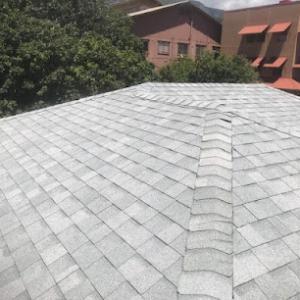
Maui Roofing Pros
(808) 207-3821 www.hawaiiroofingexperts.com
1750 W Kaahumanu Ave #995, Wailuku, Hawaii
4.4 from 14 reviews
Maui Roofing Pros is a family-owned roofing company with 45+ years of experience serving homeowners across Kihei, Kahului, Lahaina, and all of Maui. We specialize in roof repair, roof replacement, re-roofing, skylight installation, and gutter services — all built to handle Maui’s salt air, heavy rains, and hurricane winds. Our team is licensed, insured, and trusted by generations of local families. If you need storm damage repairs or help with an insurance claim, we’ll guide you every step of the way. Call today to schedule your free roofing estimate.
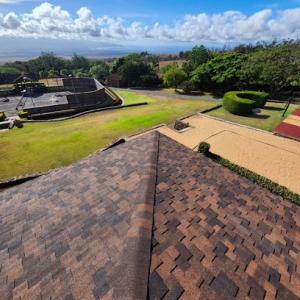
Roofing 808 Maui & Waterproofing
(808) 868-6551 roofing808mauiandwaterproofing.com
Serving
5.0 from 27 reviews
Roofing 808 Maui and Waterproofing, LLC are your trusted roofing contractors based in Maui, proudly serving Lanai, Molokai, and Honolulu. Our services include roof repairs, new roofs, re-roofs, waterproof membranes, vent installation, and solar panel removal. Fully insured and bonded, we are committed to providing exceptional service with Aloha. We make sure every project is completed to the highest standards. Additionally, homeowners with insurance may qualify for a complimentary roof. Please feel free to contact us today to learn more.
Lava Roofing Maui
(808) 793-6635 lavaroofing.com
Serving
5.0 from 11 reviews
Experience the difference with Lava Roofing Maui! As 5-Star Maui roofing contractors, we provide Hawaii homeowners with reliable roofing solutions, including 0% down financing and expert roof insurance claim assistance. Delivering expert Maui roofing services, our team is dedicated to protecting your home with craftsmanship rooted in the spirit of Aloha. Contact us today for a free roof inspection and estimate—your trusted Maui roofing company for all your Hawaii home and business needs. Our Maui roofers have over 25 years of experience and are true craftsmen.
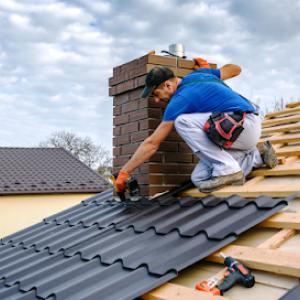
Marlon roofing & gutters
Serving
5.0 from 3 reviews
Marlon Roofing and Gutters is a roofing company that provides quality roof repair and replacement services. They are highly trained professionals who have been in the industry for over 20 years. We offer free estimates, financing options, and warranties on all our work. Call today for your free estimate! Marlon Roofing and Gutters is a company that provides professional installation and repair services for roofs. We will inspect your home or business to determine the best course of action in repairing or replacing your roof."
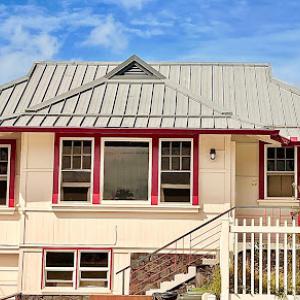
Kahului Roofing
(808) 758-5256 kahuluiroofing.com
Serving
5.0 from 4 reviews
We provide a complete dimension of roofing services including installation, repairing of all types of roofing such as tile, asphalt, metal, slate, shake, and commercial. We even do carpentry work and offer all types of sealing and painting services. All inspections and estimates are completely free! Located conveniently in Kahului, we service islandwide!
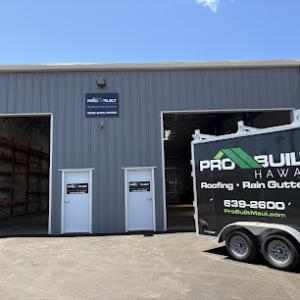
ProBuilt Hawaii Roofing & Rain Gutters
(808) 639-2600 www.probuiltmaui.com
Serving
5.0 from 18 reviews
Locally owned and rooted in island values, ProBuilt Hawaii is now proud to serve Maui! As Kauai’s top-rated roofing contractor and rain gutter expert, we bring the same dedication to craftsmanship, quality materials, and personalized service to the Valley Isle. Whether you need a full roof replacement, a complete gutter system, or solar ventilation, our expert local crews are here to protect your home with durable solutions designed for Maui’s unique climate. Built to last. Backed by care. That’s the ProBuilt promise.Quality is our Tradition. Service is our Promise.
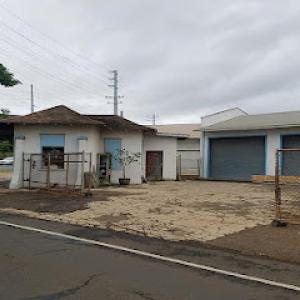
Top's Roofing Co
(808) 244-9116 www.topsroofingmaui.net
1762 Lower Main St, Wailuku, Hawaii
3.0 from 2 reviews
If you’ve noticed that your roof has sustained damage or it's just time to reroof, turn to Tops Roofing Ltd. Located in Wailuku, HI. Specializing in Residential and Commercial roofing since 1972. Experienced in many brands, styles, and types, this knowledgeable roofing company knows just what to do. For quality roof repairs, reroofs & new construction you can count on us. Reach out to us at (808) 244-9116 to schedule your free estimate or visit us online for more information.
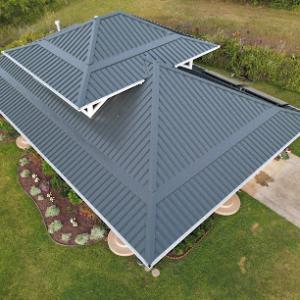
Advanced Roofing Solutions
(808) 270-9256 www.advancedroofingmaui.com
Serving
4.0 from 8 reviews
Advanced Roofing Solutions, Inc. is a leading roofing contractor dedicated to serving the entire state of Hawaii. With a commitment to quality craftsmanship and exceptional service, we specialize in a wide range of roofing services, including new installations, repairs, and maintenance. Our experienced team uses high-quality materials and proven techniques to ensure your roof is durable, reliable, and built to withstand the unique Hawaiian climate. Trust Advanced Roofing Solutions, Inc. for all your residential and commercial roofing needs.
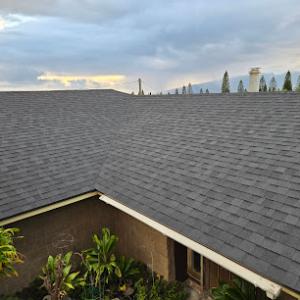
J's Quality roofing maui
(808) 463-0261 jsqualityroofingmaui.com
Serving
5.0 from 28 reviews
J's Quality roofing is a newly established small roofing company. with 17+ years of experience.That specializes in shingles,metal, and repairs to new construction roofing and removal of old roofs to install new roofs. reliable Quality,affordable,with integrity, family friendly. Maui no ka oi. Really getting it done right the first time......

Pro Roofing Hawaii
(808) 868-9261 www.proroofinghawaii.com
Serving
5.0 from 40 reviews
Pro Roofing Hawaii is a family owned and operated Maui business with unparalleled expertise. We are committed to setting the standards for safety and quality, while providing a positive experience for our customers, vendors and employees. At Pro Roofing we know that everything you love is under your roof. Our company and staff take this into consideration and treat every roof as if it were our own. We want our clientele to be secure in the fact that we value satisfied customers. At Pro Roofing, we educate all of our customers on the benefits of our roofing products and services. Our business depends on making sure you have a quality roof for years to come. Receive a free estimate today. Call us to schedule an appointment
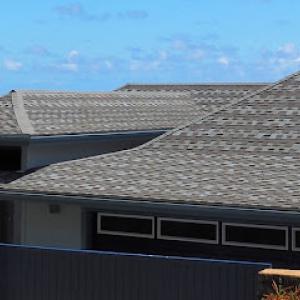
Maui Roofs & Repairs
(808) 219-0300 www.mauiroofingcontractor.com
Serving
4.8 from 18 reviews
Maui Roofs & Repairs is a full-service roofing contractor located in Wailuku, Hawaii. Our roofing services generally include new roof installations, re-roofs, roofing repairs, roof leak repairs, roofing inspections, and roof removals. We are experienced with the following types of roofs: asphalt shingle roofs, metal roofs, wood shake roofs, concrete tile roofs, composite roofs, and fluid applied roof coatings. As a Maui roofing contractor we service all industries including residential, condominiums, hotels, commercial buildings, office buildings, shopping centers, and Government buildings. Our office is located in Wailuku, but we service the entire island of Maui including Kahului, Kihei, Lahaina, Haiku, Makawao, even Lanai and Molokai
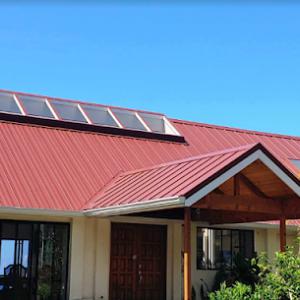
Peterson Construction LLC - Maui Metal Roofing
(808) 419-0434 mauimetalroofing.biz
Serving
5.0 from 5 reviews
30 years experience in the industry Hawaii contractor license
On metal roofs, corrosion often begins at the fasteners, flashings, and cut edges long before the main field panels show obvious failure. In Wailuku's humid, salty air and frequent trade-wind exposure, those edge details take a heavier beating. The fastest way to notice trouble is a handful of small rust spots around screw heads or at the edge transitions, followed by penetrations that loosen over time. If you're replacing a roof or planning a retrofit, pay extra attention to fastener material compatibility, sealant compatibility, and the condition of flashing where two surfaces meet. A corrosion-focused inspection cadence-on fasteners, trim, and edge sealants-will save you from a surprise leak after a wet season.
Clay and concrete tile systems in this environment don't typically fail as a single dramatic event. Instead, replacement decisions tend to hinge on underlayment deterioration, slipped or cracked tiles, and failed penetrations. The warm, humid air accelerates moisture beneath tiles, which undermines the underlayment and can lead to hidden rot or mold behind the visible surface. Slipped tiles create direct leaks that travel along the underlayment and framing before you ever see daylight inside. Regular inspection of tile alignment, the integrity of the bed and mortar, and the condition of penetrations through chimneys, vents, and skylights is essential for catching trouble early.
The city's climate note flags sealants as vulnerable in a warm, humid, salty environment, making penetrations and flashing transitions recurring leak points. Seams where two planes meet, vent collars, and conduit entries are particularly prone to drying, aging, and cracking. In Wailuku, you'll want to test silicone, polyurethane, and butyl sealants for elasticity and adhesion, watching for lifting or micro-cracking after seasonal wind-driven moisture. When sealants fail, water seeks weaker paths; a single compromised flashing transition can cause a cascade of leaks across a roof plane.
The practical takeaway is simple: guard the edges, inspect the tile interfaces and penetrations, and treat sealants as wearable components. In a coastal valley climate like this, proactive maintenance beats reactive repairs. If a single area shows moisture staining or evidence of corrosion at fasteners or flashing, address it promptly rather than waiting for a more obvious failure to reveal itself. Your roof's life here depends on catching and resolving these smaller faults before they become larger, more expensive problems.
Extend the life of your existing roof with reflective or waterproof coatings that protect against UV and moisture.
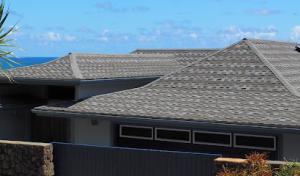
In this corner of central Maui, a full re-roof typically requires a building permit through the Maui County Department of Public Works Building Division. The process sits at the intersection of local climate realities and the shared goal of long-lasting, wind-resilient roofing. The department expects plans that show not only the new roof's appearance but also its structural impact, drainage details, and compatibility with existing eaves, overhangs, and mechanical equipment. Be prepared to demonstrate that the proposed assembly accounts for wind-load pressures and coastal wind provisions that are part of the review for projects in this area.
Plan review is where you'll want your contractor's diligence to shine. The review considers how the new roof handles Maui's typical wind patterns, including gusts carried from the north shore with salt-laden air. Coastal wind provisions specifically address tie-downs, fastener types, and the overall ability of the roofing system to resist uplift in higher wind events. Since corrosion resistance is a priority in this climate, it's wise to show notes or specifications for fasteners, underlayment, and reflectivity that align with local expectations. Your plans should clearly indicate roof slope, penetrations for vents and chimneys, and the integration of drip edge details that help manage wind-driven moisture. Smaller details-such as roof-to-wall connections and the treatment of parapets or skylights-can influence the plan reviewer's assessment, so accuracy matters.
Permit issuance for a re-roof in this jurisdiction commonly takes about 1 to 3 weeks, depending on workload and whether additional approvals are needed. During that window, you'll likely encounter initial plan reviews, potential comments or requests for clarifications, and a permit notice once everything is aligned. Inspections occur during installation and again after completion to verify that the work matches approved plans and meets code requirements. Expect inspections of roof diaphragm connections, flashing, flashing integration with walls and chimneys, and, in coastal areas, checks related to moisture management and material performance under salt exposure. If the project touches historic or character-defining elements of a building, additional approvals may come into play, so factor any extra review time into the schedule.
Coordinate closely with your contractor to ensure all specifications align with Maui County's wind and coastal provisions. Have product data sheets ready for underlayment, fasteners, and coatings that emphasize corrosion resistance and wind performance. Keep an organized file of plans, load calculations, and any narrative notes on salt-air considerations to present during the plan review. On the day the permit is issued, confirm the assigned inspection schedule and any required permits for staging or material storage. A well-documented submittal not only speeds up review but also helps protect the long-term integrity of the re-roof under Maui's humidity and trade-wind conditions.
In Maui's central valley environment, asphalt shingles come in around $550-$900 per square, metal $700-$1300, clay tile $900-$1800, concrete tile $850-$1700, wood shingles/shakes $900-$1600, and synthetic/composite shingles $600-$1100 per square. These figures reflect the unique costs of transporting materials to island sites and the variety of profiles you'll find in local yards. The most affordable option tends to be asphalt, but the blend of wind exposure, humidity, and salty air can shift value toward more durable choices if longevity and corrosion resistance are priorities.
On Maui, shipping and island material availability can affect pricing and lead times more than on the mainland, especially for specialty profiles and matching components. If a builder needs a rare tile profile or a specific flashing color to match an existing roof, expect longer waits and higher freight charges. For coastal-air and trade-wind exposure, attention to fastener quality and flashing design matters, and that can add a portion to total costs compared with inland projects.
In Wailuku, costs can rise when corrosion-resistant fasteners, upgraded flashings, and wind-conscious attachment details are required. This isn't optional fluff: salt air accelerates corrosion and can loosen hardware if standard components are used. Expect modest uplifts for premium fasteners, sealants, and edge-clip systems designed to resist uplift and salt spray. If a roof previously failed due to wind-driven moisture, that history may drive higher labor complexity and material choices, pushing up the final price.
Given the local climate, you may prioritize durability over lowest sticker price, especially if the roof sits in a persistently windy pocket or near the shore. Balancing material profile, lead times, and the added costs of corrosion-resistant components will help anchor a realistic budget for a replacement that lasts in central Maui's salt-tinged trade-wind environment.
Get a clear picture of your project costs upfront - no commitment required.
Maui Roofing Pros
(808) 207-3821 www.hawaiiroofingexperts.com
1750 W Kaahumanu Ave #995, Wailuku, Hawaii
4.4 from 14 reviews
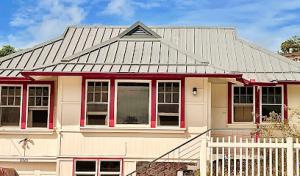
In a central Maui climate, every roof faces a constant test from humid valley moisture and salt air drifting inland from the north shore. Attachment strength matters because gusts can pry loose shingles or tiles, and water intrusion can start small and grow quickly in those salty, windy mornings. A roof that looks sound from ground level may not stand up to Maui's wind-and-rain pattern, so understanding where the system could fail helps homeowners decide on repairs before trouble shows up in an insurance adjuster's notebook.
Claims in this market often hinge on detailed photo documentation of prior condition and installation specifics. When a loss occurs, take high-resolution photos that show the roof deck, fasteners, underlayment, and any flashing around penetrations. If there were observed issues before the event, captures from multiple angles can make the difference. An engineering-style review of wind-rated materials and installation details may be requested, especially for older roofs or where new materials were added. Having precise records reduces back-and-forth and speeds the process.
Adjusters commonly factor roof age and material type into depreciation and replacement decisions. A roof with aging shingle underlayment or spent tile underlayment may trigger a higher depreciation, even if the surface looks intact. When evidence points to gradual failure from salt air and wind-driven moisture, insurers scrutinize remaining roof life. Understanding this helps homeowners anticipate how a claim could be settled and what parts may be depreciated over time.
Capture recent maintenance notes, prior repair receipts, and contractor statements that describe wind performance and anticipated service life. Photograph inspections after storms, focusing on edge areas, hips, valleys, and any signs of water intrusion at seams. Keep a simple timeline of events and decision points, so adjusters can follow the roof's real-world history.
Be prepared to discuss how the salt air has affected fastener corrosion, attachment of ridge caps, and the integrity of underlayment. Clear, organized evidence supports a fair evaluation of whether the roof still serves its protective purpose or needs replacement, given Maui's demanding environment.
Connect with contractors who help homeowners navigate the claims process from damage assessment to final approval.
Maui Roofing Pros
(808) 207-3821 www.hawaiiroofingexperts.com
1750 W Kaahumanu Ave #995, Wailuku, Hawaii
4.4 from 14 reviews
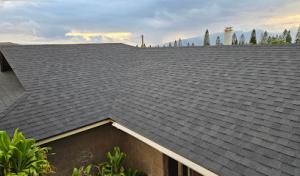
When you look for a crew, you're selecting neighbors who understand central Maui's salt air, wind-driven moisture, and how quickly weather can shift. In a re-roof scenario, crews with strong tear-off, dry-in, and cleanup processes matter more than pure new-construction experience. Check that the team can handle a full removal, expose the decking, and then seal the roof lines to keep you watertight through the next storms. You want a crew that treats the job as a tight sequence: remove old material, inspect decking for corrosion or rot, install a dry-in barrier, and finish with thorough cleanup so nothing slips under the new shingles or panels.
In reviews you'll notice that a quick response is the strongest market signal. When leaks or weather windows appear, homeowners need someone who can schedule, show up, and start promptly. Ask for a real-world itinerary: a clear start date, a practical rain-day plan, and a guaranteed window for project milestones. For many homes here, the first day is about containment and protection of living spaces; the crew should be ready to tarp, ventilate, and stage materials so interior moisture doesn't spike during delays. If a contractor's timeline stretches or stalls, that's a red flag you'll want to flag early.
Since metal roofing, emergency repair, storm damage, and insurance claims show meaningful local prevalence, you'll want a crew that can shift from temporary protection to full replacement planning without dropping the ball. Expect them to provide a staged plan: temporary covers that hold while a rain-front passes, followed by a durable roof system that reclaims structural integrity and wind resistance. Ask for a short, practical sequence you can reuse if a sudden squall or a leak interrupts work, and confirm they'll coordinate temporary protections with long-term design so you're not left exposed between steps.