Ultimate Guide to Roof Disposal & Cleanup
Last updated: Feb 28, 2026
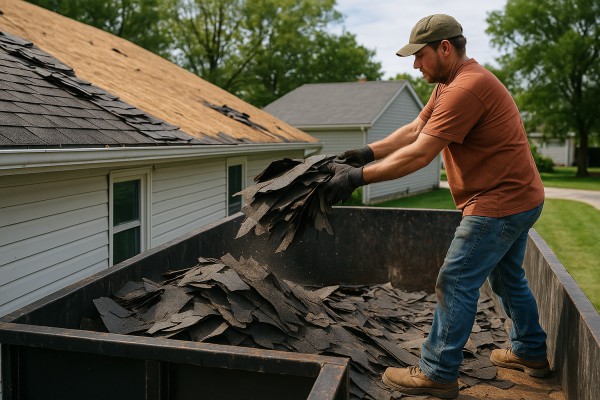
Introduction to Roof Disposal & Cleanup
Roofing projects create a mix of debris—from shingles and underlayment to metal flashing and packaging. This page helps homeowners plan disposal, choose practical cleanup options, and navigate local rules so your site stays safe, organized, and affordable. Clear logistics save time on a big project and keep neighbors happy during the process.
Note on hazardous materials: some older roofs may contain asbestos-containing products. If you suspect asbestos, do not disturb the material and contact a licensed professional for testing and removal.
Understanding the waste stream
Knowing what you're dealing with makes disposal easier and cheaper. Common components include:
- Asphalt shingles and felt
- Underlayment scraps and roof insulation remnants
- Metal flashing, vents, and scrap metal
- Wood scraps, pallet pieces, and packaging
- Nails, fasteners, and small debris
- Old vent collars, drip edges, and ice guards
Identifying these helps you choose the right disposal path (recycling, hauling, or landfill) and avoid paying for items that aren't accepted at certain facilities.
Planning your disposal
A little planning goes a long way. Start here:
1. Inventory materials and estimate weights or volumes you'll generate.
2. Check local disposal options—landfills, transfer stations, and recycling facilities.
3. Decide between a dumpster, a local junk/removal service, or hiring a hauler with disposal included.
4. Confirm access and timing: where the bin will sit, how long it will stay, and any permit needs.
5. Schedule ahead to align with your project timeline and weather.
Dumpster, hauling, and recycling options
Choosing the right route can save money and reduce waste:
- Dumpster rental: common sizes range from 10–40 cubic yards; great for larger jobs but watch weight limits and placement rules.
- Local landfills: widely accepted for roofing debris; fees vary by weight and material.
- Shingle recycling facilities: many accept asphalt shingles and recycle them into new products; some require separation from other materials.
- Scrap metal recyclers: flashing, vents, and other metal parts can often be recycled for a credit.
- Door-to-door removal services: convenient for small crews or quick cleanups; verify what's included (loading, disposal, haul-away).
- On-site cleanup tools: magnets or nail sweepers help gather fasteners and reduce puncture risks.
Safety and cleanup practices
A tidy job site protects your family and your workers:
- Wear appropriate PPE: gloves, eye protection, sturdy footwear, and a hard hat for larger roofs.
- Use tarps and secure loose material to minimize windblown debris.
- Keep a clean edge: cover exposed areas when not actively working to prevent falls or tangles.
- Collect nails and fasteners daily with a magnet or magnet sweeper; sweep the area at day's end.
- Verify disposal receipts and keep a simple log of where materials went.
Local rules, permits, and logistics
Compliance avoids fines and delays:
- Dumpster placement: some cities require temporary permits for street or curbside placement.
- Time limits: check maximum rental durations and renewal policies.
- HOA or neighborhood guidelines: confirm any rules on debris storage, bin color, or placement.
- Environmental considerations: separate hazardous components and follow guidelines for recycling programs when available.
This overview is designed to help you navigate the core decisions for roof disposal and cleanup, so you can plan confidently and keep your project moving smoothly.
Roof Disposal and Cleanup: A Practical Guide to Removing and Disposing of Roofing Debris
Comprehensive definition
Roof disposal and cleanup is the coordinated process of safely removing all roofing material and related waste from a structure and delivering it to an appropriate disposal or recycling stream. It covers tear-off debris (shingles, underlayment, felt, flashing), fasteners (nails, staples), and any damaged or unusable components, plus the post-work site cleanup to leave the area secure and tidy. Effective disposal combines proper container or bag management, controlled loading, and verified disposal at licensed facilities. It's not just about hauling away trash; it's about planning, safety, and environmental responsibility.
When disposal is typically needed
Disposal becomes necessary in these common scenarios:
- Complete roof tear-off and replacement, where old shingles and underlayment must be removed.
- Roof repairs that require removing damaged sections or layers.
- Tear-offs for overlays when a full replacement is needed or preferred for long-term performance.
- Projects prompted by storm damage, frequent leaks, or structural concerns that require new components.
- Any job where debris or waste is generated beyond normal maintenance and needs relocation from the work zone.
Disposal options and materials
- Dumpster or roll-off container: Most contractors and homeowners rent a container sized to anticipated waste volume. Ensure it's accessible for loading and placed on a stable surface.
- On-site bagging and sweeping: For smaller jobs or tight sites, heavy-duty contractor bags combined with periodic nail sweepups can work, but usually toward the end of a tear-off.
- Recycling and green disposal: Asphalt shingles are recyclable in many regions. Look for local shingle recycling programs or facilities that accept discarded roofing material.
- Landfill and municipal disposal: If recycling isn't available, plan for disposal at a licensed landfill per local regulations. Obtain any required permits or special handling instructions.
- Metal and specialty materials: Copper, aluminum, or steel flashing, gutters, and vent components may have separate recycling streams and should be sorted when possible.
Planning the disposal
- Estimate waste: Quantify square footage and count layers to gauge container size needs and disposal costs.
- Choose the right container: Too small a container leads to overflows; too large a container increases costs. Size it to accommodate the expected debris with some margin.
- Schedule and coordination: Align container delivery with project milestones to avoid idle rental time. Confirm access for loading equipment.
- Check local rules: Some municipalities require permits for dumpsters, set-back distances, or specific disposal guidelines for roofing materials.
- Protect the site: Plan for wind and weather by using tarps, barricades, and clear pathways to prevent debris from blowing or creating hazards.
Step-by-step cleanup process
1. Prep the site: Cover landscaping and vehicles; establish a clear drop zone for debris.
2. Set up containment: Place the dumpster or bags within easy reach, ensuring stable footing for workers.
3. Remove decking and shingles: Start at the eave edges and work toward the ridge, keeping loads manageable.
4. Manage nails and fasteners: Use a magnet on the ground and magnet-equipped debris collection to reduce trip hazards and protect lawn and pets.
5. Secure loads: Keep materials inside the container and temporarily cover open loads to prevent windblown debris.
6. Sweep and verify: Do a final walk-through to catch stray nails, small pieces, and gaps around chimneys or vents.
7. Load and haul: Ensure waste is properly bagged or contained for transport, then obtain disposal receipts for records.
Safety considerations
- Wear PPE: gloves, safety glasses, long sleeves, and sturdy footwear; use fall protection when working near edges.
- Ladder and roof safety: Secure ladders, keep three points of contact, and avoid working in high winds or icy conditions.
- Nail management: Use magnets and tarps to minimize hidden hazards on the ground.
- Debris control: Keep bystanders clear of the work zone; designate a drop zone away from foot traffic and vehicles.
Environmental and regulatory considerations
- Recycle when possible: Prioritize recycling to reduce landfill use and support material reuse.
- Dust and runoff control: Use water or containment to minimize dust and prevent debris from entering storm drains.
- Documentation: Retain disposal receipts and recycle or transfer records as proof of compliant waste handling.
When You Need Roof Disposal & Cleanup
Signs this service is needed
- Missing, cracked, or curling shingles you can spot from the ground or a ladder
- Heavy shingle granules in gutters, downspouts, or on the yard after wind or hail
- Excess debris on the roof or in the gutters: branches, leaves, moss, or algae buildup
- Visible sagging, soft spots, or deforming of the roof deck in attic or ceiling areas
- Water stains on ceilings, attic condensation, or signs of leaks after rain
- Repeated leaks despite a quick patch or temporary fix
- Pest activity around the roofline or in roof vents due to debris and organic matter
- Severe storm impact (hail, high winds, or fallen tree limbs) followed by lingering debris or damage
Ways you can confirm yourself as a homeowner
- Do a careful visual check from the ground with binoculars or a sturdy ladder: look for loose, cracked, or missing shingles; lifted flashing; and dark streaks or bald spots on the roof surface
- Inspect gutters and downspouts after a storm for excessive granules, shingle fragments, or blockages that indicate roof wear
- Check the attic after a rainstorm: look for daylight through the sheathing, damp insulation, or brown staining on rafters
- Look for interior signs: frequent small leaks, musty attic odors, or staining on ceiling drywall beneath the roof
- Review roof age and past repairs: know when the last full shingle replacement occurred and whether previous warranties cover disposal or cleanup
- Consider the overall condition: if multiple issues appear at once (debris, leaks, and granules), it's a strong sign you'll need cleanup and disposal
When to get a professional assessment
1. You notice leaks, active water intrusion, or mold growth inside the home that originated from the roof
2. After a major weather event (thunderstorm, hail, hurricane, or heavy winds) that left substantial debris or damage
3. If the roof is near or past its expected life span and you're evaluating disposal, cleanup, or replacement options
4. If you're unsure about safety or access: a professional can determine if the roof and structure remain sound and whether cleanup work could affect attic or deck integrity
How a pro approaches roof disposal & cleanup
- Step 1: On-site assessment to document damage, debris volume, and potential concealed problems
- Step 2: Provide a scope of work for cleanup, including debris removal, palletized disposal, and any necessary deck or fascia repairs
- Step 3: Confirm disposal options: local recycling, certified waste containers, and any permits or haul-away requirements
- Step 4: Deliver a written estimate with a clear timeline, safety plan, and tarping or containment measures if needed
- Step 5: Perform cleanup in stages: secure the site, remove loose debris from the roof, clean gutters, and restore proper drainage before final inspection
What's Included in Roof Disposal and Cleanup
What is typically included
A solid roof disposal and cleanup package covers more than just hauling away old shingles. It aims to keep your property clean, protected, and ready for the next steps. Typical inclusions:
- On-site dumpster or debris container for the duration of the tear-off, sized to handle the project
- Labor for removing old roofing materials (shingles, underlayment, flashing) and loading them into the container
- Hauling away debris to a permitted landfill or recycling facility
- Protective measures for your property: driveway mats or boards, tarps for landscaping, and drop cloths to minimize damage to plants and surfaces
- Nail and fastener sweep after removal (magnet or magnetic bar) to reduce hazards
- Final around-the-house cleanup to remove stray debris and ensure no nails or shards remain
- Sorting and recycling of eligible metal components (e.g., flashing, drip edge) when feasible
- Optional: a basic inspection of the roof deck or structure for obvious signs of rot or damage during removal
- Clear communication of disposal costs: tipping fees are typically included in the contract price or clearly itemized so you know what you're paying for
How the day-to-day cleanup usually goes
1) Pre-work protection: contractors place protective coverings where needed and confirm sensitive areas (gardens, vehicles, walkways) are shielded
2) Tear-off and containment: shingles and debris are removed in manageable sections, with debris contained to prevent scattering
3) Debris sorting and sweep: nails and metal scraps are collected and separated for recycling where possible
4) Final walk-through: the crew does a thorough exterior sweep and confirms no nails or debris remain
What is not typically included
These items are commonly excluded from standard roof disposal and cleanup quotes. If you need them, they're usually priced separately.
- Installation of new roofing materials (shingles, underlayment, flashing) or any roofing labor
- Structural repairs, decking replacement, rot treatment, or framing work discovered during tear-off
- Interior cleanup beyond exterior debris (no attic or ceiling cleaning unless specifically added)
- Permit fees, permit processing, and inspection costs (often billed separately)
- Removal or remediation of hazardous materials (asbestos-containing materials, mold, lead paint) requires licensed abatement
- Landscaping restoration or repair caused by tarps, ladders, or equipment
- Insurance claim handling, project management appeals, or other administrative services not included in standard cleanup
Notes to help you compare bids
- Ask whether disposal fees are included or itemized, and which facilities are used
- Confirm if metal recycling is included and how much material is typically recycled
- Check if additional charges apply for steep slopes, oversized roofs, or extra-dense debris
Common Roofing Materials Used for Roof Disposal and Cleanup
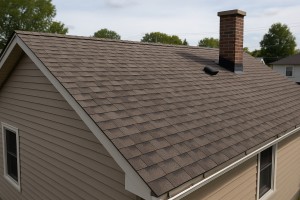
- Why it matters for disposal: The vast majority of residential roofs use asphalt shingles, so this material drives most cleanup logistics. They come in bulky bundles and generate a lot of nails and paper underlayment, which affects load weight, sorting, and recycling options.
- Disposal options: Many landfills accept asphalt shingles, but recycling is common and often preferred. Look for local shingle recycling programs or municipal green-wreen programs. Some facilities require the shingles to be separated from other waste or placed in dedicated containers.
- What to expect during cleanup: Expect lots of small nails; using a magnet sweep is standard to protect tires and equipment. The underlayment (felt) can be disposed of with the shingles, but confirm with your hauler if it's treated or contains any contaminants.
- Quick steps for a smooth process:
1) Clear the area and lay tarps to catch nails.
2) Remove shingles in manageable sections, gently rolling to minimize breakage.
3) Bundle or bag waste, and collect nails with a magnet sweep before hauling.

- Why it matters: These tiles are heavy and brittle, which changes how you plan removal, transport, and fall protection on-site.
- Disposal options: Heavier weight means fewer bundles per trip and higher transport costs. Many landfills will accept clay and concrete tiles, but recycling options are limited. If any tiles are intact, salvage value may exist for resale or donation.
- What to expect during cleanup: Broken tiles create sharp shards and more cleanup time. Protect walkways and use tarps to keep debris contained. Tile fragments often require careful magnet or magnet-assisted pickup for nails or clips.
- Quick steps for a smooth process:
1) Remove tiles in small sections to minimize breakage.
2) Bag or wrap intact sections; place broken pieces in a separate container.
3) Sweep thoroughly and inspect drive paths for shards before hauling.
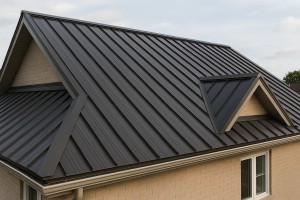
- Why it matters: Metal roofs are highly recyclable, which can significantly impact disposal costs and waste streams.
- Disposal options: Scrap metal recyclers frequently accept aluminum or steel panels; remove fasteners and flashing for separate recycling or disposal. Expect lower mass per square compared to tiles, but higher salvage value.
- What to expect during cleanup: Nails and screws are common; keep a magnet handy to separate steel fasteners. If panels are painted, some recyclers want paint-free material.
- Quick steps for a smooth process:
1) Disconnect and remove all flashing and fasteners.
2) Cut panels into transportable lengths to reduce overhang.
3) Sort and recycle panels and metal components separately from other waste.
Wood Shingles and Shakes
- Why it matters: Wood products can be biodegradable, but treated lumber changes disposal rules.
- Disposal options: Untreated wood may be compostable or repurposed; pressure-treated or creosote-treated wood requires caution and often separate disposal due to chemical hazards.
- What to expect during cleanup: Expect nail and fastener removal, plus potential splinters. If the roof used fire-retardant treatments, note any handling precautions.
- Quick steps for a smooth process:
1) Separate treated vs. untreated wood early.
2) Bundle or wrap wood sections; stack securely.
3) Sweep and collect nails, then haul the waste in specialized containers.
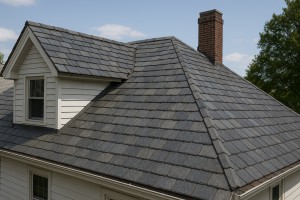
- Why it matters: Slate is durable but extremely brittle; removal must be careful to avoid large breakage.
- Disposal options: Slate is often accepted by many landfills, and some recyclers will grate or repurpose shards. Salvage value exists in some markets.
- What to expect during cleanup: Very careful handling is required to prevent shard injuries and damage to nails or tools.
- Quick steps for a smooth process:
1) Remove slate in connected panels when possible.
2) Lay sheets or tarps to contain shards.
3) Use thick gloves and eye protection during handling.
Concrete Fiber Cement (e.g., HardiePlank/Hardie Shingles)
- Why it matters: Fiber cement is common and heavy; older versions may contain asbestos, which requires special handling.
- Disposal options: Modern fiber cement is asbestos-free, but pre-1980s products may contain asbestos. Check material labels and local regulations. Recycling options vary; some facilities won't accept fiber cement waste.
- What to expect during cleanup: Wear a respirator if cutting or breaking during removal; dust containment is important for silica exposure.
- Quick steps for a smooth process:
1) Confirm asbestos-free status with a manufacturer label or test if uncertain.
2) Remove in sections with minimal breakage; avoid grinding.
3) Bag or containerize waste and manage dust with water spray and containment.
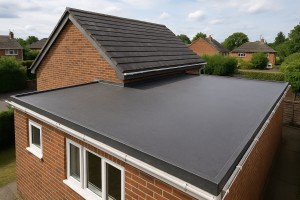
- Why it matters: These membranes are lightweight and recyclable in some markets, but disposal depends on adhesives and membrane type.
- Disposal options: Some programs recycle EPDM rubber or repurpose as crumb rubber aggregates; adhesives and membranes may require separate disposal streams.
- What to expect during cleanup: Rubber membranes can be slippery when wet; cut into strips for easier handling. Adhesives may require solvent disposal if used.
- Quick steps for a smooth process:
1) Cut membranes into manageable strips.
2) Remove and clean adhesive residues; store separately if required by hauler.
3) Recycle where possible or dispose per local guidelines.
Asbestos-Containing Materials (ACMs)
- Why it matters: Even small amounts of asbestos require licensed removal and disposal; this is not a DIY-friendly scenario.
- Disposal options: Handle only with licensed asbestos abatement professionals; follow state and local regulations for containment, transport, and disposal.
- What to expect during cleanup: Extreme caution, negative pressure containment, HEPA filtration, and thorough documentation are standard.
- Quick steps for a smooth process:
1) Stop work and contact a licensed asbestos abatement contractor.
2) Isolate the work area and use certified containment procedures.
3) Ensure all waste is sealed and disposed of per regulatory requirements.
Costs for Roof Disposal and Cleanup
Typical average costs for Roof Disposal & Cleanup
- Dumpster rental and pickup: Most homeowners pay between $350 and $900 for a standard 20- to 30-yard dumpster, including delivery and retrieval. Longer rental periods or larger dumpsters push toward the higher end.
- Debris disposal fees: Landfills and transfer stations charge by weight. Expect about $60–$120 per ton for roofing waste. A typical residential roof replacement generates several tons of material, which translates into a noticeable portion of the overall disposal bill.
- Labor for cleanup and debris loading: Cleanup crews average $40–$100 per hour. A small to mid-size roof may take 2–6 hours of labor, depending on complexity, pitch, and accessibility.
- Materials sorting and recycling: If you or your contractor sort materials for recycling (asphalt shingles, metal, etc.), some prices can be reduced by salvage value or avoided landfill fees, but sorting adds a little time and may incur a small processing charge.
- Total range you might see: For a standard home, disposal and cleanup often fall in the $1,000–$3,000 range when a dumpster is used and labor is included. Larger homes, steeper pitches, or high-end materials (tile, slate, or significant detailing) can push costs to $3,000–$5,000 or more.
- What's typically included in bids: Some contractors bundle disposal into the overall roof replacement price, while others itemize it separately. Always ask for a clear breakdown so you can compare apples to apples.
Ways to save on disposal costs
- Have disposal included in the roofing bid: Contractors who include dump fees and labor for cleanup can be cheaper than paying separately.
- Recycle or salvage valuable materials: If you have metal flashing, copper, or other salvageable components, you may receive credit that offsets disposal charges.
- Choose the right dumpster size: A too-big dumpster costs more to rent; a compact, efficient fill reduces the number of loads and fees.
- Schedule smartly: Avoid peak seasons or extended rental periods. Shorter rental times with efficient loading save daily rental costs.
- Plan a clean removal: If the old roof is relatively straightforward (no extensive debris beyond shingles and underlayment), efficient loading reduces labor hours.
- Minimize bulk by pre-sorting: Sorting on-site or by the contractor can reduce landfill weight and/or maximize recycling credits.
Factors that can make disposal costs higher
- Steep pitches or hard-to-access roofs: Steep roofs or limited driveway space increase labor time and trucking costs, and may require specialized equipment.
- Nonstandard materials: Tile, slate, or heavy metal roofs demand more labor, heavier dumpsters, or separate hauling streams, raising both disposal and handling fees.
- Multiple structures or complicated layouts: Complex roof lines, dormers, valleys, or multiple buildings complicate removal and increase time and waste.
- Hazardous or restricted materials: Older homes may have asbestos-containing materials or other hazardous waste requiring specialized handling and disposal, which drastically increases costs.
- Extended dumpster rental: If you need the dumpster longer due to weather, scheduling, or approvals, daily rental fees add up.
- Municipal or site-specific rules: Some municipalities impose stricter disposal fees or require recycling where applicable, which can influence total costs.
Quick planning steps to estimate costs (numbered)
1) Measure or estimate your roof area to gauge waste volume.
2) Ask each contractor for a separate line item for disposal and cleanup, then compare to bids that bundle it in.
3) Confirm dumpster size, rental duration, and whether you'll receive any salvage credits.
4) Inquire about material-specific disposal rules (asphalt shingles vs. tile vs. metal) and any special handling needs.
5) Schedule bids with the same start date to account for weather-related delays and to compare realistic timelines.
How the Roof Disposal & Cleanup Process Works
1) Initial Assessment and Scope
- We start with a quick roof condition check to identify material type, approximate square footage, and any hazards (loose shingles, exposed nails, unstable decking).
- We determine disposal options up front: recycle eligible materials (like certain metals and asphalt shingles where programs exist) versus traditional landfill waste.
- Weather, access, and site constraints are considered to set a safe, realistic timeline.
- You'll receive a written scope and rough schedule so you know what to expect.
2) Prep and Safety Setup
- Protect your property: lay down tarps or ground cloths, cover landscaping beds, and shield gutters or downspouts from debris.
- Set up containment and safety measures: debris nets, corner guards, and clearly marked drop zones to keep debris away from windows and walkways.
- Safety briefing: reviewed with the crew, including fall protection, ladder setup, PPE, and communication signals to avoid surprises.
3) Removal Phase — Step-by-step
1) Prep and safety verification: confirm fall protection anchors, stabilize ladders, and review the day's plan with the crew.
2) Shingle removal from the top down: pry up sections starting at the ridge, working inward in manageable 3–6 square sections to control debris flow.
3) Debris handling as it comes off: place shingles and broken pieces into designated bins or heavy-duty bags, keeping pathways clear.
4) Material sorting and segregation: separate asphalt shingles (recyclable where programs exist), metal flashing, and wood or deck remnants as you go.
5) Nail and fastener control: use a magnetic sweeper or magnet-equipped tools to collect nails and small fasteners, reducing trip hazards.
6) Deck and roof edge checks: inspect the underlying decking for soft spots or damage; note any needed repairs for after the cleanup when the weather allows.
4) Waste Sorting, Hauling, and Disposal
- Recycling vs. landfill: we route recyclable materials to the appropriate facility when possible, reducing overall waste.
- Metal components: flashing, nails, and metal odds-and-ends are separated for metal recycling.
- Bins and hauling: debris stays in clearly labeled bins or bags until loaded into the trailer or truck. We track weight and disposal type to estimate costs accurately.
- Documentation: you receive disposal receipts and any recycling confirmations for your records.
5) Clean-up and Final Inspection
- Ground sweep: a thorough magnetic sweep across the work area to catch stray nails and small metal pieces.
- Surface check: visually inspect driveways, sidewalks, and landscaping for debris; sweep or rake as needed.
- Final walkthrough with you: we point out what was removed, what was recycled, and any minor touch-ups remaining.
- Close-out notes: we confirm all debris is cleared, all safety concerns addressed, and provide any relevant warranty or service details for the cleanup.
Proposed heading:
Residential vs. Commercial Considerations for Roof Disposal and Cleanup
Alternative:
Residential and Commercial Considerations in Roof Disposal and Cleanup
Residential vs Commercial Considerations of Roof Disposal & Cleanup
The core differences come from scale, access, and rules. Homes typically produce smaller, more predictable debris and have simpler access. Commercial roofs generate larger volumes, may involve multiple systems, and require tighter site management and compliance.
- Debris types and volume
- Residential: mostly shingles, underlayment, some wood, vents, and packaging from a single‑family job. Loads are compact and easier to stage.
- Commercial: mixed materials (asphalt, metal, tile, insulation), larger quantities, pallets, and HVAC components. Dumpster loads can be heavy and denser.
- Equipment, crew size, and staging
- Residential: usually 2–4 workers with a single small dumpster or roll-off. Quick setup and teardown.
- Commercial: multiple crews, larger dumpsters or permanent containers, and defined on-site staging areas; may require equipment like forklifts or skid steers for unloading.
- Permits, rules, and approvals
- Residential: permits are often optional or homeowners' association (HOA) driven; disposal rules vary by city but are generally straightforward.
- Commercial: stricter permitting, traffic control plans, safety plans, and sometimes environmental or hazardous-material considerations; higher scrutiny from authorities and property managers.
- Access, site control, and neighbor considerations
- Residential: driveways, street parking, and neighbor coordination are common concerns; noise and times of day matter.
- Commercial: defined work zones, temporary fencing or hoarding, and possible lane closures; formalized communication with property management and nearby businesses.
- Waste handling, recycling, and disposal routes
- Residential: local landfills or recycling centers; recycling of shingles is increasingly common and cost‑effective.
- Commercial: contracted waste management programs, documented waste tracking, and more aggressive recycling or material recovery strategies.
- Safety, insurance, and risk management
- Residential: standard contractor liability coverage; emphasis on fall protection for crews and safe debris containment.
- Commercial: higher liability limits, site-specific safety plans, OSHA compliance, and formal incident reporting processes.
- Cost drivers and timeline expectations
- Residential: typically a short project timeline (1–3 days) with modest container rental costs.
- Commercial: longer schedules, higher labor rates, bigger containers, and possible permit or traffic-control expenses; budgeting should include contingency for weather or rework.
- Documentation and follow-up
- Residential: disposal receipts and a final walk-through are usually sufficient.
- Commercial: detailed waste manifests, recycling records, and post‑job inspections or certifications may be required.
- Planning considerations at a glance
- Define debris profile and disposal goals early.
- Align container size and pickup frequency with anticipated loads.
- Confirm permits, HOA rules, and any property-use restrictions.
- Map access routes, onsite staging, and neighbor notification plans.
Steps to plan and compare disposal options
1) Assess debris and volume
2) Pick the right container size and disposal method
3) Check permits, HOA rules, and local regulations
4) Prepare the site: clear access, protect landscaping, and set up containment
5) Coordinate with the disposal provider on timing and recycling options
6) Review final cleanup, receipts, and any required documentation
How Roof Disposal & Cleanup Varies by Location
Local regulations & permits
Some towns require a permit for any tear-off or roof replacement, while others don't. Permit timing, debris containment rules, and inspection steps can vary widely. HOAs may impose additional rules about waste containers, color-shingles, or disposal methods. When you're in a high-density city or historic district, restrictions can be stricter and enforcement tighter. Key reminders:
- Check with your city or county building department before work starts.
- Ask your contractor which permits they'll handle and what records you'll receive.
- Confirm acceptable debris containers and lid rules to avoid fines or delays.
Waste facilities, recycling, and hauling options
Disposal options aren't the same everywhere. The closest landfill or transfer station, recycling programs, and accepted materials shift by region. What to expect:
- Regional landfills vs. dedicated construction debris facilities; some areas push recycling more than others.
- Asphalt shingles may be recycled into road materials or other products in some regions, while in others they're primarily landfilled.
- Metal components (flashing, gutters, nails) are often recycled; confirm local recycling streams and any separate containers needed.
- Some facilities charge by weight; others use flat fees or per-yard rates. Ask for a written breakdown.
Seasonal and climate considerations
Weather affects cleanup plans differently by region:
- In cold or snowy climates, winter crews may need to tarp sections, manage ice hazards, and schedule around freeze-thaw conditions.
- In hot, dry regions, dust control and rapid debris containment become priorities to protect soils and neighbors.
- Coastal areas may face higher humidity, corrosion concerns, and stricter rust/metal handling rules.
Regional material differences and debris management
The typical debris mix changes with local building practices:
- Roof type and decking: asphalt shingles are common nationwide, but the percentage of wooden decking, underlayment, or tile varies.
- Fasteners and accessories: nail size, corrosion risk, and disposal handling differ by climate and material choices.
- Hazardous waste considerations: some regions have stricter rules around asbestos-containing materials or treated wood; check local guidelines if your roof is older.
How this service varies in different regions in the United States
- Northeast: Often tighter permit processes and more stringent debris containment requirements; higher likelihood of local recycling programs tied to manufacturers or municipalities.
- Midwest: Stable regulations with competitive disposal options; robust shingle recycling partnerships in many states; predictable winter scheduling considerations.
- South: Varied permitting; broader use of roll-off containers and frequent outdoor crews due to year-round work schedules; diverse landfill access with sometimes lower disposal costs.
- West: Strong emphasis on environmental compliance and recycling; more facilities offering asphalt shingle recycling and repurposed uses; stricter dust and run-off controls near sensitive areas.
Steps to plan roof disposal in your area
1. Identify your local permit requirements and debris rules (city, county, HOA if applicable).
2. Ask your contractor which facilities they'll use and whether recycling options are available locally.
3. Confirm whether disposal fees are by weight, volume, or flat rate, and what additional charges may apply.
4. Schedule work around weather windows and ensure proper containment to minimize neighbor disruption.
Practical tip for homeowners
- Always get a written disposal plan from your contractor that lists the facility names, acceptable materials, and estimated fees. This keeps surprises to a minimum and helps you compare quotes fairly.
