
Last updated: Apr 19, 2026
Redding's very hot, sunny summers drive rapid thermal cycling on roof surfaces. Shingle or panel assemblies near attic vents and edge exposures experience more intense expansion and contraction, which accelerates surface aging, granule loss, and potential coating breakdown. On lighter color or reflective systems, sun glare and UV can push roof temperatures higher, shortening the life of underlayment and sheathing if the installation lacks proper ventilation. When evaluating options, you'll want to compare color stability, UV resistance, and the expected thermal performance of each material under a full season of blazing sun. In practice, that means prioritizing products with proven heat resistance and long-term colorfastness, and pairing them with an attic or roof ventilation strategy that minimizes hot air buildup on the hottest days.
Wildfire season is a real roofing consideration in this area, making fire performance and defensible material selection more important than in many California cities. The goal is to reduce ember intrusion and flame spread risk while keeping memory of past seasons in mind. Choose materials with Class A fire ratings where possible, and favor systems with fire-resistant underlayment and tight-fastened coverings that resist wind-driven embers. The roof assembly should balance fire performance with weight, as some heavier tile options demand more structural support. You'll often see a mix of products chosen for their fire behavior as well as their heat tolerance, rather than a single default system. Planning for potential ember exposure in eaves, valleys, and roof penetrations is essential, especially on larger or multi-story homes with complex rooflines.
The city's dominant material mix includes asphalt shingles, metal, clay tile, concrete tile, wood shakes/shingles, and synthetic/composite products, so homeowners are often comparing heat tolerance, fire behavior, and weight rather than choosing from a single default system. Asphalt shingles can offer good value and ease of replacement, but heat impact and wind-driven embers during fire season may shorten their service life if granules are rapidly lost on south- or west-facing slopes. Metal roofs excel for heat reflectivity and longevity but must be selected with fire performance in mind and with appropriate fastener and seam treatment to reduce radiant heat transfer. Clay and concrete tiles bring excellent heat resistance and long life but add significant weight and require structural assessment. Wood shakes and shingles deliver a natural aesthetic but suffer more rapidly under heat and ember exposure unless treated and maintained, while synthetic/composite options aim to blend heat resistance with lighter weight and consistent performance. In practice, you'll often evaluate several options side by side, weighing heat stability, fire behavior, and roof load against the structure's design.
Start with the roof deck condition and ventilation. Proper attic ventilation reduces heat buildup that accelerates aging of underlayments and membranes, supporting longer roof life in extreme summers. For fire resilience, ensure high-quality underlayment and properly sealed penetrations around vents, skylights, and chimneys. When selecting materials, consider color, reflectivity, and surface texture that can influence heat absorption. For metal roofs, confirm a factory-applied or premium finish that resists chalking and color fading, and ensure panel seams are designed for high-wind events common in wildfire conditions. Tile systems should be evaluated for weight support and for the integrity of fasteners in a high-heat environment. If choosing wood products, look for fire-treated options and confirm they are installed with tight alignment to minimize ember entry points.
In the aftermath of peak fire season, schedule a thorough inspection to assess damage from embers or radiant heat exposure. After periods of extreme heat, inspect for lifted or damaged fasteners and flashing, as well as granule loss on asphalt shingles. For metal roofs, examine sealants and seam integrity, especially around roof penetrations and vents. Clay, concrete, and synthetic tiles require attention to cracked or displaced pieces that could compromise fire resistance or water shedding. A regular check of soffits, gutters, and ventilation pathways aids in maintaining performance under Redding's hot summers and helps prevent moisture buildup during the wet season. A proactive approach now reduces the risk of elevated repair costs later and keeps the roof ready for the next fire season.
Re-roofing in the dry months is not optional when the summer heat and valley dust are relentless. In the Sacramento Valley, full replacements are commonly scheduled in dry months to reduce weather interruptions and keep tear-off and dry-in moving efficiently. You notice the clock ticking as mornings stay dry, afternoons stay hot, and clear skies dominate the forecast. Plan your project to begin after a long stretch of dry weather forecasts, with a narrow target window that minimizes rain risk and keeps crews marching toward a finishing line rather than pushing back due to a surprise storm. The advantage here is steady progress, fewer pauses, and fewer chances for decking exposure to sudden moisture.
Wet winter conditions raise the risk of exposed decking, moisture intrusion, and inspection rescheduling during active re-roof projects. Snow and rain can pin crews inside, stall tear-off, or trap moisture under old materials. Even brief squalls can soak plywood, forcing costly drying times and re-sealing. If a project drags into late fall or early spring, you face a compressed calendar and higher chances of delays that ripple through material deliveries and crew availability. With Redding's wet season unpredictability, finishing before the first big winter storms should be treated as a hard deadline. Have tarps, temporary drainage, and secure eave protection ready to deploy at a moment's notice, so a wetter window doesn't derail the entire schedule.
Hot summer conditions also affect crew pacing, material handling, and installation windows on sun-exposed roofs in the Sacramento Valley heat. Extreme heat accelerates material curing, increases worker fatigue, and elevates the risk of heat-related hazards. Sun exposure can dry shingle bundles too quickly, complicating alignment and fastening. The practical response is to optimize daily timing: early starts, shorter burn times on the most exposed sections, and disciplined shade and hydration strategies. Coordinate with contractors to lock in consistent roof-access hours that avoid peak heat while still meeting dry-in milestones. If possible, stagger tear-off so that the most delicate steps occur during cooler parts of the day, keeping workmanship sharp and mistakes rare.
In this climate, you need a contingency plan that matches the calendar. Confirm dry-in readiness weeks before the expected start, with a clear sequence from tear-off to underlayment to shingle laydown. Pre-order materials to align with a dry-window forecast, and designate protected staging zones to limit sun exposure on panels. Maintain open channels with your crew for weather updates and contingency dates, so a sudden shift doesn't derail your replacement timeline.
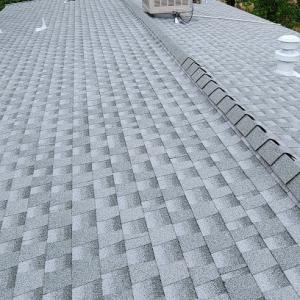
R.A.W. Roofing
(530) 515-6788 www.roofredding.com
Redding, California
5.0 from 54 reviews
Expert Roofing Services in Redding and Beyond | Over 40 Years of Excellence At R.A.W. Roofing , we are a family-owned business with more than 40 years of experience providing top-notch roofing services in Redding, Palo Cedro, Anderson, Shasta Lake City, Cottonwood, and the surrounding areas. Specializing in both residential and commercial roofing construction and repairs, we're dedicated to delivering unparalleled quality and craftsmanship. We pride ourselves on offering personalized attention ensuring every job is completed to the highest standards without passing you off to a sales team. Our commitment is to achieve complete customer satisfaction, treating every project with a unique, tailored approach that large companies can't match.
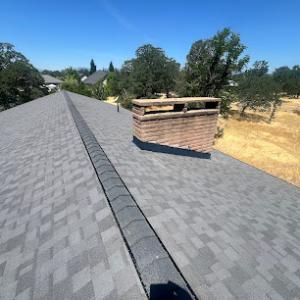
CBX Roofs
1134 Pine St, Redding, California
4.8 from 288 reviews
Roofing Experts
NorCal Roofing & Construction
(530) 338-1910 www.norcal-roofing.com
2197 Galaxy Way, Redding, California
5.0 from 24 reviews
NorCal Roofing offers superior Residential Roofing services to Shasta & Tehama Counties. Our crew consists of the highest trained roofing workers and led by Jay Nations, who has over 35 years of roofing experience. Our goal is to ensure you have a great experience when getting a new Residential Roof.

NorCal Metal Roofing
(530) 270-4113 www.norcalmetalroofing.com
1300 West St Suite #207, Redding, California
5.0 from 24 reviews
NorCal Metal Roofing specializes in installing & repairing Metal Roofs in the Northern California area.
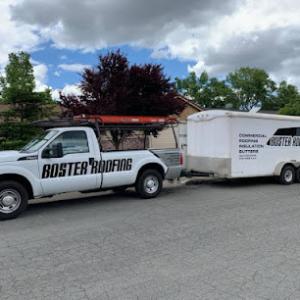
Boster Roofing
(530) 203-8053 www.bosterroofing.com
6975 Danyeur Rd, Redding, California
4.7 from 24 reviews
Boster Roofing offers the highest quality craftsmanship for both Residential and Commercial roofing.
Mast Roofing
(530) 410-0820 mastroofing.com
935 Wall St #1, Redding, California
4.7 from 24 reviews
Since 2003 we have specialized in long term energy saving, renewable solutions for flat, low sloped and other commercial roofs. We are licensed in five states including, of course, California. We demonstrate the kind of permanence you require in a roofing company with 20 plus years experience in general construction, including turn-key projects, and over 12 years as certified, licensed and bonded commercial roofing contractors.
ABC Roofing & Solar
(530) 605-3400 www.530newroof.com
2146 Pine St, Redding, California
4.4 from 48 reviews
ABC Roofing & Solar is a roofing, solar, and construction company in Redding, CA. We specialize in roof repairs, new roof installations, waterproofing, solar systems, and working with insurance companies to better support our customers. Our experienced staff is decisive and knowledgable, and we keep up with the latest trends so you don't have to. Our mission is to complete every job with excellence, integrity, and longevity, leaving any property we touch, better than we found it.
Perfection Roofing Company
(530) 223-6922 www.perfectionroofingco.com
2225 Chelsa Cir, Redding, California
5.0 from 6 reviews
Living in Northern California, our roofs endure more tension than we realize. From the hot, dry heat of summer to cold and wet winters, your roof is the most important feature of your home, as it protects everything that lies beneath from our varying climate. It is essential to select a roofing contractor with the expertise necessary to ensure your roof stays in top-notch condition. Look to your local roofing contractor at Perfection Roofing Company, and . . . “Stick With The Best!” Our talented roofing contractor has over 32 years of experience and the skill you need to get your roof repairs completed on time and within budget. Perfection Roofing Company provides nothing but the highest quality workmanship at competitive prices
Gulfeagle Supply
(530) 241-1615 www.gulfeaglesupply.com
5858 Westside Rd, Redding, California
4.3 from 24 reviews
Gulfeagle Supply is a full line distributor of residential and commercial roofing and building products that offer job site delivery to our customers.
Shasta Roofing
(530) 290-6183 shasta-roofing.com
1056 Eagle Nest Rd, Redding, California
5.0 from 4 reviews
At Shasta, we provide solutions to fit any roofing, repair, or installation budget. We are your source for residential or commercial roofing needs all over Northern California – from new construction to repairs, re-roofs, maintenance, gutters, sun tunnels, and insulation, we’ve got you covered. Shasta prides itself on communicating clearly at every step of your roofing process. Our goal is to exceed our customers’ expectations with quality work and reliable service.
Wait Roofing
(530) 221-3223 www.waitroofinginc.net
1499 Beltline Rd, Redding, California
3.9 from 20 reviews
Roofing, Repairs, Gutters, Skylights, HAAG Certified- Shasta & Trinity Counties
Above Board Construction & Roofing
1440 Hartnell Ave, Redding, California
5.0 from 1 review
Above Board Construction & Roofing provides trusted and professional roofing solutions for homes and businesses in the Redding, CA community. We are committed to a superior standard of craftsmanship, using only high-quality materials to ensure durability and lasting beauty. Our skilled team of roofing contractors delivers reliable installations, repairs, and maintenance services with integrity and expertise. You can count on us to protect your most valuable asset with meticulous attention to detail and outstanding customer service.
Redding faces a unique mix: heavy sun in the long dry season, then a wet winter that can expose hidden flaws, occasional brisk wind events, and wildfire-season smoke that gnaws at your roof's condition even without flames leaping on. This combination means roof problems often stay quiet through the heat and dry days, then come crashing into view when the rain starts and debris-plus ash and crust from smoke-piles up on the surface. If you've ignored flashing, underlayment, or venting during the summer, winter rain will make those weaknesses painfully obvious in a hurry.
When the skies finally open, attention shifts from appearance to integrity. Heavy rain stresses all the vulnerable points: underlayment, flashing around chimneys and vents, and any decking that has warped or delaminated. In Redding, you may discover ceiling spots, inside attic staining, or damp odors that point to leaks you didn't notice during the dry season. Don't assume a dry fall means everything checked out-winter rain tests the roof system in real time. If water is creeping along seams or pooling at penetrations, act fast. Start with a thorough inspection of the drip edge and gutters; where gutters are clogged or sagging, water follows new paths under shingles and into decks.
Wildfire-season wind and smoke leave a stubborn film on the roof that looks minor but can degrade performance over time. Ash and fine particulates settle into crevices, valleys, and around fasteners, and wind can drive debris into the most protected angle of the roof. The film can mask micro-cracks in shingles or metal panels, and it can accelerate surface wear in the sun-scorched valley areas. After smoke exposure, you may notice staining, a gritty feel on the surface, or accelerated granule loss in asphalt shingles. These issues don't always trigger immediate leaks, but they weaken the roof's resilience to the next rain event and wind gusts.
Start with a proactive walk-around after a rainstorm: look for daylight showing through attic spaces, loose flashing, lifted shingles, and any damp spots along eaves. If you have a steep roof or difficult access, hire a trained roofer to perform a diagnostic inspection that includes underlayment, flashing integrity, decking condition, and ventilation adequacy. Clean out and inspect gutters and downspouts; ensure downspouts discharge away from the foundation and into proper drainage. In the aftermath of wildfire season, consider a surface wash to remove soot and debris, followed by a professional inspection to assess whether ash residue has penetrated seals or valleys. If you notice any of the signs described here, address them promptly-winter leaks tend to escalate quickly once the rains resume.
Find local contractors experienced in assessing and restoring roofs after hail, wind, and severe weather events.
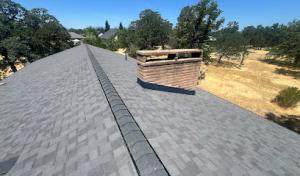

NorCal Metal Roofing
(530) 270-4113 www.norcalmetalroofing.com
1300 West St Suite #207, Redding, California
5.0 from 24 reviews
Boster Roofing
(530) 203-8053 www.bosterroofing.com
6975 Danyeur Rd, Redding, California
4.7 from 24 reviews
Asphalt shingles remain common in this area because of a lower entry cost, but prolonged UV exposure and extreme heat can shorten appearance life and accelerate granule loss on sun-beaten slopes. In the hottest months, asphalt surfaces absorb a lot of solar radiation, which speeds up aging and can lead to faster curling or cupping at the edges. On steep, sun-exposed sections, you may notice more rapid granule loss and a lighter overall look sooner than on shaded sections. Maintenance focus should be on regular inspection for missing granules, checking for exposed felt if aging progresses, and keeping nearby trees pruned to reduce shade-induced blistering or accelerated wear from leaf buildup. When selecting a shingle, consider those with higher albedo coatings or reflective granules designed for hot climates, and plan for periodic replacement sooner on southern or western exposures.
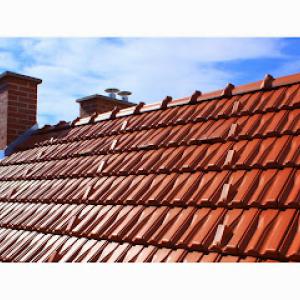
Tile roofs are a common choice for Northern California homes, and they perform well against heat and sun when properly installed. Attention to underlayment aging is critical, because heat and UV can degrade the underlayment over time, reducing wind uplift resistance and moisture protection. In Redding, roof loading matters during replacement planning and permit review, since tile weights can be substantial and require structural checks or added framing. Pay particular attention to flashing and ridge venting; heat gains near roof penetrations can accelerate separation if fasteners loosen with age. Tile surfaces stay cooler when well ventilated and when the underlayment and attic space are kept reasonably dry and ventilated. For long-term performance, an integrated water barrier and robust underlayment system make a noticeable difference in wildfire-prone conditions and in maintaining a roof's structural integrity after heavy rains or embers.
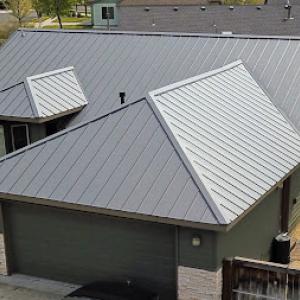
Metal roofing is often considered for heat, fire, and longevity reasons. In this setting, metal reflects a significant portion of sunlight, keeping attic temperatures lower and reducing thermal transfer into living spaces. The durability against wind uplift also matters in gusty conditions that accompany heat waves. When choosing metal, look for coatings with high reflectivity and baked-on finishes that resist UV degradation. Seams and fasteners should be inspected regularly for corrosion or loosening after long dry spells followed by sudden rain. Fire resistance is a practical benefit, particularly in wildfire-prone periods, but ensure proper clearance, venting, and a rated underlayment are part of the system to preserve performance through ember exposure and heavy debris loads.
Wood shakes/shingles raise more fire-related concerns than they would in lower-risk markets. In a fire-prone environment, selecting treated or Class A fire-rated options helps, but radiant heat and continuous UV exposure still accelerate aging. Regular inspections should focus on checking for splitting, cupping, and surface checks that worsen with sun exposure. Wood systems demand diligent maintenance of clearances around chimneys, vents, and eaves to reduce ember ignition risk. In areas with intense sun, darker wood tones may show weathering more quickly, while lighter finishes may help mitigate heat absorption. Consider periodical re-sealing or stain treatments to slow surface drying and cracking, and plan for more frequent replacement cycles in exposed ridgelines or southern-facing slopes.
Synthetic or composite shingles balance UV resistance with color stability and tend to resist fading better than traditional asphalt. In the heat of a dry season, composites can maintain their appearance longer and resist granule loss more effectively than some standard shingles. Look for products with UV stabilizers and heat-reflective caps that help curb absorption on sun-rich slopes. The longevity of composites also depends on proper installation, vapor barriers, and wind-rated underlayment. In wildfire exposure scenarios, selecting non-combustible or fire-retardant cores can offer added peace of mind, while maintaining aesthetics and performance under high heat and ember loads.
When you're budgeting a roof replacement, the numbers you'll see in Redding cluster around established local ranges. Asphalt shingles run roughly 350 to 650 USD per square, a practical baseline for a heat- and UV-heavy climate where stay-tight overhangs and reflective options matter. Metal roofs sit higher, at about 700 to 1100 USD per square, reflecting longer life and strong resistance to the valley heat. Clay tile lands in the 900 to 1500 USD per square band, with concrete tile from 750 to 1200 USD per square. Wood shingles or shakes fall in a 600 to 1100 USD per square range, and synthetic or composite shingles sit around 650 to 1000 USD per square. These figures align with the Sacramento Valley's demand curves and the region's premium on durable underlayment and heat-smart assemblies.
In Redding, costs can rise when summer demand concentrates projects into dry installation windows and when winter weather compresses scheduling capacity. If your contractor can only start during a narrow window in mid-summer, you may see a premium to secure a slot and maintain the project pace through the hottest part of the year. Conversely, winter deliveries and cold-weather setbacks can compress crews and push labor costs upward or extend the timeline, which indirectly affects the overall price. Plan ahead to align your replacement with a stable, dry period to minimize surprises.
Tile and other heavier systems can add cost locally because plan review and replacement scope may focus more closely on underlayment, roof load, and related assembly details. If you're upgrading to clay or concrete tile, expect extra attention to structural support, fastener patterns, and ventilation, all of which influence the final price. Even with standard asphalt or metal, the heat and sun in this climate drive the need for reflective or cool-roof options, which can adjust material selection and installation methods.
To keep costs predictable, get multiple written estimates and ask for a line-item breakdown that highlights underlayment, vents, and fasteners, especially for heavier systems. Confirm that the proposal accounts for extra UV-rated underlayment and any coatings or reflective granules designed to extend life in intense sun. If a heavier system is chosen, verify that the contractor has a clear plan for load considerations and any necessary structural upgrades. In Redding, choosing the right combination of material and installation details can directly translate to longer life and lower upkeep in extreme heat.
Don't let upfront costs delay a critical repair - these contractors offer payment plans to fit your budget.
Tugwell Roofing Co. - Redding Roofing Company
(530) 222-9983 www.tugwellroofing.com
Serving
4.8 from 191 reviews
In this area, a building permit is typically required for a full roof replacement, and the City of Redding Building Division handles permit issuance. Before work begins, you'll submit plans that show underlayment choices, fastener types, and any reflective or ignition-resistant materials you intend to use. The permit isn't a mere formality; it ties your project to local climate realities-heat, sun exposure, and wildfire risk-and helps ensure the installation can handle the heat loads and wind-driven embers that can occur in a Sacramento Valley summer. Expect the process to take a bit of time if your drawings don't align with code, or if the division needs clarifications tied to your home's specific structure and roof deck.
Local review commonly focuses on underlayment, roof load, and fire code compliance rather than treating re-roofing as a purely cosmetic swap. For a job in this climate, the plan reviewer will look at whether the underlayment is appropriate for peak summer temperatures, how fasteners secure the chosen material against uplift, and whether venting and attic insulation remain balanced after installation. If wildfire risk is a concern in your neighborhood, be prepared to demonstrate ignition-resistant components and manufacturer-approved details for hips, ridges, and transitions. The intent is to avoid lightweight installations that fail under extreme sun or ember exposure, not to complicate routine replacements.
Inspections occur at key installation milestones and at final completion, and scheduling can be affected by inspector availability and weather delays. Have clear access to the roof and interior spaces, protect opened areas from rain during demonstrations of proper flashing and sealants, and keep a log of milestones handy for the inspector. Mid-summer heat, unexpected storm windows, or busy inspection calendars can push timelines, so anticipate some flexibility and notify the Building Division promptly if weather or access concerns emerge.
Redding homeowners are operating in a California insurance environment shaped by wildfire exposure, wind, and hail claim activity, which affects roofing documentation and underwriting. In this market, insurers scrutinize how a roof was installed, how it's been maintained, and whether the chosen materials stand up to extreme heat and UV exposure. When a policy review rolls around, you may be asked for a clear timeline of roof repairs, maintenance records, and proof of proper venting. Be prepared to show a consistent maintenance history and to document weather-related impacts before a claim is considered.
Insurers may require detailed damage photos, thorough records, and sometimes adjuster site visits before approving roof-related claims in this market. Photos should capture close-ups of edges, flashing, hips and valleys, attic evidence of leaks, and any signs of heat buckling or UV degradation. Keep a dated file of receipts for any previous roof work, including material choices and contractor notes about UV exposure and wildfire considerations. In areas with higher wildfire risk, insurers may emphasize the condition of underlayment and venting as part of the claim review, so meticulous records pay off.
Wildfire risk has contributed to more restrictive underwriting in parts of California, so roof material, age, and condition can influence insurability more directly than in lower-risk regions. If a roof shows multiple recent heat-related stresses or intervals of ash exposure, expect tighter scrutiny. A durable, heat-reflective finish and well-sealed flashing aren't just maintenance choices; they can shift how an insurer views long-term risk. When considering repairs or replacements, anticipate conversations around whether the roof will meet higher endurance expectations in upcoming fire seasons.
Keep a current, labeled photo library organized by year and event, including any wind, hail, or ember exposure. Maintain clear records of contractor assessments that explicitly note how heat and sun have aged roofing components. If a claim is anticipated, contact the insurer early to confirm required documentation and preferred formats. A proactive approach reduces delays and helps ensure that the roof's condition is accurately represented during underwriting.
Connect with contractors who help homeowners navigate the claims process from damage assessment to final approval.
NorCal Roofing & Construction
(530) 338-1910 www.norcal-roofing.com
2197 Galaxy Way, Redding, California
5.0 from 24 reviews
Local contractor signals show Redding homeowners most often encounter firms that emphasize quick response, re-roofing, cleanup, and affordability. In practice, that means you'll hear promises of rapid access after storms, efficient tear-off and installation windows, and a clean job site day after day. The best teams balance speed with attention to flashing, ventilation, and the heat-impacted life of a roof in the Sacramento Valley sun.
The market includes a meaningful mix of long-established and family-owned firms, which matters in a city where homeowners often want continuity through permits, inspections, and post-job service. When you call, ask who will be onsite for the critical phases (tear-off, deck inspection, and final inspection). A contractor with a stable crew and repeat clients tends to handle follow-up concerns and weather-related adjustments more smoothly.
Because both residential and commercial roofing are common here, homeowners should confirm that a contractor's strongest experience matches the roof type and replacement scope they actually need. You'll find firms whose bread and butter is tall commercial systems or low-slope roofs, and others that excel with asphalt, metal, or tile on single-family homes. Check references for projects similar to yours in size, material, and exposure to sun and heat.
When evaluating candidates, prioritize those who outline a clear sequence: contingency planning for hot-weather days, a defined tear-off plan, precise material matching, and a documented cleanup protocol. Ask for a written timeline that accounts for the intensity of summer heat and the wet season's constraints. For continuity, favor contractors who demonstrate a track record of dependable post-job service and accessible follow-up.
Remember that heat, sun, and wildfire exposure drive material behavior here. A reputable local contractor will have material recommendations aligned with your home's exposure, attic ventilation status, and the likelihood of rapid weather changes. Choose a firm that can explain how their installation approach protects against heat-related shrinkage, UV degradation, and wind-driven debris.