
Last updated: Apr 19, 2026
Red Bluff sits in the northern Sacramento Valley, where prolonged hot, dry summers expose roofs to intense sun and sustained heat. The daily temperature swing between hot days and cooler nights creates thermal cycling that accelerates aging of shingles, stress on underlayment, and expansion-contraction cycles in roof deck components. In this setting, the roof surface endures more UV exposure than many other parts of the year, which can dry out and embrittle some shingle types faster than anticipated. The combination of heat, sun, and repeated cooling at night means the roof ages not just from covering rain but from repeated stress cycles across seasons. This is especially noticeable on roofs with shallow slope or traditional asphalt shingles, where the topmost layer sees the brunt of sun and heat first. The cumulative effect tends to show up as curled edges, loss of granules, and faster-than-expected color fading, which can clue you into more widespread wear if left unchecked.
In this climate, material selection matters as much as installation details. Asphalt shingles perform well in the heat when a higher-quality, UV-stable granule mix is used and when proper ventilation is in place to relieve heat buildup in the attic. Metal roofing can handle high heat and UV well, but it benefits from a reflective coating and a well-ventilated attic or roof cavity to prevent heat soak in the air gap below. Clay and concrete tile can tolerate heat and UV but are heavier and require a careful structural assessment to ensure the deck can support the load, especially on older homes. If a roof breathes and sheds heat effectively, it stays cooler at the surface and the underlying underlayment lasts longer. Wood shingles or shakes need particular attention to UV weathering and moisture cycling; without proper maintenance, this option can crack or cup more quickly in the Red Bluff sun. Synthetic or composite shingles offer UV resistance and consistency, but still benefit from proper airflow and adequate attic ventilation to manage temperature swings. When selecting materials, prioritize products with proven UV stability and thermal cycling performance for northern valley conditions, and coordinate with a local installer who understands how Red Bluff summer conditions affect installation details.
During the hot season, installation can be technically feasible, but heat can slow crews and affect sealant curing and adhesive performance. The dry-season window is favorable for project timing because there's less rain risk and more predictable weather, yet extreme heat can still impact pace. Plan for early-morning start times to avoid peak heat and allow for mid-afternoon rests for crew safety and material handling. Ensure the roof line is closed up with breathable underlayment and proper ventilation before the peak heat sets in, so you don't trap heat inside your attic. If a reroof is scheduled in the heart of summer, coordinate with the crew to carry extra water, shade the vulnerable edges, and schedule critical nailing and sealing steps during cooler hours when possible. Contractors who understand Red Bluff's heat cycles will stagger certain tasks to avoid heat soak on underlayment and fasteners, reducing the risk of edges curling or mis-sealing.
Thermal cycling stresses both the exterior and interior components. Adequate attic ventilation is a must to relieve heat buildup and minimize transfer to shingles and deck sheathing. Ridge vents, soffit vents, and balanced intake-exhaust strategies help keep temperatures down and moisture where it belongs. The underlayment should be rated for prolonged heat exposure and compatible with the chosen roofing material. In hotter afternoons, a mis-torqued or poorly seated underlayment can begin to delaminate or lose grip, especially on older homes. A well-ventilated roof cavity also reduces the risk of blistering, which can appear after a long, hot day when the sun bakes through the roofing material.
Expect aging signs to appear sooner under sustained sun: granule loss, color fade, and occasional curling at the edges. After heat waves or intense UV periods, perform a quick walk-around to look for lifted edges, loose flashings, or gaps around vent pipes. A proactive maintenance plan-clean gutters to prevent water backup, reseal flashing as needed, and schedule a mid-life inspection before winter storms return-helps catch issues before they threaten the roof's structure. If you notice unusual soft spots, leaks, or persistent creases after a heat event, call a local roofer to evaluate the decking and underlayment integrity. In Red Bluff, recognizing heat-induced wear early is the best defense against more costly repairs down the line.
On the urban edge and in the vegetated pockets surrounding Tehama County, properties face a real and growing wildfire risk that directly affects roofing decisions. The heat of Sacramento Valley summers and the pattern of wildfire events create conditions where embers can travel long distances and ignite rooftops well before flames arrive. In this area, a roof isn't just a weather shield-it's the first line of defense against ember intrusion, radiant heat, and rapid fire spread. The choice of roof system, flashing, ventilation strategy, and overall material performance must reckon with the possibility of sustained exposure to embers during a fire season and the need for rapid post-fire recovery. A roof that performs under these conditions protects occupants, preserves the home's structure, and reduces the long-term risk of loss.
During the permit review window, attention to fire-safety compliance isn't cosmetic-it guides what goes on the roof. Underlayment that resists ignition, solid installation with proper overlaps, and correctly flashed edges are essential. Ventilation plays a critical role: a well-vented roof assembly reduces heat buildup in attic spaces, lowers the chance of heat-driven material breakdown, and minimizes the likelihood of smoke-driven embers finding a foothold. Fire-related requirements, such as ember-resistant designs and rated components, shape the materials chosen and how they're installed. In practice, this means coordinating with the roof system design to ensure that fasteners, edging, and accessories maintain a continuous barrier against embers and radiant heat. The goal is a cohesive assembly that stands up to a rare but devastating event, while also performing reliably through normal seasonal stress.
Wildfire season can interrupt roofing work locally by increasing windblown debris, limiting safe work conditions, and complicating tear-off and disposal. Gusty days carry ash and embers that can lodge in gutters, on decks, and between shingles, creating hazards for workers and homeowners alike. Debris networks around the jobsite can slow progress and demand extra cleaning and containment measures. Tear-off becomes more complex when existing shingles or tiles loom as potential ignition sources during an active fire season, and disposal must be handled with care to avoid transporting embers off-site. Planning around weather windows, securing the site, and coordinating cleanup logistics become every bit as critical as the material choice itself to prevent setbacks or injuries.
Choose materials with ember resistance ratings and a track record of withstanding heat cycling in dry, sun-soaked conditions. Prioritize roof assemblies that emphasize a continuous ignition barrier, properly sealed edges, and robust attic ventilation to minimize heat soak. When evaluating underlayment, look for products designed to resist fire exposure and maintain integrity under ember impact. Ensure fascia, soffits, and vents are integrated into an overall fire-resistant strategy rather than installed as standalone features. Regular maintenance matters: clear debris from gutters and roof zones that can collect embers, and inspect for signs of heat damage after extended dry spells or wind events. In areas where wildfire exposure is highest, consider proactive upgrades that reduce ignition risk, reinforce critical connections, and keep the roof system resilient through the most challenging seasons. A proactive, ember-aware approach now pays dividends when the worst weather arrives.
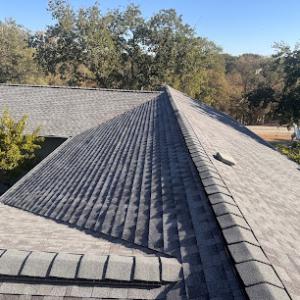
Kingdom Roofing
(530) 736-2813 kingdomroofing.org
12845 Glasgow Dr Unit 2, Red Bluff, California
4.9 from 79 reviews
Kingdom Roofing is a licensed, local roofing contractor proudly serving Red Bluff, Redding, Chico, Anderson, and surrounding Northern California areas. We specialize in residential asphalt shingle roof installations, offering durable materials, reliable warranties, and friendly, professional service you can trust. We also provide Standing Seam Hidden-Fastener Metal Roof Systems, Duro-Last® Commercial Roof Systems, Full Residential or Commercial Gutter Systems , Silicone Roof Coatings, Skylight/SunTunnel installations, Polyurethane Spray Foam Roof Systems, and Roof Repairs. Our team is committed to honest communication, quality craftsmanship, and clean job sites on every project. CSLB #1084567 — Call today for a free, no-pressure estimate.
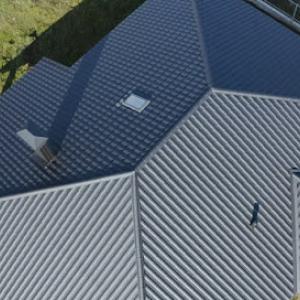
Daniel's Roofing
(530) 736-0952 danielsroofing.co
2035 Stonybrook Dr, Red Bluff, California
4.9 from 35 reviews
Daniel's Roofing is a licensed roofing contractor in Red Bluff, CA and serving the north state. Our north state family of journeymen roofers have been providing top-quality roofing solutions for residential and commercial clients for over two decades. We pride ourselves on our commitment to customer satisfaction and delivering exceptional results. Daniel's Roofing offers services that cater to all roofing needs: roof removal, roof installation, roof replacement - composition shingles, metal roofing, tile roofing, spray foam roofing, silicone acrylic and elastomeric roof coatings, fire treated wood shingles, roof inspections, seamless gutters, and gutter guard installation. Daniel's Roofing - 3 generations working hard to protect your home!

Boster Roofing - Redding Roofing & Insulation Company
(530) 365-7101 bosterroofing.com
Serving
4.8 from 63 reviews
Boster Roofing provides residential & commercial roofing & insulation installation services for new construction, remodel, emergency repair and re-roofing jobs.
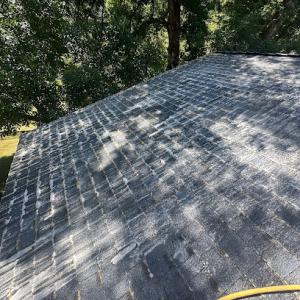
Shingle Shield USA
(530) 356-5001 www.shingleshieldusa.com
Serving
5.0 from 18 reviews
Shingle Shield USA: Your Premier Roof Rejuvenation Experts Shingle Shield USA specializes in rejuvenating and protecting roofs, offering top-tier services designed to extend the life and enhance the performance of your roofing system. Using advanced acrylic-based polyurethane coatings, we restore flexibility, seal cracks, and provide superior UV protection to your shingles. Our comprehensive solutions include roof tune-ups, new gutter installations, and high-quality gutter guards, ensuring your home remains well-protected against the elements. With a focus on quality, durability, and customer satisfaction, Shingle Shield USA is dedicated to preserving the integrity and beauty of your roof.

Sprague Roofing
(530) 945-2116 sprague-roofing.com
Serving
5.0 from 10 reviews
New Construction, Reroof, Layover, Repairs, Maintenance.
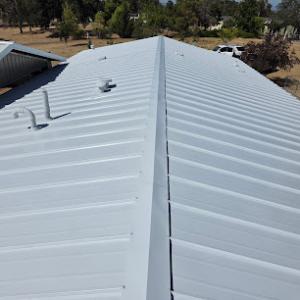
Bowman Roofing
Serving
4.7 from 9 reviews
Veteran owned, Small business, Local family man.
Asphalt shingles are the workhorse for many homes in this area. They go on quickly and blend well with the local rooflines. But in the Sacramento Valley heat, they're more vulnerable to UV-driven granule loss and faster aging from steady valley heat. Expect faster granule loss on south-facing slopes and more frequent inspections for edge wear after a hot season. If you already have asphalt, you can mitigate some wear with reflective granules or a cool-to-mid color choice, careful ventilation, and an underlayment that helps manage heat transfer. A roof with ample attic ventilation will slow thermal cycling, which helps limit the micro-cracks that UV rays encourage on asphalt. When considering a re-roof, plan for a look that keeps the integrity of the shingles while emphasizing UV resistance and heat tolerance.
Metal roofing handles intense sun well and resists the cycle of extreme daytime heat and cool nights. It remains one of the most durable choices for a home at the edge of wildfire zones, where ignition risk and insurance considerations often shape upgrade decisions. Metal panels or shingles reflect more sun, stay cooler, and resist the granule loss that shingles suffer in this climate. The upfront weight and installation details matter on mid-century or older structures, but metal can reduce roof temperatures and minimize expansion-contraction damage over time. If wildfire risk or insurance pressure is a factor, metal often provides a clearer long-term performance story, with careful attention to fire-rated underlayment and proper edge trim to keep it weather-tight in winter rain events.
Clay and concrete tile fit many Northern California home styles you'll see around town, and they're eye-catching when paired with the right color and profile. They also handle heat well and stay relatively cool under sun exposure. However, their added weight can matter on older structures during reroof planning. Proper structural assessment is essential before switching to tile, especially if the existing framing wasn't designed for heavier cessation. Tile roofs need precise support, good attic ventilation, and careful seam work to keep them watertight during those winter rain events. If you're aiming for a classic look with long life in mind, tile can be a compelling choice, but verify compatibility with the house's structural condition and consider reinforced framing if your attic space and joists are marginal.
Wood shingles or shakes bring a distinctive texture that complements many traditional Red Bluff homes. They perform well in dry periods with proper ventilation but can be a maintenance challenge in wet winters. Thermal cycling accelerates shrink-swell patterns, which can open tiny gaps over time. If heat and UV are a primary concern, wood will require more frequent treatment for decay resistance and UV protection, especially on exposed slopes. When choosing wood, consider species with better fire resistance ratings and speak to a roofer about spacing and underlayment that minimize moisture woes while preserving the rustic aesthetic.
Synthetic or composite options try to combine the best of both worlds: heat tolerance, light weight, and enhanced resilience against UV wear. They can emulate the look of traditional materials while offering improved resistance to sun-driven aging. For homes facing strong sun and thermal cycling, these shingles provide a practical middle path, with the potential for longer service life and less high-maintenance care than some traditional options. They're worth evaluating if a balance between appearance, heat performance, and upkeep is a priority and if the structure is ready to support a newer, lighter, or more flexible shingle profile.
Red Bluff's cooler, wetter winter season makes leak exposure more obvious and often reveals failures that were masked during the dry months. A roof that looked solid under summer sun can start showing tired underlayment, shaved nails, or loose shingles when the first sustained rain hits. The increased thermal cycling from warm days and cool nights accelerates hairline gaps and ridge vent issues. If a patch held through fall, a winter shower can expose whether that fix held under real moisture and pressure. You should expect to see rotted decking, staining on ceilings, or damp spots that weren't previously noticeable, especially on older or lower-slope sections.
Winter storms and heavy rainfall in the area can delay tear-off, dry-in, and inspection scheduling for reroof projects. Contractors often juggle weather windows, and extended wet spells push work into tighter days with higher risk of new exposure before the roof is fully sealed. That delay can leave vulnerable decks, attic spaces, and interior ceilings exposed longer than ideal. If shingles or underlayment already show wear, a sudden week of rain can complicate access, safety, and staging for crews. Plan for potential interruption and communicate urgent concerns early so temporary protections can be placed where needed.
Because the city has a pronounced dry season, homeowners in Red Bluff benefit from planning replacements before winter weather returns. A measured schedule that targets the late spring through early fall lull helps ensure a clean tear-off, thorough drying, and proper drying-in before any late-season moisture arrives. Use the months of relative calm to check attic ventilation, reseal penetrations, and address flashing around chimneys and vents. If you notice active leaks, damage, or widespread granule loss, address those signs promptly rather than waiting for a dry-to-wetter pattern to repeat, because the next winter cycle may again reveal what the summer months kept hidden.
Provided local cost ranges are Asphalt Shingles 450 to 750 USD per square, Metal Roofing 700 to 1200, Clay Tile 1000 to 1800, Concrete Tile 900 to 1500, Wood Shingles/Shakes 600 to 1200, and Synthetic/Composite Shingles 450 to 800. In Red Bluff, costs can rise when crews must work around extreme summer heat, wildfire-season disruptions, or winter rain delays that reduce scheduling efficiency. Those factors push crews to add temporary cooling, water access, or weather contingency days, all of which show up in the bottom line. Material choice matters locally because tile systems may increase structural and labor demands, while heat- and fire-conscious upgrades can shift homeowners away from the lowest-cost options.
Asphalt shingles stay the most common entry point in older homes, with predictable installation windows when the clock is not screaming hot. In a high-UV, thermal-cycling climate, expect higher long-term wear from heat cycles and more rapid granule loss if a lighter roof is used. Metal roofing offers durability and reflective benefits that help curb cooling loads, but installation can be more precise and may require stronger supports to handle panels, especially on mid-century footprints. Clay and concrete tiles bring excellent fire resistance and heat stability, yet they demand solid framing and careful layout-think longer lead times and bigger crews, especially if the house has nonstandard angles. Wood shingles/shakes deliver a classic look but can shorten life in wildfire-prone zones unless treated and installed with fire-conscious clearances. Synthetic/composite shingles aim to balance cost and UV resistance, yet the performance hinges on product line and warranty specifics. Each choice carries a different risk profile during heat waves and wildfire seasons, so trade-offs should be weighed against insurance considerations and long-term energy performance.
Heat and smoke conditions can slow crews, driving labor hours higher versus milder seasons. Winter rain delays compress the number of workable days, often bumping project start times into shoulder periods with higher demand. When a reroof happens during peak heat or wildfire windows, expect premium pricing for extended safety measures, temporary cooling, and more frequent material handling breaks. Budget a contingency of 5-15% for weather-related delays that ripple through logistics, deliveries, and crane or equipment access.
Start with a rough square-count estimate and map it against the local ranges listed above to gauge plausible material choices. Next, assess roof structure and framing: tile systems will push structural and labor demands higher, while lighter shingles may suit marginal rafters but offer less heat resilience. Consider upgrading underlayment, ventilation, and ridge caps to improve heat dissipation and fire resilience, which can shift the overall cost but improve long-term performance. Finally, discuss heat- and fire-conscious upgrade options with the contractor to avoid defaulting to the lowest upfront price when the home sits in an insurance-affected boundary area and in wildfire-prone terrain.
A full reroof in Red Bluff typically requires a permit through the Red Bluff City Building Department or Tehama County, depending on jurisdiction. The local climate-hot Sacramento Valley summers, UV exposure, and winter rain events-means inspections often emphasize a sound ventilation plan, proper underlayment, and fire-safety considerations. Understanding who issues the permit (city versus county) before work begins helps avoid delays when you're mid-project.
The process generally begins with gathering project details: roof type, square footage, and a brief description of the proposed materials and any vent or chimney work. Submitting these details to the appropriate agency triggers the review. After review, you'll pay permit fees and receive a permit number. Scheduling inspections happens during installation (rough-in stages) and after installation, when the final touch-ups are complete. Having a clear plan for attic ventilation, roof-to-wall interface, and underlayment choices speeds up the review.
Inspection emphasis in this area often centers on ventilation adequacy and underlayment compatibility with chosen roofing material, ensuring proper drip edge and flashing details, and confirming fire-safety measures meet local code expectations. For projects at the urban edge or in wildfire-prone zones, inspectors pay especially close attention to ignition-resistance details, proper clearance around vents, and chimney flashing. Ensuring these elements are clearly documented in the permit package can prevent rework during inspections.
A final inspection closes the permit. This visit confirms that the roof installation matches the approved plans, all penetrations are properly flashed, and ventilation paths function as intended. After passing, the permit is closed, and the project can proceed without lingering compliance concerns. Keep a copy of the final inspection report for your records and for any future property transactions.
Wildfire exposure inland Northern California has nudged underwriting tighter, and Red Bluff homeowners are feeling the ripple effect. The heat, strong summer UV, and the region's seasonal wildfire risk can influence how carriers view roof health and renewal potential. When a policy comes up for renewal, an insurer may scrutinize the roof's age, condition, and resilience to heat cycling before extending coverage or approving a replacement scope. The result can be surprises at the worst possible moment, especially if a storm or ember exposure threatens the structure.
In this climate, carriers commonly request detailed roof documentation, prior claim history, and professional estimates before moving forward with replacements or continued coverage. The goal is to ensure the roof can withstand ongoing thermal cycling, wind, and potential ember intrusion. Documentation that shows a well-maintained roof and a clear plan for any needed repairs can help keep a policy from being more restrictive or callbacks from the insurer. Expect requests to verify roof age, original materials, and any retrofit work that may reduce risk.
After damaging events, timely, precise documentation matters. Carriers may send adjusters to verify the extent of damage on-site, so having date-stamped photos and a contractor's findings ready can streamline the process. Replacement timelines should reflect realistic work sequences, including weather windows and material availability, since delays can impact coverage decisions and renewal terms. For homeowners, compiling a straightforward record-photos taken at the time of loss, notes from a qualified contractor, and a clear schedule-helps protect the continuity of coverage when the insurer reviews the claim.
Keep a well-organized file with roof type, age, and any past repairs, along with recent photographs showing both the overall roof and close-ups of vulnerable areas. After a damaging event, document the roof's condition and the proposed scope of work from a licensed professional. When requesting estimates, ensure the contractor notes heat-related wear and any anticipated future issues tied to thermal cycling. By staying proactive with documentation, homeowners reduce the chance of coverage gaps triggered by policy reviews during renewals.
In Red Bluff, asphalt roofs commonly show accelerated brittleness, curling, and granule loss from prolonged UV exposure and heat. The sun gnaws at shingles year after year, turning edges brittle and making the surface more prone to micro-cracks. If you notice premature curling or a dusty, granular feel on sidewalks or gutters, plan a careful inspection of the visible surface and edges near eaves. Replace severely damaged areas promptly, and consider UV-blocking additives or reflective coatings if your chosen material tolerates them, especially on roofs with southern exposure.
Seasonal thermal cycling in the area can stress flashing transitions and underlayment even when the roof surface still looks serviceable from the ground. Repeated swings between hot days and cool nights push sealants, joints, and turns to fatigue. Check around chimneys, vent pipes, skylights, and transitions where two materials meet. Look for hairline gaps, blistering, or dried sealer beads. If a flashing joint flexes or leaks after rain, treat it as a warning sign and address it before the next season's heat spikes.
Debris and wind during wildfire season can create localized damage points and maintenance issues that are distinct from winter leak problems. Ponderosa cones, fine ash, and pine needles can accumulate in valleys and on ridges, clogging gutters and vent paths. This debris adds weight and moisture retention that accelerates wear at ridge lines and eaves. Maintain a regular clean-out schedule, secure loose components, and inspect for small punctures or lifted shingles near wind-blown zones after strong gusts.