
Last updated: Apr 19, 2026
Dickinson homeowners face a roofing decision pattern heavily influenced by hail and wind activity in southwest North Dakota, not just age-related wear. The prairie climate delivers sudden hail bursts, then days of sun that push roof surfaces through rapid drying and rewetting. That cycle sharpens the risk of unseen damage after every storm, even when shingles look intact from the ground. When the sky finally clears after a hail event, the clock starts ticking on moisture intrusion and accelerated wear beneath the surface. Your decision window is driven by storm timing, not a calendar age, and waiting too long invites compounding damage and diminished replacement options.
Spring hail and variable rain are a local disruption point, often creating both immediate leak concerns and insurance-driven replacement backlogs. You can expect a surge of claims after the first warm spell and a new round of storms. Even small leaks in spring can signal larger hidden damage underlayment and edge details that frost and wind have already stressed. Do not let a damp ceiling or stained attic ruin your judgment about the roof's overall health. In this climate, a fast, accurate assessment beats hoping a dip in temperature will seal the issue. The goal is to separate cosmetic shingle wear from structural compromise that will fail in the next freeze.
Insurers in the Dickinson area commonly expect detailed storm documentation, including pre- and post-installation photos and a licensed contractor assessment. Gather clear, timestamped photos showing hail impact patterns on surfaces, gutters, and flashing, plus any deformations or lifted shingles. After a storm, document attic temperature changes, roof deck moisture, and any sagging or unusually creased sheathing you can access safely. A licensed contractor assessment should describe the roof's current condition, especially any wind-lifted areas, hail bruising, or compromised underlayment. This precision saves back-and-forth with adjusters and helps you secure the right remedy quickly.
In a neighborhood where storms arrive with little warning, timing your claim is part of the strategy. Do not wait for another round of weather to validate your damage; that next event could complicate the assessment or be used to argue preexisting wear. Contact your insurer as soon as you can safely document the damage. Coordinate with a licensed contractor who can provide a professional assessment aligned with what the adjuster will expect: photos from the exact storm date, a dated scope of work, and a clear delineation of what qualifies as hail or wind damage versus ordinary wear. If your roof has multiple layers or mixed materials, insist on a unified assessment that covers all layers exposed to storm impact.
Right after a hail event, perform a cautious roof check from the ground with binoculars if safe, and then schedule a rapid, thorough inspection. Prioritize areas prone to impact-edges, valleys, and flashing corners-where wind-lift and hail bruising are most common. Protect vulnerable interiors by tarping if leaks appear, but avoid walking on a damaged roof in icy or windy conditions. Call your insurer to start the claim, and line up a licensed contractor who can provide the storm-specific documentation requested. Remember: timely action protects you from prolonged moisture intrusion and aligns your repairs with the insurer's expectations for a fair settlement.
Dickinson's harsh winters and repeated freeze-thaw cycles take a toll on aging shingles, flashing, and penetrations. When water in the roofing assembly freezes, it expands and can push against seams and fasteners. Over multiple cycles, this pries apart seams, loosens flashing around vent pipes and chimneys, and accelerates small leaks into noticeable water entry. Shingle granules may shed more quickly after repeated subfreezing conditions, leaving the roof surface less capable of shedding ice and water. In practical terms, a roof that looked sound after autumn storms can become vulnerable to slow leaks once temperatures swing below and above freezing again, especially where roof penetrations meet vents, skylights, or boundaries between roofing materials.
Snow and ice are not just cosmetic nuisances on the roof; they contribute to hidden damage that can worsen during a long North Dakota winter. Ice dams form when heat escaping from the attic melts a strip of roof edge and refreezes as it reaches the colder eaves, forcing meltwater backward under shingles. In Dickinson, where cold snaps are common, this pattern repeats year after year, increasing the chance of interior staining, ceiling bulging, or mold growth if leaks are not found quickly. Freeze-thaw cycles can also cause flashing to shift subtly, creating small gaps that water can exploit during storms. Active repairs may stall when the thermometer dips, so the risk is that minor vulnerabilities become more serious simply because access and conditions aren't ideal for work. Pre-winter inspections help you head off these issues before temperatures collapse.
Replacement timing in this market is strongly seasonal, with late spring through early fall being the preferred installation window. The goal is to complete work before the first hard freeze, when cold temps, wind-driven snow, and ice adjoin the roof surface and any lingering vulnerabilities. If a full replacement must happen, scheduling it into the calmer shoulder seasons reduces the chance of weather-driven delays. For repairs, working during the milder days of late spring or early fall gives crews a better chance to seal penetrations and reseal flashing without the heavy snow burden. If a roof shows progressive deterioration after a hailstorm or a harsh wind event, plan for maintenance within those windows to minimize the odds of weather-induced standstills.
From a homeowner's perspective, keep an eye on the roof's edge and near every penetrations point during the shoulder seasons. Look for lifted shingles, loose or popped flashing, and gaps around vent pipes after heavy winds or hail. Note any staining or damp spots on ceilings that align with a roof line, and treat those findings as active warnings rather than cosmetic concerns. In the deep cold, even a small leak can freeze and expand inside the attic, compromising insulation and increasing ice dam risk next winter. Regular, proactive inspections in the months leading into winter can catch brittle shingles and marginal flashing before the next freeze-thaw cycle compounds the damage.
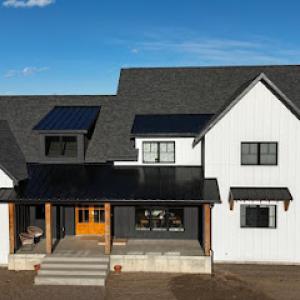
HighPoint Construction
(701) 590-2009 highpointconstructionnd.com
11476 Hwy 10 Ste 6, Dickinson, North Dakota
5.0 from 79 reviews
HighPoint Construction is a trusted roofing company committed to delivering top-quality craftsmanship and exceptional customer service. We specialize in roofing solutions that are built to last, ensuring every project meets the highest standards of durability and integrity. At HighPoint Construction, our customers are our top priority—we take pride in honest communication, reliable service, and a job done right the first time. Whether it’s a new roof, repairs, or storm damage restoration, we stand by our work, providing North Dakota homeowners with roofing they can depend on.
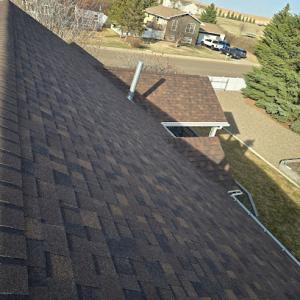
Joe M Contracting
(701) 290-6687 joemcontractingllc.contractorplus.com
927 3rd Ave E, Dickinson, North Dakota
4.6 from 22 reviews
Joe M Contracting delivers quality flooring and roofing services with guaranteed customer satisfaction across North Dakota and South Dakota. This licensed and insured local contractor was established in 2023 and serves clients who value competitive rates, free estimates, and superior craftsmanship. Joe M Contracting offers a commitment to customer satisfaction through ongoing service until 100% satisfaction is achieved.

River City Roofing
(701) 425-2196 www.rivercityroofingnd.com
118 3rd Ave W, Dickinson, North Dakota
5.0 from 1 review
River City Roofing is a roofing, siding, and gutter company serving North Dakota since 2009. We've completed thousands of roofs; from storm restoration to custom standing seam metal. We are a trusted and dependable choice for your roofing, siding, and gutter needs. We are proud to offer quality customer service, with quick response times, and superior craftsmanship. Our company standards and dedication to our clients set the bar high, making anything less than perfect unacceptable. Financing is available. If you’re in North Dakota and have roofing concerns, contact River City Roofing today! We specialize in both commercial and residential work, making us the perfect roofers for your next job.
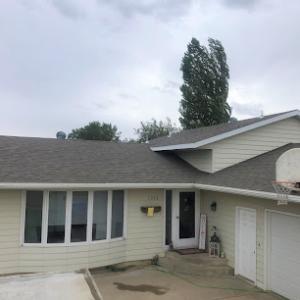
Top Hat Roofing Company
(701) 690-5677 tophatroofingcompany.com
Serving
5.0 from 3 reviews
“Home Protection Guaranteed” At Top Hat Roofing Company we are committed to providing our customers with the best installation and service we can provide. We vow to never cut corners when it comes to your project and to provide top quality customer service to match.
Asphalt shingles and metal roofing are the most practical fits for Dickinson's combination of wind exposure, hail risk, and winter temperature swings. In this climate, a roof needs to weather repeated hail impacts without curling or denting, and it should shed heavy snow reliably while resisting wind uplift. Asphalt shingles with a stout underlayment and proper ridge and edge details provide a predictable balance of performance and repairability. Metal roofs offer excellent hail resistance and rapid snow shedding, but require careful panel seams, fastening, and flashing to stand up to frequent freeze-thaw cycles.
Clay and concrete tile appear in available material options but are less naturally aligned with Dickinson's freeze-thaw stress and snow-season handling demands than lighter systems. Heavy tile can be prone to cracking under hail impact and may experience fastener and substrate stresses when the temperature swings push expansion and contraction. If tile is chosen, ensure the roof deck is reinforced and that fasteners and underlayment are rated for cold temperatures. In most cases, lighter, weathering-friendly choices will perform with fewer maintenance surprises through long winters.
Wood shingles and shakes, as well as synthetic or composite products, need evaluation through the lens of hail resistance, cold-weather performance, and maintenance tolerance in southwest North Dakota. Wood can suffer hail damage and require more frequent inspection after storms. In cold seasons, wood may expand and contract more noticeably, potentially affecting seam integrity and water trapping. Synthetic shingles can offer good impact resistance and lower maintenance, but their performance depends on the specific formulation and how well the attic and ventilation systems control condensation and ice dam risk.
In a freeze-thaw climate with strong winds, a roof assembly that prioritizes solid underlayment, robust fasteners, and careful edge detailing will yield the best long-term resilience. Consider your neighborhood wind patterns, typical hail exposure, and the length of the snow season when weighing material choices. For many homes with standard roof lines, asphalt shingles or metal roofing deliver the most reliable performance with the least surprise after the next storm. In Dickinson, the emphasis is on cold-weather detailing, rapid snow shedding, and ongoing resilience against hail.
Typical Dickinson pricing runs about $350 to $550 per square for asphalt shingles, $700 to $1100 for metal, $1000 to $2200 for clay tile, $1100 to $2000 for concrete tile, $520 to $900 for wood shingles/shakes, and $600 to $1000 for synthetic/composite shingles. Those ranges reflect the harsh prairie climate, where hail and wind can dictate more robust material selections and higher-than-average install labor. When you compare bids, confirm the price per square and what exactly is included-underlayment, flashing upgrades for wind zones, and waste disposal can vary.
Storm-driven demand spikes after hail and wind events can tighten contractor availability in Dickinson and push scheduling and labor costs upward. If a hail event hits during peak season, expect a longer lead time for the crew to begin and a few extra days of on-site work. Plan for contingencies: request a written start window, and ask how delays due to weather or supply affect the quoted price. In practice, the tighter the window, the more you should budget for potential overtime or expedited material delivery if weather turns again.
Dickinson's short prime roofing season from late spring to early fall can compress project demand into a narrower window than in milder climates. That compression can raise hourly rates for skilled labor and push material deliveries into a few busy weeks. If possible, align material orders before the first hail season or after the earliest autumn storms, to spread out the workload on your roof and minimize last-minute price hikes. For asphalt or metal, a well-ordered schedule with a backup date can save you both time and money when storms push crews toward other jobs.
Metal roofs often perform well against hail and wind, but installation costs rise with added detailing for edge wind resistance and hidden fasteners. Clay and concrete tiles resist hail better than some shingles but bring higher weight and structural considerations, especially in older homes. Wood shingles/shakes can handle freeze-thaw cycles if properly maintained, yet moisture and wind edges demand careful flashing and treatment. Synthetic/composite shingles strike a balance between cost, weight, and resilience. When choosing, weigh not only the upfront price per square but also the long-term performance under Dickinson's freeze-thaw cycles and persistent winds.
Ask for a line-item estimate that separates material, labor, waste disposal, and any storm-related surcharge. In springtime, request a provisional schedule with a reasonable window and a defined escalation cap if material costs spike during a hail spell. If your home has multiple penetrations, insist on enhanced flashing around chimney, vents, and skylights to reduce failure points during freeze-thaw cycles. This approach keeps the plan grounded in Dickinson's climate realities while guarding against unexpected costs inside the short cooling-off period between spring and fall.
A full roof replacement in Dickinson typically requires a permit through the City of Dickinson Building Department. Before any shingle or metal roof goes on, have the contractor submit plans and a permit application so the project aligns with local code and weather considerations. The building department's review focuses on safe installations that withstand our harsh prairie climate, including proper ventilation and durable fastening. Coordinating timing with the permit process can help prevent delays caused by weather windows, especially in late fall or early spring when freeze-thaw cycles are most active.
Dickinson inspections are conducted during and after installation, with attention to fastening, flashing, and ventilation details. Expect at least one rough-in check while the roof is being installed, followed by a final inspection once the crew finishes. If an expedited schedule is needed due to storm season or wind events, discuss this with the inspector so milestones can be adjusted accordingly without compromising safety. Scheduling early, even before material delivery, helps keep the project moving when unexpected weather fronts roll through the prairie.
During installation, inspectors will verify that fasteners penetrate to the correct depth and are placed in accordance with the chosen roofing system. In hail-prone areas, proper shingle or panel alignment and secure edge fasteners are crucial to resist uplift during high winds. Flashing around chimneys, vent stacks, skylights, and at intersections with walls must be continuous and sealed to prevent leaks in freeze-thaw cycles. Ventilation is another key focus; inadequate attic intake or exhaust can trap moisture and exacerbate ice dam risks, so ensure soffit, ridge, and soffit-to-vent connections meet the manufacturer's specifications. For metal roofs, look for concealed fasteners or properly sealed exposed-fastener configurations as applicable. Any retrofit work should maintain flashing transitions that avoid water intrusion when temperatures swing around the freezing point.
Because local insurance outcomes can depend on code-compliant installation, Dickinson homeowners should confirm permit closure and inspection completion before final payment. A closed permit record with a final inspection sign-off provides documentation that the project met city requirements and code for wind resistance, flashing, and ventilation. If your contractor offers a warranty tied to the permit, verify that the permit closure is clearly reflected in the warranty terms. Keep copies of the final inspection report, permit closure confirmation, and any approved plan changes in your files for future roof service or selling your home.
Coordinate with the contractor to align material deliveries with inspection slots to avoid idle days that increase exposure to wind-driven debris. If a storm window interrupts installation, ask for temporary protective measures around openings and ensure flashing and edge details are protected from weather damage until the final inspection can occur. In hail-prone years, insist on inspecting the flashing at the eaves and rake edges after the job is complete, since those areas take the brunt of hail impact and wind-driven rain. Finally, plan for a walk-through with the inspector after the final inspection so any minor issues can be addressed promptly before you finalize payment.
In this high-claim roofing environment, adjusters may zero in on evidence beyond what's visibly damaged. They will look for proper ventilation and code-compliant installation as part of the claim evaluation, not solely for shingle wear. Preparing documentation that demonstrates sound roof health and correct installation can matter as much as the visible storm marks.
Keep date-stamped storm photos that show hail impact patterns and wind-driven debris, close-up damage images, contractor findings, and any installer notes. Retain permit records and final installation photos that verify that repairs or replacements followed the original type and layering of the roof. Store these materials in a dedicated folder or cloud drive so they're easy to reference when the adjuster requests details weeks after a storm.
Because Dickinson sees frequent freeze-thaw cycles, claims involving insulation, ventilation, and roof deck condition can become key. If a roof is replaced rather than repaired after a storm, the insurer may want proof that the installation met current standards. Well-organized records help you support decisions about repairs versus full replacement, and can deter disputes over what constitutes a hail- or wind-driven failure.
After a storm, photograph from multiple angles and at different times of day to capture both initial damage and any developing issues. Have your contractor's written assessment ready, including notes on ventilation and attic health. If a claim seems delayed, reference the collected evidence promptly to keep the process moving.
Late spring to early fall is the best project window for a roof in Dickinson because winter cold, snow, and ice complicate installation quality and jobsite safety. Planning projects to start in this window helps crews maintain steady progress and reduces the chance of weather-caused delays. If the calendar shows a dry spell in late May or early September, that can be the sweet spot to aim for a solid, uninterrupted rhythm.
Spring weather in Dickinson can interrupt work with hail and rain, while autumn brings winds and temperature swings that affect material handling and installation pace. Hail storms can damage exposed decking or freshly installed shingles, so a window with a reasonable forecast for a week of calm days is worth targeting. Autumn winds require securing tarps and materials, and fluctuating temperatures can slow adhesive or sealant setting times. Being aware of these patterns helps you choose dates when crews can stay on track rather than fighting the weather.
When you're lining up a project, look at long-range forecasts and historical patterns for the region. Avoid starting right before a forecasted hail event or a high-wind spell, and aim to finish before the first hard frost if the schedule slips. Build in a small contingency buffer in case a late-season storm moves in; it saves a rework cycle and protects interior work from cold snaps. Communication with the contractor about expected temperature ranges during the installation is key to selecting sealants, underlayment, and fasteners that perform well in Dickinson's freeze-thaw cycles.
Dickinson homeowners often need to balance storm-season urgency against the limited high-quality installation window before winter returns. If a leak or wind-driven shingle damage occurs, prioritizing a prompt but weather-appropriate start is essential. Conversely, delaying a minor repair for a clearer week in late spring can yield better long-term performance and a cleaner finish when the ground is dry and crews can maneuver safely.
The western North Dakota climate pattern that shapes Dickinson roofs combines open-country wind exposure with severe winter cold. That combination pushes roofing systems beyond steady, mild aging and places more emphasis on how weather shocks affect the deck and underlayment. In this setting, shingles and metal can endure typical daily sun and heat, but hail strikes, gusts, and repeated freeze-thaw cycles drive micro-cracking, cupping, and fasteners loosening. A roof here often shows abrupt changes in condition after a harsh winter or a severe hail event, rather than a gradual, uniform aging looks.
Homeowners commonly wonder whether a roof is truly worn out or has crossed into storm-damage territory that shifts the repair-versus-replace decision. In Dickinson, a roof can still perform well structurally while missing granules, showing punctures, or having lifted edges from wind. The freeze-thaw cycle aggravates any existing weak spot, especially around seams, penetrations, and valleys. If shingles or panels exhibit wide cracks, loose fasteners, or repeated leakage following a storm, that pattern points toward panel or deck compromise rather than mere surface aging. The critical question is whether the roof maintains its ability to shed water and resist wind uplift without further stressing the structure.
Look for repeated hail hit patterns across the elevation and check interior attic colors after heavy thaws-brown staining or moisture tracks can reveal hidden damage. In winds, uplift at eaves or ridge lines may indicate fastening or substrate issues. When assessing replacement decisions, consider whether a repair would leave vulnerable areas exposed to the next weather shock. If multiple roof planes show accelerated wear tied to hail, wind-driven abrasion, or compromised underlayment, a full replacement often aligns better with long-term resilience in this climate, rather than chasing frequent patchwork. Regular inspections after each major storm help catch issues before they escalate.