
Last updated: Apr 19, 2026
Spring hail and wind events are a primary trigger for roof inspections, claims, and sudden scheduling backlogs in this area. When that first gust hits or hail pounds the ridge cap, every homeowner should alert their insurer and prepare for a rapid inspection window. The weather in this region compresses a busy season into a tight timeframe, so a late April or early May storm can set off a domino effect that pushes appointments, adjuster visits, and contractor availability into the next few weeks. If a storm sweeps through, expect a wave of claims that can overwhelm usual scheduling lanes and leave some roofs waiting weeks for evaluation.
North Dakota insurers commonly require detailed storm photos, repair history, and post-storm inspections, and adjuster visits are common after severe weather affecting Mandan-area homes. Start collecting evidence the moment the storm passes: high-resolution photos showing hail impact on shingles, gutters, vents, and fascia; a dated sequence of images that captures the condition before and after the event if available; and a simple wall-to-roof diary of any attic or ceiling leaks. Note the dates of any prior repairs or patches, plus who performed them. When you file, attach a clear catalog of the damage and a concise narrative outlining how the storm affected the roof, gutters, and any underlayment. After an adjuster visit, keep all correspondence, because the next steps will hinge on precise findings and the scope the insurer assigns.
Because Mandan's workable reroofing window is concentrated from late spring through early fall, major storm events can compress demand into a short season and delay replacements. If a large hail event occurs, expect multiple families competing for the same few high-demand weeks. To tame the timeline, secure your preferred contractor early, but avoid overbooking before the adjuster has assessed the damage. Have a contingency plan for potential delays, including temporary protective measures to shield the interior from leaks during a wait. It's crucial to align your contractor's inspection, decking, and underlayment assessments with the insurer's scope so that you're not chasing overlapping timelines that stall the project.
Your first move is to protect the interior from water intrusion. Place tarps over vulnerable areas and document any existing leaks with timestamps. Contact your insurer promptly to initiate a claim and request an assigner's name and contact details for direct follow-up. Schedule a storm inspection with a licensed roofing contractor who specializes in hail and wind damage, and ensure they can coordinate a pre-inspection report that mirrors the insurer's expectations. The contractor's report should clearly separate cosmetic damage from structural concerns, and include a recommended replacement plan that fits within the insurer's scope. If you notice attic condensation, warped decking, or moisture marks on ceilings, flag these immediately in correspondence so the adjuster understands the urgency.
Clear, proactive communication among you, your insurer, and your roofing contractor is the lifeline during the peak season. Request a written description of the insurer's inspection process, timelines, and typical documentation requirements. Confirm who will accompany the adjuster during the site visit and what measurements, photos, and materials samples are expected. Keep a running log of all contacts, appointment dates, and any changes to the plan. If you receive a denial or a scope reduction, ask for a detailed written rationale and the opportunity to submit additional documentation or an independent appraisal.
As weather cooperates and the season progresses, the best outcomes come from decisive scheduling, precise documentation, and a collaboration between you, the insurer, and the contractor. A well-documented claim with a coordinated inspection plan dramatically increases the chance of moving from assessment to replacement within the narrow window of opportunity. Stay vigilant for new storms, because another pulse of hail or wind can reshape the entire schedule in a matter of days.
Anyleaks
140 Riverwood Ave SE, Mandan, North Dakota
4.4 from 48 reviews
For exceptional roofing and siding solutions in Mandan, ND, trust the experts at Anyleaks. Our dedicated team specializes in roofing services and also offers siding and gutter solutions, all designed to protect your home and enhance its aesthetic appeal. From the first shingle to the final repairs, our skilled roofers provide precision and reliability in every project. We are committed to delivering top-notch craftsmanship, ensuring that every detail is executed with meticulous care. With Anyleaks, you can have confidence in long-lasting quality, allowing you to enjoy your home with complete peace of mind, regardless of the weather. Let us partner with you to create a secure and stunning sanctuary that truly stands the test of time.
River City Roofing
(701) 425-2196 www.rivercityroofingnd.com
2318 Memorial Hwy #1, Mandan, North Dakota
4.7 from 14 reviews
River City Roofing has been installing roofs, siding, and gutters in North Dakota since 2009. We are located on the Strip in Mandan.

RiverBend Roofing & Exteriors
(701) 663-7697 riverbendroofingnd.com
1800 E Main St Suite D, Mandan, North Dakota
5.0 from 2 reviews
A full-service roofing and exteriors (siding, gutters, windows, decks) company, owned and operating in North Dakota. We specialize in natural disaster restoration and offer free, no obligation, no hassle inspections.

Home Exterior Doctor
(701) 425-2762 homeexteriordoctor.com
Mandan, North Dakota
5.0 from 1 review
38 year’s experience in building custom decks , windows , siding , steal roofing and asphalt shingles and more….
Wegner Roofing & Solar
(701) 612-2007 wegnerroofing.com
Serving
5.0 from 155 reviews
Wegner Roofing & Solar is your go-to roofing company for all your residential and commercial roofing needs in Bismarck, ND. Our team of expert roofers has been providing top-notch roofing services for years. We specialize in Bismarck roofing services and offer unparalleled expertise in roof repair, replacement, and installation. Our services include leak detection and repair, shingle replacement, and storm damage repair. At Wegner Roofing & Solar, we understand the importance of a well-maintained roof, which is why we only use the highest quality materials and employ the latest technology to ensure your roof is in top condition. Contact us today to schedule a free consultation and experience the difference we offer.

New Tech Construction
(701) 450-1108 www.newtechconstructionnd.com
Serving
4.9 from 19 reviews
New Tech Construction provides roofing, siding, gutters, basement finishing, kitchen remodeling, bathroom remodeling, and mold removal to Bismarck, ND, and the surrounding areas.

Teamwork Exteriors
(701) 955-0676 www.teamworkexteriors.com
Serving
5.0 from 42 reviews
Teamwork Exteriors is an award-winning roofing and exterior contractor serving Bismarck, ND, and surrounding areas. With over 40 years of experience, we specialize in residential and commercial roofing, siding, gutters, windows, and storm restoration. As one of the few GAF Master Elite Certified contractors in the region, we deliver expert craftsmanship, premium materials, and reliable service. Fully licensed and insured, we proudly serve Bismarck, Mandan, Jamestown, Hazen, Beulah, Wilton, Lincoln, Garrison, Washburn, and neighboring areas. From roof repair and replacement to siding and gutter installation, trust Teamwork Exteriors for quality that lasts.
Better Roofing & Contracting
(701) 751-7663 betterroofingandcontracting.com
Serving
5.0 from 38 reviews
If you’re looking for quality roofing services at affordable prices in Bismarck, ND, Better Roofing & Contracting is your best bet. We provide storm damage restoration services and can help with all your insurance work! Ask about our lifetime warranty when you give us a call today.
ROOFTOP - Your Roofing Contractor.
(701) 751-7833 www.rooftoprenovation.com
Serving
4.9 from 71 reviews
Rooftop Renovation & Exteriors provides roofing, siding, remodeling, decks, gutters, fencing, flooring, snow removal, and overhead door services to Bismarck, North Dakota, and surrounding areas. We specialize in transforming spaces
Capital Exteriors - Roofing
(701) 436-9636 capitalexteriors.com
Serving
5.0 from 17 reviews
Shield your North Dakota property from the elements with Capital Exteriors' comprehensive roofing, gutter, and siding solutions. Locally owned and operated in Bismarck, their team boasts nearly three decades of experience, ensuring the highest quality craftsmanship for your residential or commercial needs.
All Seasons Roofing
(701) 773-4087 allseasonsexteriors.com
Serving
4.8 from 54 reviews
All Seasons Roofing, the trusted name for all your roofing and exterior needs, is located conveniently at 1205 Burlington Dr, Bismarck, ND 58504. We specialize in roofing, gutters, siding, and general contracting services. Our team is dedicated to providing exceptional craftsmanship and customer satisfaction: delivering high-quality results that enhance the aesthetics and functionality of your home or business. As building materials and installation techniques evolve, we remain at the forefront of industry advancements. Our teams regularly participate in continuing education to master emerging technologies and methods that improve our work as well as your roofing service. We offer free estimates. Financing is available.
5 Star Roofing & Contracting
(701) 290-2916 5starroofingandcontracting.com
Serving
4.6 from 58 reviews
When you need a Roofing Contractor that you can depend on, call 5 Star Roofing & Contracting in Bismarck, North Dakota and surrounding areas for all of your roofer needs. At 5 Star Roofing & Contracting we specialize in a variety of roofing services, including Roof Repairs, Roof Replacements, and Roof Installation Services. You’ll know that you’re in the right hands when you call the roof service experts from 5 Star Roofing & Contracting in Bismarck, ND.
Mandan's harsh winters subject roofs to repeated freeze-thaw cycling that can accelerate shingle aging, flashing movement, and leak development. The combination of cold snaps followed by sun, then more cold, puts stress on seals, nails, and curb appellant details around dormers or chimneys. In this setting, even perfectly installed roofs face a higher baseline wear that translates to more frequent inspections and timely maintenance.
When water seeps into small gaps and then freezes, it expands, prying apart tabs and joints. That process is especially hard on asphalt and synthetic shingles, but metal detailing, step flashing, and end walls bear strain too. Over multiple winters, granule loss on shingle surfaces accelerates, reducing UV protection and shortening the effective life of the roof. Flashing movement can seed slow leaks that aren't obvious until a heavy thaw or rapid warming creates a surge of meltwater.
Winter temperatures complicate tear-off and installation in Mandan, which is why many full replacements are pushed out of the coldest months. If you're facing hail or wind damage during a short North Dakota roofing season, you'll feel the pressure to proceed, but a rushed job in freezing conditions often leads to imperfect seals and premature failure. Early autumn snowfall and cold snaps can abruptly shorten the construction calendar and leave late-season projects vulnerable to delay. Plan with a practical window in late summer or early fall when temperatures and daylight cooperate, and keep a contingency for early snow.
In Mandan, a proactive maintenance plan beats reactive patchwork. Schedule a fall inspection to catch loose flashing, damaged vent boots, and crowded or pinched shingles before the worst of winter hits. After storms, inspect gutters and downspouts for shingle-backed granules and ensure downspouts direct meltwater away from walls and foundations. If you notice loose or curled shingles, gaps around chimneys, or damp spots in attic insulation, address them quickly to minimize costly freeze-thaw damage.
Material performance under cold conditions matters. Steel or aluminum flashings tolerate freeze-thaw cycles better than some plastic components, and wider overhangs help shed snow and reduce ice dam risk. When choosing a replacement or upgrade, consider products with proven cold-weather performance and robust underlayment systems that resist ice damming. In this climate, the long-term reliability of the roof hinges on selecting materials and installation details that endure repeated freeze-thaw cycling, not just initial aesthetics. If a storm marks your roof this season, weigh the benefits of a durable, well-sealed installation that can stand up to Mandan's winter demands, even if it means a longer, carefully staged project.
Asphalt shingles and metal roofing are the dominant practical choices in Mandan because they align better with local storm exposure and replacement economics than heavier premium systems. In the plains wind events and hail storms frequently seen around the Missouri River corridor can stress roofing edges and fasteners; asphalt shingles offer straightforward field repairs and a favorable mix of cost-to-performance, while metal roofs provide durability against high wind and hail impact. For an immediate, long-lasting roof that resists gravity and storm vibration, a quality asphalt shingle with a stout underlayment and properly sealed starter and edge courses often makes the most sense. A standing-seam metal option shines when a homeowner expects repeat storm contact or wants a system that sheds hailstones with less dent risk on exposed panels, yet it requires professional installation attention to flashing details and fastener spacing to keep field performance solid through freeze-thaw cycles.
Clay and concrete tile appear in the material mix but are less typical for the region's mainstream housing stock and require attention to structural suitability under North Dakota weather stress. These heavier roofs demand a careful look at existing framing and foundation loads, especially on older homes or those with marginal attic space. If a tile installation is pursued, ensure the roof sheathing and rafter spacing can carry the weight without sag or deflection during winter icing events. Tile assemblies also have longer installation times and stricter weather windows, which can complicate scheduling during a short North Dakota roofing season. In practice, tile tends to show up on newer or higher-end structures where a deliberate engineering check accompanies the project.
Wood shingles and shakes face added durability concerns in Mandan's freeze-thaw climate and storm environment, making maintenance expectations especially important here. This approach can be appealing for a rustic look, but the material is more prone to icing, splitting, and accelerated wear after hail impacts if not properly treated and regularly inspected. Regular maintenance-clearing debris, resealing, and inspecting for cupping or loose shakes-helps extend life, but the maintenance cadence is higher than for asphalt or metal. Synthetic and composite shingles sit between traditional options, offering enhanced impact resistance and lower maintenance than wood, with a simpler replacement path if hail damage occurs. When selecting any non-metal, non-asphalt option, verify warranty provisions specifically address cold-weather performance, wind uplift, and hail resistance.
Winter and early spring storms can collide with a compressed reroofing window, so the installation plan should account for rapid weather changes. A practical approach emphasizes a well-sealed underlayment, robust ice and water shield at eaves and valleys, and precise flashing around penetrations. For Mandan's exposure profile, a roof system that balances wind uplift resistance, hail tolerance, and calm, predictable performance through freeze-thaw cycles tends to deliver the most reliable results year after year.
For asphalt shingles, expect about 350 to 600 USD per square. Metal roofing typically runs 700 to 1100 USD per square. Clay tile projects sit around 900 to 2100 USD per square, while concrete tile projects fall roughly 800 to 1500 USD per square. If wood shingles or shakes are chosen, costs generally land in the 500 to 900 USD per square range. Synthetic or composite shingles come in around 600 to 1000 USD per square. These figures are common when a storm pushes crews into Mandan's short but intense reroofing window.
Storm-driven surges in demand lift labor pressure and can extend lead times from late spring through early fall. In practice, that means longer wait times to start, and the first available installation slot may slip by a couple of weeks during peak weeks. If a hail or wind event occurred, materials may also face occasional shortages or higher surcharge checks from suppliers. Planning ahead with a trusted local roofer helps lock a reasonable start date and avoids the crunch that follows a bad storm.
Costs can move based on full tear-off versus overlay eligibility. A full tear-off often costs more, but in Mandan it's frequently recommended after significant hail damage, especially when the deck or deck edges show signs of compromised underlayment or water intrusion. An overlay onto an existing roof can save labor and disposal fees, yet it may not pass final inspections if the underlayment or flush flashing is compromised. The decision hinges on the roof's age, wind-driven damage patterns, and whether the existing layers can support a new installation without creating future leaks.
The amount of flashing and underlayment work required to satisfy final inspection can swing the price up or down by a few hundred dollars per square. Hidden storm damage found after removal is a common trigger for price adjustments-replacing damaged sheathing or vent collars adds to the bill. In Mandan, where freeze-thaw cycles stress assemblies, it's prudent to budget for additional underlayment and a thorough inspection of attic spaces once the old roof is off.
Get a clear picture of your project costs upfront - no commitment required.
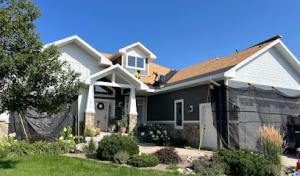
River City Roofing
(701) 425-2196 www.rivercityroofingnd.com
2318 Memorial Hwy #1, Mandan, North Dakota
4.7 from 14 reviews
A permit is typically required in Mandan for a full re-roof project. Before any shingles are lifted or panels replaced, verify the permit with the Mandan City Building Department and ensure all required forms are properly filed. The permit sets the scope of work, start date expectations, and helps align material and workmanship standards with local code. Working through the permit process early reduces the risk of delays during final closeout and helps avoid surprises when the inspection window opens.
The Mandan City Building Department reviews reroof work for local code compliance and requires an on-site final inspection. This is not a paperwork formality; it is the moment to prove that the roof is installed to withstand the area's distinctive freeze-thaw cycles, hail exposure, and wind loads. Schedule the final inspection after completion, but while the roof is still easily accessible for adjustments if needed. Timely inspection requests keep the project on track and prevent lingering occupancy or resale concerns.
Inspection focus in Mandan includes ventilation, flashing, and proper underlayment installation, so these details directly affect closeout and contractor scope. Ventilation must meet code requirements to manage attic temperatures and condensation, which influence the roof's long-term performance. Flashing around chimneys, vents, edges, and transitions should be continuous and securely fastened to resist wind-driven leaks. Underlayment quality and coverage matter for sealing the roof deck from moisture, especially during early-season storms. During closeout, ensure that flashing penetrations, vent pipe boots, and any skylines are fully integrated with the overall roof system.
Coordinate a pre-inspection walkthrough with the contractor to verify that all permit conditions are met before submitting for the final inspection. Gather any manufacturer installation manuals or product approvals that support code compliance, and confirm that attic ventilation and intake/exhaust configurations align with the plan approved during permitting. Keep a log of any deviations from the original scope and have the contractor document repairs or replacements performed during the project. The final inspection serves as the official seal of proper workmanship and code adherence, so clarity and documentation streamline closeout and future maintenance.
Mandan sits in a North Dakota insurance environment with frequent hail and wind claim activity, so roofing decisions are often tied to claim timing and documentation quality. When a hail storm rattles the valley and the first February frost thaws into spring, insurers will weigh whether what you're seeing is new storm damage or aging material and prior repairs. This distinction drives how quickly a claim moves and whether it ends in a covered repair or a dispute.
In practice, robust documentation saves you headaches during adjuster visits. Take date-stamped photos of the roof from ground level and from the ladder with wide shots and close-ups of dented edges, lifted granules, and damaged shingles. Note interior leaks as soon as they appear, with room and ceiling specifics and timestamps. Keep records of any patching, tarp placements, or temporary fixes, including who performed them and exact dates. Feature any visible attic staining or moisture marks that correlate with weather events.
Expect adjusters to verify storm-related damage by correlating weather timelines with your photos and notes. Because previous wear and past repairs are common in Mandan-area homes, you should be prepared to demonstrate how the newest damage stands apart from prior conditions. Organize your files so a first glance at the folder reveals storm date, visible external damage, and interior impact in a logical sequence. Clear, consistent documentation reduces back-and-forth and helps preserve claim momentum during the short roofing season.
Keep a dedicated folder (digital and physical) with meteorological receipts, neighborhood storm reports, and any contractor quotes tied to the claim. If you hire a professional to photograph or document the roof, obtain a dated report that explicitly links the observed damage to the storm event. When the weather turns severe again, this archival trail becomes your best ally, helping to show a continuous, claim-relevant narrative that the adjuster can follow without ambiguity.
After hail and wind events, temporary drying-in measures can be critical because replacement crews may be booked quickly across the Bismarck-Mandan market. Summer storms open roofs during the busiest part of the local construction season, so delays mean more moisture exposure and higher risk of interior damage. In Mandan, a small delay can translate into soaked insulation, compromised decking, and interior staining that complicates later repairs.
If any shingles are missing or granules are showering down, cover affected areas with a heavy-duty tarp anchored at solid points. Prioritize securing the most exposed sections first-along rakes, hips, and valleys where wind-driven rain concentrates. If you can safely reach the roof, place a leak-proof barrier under the tarp and avoid stepping on damaged areas to prevent further deterioration. Have a temporary drainage path ready for any standing water in attic spaces or ceilings below.
Contact a local roofing contractor as soon as possible to flag an urgent dry-in and to verify available crews during peak season. Document visible damage with photos and keep a log of dates and weather events so you can demonstrate need if insurance questions arise. Coordinate temporary protection with follow-up storms in mind, understanding that moisture intrusion can continue until full reroofing is scheduled.
Check tarps and fastenings after each storm for wind or ice damage, re-tightening as needed. Inspect interior ceilings for new signs of water entry daily during the first week, and photograph any new stains or bubbling paint. Rapid reporting helps keep the project on track and reduces secondary damage risks.
When you can't wait, these contractors offer fast response times to stop leaks and prevent further damage.
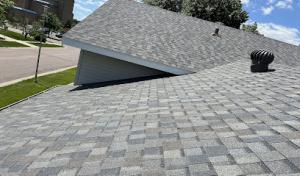
In Mandan's storm-heavy market, warranty discussions should distinguish clearly between manufacturer material coverage and contractor workmanship coverage after insurance-funded reroofs. Material coverage protects the actual shingles, metal panels, or tiles, while workmanship coverage addresses how the roof was installed, including flashing, underlayment, and ventilation. Read the fine print on each part of the warranty, and confirm that the installer's workmanship warranty aligns with the roofing material's terms. If a hail-damaged roof is replaced under an insurance claim, ensure the manufacturer's material warranty remains valid even after the reroof, and verify that the contractor's workmanship warranty remains in force for the installation period stated.
Because local final inspections emphasize ventilation, flashing, and underlayment, warranty value in Mandan depends heavily on whether those details were installed correctly the first time. Confirm that the attic ventilation balance is documented, and that flashing around chimneys, vent stacks, and wall transitions was properly integrated with the chosen material system. Ask for a written cross-check showing that underlayment was installed to the correct exposure and that any fastener patterns meet manufacturer requirements for your climate. A robust warranty often hinges on these specifics being present in the original installation and supported by inspection notes from the roofing crew.
Homeowners replacing roofs after hail events should keep warranty paperwork alongside claim records in case later damage disputes arise. Store manufacturer certificates, contractor warranties, and all inspection notes in one accessible file. If future damage occurs, you will want to show that installation details, ventilation measures, and flashing were executed per the standards cited in both material and workmanship warranties. In Mandan, a well-organized package can simplify claim validation and help preserve coverage across seasons and weather events.