Roofing in North Dakota
Last updated: Feb 28, 2026
North Dakota winters aren't shy about testing a roof. Bitter cold, strong prairie winds, and spring hail all converge to push even sturdy structures to their limits. The freeze-thaw cycle can loosen shingles and loosened nails, while heavy, undisturbed snow loads demand reliable flashing and solid decking. Add in hot, dry stretches that can bake gutters and fascia, and you see why a roof here is as much about durability as it is about style. For homeowners, that means thinking not just about looks, but about weather-resistant design, long-term repair costs, and how your choice will perform year after year under our unique climate.
This North Dakota page is your neighborly guide to making sense of it all. You'll find practical, trustworthy advice tailored to our conditions, backed by local resources you can actually tap into. We'll touch on Local Climate considerations, Recommended Roofing Materials for North Dakota, Popular Roof Styles & Architectural Trends in North Dakota, Average Roofing Costs in North Dakota, Permits & Local Regulations, Common Roofing Problems in North Dakota & Solutions, Maintenance & Repair Tips for North Dakota, When to Repair vs. Replace, and When to hire a professional—so you can plan with realistic expectations.
What makes this guidance solid is that it's grounded in North Dakota data and experiences. You'll find insights informed by local weather patterns, material availability from nearby suppliers, state and municipal permitting norms, and input from trusted North Dakota roofing pros, insurers, and building officials. Our aim is to help you choose materials and methods that hold up here without overinvesting, while keeping your project safe, compliant, and accessible.
With that in mind, let's start by looking at how North Dakota's climate shapes roofs—from material choices that resist hail and wind to maintenance habits that keep water out during thaws and snowmelt.
Local Climate & Its Impact on Roofs
Climate snapshot
North Dakota experiences long, frigid winters, brisk spring thaws, and warm, sunny summers. The state sees significant freeze‑thaw cycles, heavy snowfalls in many areas, and strong seasonal winds. Snow depth and wind exposure vary by region, so where you live (east vs. west, urban vs. rural) shapes your roof's risks. UV exposure is relatively low compared to southern states, but the cold itself is a constant factor that affects materials and performance.
Snow, ice, and ice dams
- Ice dams form when warm attic air melts roof snow near the eaves, which refreezes at the eaves and can back up under shingles.
- Thick snow loads on pitched roofs can stress structure; make sure your roof is designed and maintained for winter precipitation.
- Proactively address these risks with proper insulation and ventilation to keep roof temperatures more uniform.
What you can do:
1. Seal attic air leaks and aim for adequate insulation to reduce heat reaching the roof.
2. Ensure continuous soffit-to-ridge ventilation so the roof deck stays cold in winter.
3. Consider an ice-and-water shield along eaves and in valleys per local guidance when re-roofing.
4. Use a roof rake from ground level to remove loose snow along the eave after heavy storms (never climb onto a slick, icy roof).
Wind and hail
- North Dakota's open landscapes and frontier exposures mean high wind uplift is a real concern for roofing systems.
- Hail is common in many hail-prone years, potentially denting metal and shingles and compromising protective layers.
What to prioritize:
- Choose roofing materials with good wind uplift resistance and consider impact-resistant options if you're in a hail-prone area.
- Secure all flashing, fasteners, and edge coverings; inspect after severe wind events.
- Have a professional examine roof edges and penetrations for any damage that could worsen with thaw cycles.
- Freeze-thaw cycles can cause shingles to become brittle, crack, or lift over time.
- Metal roofs handle temperature swings well but can dent in hail or be noisier in rain or hail storms if not properly installed.
- Fiber/cement composites and certain polymers expand and contract with cold temps, so proper installation clearances matter.
Maintenance tip: schedule inspections after extreme cold snaps, thaws, or major storms to catch hidden damage early.
- Asphalt shingles (especially architectural styles) offer a cost-effective mix of durability and ease of repair under ND conditions.
- Standing-seam metal roofs handle snow shedding and wind uplift well when installed with proper flashings.
- Tile and heavy concrete options are less common due to weight and seasonal stress; if used, must be engineered for ND loads and cold weather.
- For new roofs, discuss wind uplift ratings, ice-damming protection, and ventilation with a local pro who understands ND climate patterns.
Maintenance & safety checklist
- Annual/biannual roof inspection with a professional.
- Clear gutters and downspouts to prevent ice dams and water backup.
- Check attic insulation and ventilation; correct any signs of moisture or condensation.
- After storms, look for leaks, damaged flashing, loose fasteners, or dented metal; address promptly.
- If you must clear snow near the eave, use a long-handled roof rake from the ground; never climb a frozen roof.
Warnings & official resources
- Be aware of ice dams, heavy snow loads, wind uplift, and falling ice after storms.
- For weather alerts and regional advisories, consult the National Weather Service:
- For region-specific home and climate guidance, see North Dakota State University Extension:
- If you're planning a roof project, confirm local code requirements and best practices with a qualified contractor and reference applicable building standards through reputable industry resources.
Recommended Roofing Materials for North Dakota
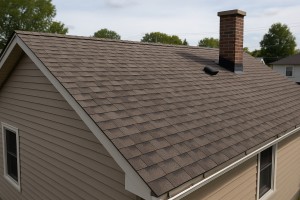
- Pros: Most homeowners start here for cost, availability, and ease of repair. Modern architectural shingles are rated for better wind resistance and hail performance than older 3-tab styles.
- What to look for in ND: Class 3 or 4 impact resistance and a high wind rating (at least 110 mph). Laminated/architectural shingles often perform better in ND's temperature swings.
- Installation notes: Use a full-coverage synthetic underlayment and an ice-and-water shield along eaves and in valleys. Ensure proper attic ventilation to reduce ice dam risk.
- Longevity and upkeep: Expect 15–30 years depending on quality, installation, and climate exposure. Inspect after hail or strong storms for granule loss or minor damage.
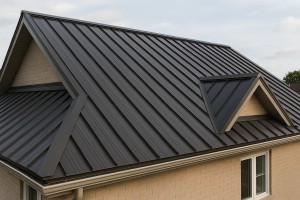
- Pros: Excellent hail resistance, long service life (40–70 years), superb wind uplift performance, and snow slides simplify clearing.
- Cons: Higher up-front cost and potential noise during rain without adequate attic insulation or soundproofing.
- Types and specs: Standing-seam metal or exposed-fastener metal panels in 24–29 gauge. Choose a .vPVF or ceramic-coated finish for UV resistance and color longevity.
- ND-specific tips: Use an appropriate underlayment and ice barrier at eaves. Install snow guards if needed in steeply pitched areas and overhangs to manage snow loads. Color choices can influence heat during warmer weeks, but ND's cold climate often benefits from mid-to-dark tones that shed snow review.
Synthetic Shingles and Shakes
- Pros: Lightweight, resilient to hail, and versatile in appearance. Often mimic cedar shakes or traditional shingles with better freeze-thaw performance.
- Cons: Higher cost than basic asphalt; availability varies by region.
- Why they work in ND: Engineered polymers resist cracking in extreme cold and resist moisture intrusion. They hold up well under ND wind gusts when properly installed.
- Maintenance: Minimal periodic inspection; ensure flashing and edge details remain secure.
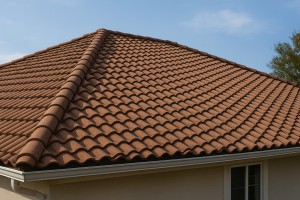
- Not typically a ND-first choice: Heavy weight, brittle under freezing cycles, and wind-sensitive in some installations.
- Consider only if you have a reinforced structure and design specificity that can accommodate extra load and unique fasteners. Local codes and engineer consultation are essential.
Flat or Low-Slope Roofs (EPDM, TPO, Modified Bitumen)
- Use cases: Garages, extensions, or outbuildings, or homes with flat secondary roofs.
- ND considerations: Cold temps are hard on some flat options. EPDM offers good cold weather performance and flexibility; TPO can reflect sun but must be properly seam-welded to resist wind uplift.
- Maintenance: Regular checks for seam integrity, ponding water, and edge flashing. Ice dam risk is lower at flat slopes, but proper drainage is critical.
Step-by-step: Choosing the Right Material for North Dakota
1. Assess roof slope, structural support, and exposure to wind and hail.
2. Compare initial cost, expected life, and local repair availability.
3. Check warranty details for impact resistance and wind uplift in ND conditions.
4. Plan for insulation and ventilation upgrades to minimize ice dams.
5. Talk to a local, licensed roofer about climate-specific installation requirements and drainage details.
Quick considerations for ND homeowners
- Wind and hail: Prioritize impact-resistant or hail-protected options and a robust underlayment.
- Snow and ice: Ice-and-water shield plus proper attic ventilation help mitigate ice damming.
- Color and reflectivity: Lighter colors can help with occasional summer heat, but in ND's climate, durability and finish warranty often matter more than color alone.
- Maintenance habit: ND winters demand regular inspections after storms and at spring thaw to catch frost damage, lifting, or loose fasteners early.
What to ask your roofer
- What wind and impact ratings do you specify for ND climates?
- Do you install an ice barrier along eaves and penetrations?
- What underlayment and ventilation design will you use for our roof pitch?
- How will you handle snow retention and installation around skylights, chimneys, or vents?
Popular Roof Styles & Architectural Trends in North Dakota
Gable Roofs
Gable roofs remain a staple for North Dakota homes thanks to their straightforward construction, good attic space, and cost efficiency. When properly pitched, they shed snow and water relatively well and are easy to vent.
- Pros: Simple design, affordable installation, ample attic volume for insulation.
- Cons: Ridge line can catch wind; tall gables may require additional snow break or guards in high-snow areas.
- Best materials: Asphalt shingles (architectural or 30-year), standing-seam metal for harsh winters, or composite shakes for curb appeal.
- Practical tip: Consider a moderate 6/12 to 8/12 pitch (adjust for local snow loads) and add overhangs to protect eaves.
Hip Roofs
Hip roofs offer solid wind resistance and a lower profile, which helps reduce uplift in North Dakota's gusty conditions. They're a bit more complex to build but can be worth it in exposed areas.
- Pros: Excellent stability in high winds, dependable drainage, quieter inside due to more uniform load paths.
- Cons: More material and labor, slightly less attic space usable for storage or insulation strategies.
- Best materials: Standing-seam metal or architectural shingles; underlayment with ice-and-water shield near eaves.
- Practical tip: If you live in open plains or near high wind corridors, pair a hip roof with reinforced rafter systems and proper venting.
Dutch Gable & Shed Roof Variants
For those seeking character without sacrificing ND practicality, Dutch gables or shed-style additions are popular. They blend traditional lines with modern glazing and dormers, creating light-filled spaces while keeping snow pathways clear.
- Pros: Distinctive curb appeal, flexible interior layouts, potential for energy-efficient dormers.
- Cons: Slightly higher design risk for wind exposure on exposed edges; more careful flashing and insulation required.
- Best materials: Metal accents, durable asphalt shingles, or synthetic slates.
- Practical tip: Use dormers strategically to add usable space and improve natural light, but keep roof-to-wall connections well-sealed.
Modern Farmhouse & Prairie-Style Trends
North Dakota homeowners often favor modern farmhouse and prairie-inspired looks with generous eaves and strong horizontal lines. These styles pair well with durable materials and efficient insulation, creating timeless curb appeal that stands up to harsh winters.
- Key features: Wide eaves, low- to mid-slope roofs, masonry or board-and-batten accents, and large windows with proper shading.
- Why it works locally: Weather-ready silhouettes that accommodate snow management and wind loads while staying visually warm and timeless.
- Practical tip: Choose a roof color that minimizes heat gain in shoulder seasons and complements the home's exterior tones.
Materials Trending in North Dakota
Material choices influence maintenance, energy use, and longevity in ND's climate.
- Asphalt shingles: Cost-effective, easy to repair, good wind resistance with architectural profiles.
- Standing-seam metal: Excellent longevity, high wind resistance, excellent for snow-shedding and ice-dam prevention when installed with proper sealants.
- Wood shakes/shingles: Aesthetic appeal but higher maintenance and fire considerations; use treated or naturally durable species if chosen.
- Synthetic slates or shakes: Heavier upfront, but long-lasting with consistent performance in cold weather.
- Practical tip: For snow-prone zones, prioritize metal or architectural shingles with a stout underlayment and sealed seams.
Climate-Ready Design Elements
In ND, a climate-smart roof goes beyond style.
- Ice and water shield: Install along eaves and in valleys to prevent ice dam leakage.
- Snow guards & retention: Help manage sliding snow from steep sections.
- Ventilation: Combine soffit intake with ridge or turbine vents to control condensation and ice buildup.
- Insulation: Target high R-values in the attic to minimize heat loss and roof deck freeze-thaw cycles.
- Warranties: Look for hail and wind resistant ratings appropriate for North Dakota storms.
Quick Choosing Checklist (5-Step)
1) Assess local snow load and wind exposure; confirm with a licensed roofer.
2) Pick a roof style that complements your home's architecture and brings the right attic space for insulation.
3) Choose durable materials suited to ND—standing-seam metal or architectural asphalt shingles are common.
4) Plan for climate features: ice barriers, proper ventilation, snow guards, and reliable underlayment.
5) Get multiple local quotes focusing on wind uplift ratings, snow management, and manufacturer warranties.
Average Roofing Costs in North Dakota
Price ranges by material
- Asphalt shingles (standard 3-tab or basic architectural): Installed cost per square (1 square = 100 sq ft) is roughly $350–$700. For a typical 18–22 squares roof, expect about $6,300–$15,400 total, depending on tear-off, underlayment, and complexity.
- Architectural/laminated asphalt shingles: Slightly higher than standard asphalt, about $400–$750 per square installed. Typical 18–22 squares would run roughly $7,200–$16,500.
- Metal roofing: $700–$1,400 per square installed. A mid-sized North Dakota home (18–22 squares) often lands in the $12,600–$30,800 range, with higher-end panels and coatings pushing costs up.
- Cedar shakes or shingles: $800–$1,400 per square installed. For 18–22 squares, budget about $14,400–$31,000, plus potential extra if fasteners or decay repair are needed.
- Tile (concrete or clay): $1,000–$2,000 per square installed. Typical ND homes with 18–22 squares could see $18,000–$44,000, depending on weight considerations and structural upgrades.
- Slate: $1,200–$2,500 per square installed. A 18–22 square roof can be $21,600–$55,000, with additional structural reinforcement often required for slate's weight.
Note: North Dakota projects frequently involve tear-off and disposal of old roofing, which can add $1,000–$3,000 or more depending on layers and debris management. Local labor rates and access (tight corners, steep slopes, or multi-story layouts) also shift totals.
Local considerations that affect cost
- Climate and protection: Ice dam prevention (ice & water shield), extended underlayment, and heat tape to gutter lines add to upfront costs but protect against freeze-thaw damage.
- Wind and hail exposure: ND's weather can demand higher wind-rated underlayment and coating options, especially in hail-prone zones; this can raise material and installation costs.
- Roof pitch and complexity: Steeper pitches, dormers, chimneys, skylights, or multiple roof planes raise labor time and safety requirements.
- Existing structure: If decking is damaged or rotten, replacement adds to material and labor. Heavier systems (tile, slate, some metal) may require structural reinforcement.
- Permits and codes: Local permits, drainage requirements, and code upgrades (ventilation, drip edges, backflow prevention) influence final pricing.
- Availability and seasonality: Short construction seasons in ND can push prices up during peak windows; winter work may require temporary heat and safety measures.
- Accessibility: Remote sites, limited parking for equipment, or restricted access can raise labor costs.
What drives cost variation in North Dakota homes
- Roof size vs. roof area: Larger footprints dramatically affect totals.
- Material choice vs. longevity goals: Premium options last longer but cost more upfront.
- Insulation and ventilation upgrades: Upgrading attic insulation or adding ridge/soffit vents improves energy efficiency but adds to upfront spend.
- Repairs tied to hail damage: If insurance covers damage, you may see different out-of-pocket costs; otherwise pre-inspection for deck and fascia is wise.
Quick planning steps (to compare quotes)
1. Confirm roof area in squares and note any skylights, chimneys, or dormers.
2. Ask each contractor to itemize tear-off, disposal, underlayment, flashing, and ventilation.
3. Request wind- and impact-rated options suitable for ND climate.
4. Verify warranties (material and workmanship) and local code compliance.
5. Get at least 3 written bids and compare not just price but scope and timeline.
Permits & Local Regulations
Do I need a permit?
- In North Dakota, permits are issued by the local city or county building department. Most municipalities require a permit for roof replacement, especially if any structural elements, decking, underlayment, flashing, or ventilation are altered. Some smaller towns might treat minor roof repairs (like patching leaks) as non-permit work, but this varies. To be safe, assume you need a permit and check with the local department before starting.
Check your jurisdiction
- Contact your city hall, county zoning office, or the local building department. Ask:
- Do I need a roofing permit for a full reroof or partial reroof?
- Are there any thresholds (e.g., project size) that make permits optional?
- What documents do I need to submit?
What you may need to submit
- Completed permit application with project details.
- Property address and parcel ID.
- Contractor information, including license number (if required in your area) and insurance.
- Roof plan or drawing showing scope of work, material type, and any changes to decking, ventilation, or skylights.
- Photos of existing roof and any damage.
Hire the right help
- If your area requires a licensed contractor, make sure your roofer is properly licensed and insured. Some ND jurisdictions require proof of license, while others require only general liability insurance. Check your local rules.
How to apply (step-by-step)
1. Gather documents and confirm permit requirements with the local building department.
2. Complete the permit application (online or in person) and attach all required documents.
3. Pay the permit fee and scheduling for plan review if needed.
4. Submit a contractor details list; your contractor may need to sign the permit or provide additional information.
5. Wait for approval. You may receive conditions or notes to address before issuance.
Inspections during and after work
- A typical roofing permit requires at least two inspections:
- Rough-in/underlayment and ventilation inspection after roof deck, underlayment, nails, and flashing are installed.
- Final inspection after the roof is completed to verify proper installation and ventilation, and that permits have been closed.
- If you make changes after initial approval, you may need re-inspection.
Other regulations and considerations
- HOA or historic district: Many neighborhoods require HOA approval or additional permits for exterior changes.
- Energy codes: Reroof may require adherence to current energy and ventilation standards (e.g., proper attic insulation and ventilation).
- Storm damage and emergency work: If you're replacing a roof due to hail or storm damage, there might be expedited or different permitting rules; document the damage with photos.
Quick tips
- Always start with the local building department—every city/county in ND can differ.
- Keep a copy of the permit, plans, and inspection records on-site during work.
- If you're unsure about licensing, ask for a copy of your roofer's license and insurance before work begins.
Common Roofing Problems in North Dakota & Solutions
Ice dams, freeze-thaw cycles, and attic ventilation
Ice dams form when warm attic air melts snow near the top of the roof, and the meltwater refreezes at the eaves. Over time, water can seep under shingles and into the attic.
- Causes to check
- Warmth in the attic from insufficient insulation
- Poor attic ventilation (stale or blocked vents)
- Snow buildup on steep pitches causing rapid melt at the bottom
- Solutions
- Improve insulation and air sealing in the attic
- Install or restore soffit and ridge/continuous vents for steady airflow
- Use roof de-icing mats or heat cables only under a professional's guidance
- Schedule a professional inspection after heavy snows to remove snow safely
1) Inspect attic insulation and seal gaps around penetrations (pipes, wires, light fixtures).
2) Add insulation to reach recommended levels and seal all air leaks.
3) Verify venting paths are clear and functioning (soffit intake and ridge exhaust).
4) If ice dams persist, contact a roofer to evaluate roof edge protection or heat cable options.
Snow load and roof structure safety
ND winters bring heavy, frequent snowfalls. Excessive snow weight can strain or damage the roof structure.
- What to do
- Monitor snow depth on low-slope sections and near edges
- Keep access paths clear with a safe roof rake
- Have a structural assessment if you notice sagging, creaking, or daylight through rafters
1) Use a roof rake from the ground to remove loose snow after heavy storms
2) Look for soft spots, cracking, or buckling in shingles or fascia
3) Schedule a pro assessment if you see any signs of structural strain
4) Consider retrofit options if your roof is undersized for typical ND snowfall
Wind damage and wind-driven issues
Strong gusts can lift shingles, loosen flashing, and push debris under roofing materials.
- Common symptoms
- Lifted or missing shingles, especially on edges and gables
- Loose flashing around chimneys, vents, and dormers
- Water intrusion after windy storms
- Remedies
- Use impact-resistant or higher-wind-rated shingles where possible
- Re-secure loose fasteners and seal flashing with compatible sealants or metal flashing
- Inspect after major wind events and repair promptly to prevent leaks
1) Check roof edges and around penetrations for loose pieces
2) Tighten or replace loose fasteners as needed
3) Reflash and seal vulnerable areas to restore weatherproofing
4) If extensive, call a pro for a temporary patch and a longer-term fix
Hail damage
ND hail is common in severe storms and can bruise shingles, causing early failure.
- How to recognize
- Bruised or dented shingles, granule loss, or dark spots
- Small punctures or loose granules in gutters
- Solutions
- Schedule a professional roof inspection after a hail event
- Replace damaged shingles and check underlying decking for impact damage
- Consider impact-resistant shingles or metal roofing for future storms
1) Document hail damage with photos for insurance
2) Have a roofer assess the extent of damage beyond cosmetic defects
3) Plan timely repairs to avoid leaks during spring thaws
Attic moisture and condensation
Moisture buildup invites mold growth and wood rot, especially in poorly vented spaces.
- Indicators
- Condensation on rafters or sheathing
- Musty attic odors or visible mold
- Increased humidity in living spaces
- Solutions
- Improve attic ventilation with balanced intake and exhaust
- Install vapor barriers on heated living spaces and reduce airtightness where needed
- Use a dehumidifier in the attic if instructed by a pro
1) Measure humidity levels and inspect for leaks
2) Add or repair vent channels and baffles to ensure airflow
3) Seal air leaks and install proper vapor barriers
4) Schedule professional moisture testing if mold is present
Gutter, downspout, and drainage problems
Frozen or clogged gutters can cause water to back up under shingles and into the attic.
- Typical issues
- Ice buildup and gutter sag from heavy snow
- Clogged downspouts causing overflow near the roof edge
- Ice jams along eaves and entrances
- Solutions
- Regularly clean gutters, especially before winter
- Install gutter guards suitable for heavy snowfall (but expect maintenance)
- Use heat cables where permissible to keep critical sections clear
- Ensure proper slope to direct water away from the foundation
1) Clear leaves and debris from gutters in late fall
2) Check for sagging sections and secure them
3) Inspect downspouts for blockages and snags
4) If ice dams form, contact a professional to remove ice safely and reassess drainage
Flashing leaks and roof penetrations
Chimneys, vent stacks, skylights, and dormers are common leak sources in fluctuating ND temperatures.
- What to inspect
- Cracked or missing flashing around penetrations
- Damaged sealant or deteriorated boot flanges
- Corrosion on metal flashings
- Fix options
- Re-flash and reseal using compatible materials (metal flashing with proper sealants)
- Replace aged boots and ensure flashing extends under shingles correctly
- Consider a professional reinstallation if the roof deck shows signs of damage
Shingle aging and UV exposure
ND sun plus temperature swings can accelerate shingle aging, especially with UV exposure.
- Indicators
- Granule loss in gutters or on the driveway
- Curled, brittle, or warped shingles
- More frequent small leaks after 15–20 years
- Prevention and remedy
- Choose high-quality, UV-resistant shingles for new roofs
- Schedule routine inspections to catch our early signs of wear
- Plan replacements when shingles show significant wear to maintain protection
Maintenance & Repair Tips for North Dakota
Seasonal Inspection Checklist
- Fall: Inspect shingles for buckling or curling, and check flashing around chimneys, skylights, and vents. Clean gutters and downspouts; remove leaves, twigs, and nests. Test attic ventilation and add insulation where gaps are found.
- Winter: Watch for ice dams along eaves and gutters. Use a roof rake from the ground to disturb heavy ice near the edges. Listen for leaks inside the home and inspect ceiling stains after storms.
- Spring: Look for lifting or damaged shingles from winter wind. Check vent pipes and flashing for warping or rust. Clear any remaining debris from gutters and downspouts. Inspect attic insulation and seal any gaps.
- After storms: Inspect for hail damage, lifted shingles, dented flashing, or bent gutters. Photograph issues before calling a pro or filing a claim.
Ice Dam Prevention and Removal
- Prevention
- Improve attic insulation (aim for an airtight seal and high R-value to match your home's needs) and ensure proper ventilation with soffit vents and a ridge or soffit vent system.
- Seal gaps around attic access, plumbing penetrations, and light fixtures to stop warm air from escaping into the attic.
- Maintain a consistent roof edge ventilation path to reduce uneven melting at the eaves.
- Removal (safely)
- Use a long-handled roof rake from the ground to break up and pull back the ice along the eaves.
- For persistent ice, place calcium chloride icemelt patches in openings at the edge, away from shrubs and concrete, and never in direct contact with metal flashings or painted surfaces.
- If leaks persist, contact a pro—penetrating ice dams can cause hidden damage to underlayment and decking.
Common Repairs Homeowners Can Tackle
- Asphalt shingles
- Replace missing or severely curled shingles by carefully lifting surrounding shingles, applying roofing cement, and nailing a new shingle in place following manufacturer guidelines.
- If granules are washed away in a small area, you can seal the edge with roofing cement and place a new shingle over it.
- Flashing around vents and chimneys
- Clean the flashing area and reseal with compatible sealant or install metal flashing correctly. Ensure step flashing is continuous up the slope with proper overlaps to direct water away.
- Small leaks at seams or around vents
- Dry the area, apply roofing cement under the shingle ends, and seal with compatible flashing tape or silicone where appropriate. For older roofs, consider replacing compromised flashing sections.
Gutter and Drainage Care
- Clean gutters twice a year: fall to prepare for winter, spring to remove thaw-related debris.
- Ensure proper slope (a slight downward angle toward downspouts) so water moves away from the house.
- Check for leaks, corrosion, or loose hangers; tighten or replace as needed.
- Downspouts should extend at least 4–6 feet away from your foundation to prevent basement or crawlspace moisture problems.
Hail and Storm Damage Response
- Immediately after a storm, inspect for dents, punctures, or punctured shingles, especially on softer surfaces. Look at gutters and metal flashings for dents.
- Photograph damage from multiple angles before any patching or claim work.
- Contact your insurance promptly and arrange an inspection if required. Get written estimates from reputable local roofers, and document all correspondence.
- For urgent leaks, apply a temporary patch with roofing cement and a piece of metal or sturdy plywood to cover the damaged area until a professional can assess.
Signs Your Roof Needs Replacement
- Widespread curling, cracking, or bald spots on most shingles.
- Noticeable sagging or roof deck droop in sections of the structure.
- Granule loss embedded in gutters or on the ground near downspouts.
- Repeated leaks despite multiple patch jobs or a long-standing history of repairs.
- Age: most asphalt shingles reach their typical 20–30 year lifespan; metal roofs often 40–70 years depending on coating and installation.
When to Hire a Pro and How to Vet Them
- Do not climb on a roof if you're uncomfortable or the surface is icy or steep.
- Get at least 3 written estimates with detailed scope of work and material specifications.
- Verify licensing, insurance, and worker's compensation coverage for the contractor.
- Check local references and recent ND projects similar to yours; ask about warranties and expected timelines.
- Confirm permits if required by your city or county, and obtain a written warranty on labor and materials.
When to Repair vs. Replace
Assessing the situation at a glance
- Age matters: Asphalt shingles typically last 20–30 years; metal roofs can go 40–70 years depending on coating and care.
- Damage pattern: Localized issues can often be repaired; widespread curling, missing shingles, or sagging signals replacement.
- Interior signs: Persistent staining, mildew, or ceiling leaks indicate the roof assembly may be failing.
- Prior repairs: Repeated patches over the same area usually mean the roof is near the end of its life.
- Climate factor: North Dakota's harsh winters accelerate wear through freeze–thaw cycles, ice dams, heavy snow, and hail impact.
When to repair
- Minor, isolated damage: 1–3 missing or damaged shingles, small cracks, or loose flashing that doesn't threaten underlying structure.
- Localized leaks: Leaks around a dormer, chimney, vent boot, or flashing that can be corrected without touching a large surface area.
- Short-term fix after a storm: A repair can buy time and prevent further interior damage while you plan a future replacement.
- Warranty-covered issues: If damage falls under a manufacturer or workmanship warranty, repairing may be the preferred option.
- Budget constraints with a timeline: If the roof is still relatively young and the repair cost is modest compared to replacement, repairing makes sense.
When to replace
- Age is catching up: Asphalt roofs past roughly 25 years with visible wear; metal roofs showing aging indicators beyond 40 years; other materials have their own typical lifespans.
- Widespread damage: Large areas with curled, cupped, or missing shingles; heavy granule loss; widespread exposed underlayment.
- Structural concerns: Sagging decking, warped sheathing, or recurrent leaks despite multiple repairs.
- Multiple layers: More than one old shingle layer present or the roof deck shows signs of failure.
- Energy and comfort wins: Replacement can improve insulation, ventilation, and energy efficiency—helpful in ND's long winters and cold snaps.
- Insurance and warranties: If repeated leaks or hail damage undermine the roof's integrity, replacement may be more cost-effective in the long run than ongoing patches.
North Dakota-specific considerations
- Freeze–thaw cycles and ice dams: Proper underside insulation, ventilation, and reliable underlayment are essential to prevent moisture issues and ice damming.
- Snow load and wind: ND storms can stress roofing edges and flashing; choose materials with good wind resistance and consider upgraded edge detail.
- Hail exposure: Hail-prone areas benefit from impact-rated shingles or metal options; a replacement offers a chance to upgrade to more resilient materials.
- Climate-appropriate materials: Select cold-climate ratings, better granule adhesion, and white or reflective finishes to reduce heat absorption and roof temperature swings.
Quick decision flow (numbered steps)
1) Inspect exterior and attic for signs of age, leaks, and moisture.
2) Gather at least two quotes for both repair and replacement from licensed contractors.
3) Compare remaining expected life, repair scope, and long-term costs.
4) Check warranties, permits, and contractor reliability.
5) Decide: repair if damage is minor, the roof is relatively young, and replacement isn't financially justified; replace if damage is extensive, life expectancy is near end, or climate resilience is a priority.
Maintenance to extend life (short tips)
- Keep gutters clear and ensure downspouts direct water away from the roof edge.
- Clear debris and ensure attic insulation is adequate to reduce heat and moisture buildup.
- Address ice dam risks with proper ventilation, insulation, and roof ventilation balance.
When to Hire a Professional
Signs you should call a professional now
- Active leaks or ceiling stains inside after rain or snowmelt.
- Missing shingles, curling edges, or obvious granule loss after a storm.
- Ice dams or heavy icicles forming along eaves, indicating improper insulation or ventilation.
- Visible damage from hail (dents, bruising, or pocked shingles) common after North Dakota hail events.
- Sagging or soft decking, loose flashing, or gutters pulling away from the fascia.
- You're unsure about the extent of damage after a storm and don't want to guess at DIY repairs.
- You're planning major work after 10–15 years on asphalt shingles or if the roof is older than typical ND life expectancies for the material.
North Dakota-specific timing and weather considerations
- Climate impact: ND's freeze–thaw cycles, heavy snow, and ice damming stress roofs differently than milder climates. Prompt evaluation after severe freezes or hail improves long-term performance.
- Best window for repairs or replacement: late spring through early fall, when temperatures are moderate and asphalt shingles seal properly. Extreme cold slows curing and makes shingles brittle.
- Emergency steps after a storm: if you notice leaks or exposed decking, contact a pro for temporary stabilization and a plan for permanent repair. Do not delay if structural concerns exist.
- Winter work caveat: many roofers operate year-round in ND, but high-risk conditions (heavy snow, ice, wind) can delay or complicate work. Expect safety-forward scheduling and potential winter-specific materials (e.g., cold-weather sealants) if winter projects are needed.
What to ask and check before you sign
- Permits and local requirements: North Dakota communities may require permits for roofing work. Check with your city or county building department and ensure the contractor handles or confirms permitting.
- Insurance and licensing: request a current Certificate of Insurance (liability and workers' comp) and verify licensing or registration as applicable in your area. A reputable ND contractor will gladly provide this.
- Local references and projects: ask for ND-resident references and examples of recent roofs in your region with similar climate and roof type.
- Warranties: confirm manufacturer warranties on materials and a workmanship warranty from the contractor. Get specifics in writing.
- Detailed written estimate: scope of work, materials, roof underlayment, ice/water shield placement, flashing, ventilation improvements, clean-up, and exact payment terms.
- Cleanup and protection: clarify how they'll protect landscaping, pay for dumpster/haul-away, and handle debris.
- Communication plan: point of contact, project timeline, weather contingency plan, and how changes will be handled.
How to evaluate a roofing contractor
- Local expertise: prioritize contractors with substantial North Dakota projects, familiar with typical ND roof pitches, snow loads, and hail risk.
- Credentials: verify business name, physical address, and a solid online presence with local reviews. Look for trade affiliations or ND associations.
- Safety record: ask about safety programs, worker training, and use of fall protection. Request their safety plan for high-pitched or icy roofs.
- Financial stability: ensure they're not financially stretched. Request a lien waiver upon full payment and avoid contractors who demand full payment upfront.
- Trade practices: inspect their contract language, change-order process, and how they handle delays due to weather.
Steps to hire a contractor
1. Gather 3 bids from ND-based roofing contractors with recent local work.
2. Verify licensing/permits with the city/county and confirm active insurance.
3. Check references and view recent ND-installed roofs similar to yours.
4. Review written estimates side by side for materials, labor, warranty, and cleanup.
5. Sign a detailed contract with a clear payment schedule and a defined start/completion date.
6. Confirm a site-ready plan for weather contingencies and a robust follow-up process for inspections and warranties.
Putting A Lid On It: Roof Maintenance, Repair, and Replacement in North Dakota
North Dakota's winters bring heavy snowfall, ice, and rapid temperature shifts that stress roofs in unique ways. A well-maintained roof isn't just about curb appeal—it's a critical line of defense against leaks, ice dam formation, and heat loss through a long, cold season. Regular care helps your home stay dry, comfortable, and energy efficient year after year.
A little planning goes a long way: schedule periodic inspections, clear gutters, and address issues early before they become costly repairs. Treat maintenance as a dependable partnership with your home, one that pays dividends in fewer surprises and longer roof life.
Seasonal maintenance focus
- Spring: after the snow, check for wind damage, loose flashing, and missing granules; clean gutters and downspouts; inspect attic insulation and ventilation to reduce moisture buildup.
- Summer: look for sun-related wear, curling shingles, or blistering. Ensure attic vents are working, soffits are clear, and overhanging branches are trimmed away from the roof surface.
- Fall: give gutters a final clearing before winter, reseal flashing around chimneys and vents if needed, and look for lifted edges. Prep for snow with a plan to minimize ice dam risk and ensure you're ready for storms.
- Winter safety note: avoid climbing on icy or snow-covered roofs. If you notice leaks from inside or ice dam buildup, contact a professional for a safe assessment and repair.
Common North Dakota challenges
- Ice dams and attic condensation during freeze-thaw cycles.
- Heavy snow loads and wind uplift stressing shingles and flashing.
- Occasional hail damage that may not be obvious from the ground.
- UV exposure and granule wear on asphalt shingles over the years.
Signs you may need professional help
- Persistent leaks or recurring interior water staining.
- Widespread shingle damage, curling, or missing pieces.
- Sagging sections, loose flashing, or exposed roof deck.
- After major storms, or if you're unsure about your safety inspecting the roof.
Smart maintenance tips
- Keep gutters clean and free of obstructions to promote proper drainage.
- Maintain adequate attic insulation and ventilation to guard against condensation and ice dam formation.
- Schedule professional inspections every couple of years, or sooner after severe weather.
- When replacement is needed, choose materials and installation practices suitable for North Dakota's wind, snow, and sun.
You're part of a friendly, practical North Dakota roofing community. By staying proactive, you can enjoy a roof that not only looks good but stands up to the state's toughest seasons. With thoughtful care and the help of trusted local pros, your roof can stay dry, strong, and beautifully resilient for many winters to come. Here's to a warm, welcoming home and a roof that lasts.
