
Last updated: Apr 19, 2026
Storms in this part of the northern Plains hit hard and unpredictably. Roof damage discussions here often start with solid storm documentation rather than age alone. When a hail or wind event finishes, your first move is to gather everything visible on the day of loss and in the days that follow. Do not wait for a patchy memory to fill in the gaps. Detailed records prove what happened, when it happened, and how severe it was. In Bismarck, where hail sizes and wind gusts can spike during a single storm year, a precise narrative about a roof's condition matters as much as the roof itself.
Local insurers commonly expect detailed photo sets, date-of-loss information, and contractor scope information because claim volume can spike after regional storm years. Take wide exterior shots that frame the home, then zoom in on shingles and edging. Capture close-ups of lifted, cracked, or missing granules, dented metal edging, and damaged vent pipes. Document interior signs of leakage, discoloration, and attic airflow if visible. Also photograph the surrounding skyline and ground runoff-heavy storms in this area can push debris where it doesn't belong. A clear, dated photo sequence helps an adjuster follow the progression from impact to repair, which speeds decisions in a high-claim season.
High-damage seasons in the Bismarck area can compress contractor availability and inspection timelines, making fast documentation especially important for homeowners. During storm years, inspectors and crews sprint between multiple roofs, so waiting days can push a claim into a backlog. Begin your documentation immediately, and keep notes on every step: when you called your insurer, when the adjuster is scheduled, and any weather delays that push timelines. If a contractor shows up with a scope of work, ask for a written, itemized presentation that aligns with what the insurer will want to see-photos, dates, and a clear plan for replacement or repair.
In practice, adjusters in high-claim environments expect consistency between documented damage and the proposed scope. The claim handling workflow in storm years leans heavily on photo evidence, a coherent date-of-loss record, and a contractor's scope that mirrors the observed damage. A mismatch between what the roof shows and what the contractor proposes can stall the process or invite dispute. You want a narrative that aligns every visible defect with a traceable cause, from hail gouges to wind-driven lift. Keep your statements precise and your data verifiable.
If a storm rips through, your immediate steps matter. Secure the site to prevent further damage, but avoid over-tarping in a way that might conceal issues the adjuster will want to inspect. Photograph before any temporary fixes are applied, then document what the fix addresses and what remains. When arranging a contractor visit, provide the insurer with a suggested scope that matches the observed damage, plus any additional findings from the attic or interior spaces. Finally, maintain a calm, persistent pace: the combination of clear documentation and coordinated communication with the insurer and contractor is what keeps the claim moving in a high-claim environment. Here in Bismarck, standing ready with credible, complete information makes the difference between a timely resolution and a drawn-out process.
Connect with contractors who help homeowners navigate the claims process from damage assessment to final approval.
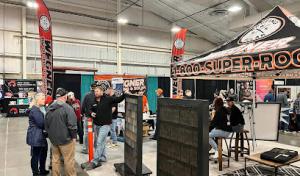
Wegner Roofing & Solar
(701) 612-2007 wegnerroofing.com
537 Airport Rd, Bismarck, North Dakota
5.0 from 155 reviews
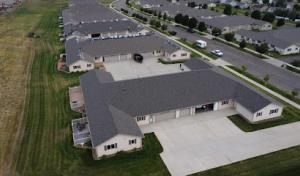
ROOFTOP - Your Roofing Contractor.
(701) 751-7833 www.rooftoprenovation.com
6962 Aurora Loop UNIT 1, Bismarck, North Dakota
4.9 from 71 reviews

Teamwork Exteriors
(701) 955-0676 www.teamworkexteriors.com
2021 E Main Ave Suite A, Bismarck, North Dakota
5.0 from 42 reviews
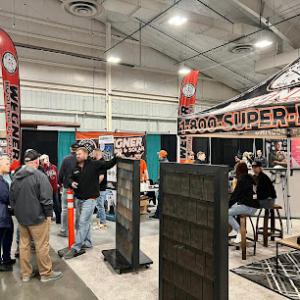
Wegner Roofing & Solar
(701) 612-2007 wegnerroofing.com
537 Airport Rd, Bismarck, North Dakota
5.0 from 155 reviews
Wegner Roofing & Solar is your go-to roofing company for all your residential and commercial roofing needs in Bismarck, ND. Our team of expert roofers has been providing top-notch roofing services for years. We specialize in Bismarck roofing services and offer unparalleled expertise in roof repair, replacement, and installation. Our services include leak detection and repair, shingle replacement, and storm damage repair. At Wegner Roofing & Solar, we understand the importance of a well-maintained roof, which is why we only use the highest quality materials and employ the latest technology to ensure your roof is in top condition. Contact us today to schedule a free consultation and experience the difference we offer.
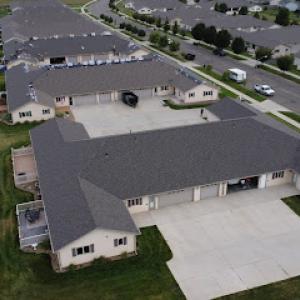
ROOFTOP - Your Roofing Contractor.
(701) 751-7833 www.rooftoprenovation.com
6962 Aurora Loop UNIT 1, Bismarck, North Dakota
4.9 from 71 reviews
Rooftop Renovation & Exteriors provides roofing, siding, remodeling, decks, gutters, fencing, flooring, snow removal, and overhead door services to Bismarck, North Dakota, and surrounding areas. We specialize in transforming spaces

Teamwork Exteriors
(701) 955-0676 www.teamworkexteriors.com
2021 E Main Ave Suite A, Bismarck, North Dakota
5.0 from 42 reviews
Teamwork Exteriors is an award-winning roofing and exterior contractor serving Bismarck, ND, and surrounding areas. With over 40 years of experience, we specialize in residential and commercial roofing, siding, gutters, windows, and storm restoration. As one of the few GAF Master Elite Certified contractors in the region, we deliver expert craftsmanship, premium materials, and reliable service. Fully licensed and insured, we proudly serve Bismarck, Mandan, Jamestown, Hazen, Beulah, Wilton, Lincoln, Garrison, Washburn, and neighboring areas. From roof repair and replacement to siding and gutter installation, trust Teamwork Exteriors for quality that lasts.
Better Roofing & Contracting
(701) 751-7663 betterroofingandcontracting.com
3115 E Broadway Ave, Bismarck, North Dakota
5.0 from 38 reviews
If you’re looking for quality roofing services at affordable prices in Bismarck, ND, Better Roofing & Contracting is your best bet. We provide storm damage restoration services and can help with all your insurance work! Ask about our lifetime warranty when you give us a call today.
All Seasons Roofing
(701) 773-4087 allseasonsexteriors.com
1205 Burlington Dr, Bismarck, North Dakota
4.8 from 54 reviews
All Seasons Roofing, the trusted name for all your roofing and exterior needs, is located conveniently at 1205 Burlington Dr, Bismarck, ND 58504. We specialize in roofing, gutters, siding, and general contracting services. Our team is dedicated to providing exceptional craftsmanship and customer satisfaction: delivering high-quality results that enhance the aesthetics and functionality of your home or business. As building materials and installation techniques evolve, we remain at the forefront of industry advancements. Our teams regularly participate in continuing education to master emerging technologies and methods that improve our work as well as your roofing service. We offer free estimates. Financing is available.
Capital Exteriors - Roofing
(701) 436-9636 capitalexteriors.com
722 S 26th St C, Bismarck, North Dakota
5.0 from 17 reviews
Shield your North Dakota property from the elements with Capital Exteriors' comprehensive roofing, gutter, and siding solutions. Locally owned and operated in Bismarck, their team boasts nearly three decades of experience, ensuring the highest quality craftsmanship for your residential or commercial needs.
5 Star Roofing & Contracting
(701) 290-2916 5starroofingandcontracting.com
3320 Hamilton St Unit 3, Bismarck, North Dakota
4.6 from 58 reviews
When you need a Roofing Contractor that you can depend on, call 5 Star Roofing & Contracting in Bismarck, North Dakota and surrounding areas for all of your roofer needs. At 5 Star Roofing & Contracting we specialize in a variety of roofing services, including Roof Repairs, Roof Replacements, and Roof Installation Services. You’ll know that you’re in the right hands when you call the roof service experts from 5 Star Roofing & Contracting in Bismarck, ND.
Trinity Exteriors
(701) 997-7663 www.trinityexteriors.com
6749 Sterling Drive Unit 1, Bismarck, North Dakota
5.0 from 14 reviews
Trinity Exteriors is proud to offer exceptional roofing services across a diverse region. Our commitment to quality workmanship and customer satisfaction extends throughout Jamestown, North Dakota to Bismarck, North Dakota, to Grand Forks, North Dakota, and the surrounding areas. Whether you require residential roofing maintenance, commercial roofing installation, or urgent storm damage repairs, our experienced team stands ready to deliver top-tier roofing solutions.

New Tech Construction
(701) 450-1108 www.newtechconstructionnd.com
2702 Mercury Ln, Bismarck, North Dakota
4.9 from 19 reviews
New Tech Construction provides roofing, siding, gutters, basement finishing, kitchen remodeling, bathroom remodeling, and mold removal to Bismarck, ND, and the surrounding areas.

Arrow Roofing Systems
(701) 401-1313 www.arrowroofingsystems.com
2915 E Broadway Ave, Bismarck, North Dakota
5.0 from 11 reviews
Arrow Roofing Systems has been in the home improvement industry for over 40+ years and we pride ourselves on providing superior customer service and exceptional craftsmanship on all our work. We offer roof repair, roof replacement, siding replacement, & gutter installation services in Bismarck, Mandan, Jamestown, Dickinson and the surrounding areas. Contact us today for a free estimate!
Kilde Construction
(701) 595-2490 www.kildeconstruction.com
5320 E Main Ave, Bismarck, North Dakota
4.6 from 31 reviews
Kilde Construction provides roofing, siding, gutters and exterior hail restoration to Bismarck, Mandan and surrounding areas.
Mid-West Roofing Systems
(701) 500-9399 www.midwestroofingnd.com
6007 Woodrow Dr, Bismarck, North Dakota
5.0 from 5 reviews
Founded in 2012, Mid-West Roofing Systems specializes in providing commercial roofing services throughout multiple states. The company's team of contractors have a proven track record providing installation, repair, replacement and maintenance for a variety of roof types spanning from EPDM Rubber, PVC, TPO, Spray Foam, Coatings, Metal, and Asphalt Shingles to Modified Bitumen and more. Additionally, Mid-West Roofing offers spray foam insulation services and assists with storm damage restoration.
In Bismarck, full reroofing is typically pushed into late spring through early fall because winter snow, ice, and cold-weather handling complicate tear-off and installation. That seasonal window matters because a delayed start can push labor crews into tighter late-season schedules, increasing the risk of weather-driven delays. If you're facing a scheduled reroof, align shingle choices and underlayment to stand up to rapid spring thaws and mid-summer heat, while drafting a contingency plan for late-season freezes. When planning, lock in a clear sequence with your contractor: tarp placement for weather events, prioritized tear-off days during mild spells, and a staged installation plan that minimizes exposure of exposed decking. The goal is to minimize days with exposed roof underlayment, which invites moisture intrusion during thaw cycles.
Heavy snow loads and winter ice damming are recurring local concerns, so any temporary repair or inspection needs to anticipate prolonged cold weather. If a leak is detected in late fall, act quickly to mitigate interior damage and prevent ice dam buildup from worsening. When temperatures swing above freezing during chinook-like spells, use those windows to address urgent issues before the next cold snap. Keep walkable access clear of snow and ice so crews can work safely, and ensure temporary heat sources or heated tarps are used only with proper supervision to avoid fire risk. Remember that older roofs and homes with shallow overhangs tend to trap more arctic moisture, accelerating potential rot behind the fascia if leaks aren't contained promptly.
Spring thaw can reveal leaks that were hidden during frozen conditions. As snow melts, previously sealed vulnerabilities-such as shingle lift, flashing gaps, or compromised penetrations-become obvious. Conduct a rapid post-thaw roof check, focusing on valleys, chimney flashing, vent boots, and skylights. If moisture is found inside the attic or ceiling shortly after a warm spell, treat it as an active leak rather than a cosmetic issue. Dry-in measures become critical: tarps, plywood containment, and temporary coverings should be in place to prevent water from seeping into insulation and interior finishes while a longer-term repair plan is arranged. Prioritize leaks that threaten electrical circuits, ceilings, or finished spaces.
Summer storm bursts in the area can create urgent tarp-and-dry-in situations even when full replacement scheduling is backed up. Keep high-wind tarps on hand and ready to deploy after hail events or microbursts. The goal is to prevent wind-driven water from moving laterally under shingles and into decking. Establish a straightforward tarp anchor plan, including securement points on steep pitches, ladder safety, and rapid-access tools for the homeowner or a chosen responder. If hail damage is suspected, document the area with photos, note the storm date and intensity, and contact the insurer promptly while maximizing temporary protection to minimize interior damage. Quick, decisive action during a storm reduces the risk of widespread interior moisture and secondary rot.
When a sudden leak appears, prioritize stopping the intrusion and protecting the interior: place a sturdy temporary barrier where water is entering, spread a tarp over the affected area, and arrange for a professional assessment within 24 to 48 hours if possible. Maintain clear access for responders, remove valuable items from the affected space, and keep receipts for any temporary repairs to support insurance documentation. After a major hail or wind event, expect a surge in claims; having organized photos, storm dates, and a concise damage narrative helps speed the process. In all cases, stay vigilant for creeping moisture behind walls or in the attic, especially after thaw cycles or post-storm weather.
When you can't wait, these contractors offer fast response times to stop leaks and prevent further damage.
Wegner Roofing & Solar
(701) 612-2007 wegnerroofing.com
537 Airport Rd, Bismarck, North Dakota
5.0 from 155 reviews
Trinity Exteriors
(701) 997-7663 www.trinityexteriors.com
6749 Sterling Drive Unit 1, Bismarck, North Dakota
5.0 from 14 reviews
Asphalt shingles and metal roofing are the practical standouts for this market, where snow and hail shape every decision. Asphalt shingles are familiar, quick to install, and tolerate rapid temperature shifts, which helps during the shoulder seasons when freeze-thaw cycles stress edges and fasteners. Metal roofs offer outstanding wind resistance and shed snow efficiently, reducing ice dam risk on steep pitches. In a dry, windy summer followed by hailstorms, metal's durability and cool-reflective options can curb heat-related wear and extend life. For home stock in Bismarck, these two materials keep inspection and claim paperwork more straightforward after a storm.
Freeze-thaw cycles demand meticulous attention to underlayment, flashing details, and deck condition. Small moisture pathways become critical when temperatures swing above and below freezing; a slight gap or compromised seam can become a leak channel after a cold night. Ensure underlayment is continuous across the deck with secure fasteners and proper overlaps. Flashing at valleys, chimneys, and vent stacks should be installed with corrosion-resistant metal and sealed with compatible, long-lasting sealant. Deck boards beneath the roofing should be dry, level, and free of soft rot, because a cracked or warped deck magnifies stress on the roof system during spring thaws and heavy winds. Regular checks after the first major freeze-and-thaw cycle often reveal the early signs of trouble before a claim is filed.
Heavier systems such as clay tile, concrete tile, and slate are available, but require closer attention to structural load, snow performance, and installation quality in this climate. These options demand a careful assessment of attic structure, rafter capacity, and proper spacing to handle snow loads without compromising roofing integrity. Snow tends to drift on low-slope sections, stressing fasteners and sealants in tile and slate assemblies. If choosing a heavier system, ensure a qualified installer evaluates the supporting structure, provides fuel for heat loss considerations in the attic, and confirms that the chosen deck and underlayment type can accommodate the weight. In shoulder seasons, rigorous contractor QA on lath, mortar bedding (where used), and frost-resistant setting compounds pays off in reduced maintenance and better long-term performance.
When selecting materials, pair them with straightforward maintenance routines. For asphalt shingles, keep gutters clear of grit and debris that can trap meltwater on the roof edge. For metal, verify that panels are sealed at seams and that snow guards or snow retention devices are installed where appropriate to prevent sudden, heavy loads on low-pitch zones. Regardless of material, schedule a mid-spring inspection after the winter and again after summer hail, focusing on flashing integrity, shingle or panel edges, and any signs of water intrusion. A proactive approach aligns with Bismarck's high-claim environment and helps you navigate insurance documentation more smoothly after a storm.
The most popular roofing material in the US. Find pros who install, repair, and replace asphalt shingles.
ROOFTOP - Your Roofing Contractor.
(701) 751-7833 www.rooftoprenovation.com
6962 Aurora Loop UNIT 1, Bismarck, North Dakota
4.9 from 71 reviews
All Seasons Roofing
(701) 773-4087 allseasonsexteriors.com
1205 Burlington Dr, Bismarck, North Dakota
4.8 from 54 reviews
5 Star Roofing & Contracting
(701) 290-2916 5starroofingandcontracting.com
3320 Hamilton St Unit 3, Bismarck, North Dakota
4.6 from 58 reviews
A long cold season means ice damming shows up year after year, especially where heat escapes from living spaces and roof temperatures become uneven. When meltwater from a warmer attic or upper slope refreezes at the eaves, icicles hang heavy and pressure grows along gutters and under the shingles. The consequence is water work back up under roofing layers, leaking into walls and ceilings at vulnerable points around eaves, valleys, and penetrations. In Bismarck, you can't assume a roof will shed snow cleanly every winter; melt cycles stall under thick snowpacks and then surge as conditions shift, stressing a roof's edges and fasteners.
Snow accumulation matters here more than in milder markets because roof systems may spend extended periods under snow cover before thaw cycles expose weak points. That extended load sits on the decking, sometimes moving with wind and settling into joints. Repeated freeze-thaw movement further weakens flashing, seals around vents, and the edge detailing that keeps water away from attic spaces. When thaw cycles finally expose a problem, the damage can appear suddenly, sometimes after a storm that seems routine.
Local reroof decisions often follow winter leak evidence found around eaves, valleys, penetrations, and areas where repeated freeze-thaw movement has stressed materials. Look for staining on ceilings near exterior walls, peeling interior paint, or damp spots along ridge lines where heat loss routes converge. On the roof surface, cracked or loose shingles at the eaves, lifted flashing, and damaged underlayment are common signs that snow load and ice dam pressures have taken a toll. If early-season snow returns and you notice water marks, treat it as a warning to inspect and document before another storm.
Before you head into spring, inspect attic insulation and ventilation; inadequate insulation and poor soffit-to-ridge ventilation concentrate heat under the roof deck. Seal spots where warm air escapes to reduce ice dam risk, and consider heat-reducing strategies at the eaves to keep meltwater flowing away rather than refreezing. When damage is suspected, photograph the affected areas and note dates of observed leaks, so documentation is ready for an insurance review and timely repairs. In storm season, clear snow from the roof where safe to do so and avoid stepping on fragile areas that could worsen underlying damage.
Typical Bismarck-area pricing runs about $320 to $680 per square for asphalt shingles, $650 to $1100 for metal, $900 to $1400 for clay tile, $900 to $1500 for concrete tile, $700 to $1000 for wood shingles or shakes, and $1400 to $2600 for slate. These ranges reflect the local housing stock, climate demands, and the common presence of storm-damaged roofs after hail seasons. When planning, you'll balance upfront material expense with long-term performance in a cold, freeze-thaw cycle and the occasional blistering summer storm.
Costs in a high-claim environment can rise after major hail events when regional demand surges and reroof schedules tighten across the local contractor base. If a large hail season hits, expect lead times to stretch and crews to be priced at premium levels. In Bismarck, that surge can compress bidding windows, so timing matters if you want to lock in a fair price and avoid rush-rate surcharges. Planning for fall replacement is common, but a late-summer window can arise after storms, changing both availability and price.
Cold-climate detailing adds to the bill: extra insulation considerations, underlayment choices, and specialized fasteners for winter conditions. Moisture damage from freeze-thaw cycles can necessitate decking replacement, which adds material and labor on top of the roof itself. The shorter prime roofing season here means shorter windows to complete work before snow, which can compress schedules and raise costs slightly if crews are juggling multiple urgent jobs. If decking needs replacement, expect a notable uptick in square-foot costs.
Start with a thorough assessment that identifies wind- and hail-driven damage, including potential decking issues. Prioritize a plan that accounts for the summer-to-fall transition, so a project can progress smoothly before the next freeze. Request written estimates from qualified local contractors and verify they account for underlayment, ice barriers, and ventilation upgrades appropriate for a high-snow environment. Keep in mind that larger or more complex replacements-such as concrete or clay tile-will require longer installation windows and may tighten scheduling during peak storm weeks.
When you see bids, compare not just the sticker price but the scope: material type, decking inspection, underlayment quality, and any necessary cold-weather considerations. If you're weighing slate or tile against asphalt, factor in weight, roof slope, and long-term durability in St. Louis-type temperature swings; in this market, the cost-per-square metric must reflect these local realities. In Bismarck, short seasons and hail-driven demand can tilt the total investment, but careful planning with a reputable local contractor keeps you aligned with expected ranges and practical timelines.
Get a clear picture of your project costs upfront - no commitment required.
Wegner Roofing & Solar
(701) 612-2007 wegnerroofing.com
537 Airport Rd, Bismarck, North Dakota
5.0 from 155 reviews
All Seasons Roofing
(701) 773-4087 allseasonsexteriors.com
1205 Burlington Dr, Bismarck, North Dakota
4.8 from 54 reviews

Arrow Roofing Systems
(701) 401-1313 www.arrowroofingsystems.com
2915 E Broadway Ave, Bismarck, North Dakota
5.0 from 11 reviews
A full reroof typically requires a building permit, and the City of Bismarck Building & Safety department handles both permit issuance and inspections. Start the process early, especially if you're coordinating with an insurance claim after hail or wind damage. The permitting office will want basic project details, including the proposed roofing materials, the scope of work, and access plans for crews and equipment. Getting a permit in place helps ensure your project moves smoothly through the storm-season workflow when inspections are busy.
A pre-construction review may be needed when code updates or project conditions require additional review before work begins. In practice this can come up if a chosen material or underlayment triggers new or modified code interpretations, or if your roof's configuration interacts with historic preservation or setback rules. If your contractor anticipates any unusual details-such as an unusual roof pitch, venting changes, or a retrofit that affects attic space-plan for this review to avoid delays during the tearing-off window.
Inspections commonly occur at key milestones, including decking or underlayment review and a final inspection. Confirm scheduling with the Building & Safety department before tear-off starts, because winter freeze-thaw cycles and late-season storms can compress timelines. The decking/underlayment check verifies that the roof deck is sound and properly prepared; the final inspection ensures all components meet code and the project is complete. Having your contractor or roofer coordinate with the inspector helps prevent missed appointments and re-inspections.
With storm-related work, you'll likely be coordinating documentation for an insurance claim alongside the permit process. Keep a clear file of permit approvals, inspection notices, weather-related delays, and changes to materials or reroof scope. Your contractor should provide a detailed project log, including timelines for tear-off, decking, underlayment, and final installation, so you can present a coherent record to your insurer if questions arise.
Because Bismarck is in a frequent hail-loss region, some carriers have tightened underwriting or become more particular about roof age, condition, and claim documentation. When a storm arrives, expect a higher-than-average volume of claims, and understand that timing matters: insurers may scrutinize the sequence of events from first impact to final repair. That means the clearer the storm timeline you provide, the better your position-and the more you prepare, the less you leave to chance.
Homeowners should keep date-stamped exterior photos, interior leak evidence, and any temporary repair receipts because insurers may scrutinize storm timelines in active claim years. Take fresh photos after each significant event, including close-ups of hail impacts, dented flashing, and damaged shingles or metal panels. Save weather reports or notices from the storm window, and hold onto contractor visit notes that describe observed damage and recommended next steps. When possible, assemble a simple damage narrative that aligns with dates of inspection, precipitation, and repairs, so the adjuster can see a coherent path from onset to current condition.
Contractor scope sheets and damage photos are especially useful locally because adjuster volume can be high after regional storm outbreaks. Have a written scope from a trusted roofer that itemizes damaged components, recommended replacements, and expected timelines. Share clear, timestamped photos of both roofing and interior damage to avoid ambiguity. If an item is questionable, document it with multiple angles and mention any prior wear or freeze-thaw stress that may influence claims decisions. Plan for potential follow-up inspections and keep a log of who you spoke with and when, so conversations stay organized through a busy adjustment period.
When a storm passes, you'll notice that Bismarck homeowners expect crews that can mobilize fast for tarping, debris removal, and temporary protection before a full reroof. Look for a crew that can be on site within 24 to 48 hours after damage reports, with a clear plan for securing the property during the long snow season and the thaw that follows. Ask how the crew handles wind-blown debris and how they protect landscaping and vents during the teardown, since the front edge of old shingles often fails first in these freezes.
In this market, warranty follow-up and post-storm service can be as important as the initial installation. A contractor with an established local presence tends to be easier to reach during stubborn North Dakota weather cycles. Check how long the company has been operating locally, what neighborhoods they routinely serve, and whether they maintain in-state crews for quick service after severe winters. A reliable crew will schedule a mid-winter inspection to confirm venting, flashing, and shingle lift behavior after repeated freeze-thaw cycles.
Storm work in this area often goes through insurance. Choose a crew that offers documented guidance on filing and tracking a claim, but keeps the expectations separate from the outcome of the claim itself. Ask for a written checklist of documentation the company provides-photos of hail impact, wind damage notes, and a record of communications with the insurer. Ensure the contractor will provide independent assessments if disputes arise, and that their insurance and licensing status are current. This clarity helps prevent mismatched expectations when weather turns severe year after year.